Living traditions
Blessing of the Waters at Lake Koroneia
Lake Koroneia, Thessaloniki
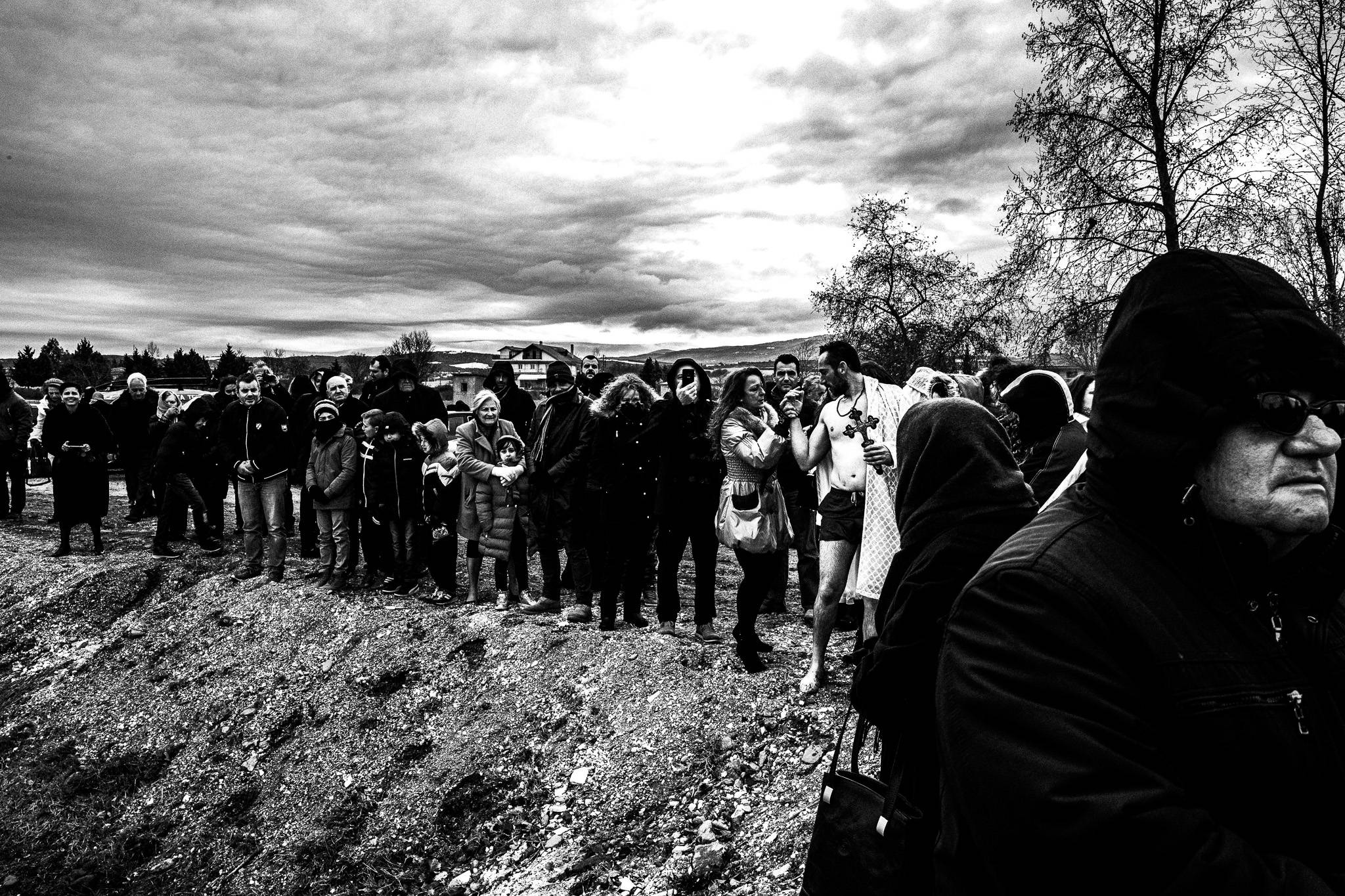
Field photographGrabbing the cross at the lake
Collector mode
A photograph to live with. Enter a private viewing.Introduction
On Epiphany morning, the blessing of the waters is held in the winter landscape of Lake Koroneia.
An Orthodox Epiphany ceremony at the lake, centred on the blessing of the water and the retrieval of the cross.
Blessing the water at Koronea Lake
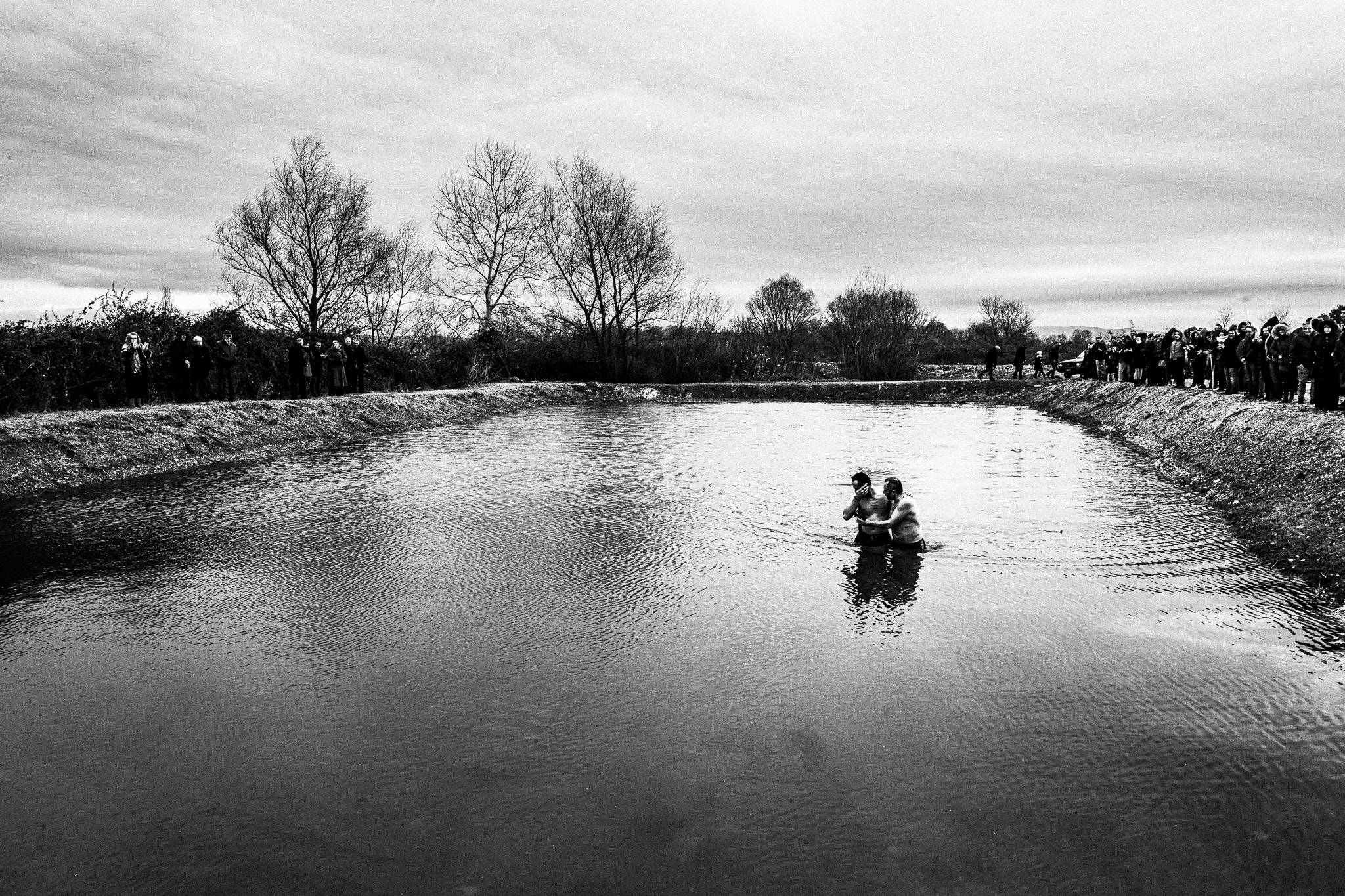
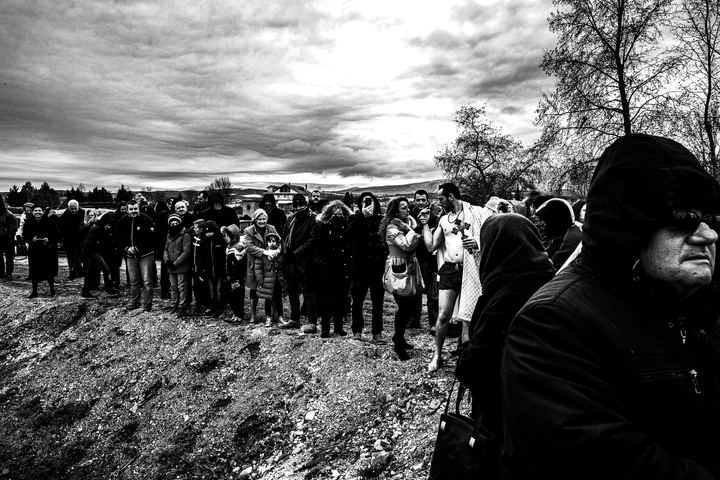
On Epiphany, 6 January, the water is blessed and a cross is being cast in the sea, lake or nearby river for that purpose. Some men will dive in to catch the cross. The one who gets it will have luck in the following year.
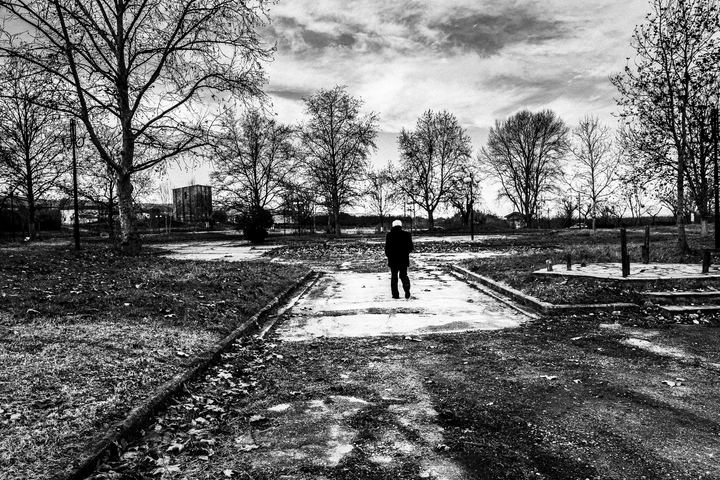
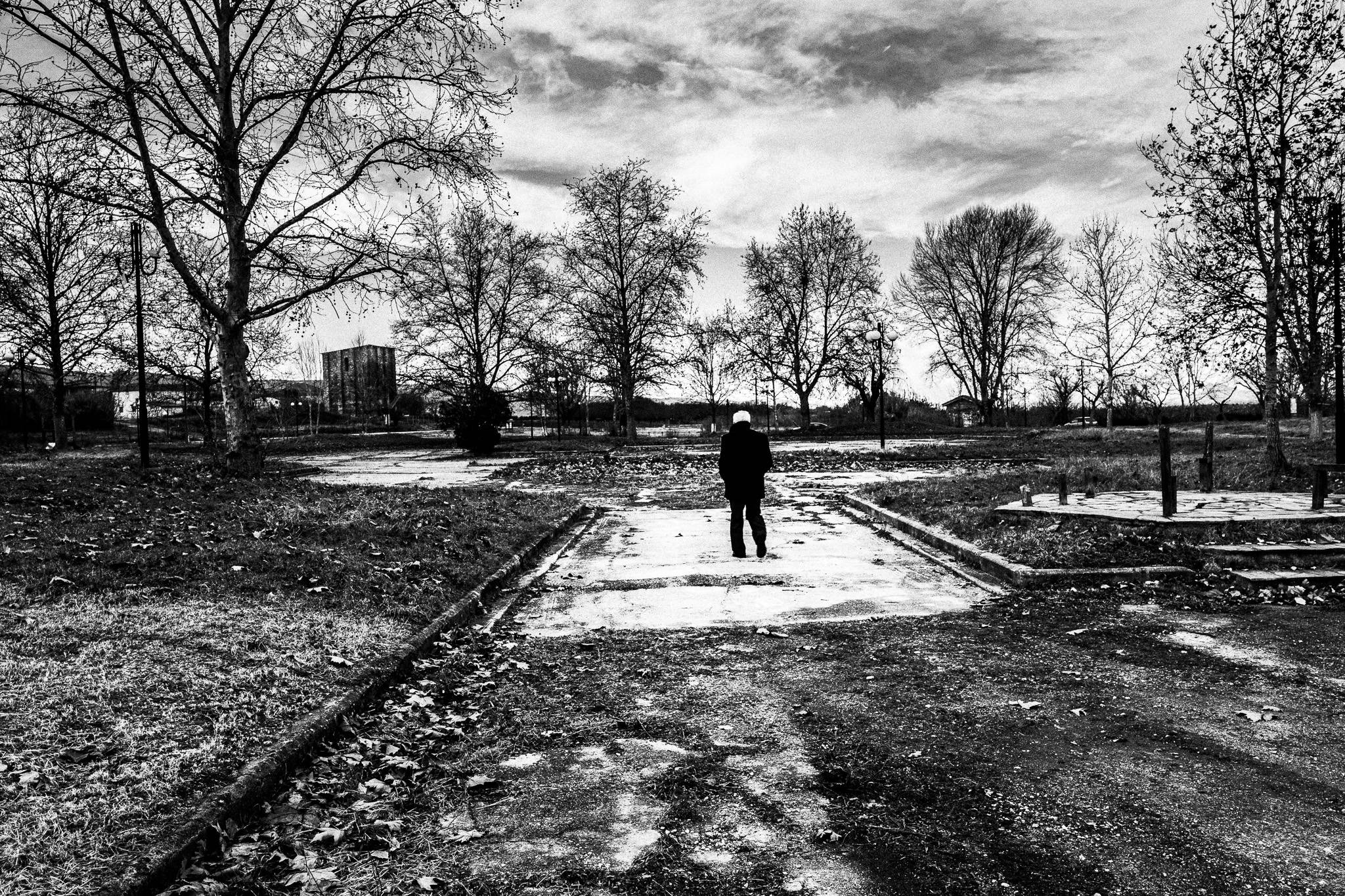
I was looking for a nice place to go on this day and maybe take a picture or two. I thought I would start with villages along lakes and rivers. I started my quest on the previous day of the event. Koronea is a lake near Thessaloniki, where I have seen the small village of Aghios Vassilios. I have decided to go and see this village. When I arrived I liked the place, especially near the lake. The only problem was that I couldn't see the actual lake. I wasn't aware that Koronea Lake faces the danger of drying out. However, that fact made the scenery even more surreal.
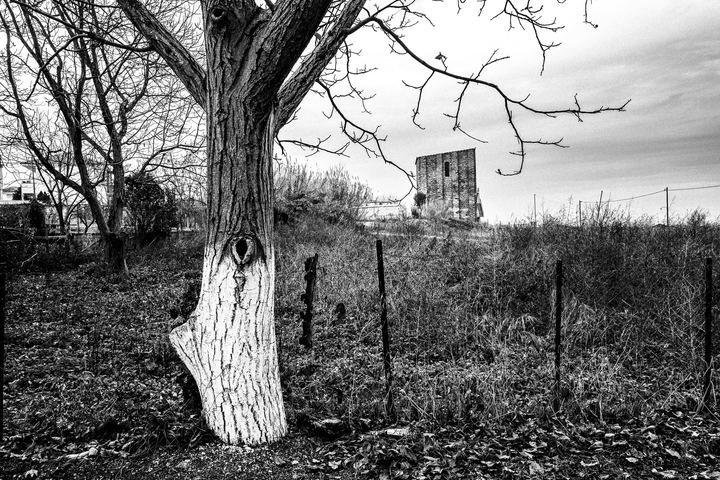
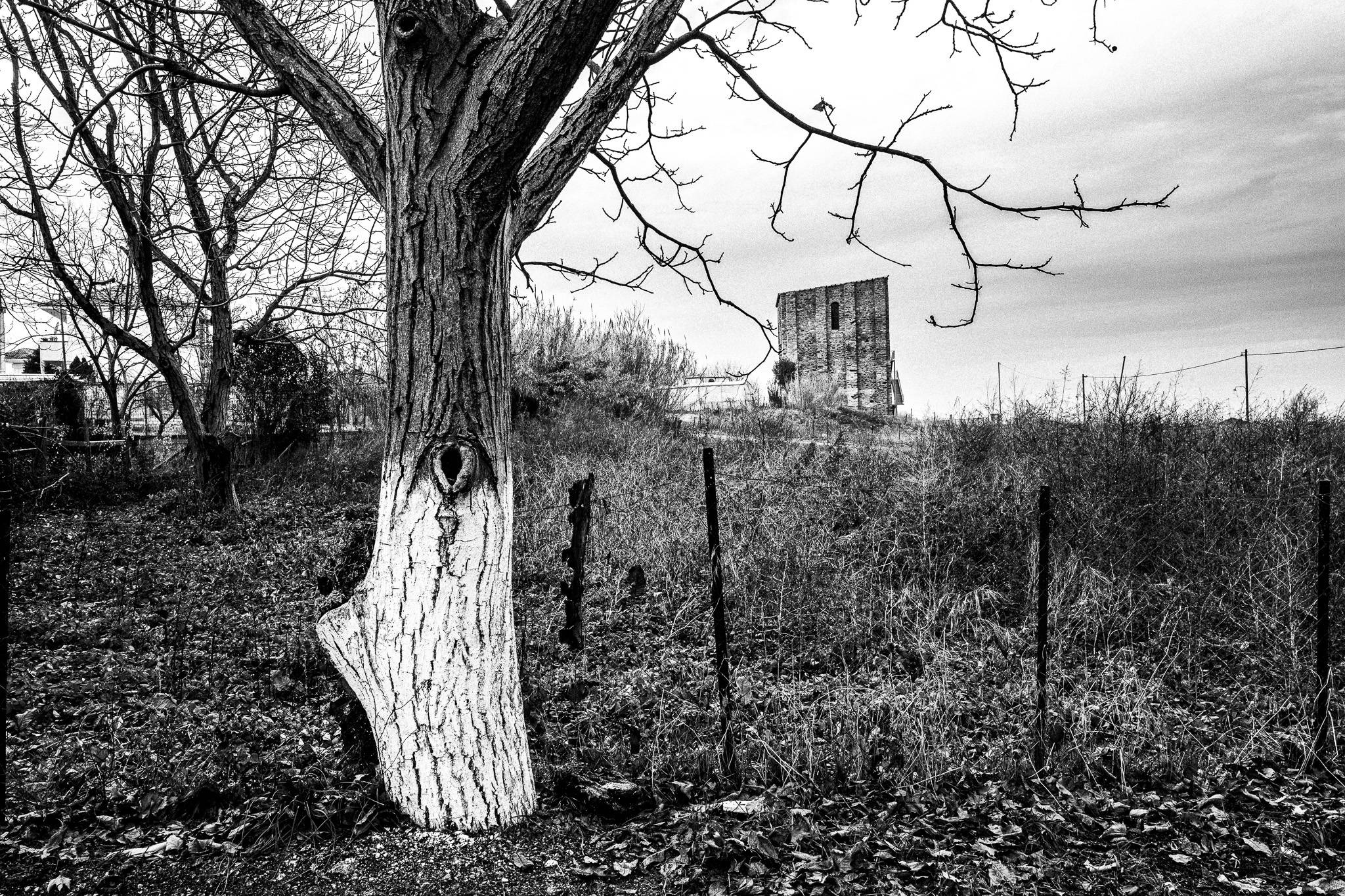
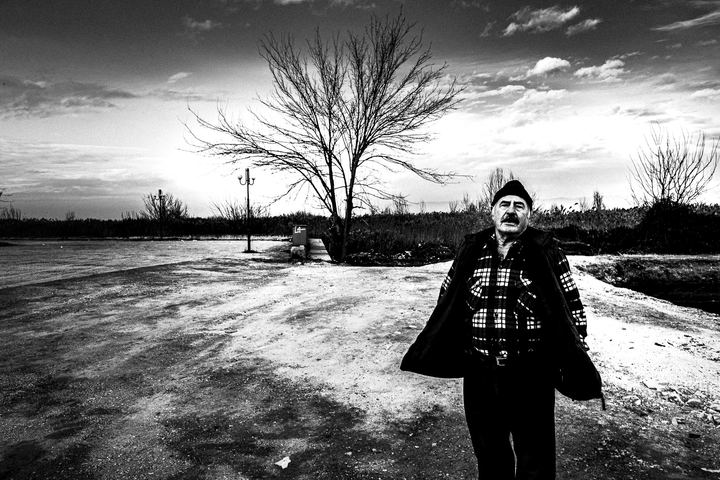
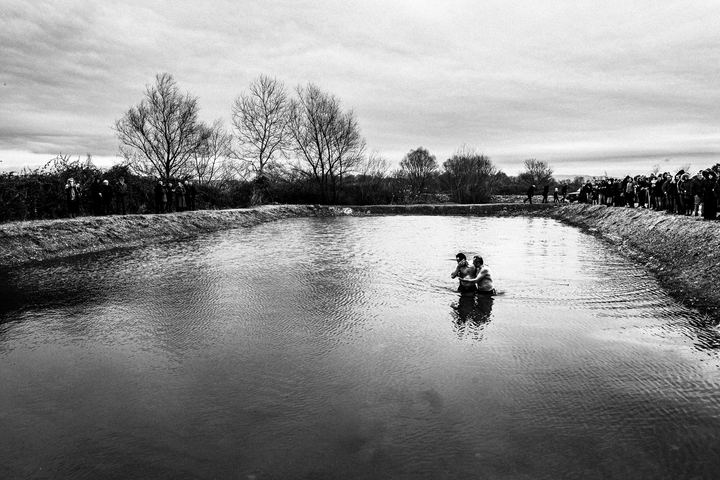
I have met Vassilis, a local man who told me that there is work taking place to try and restore the lake's former condition. In the old days, the place where I stood to take the portrait of him used to be a lake. Many people would come and visit and take walks by the lake. Nowadays there are hardly any visitors and most of the taverns are closed. There was a small pond nearby where the cross would be cast the next day. That looked nice to me, so I decided I would come again the next day.
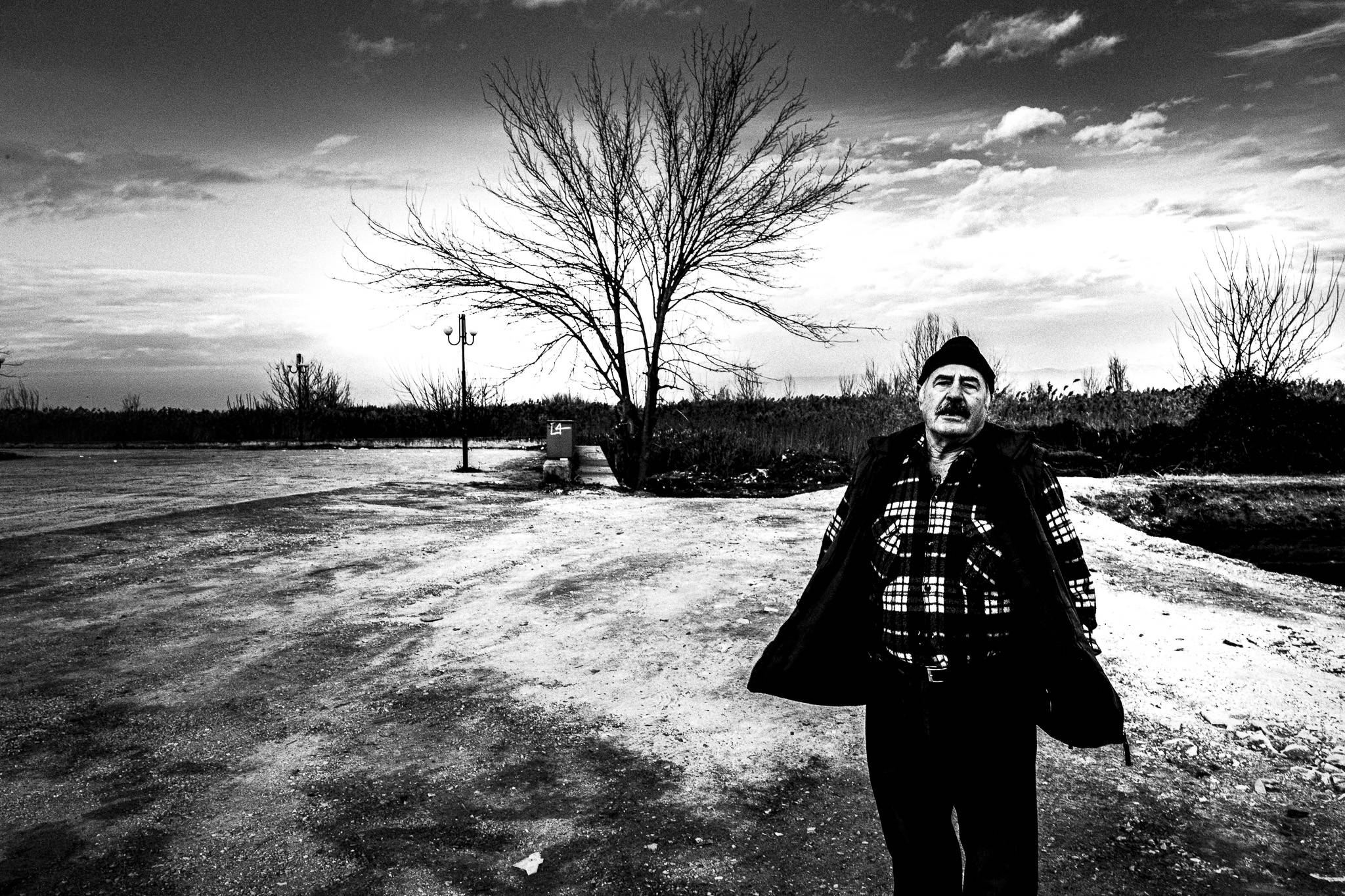
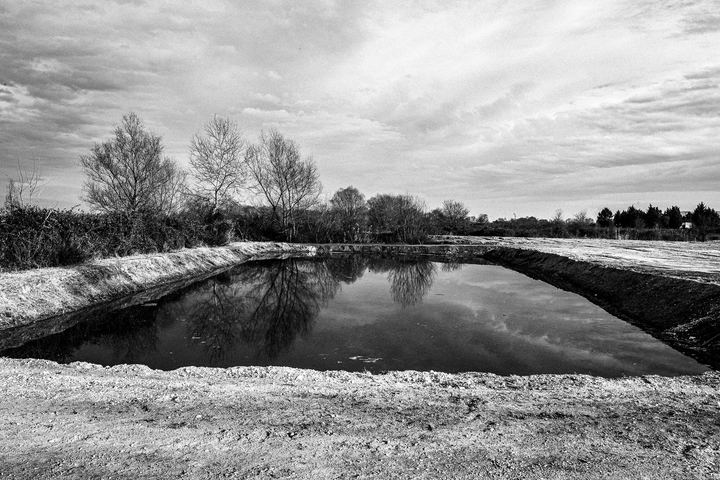
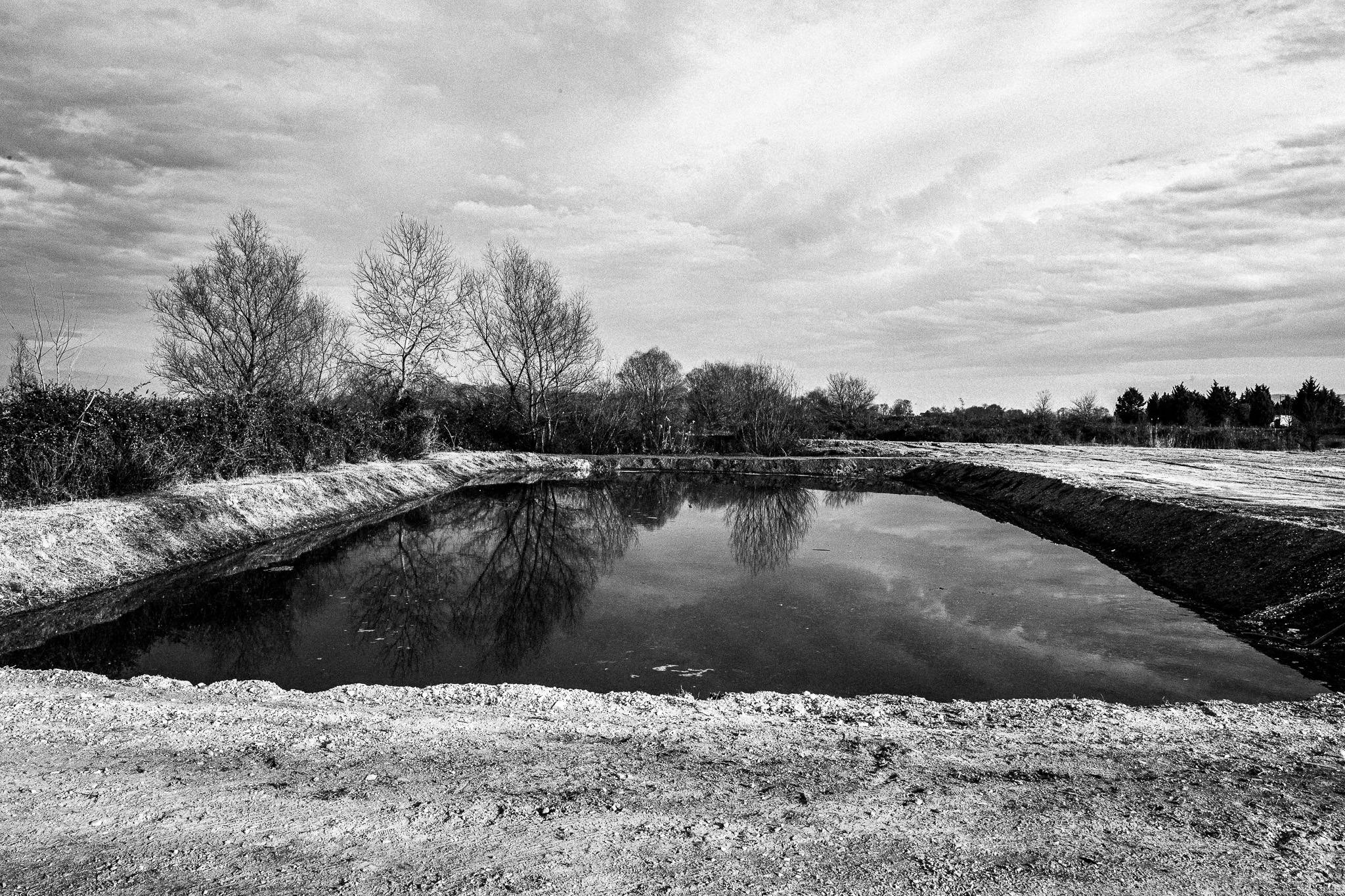
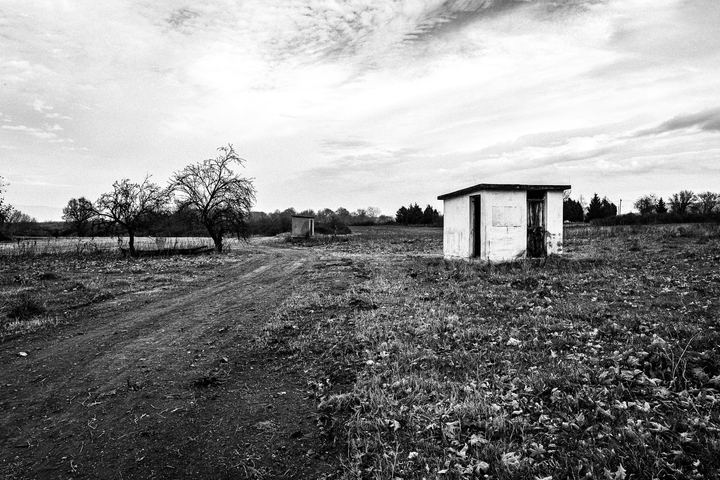
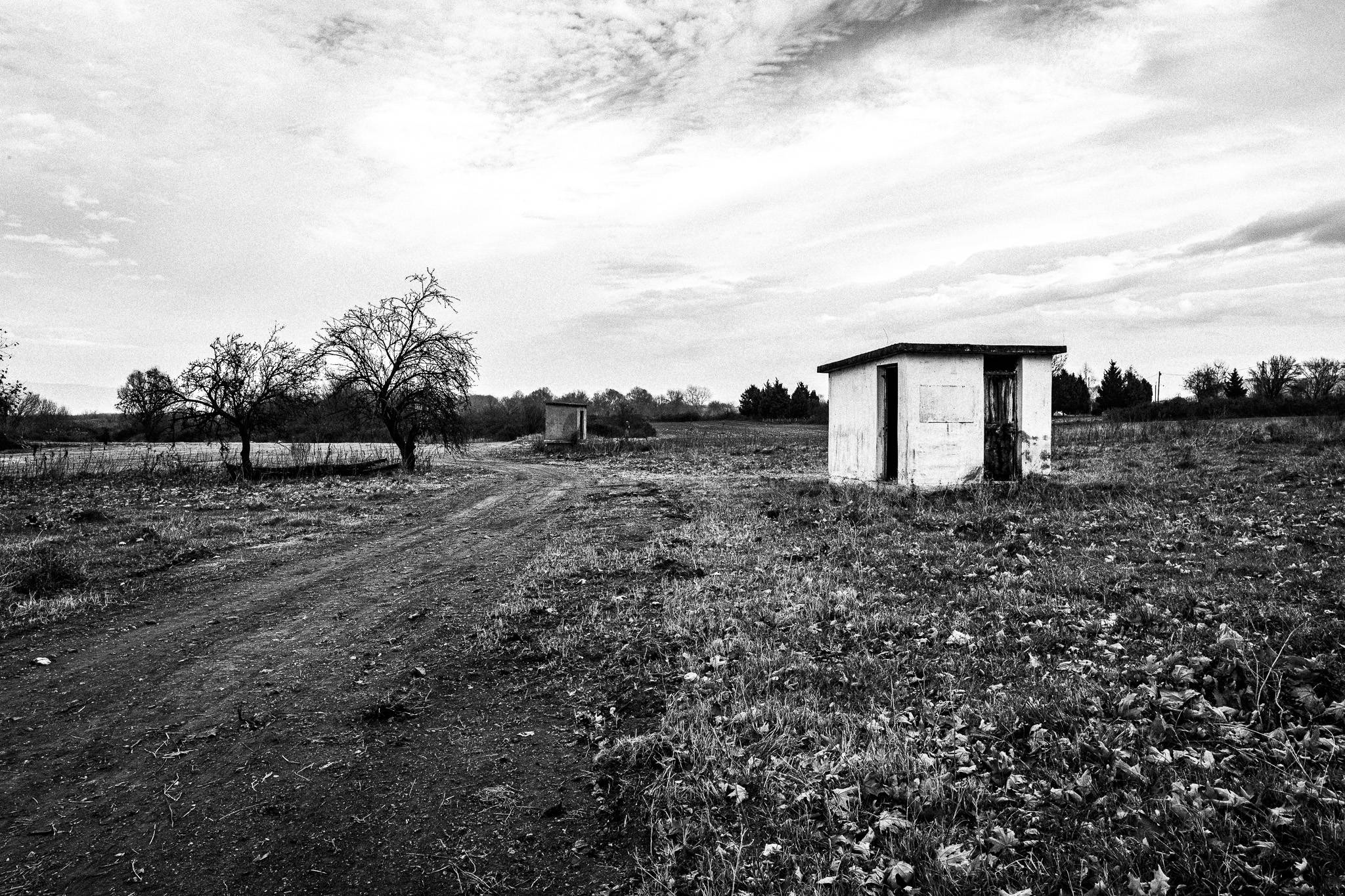
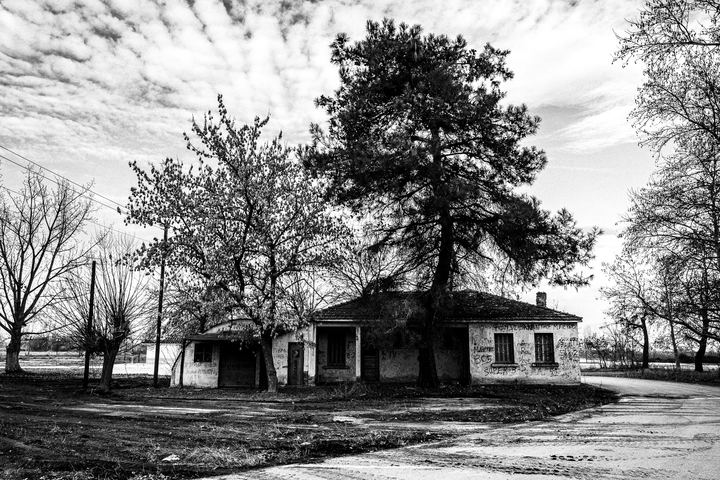
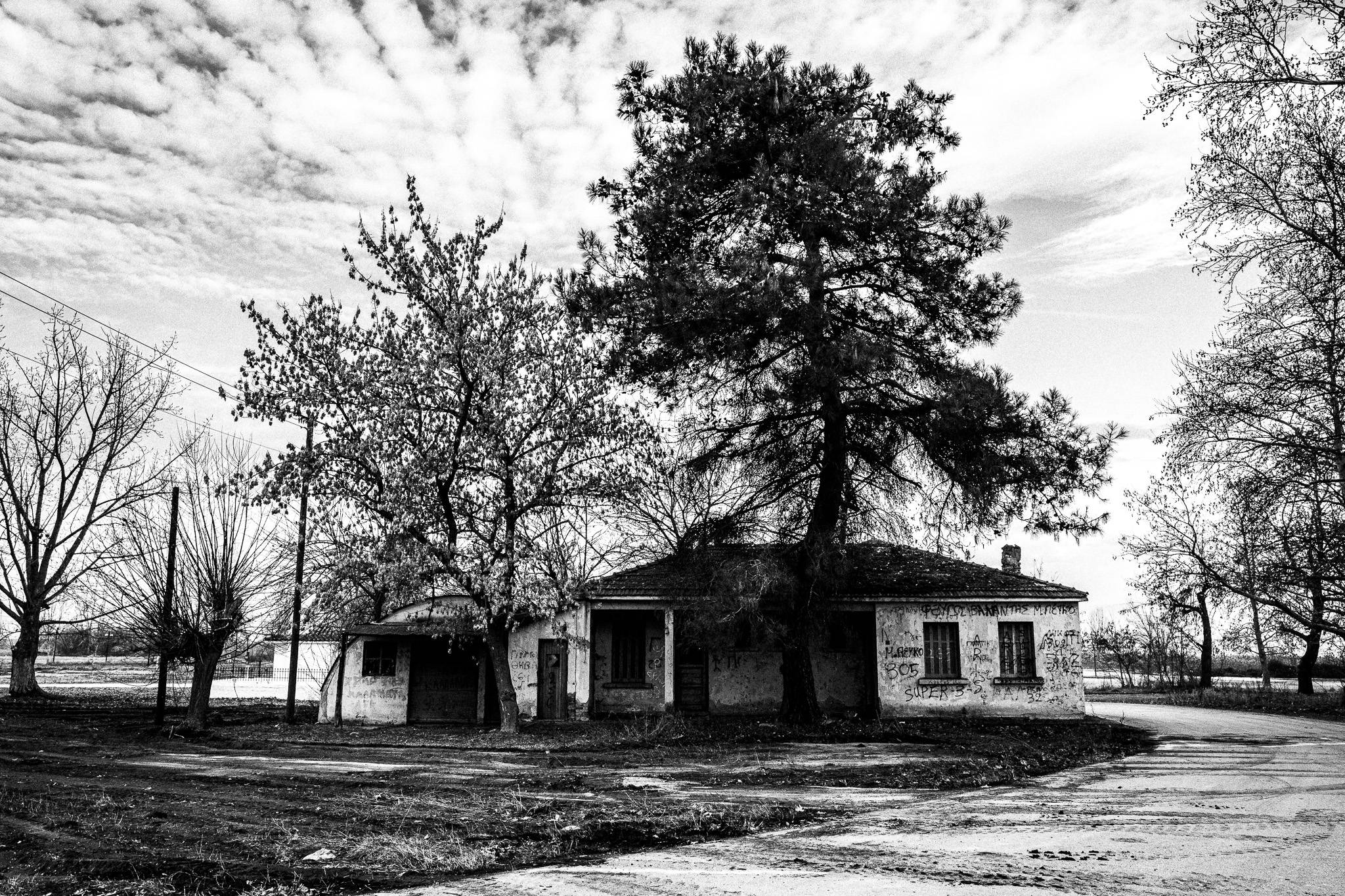
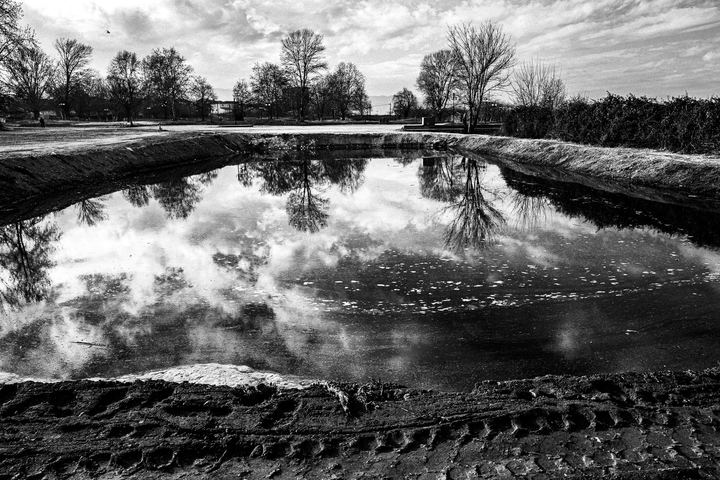
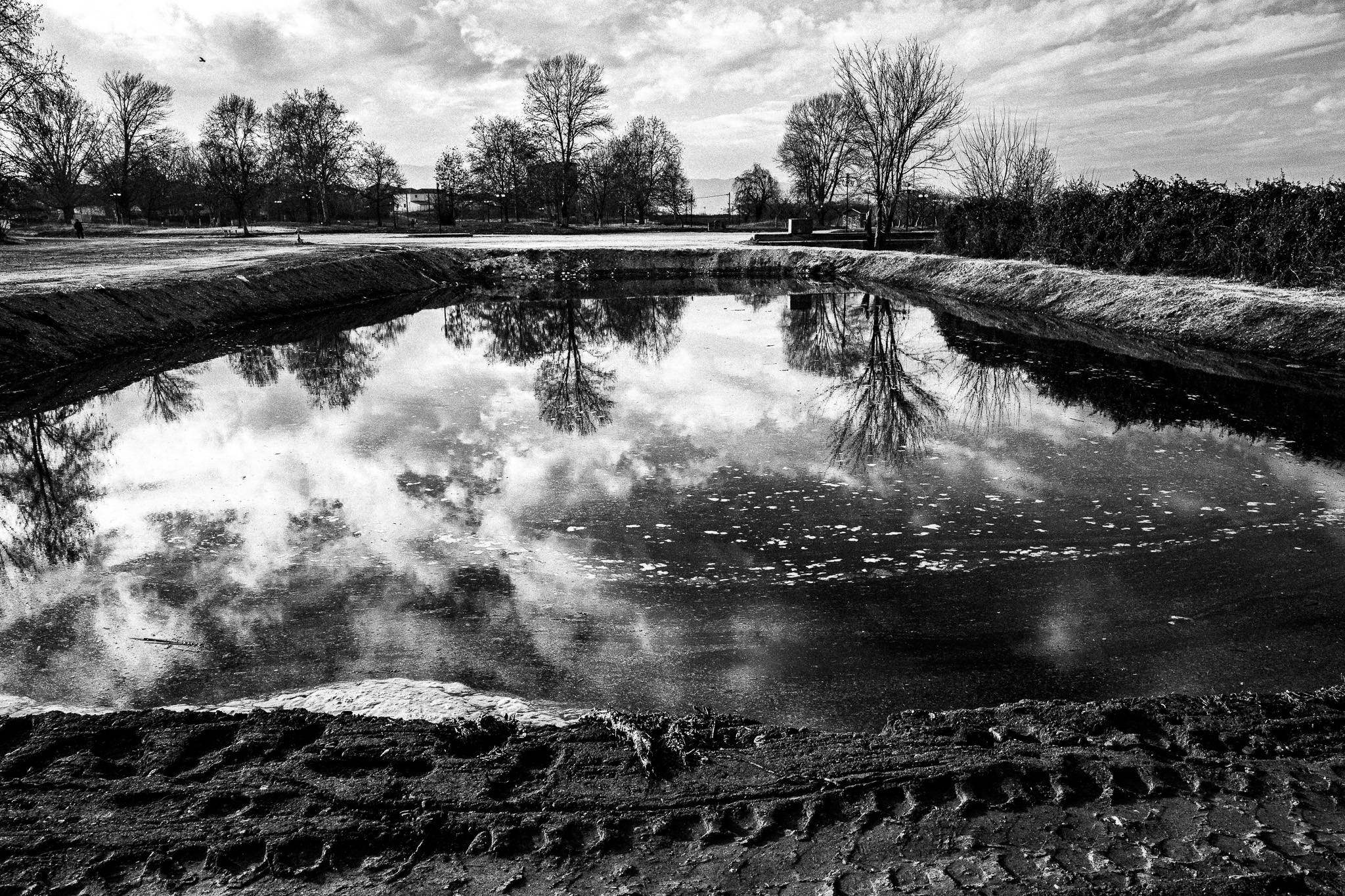
Indeed, the next day I started early and went down the village. The weather was cold and there was some snow around the place. The temperature was near the minus-five Centigrade range. I really couldn't believe that someone would dive into the freezing water to catch the cross. After the morning Mass ended in the central church, everyone headed around the pond and parked around it. They would wait inside the cars for the priests to arrive because of the cold.
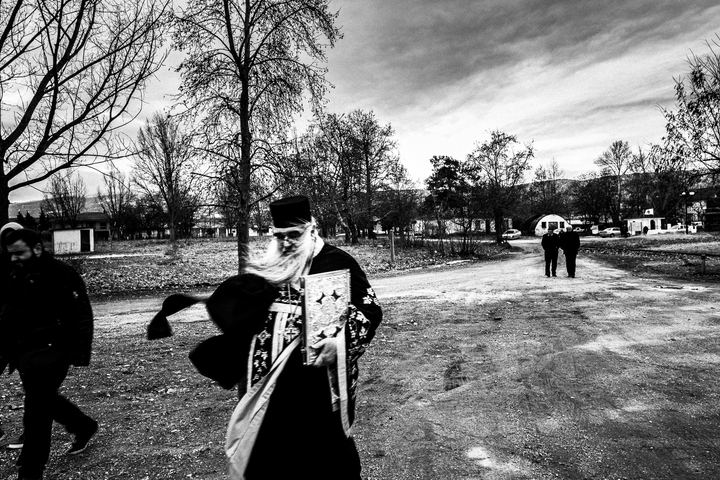
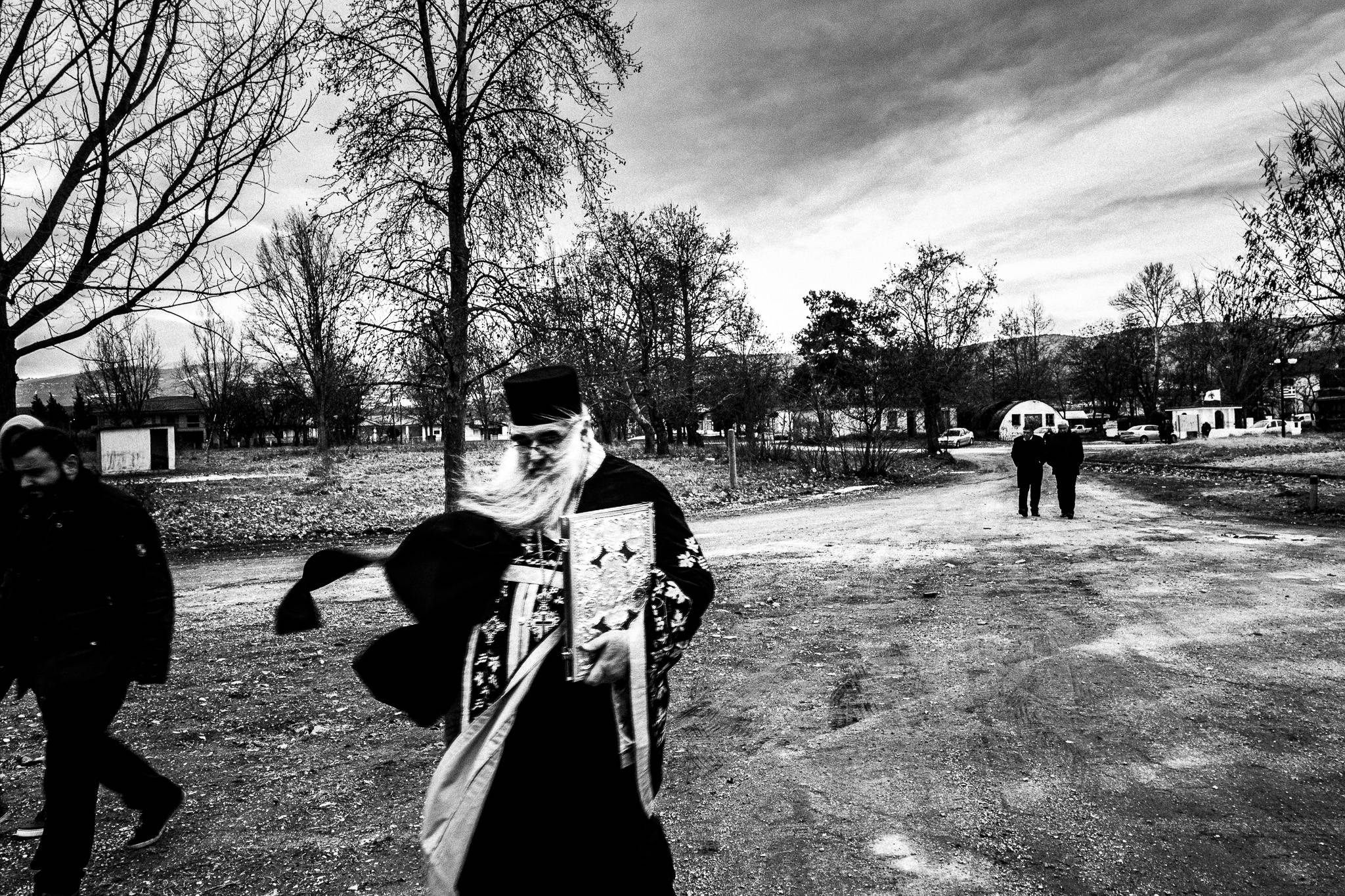
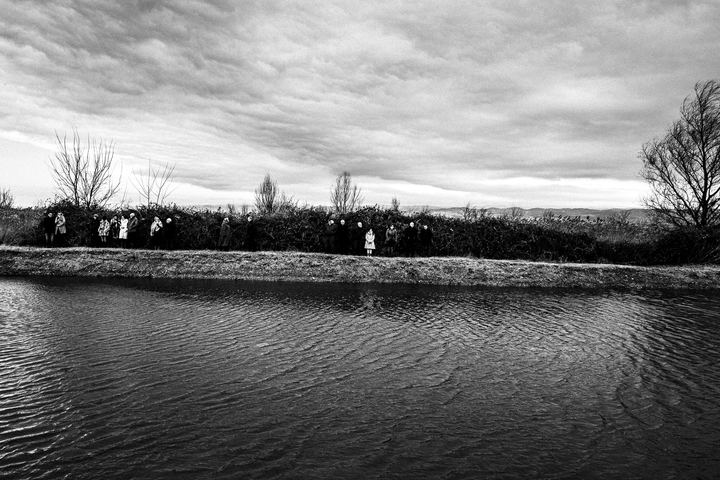
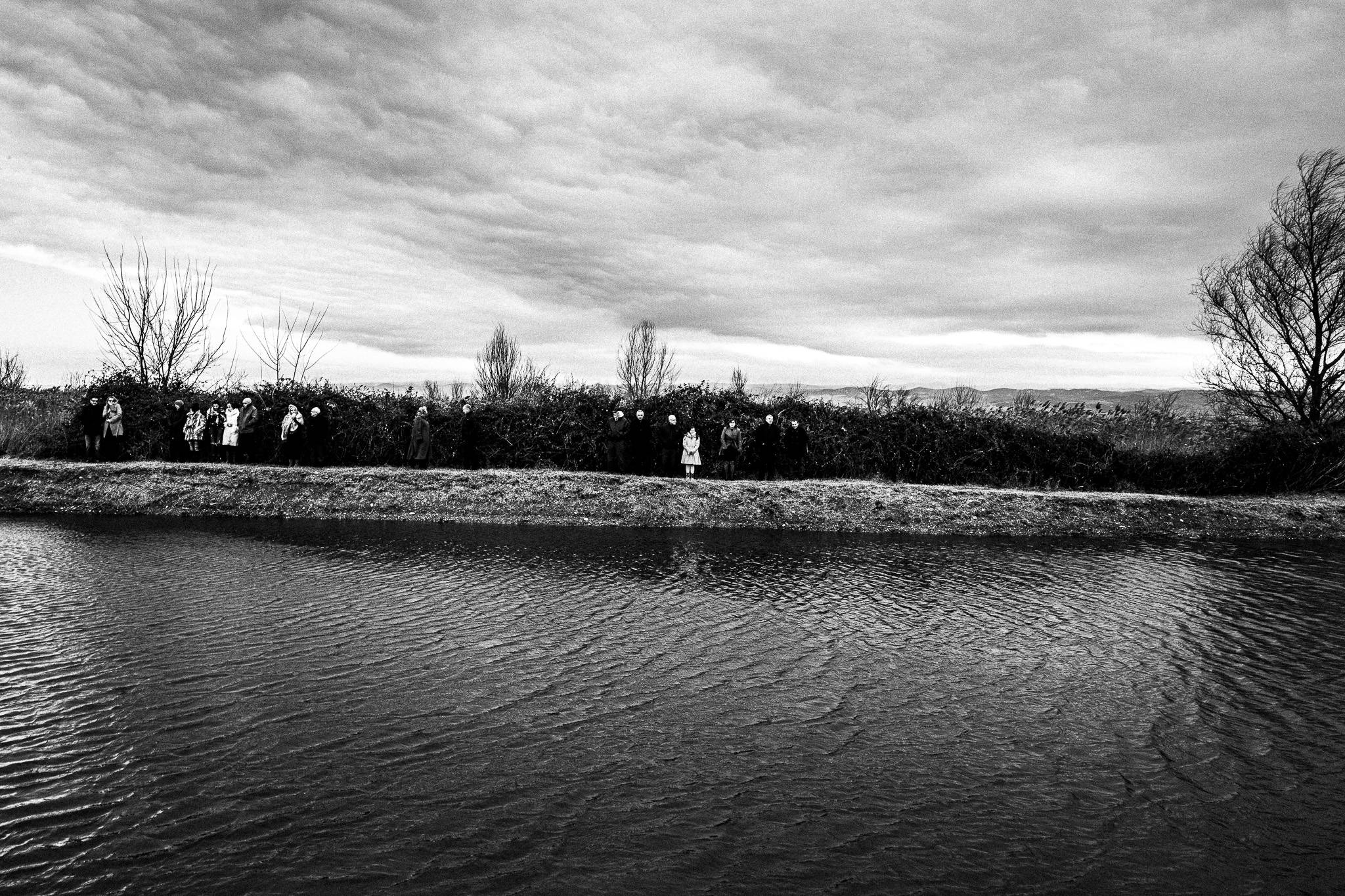
After the priests came along, they went on with the blessing, I think a bit faster than usual and cast the cross into the water. Two men jumped in and one of them caught the cross and kissed it. They came outside the water fast and tried to dry out with a towel before getting the blessing from the priest.
Culture, held by place
Continue through Central Macedonia.
Follow this tradition into its geographic and cultural context.