Living traditions
Byzantine Easter of Olympos
Olympos, Karpathos
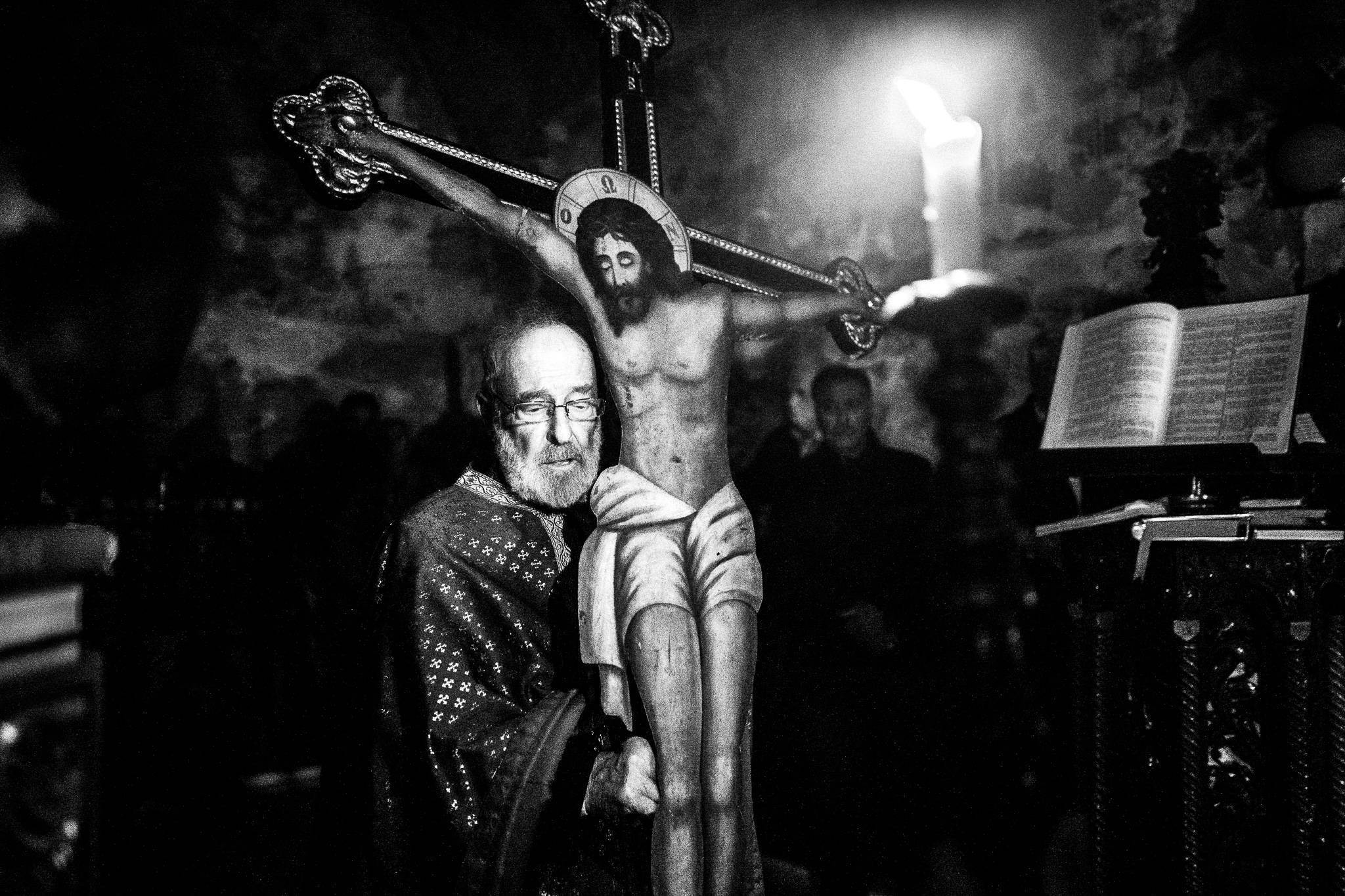
Field photographByzantine Easter of Olympos — Carying the cross
Collector mode
A photograph to live with. Enter a private viewing.Introduction
From Holy Wednesday to Easter Sunday, Olympos follows a distinctive Byzantine cycle of worship, mourning, procession, communal ovens and the proclamation of the Resurrection inside the women’s section of the church.
The Easter traditions of Olympos unfold over several days, beginning with the services and preparations of Holy Week and continuing through Good Friday, the midnight Resurrection and the important second Resurrection liturgy at noon on Easter Sunday.
The Byzantine Easter in Olympos, Karpathos.
As a photographer interested in Greek culture and traditions, I very much wanted to capture Easter in Olympos. Olympos is a somewhat secluded place, located on the island of Karpathos, where traditions are still strong. Situated 40 km from Pigadia, the capital of the island, Olympos is reached by a tricky road that was asphalted only as late as the 2010s. The people of Olympos regard themselves as descendants of the Byzantine Empire and are one of the few places in the world where a visitor can experience authentic Byzantine tradition, although other traditions are involved, too. This method of celebration has been registered in the UNESCO Archive of Worldwide Intangible Cultural Heritage.
I wanted to experience the customs of Olympos in-depth and get to know the people living there. And so I travelled to the island early in the season, when the village was still empty. I had found a place to stay in the village of Diafani, a nearby coastal settlement that serves as a port. In the past, people from Olympos involved in maritime matters would stay in this spot, so that houses eventually appeared and a village grew up. Today, Diafani is the second harbour of the island.
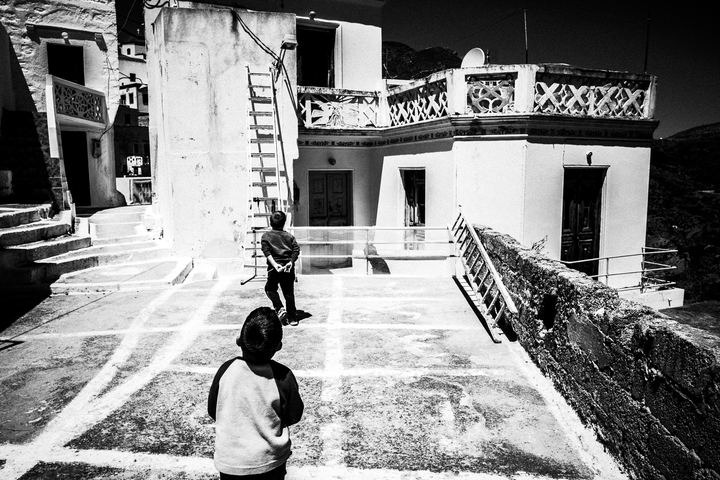
Olympos is probably the most interesting spot on the island. It possesses beautiful architecture and stands on a hilltop set between two mountains. One can easily lose oneself in the narrow alleys and travel back in time.
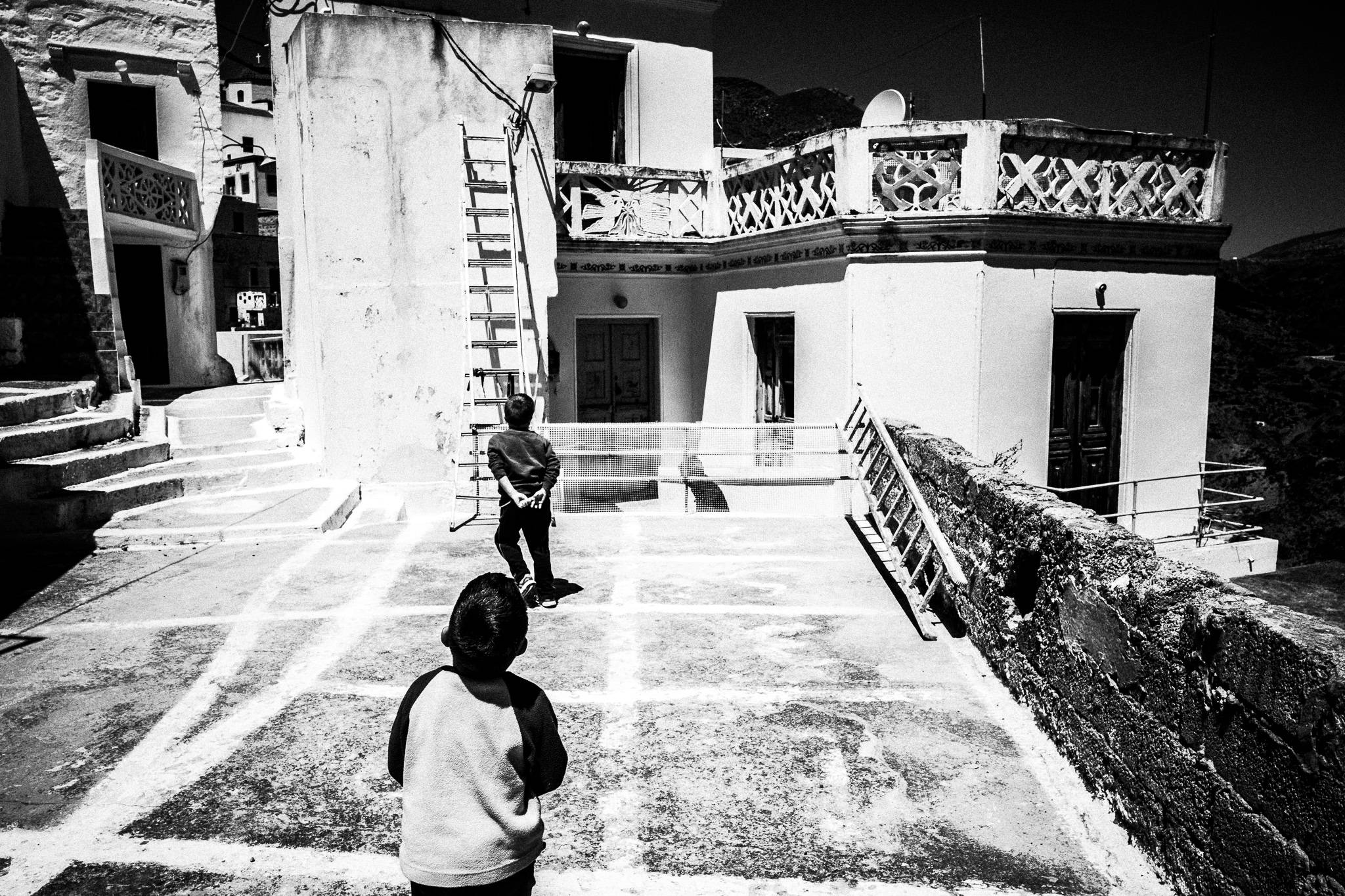
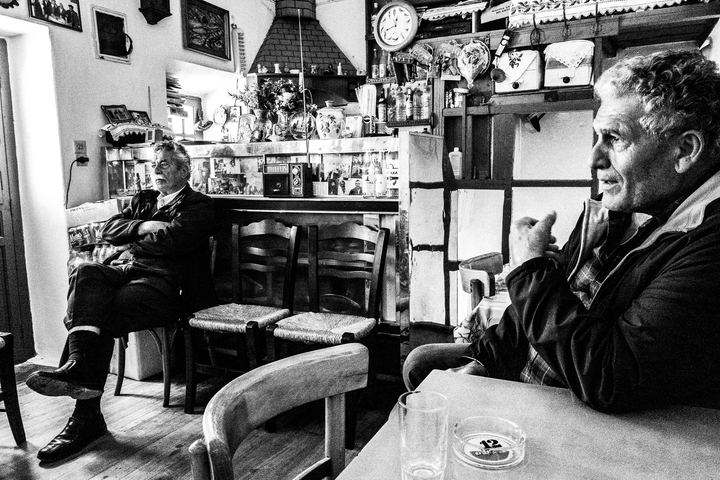
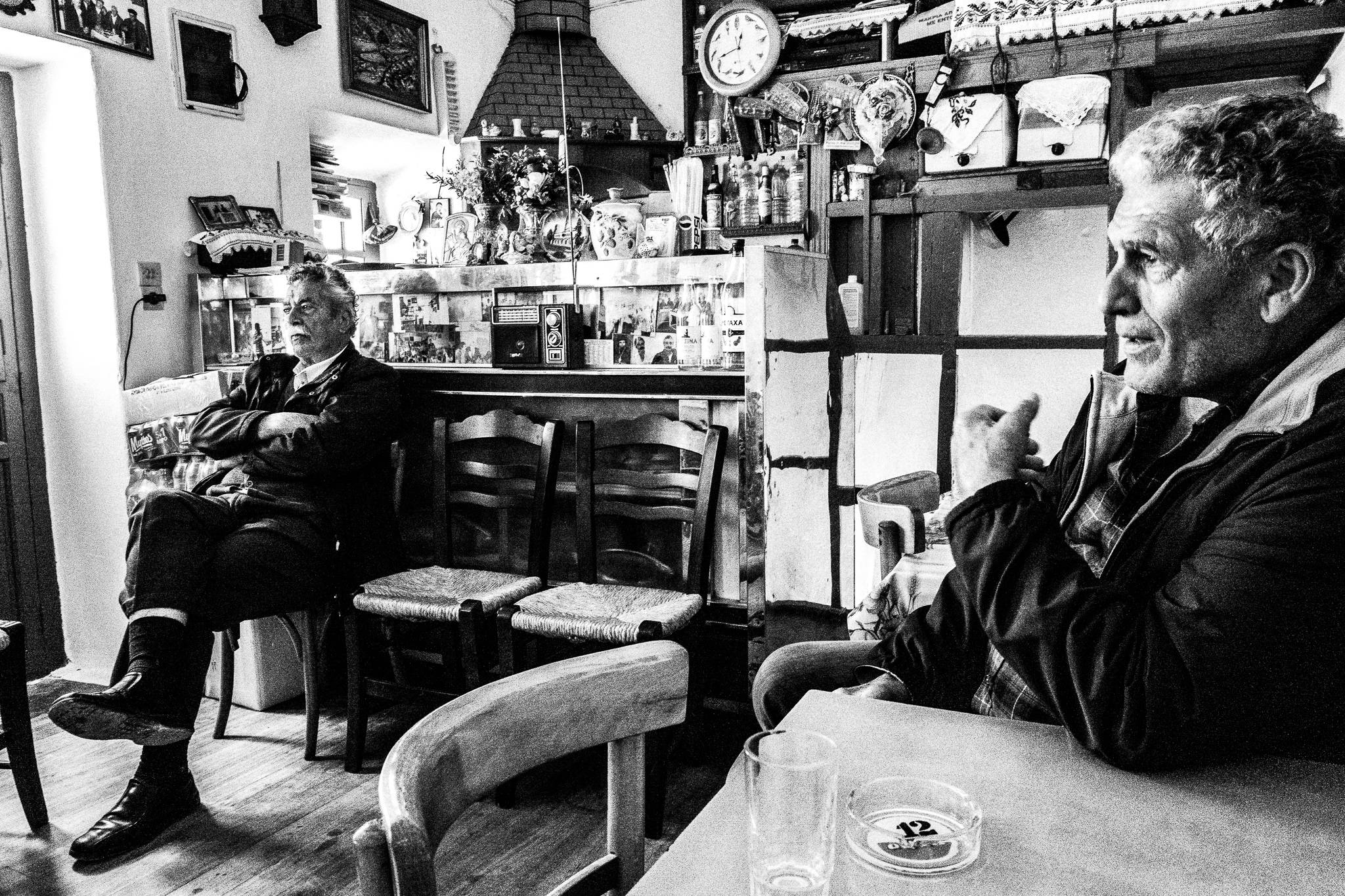
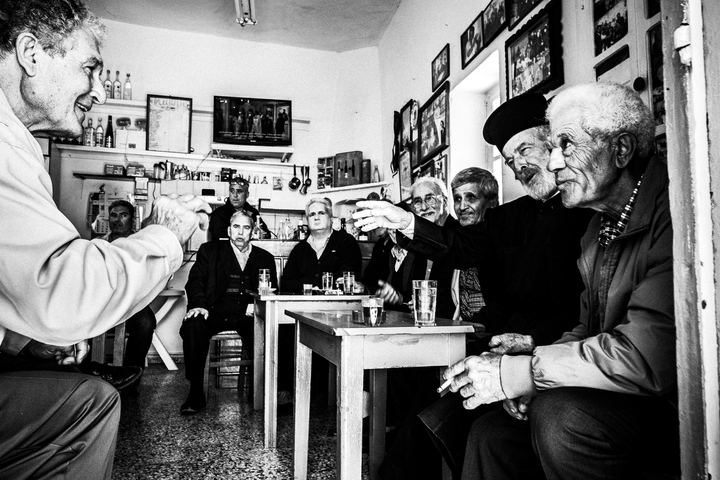
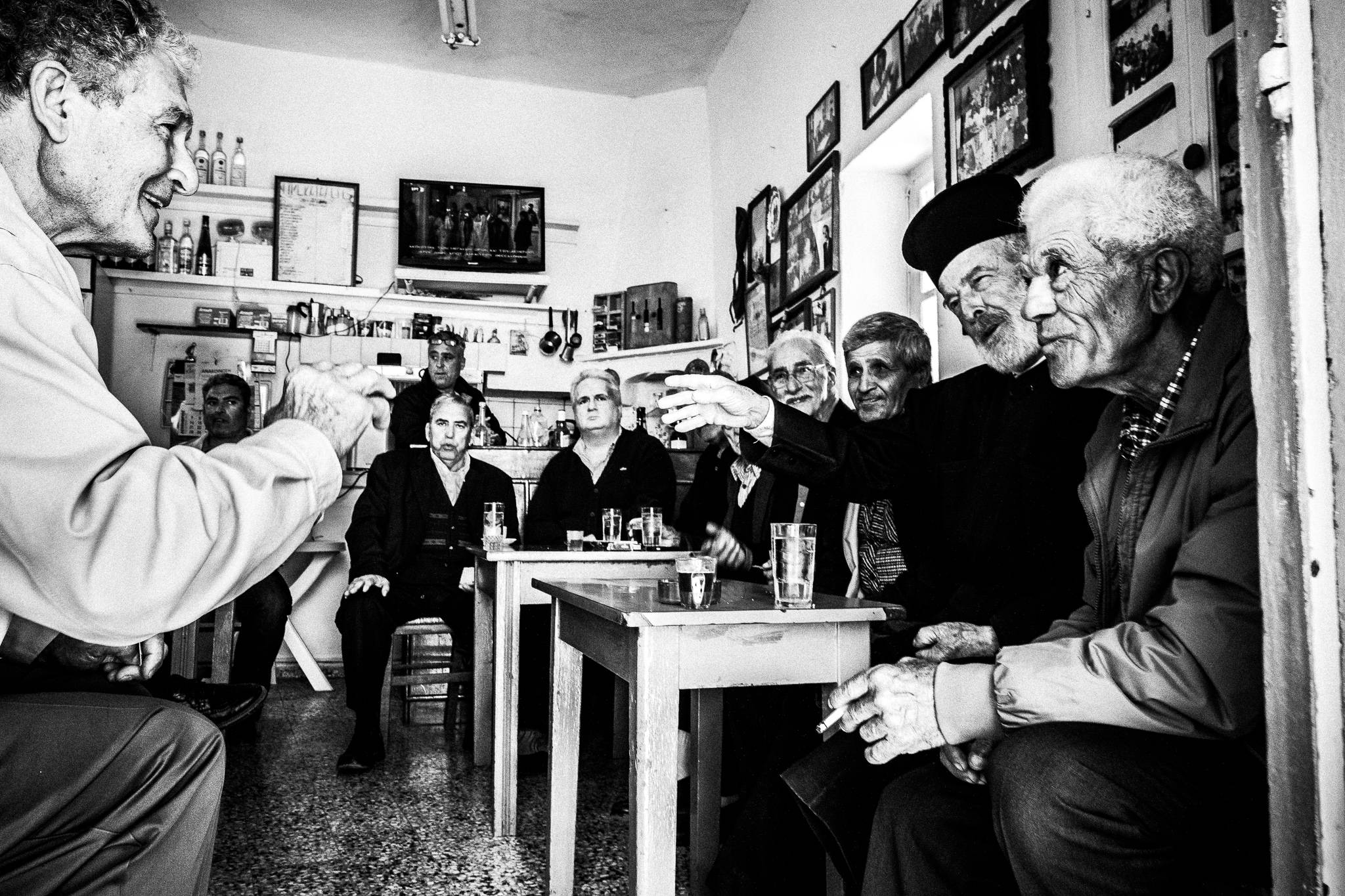
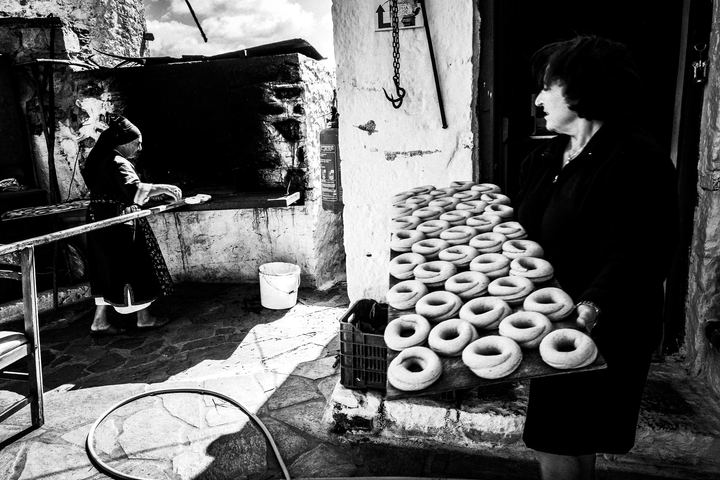
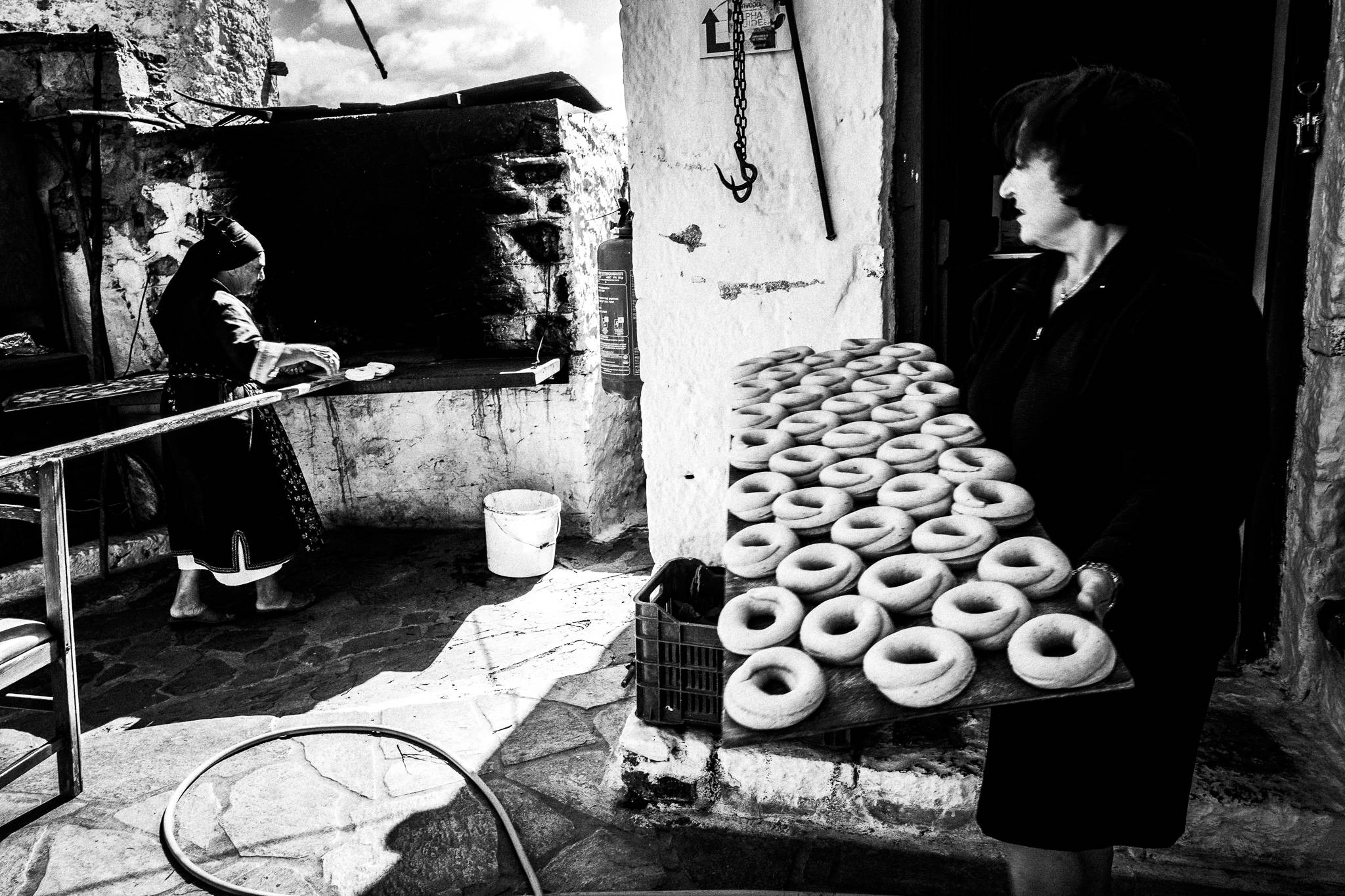
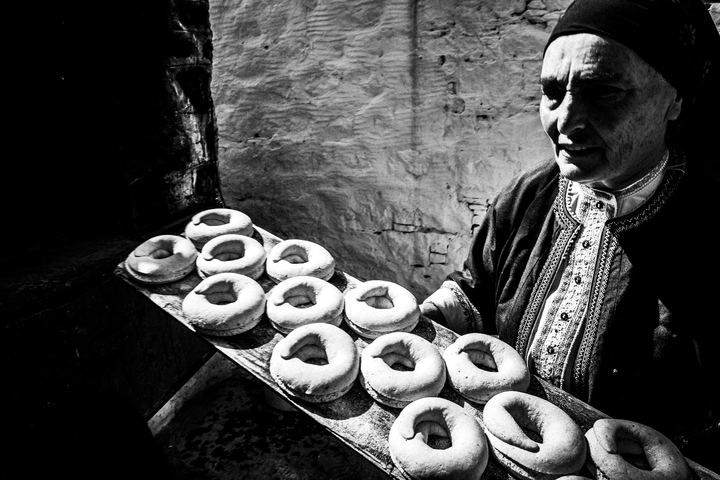
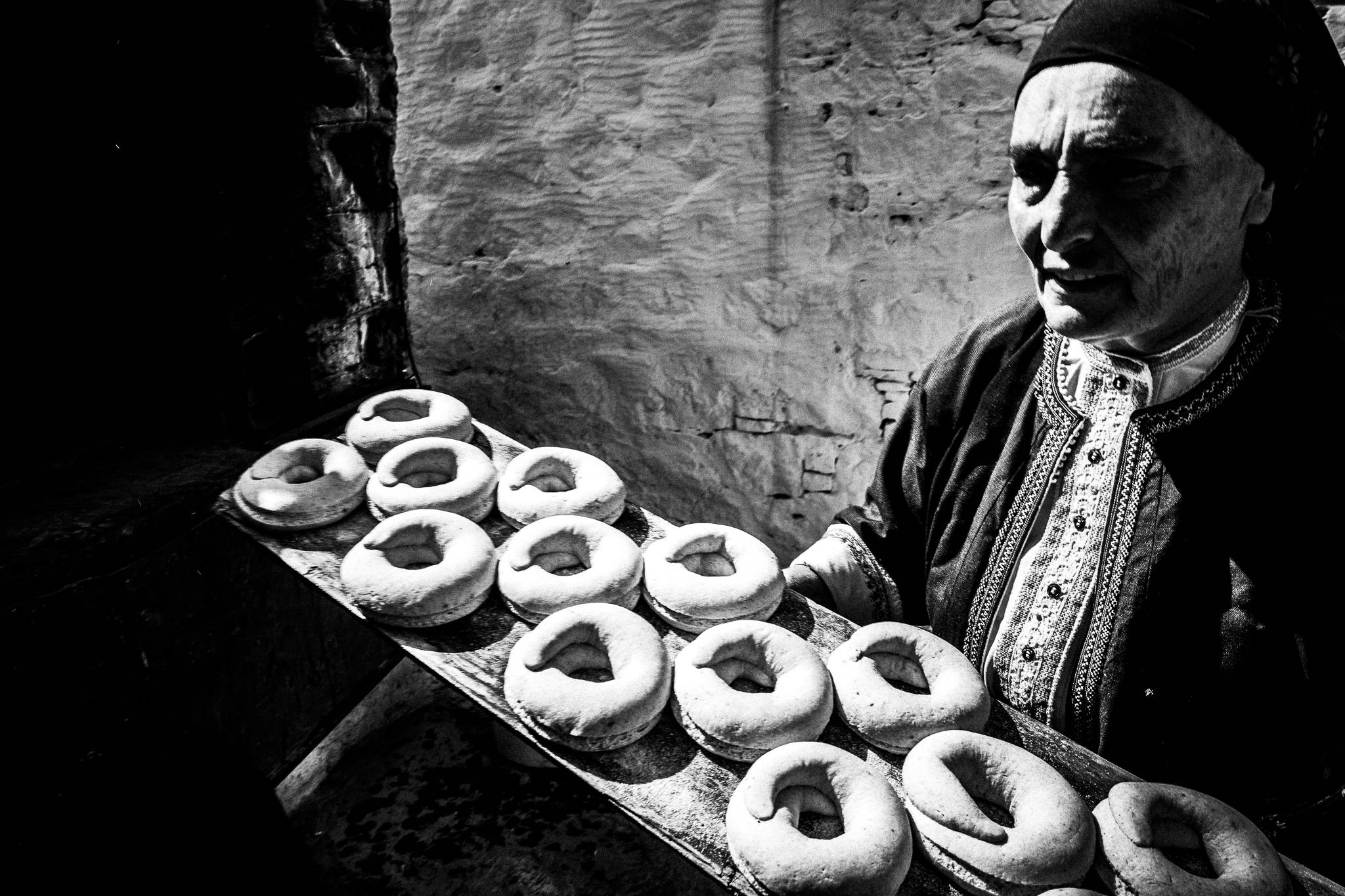
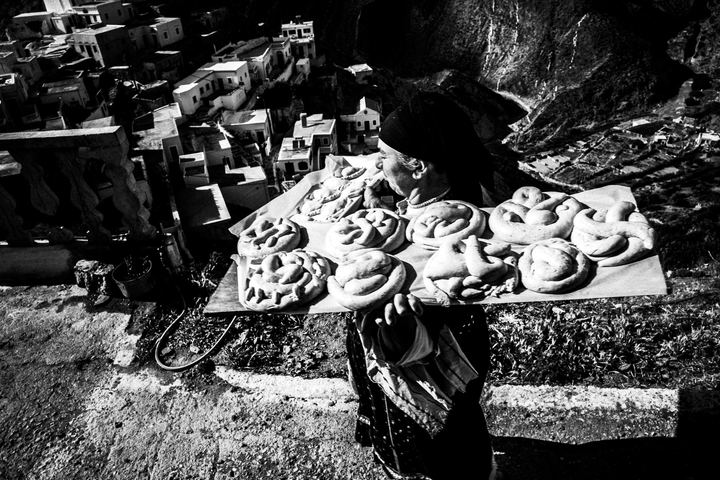
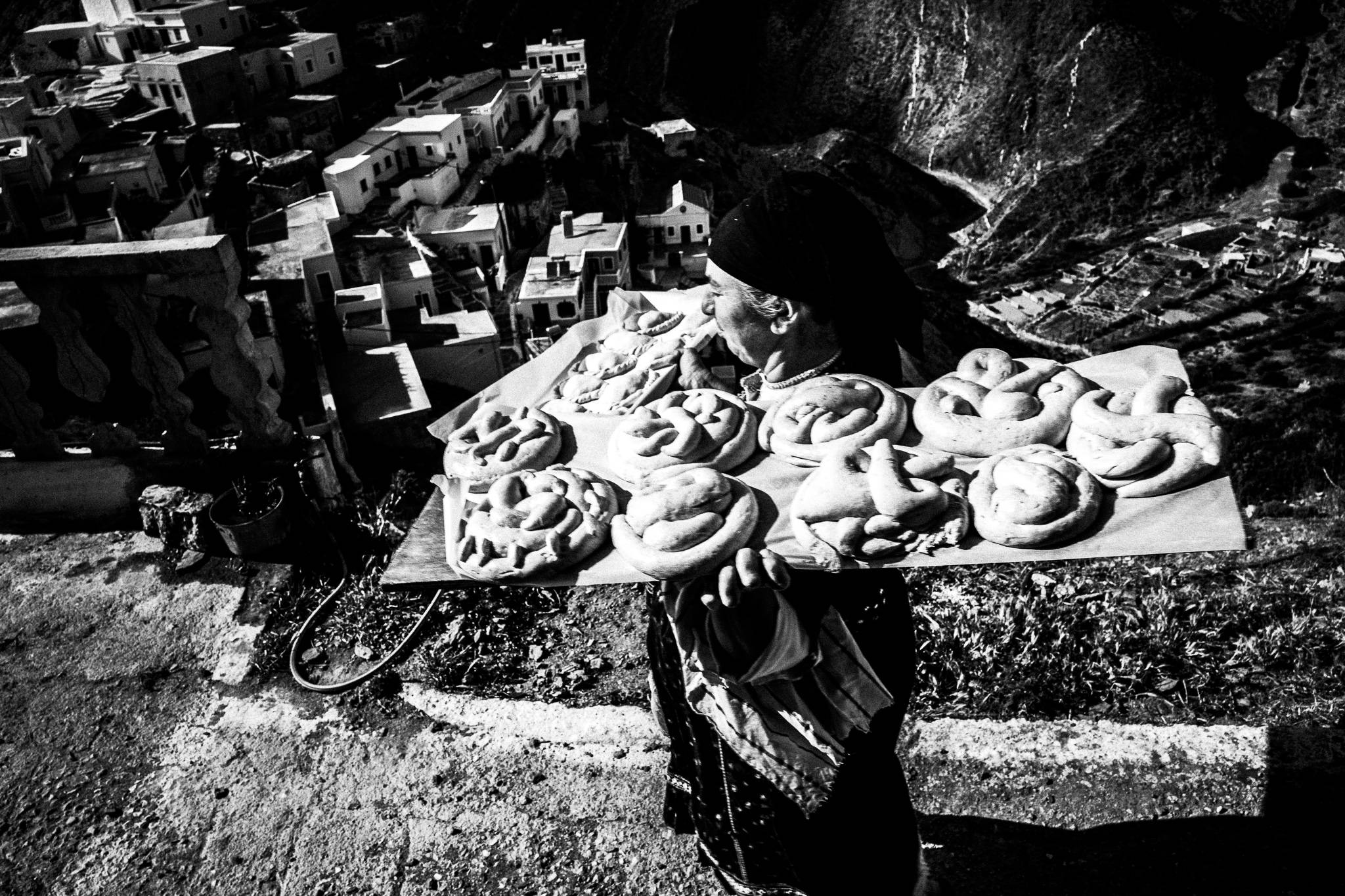
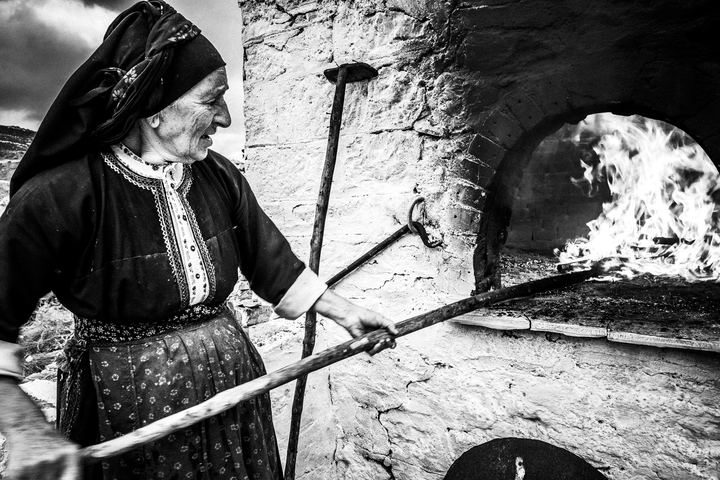
The first few days of Holy Week are devoted to preparations for Easter, which consist mostly of baking. Around the village of Olympos, the community has built many wood-burning ovens. These can be used by anyone, as long as they use their wood and keep the ovens clean and tidy. During these days of Holy Week, traditional recipes are used for baking bread and cakes.
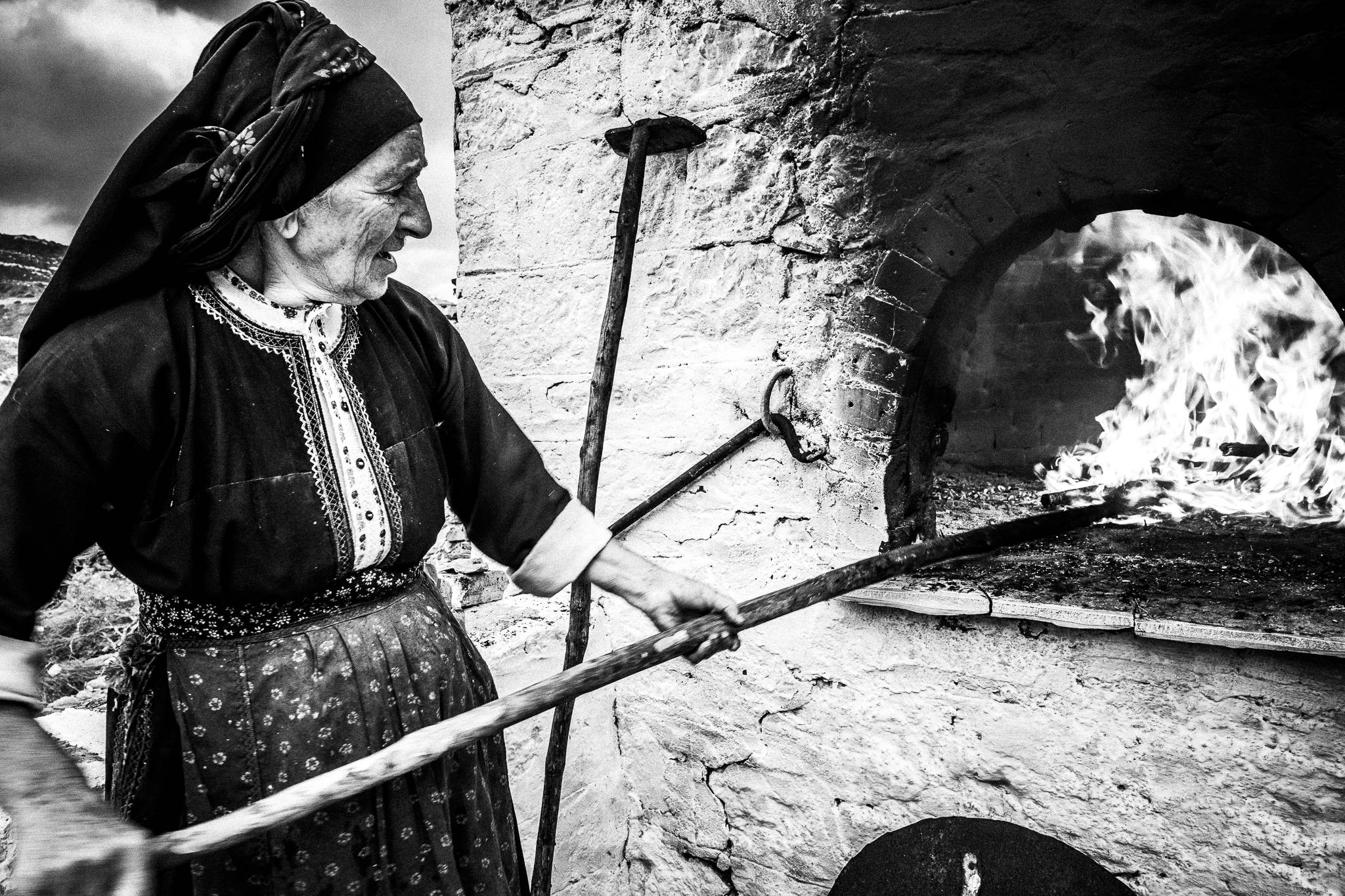
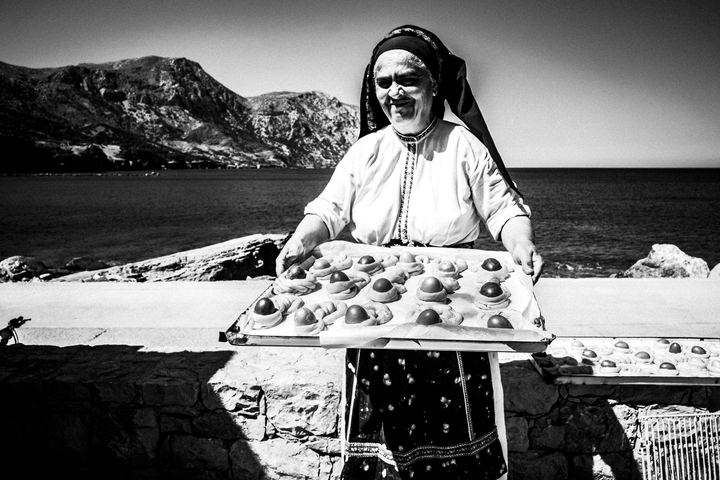
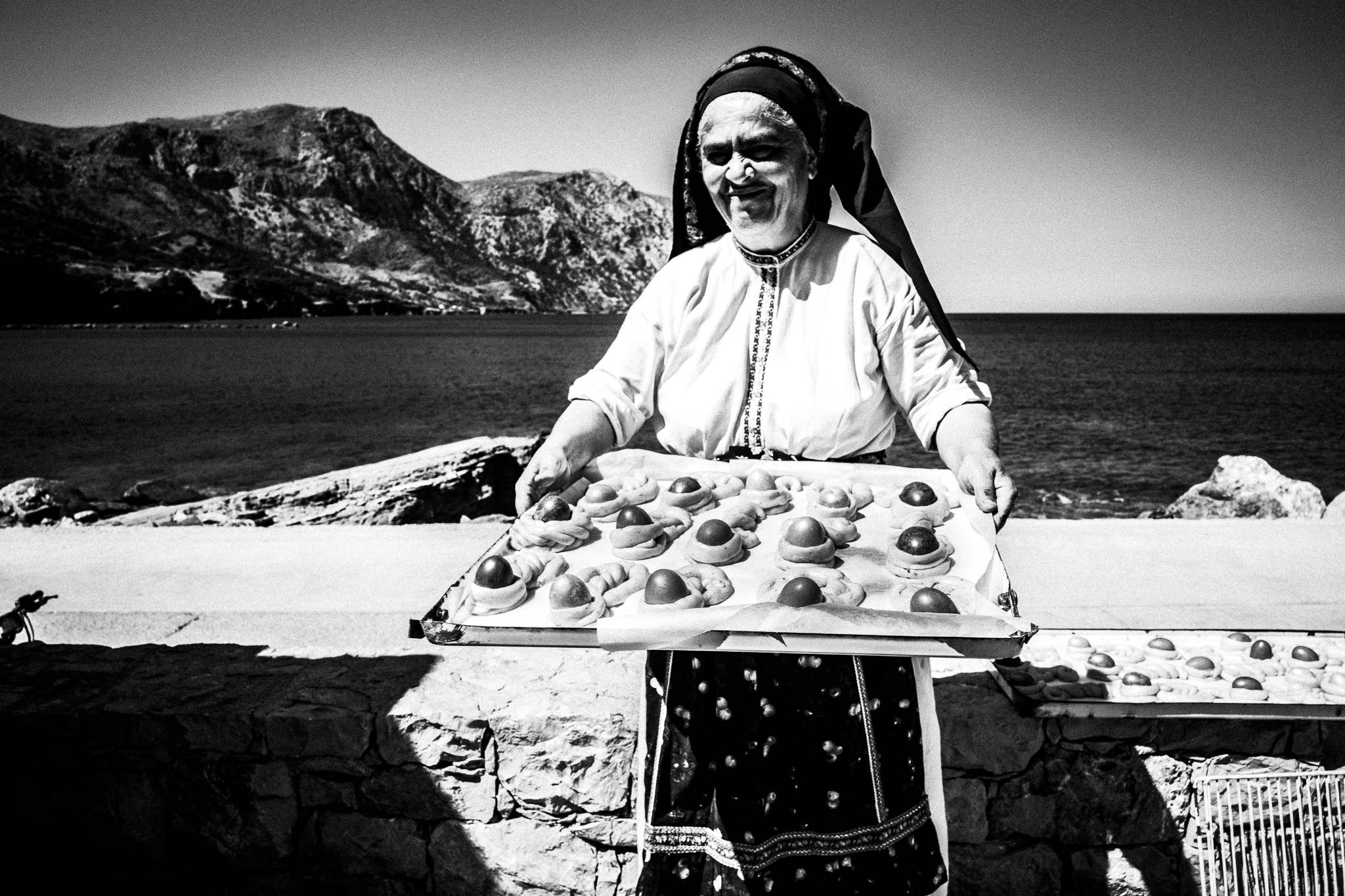
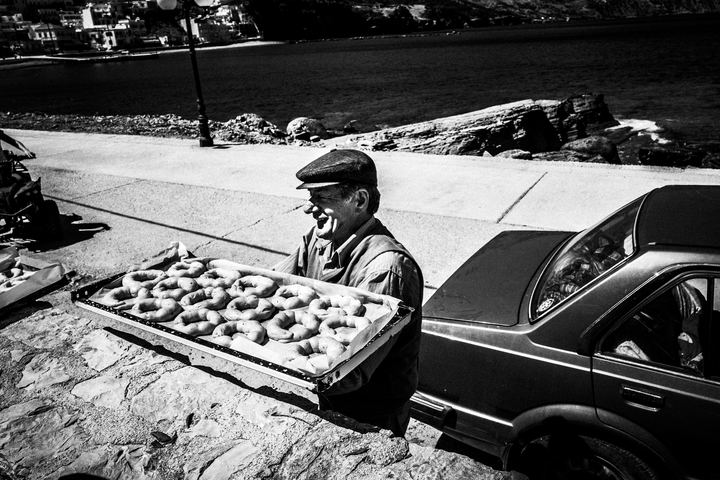
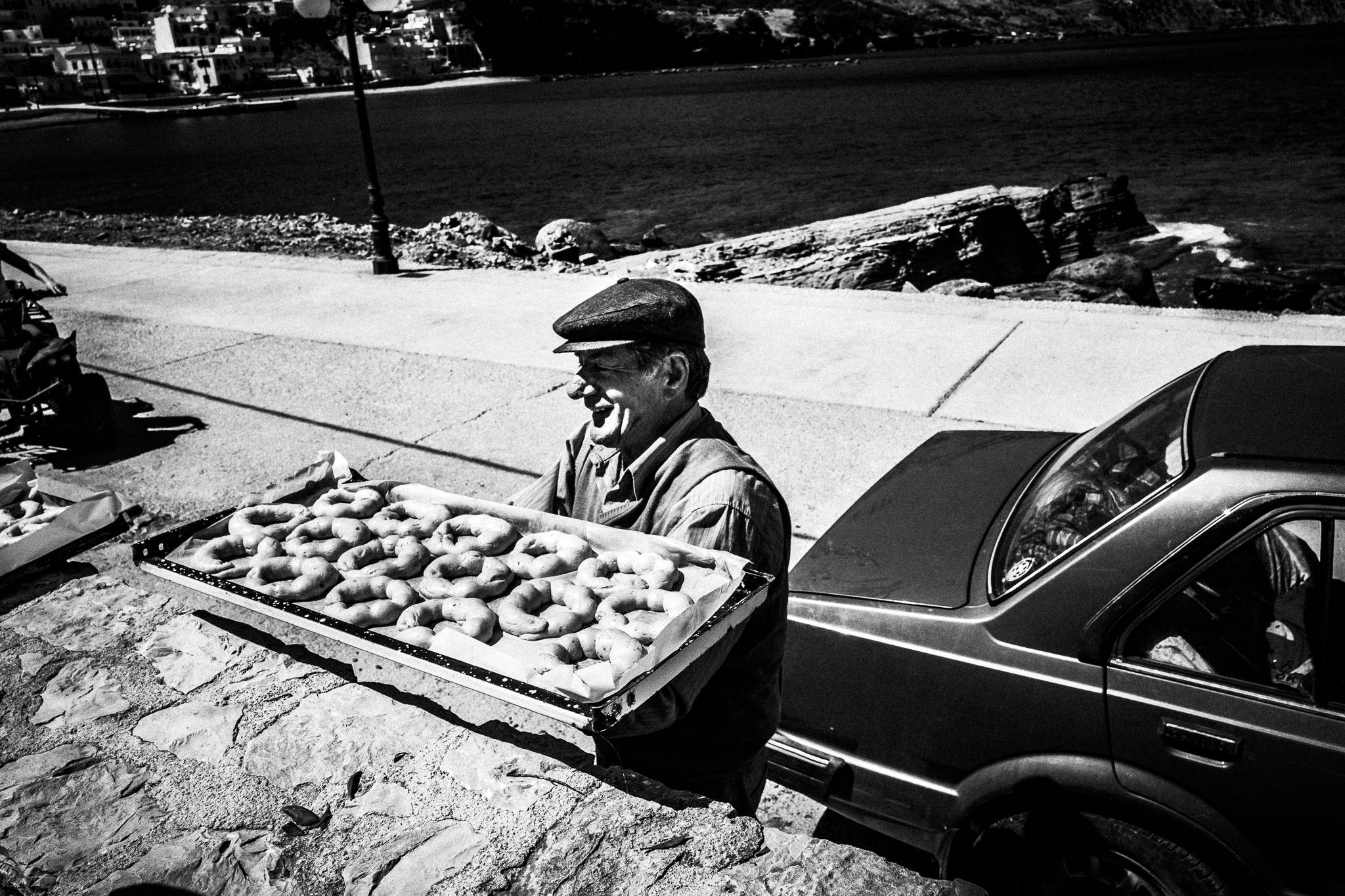
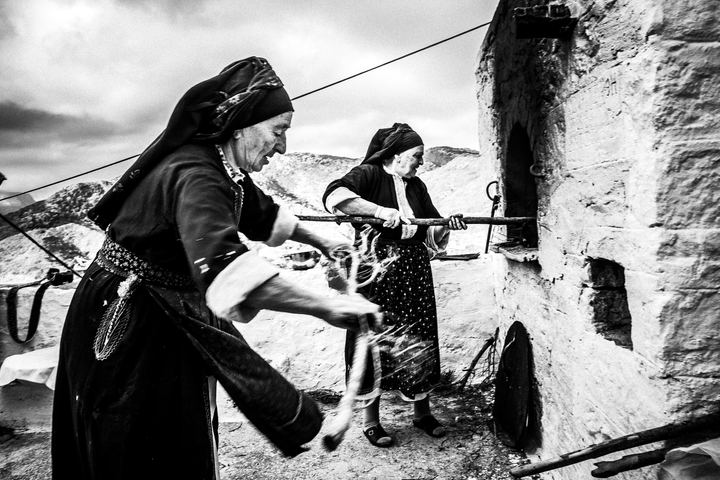
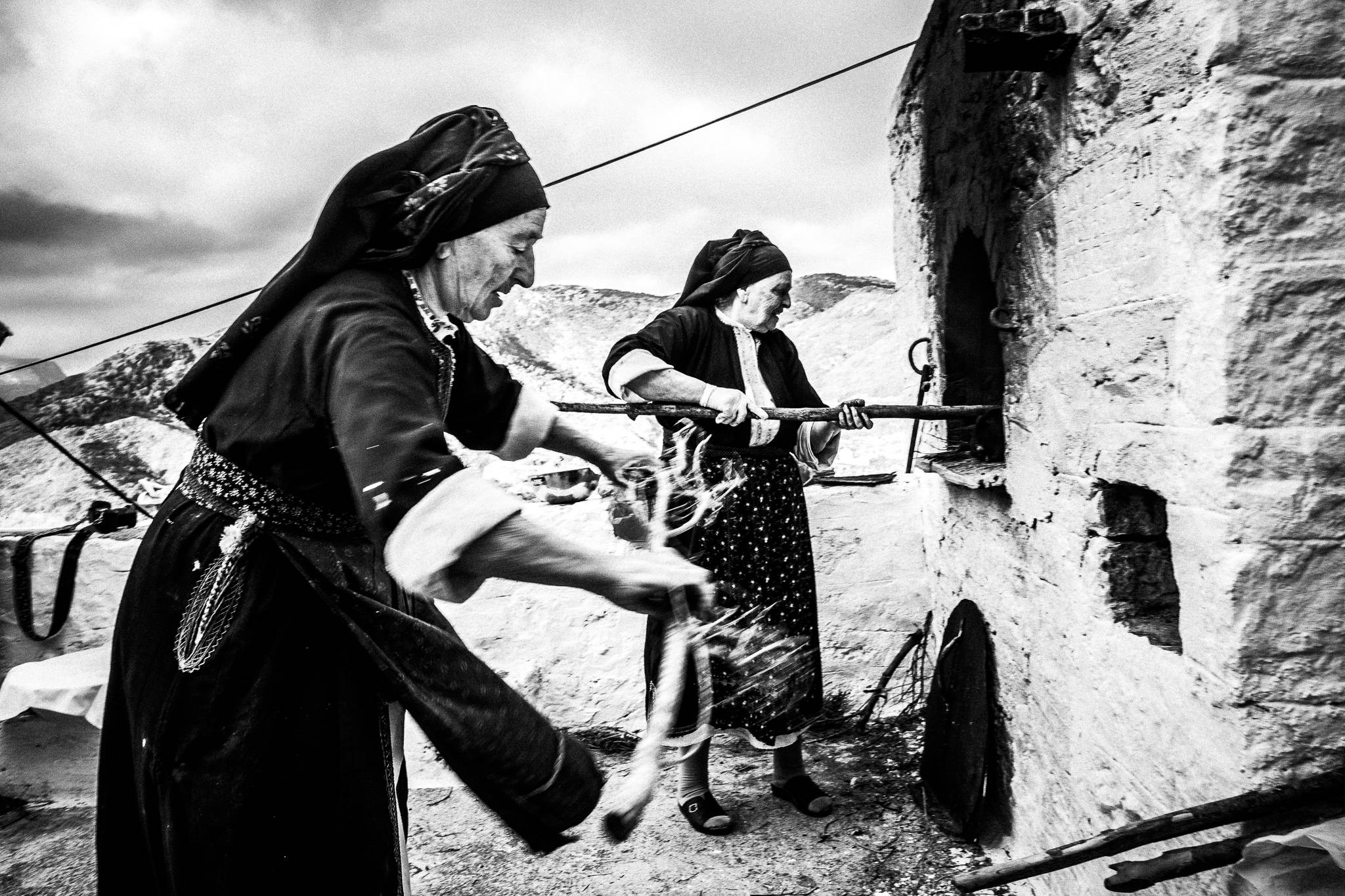
Notable religious rituals regarding Easter commence on the Wednesday of Holy Week, after Tuesday night’s Hymn to Kassiani. On Wednesday, the priest blesses those visiting the church, so they are ready to receive Holy Communion on Thursday. This is, however, not a busy day at the church and only a few people come for the blessing, since the priest also bestows it on Thursday, too, just before Communion.
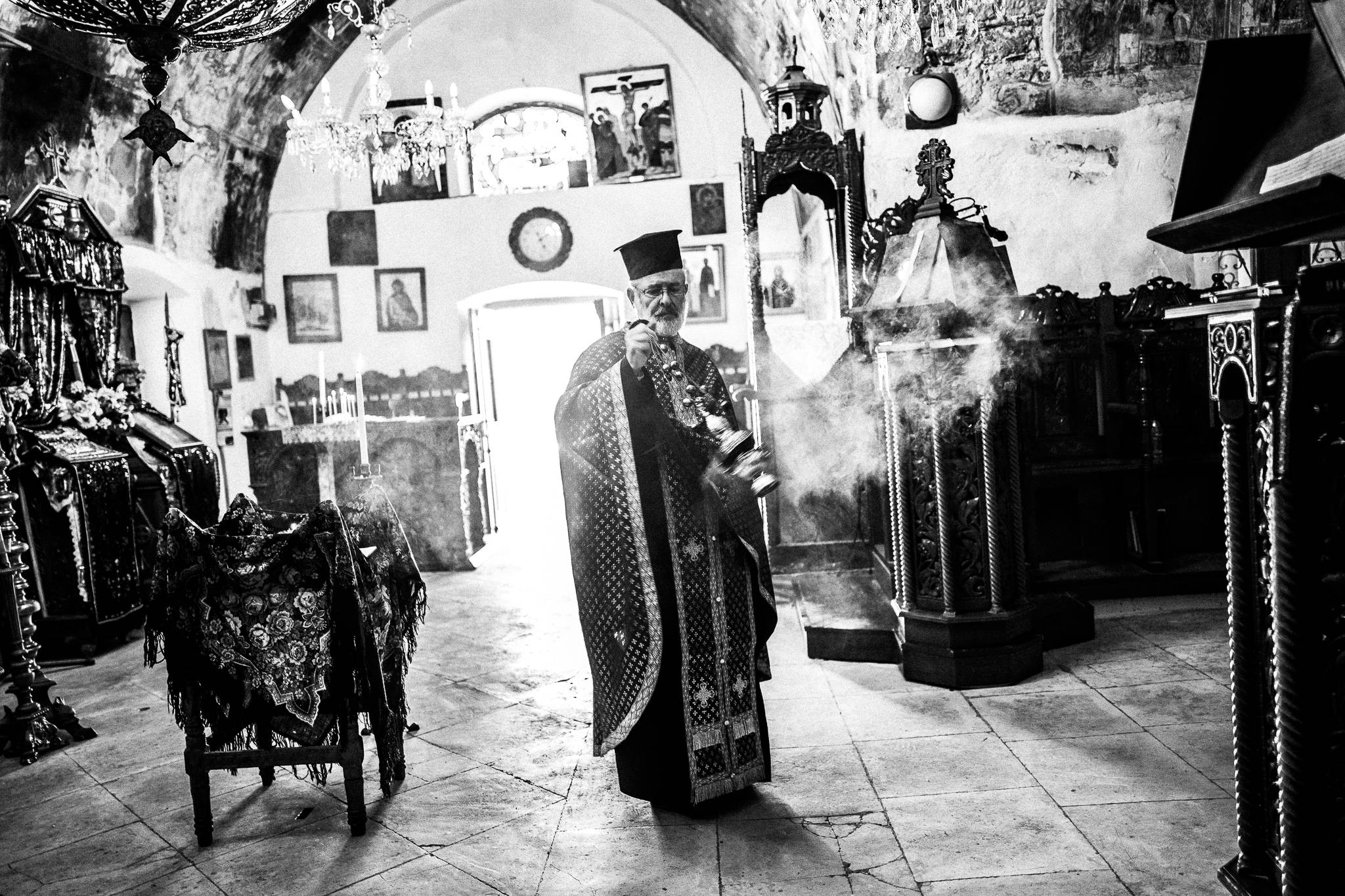
I enjoyed my time in the village. Everybody I met was most hospitable. I learned a lot about the community simply through conversation with most of the inhabitants and through striking up friendships.
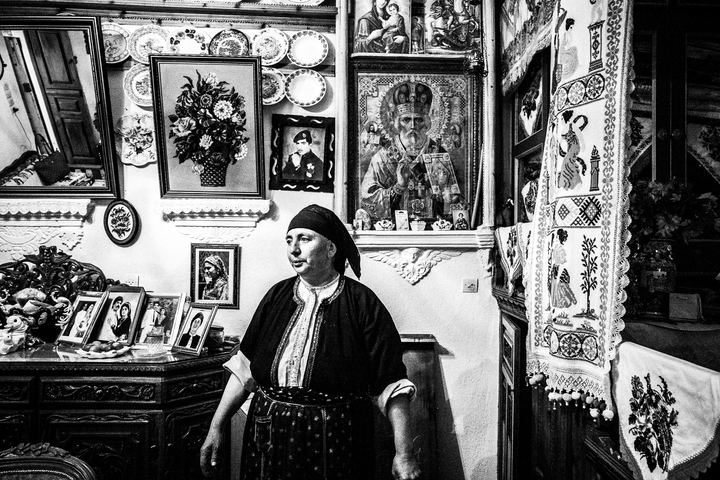
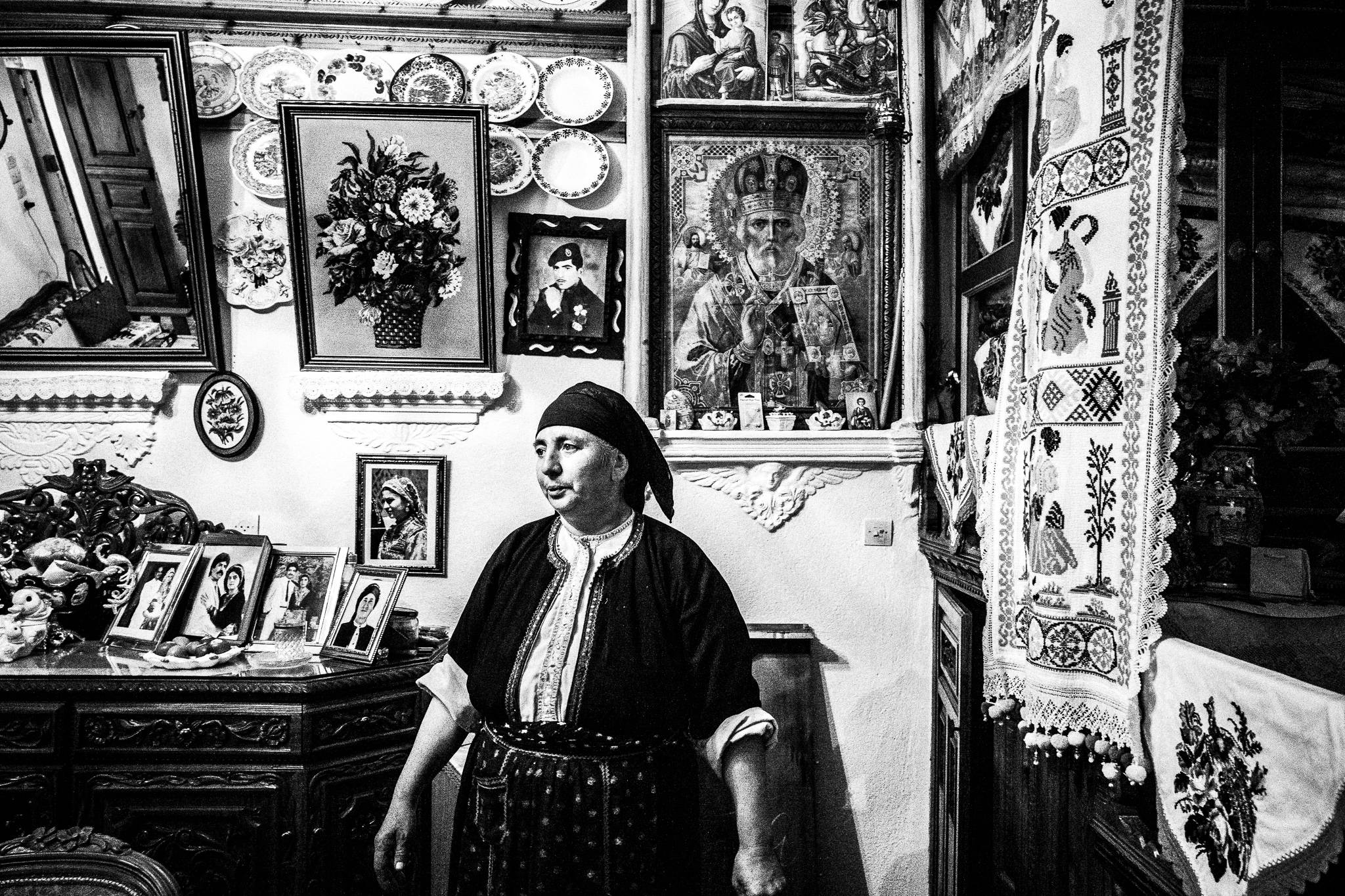
Kalliopi owns the local bakery and makes excellent traditional pies and bread in her wood-burning oven. She frequently gave me coffee during my stay and I even had the chance to visit her house, built in the traditional style of Olympos.
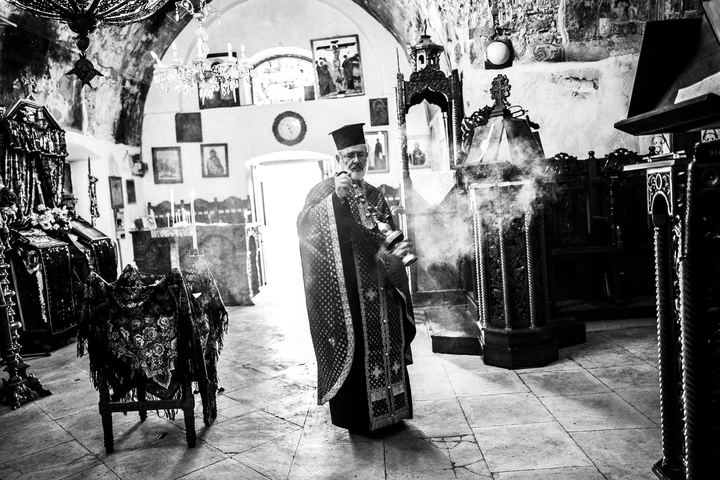
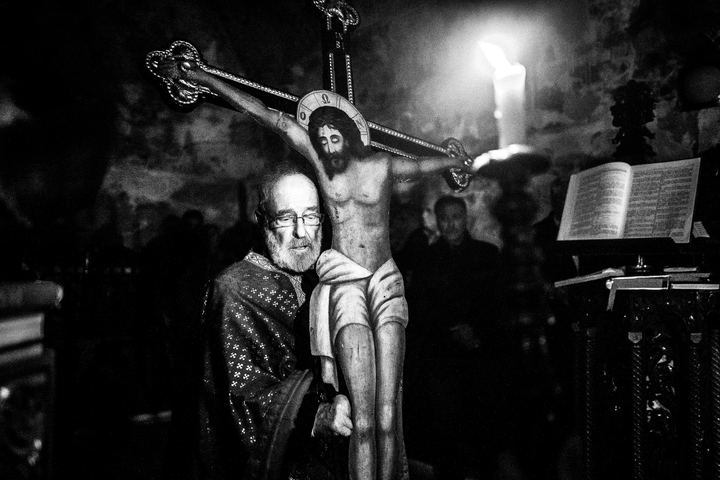
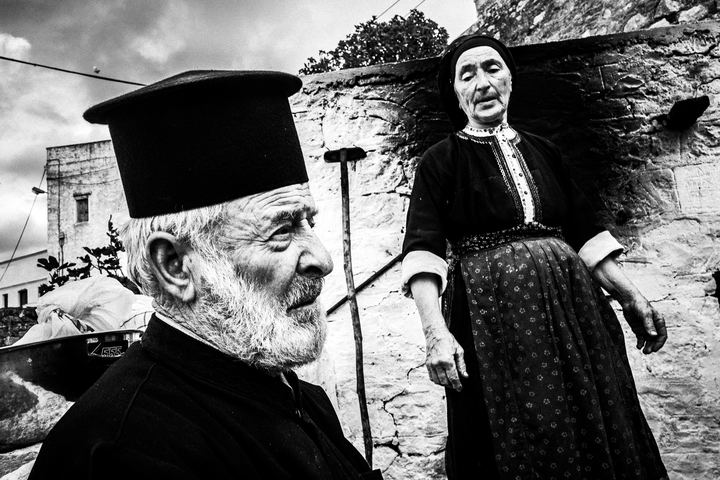
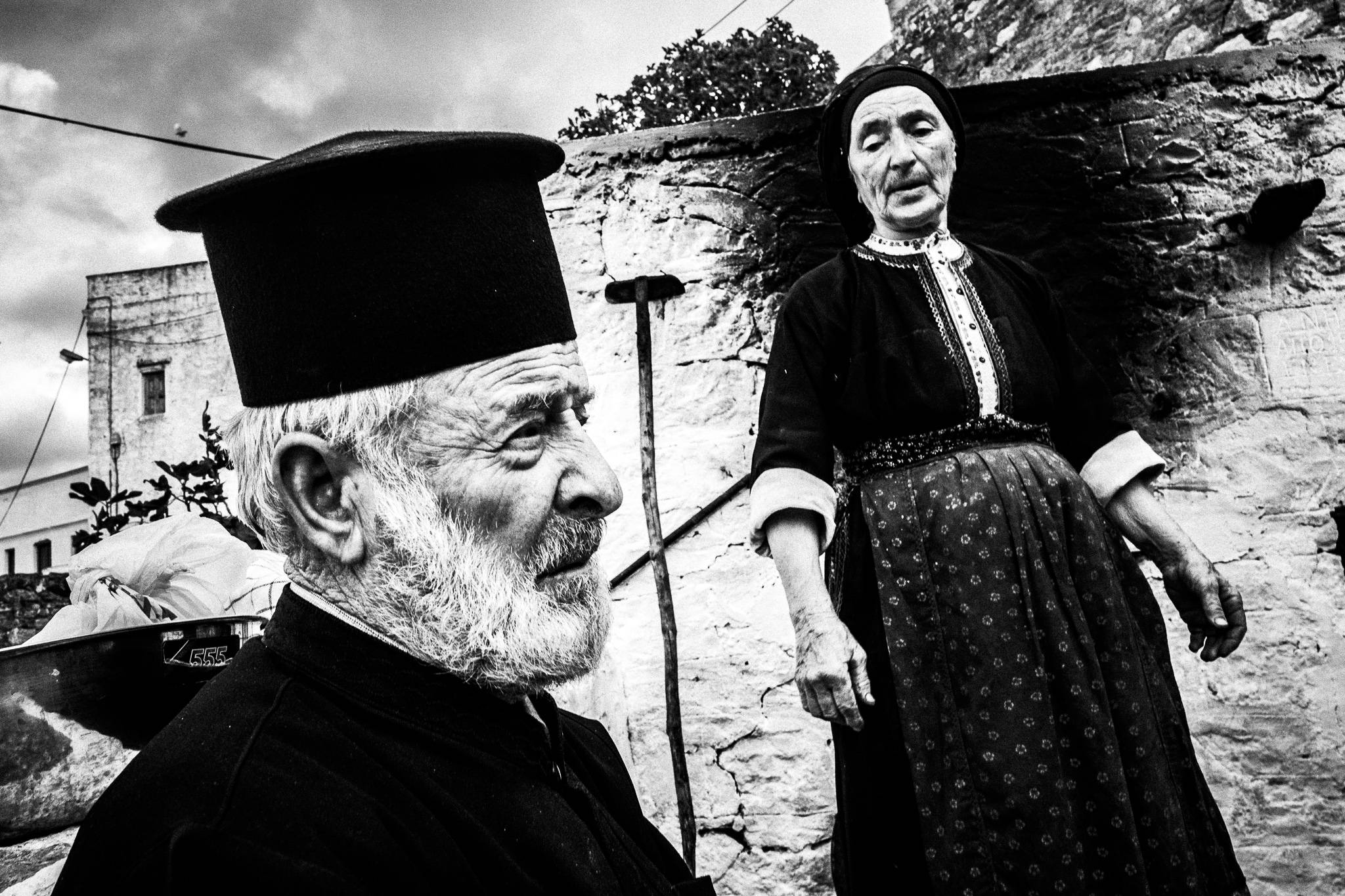
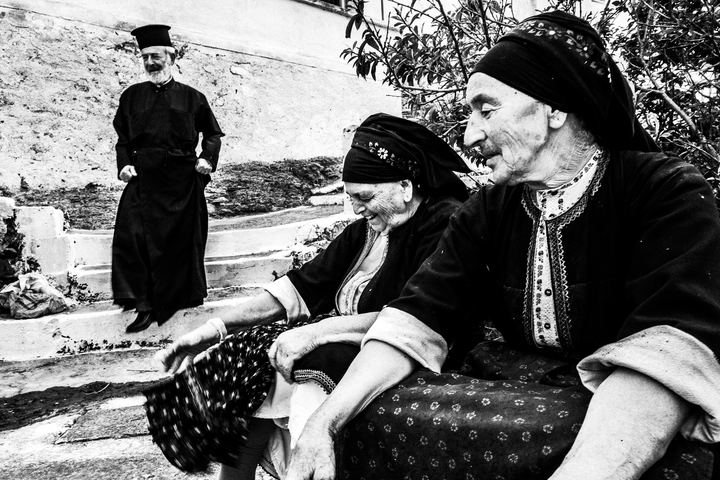
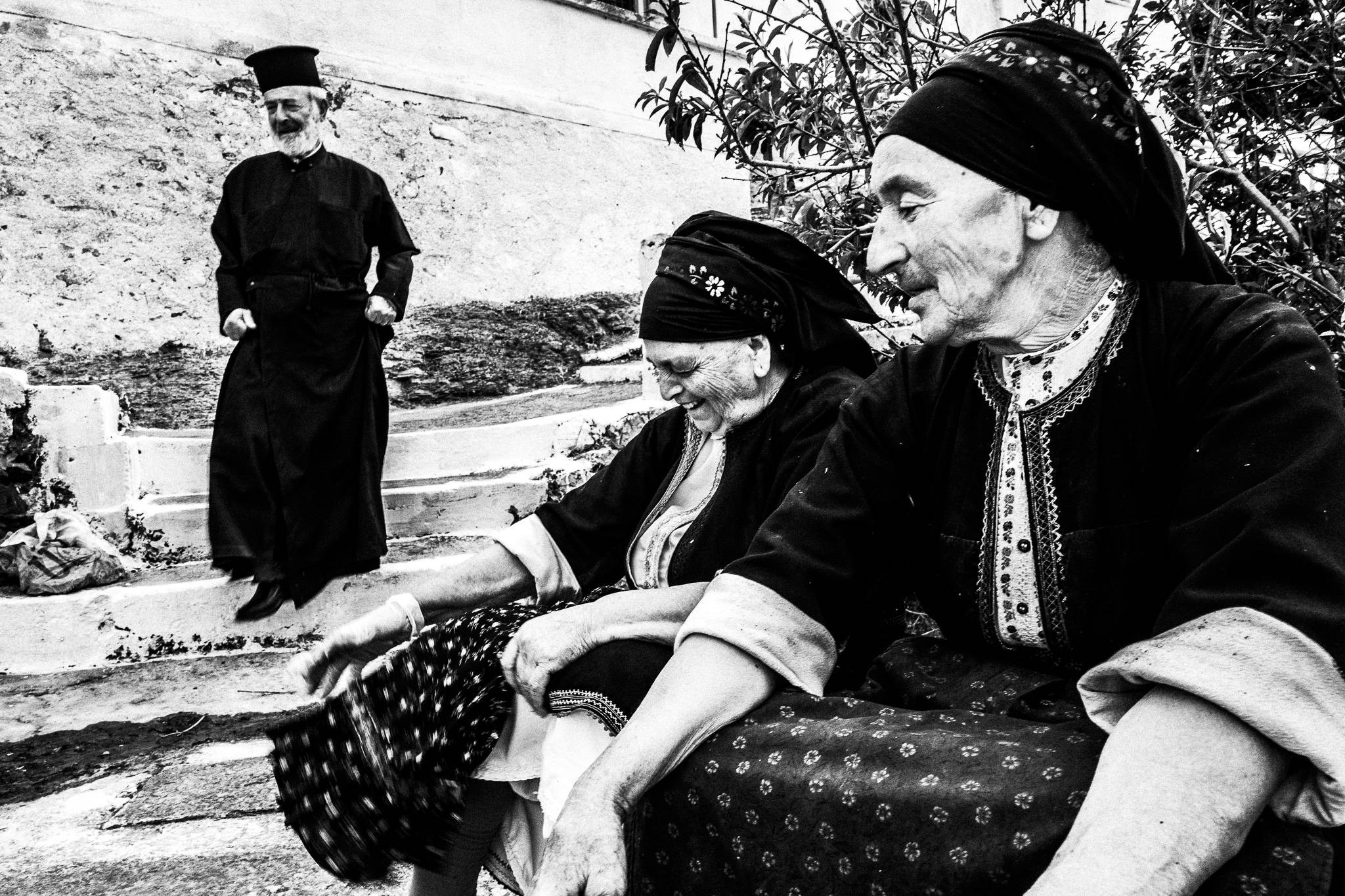
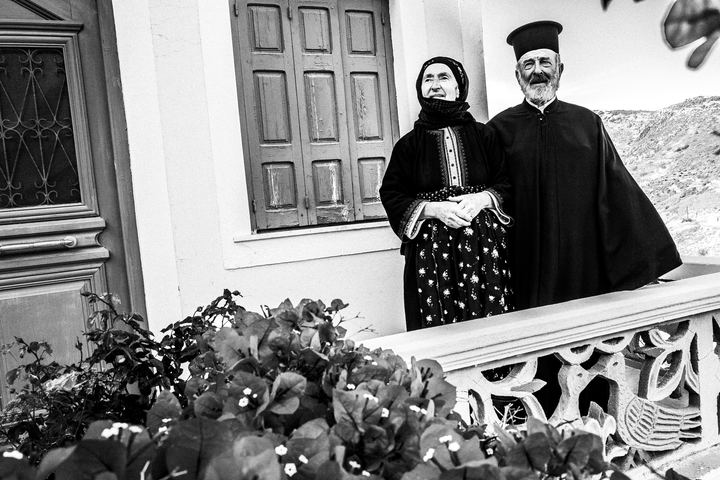
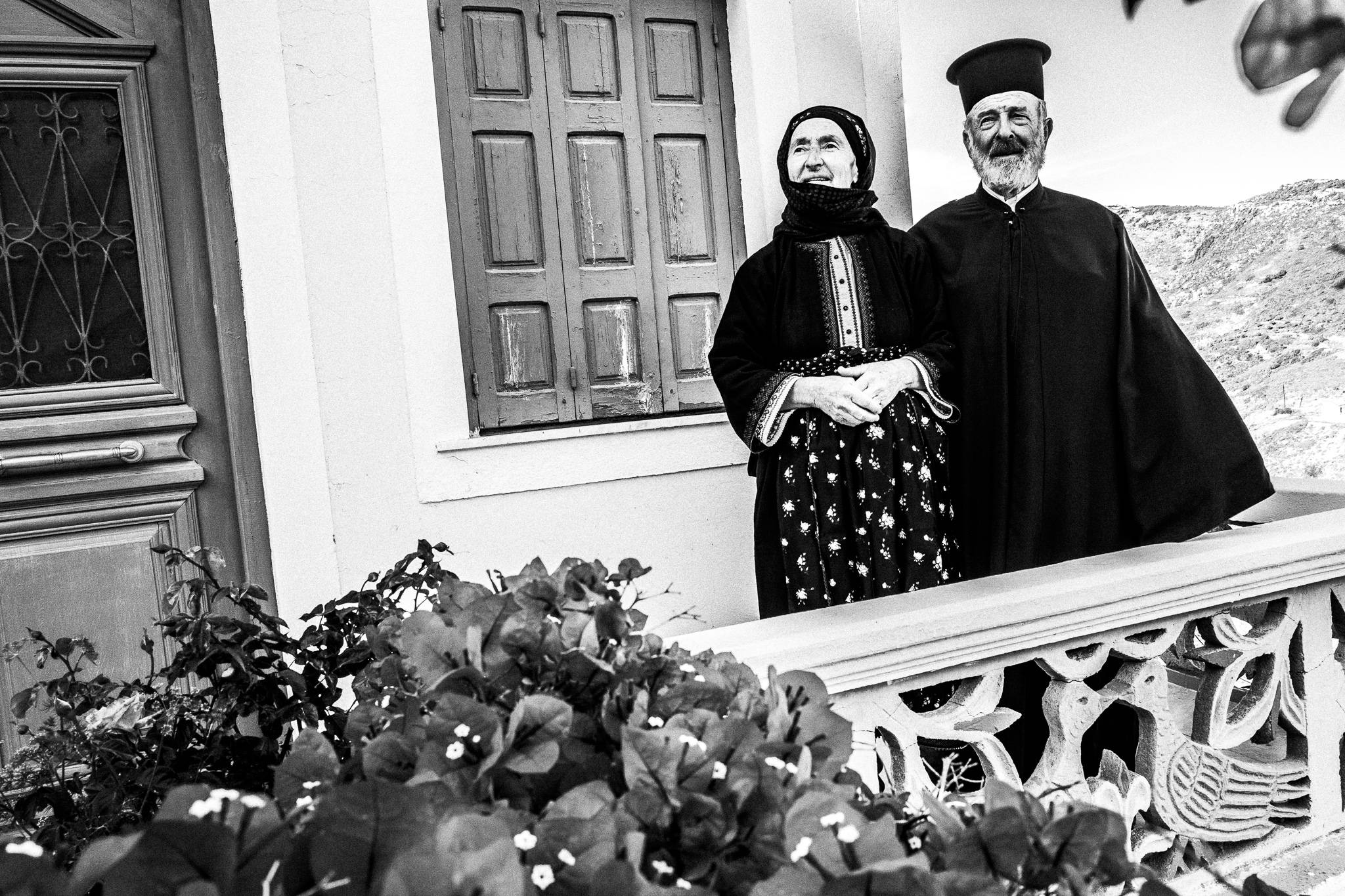
On Thursday, after churchgoers have received Communion, the Litany of Christ on the Cross is performed. The church becomes busier and the following days until Tuesday after Easter will be the busiest. Papa Yannis is the local priest. He is a very kind man with great pose and style. He is very funny and one can spot him most afternoons sitting on a chair in the central square, talking with his fellow Olympians and even cracking risqué jokes. One simply needs to get to know him somewhat before he loosens up.
He took the time to show me around the ancient main church of the village and explained the icons painted on the walls. During Holy Week, all the icons along the main iconostasis, where the icons are mounted in the church are covered with black embroidery as a sign of mourning.
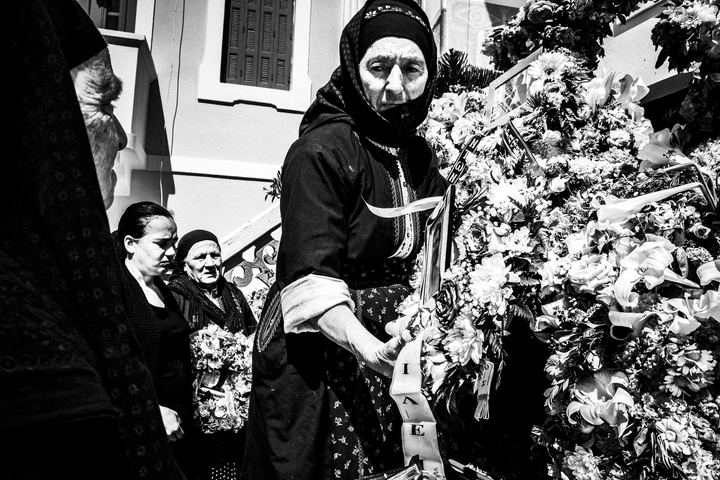
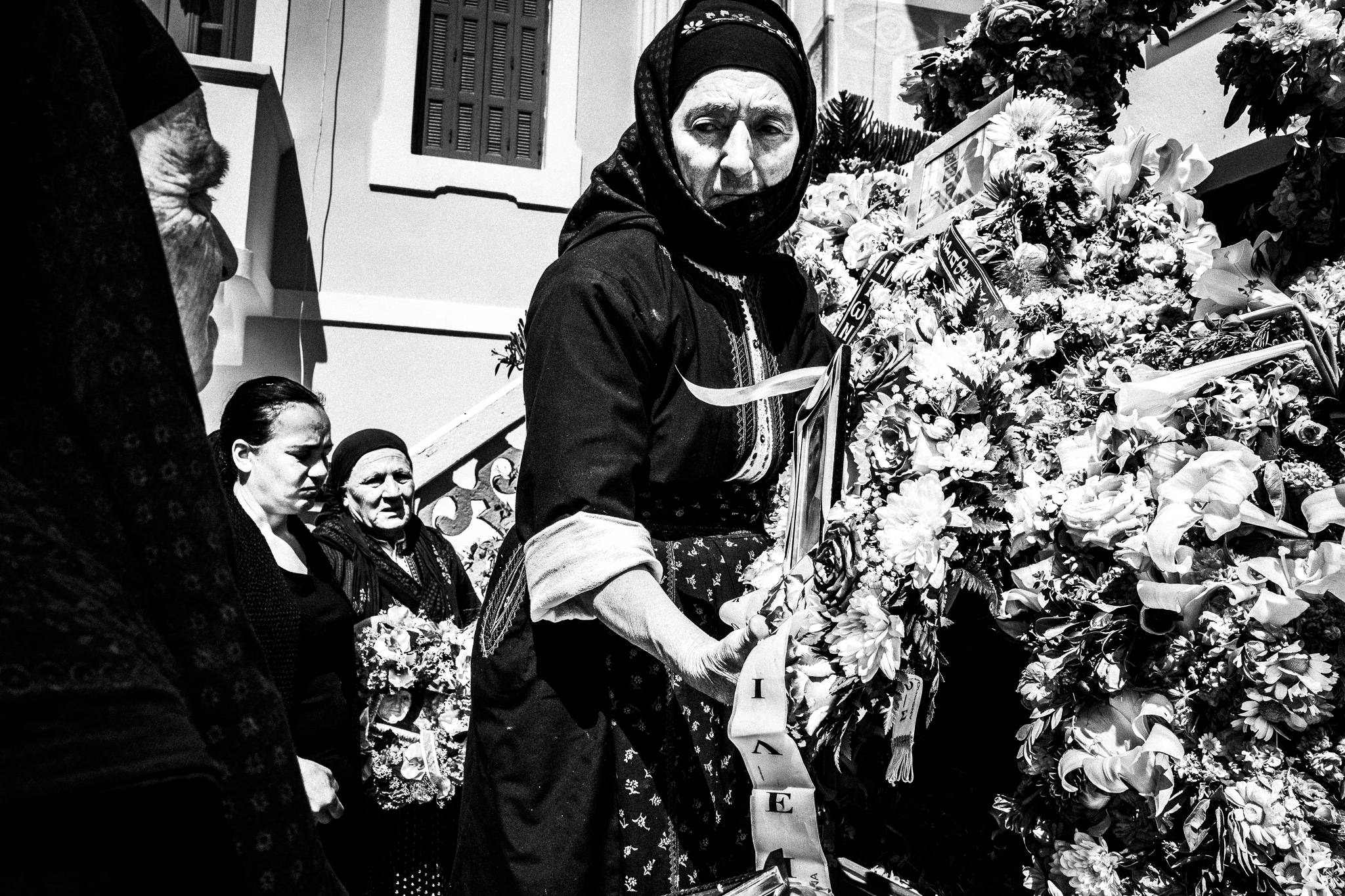
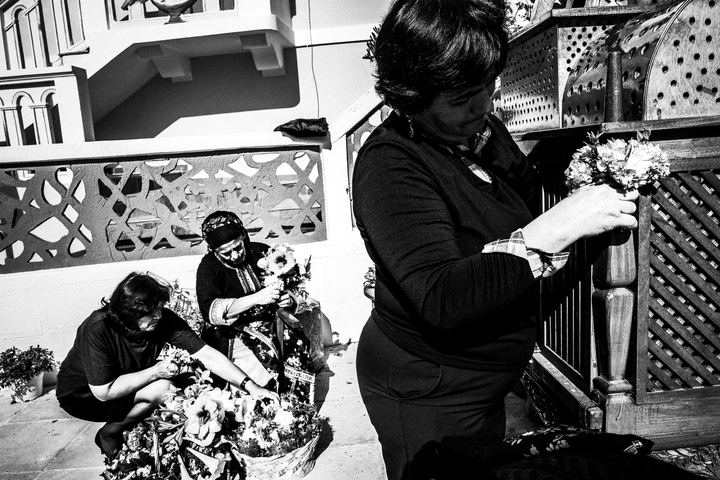
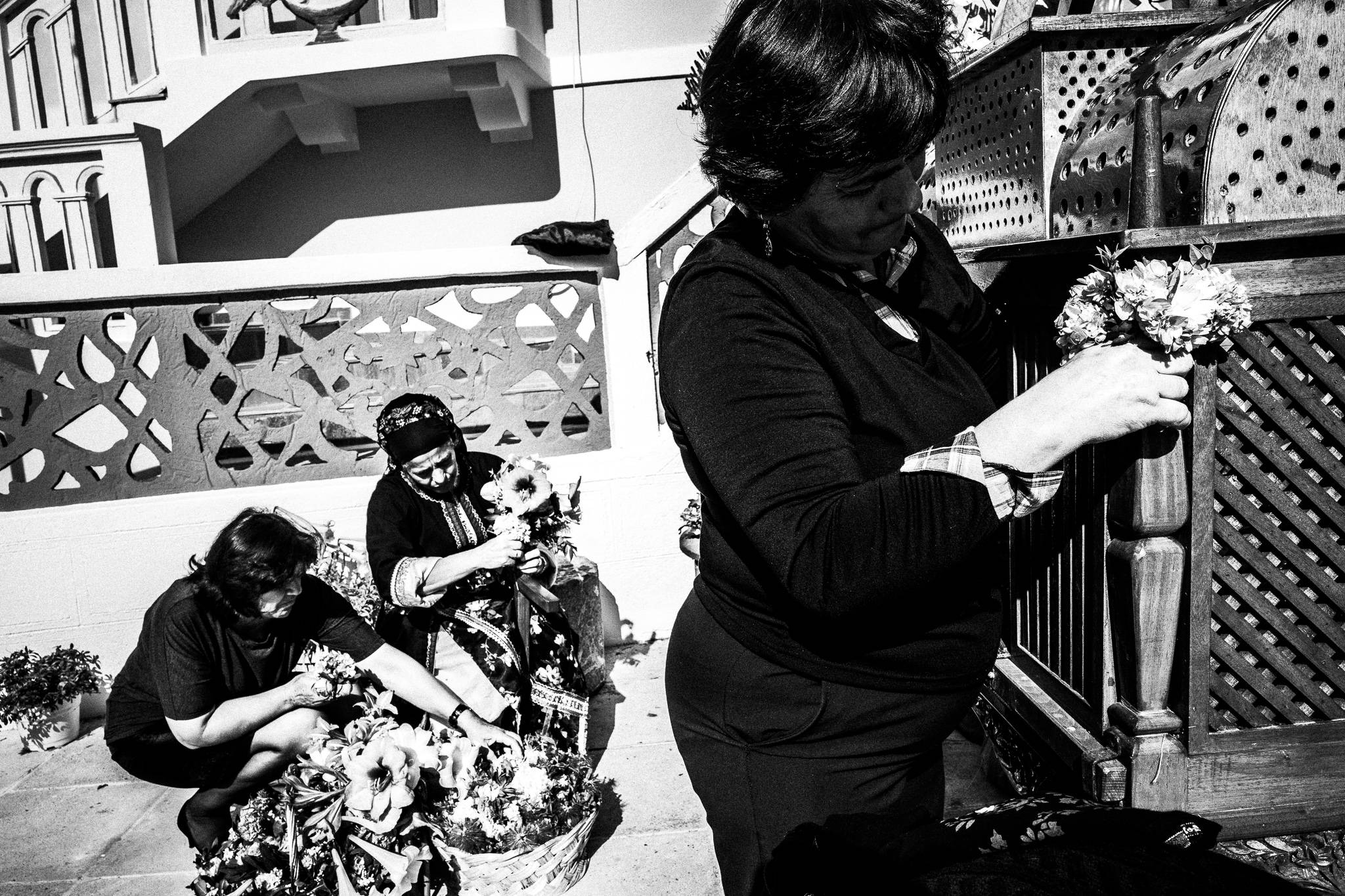
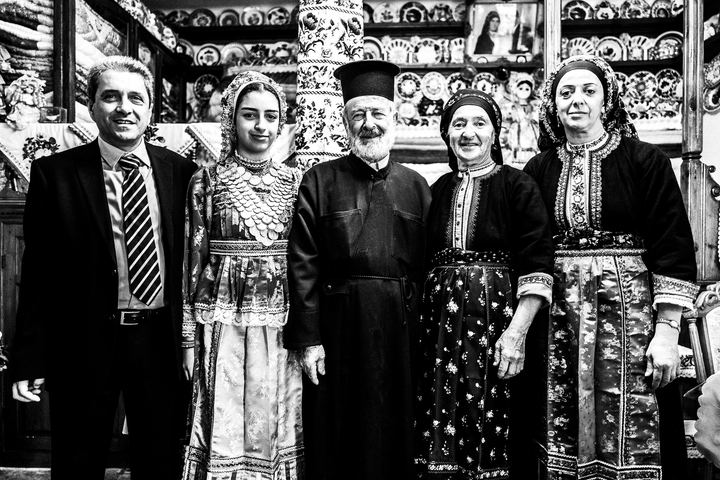
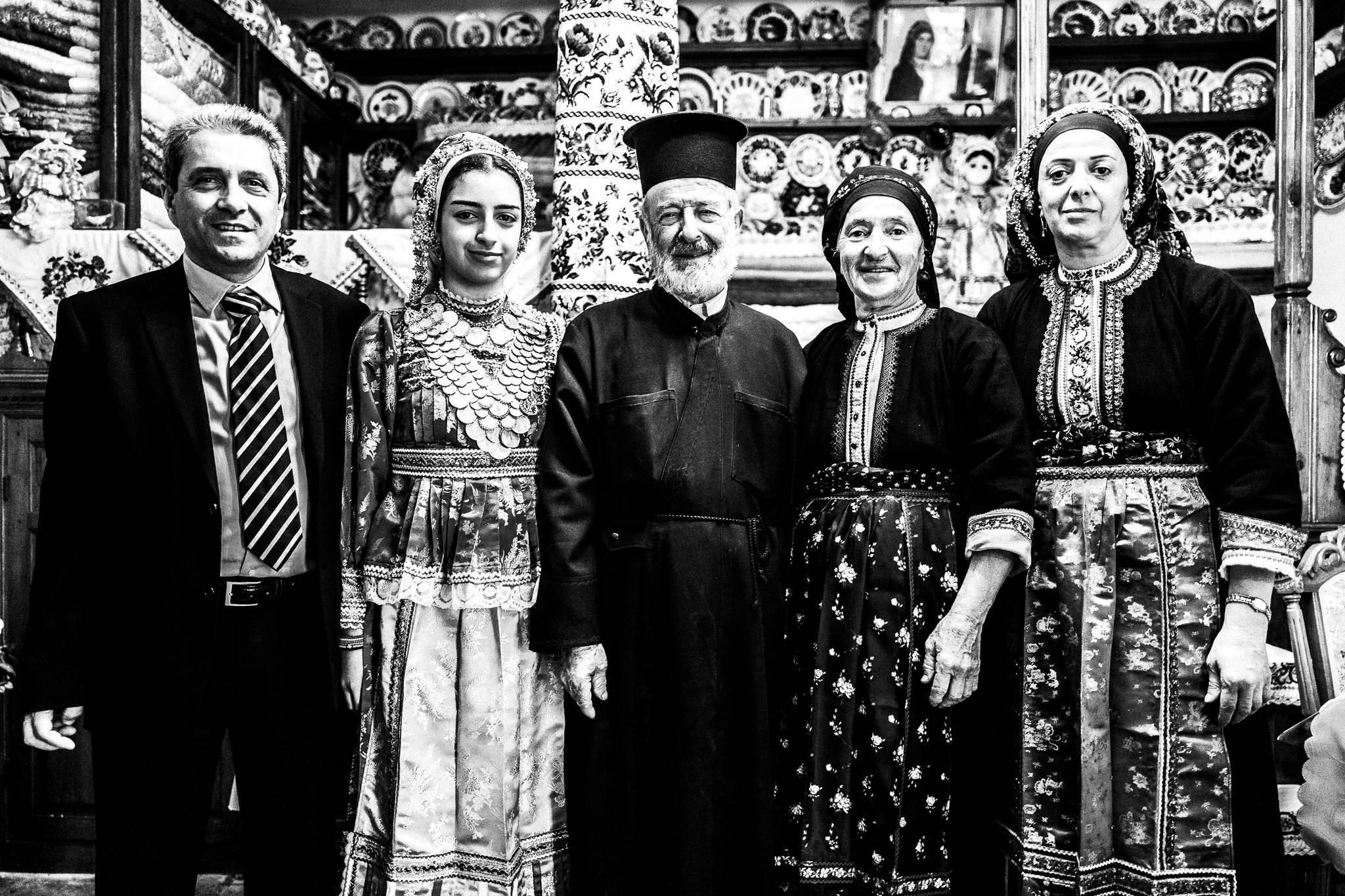
Good Friday, the day of the Epitaphios, follows. The Epitaphios itself is a wooden representation of the bier of Christ, which the women of Karpathos decorate with flowers on the morning of Good Friday. Most of the women wear traditional local clothing. The older women of Olympos have no other type of clothes and call our clothing ‘European’.
An important difference between the Epitaphios of Olympos compared to the ceremony as it is held in the rest of Greece lies in the fact that pictures of the recently deceased are pasted to the bier and their relatives mourn for them during the service that takes place later, inside the church.
I considered the possibility of taking photos during the process of mourning in the church, as it seemed to me likely to be a powerful moment. It was so powerful, that it would have been disrespectful to take pictures during the proceedings. Indeed, so overwhelming were the emotions generated, that I soon left the church.
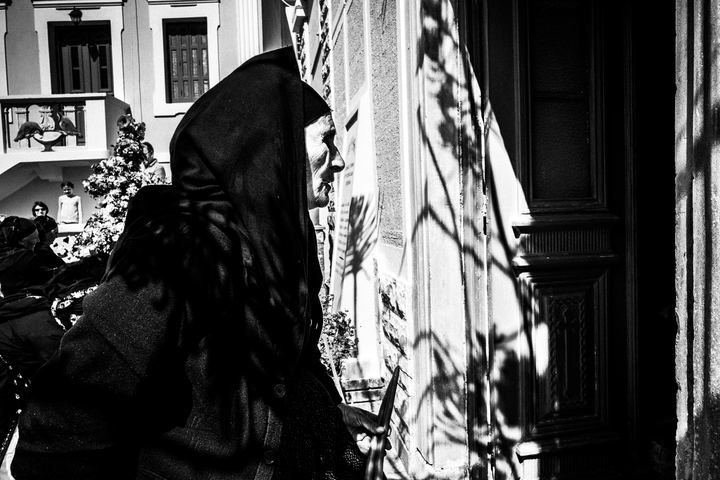
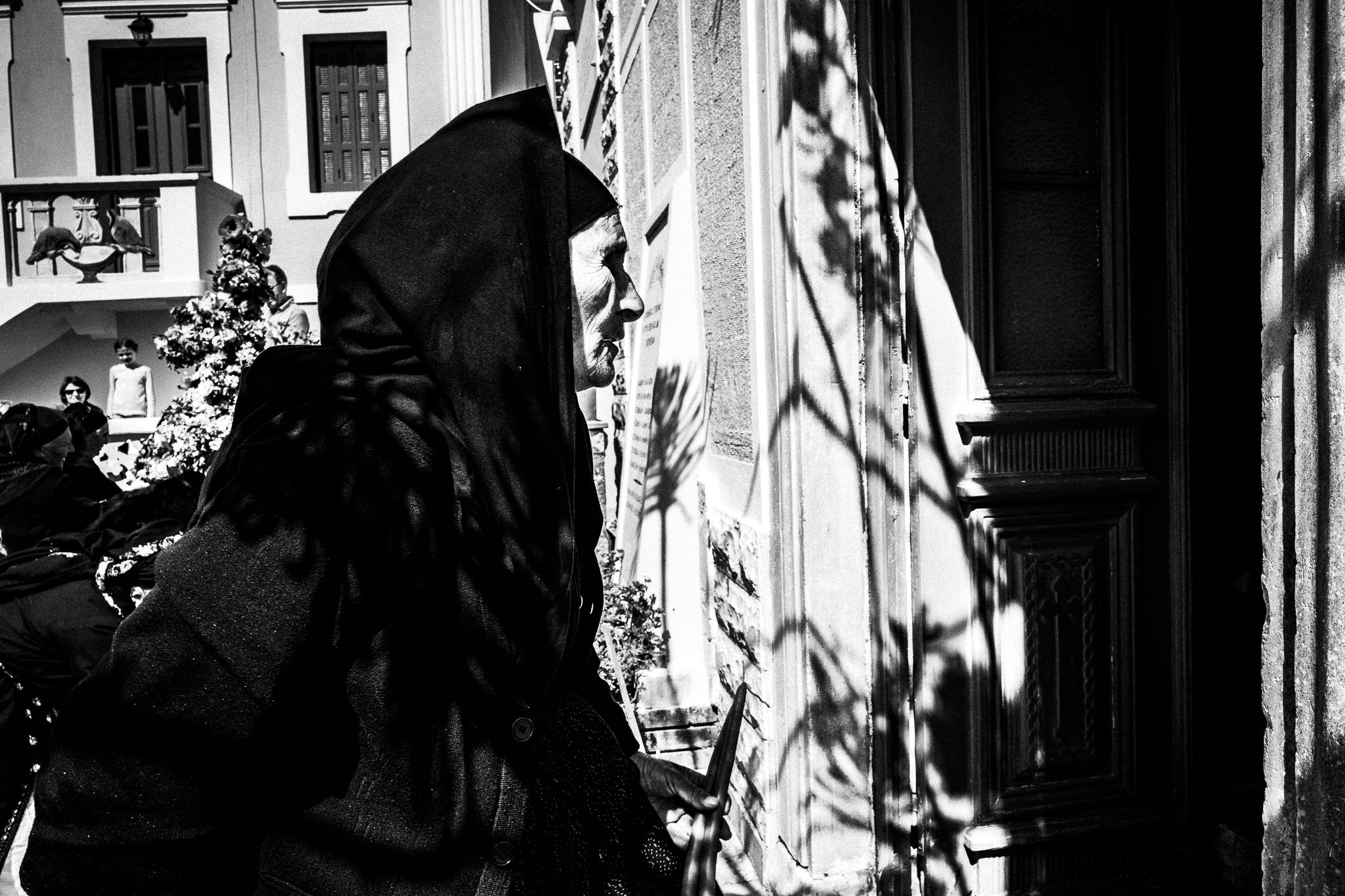
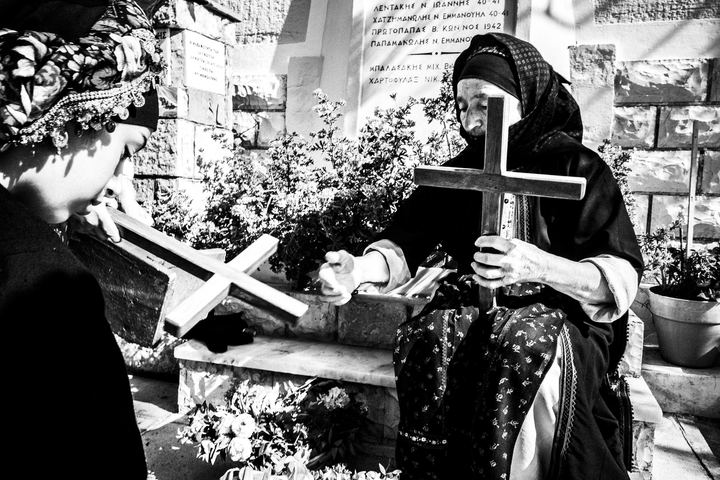
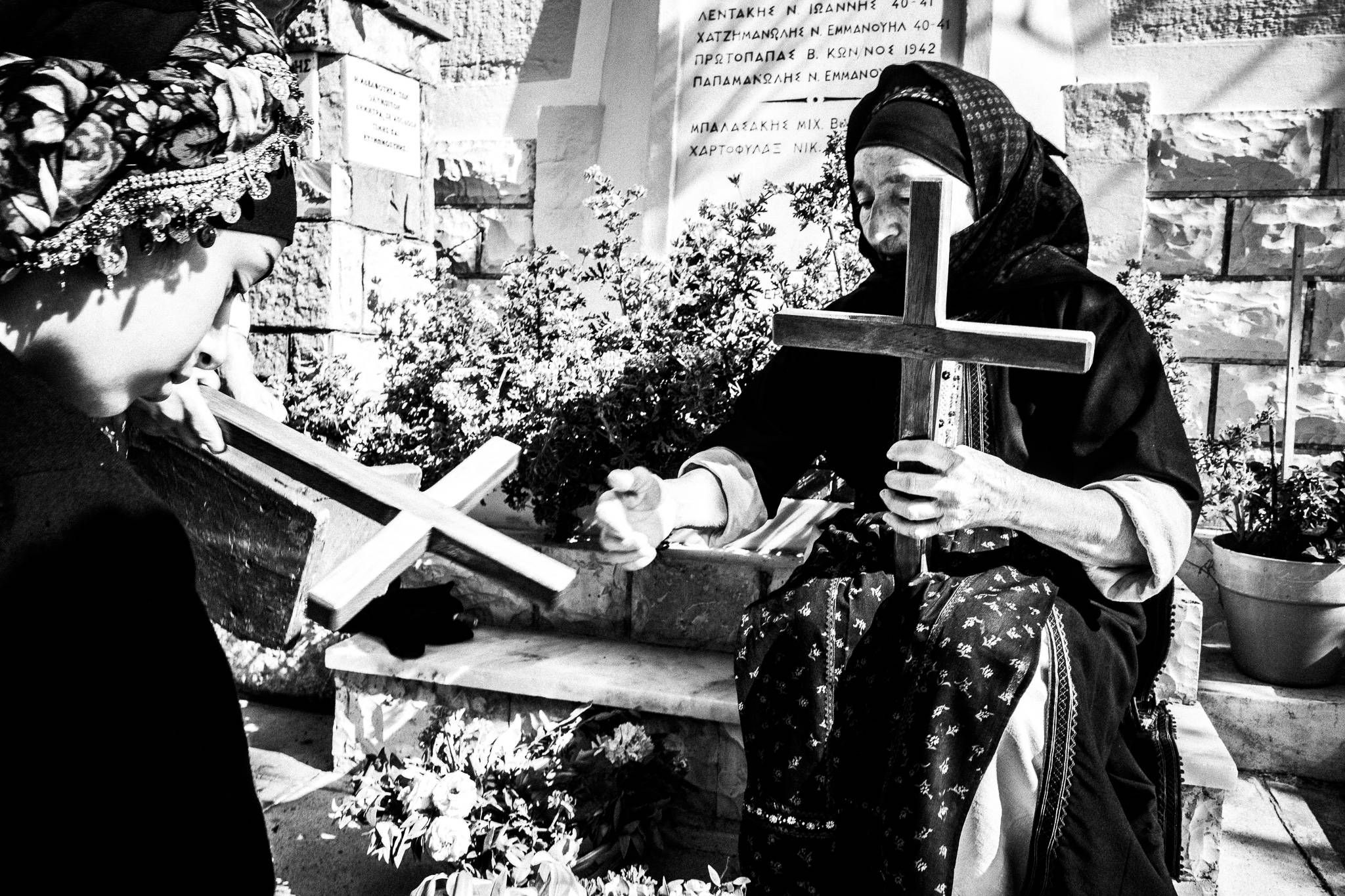
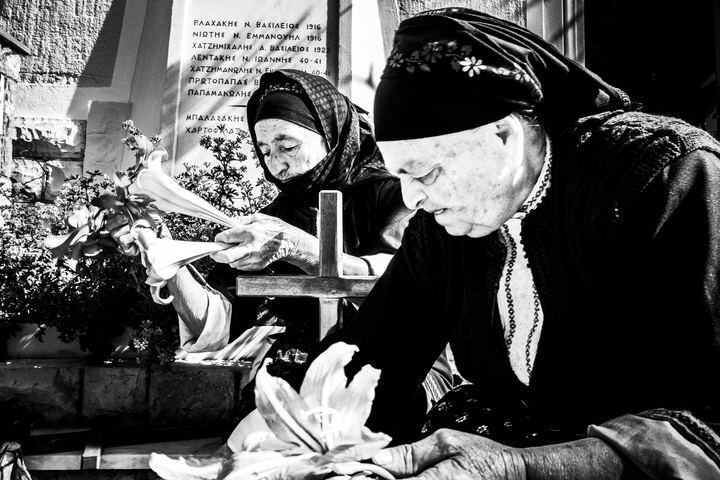
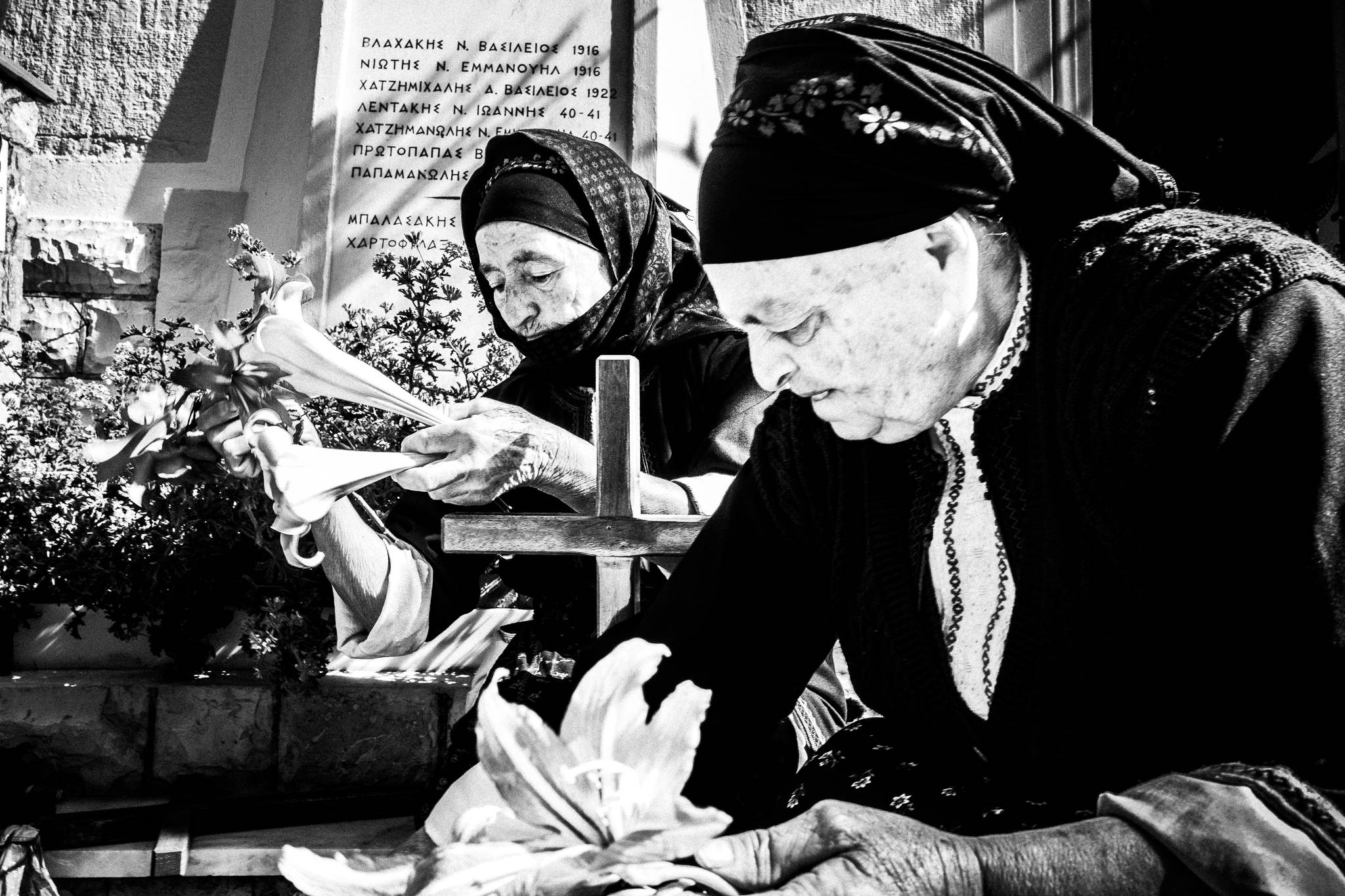
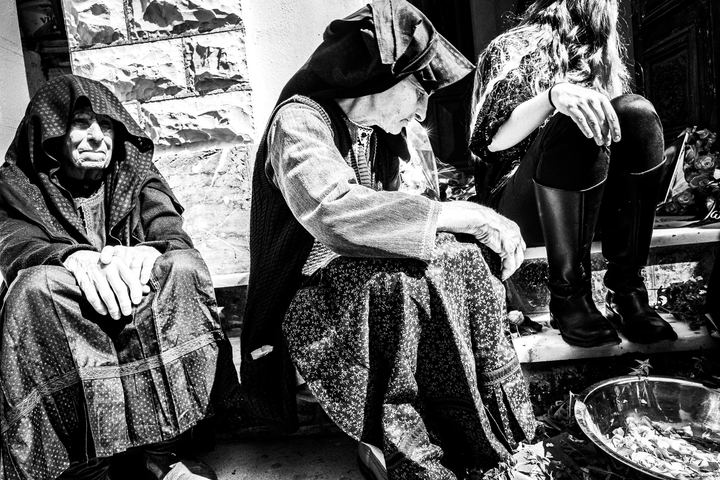
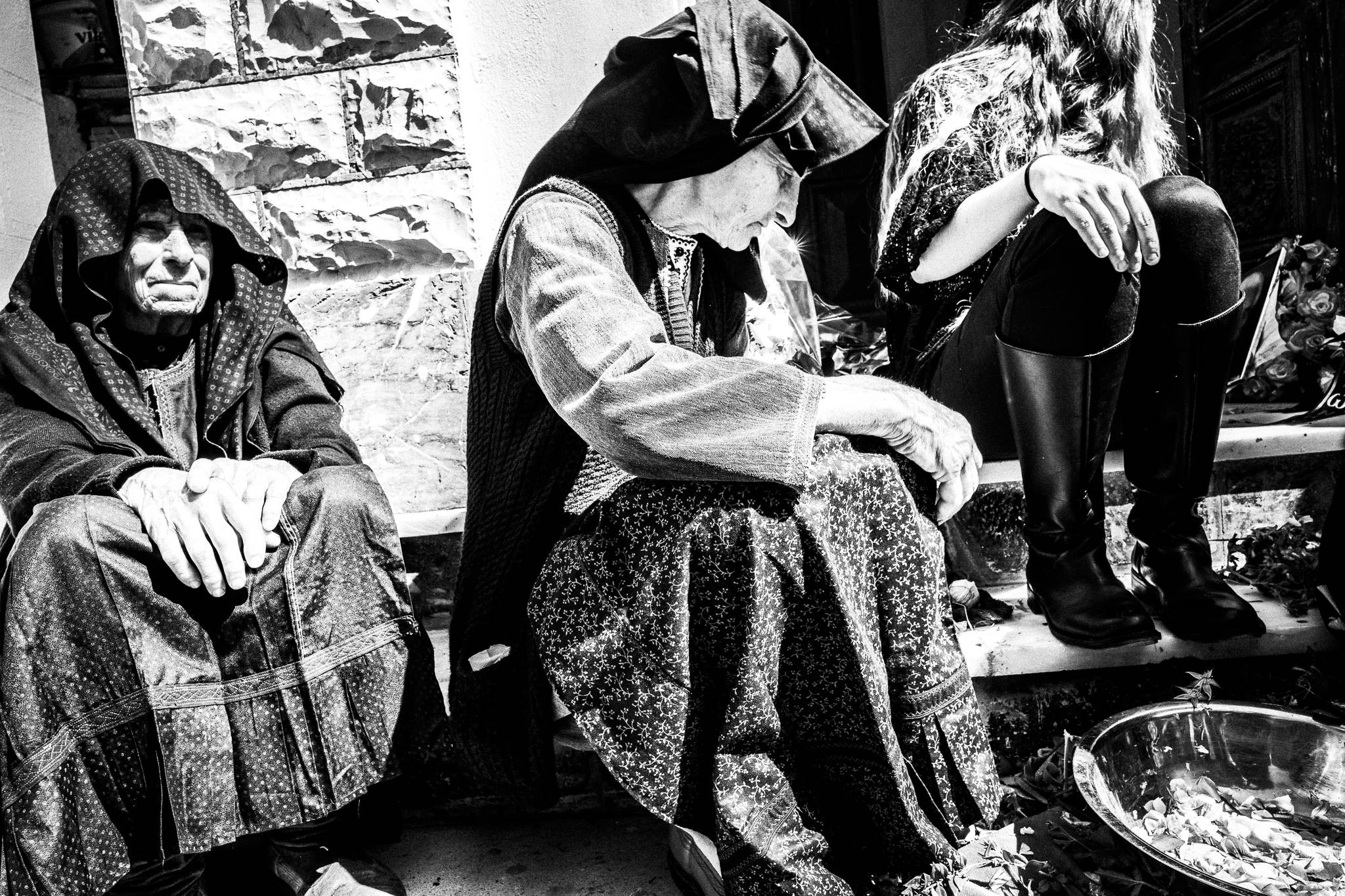
On Friday night, the Litany of the Epitaphios takes place in the streets of Olympos. During this fascinating ceremony, the streets are radiant with beauty. Those following the procession hold candles and chant the lovely Good Friday hymns. I had not been round the village previously and was intrigued by its architecture and location.
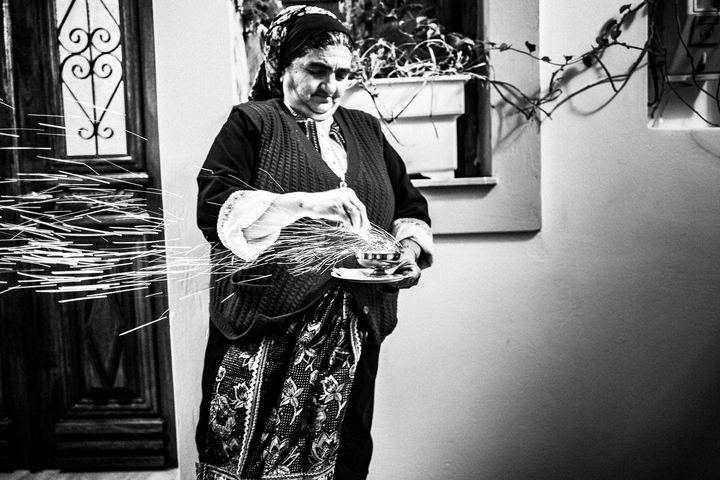
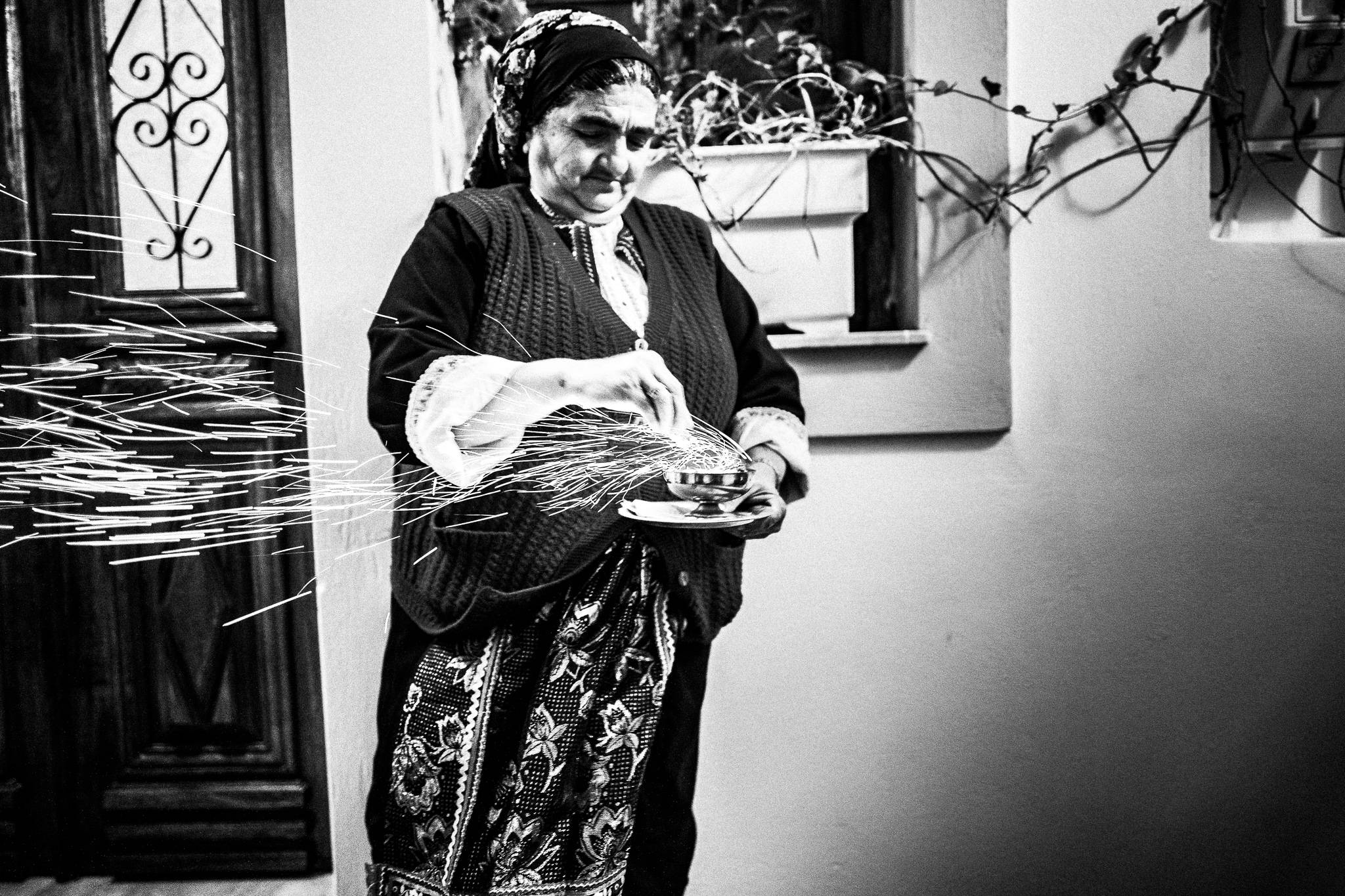
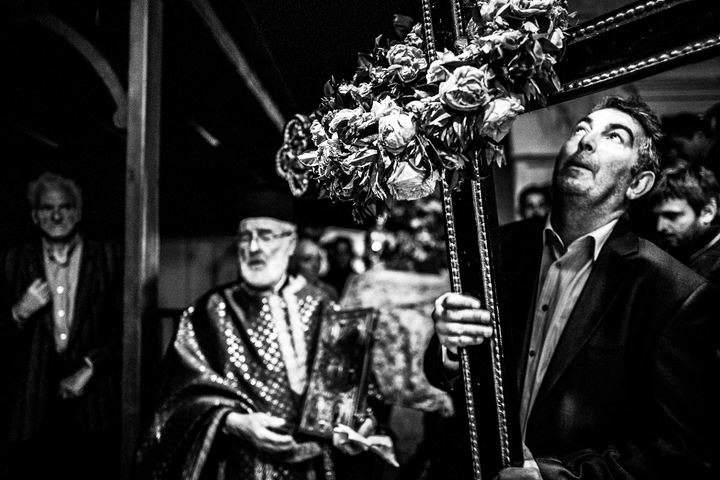
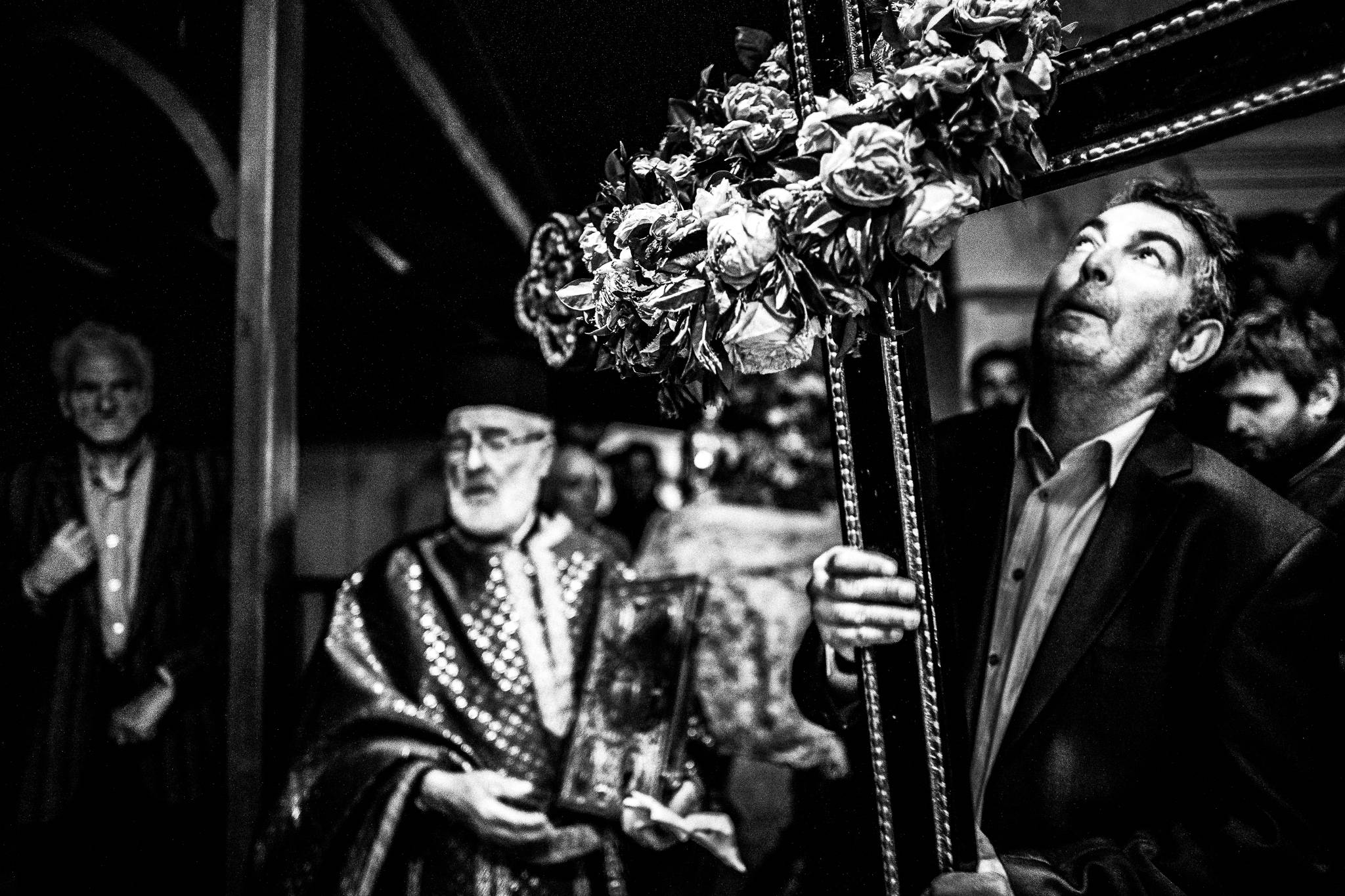
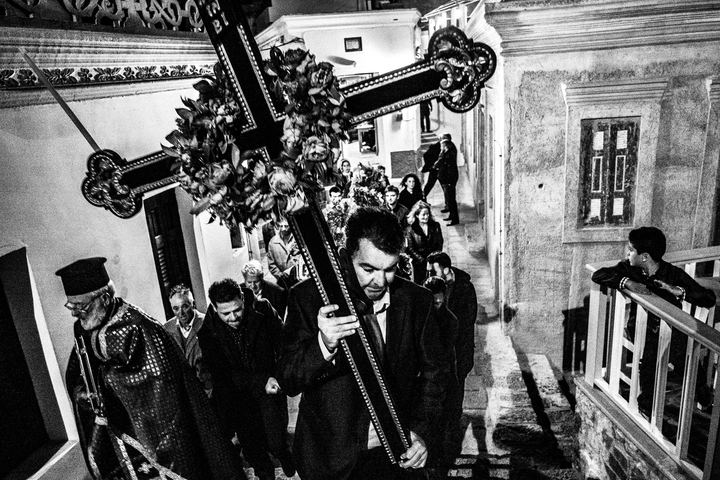
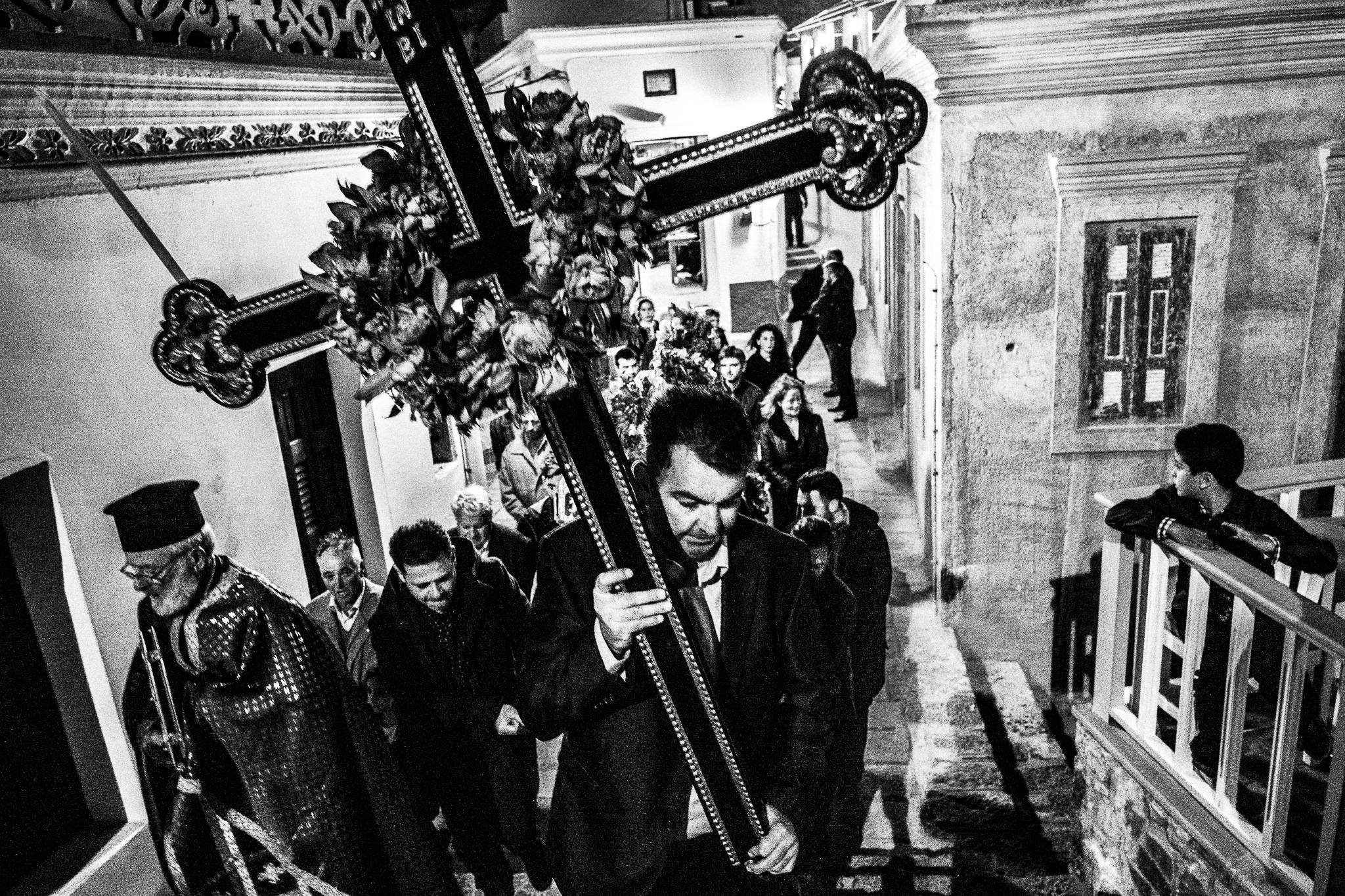
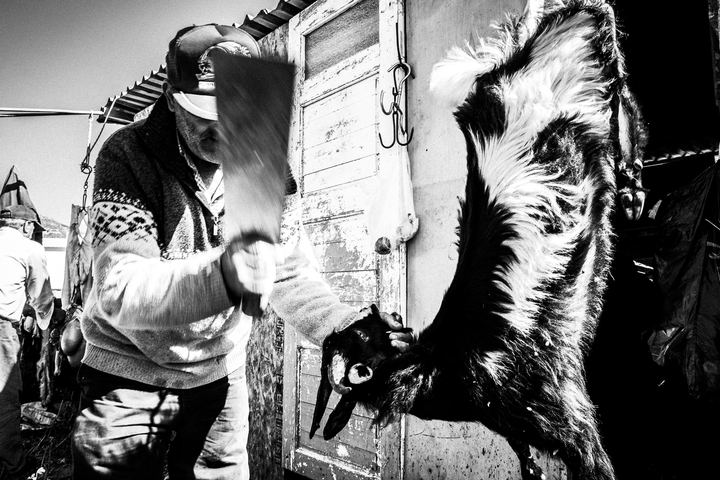
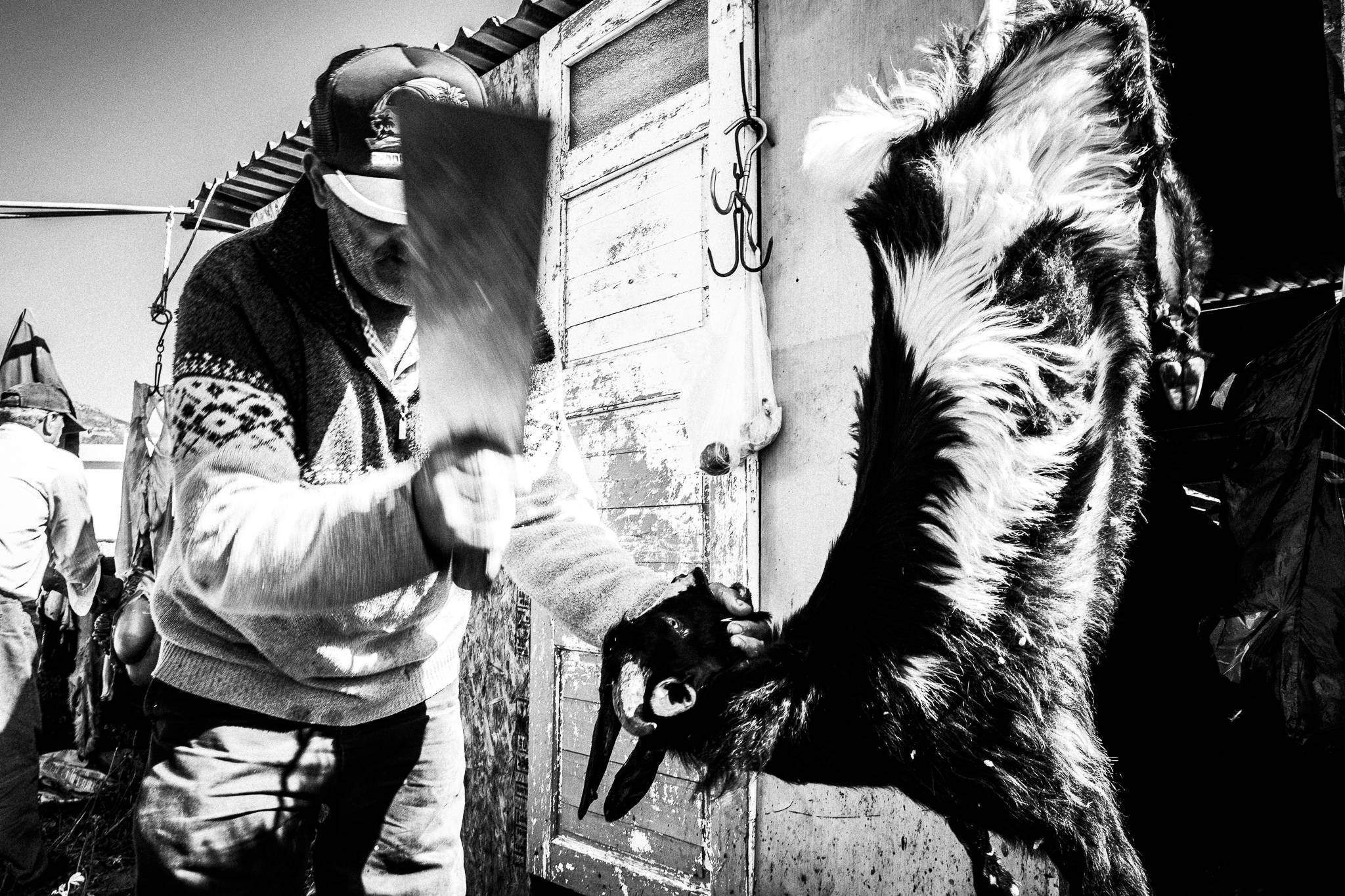
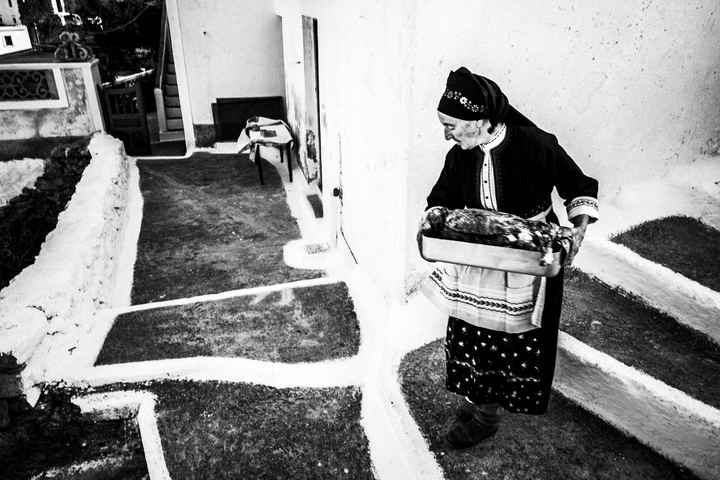
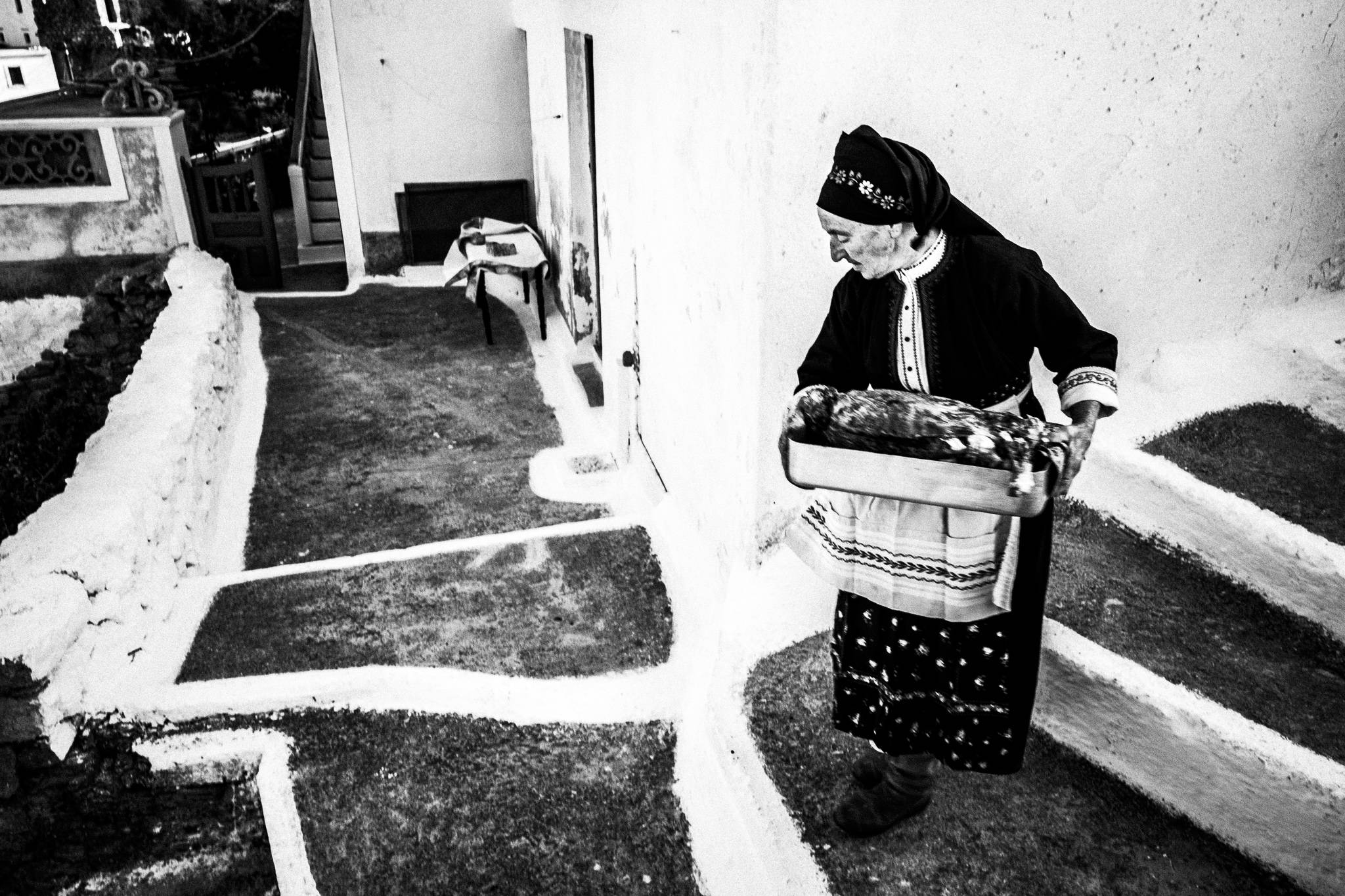
On Easter Saturday, all the village inhabitants prepare for the Easter cooking. The goats are slain in the morning and prepared by the village women. They stuff them with rice and seal them inside wood-burning ovens. There the goat will stay and be slowly cooked overnight. The women will lift it out of the oven just before Sunday luncheon. During the night, everyone attends church for the Liturgy of the Resurrection and at midnight, Papa Yannis will proclaim the Resurrection. This part of the service also differs from the service held elsewhere, since in Olympos the announcement is made in the women’s part of the church (the gynaikonitis in Greek) inside the church, rather than being made in the church courtyard, as is the habit elsewhere. In traditional Orthodox religious life, men and women occupy separate parts of the church and may even have separate entrances. The custom in Olympos, however, is a conscious reference to Mary Magdalene who was the first to see Jesus after His Resurrection.
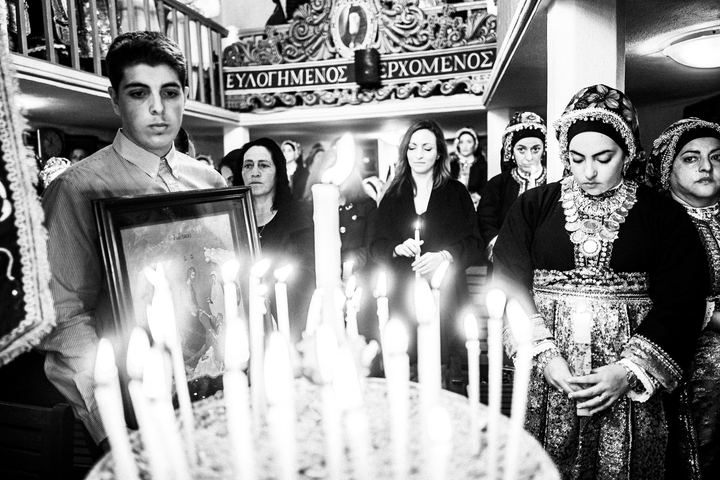
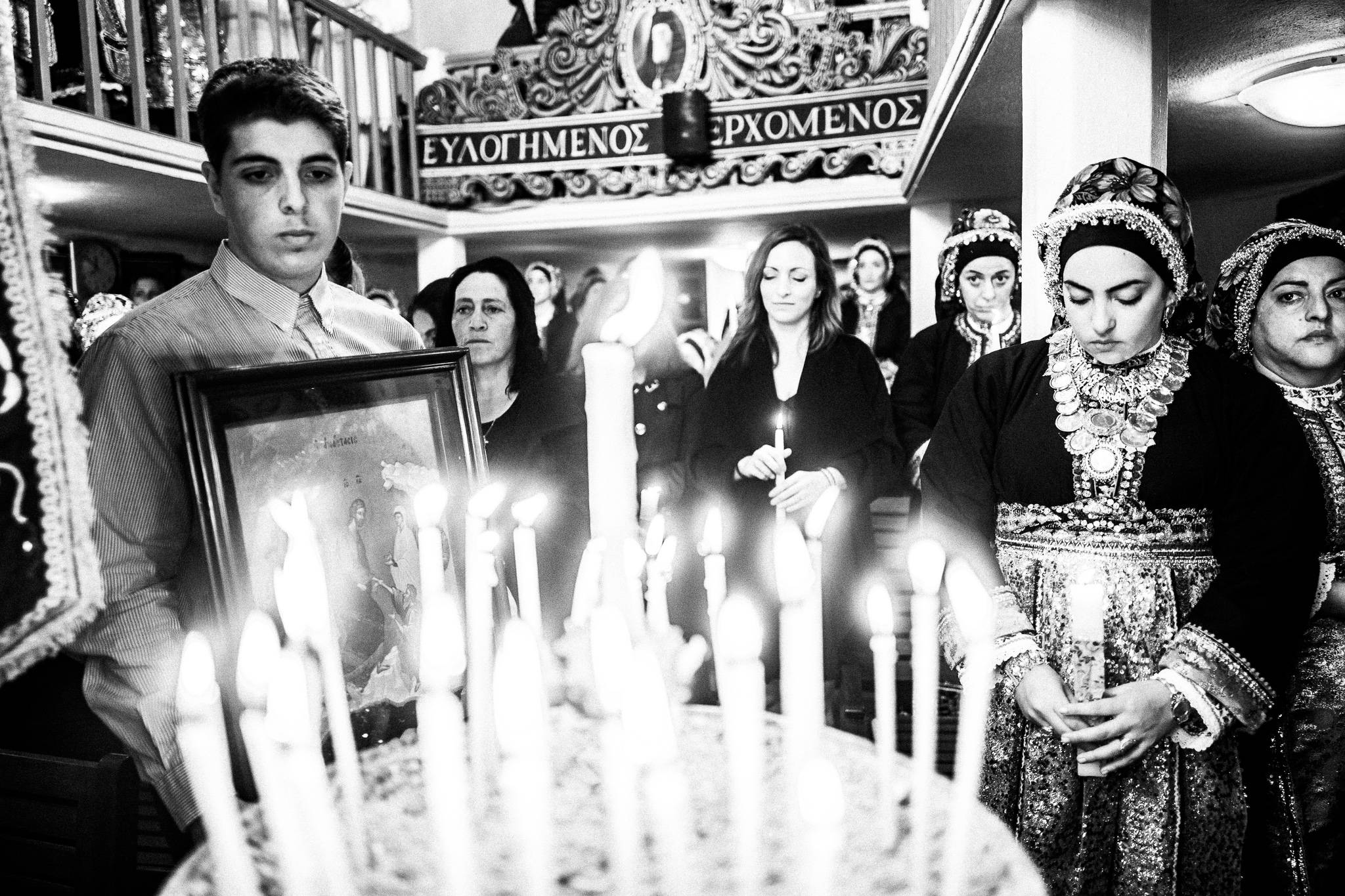
On Easter Sunday, a second Resurrection liturgy takes place at noon, which is also something unique to Olympos. For the people of Olympos, this second liturgy is the most important. The girls of the village wear their traditional dresses and necklaces of gold coins (kolaina), as they stand in lines outside the church. After the liturgy, everyone takes their place in a queue to receive some of the Communion bread and loukoumades, a doughnut-like confection containing honey and cinnamon. Yet more firecrackers are let off. Ouzo, an alcoholic Greek drink flavoured with aniseed and similar to Italian sambuca, is distributed. The table is prepared for the Easter meal and the goat is taken out of the oven.
Culture, held by place
Continue through Olympos.
Follow this tradition into its geographic and cultural context.