Living traditions
Cantades of Spili
Spili, Rethymno
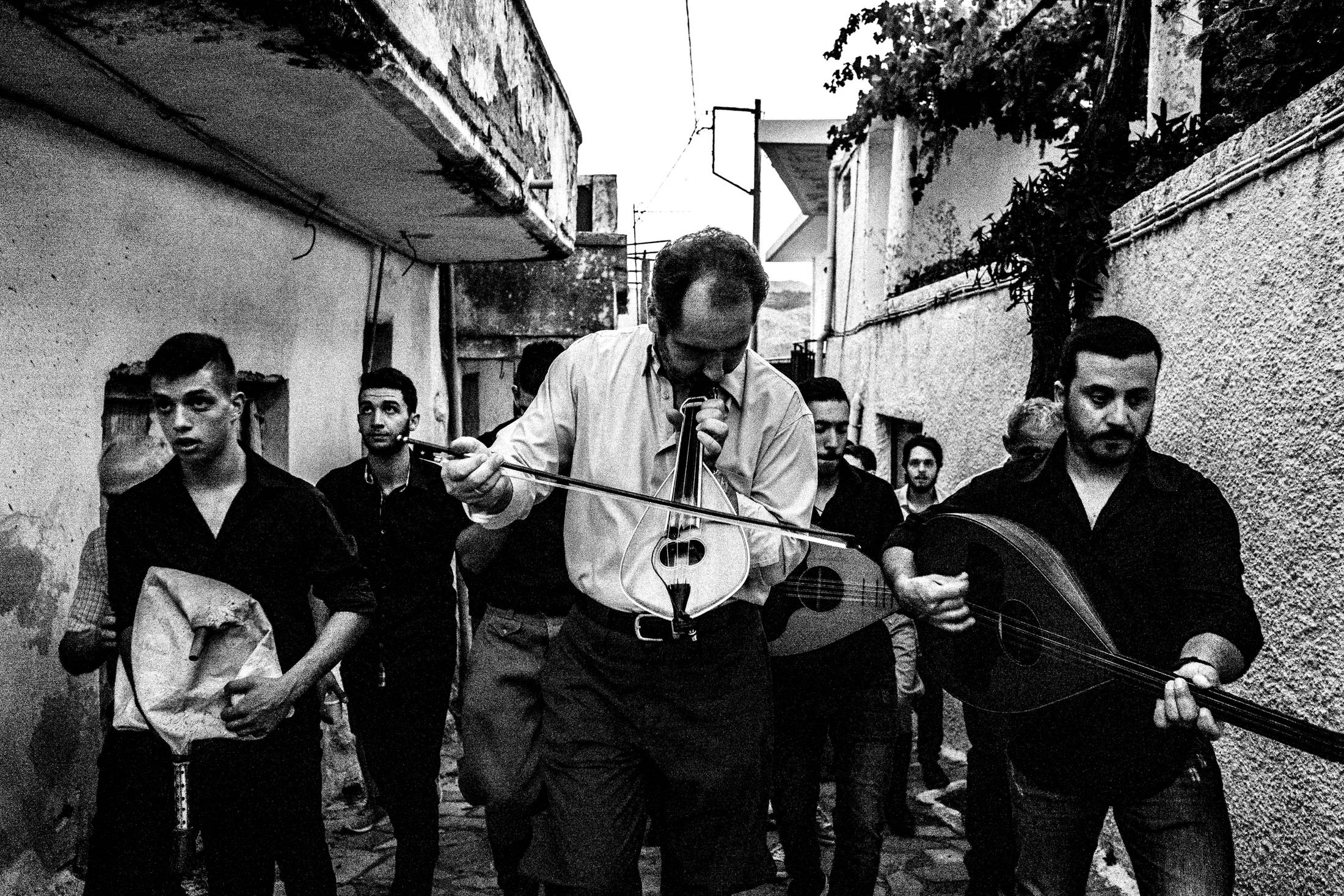
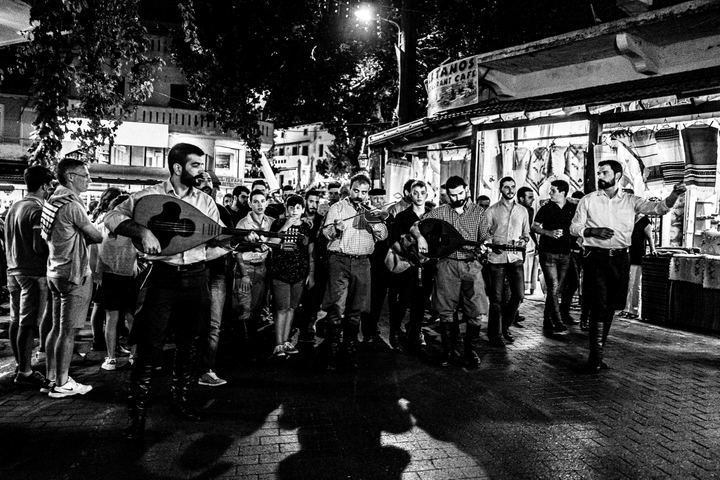
Field photographMusicians leading the Cantades through Spili.
Collector mode
A photograph to live with. Enter a private viewing.Introduction
Musicians move through Spili with lyres, lutes and mantinades, carrying an old Cretan singing tradition from the village streets to the cemetery and deep into the night.
Every 7 August, Spili fills with music as local musicians and singers perform cantades and mantinades through the village. The procession also includes a moving visit to the cemetery, where songs are offered in memory of musicians who have died.
Discovering the Cantades of Spili village
In the heart of Spilli village, something truly special takes place every August 7th. It's the day of the Cantades, a tradition that's been celebrated for centuries. The streets of the village are filled with music and singing as the locals come together to honour their cultural heritage.
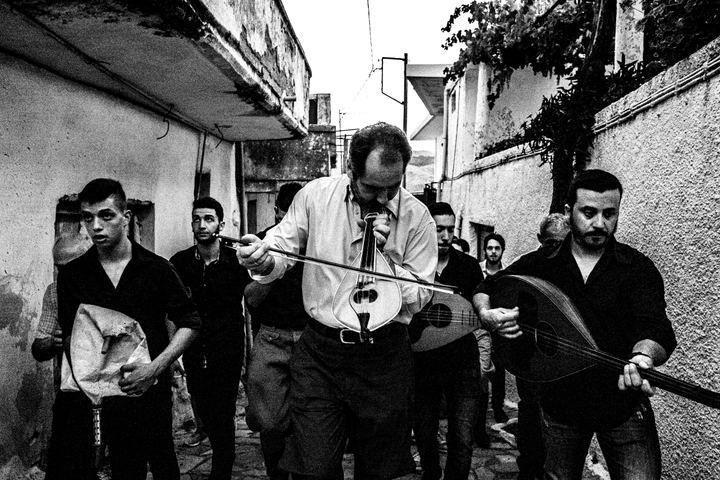
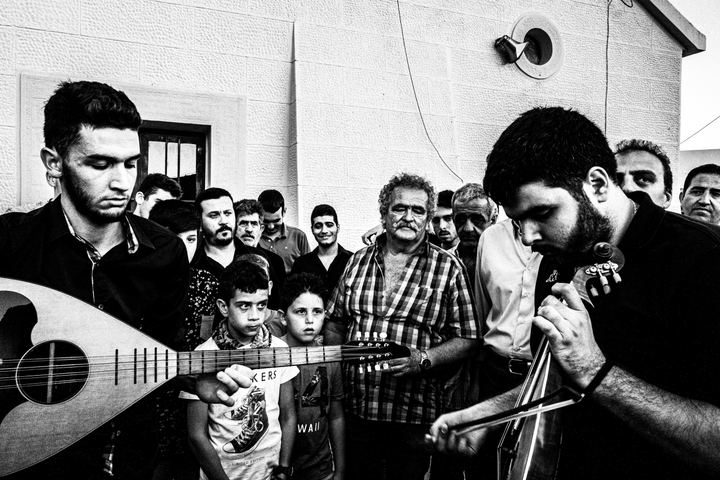
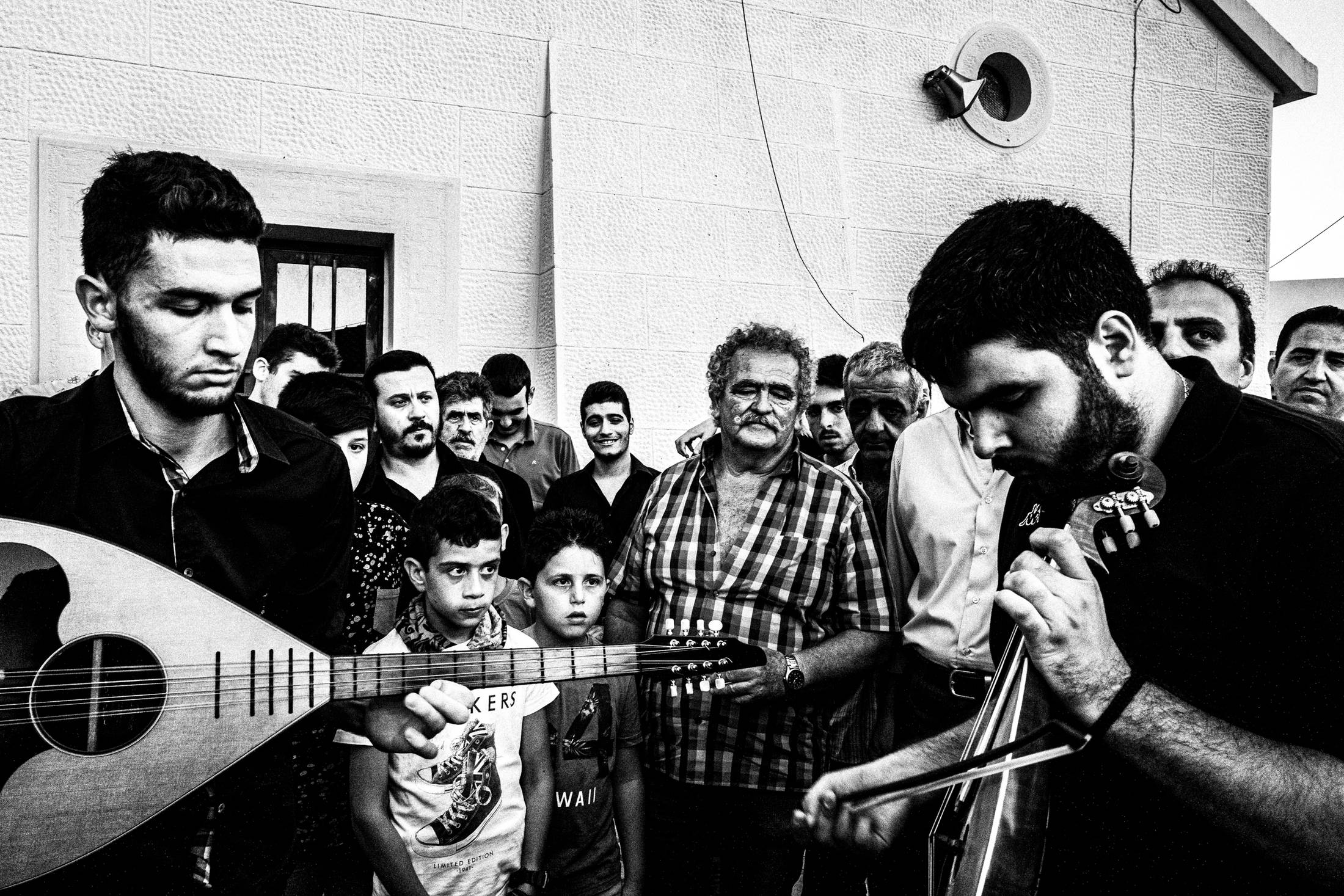
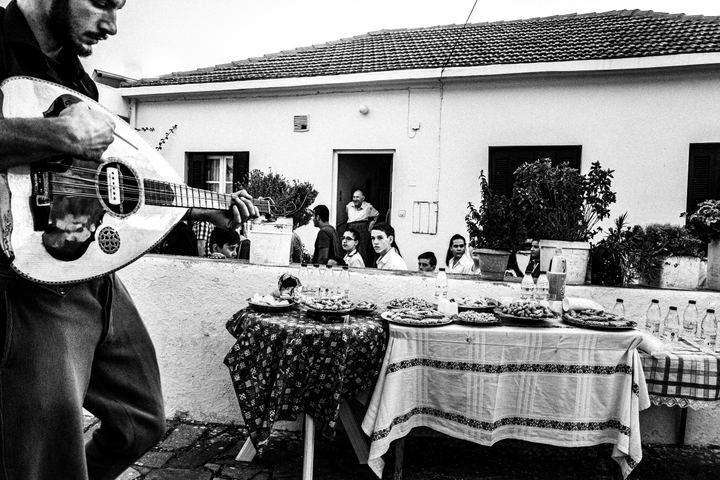
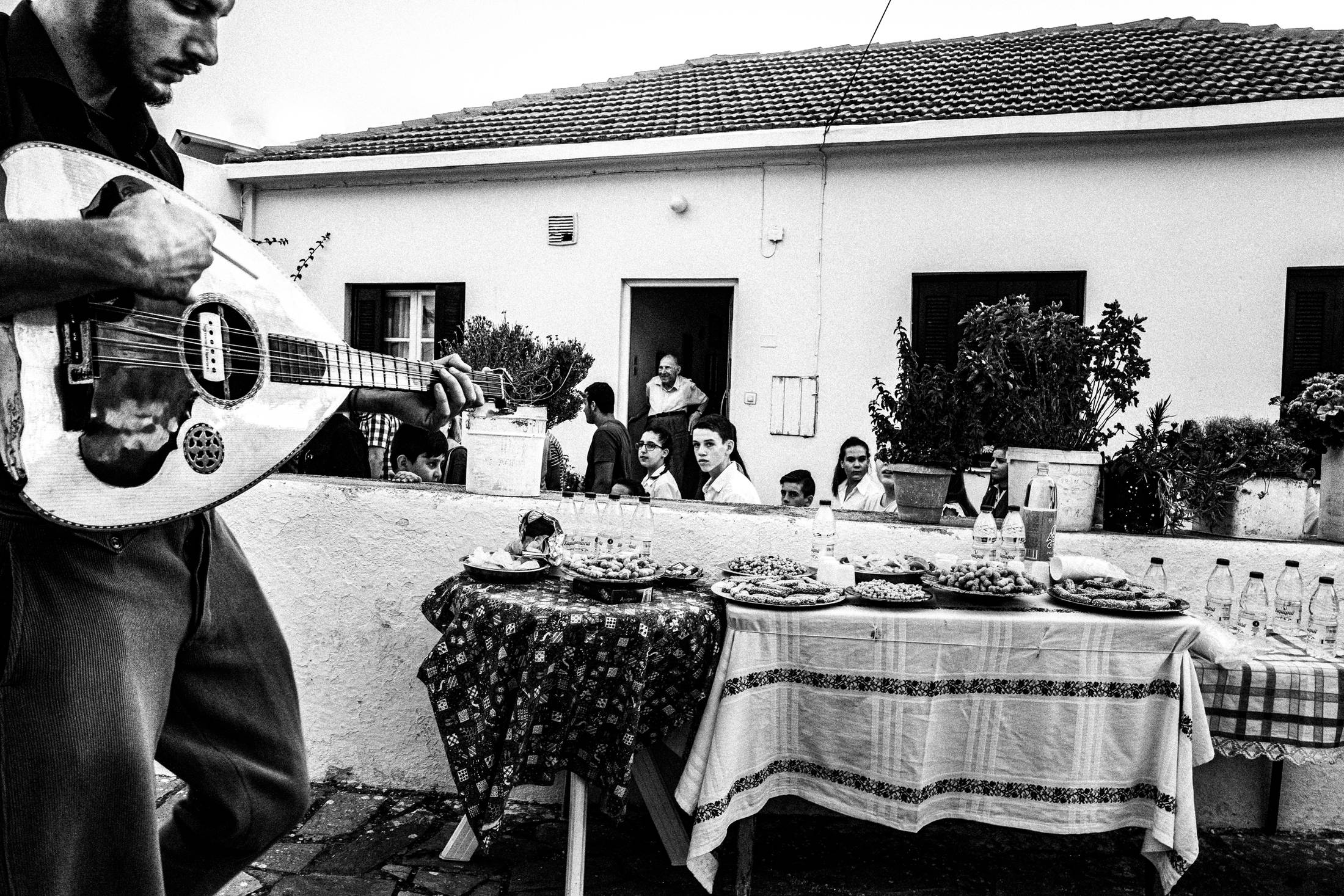
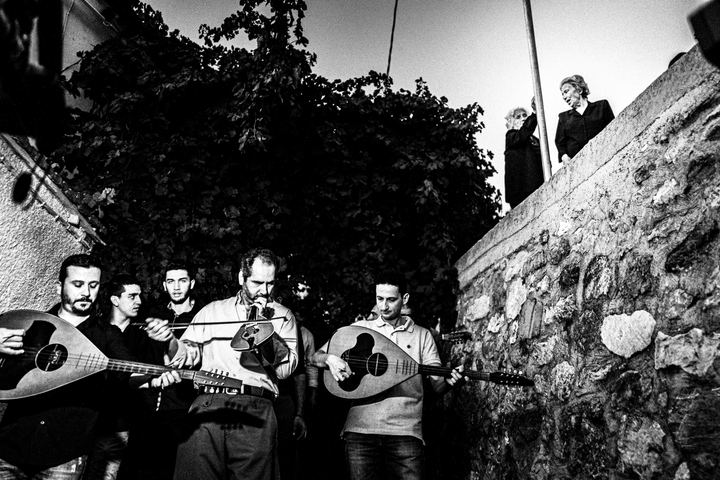
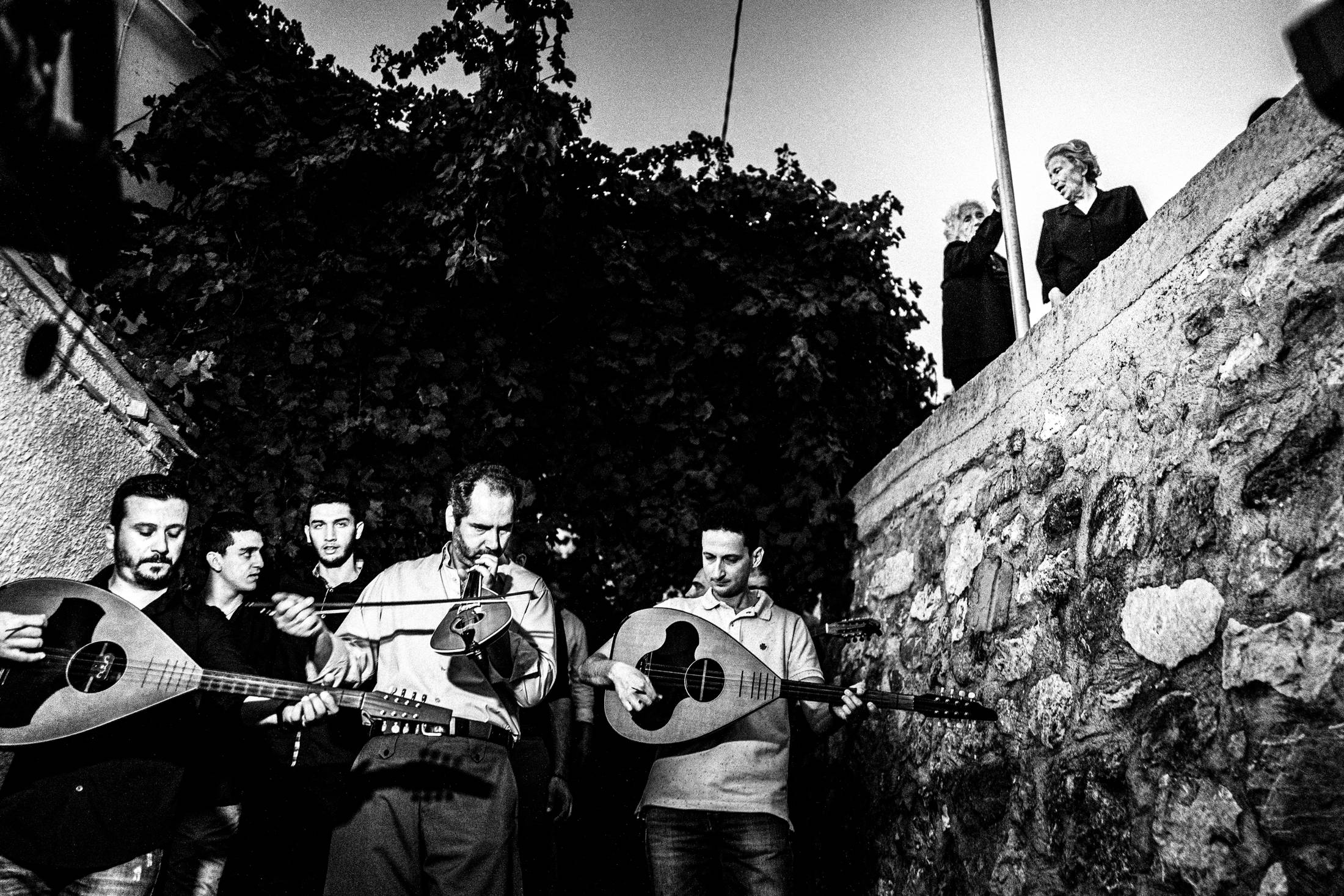
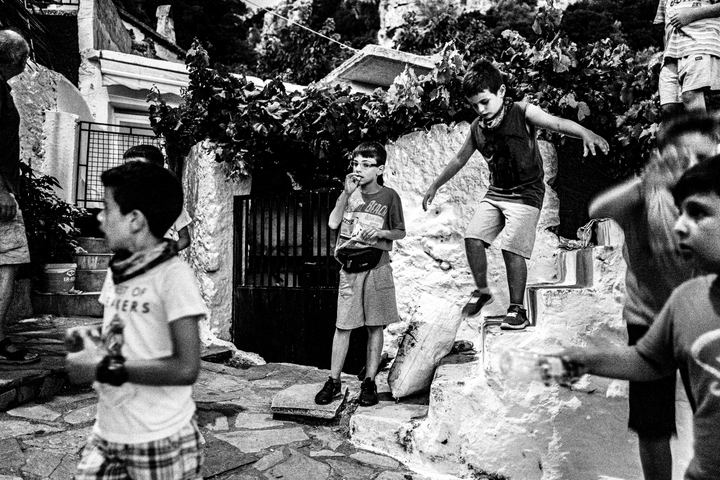
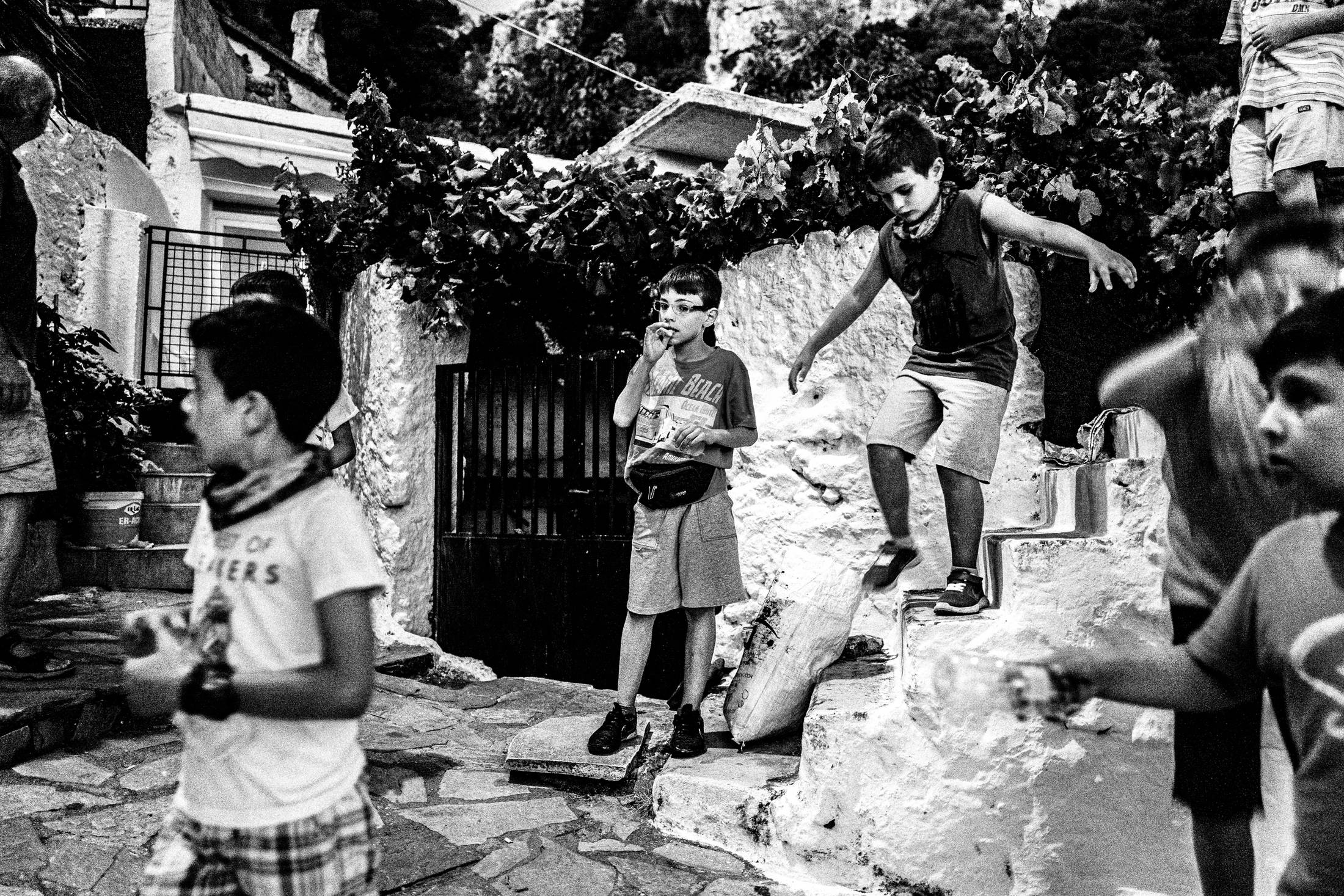
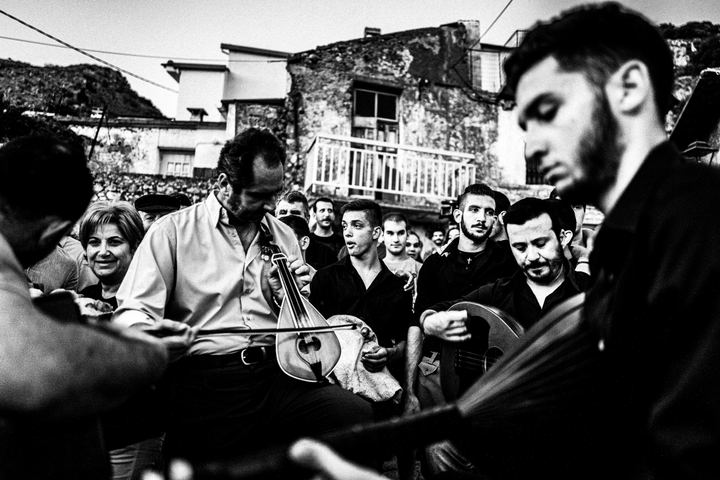
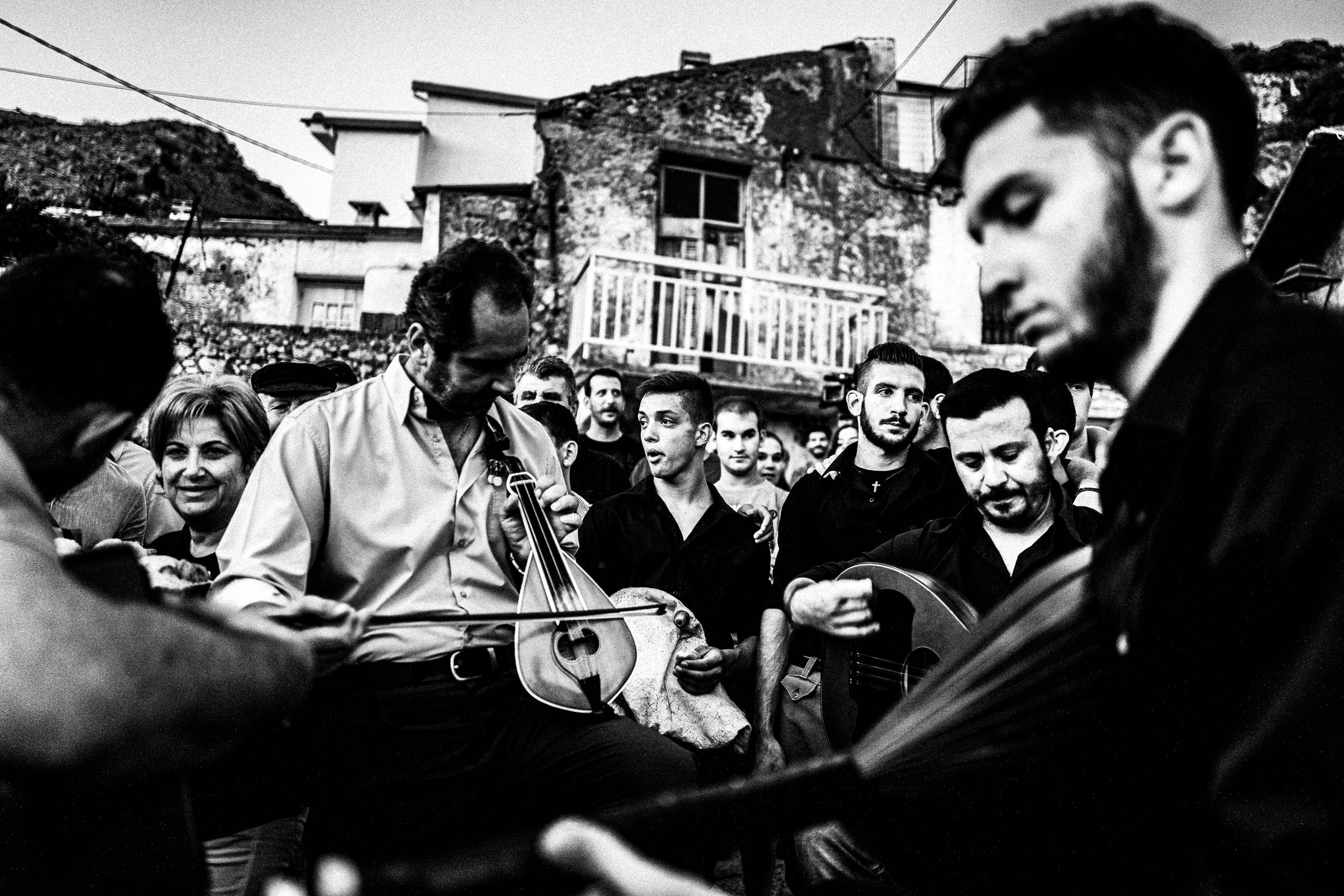
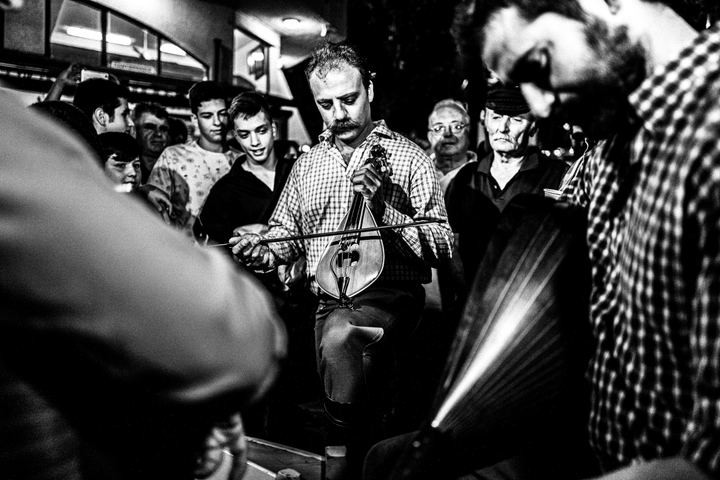
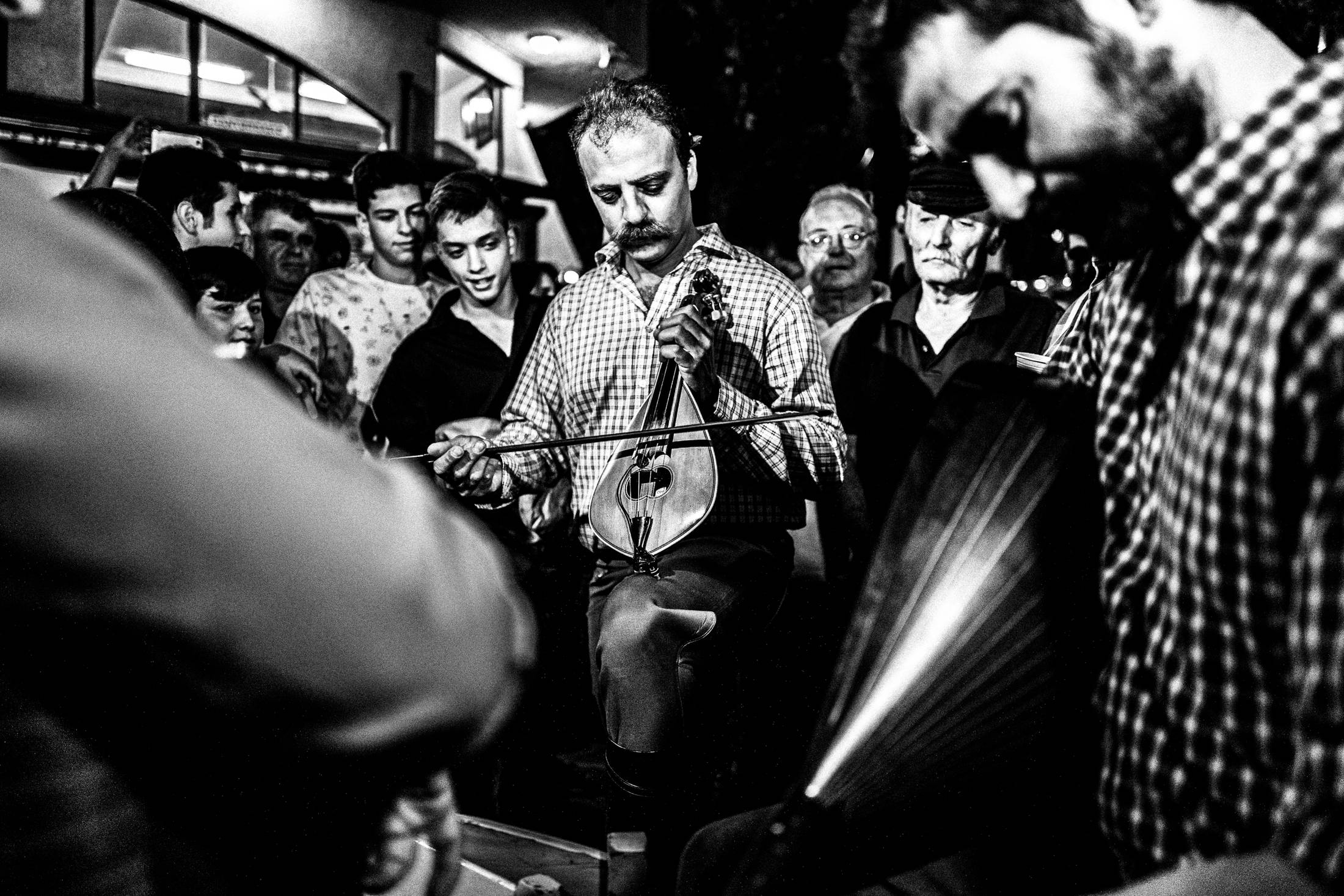
As a photographer, I had the privilege of documenting this event as part of my 'Ethos' project. The day was filled with incredible moments, but one of the most poignant was when the musicians made their way to the cemetery.
As we followed along with the procession, we passed through the village and made our way to the gravesite of a beloved local musician who had recently passed away. There, the musicians gathered around his grave and began to sing mantinades, a traditional form of Cretan poetry, in his memory.
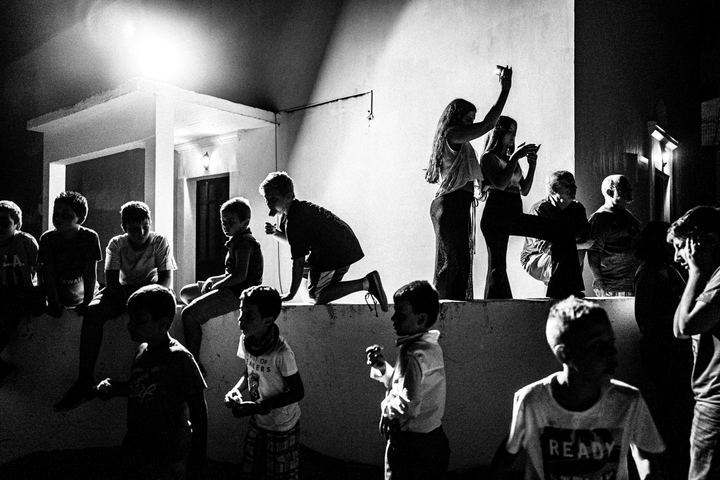
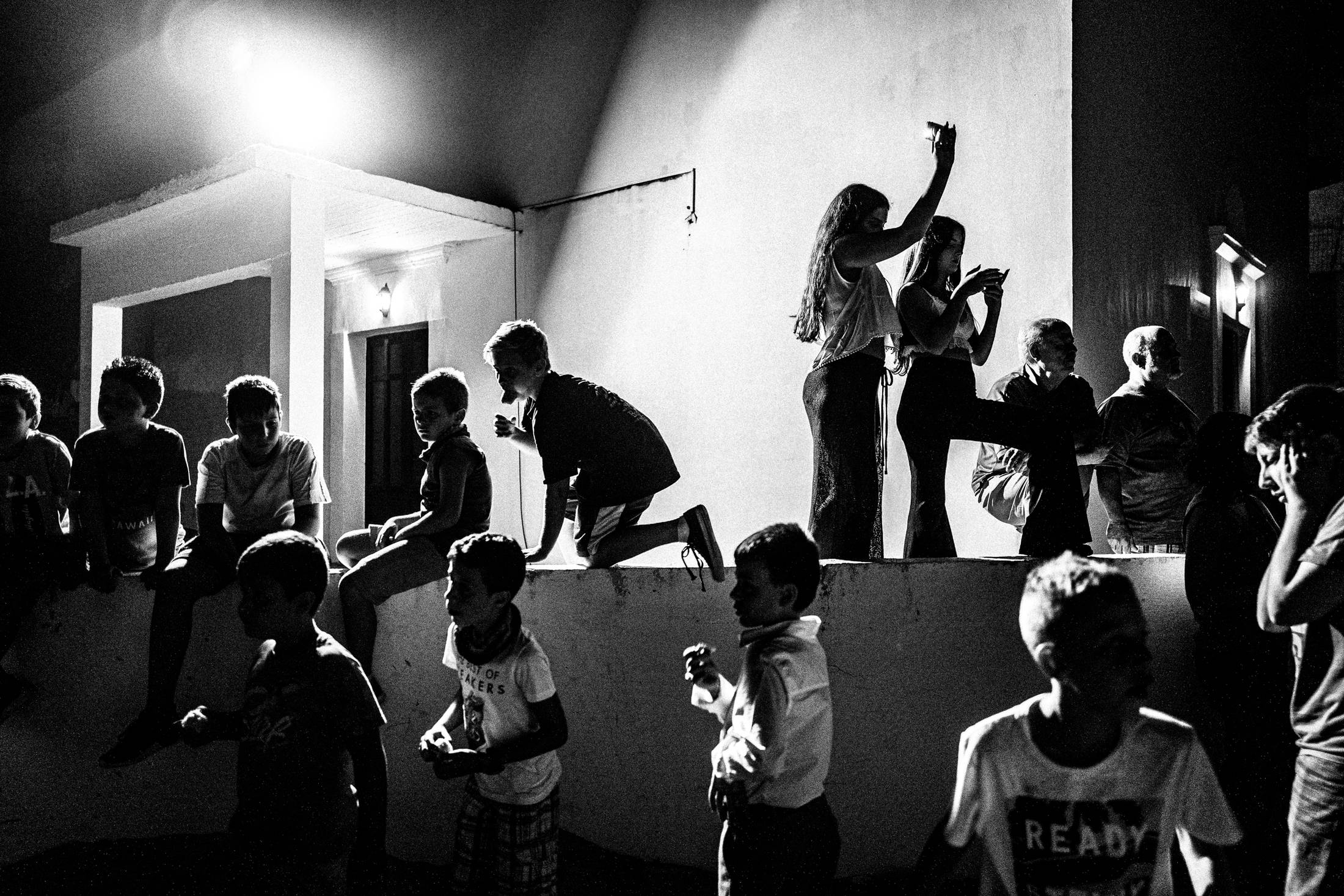


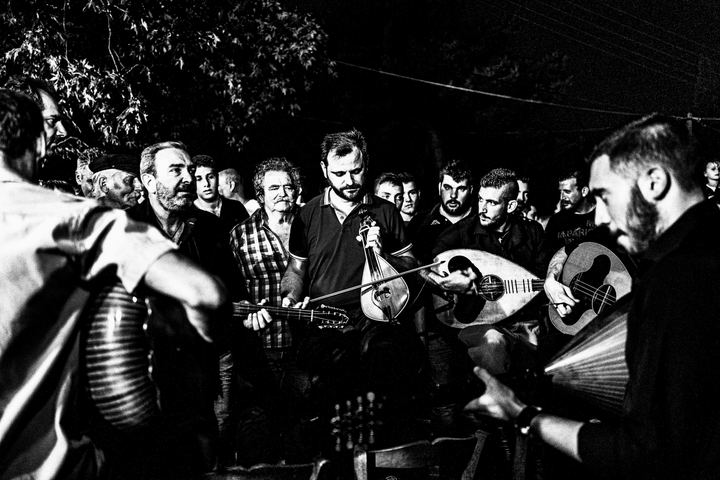
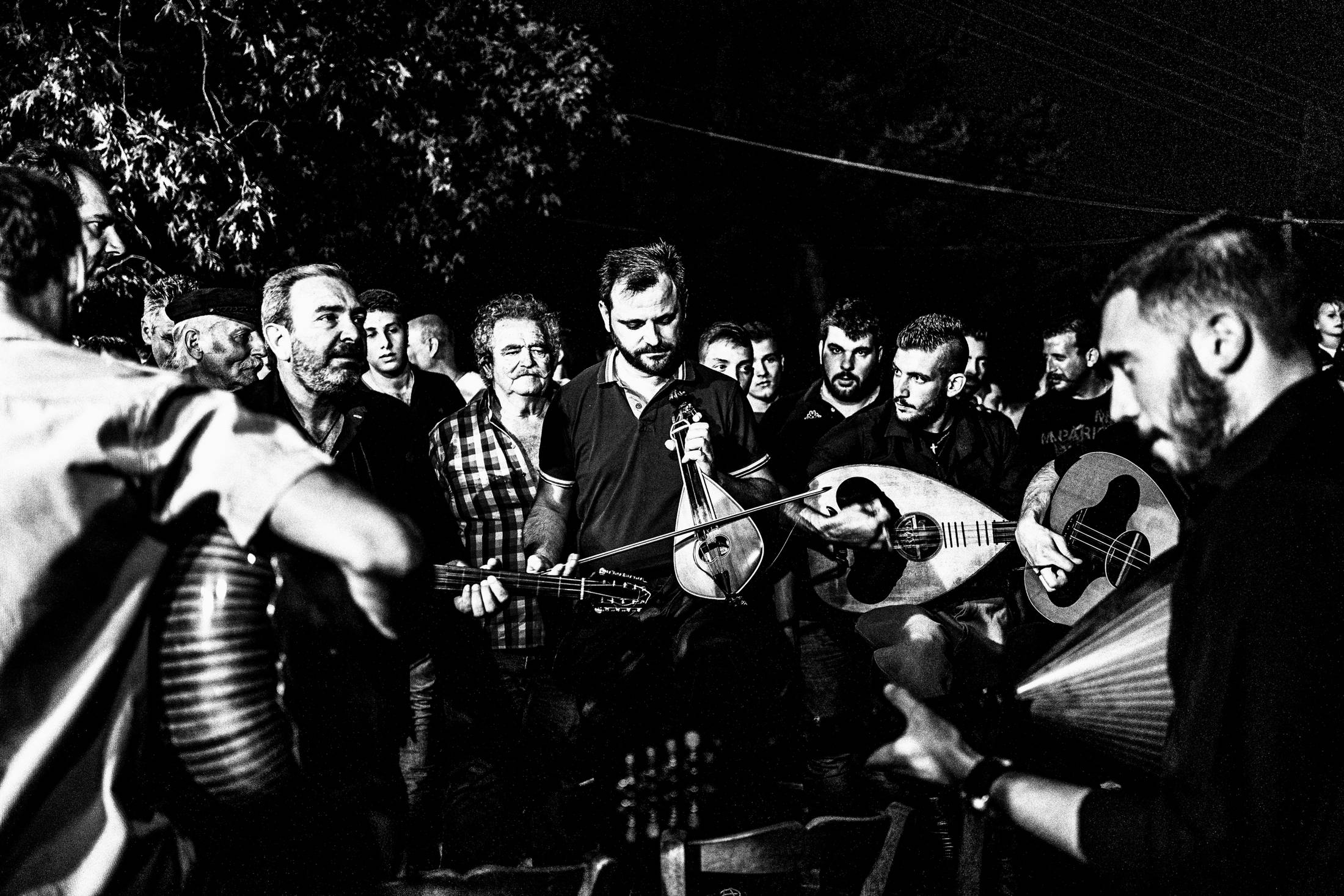
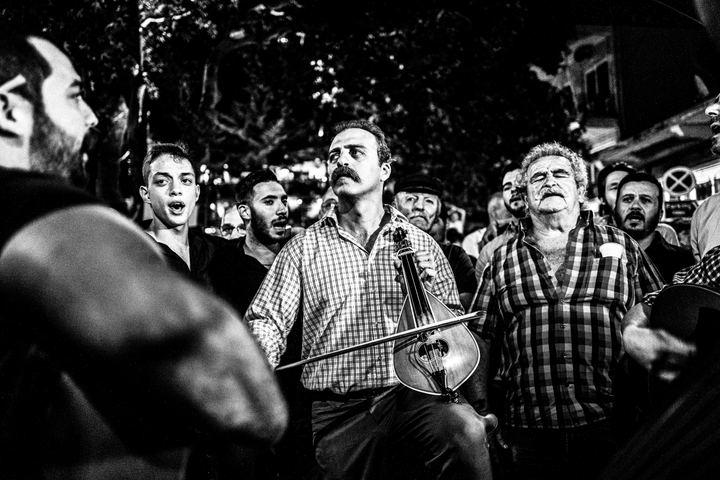
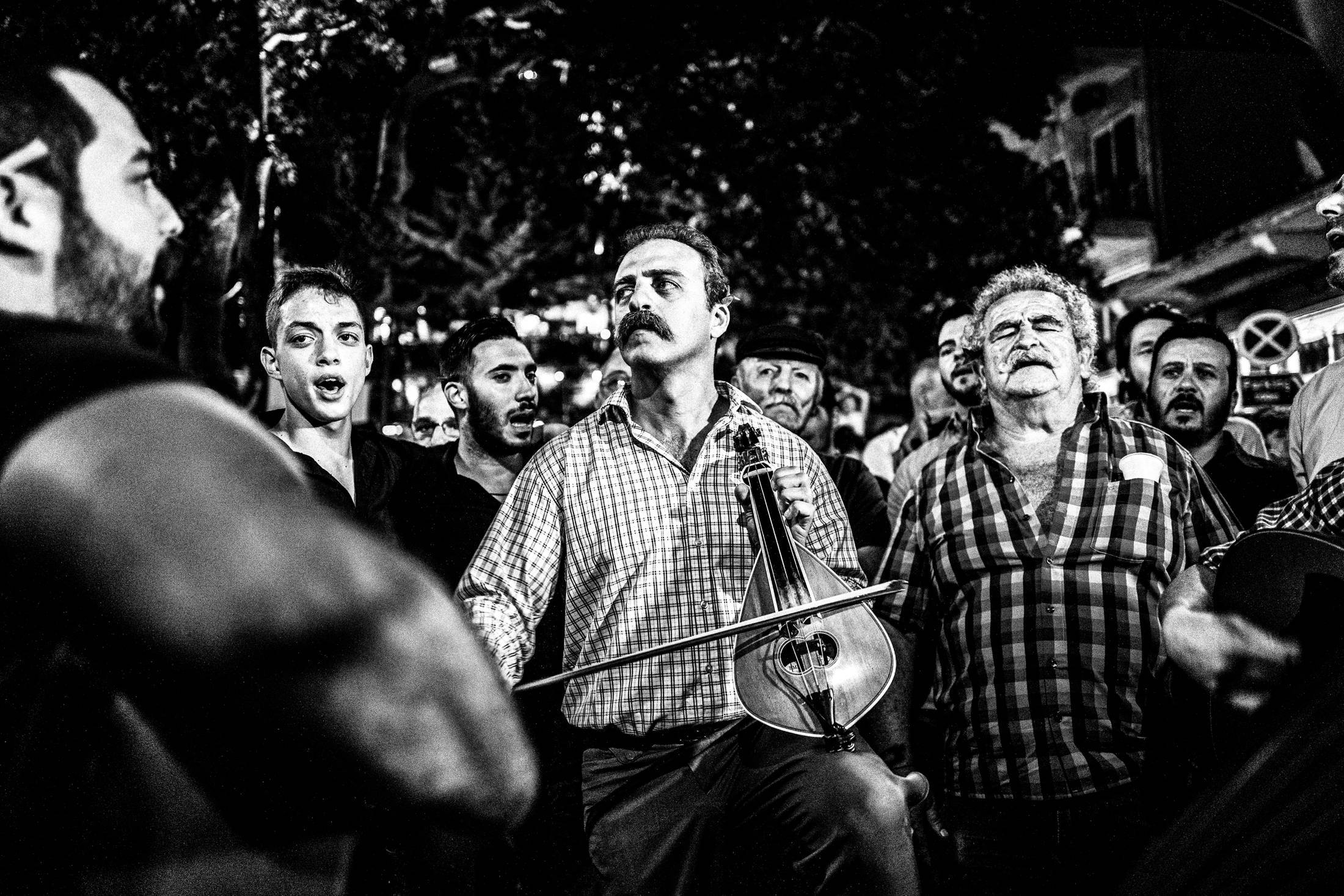
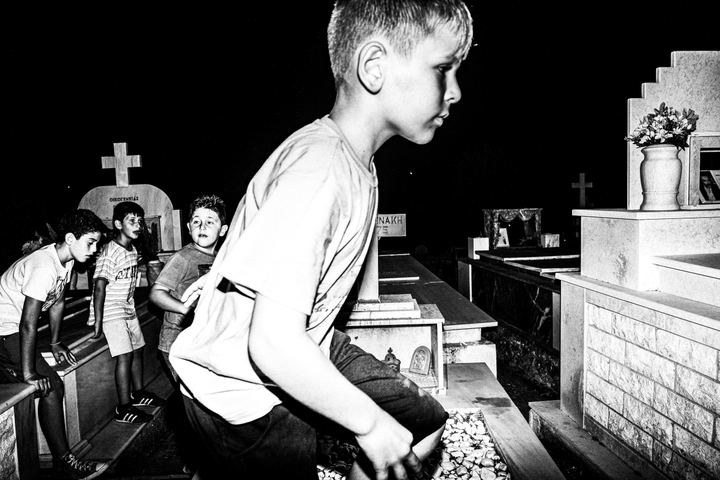
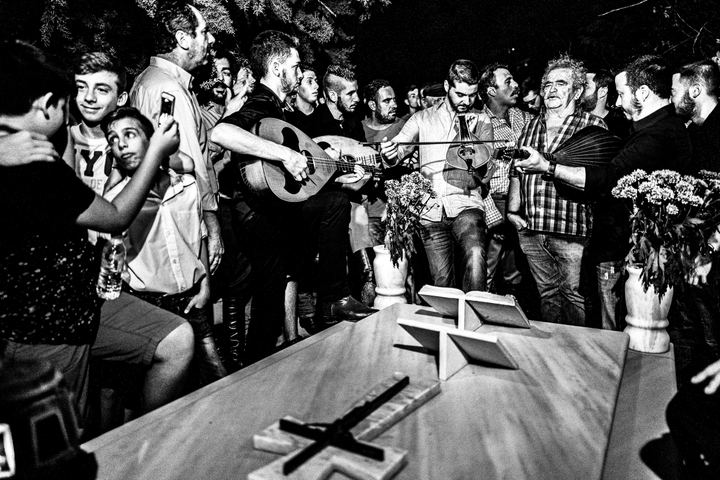
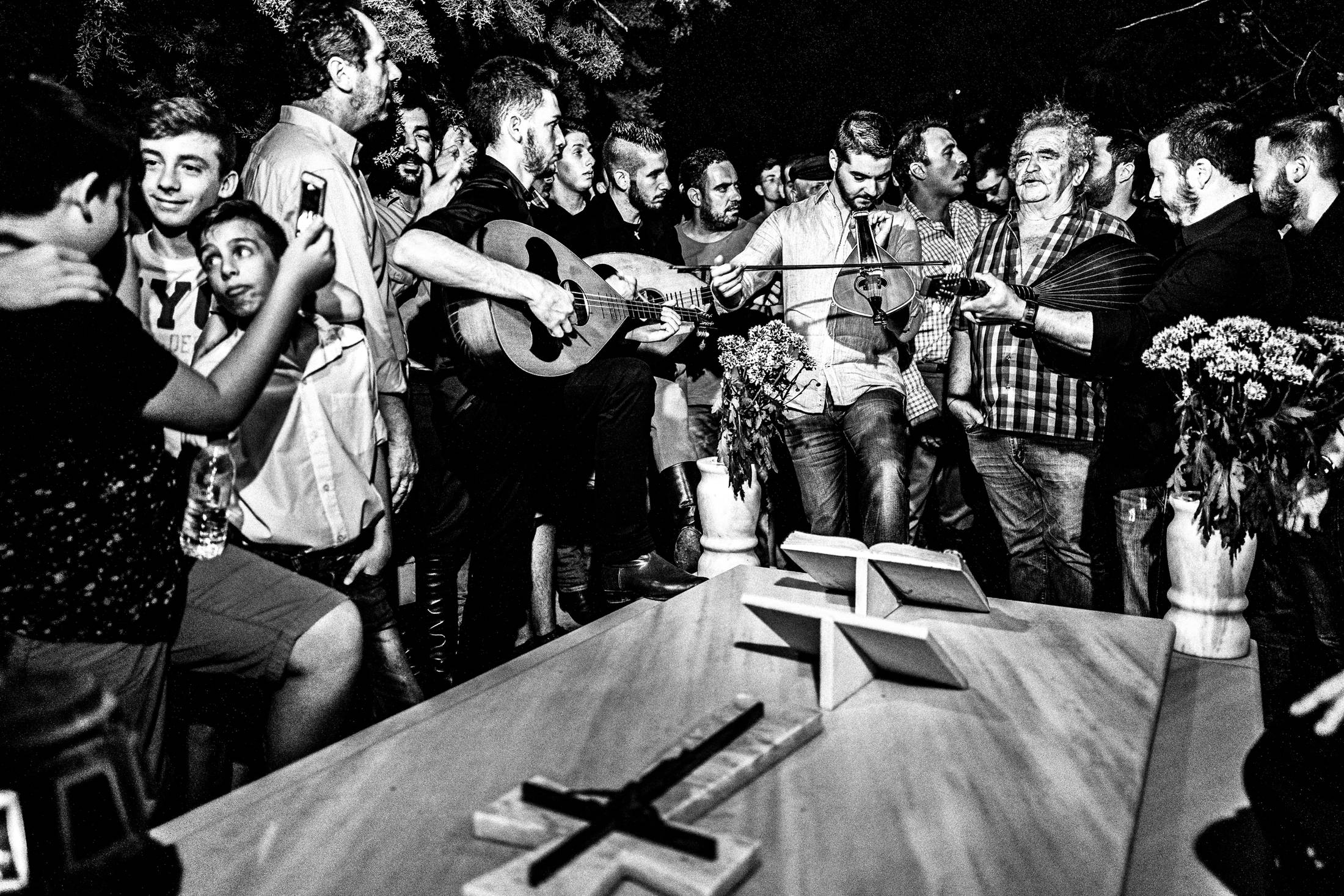
It was a powerful moment, filled with emotion and reverence. As the musicians sang, the rest of us stood in respectful silence, honouring the memory of the man who had brought so much joy to the community through his music.
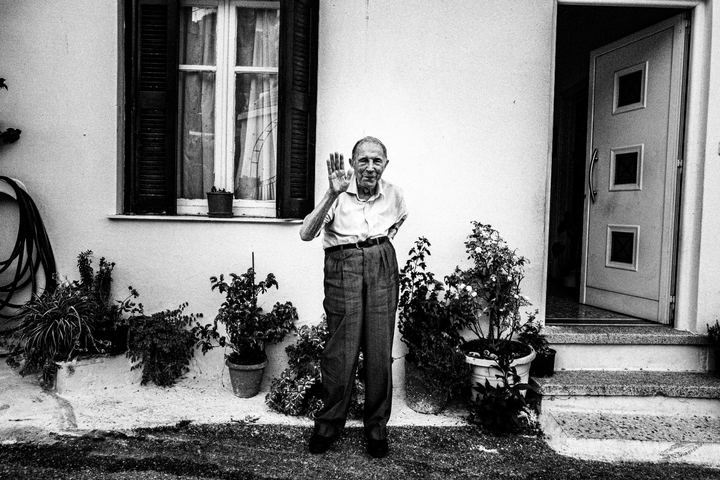
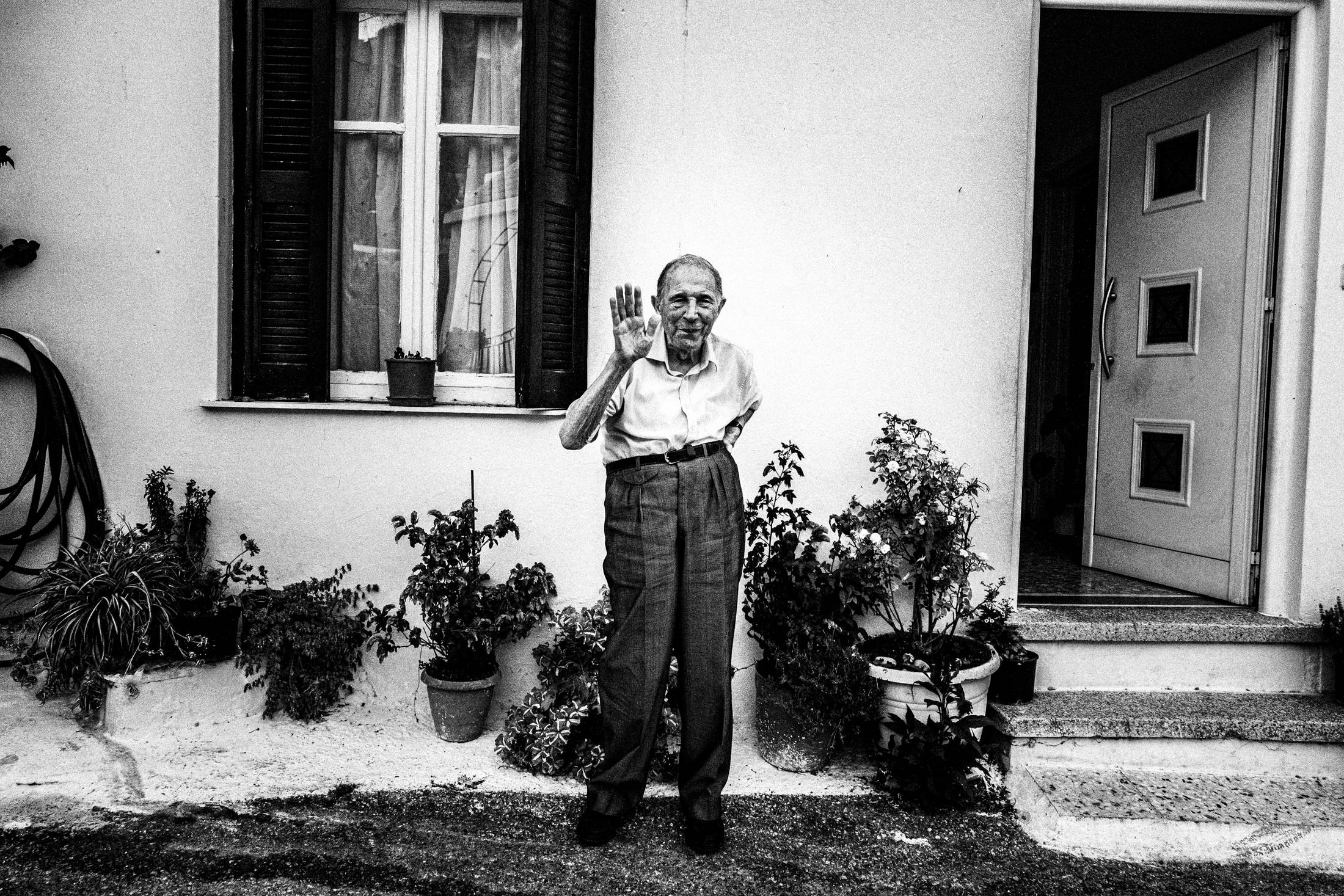
After a few more songs, the procession continued through the village, bringing music and celebration to every corner of Spilli. It was a day I will never forget, and I feel grateful to have been able to capture it through my camera lens.
Culture, held by place
Continue through Spili.
Follow this tradition into its geographic and cultural context.