Living traditions
Easter Tuesday Litany of Olympos
Olympos, Karpathos
Field photographEaster Tuesday Litany of Olympos — photograph 1.
Collector mode
A photograph to live with. Enter a private viewing.Introduction
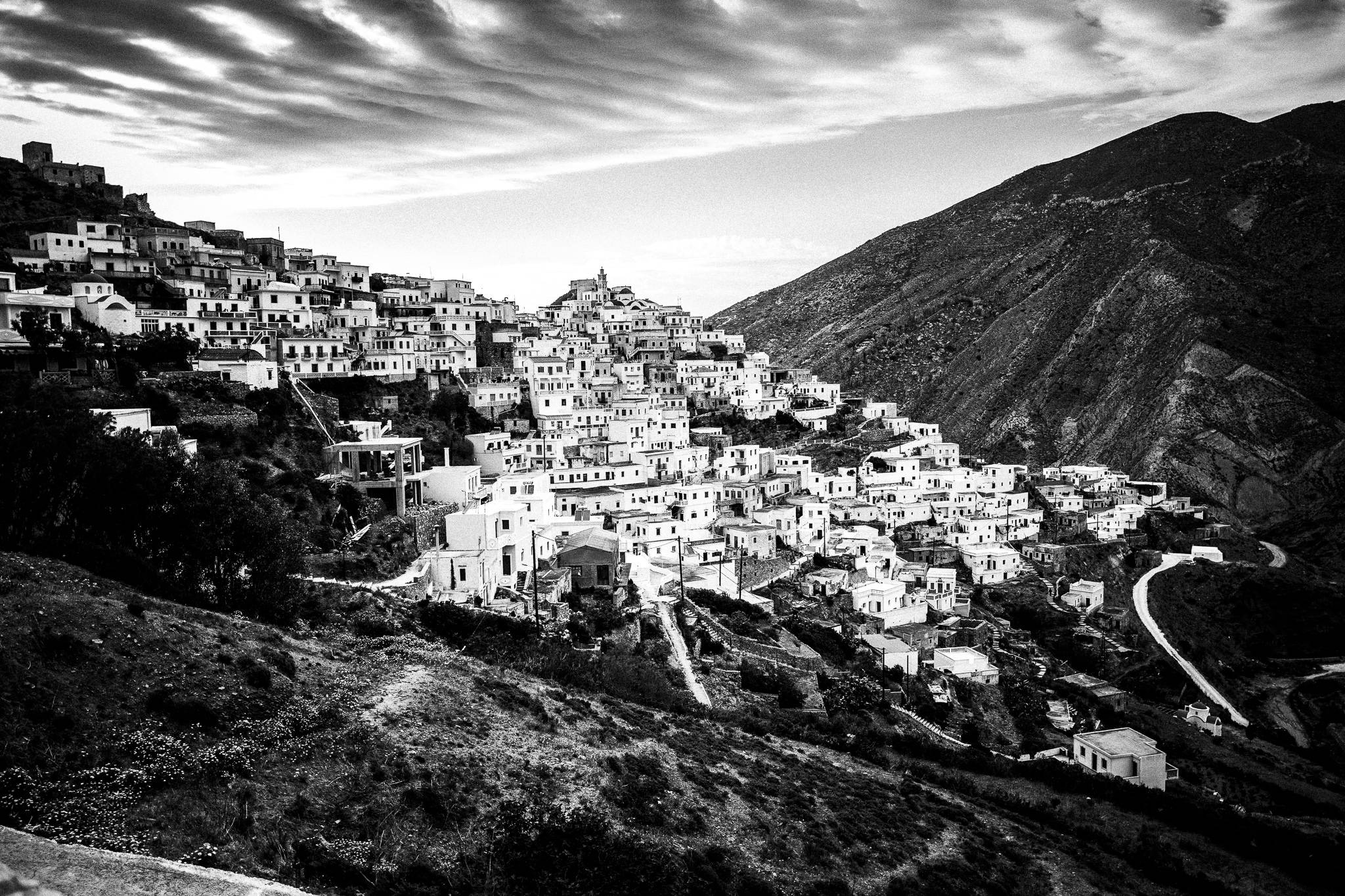
Four heavy icons leave the main church of Olympos for an eight-to-nine-kilometre procession through chapels, the cemetery, the ossuary and the steep landscape surrounding the village.
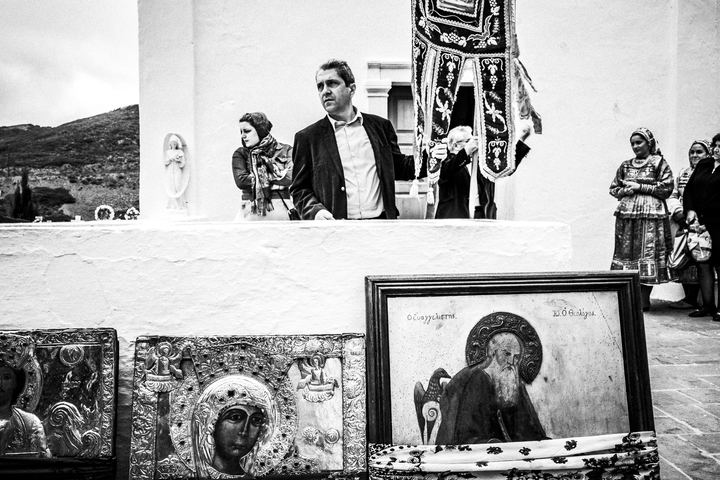
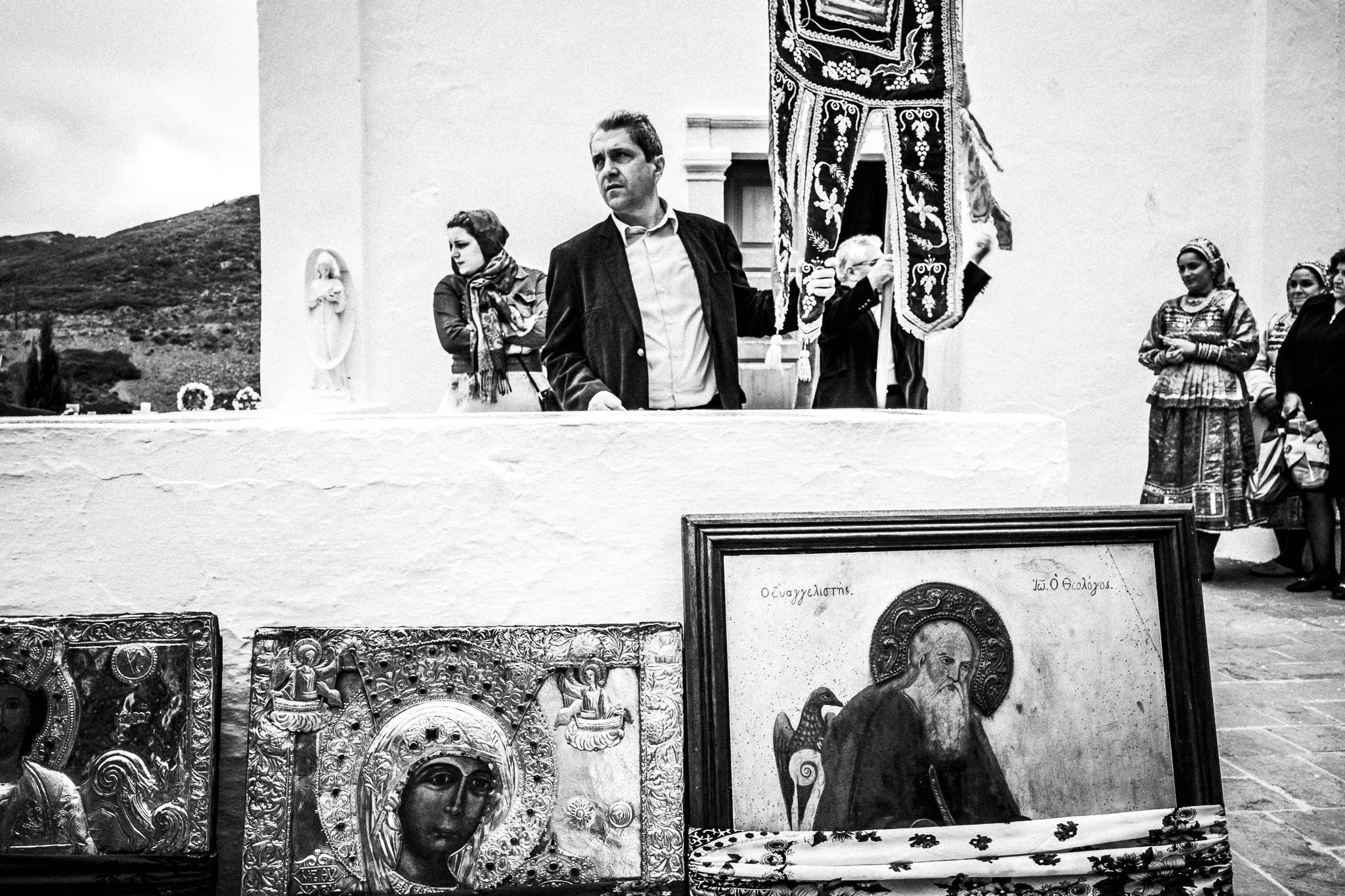
On the Tuesday after Orthodox Easter, the most important icons of the main church are carried around Olympos. The procession pauses for memorial services at every grave before returning to the village for an auction and a meal inside the church.
Easter Tuesday Litany
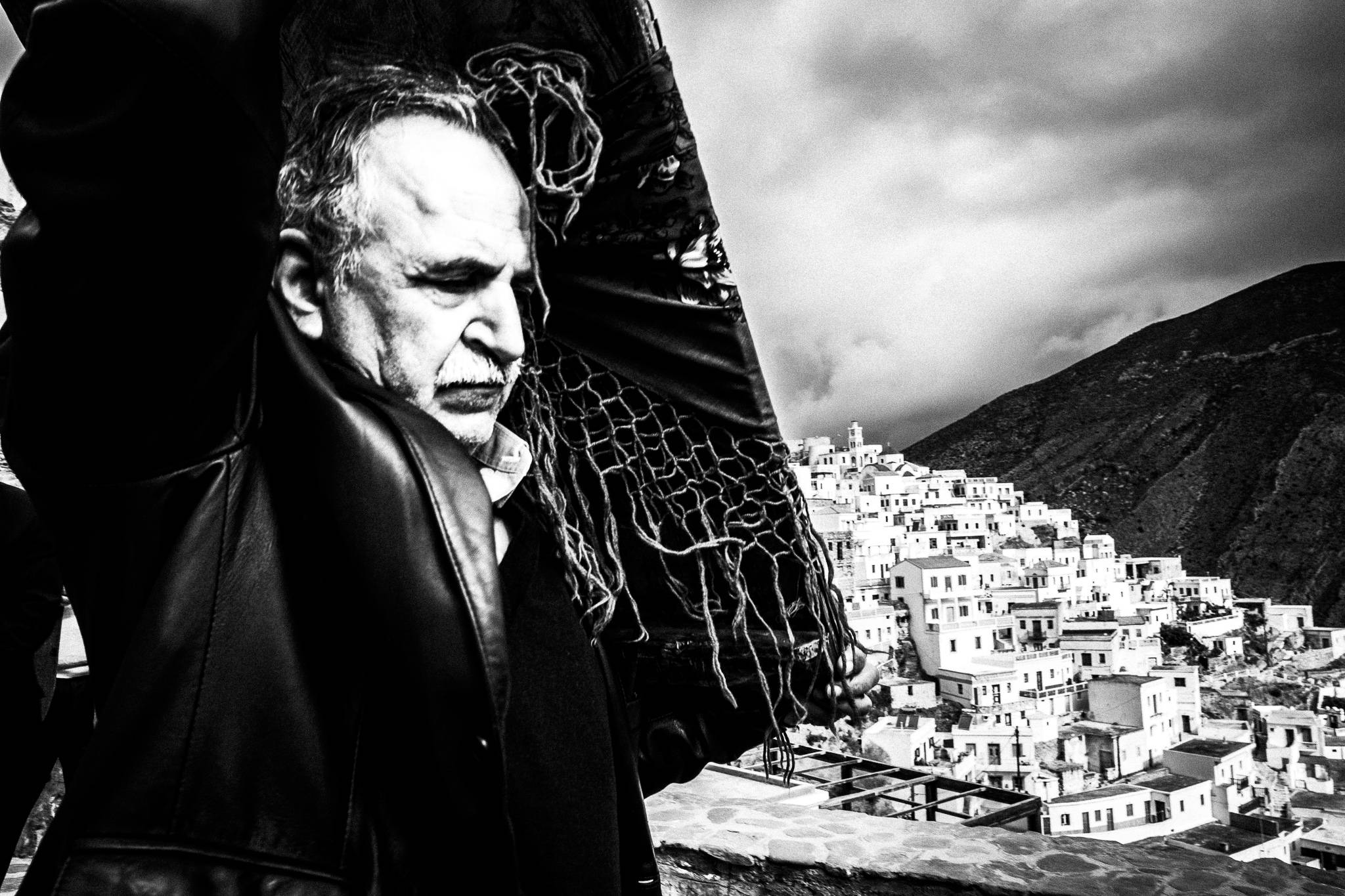
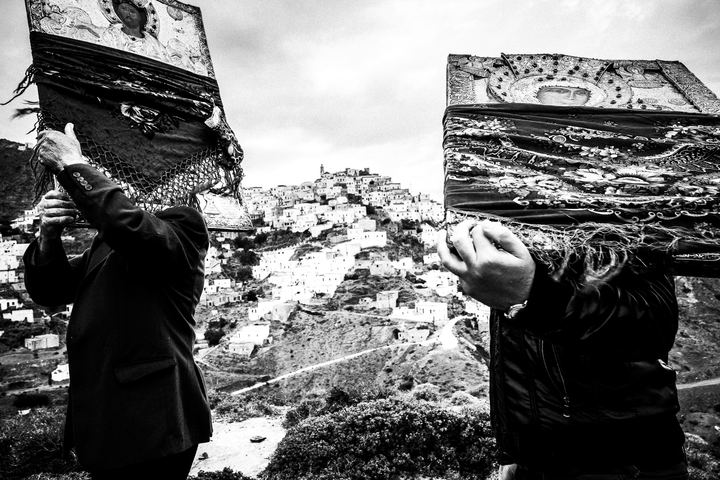
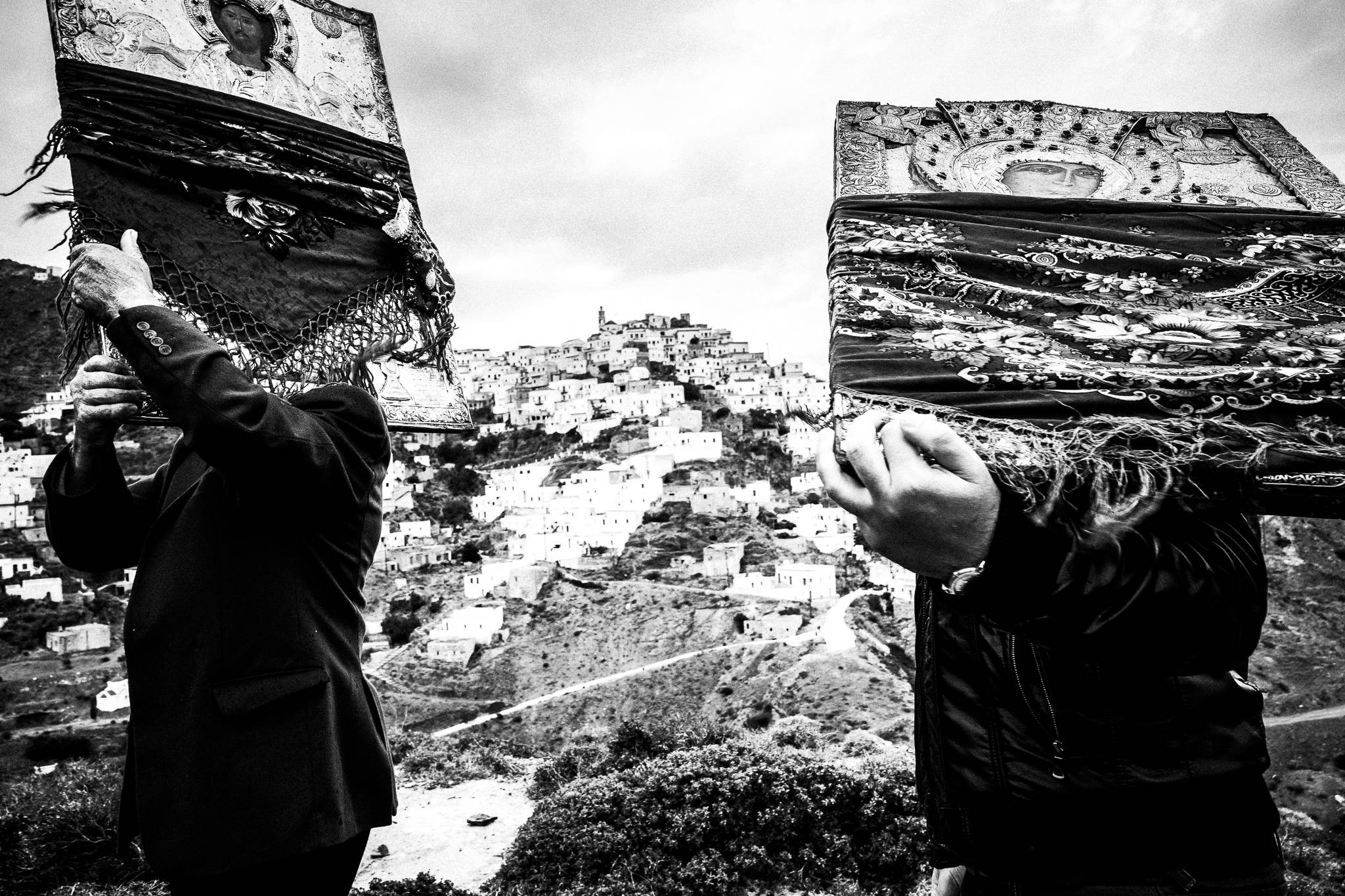
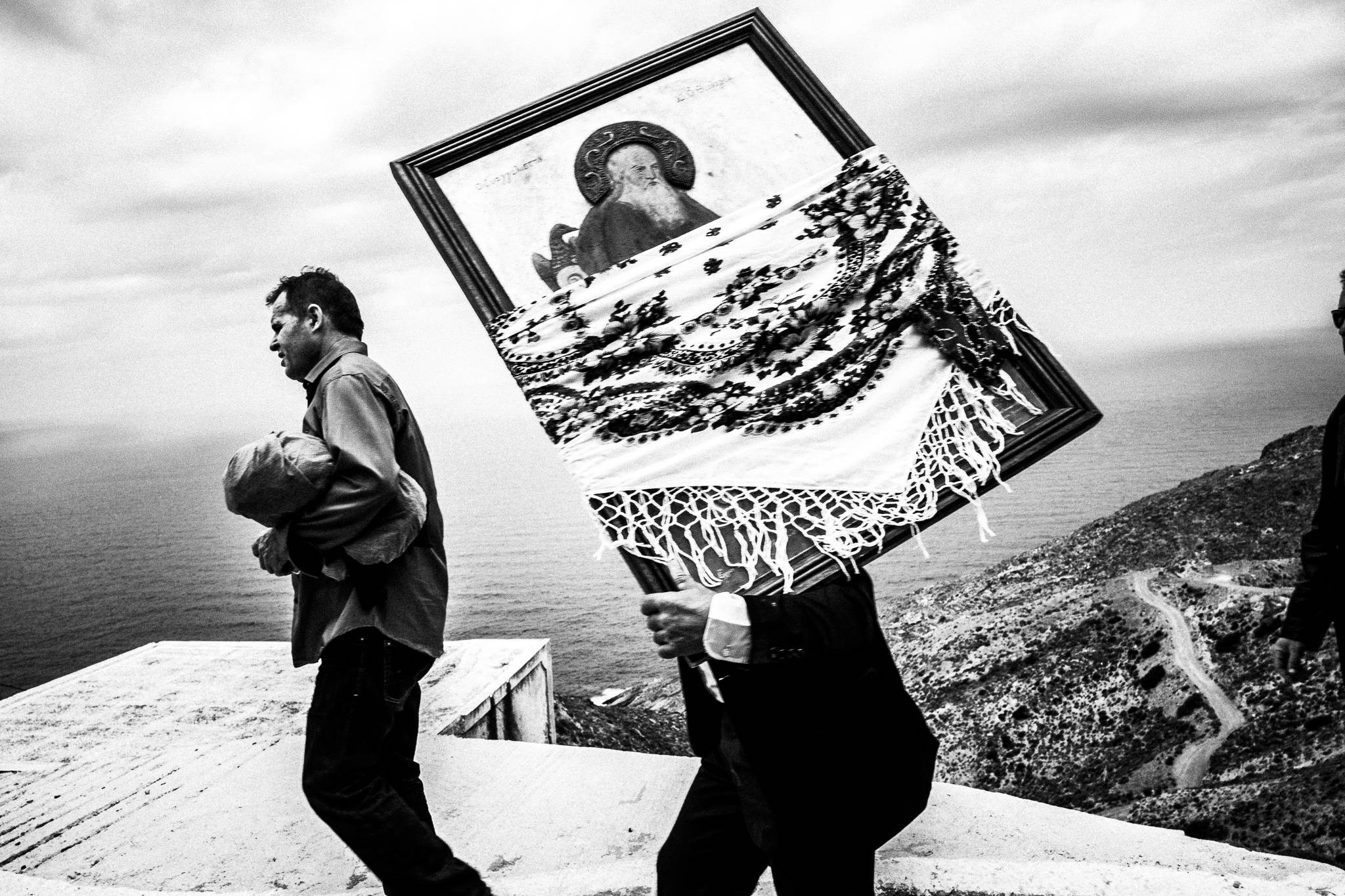
The traditional Easter in Olympos culminates on the Tuesday after Easter. The most important icons of the central church are removed and taken in procession round the village to visit every other church, where services are performed. To celebrate the Resurrection, the icons are adorned with scarves of a local pattern. The iconostasis, where the icons stand in church, lost its black embroidery on the day of the Resurrection and it is now time to celebrate.
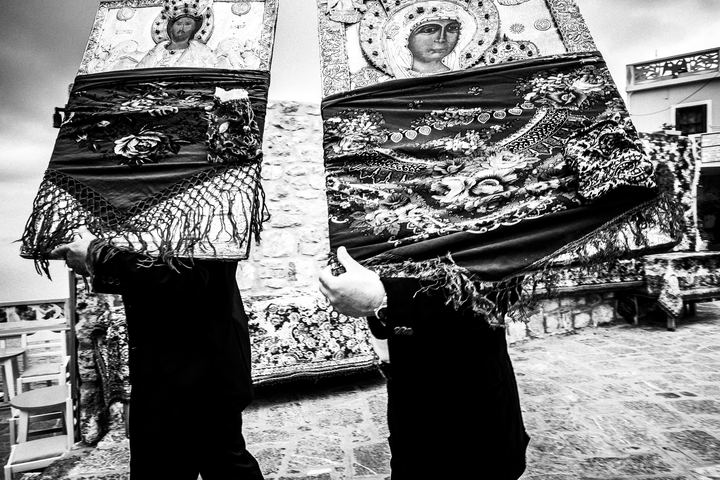
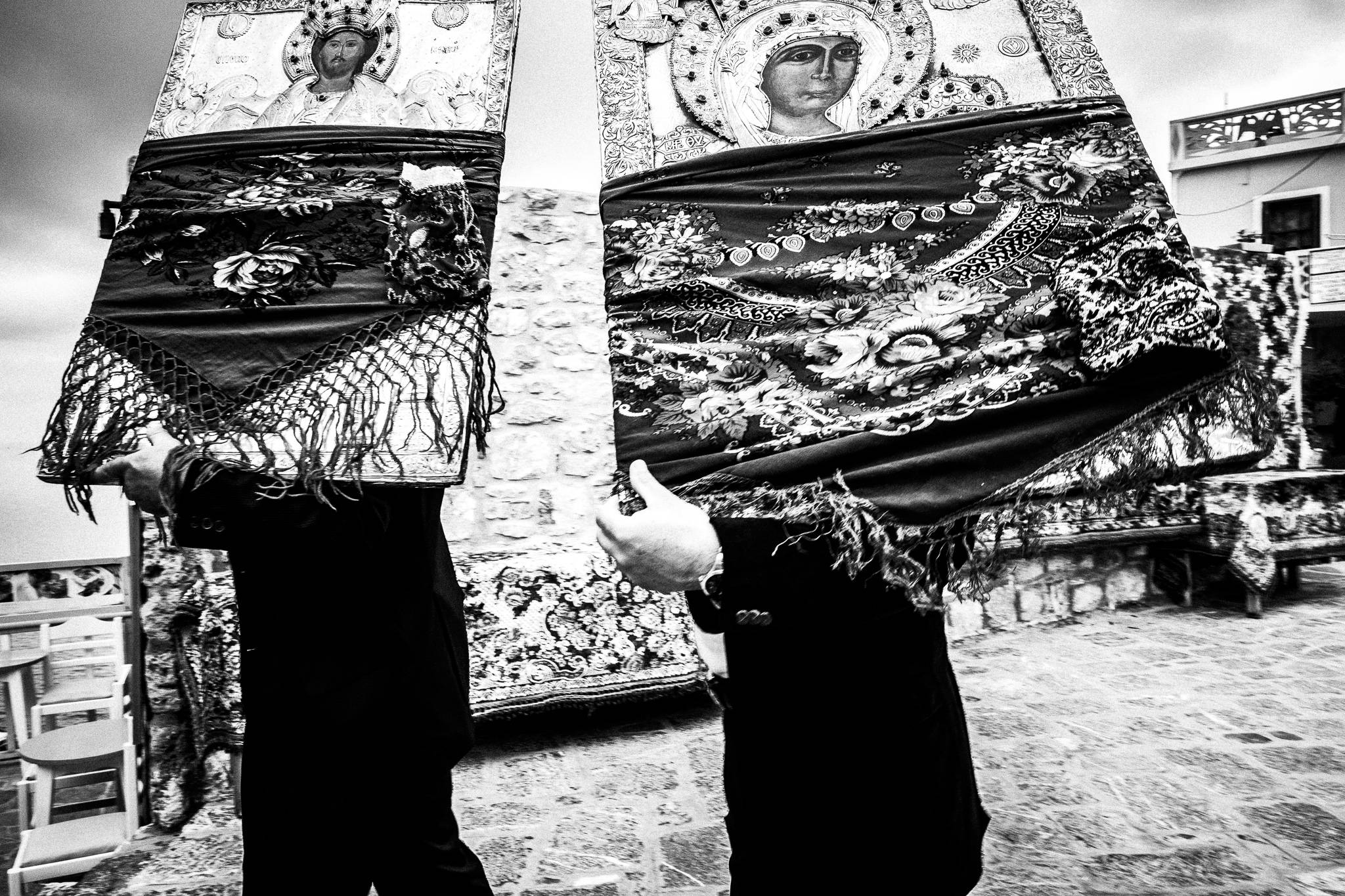
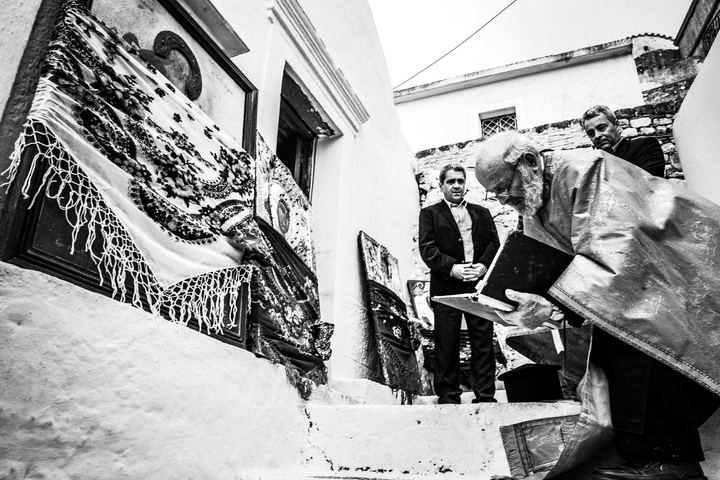
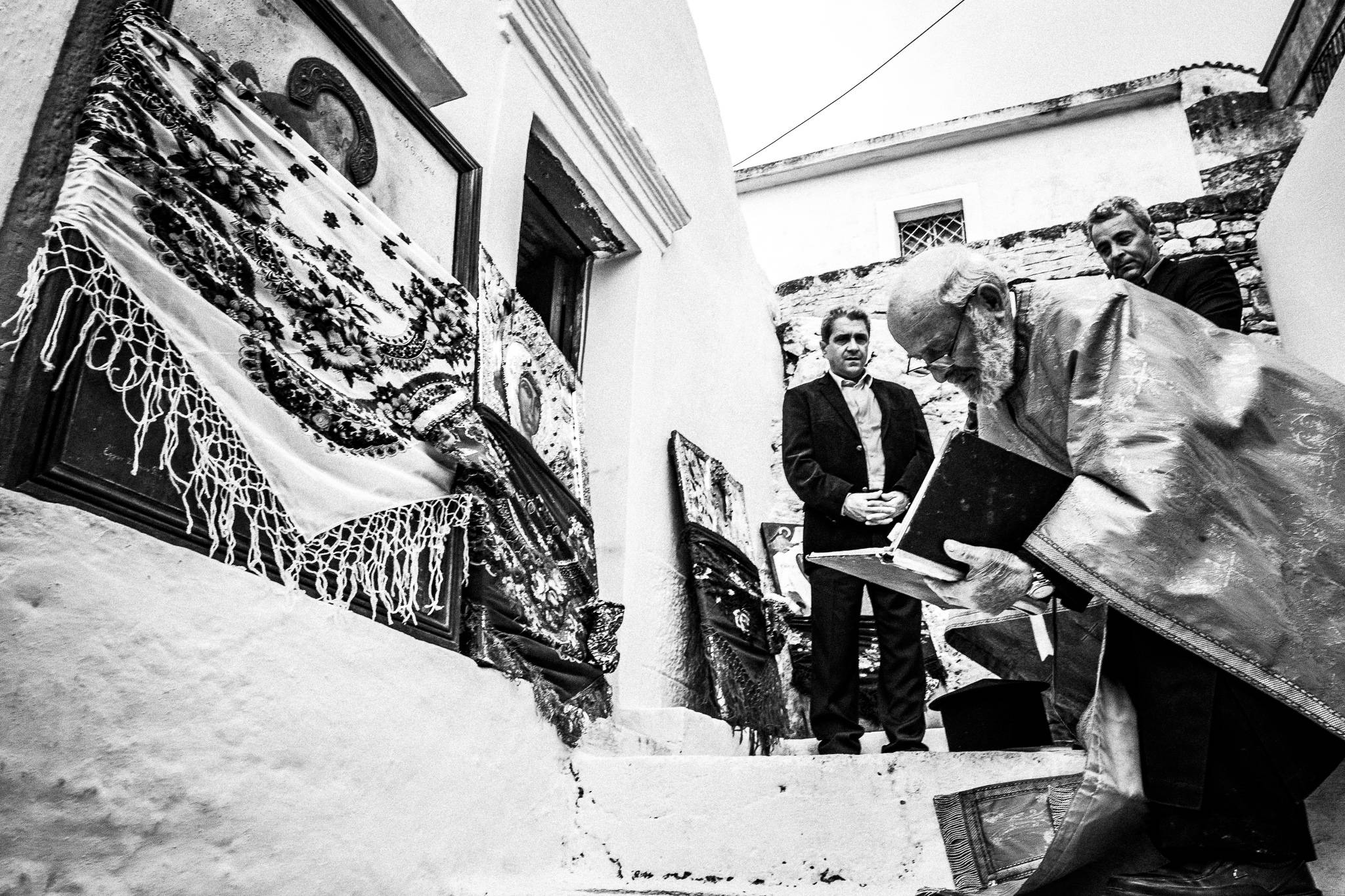
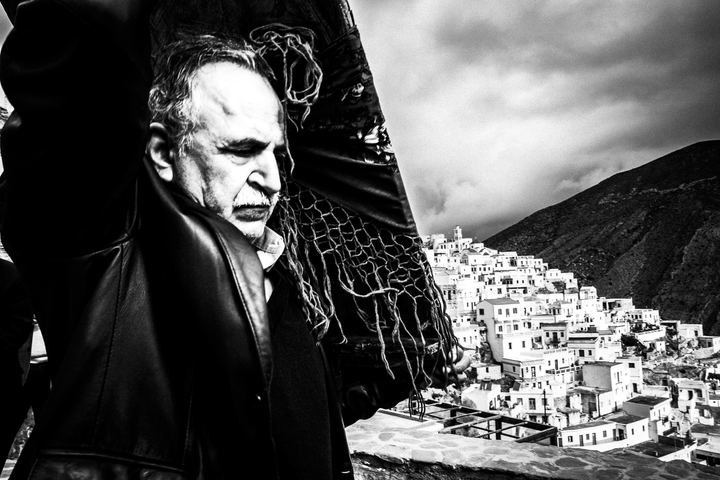
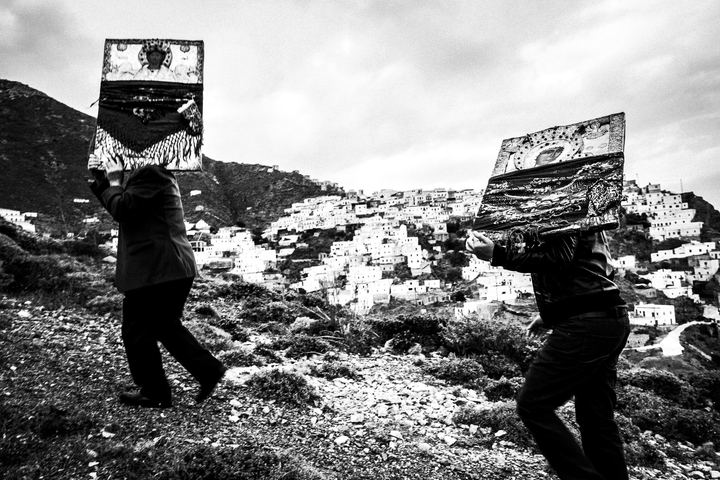
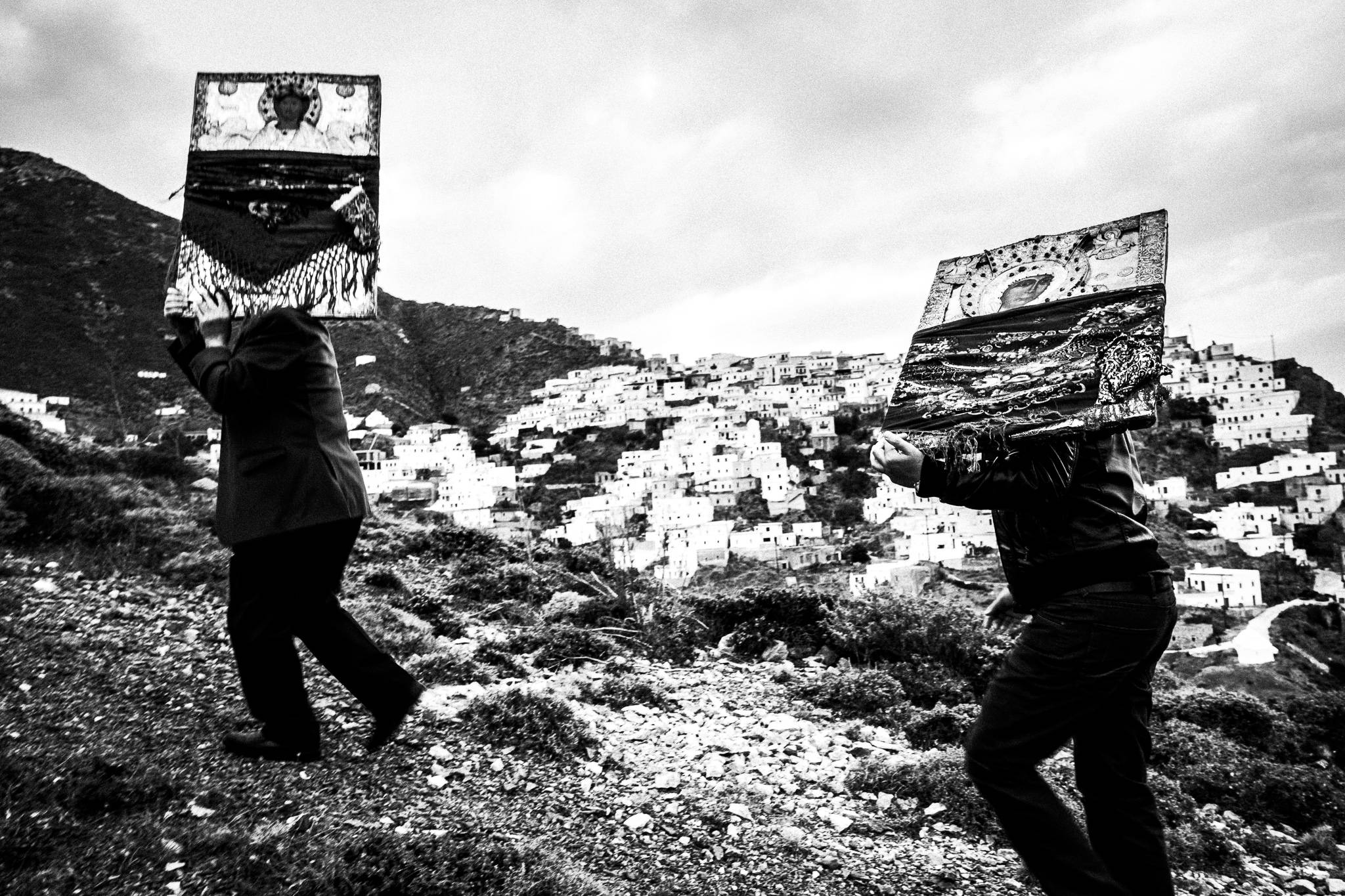
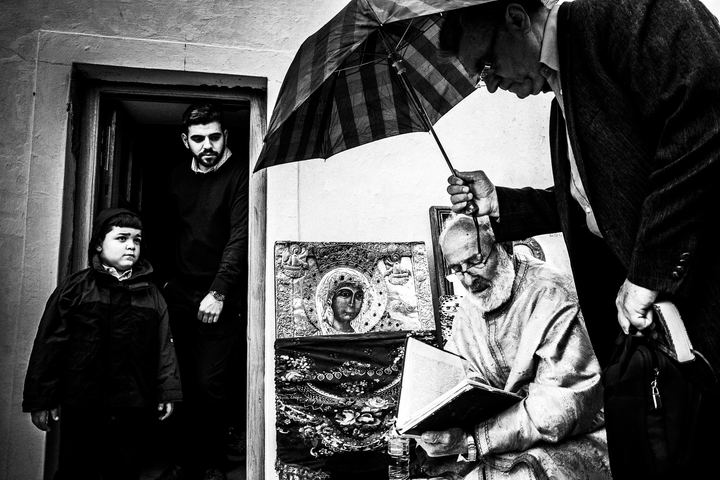
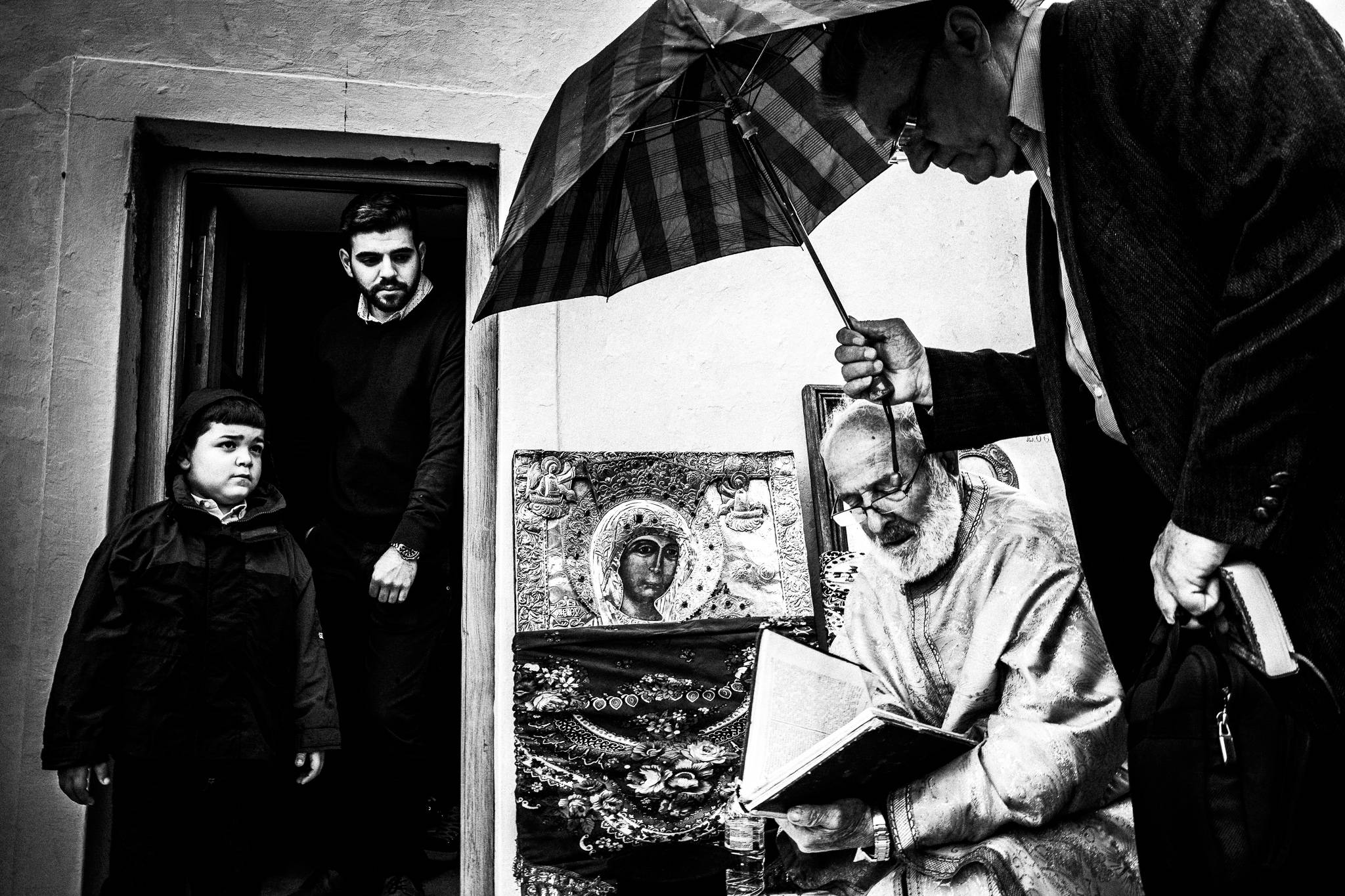
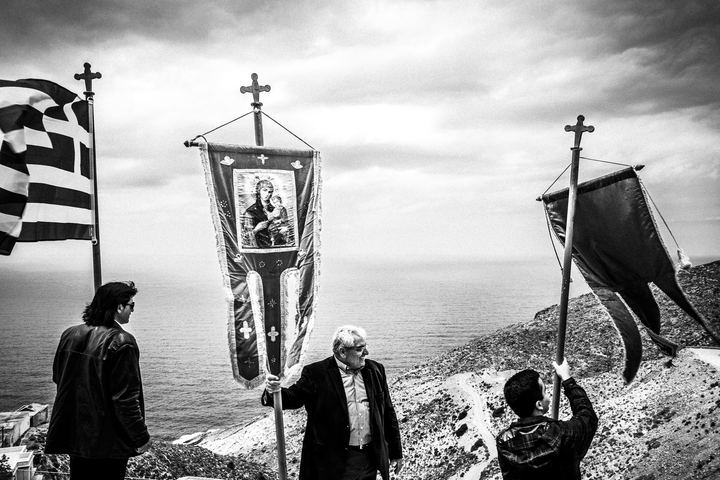
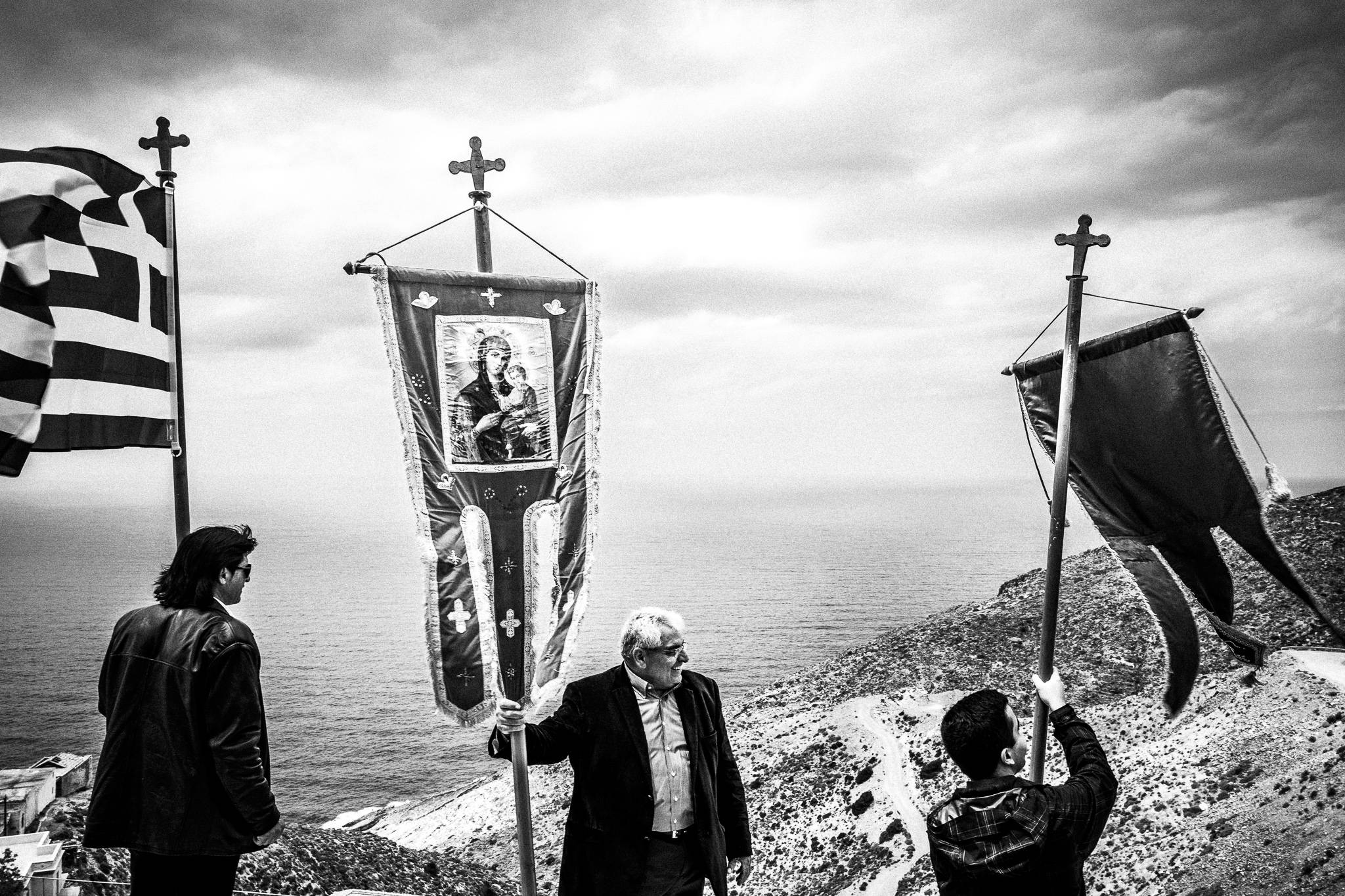
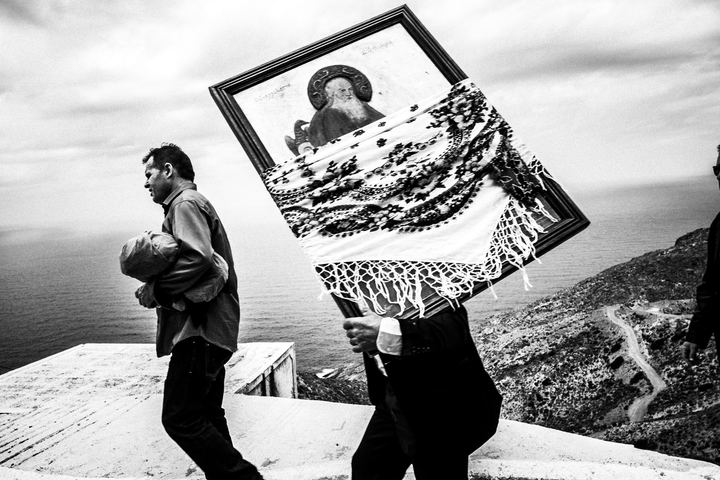
In Olympos, these are four icons painted on wood, each of which weighs around twenty kilograms. The route is approximately eight to nine kilometres, most of it being uphill, downhill and off-road. Papa Yannis, who is now over eighty years old, leads the procession. He makes it look very easy. I asked him to stop at one point when he did not appear to be very well, but he continued. The first major stop, lasting a couple of hours, occurs at the village cemetery, where Papa Yiannis performs an individual memorial service at each grave.
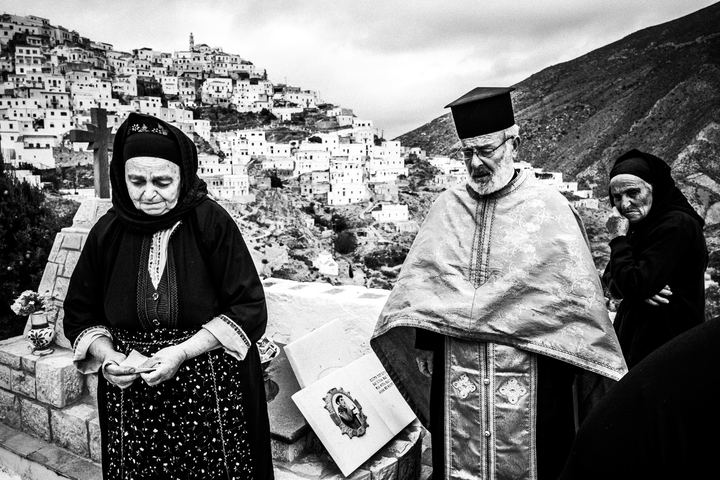
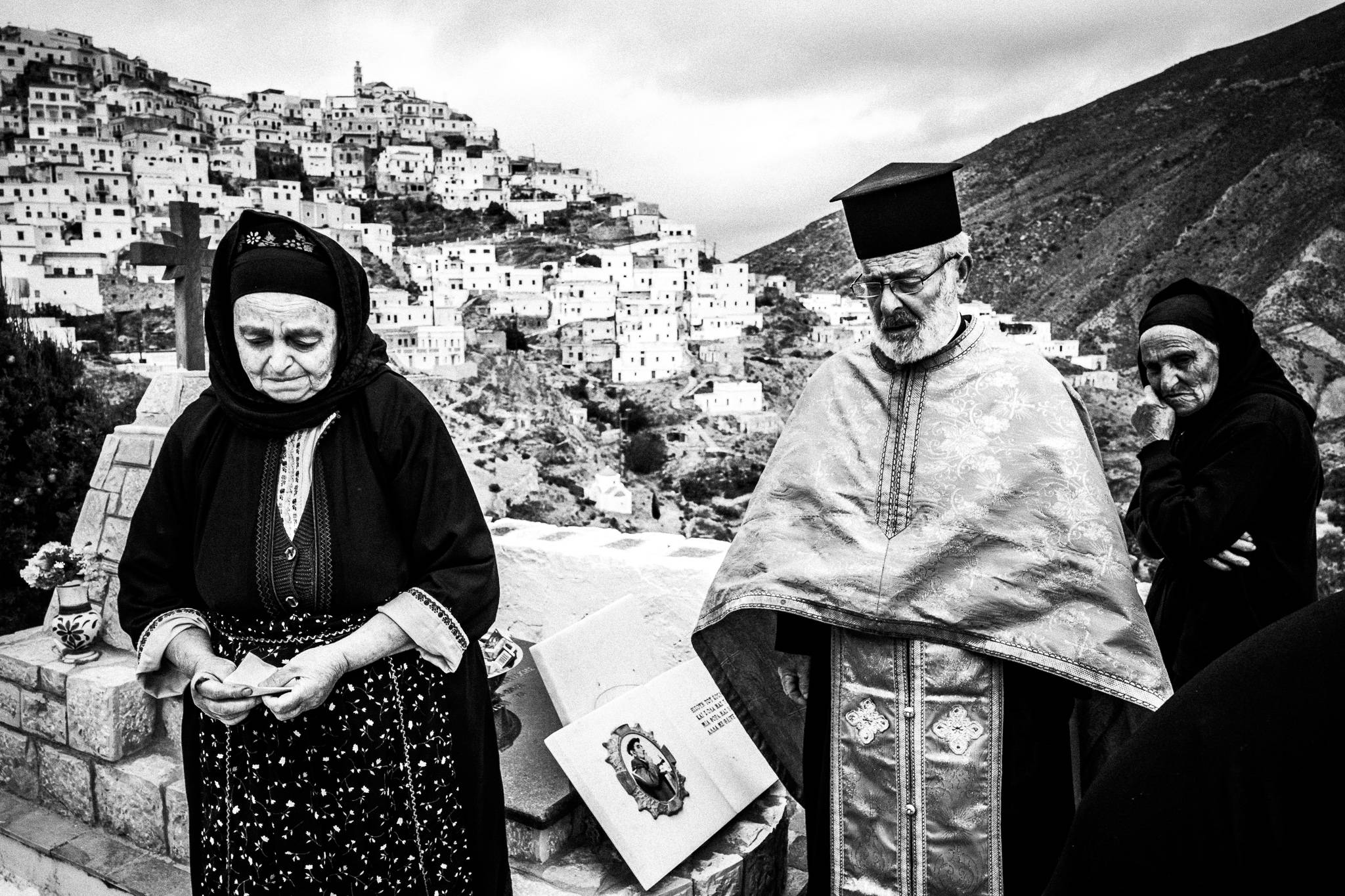
The relatives of the deceased have pieces of confectionary, such as chocolate, candy or local delicacies, that they offer to anyone attending. The correct response on being offered this is not ‘Thank you’, but ‘Theos s’horeston’ (‘May God forgive him’). A memorial service is also held at the ossuary in the cemetery. Anybody with relatives whose bones lie in the ossuary gives their names to Papa Yiannis beforehand.
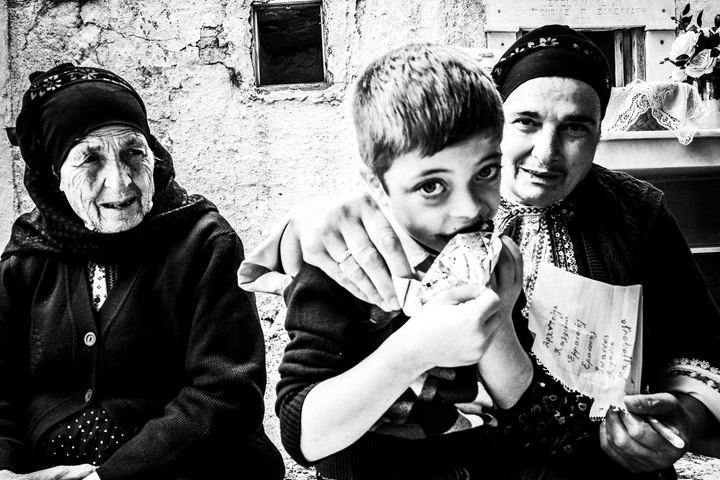
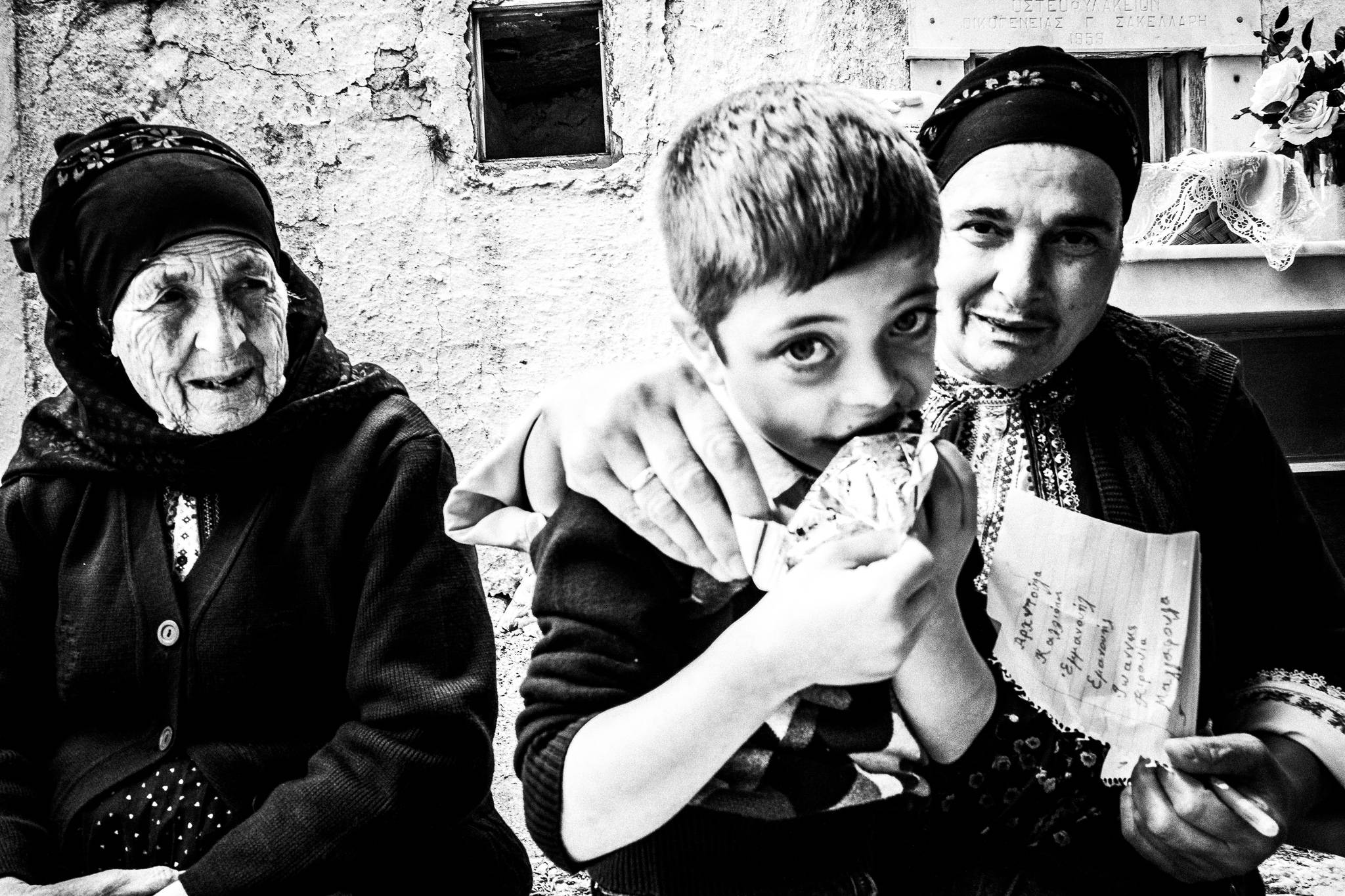
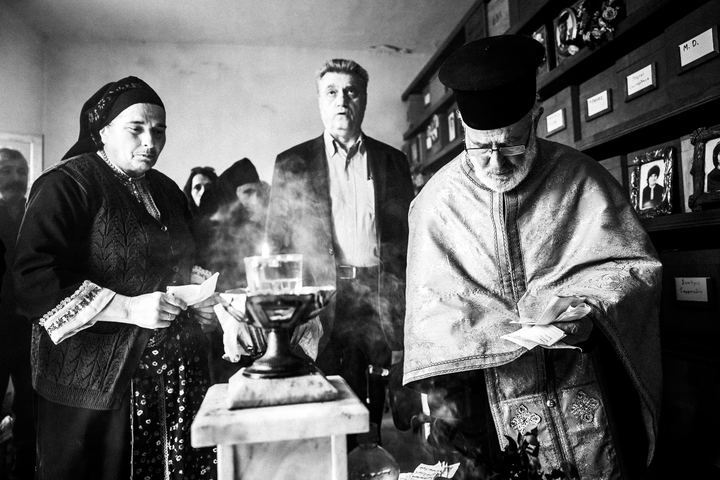
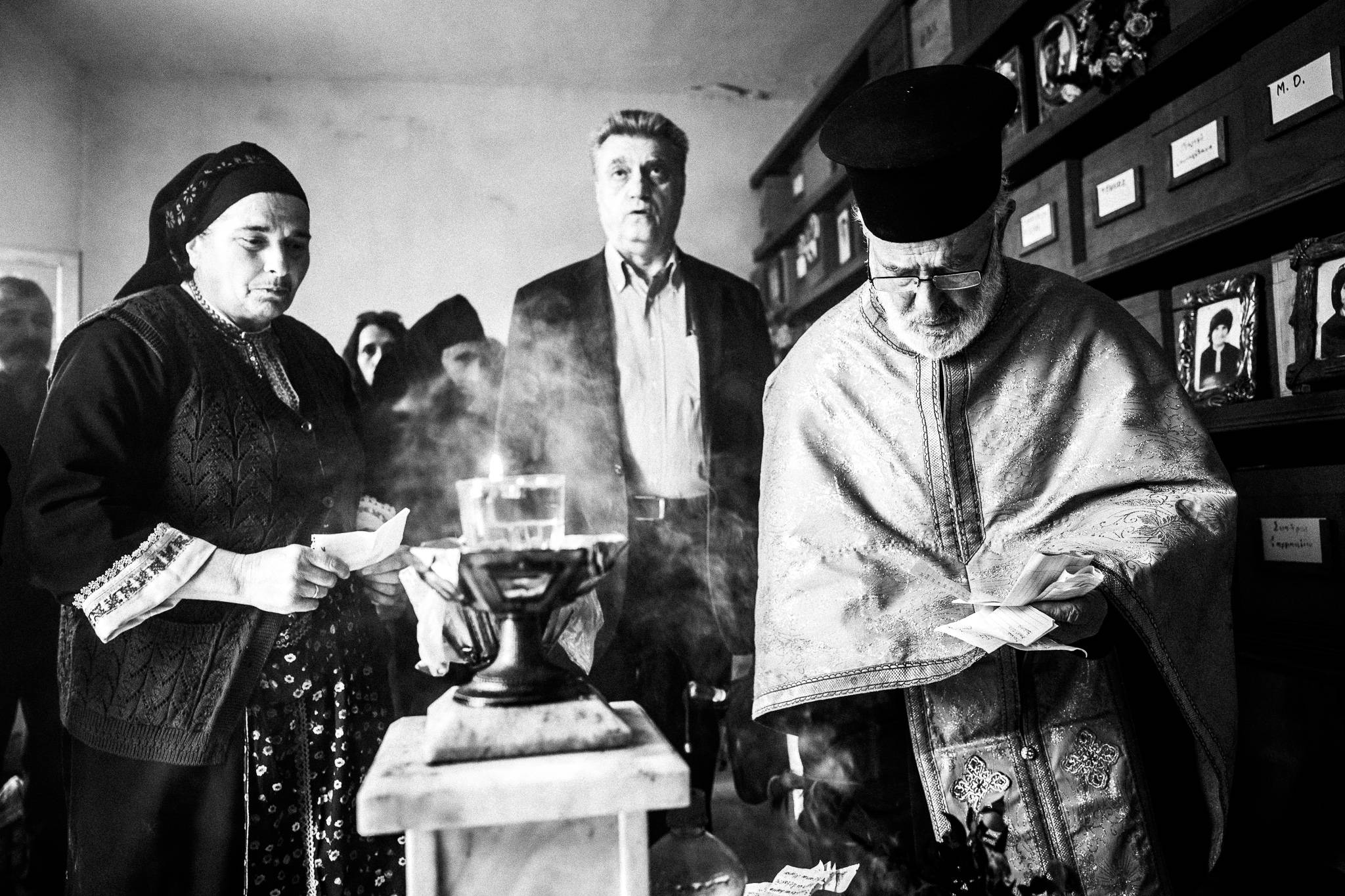
The litany continues and the second stop is at a spring where the participants can obtain water. Papa Yiannis also dips a bunch of basil in the water and sprinkles it in blessing over those present. He also wets a corner of the icon of the Virgin Mary, to refresh her during the tiring litany. The procession continues. Anybody bearing one of the icons who is fatigued is relieved by somebody else. The procession even attracts tourists, who regularly attend the ceremony and are so familiar with the route that they point it out to anybody who forgets.
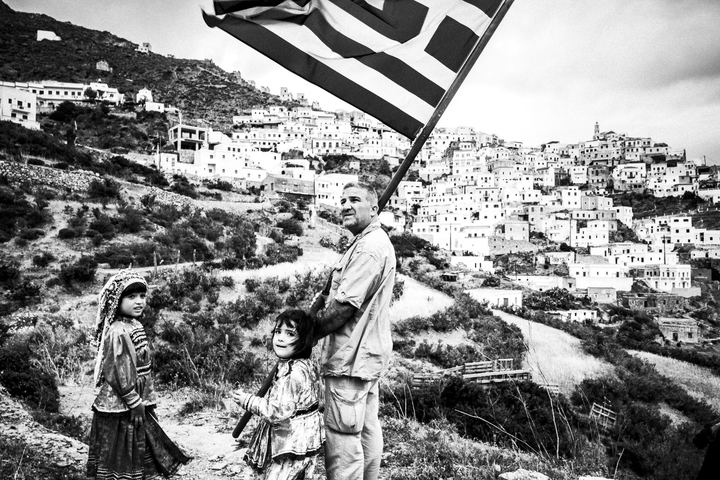
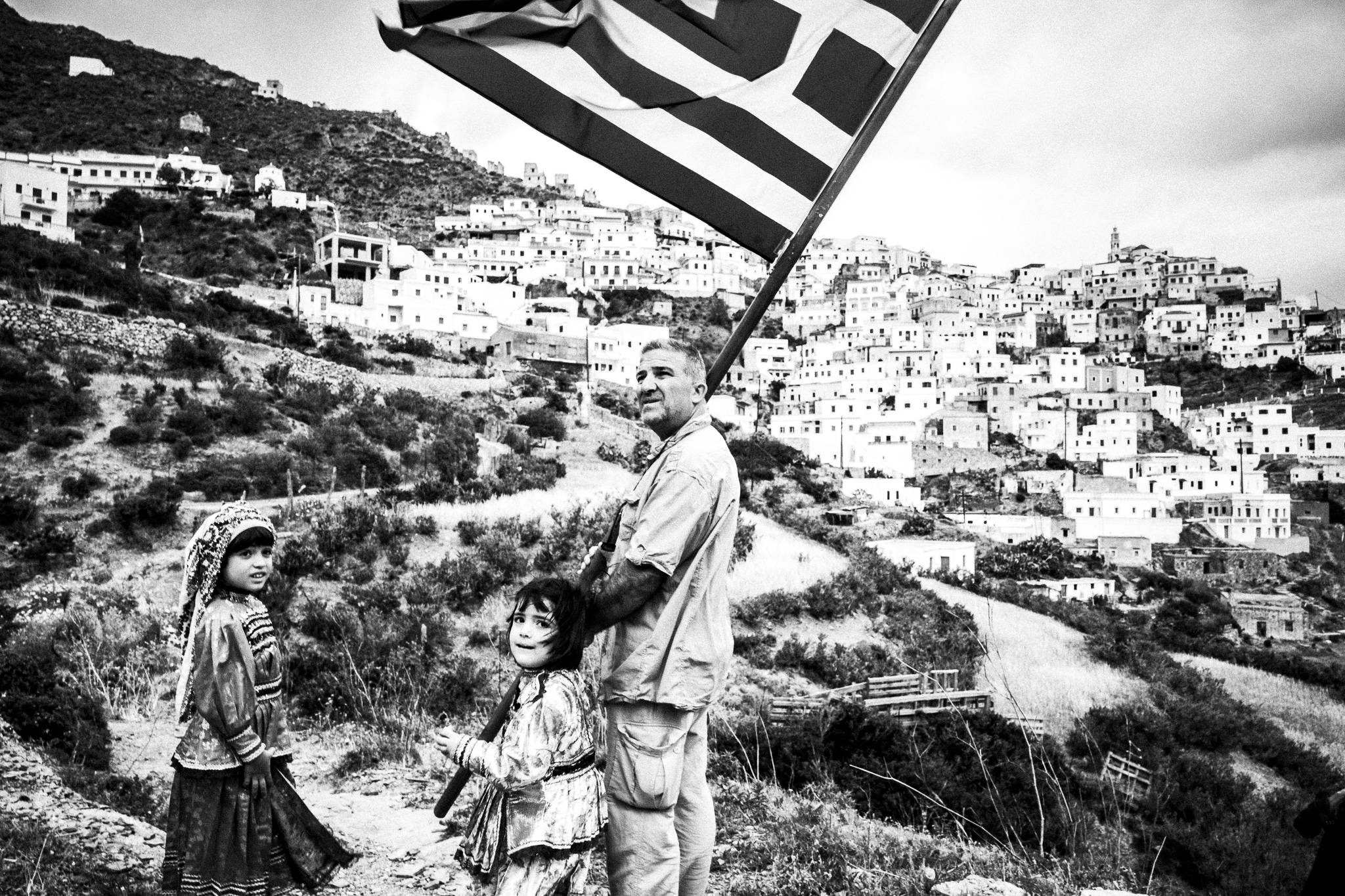
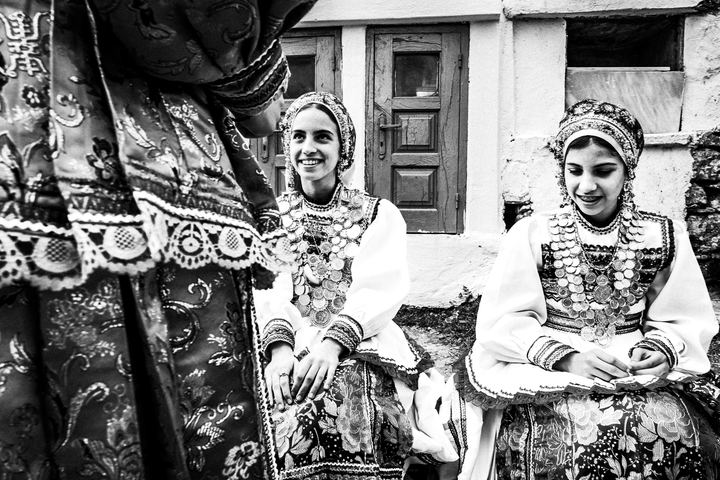
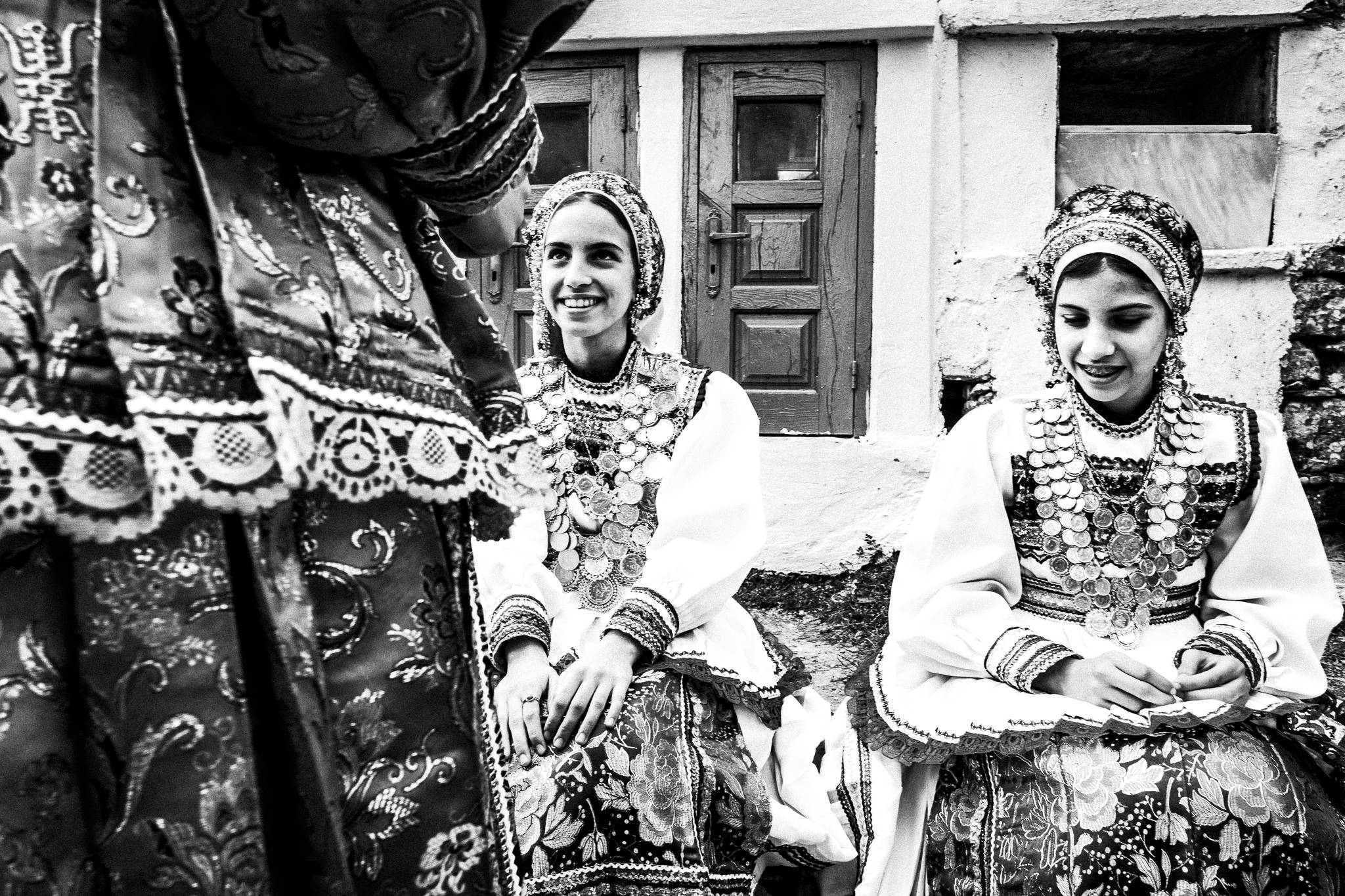
Young ladies wear their colourful traditional costume (sakofoustano), which is set off by a necklace of golden coins. Such dress is only worn by younger, unmarried women. It is made by the girl’s family and is not cheap. More than three generations may have worked on each dress, as each generation must maintain or, preferably, improve the costume, before passing it on to the next generation. These dresses, along with the jewellery that goes with them, indicate the financial status of the family. I was told by one girl that she owns 37 such dresses.
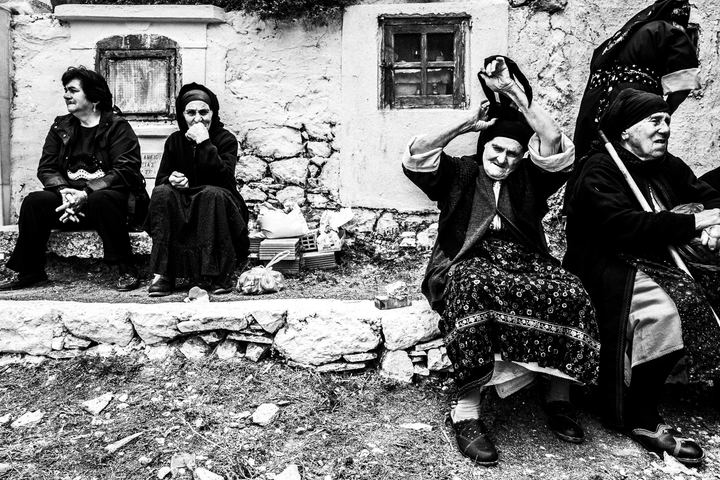
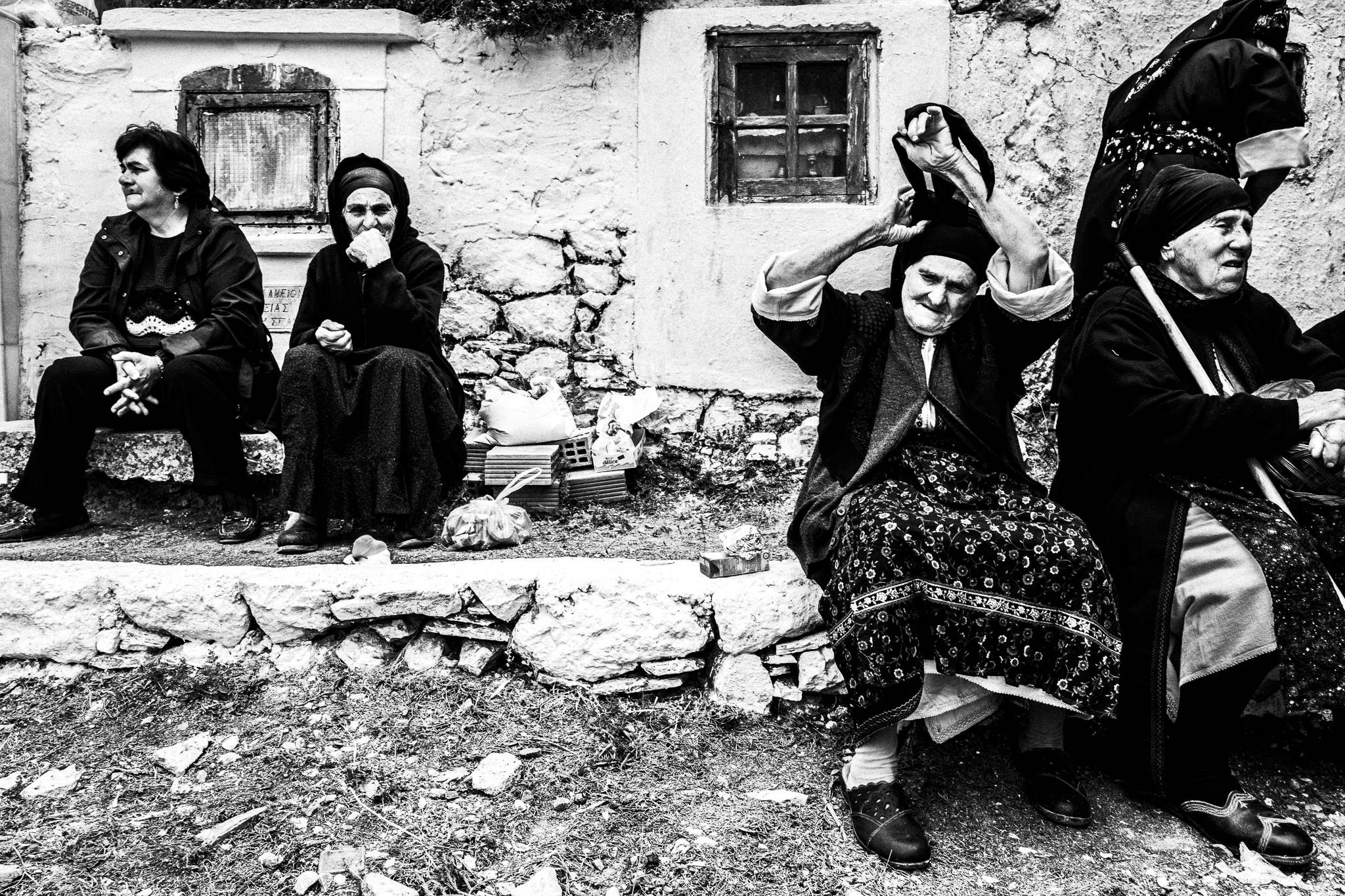
After marriage, the women will wear their other costume, whose chief colour is black. This is the kava’e (which comes from the word kavathe, although the ‘th’ is silent in the local dialect). As the woman ages, the costume becomes gradually less ornate. The kava’e of women over a certain age is almost completely black.
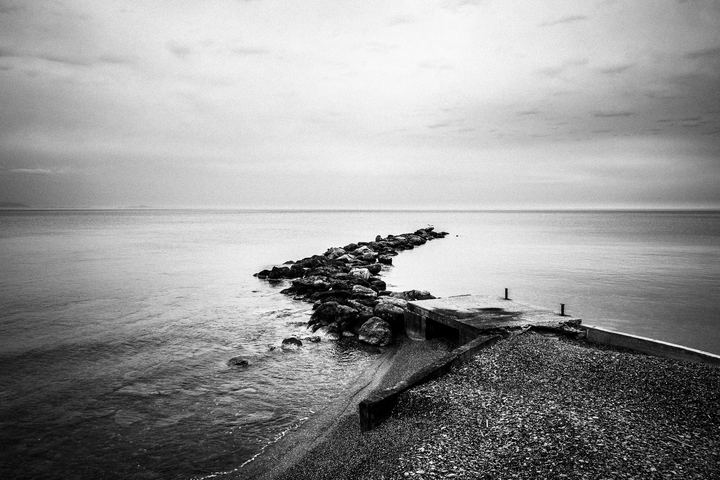
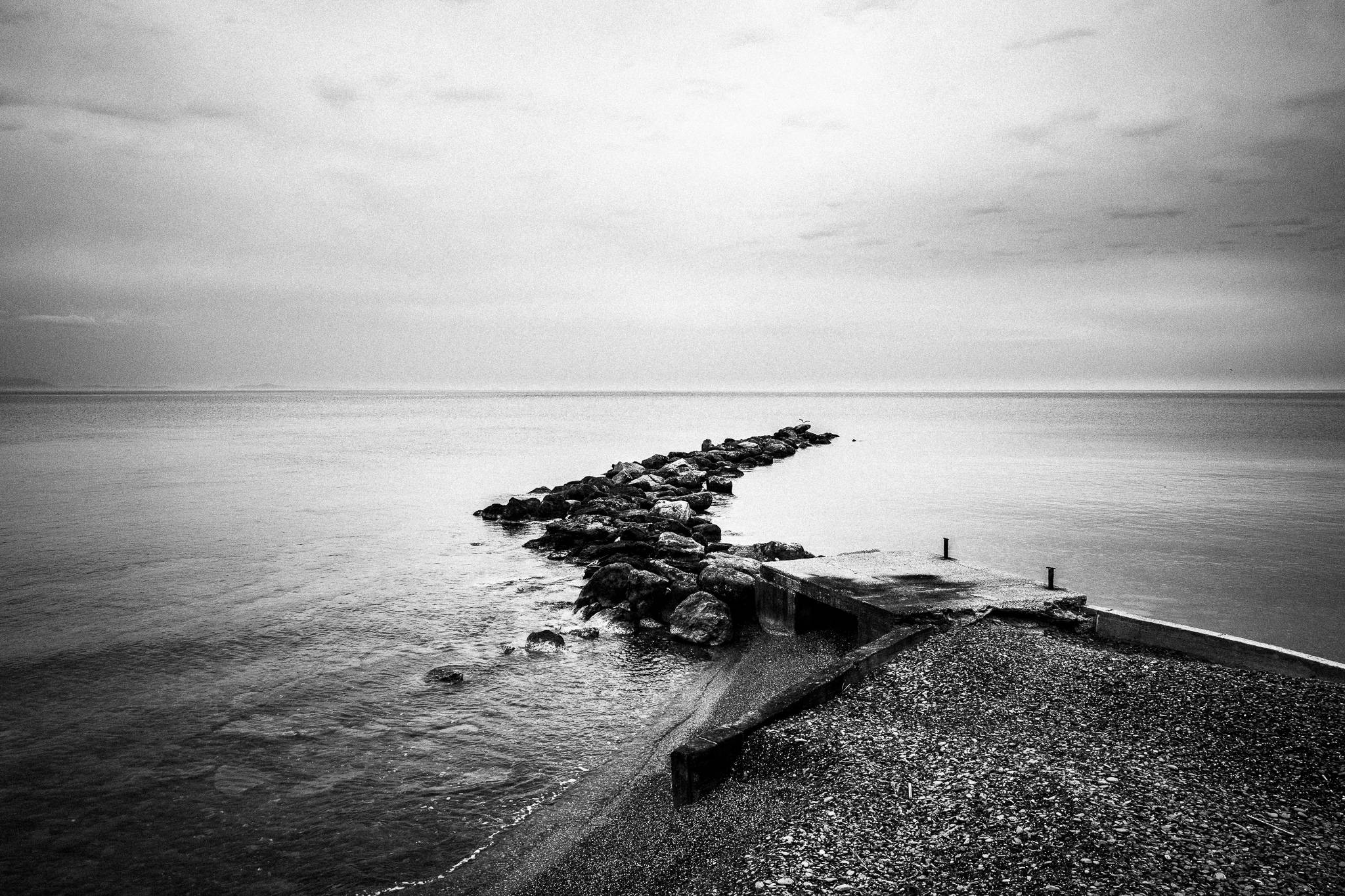
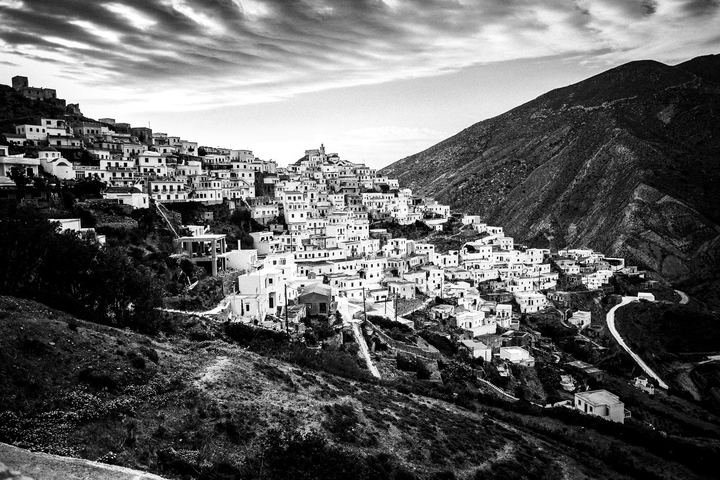
The litany procession returns to the village via a very steep slope, from which there is a beautiful view far out to sea. The procession returns to the central square, where the icons are placed in a particular spot, in readiness for the next step of the ceremony.
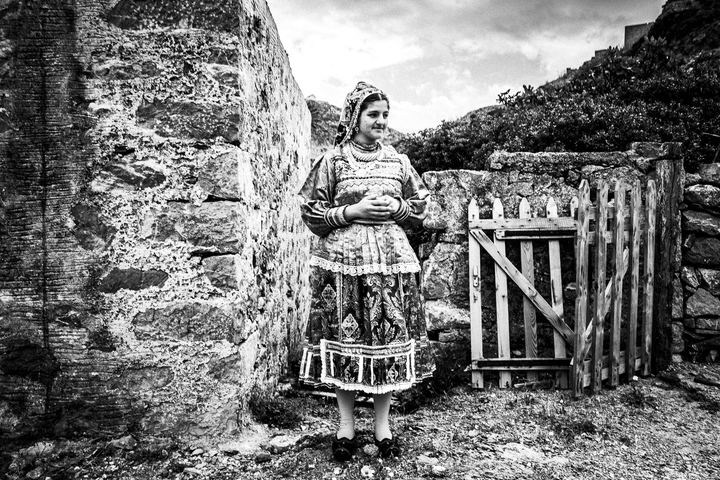
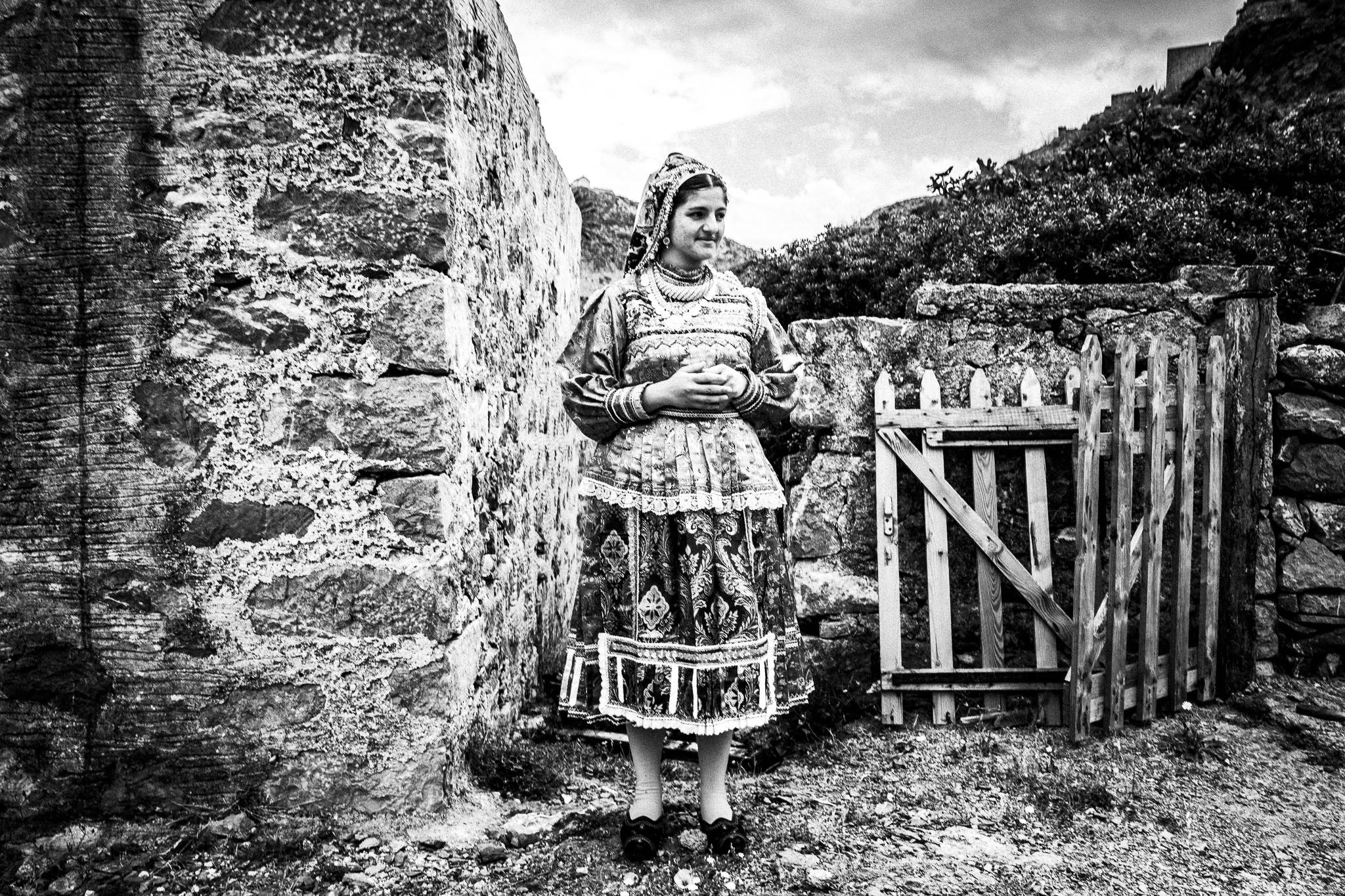
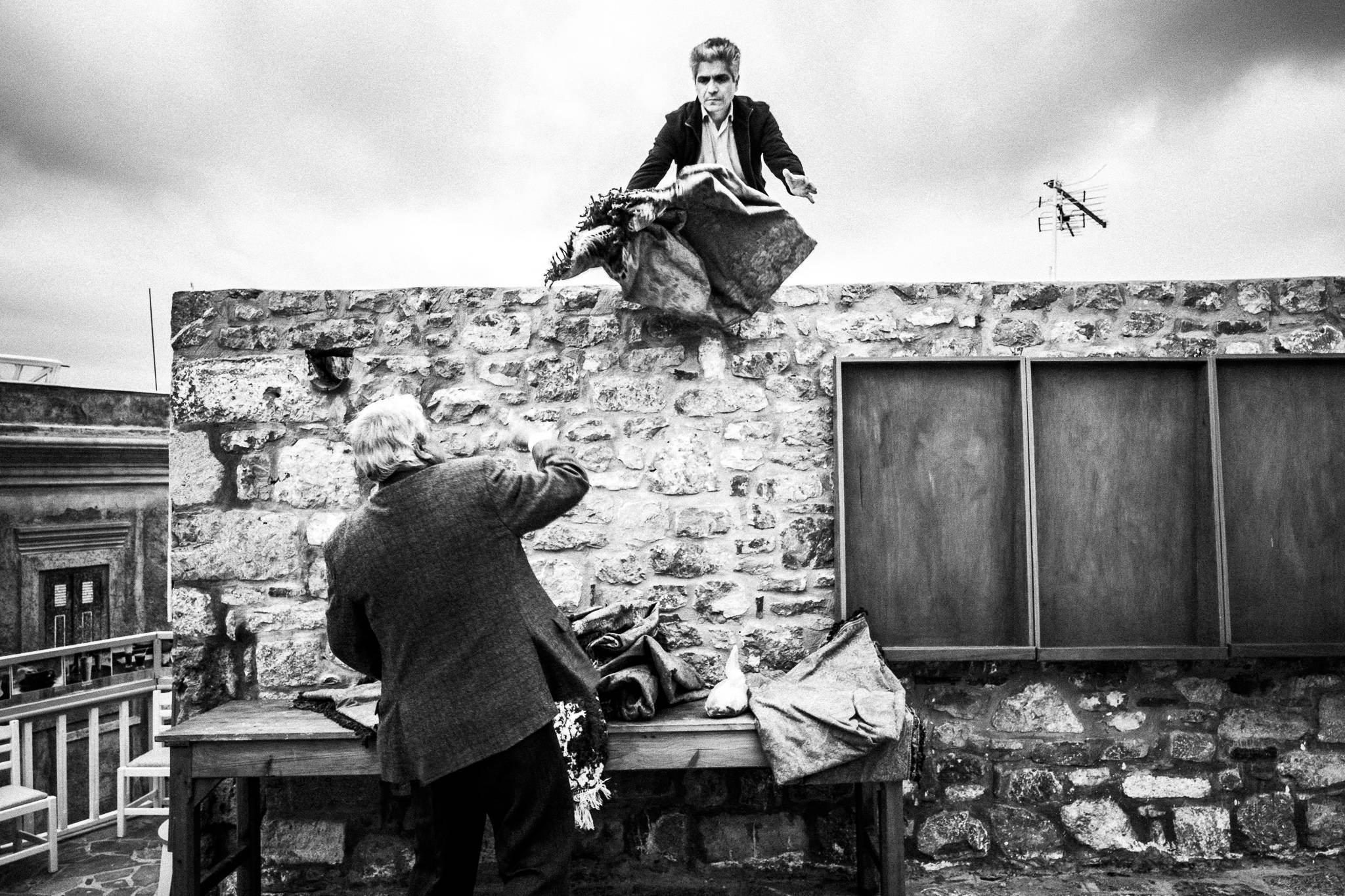
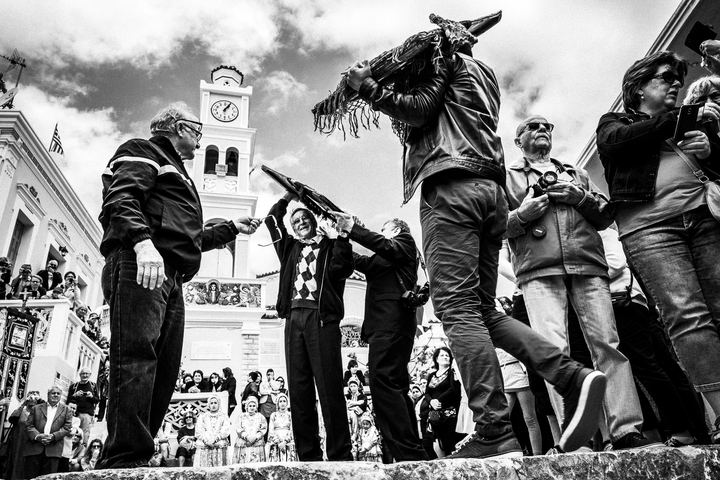
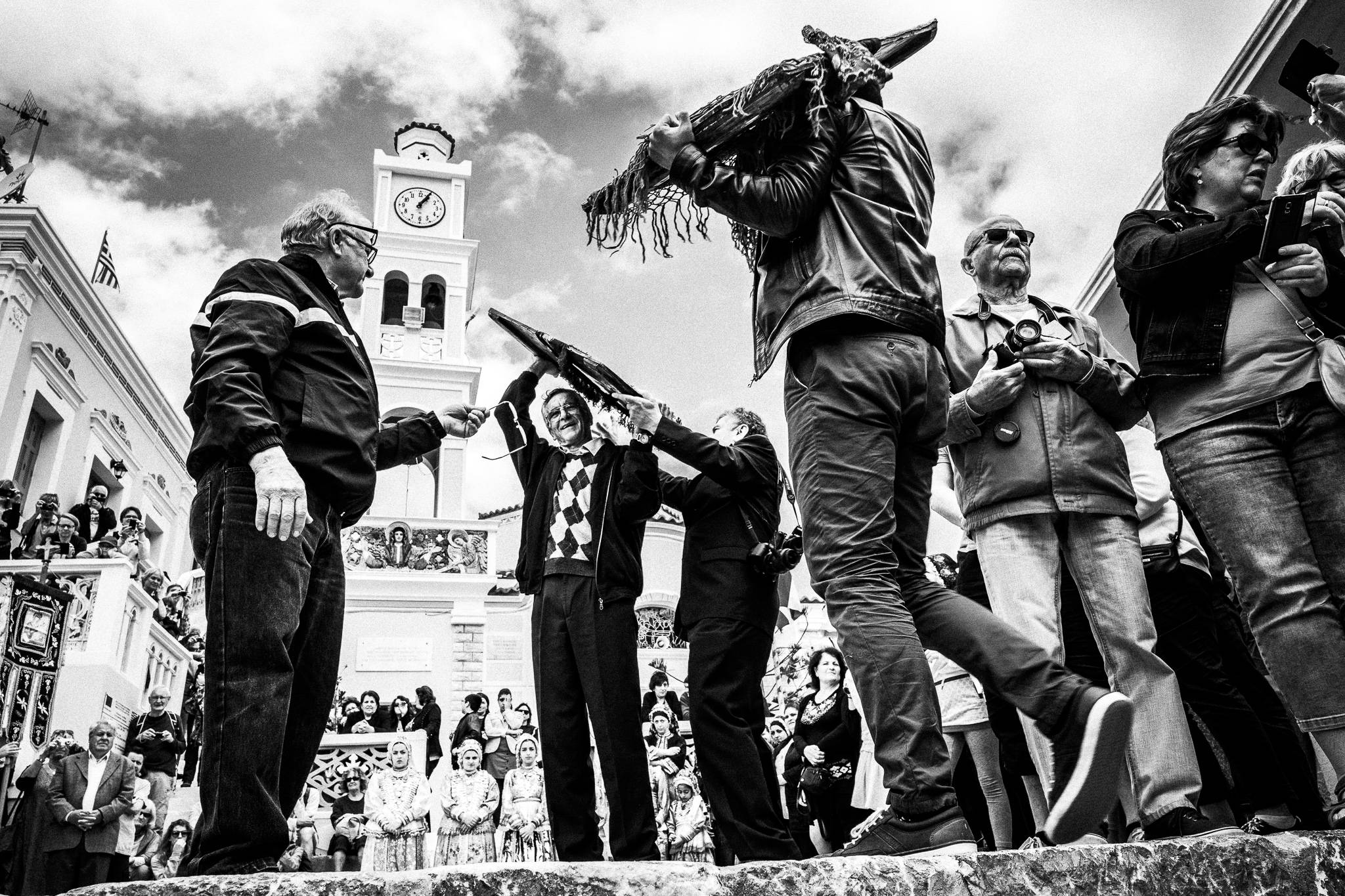
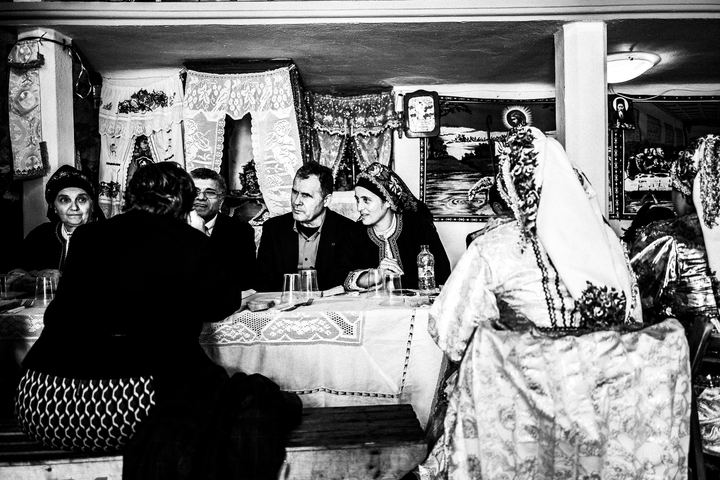
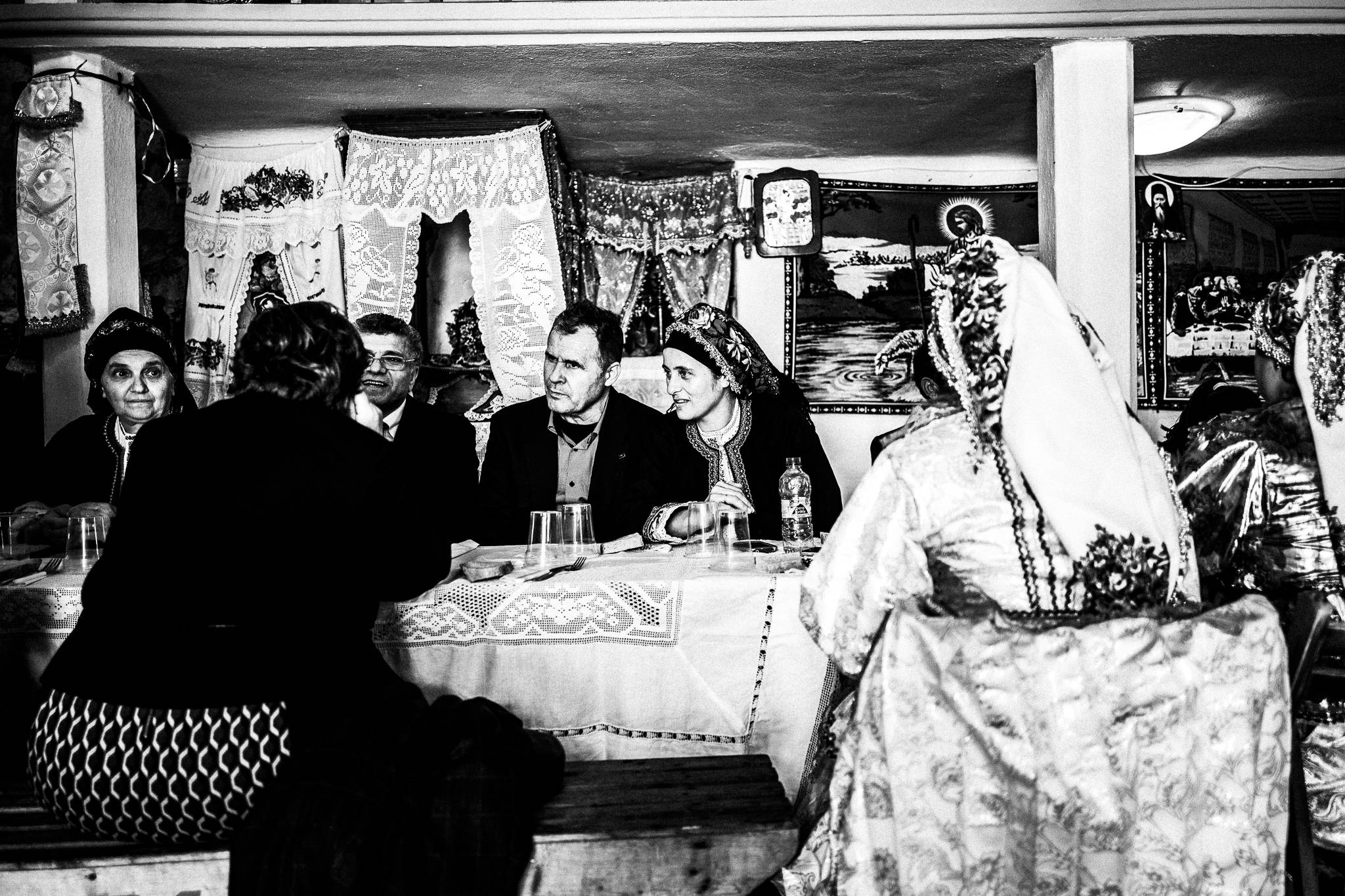
All unmarried girls stand clothed in traditional dress in front of the steps of the church, while an auction takes place, as families make bids for the privilege of carrying an icon back into the church, where it is put back in its place in the iconostasis. Finally, the families who have made the highest bid and won the auction will be entertained to dinner, which will be offered by the church and served in the women’s section (gynaikonitis) of the church. This, too, is a tradition that I have never met in any other place in Greece. Never have I ever seen anyone eating at a table inside a church for any reason whatsoever.
Culture, held by place
Continue through Olympos.
Follow this tradition into its geographic and cultural context.