Living traditions
Kordelatoi of Naxos
Eggares, Naxos
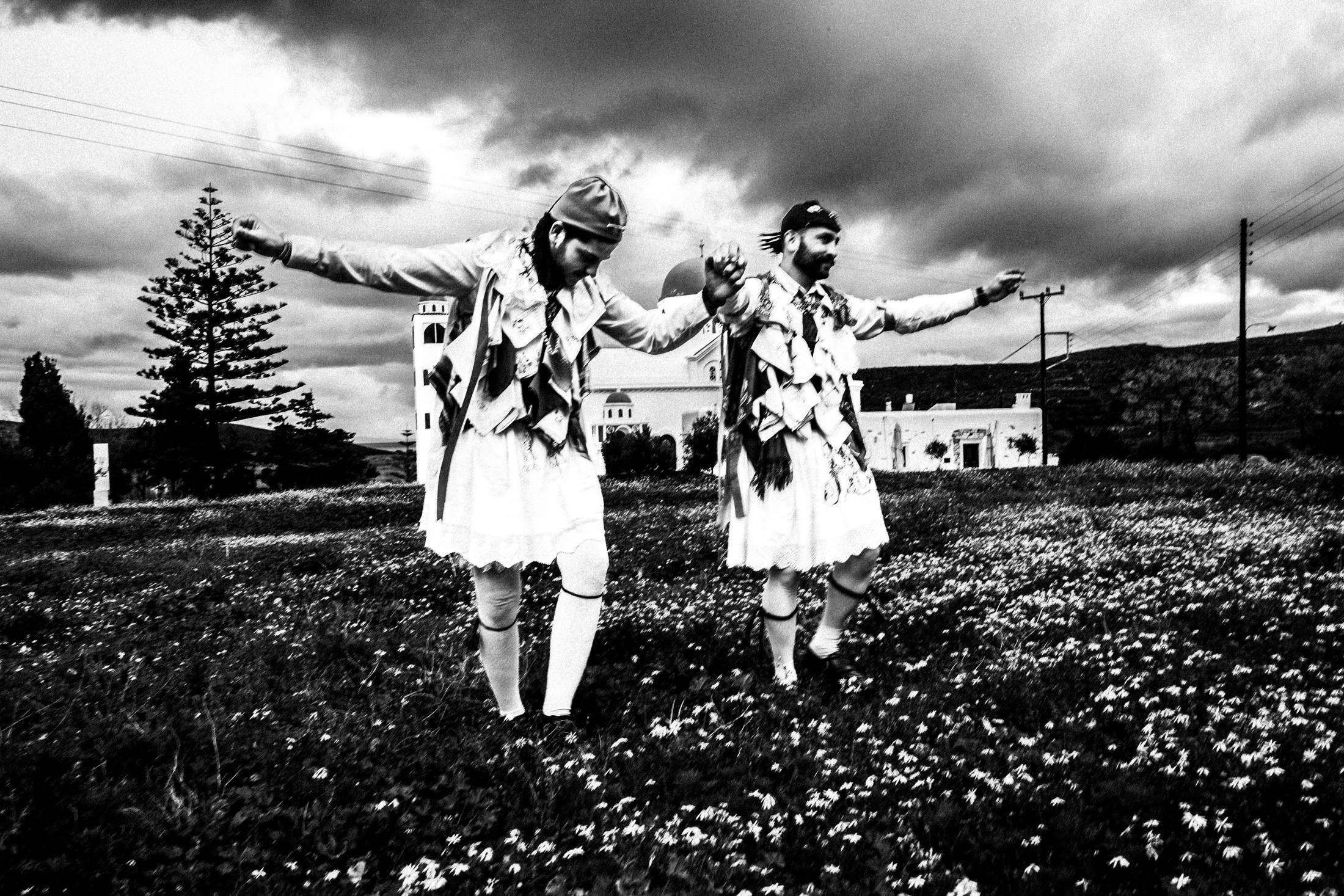
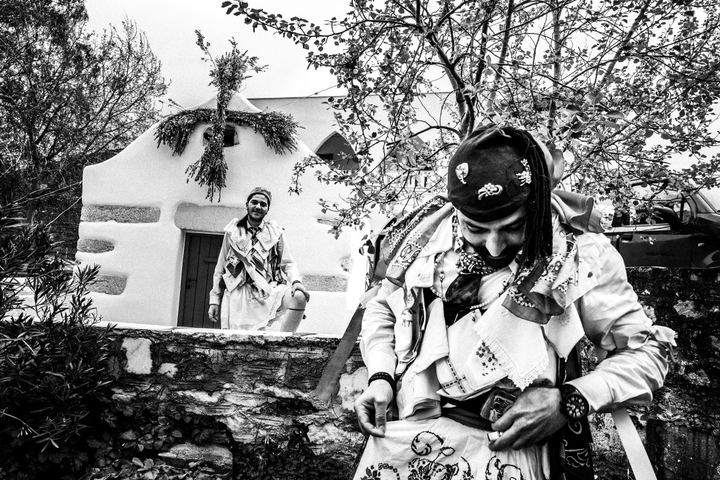
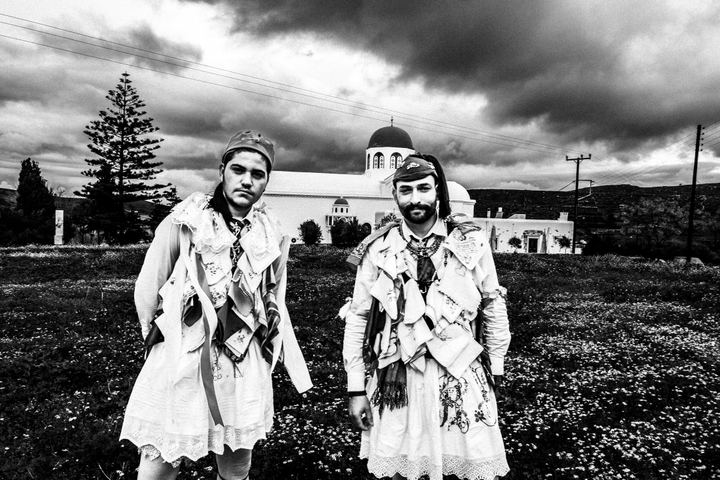
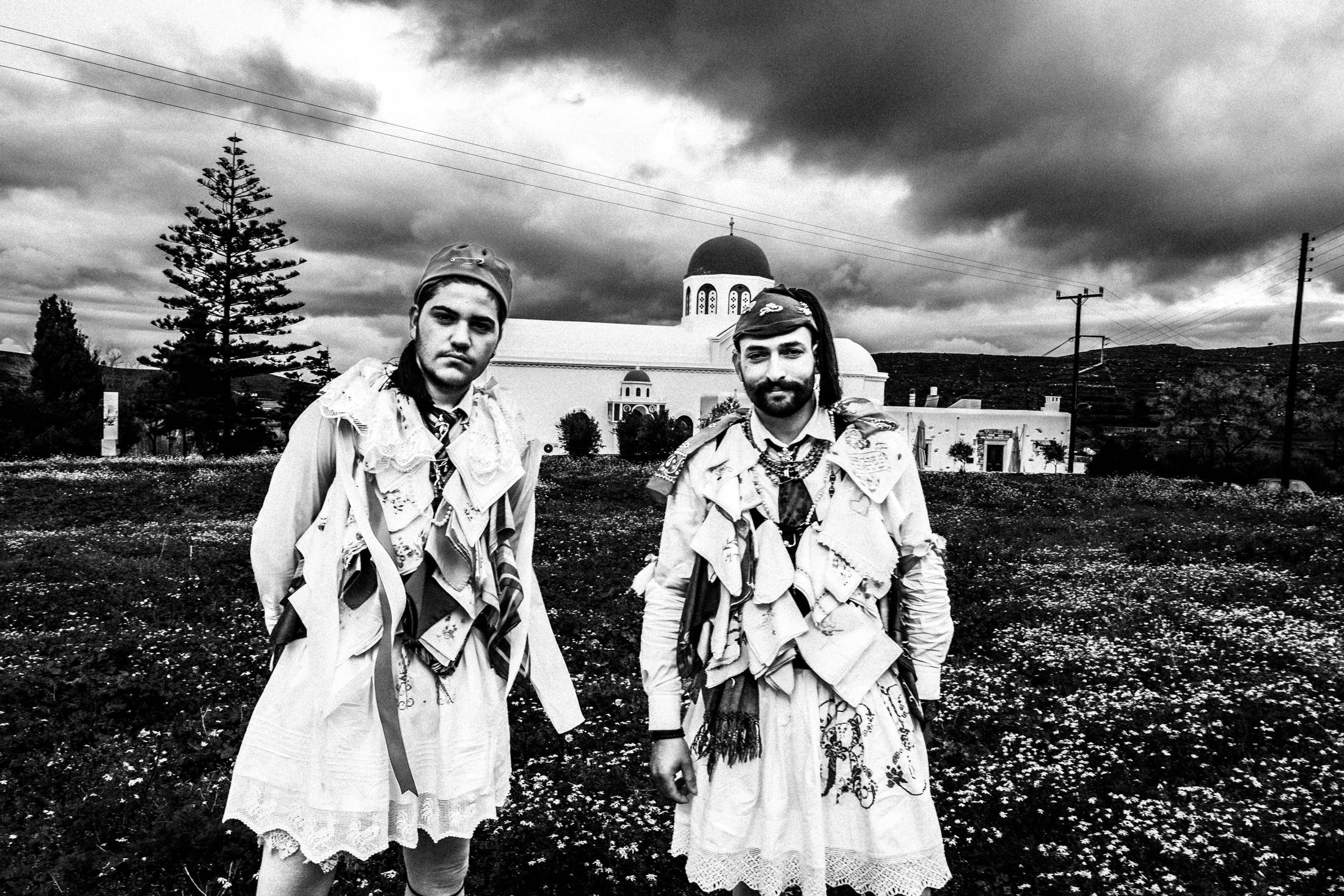
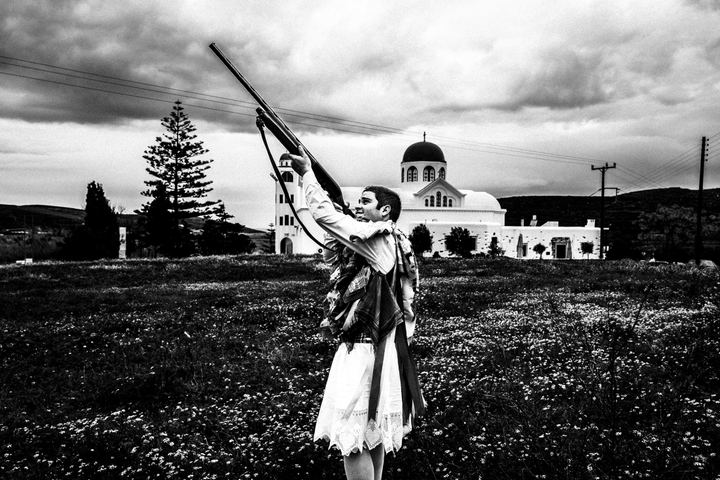
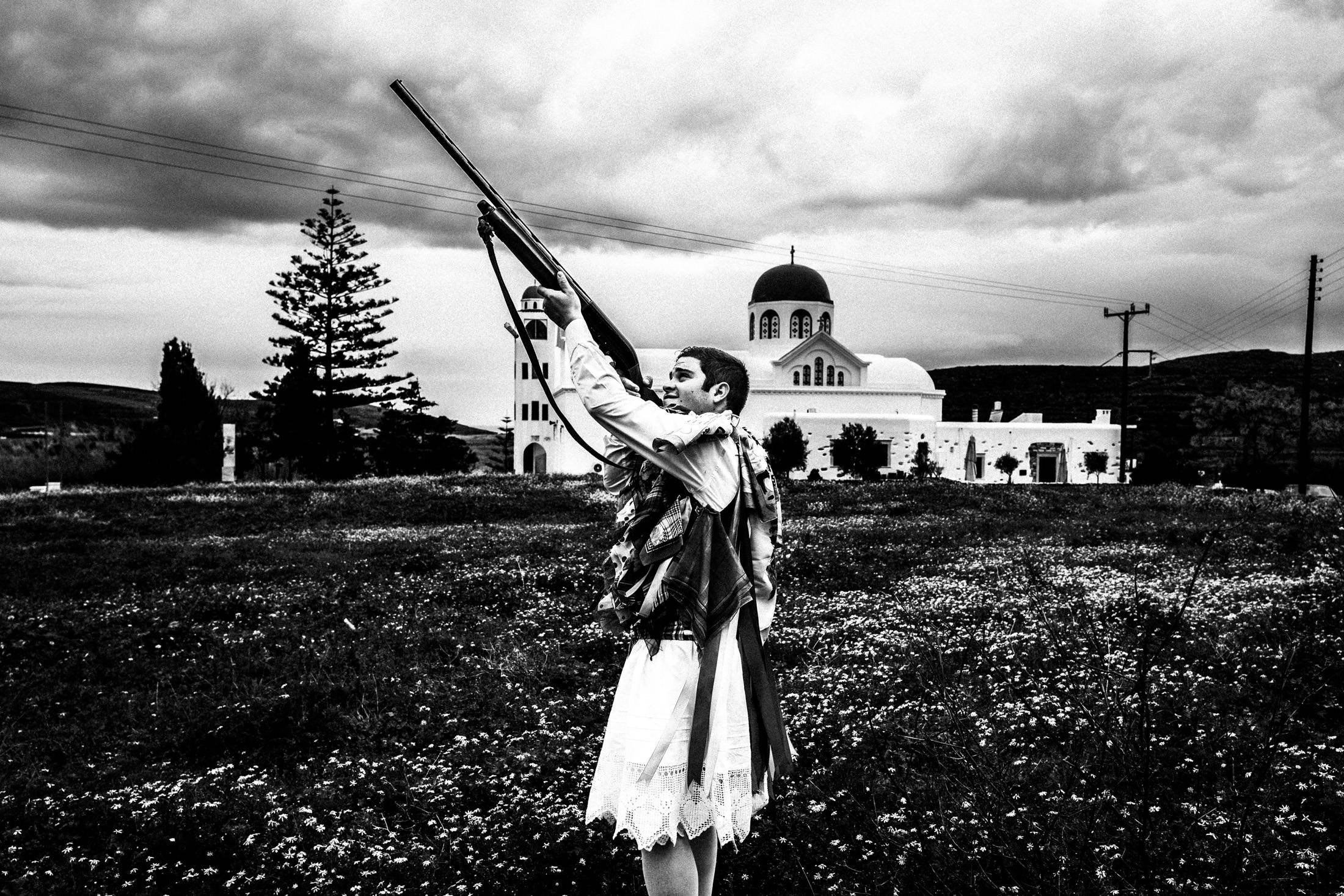
Field photographKordelatoi crossing the fields near Eggares.
Collector mode
A photograph to live with. Enter a private viewing.Introduction
Ribboned men carrying the Bayraki travel between villages, dance in the squares and renew an old Carnival network of hospitality and exchange.
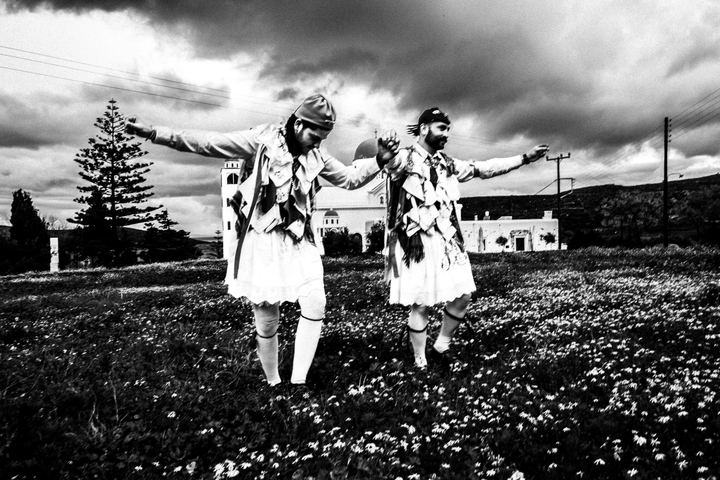
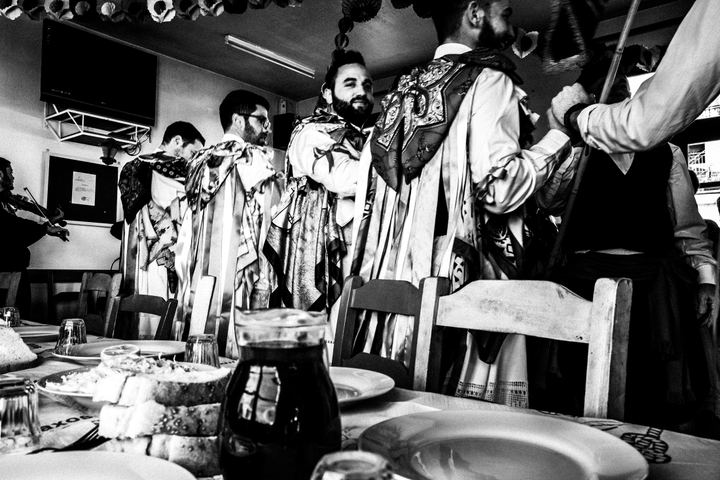
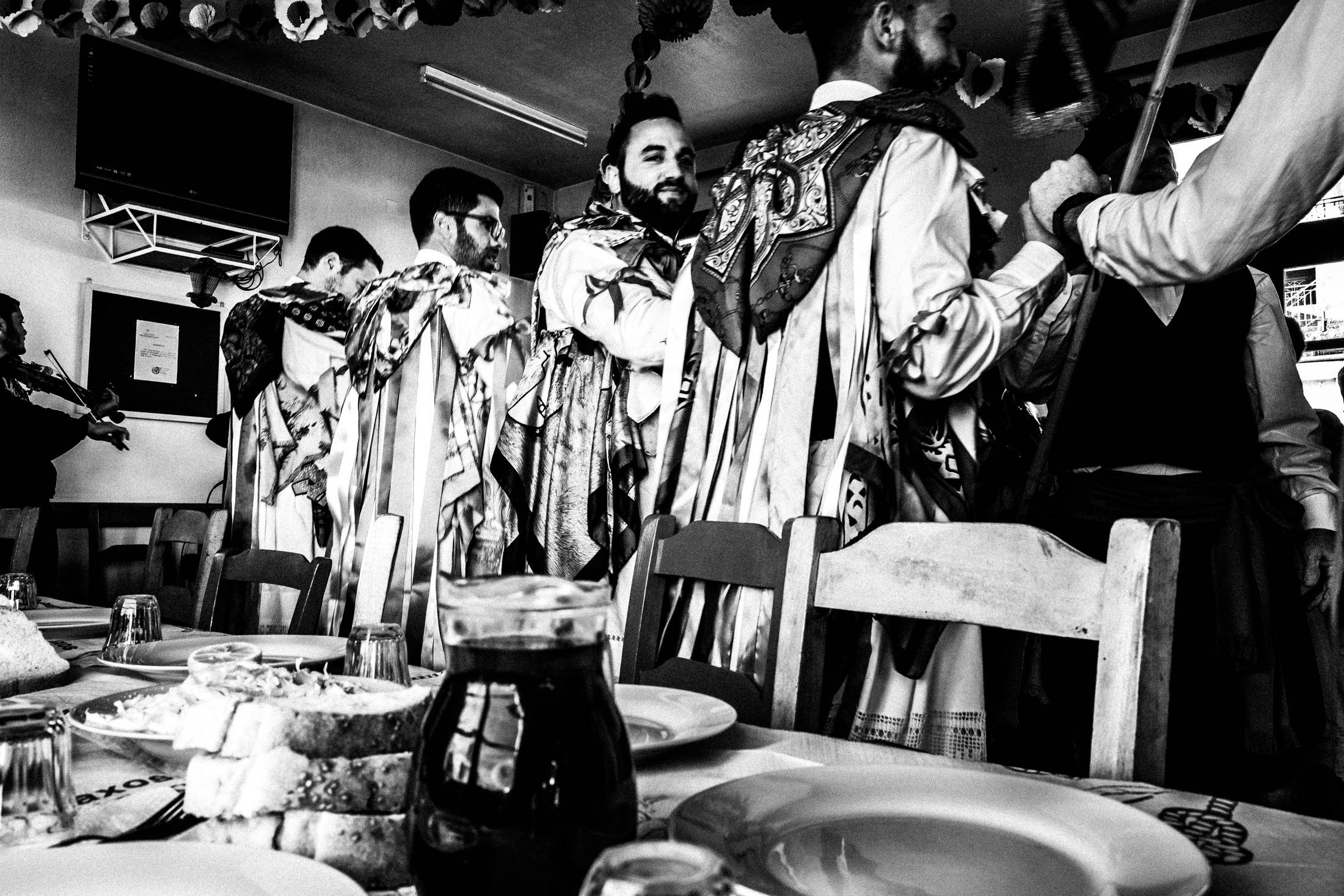
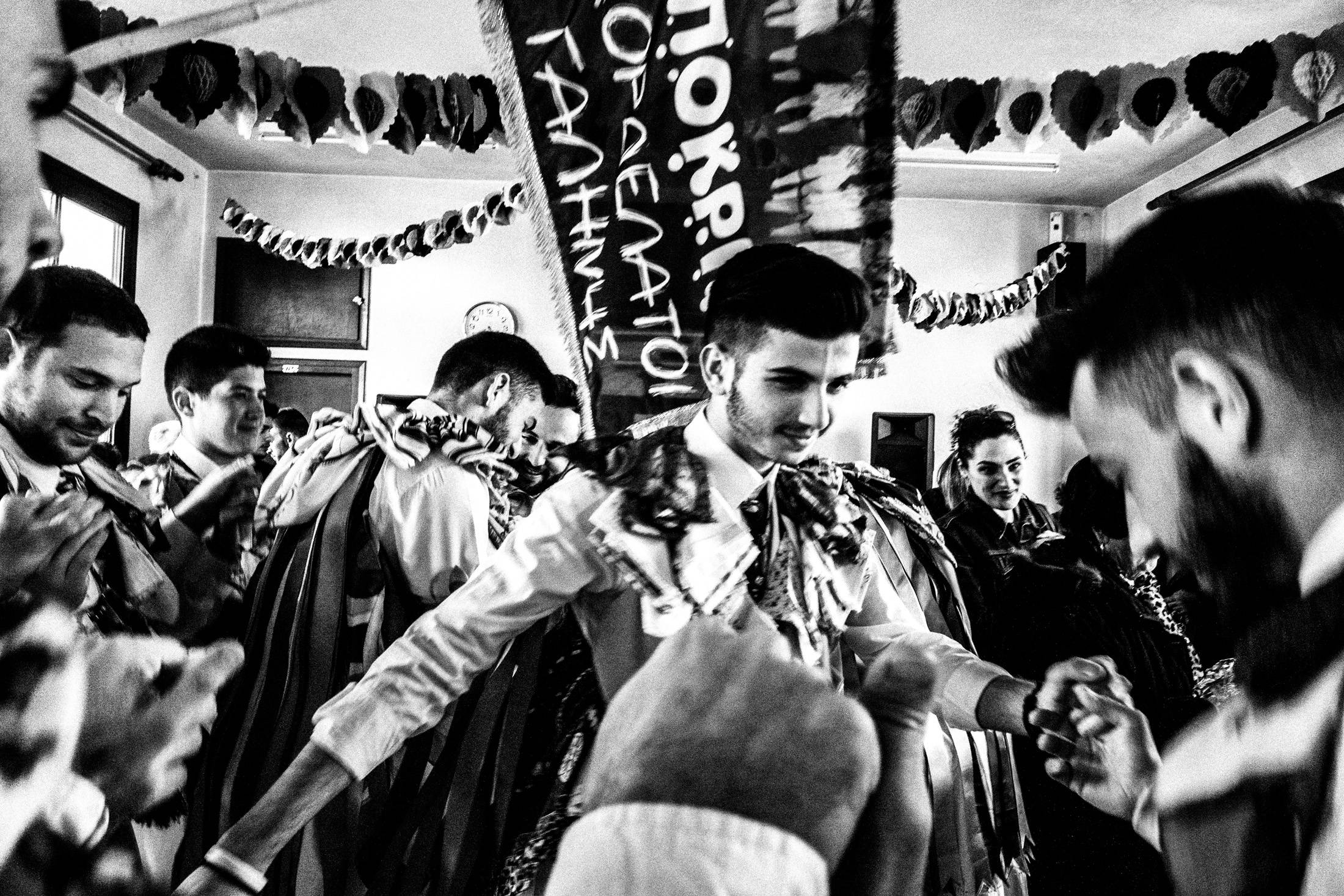
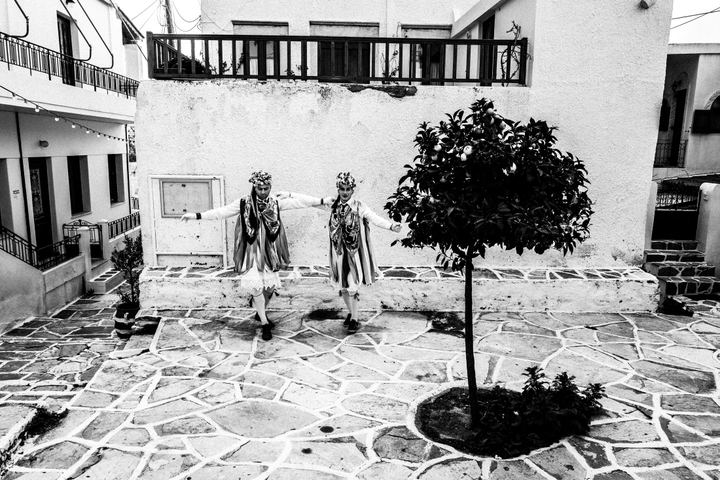
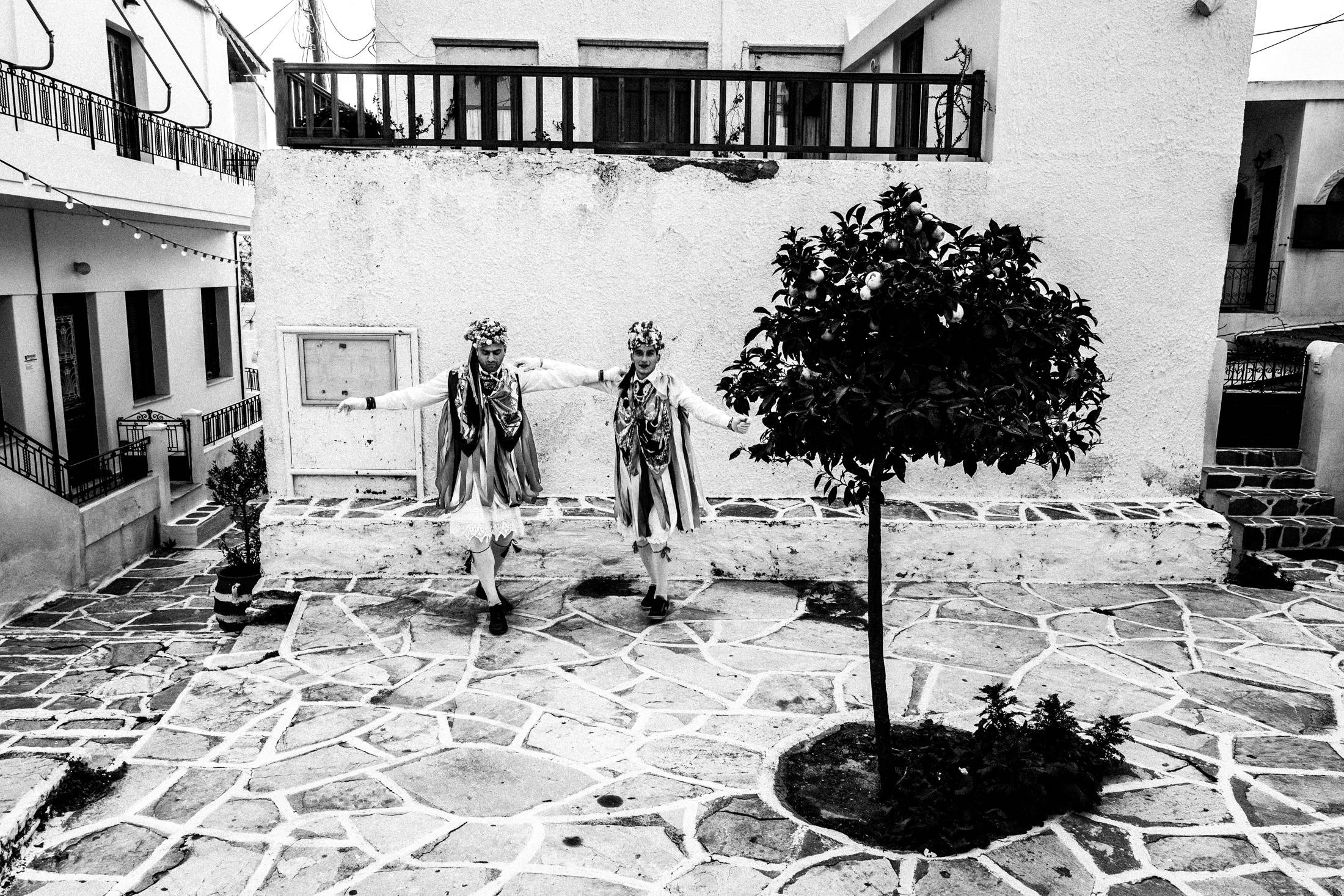
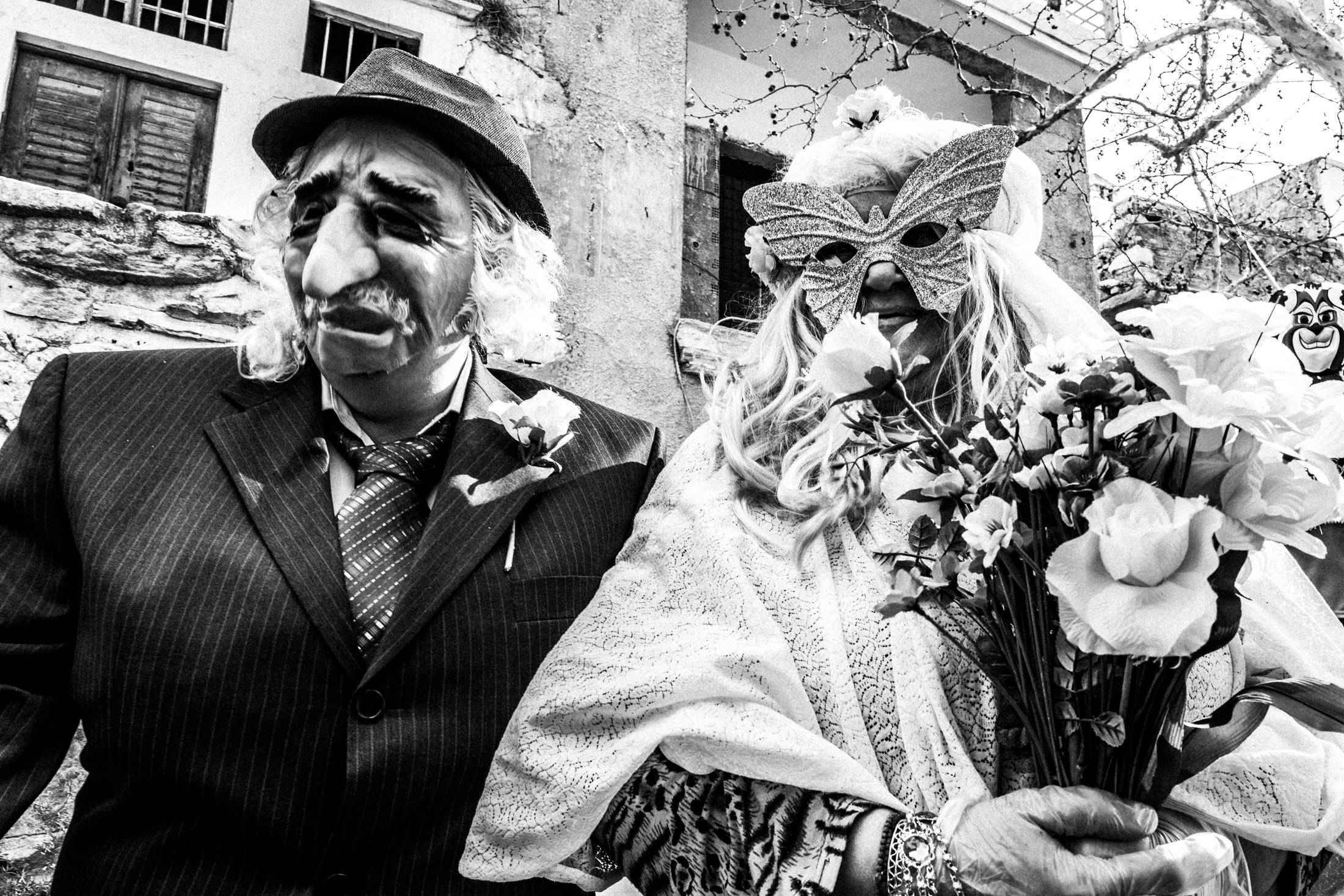
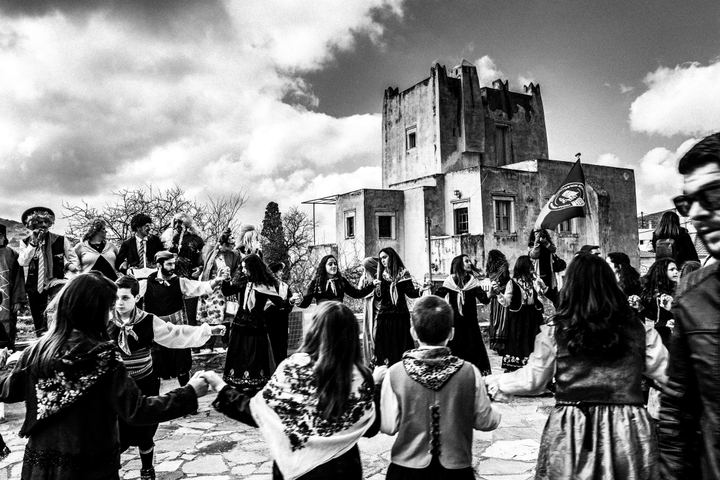
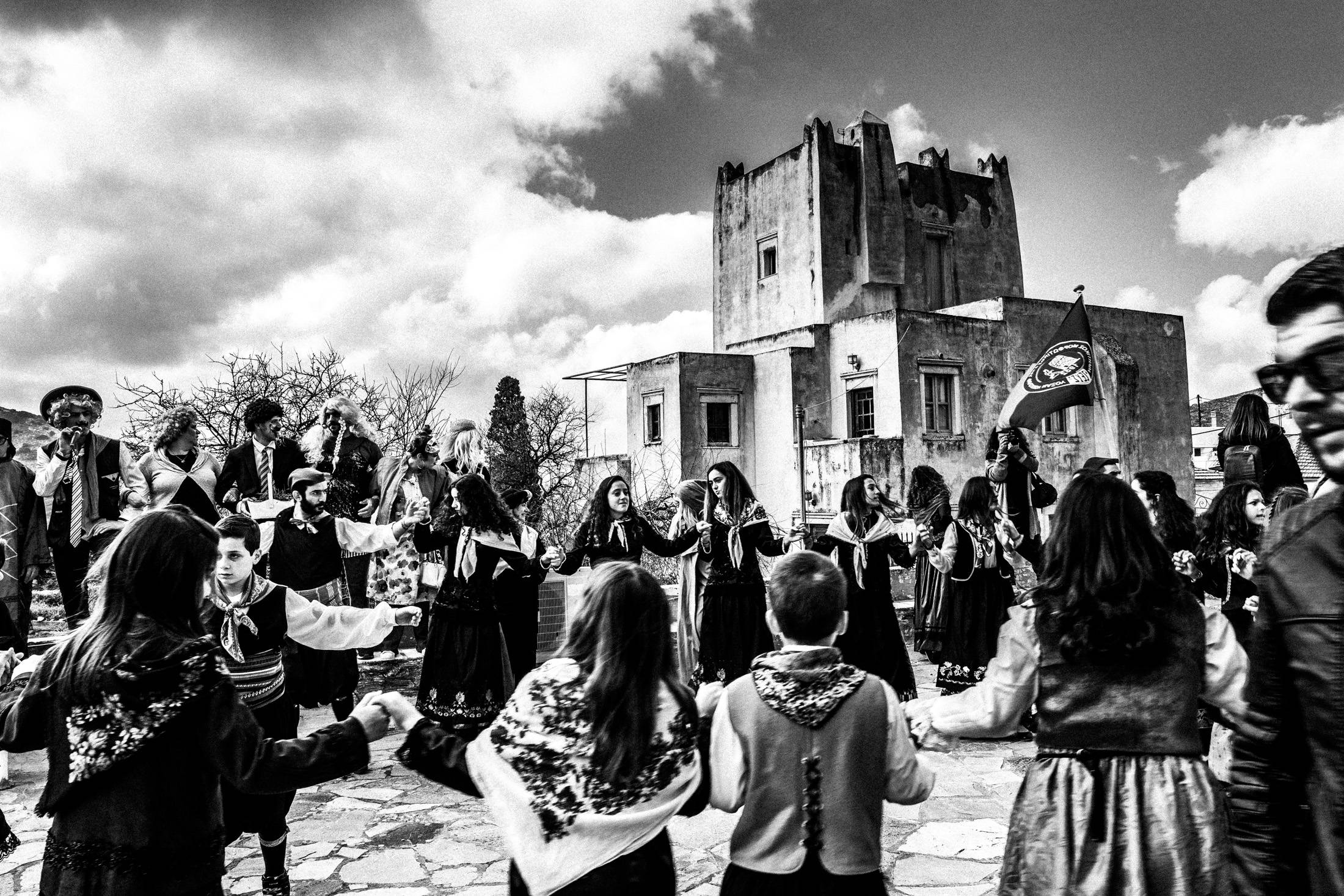
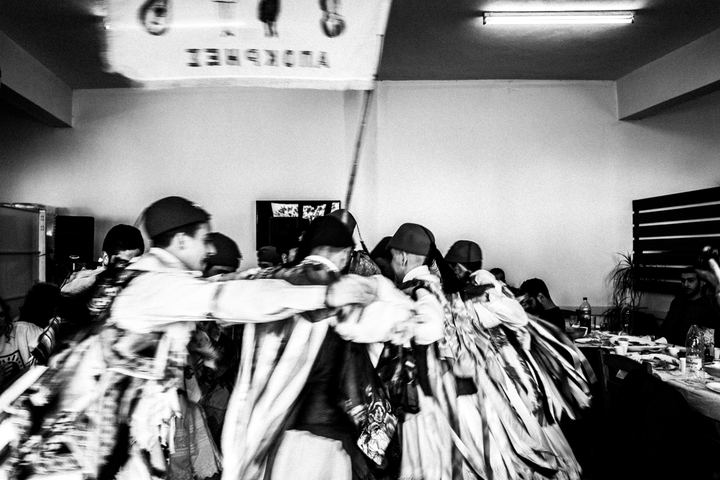
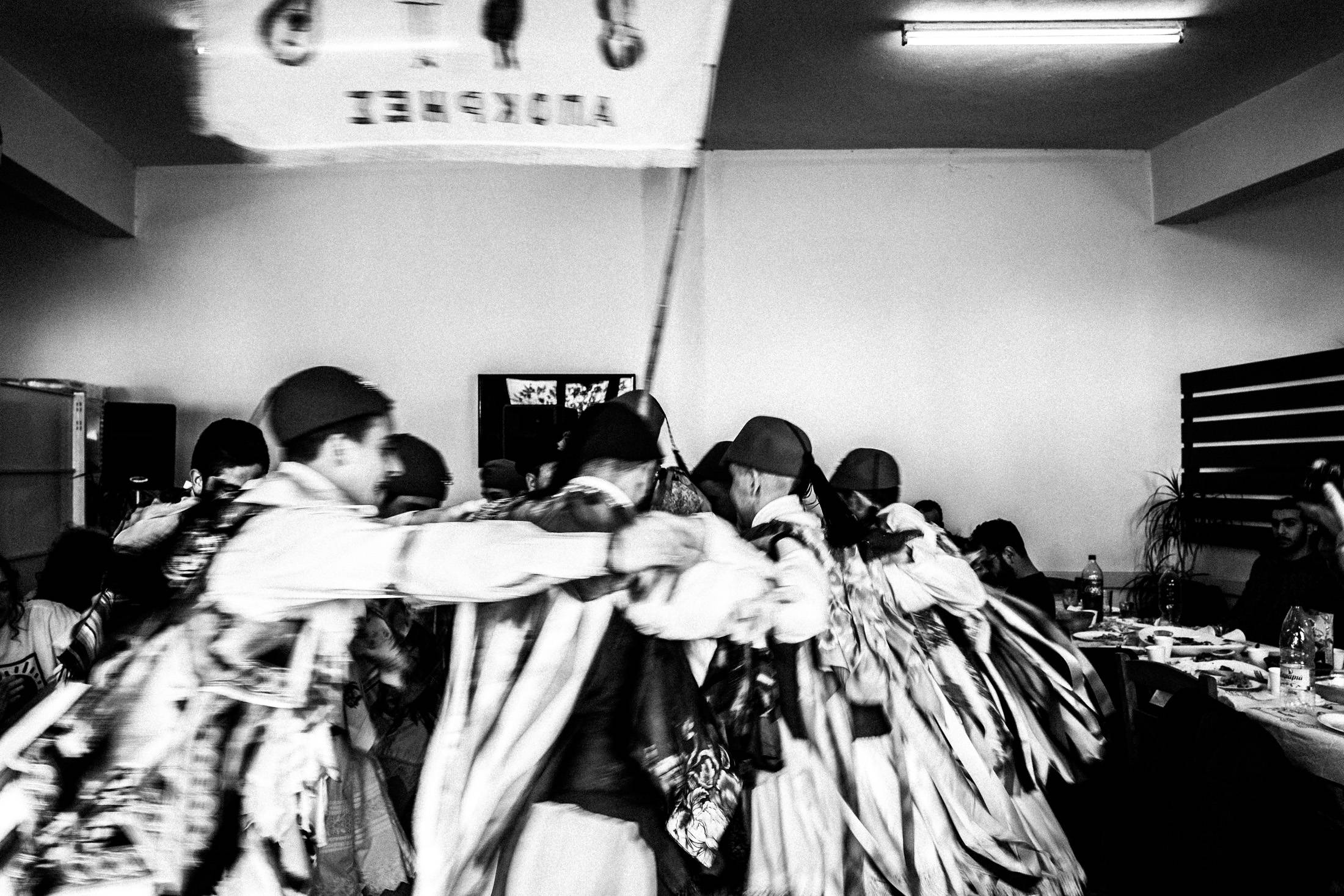
The Kordelatoi are a male Carnival company dressed in improvised fustanellas, lace, coloured ribbons and red fezzes. Led by the Bayraktaris, they visit neighbouring villages with music, ritual greetings and dancing. The precise route and participating villages may change from year to year.
The Kordelatoi Phenomenon at the villages of Filoti and Eggares
In the heart of Naxos, a vibrant and timeless custom, known as Kordelatoi, weaves its way through generations, carrying with it the spirit of celebration and community. This age-old tradition, meticulously passed down from one era to the next, stands as a testament to the island's rich cultural tapestry.
Unravelling the Origins: A Blend of Orthodoxy and Paganism
The Kordelatoi tradition traces its roots back to the years of Venetian rule, embodying a unique blend of Orthodox and pagan influences. The centrepiece of this ritual is the "Bayraki," a robust pole adorned with a colourful scarf symbolizing abundance and joy, crowned by a cross embellished with locally sourced fruits, particularly oranges.
This ritual served as a means of communication among the Orthodox locals, who found themselves suppressed by the Catholic Venetians holding sway over the fertile lands of the Eggares Valley.

The Dance of Colours: Attire and Symbolism
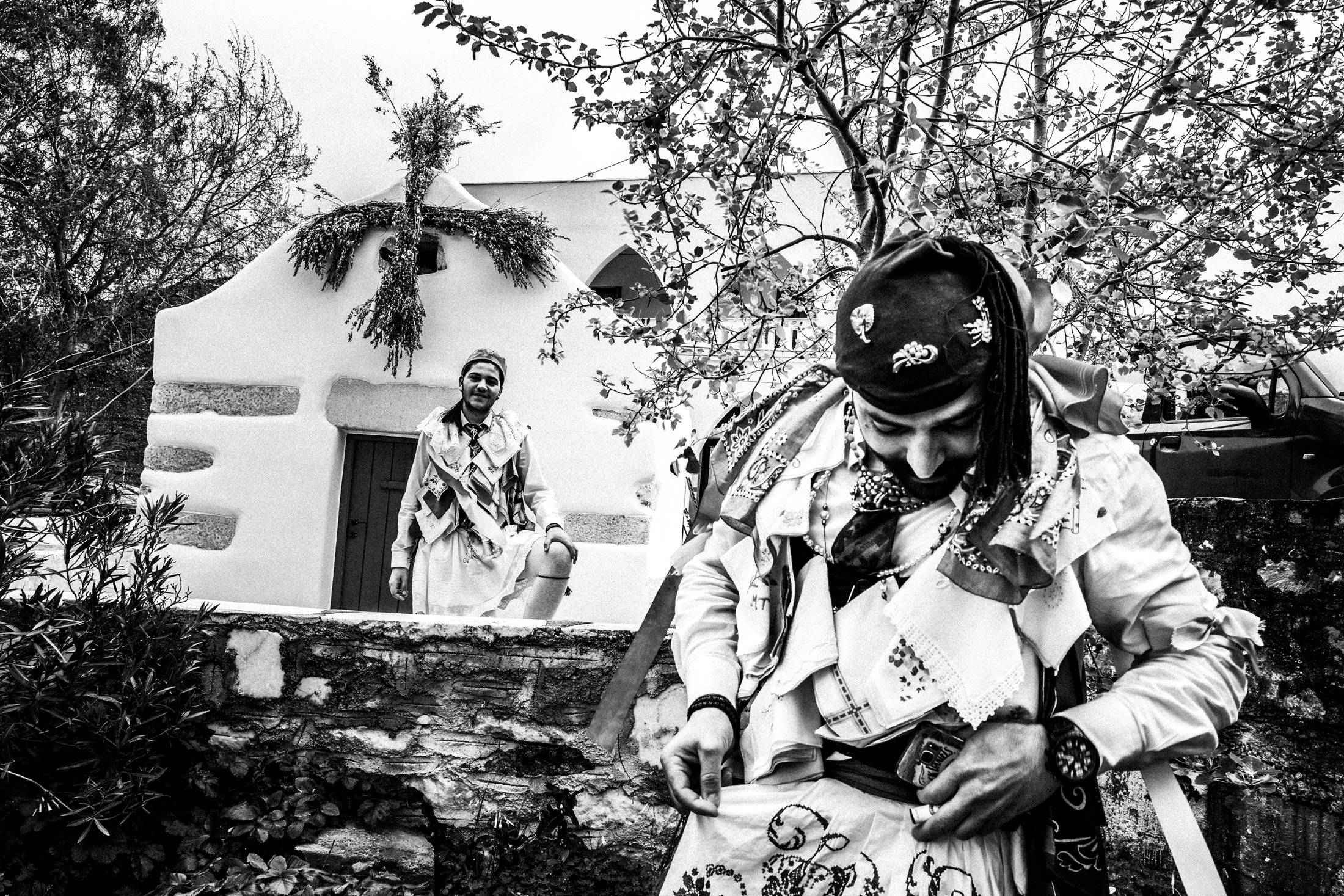
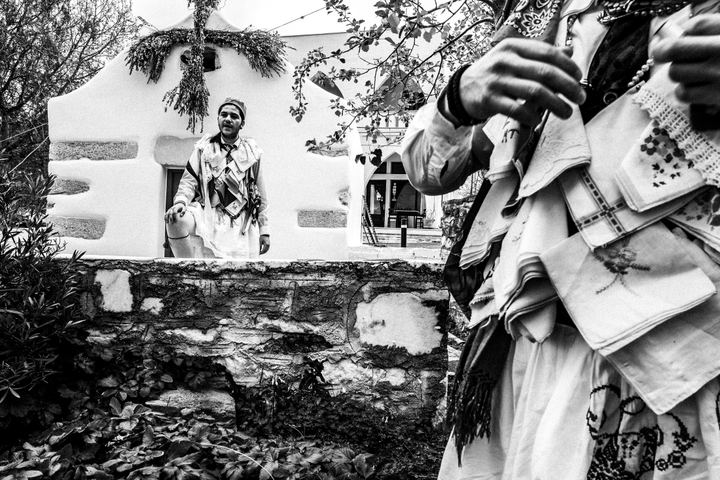
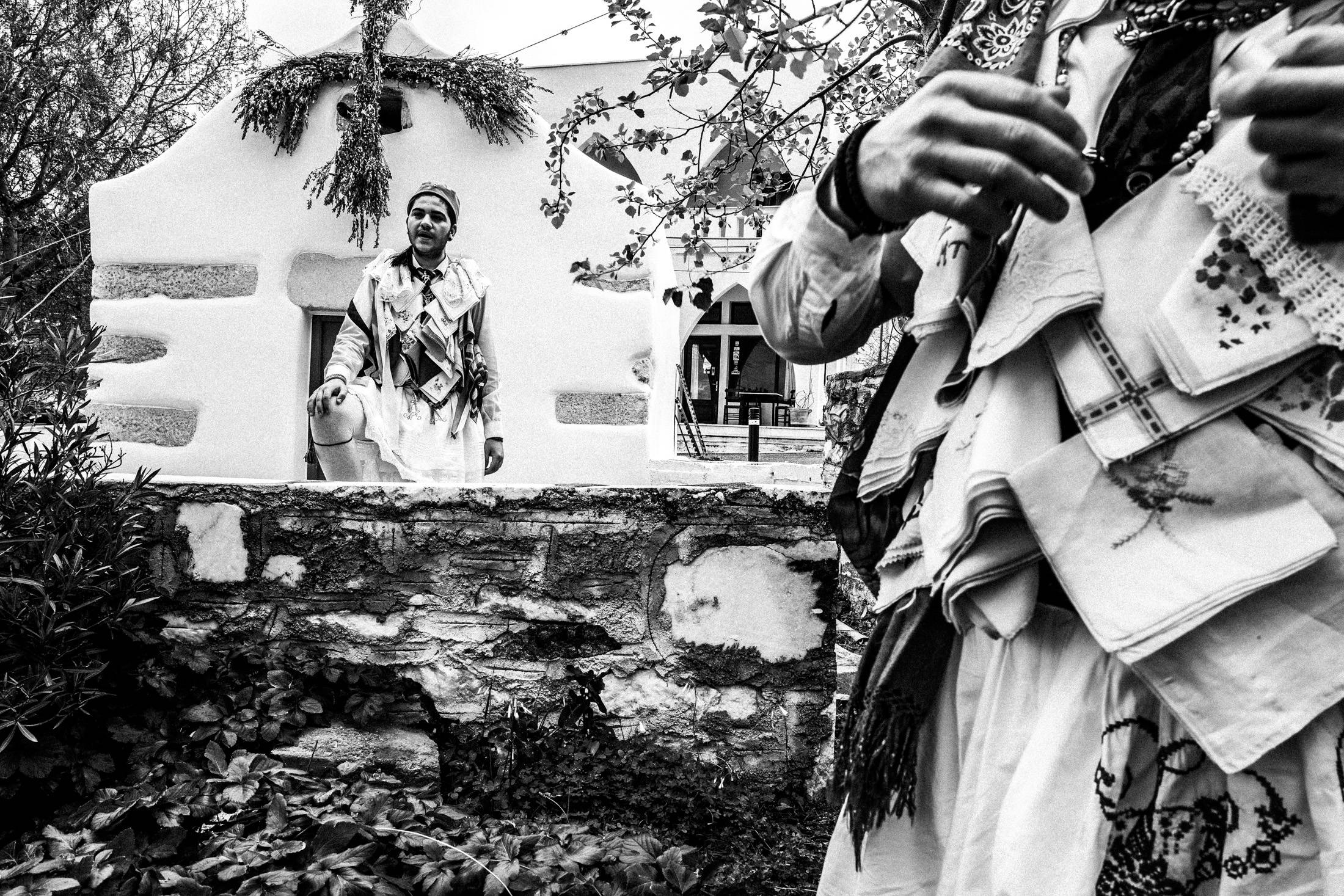
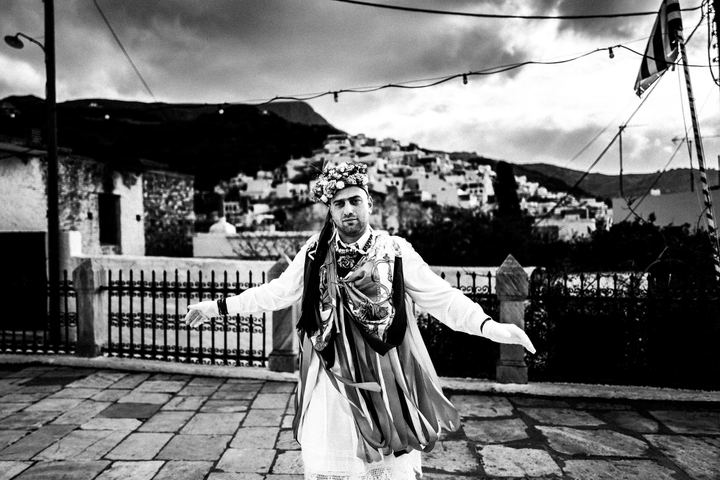
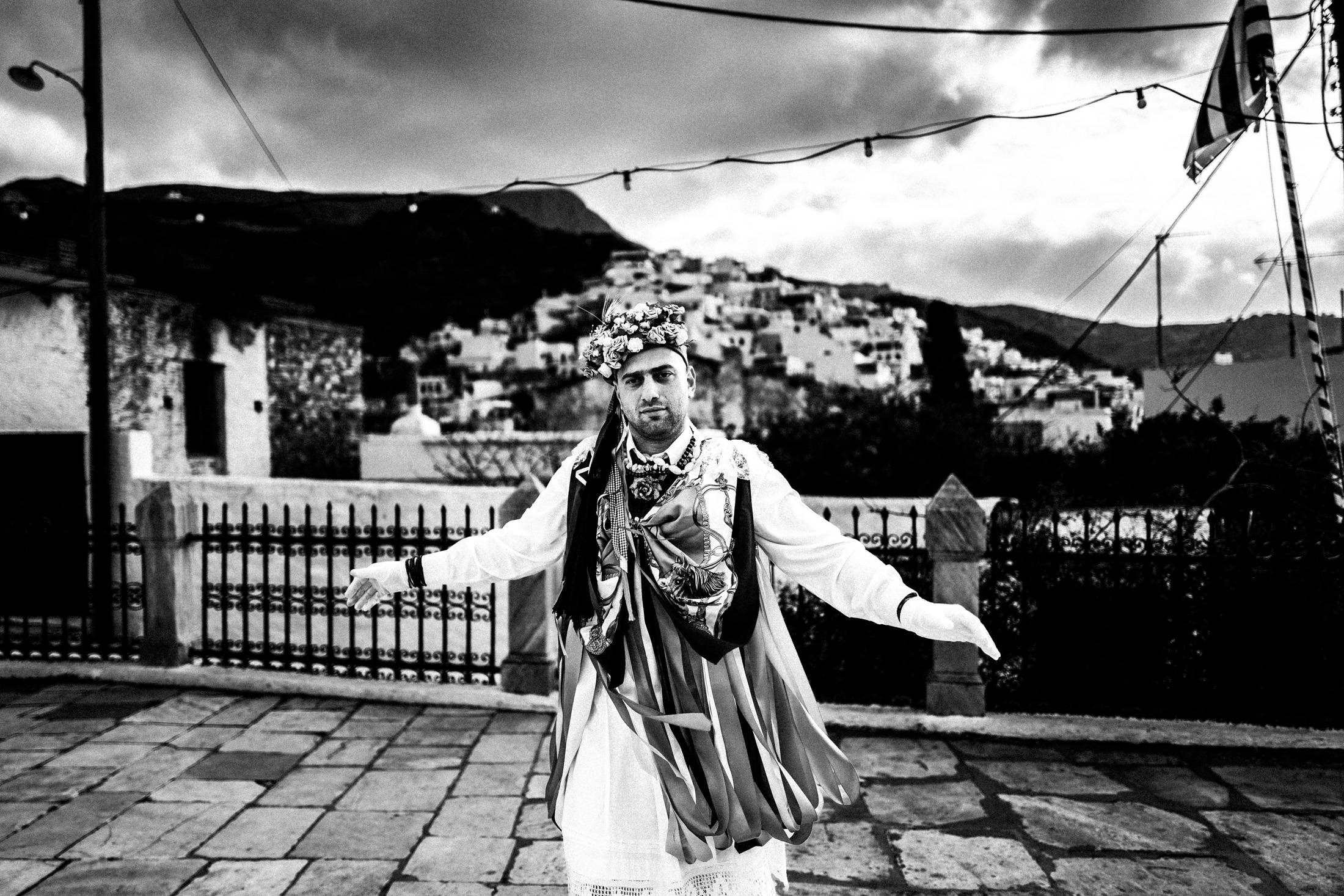
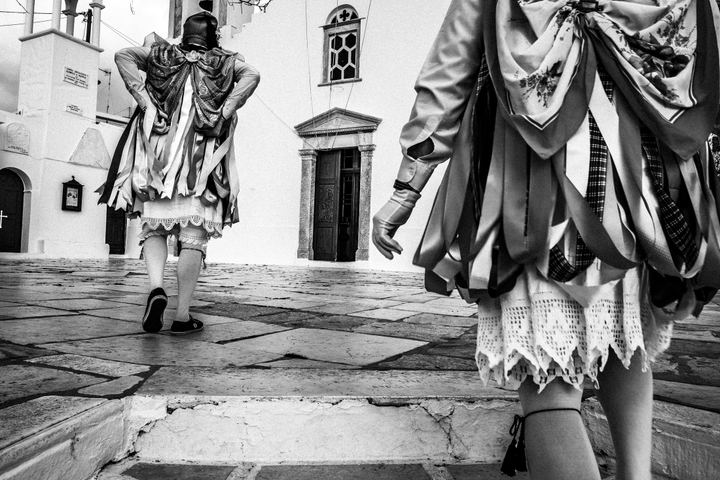
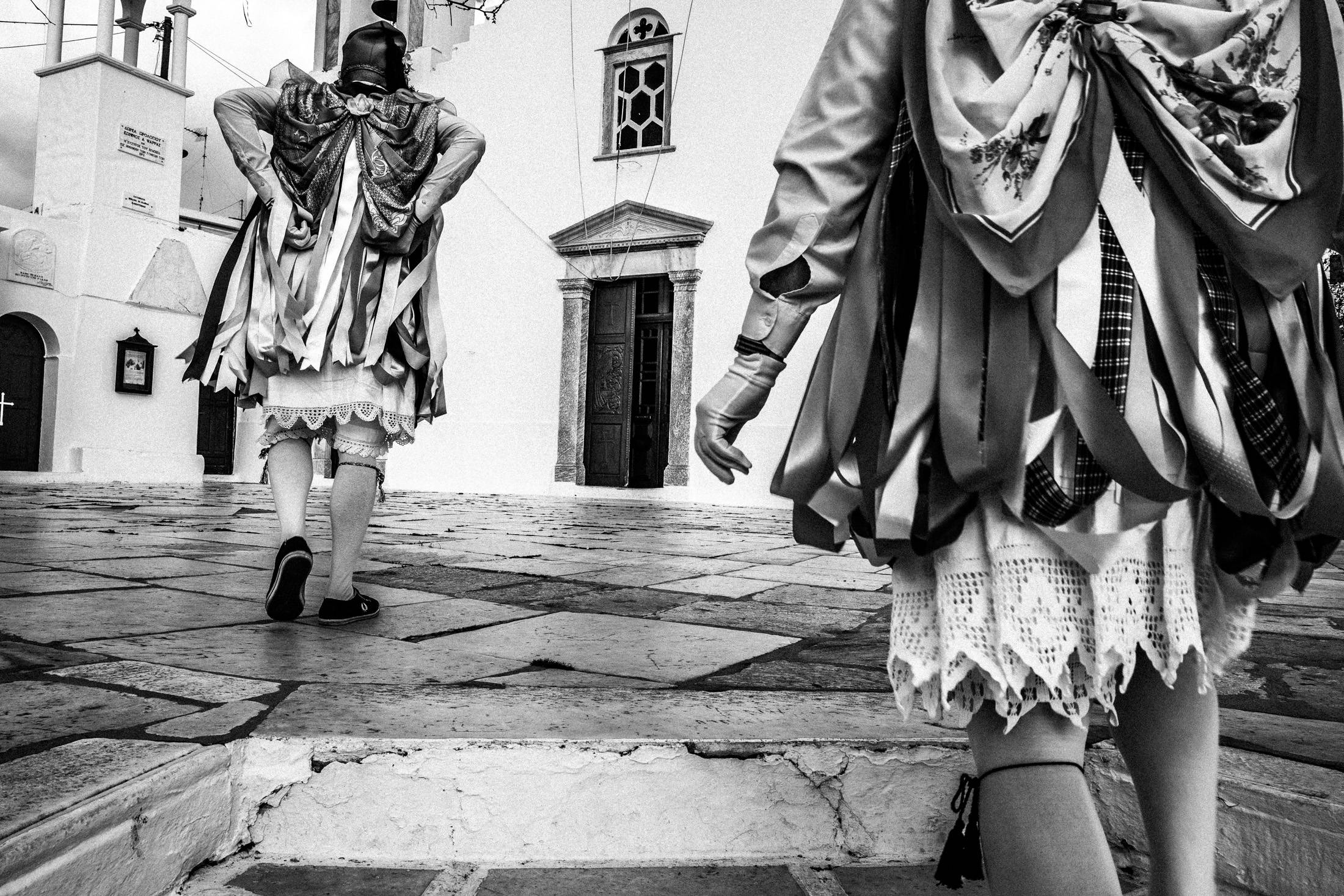
During the festive Carnival events, the young men would dress elaborately, donning a unique ensemble. Instead of trousers, they wore improvised "fustanellas," crafted from materials found around the village, adorned with lace and embroidered monograms. Beneath the fustanella, they sported the "grandmother's trousers," also embellished with lace and thick knee-high socks. A colorful vest, adorned with vibrant ribbons (kordeles, thus Kordelatoi) obtained from the dancing "brides," completed the ensemble. A red fez, adorned with a distinctive pin, graced their heads.
The Kordelatoi, exclusively a male tradition, featured the strongest participant as the "Bayraktaris," entrusted with carrying the Bayraki. These Kordelatoi would venture into neighbouring villages, leaving the women behind to welcome and care for the Bayraki alongside their group.
Rituals Beyond Merriment: Cultural Exchange and Guardianship
Beyond the revelry and camaraderie that blossomed among the youth during these festivities, the companions of the Kordelatoi engaged in a unique form of cultural exchange. Laden with various products, bartered with the inhabitants of the villages they visited. The Bayraktaris, in addition to coordinating the Fustanellades, safeguarded the Bayraki. In case of convergence with another group of Kordelatoi, a ritualistic crossing of Bayrakis and prayers ensued to avert any conflicts.
Interestingly, a monetary offering to another Bayraktaris demanded repayment at double the amount, adding a nuanced economic dimension to the tradition.
The Sanctity of the Fustanella: Peace, Happiness, and Progress
The Kordelatoi considered a small army, upheld a strict rule - no one was permitted to touch the fustanella. The fustanella was believed to bring peace, happiness, and prosperity to the community. Kordelatoi played a role in the liberation of the people. The triangular-shaped handkerchiefs tied to their vests held a mysterious significance, enveloping the very essence of the Bayraki.
In conclusion, the Kordelatoi tradition of Naxos stands as a living testament to the island's cultural resilience, blending religious and pagan elements in a tapestry of celebration and community. As the Bayraki continues to weave its way through the ages, the Kordelatoi dance on, preserving a heritage that transcends time.


Culture, held by place
Continue through Naxos.
Follow this tradition into its geographic and cultural context.