Living traditions
Koudounatoi of Apeiranthos
Apeiranthos, Naxos
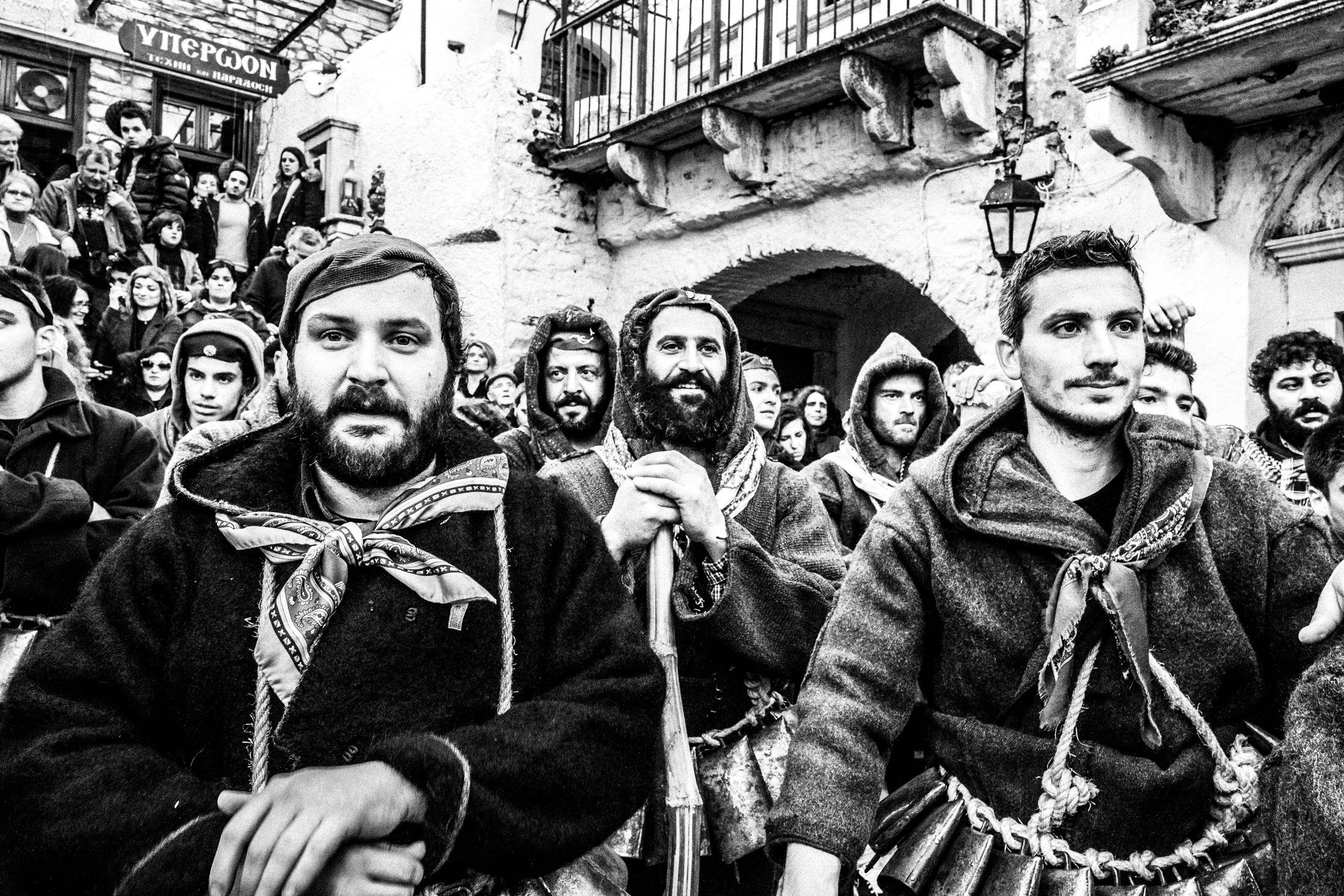
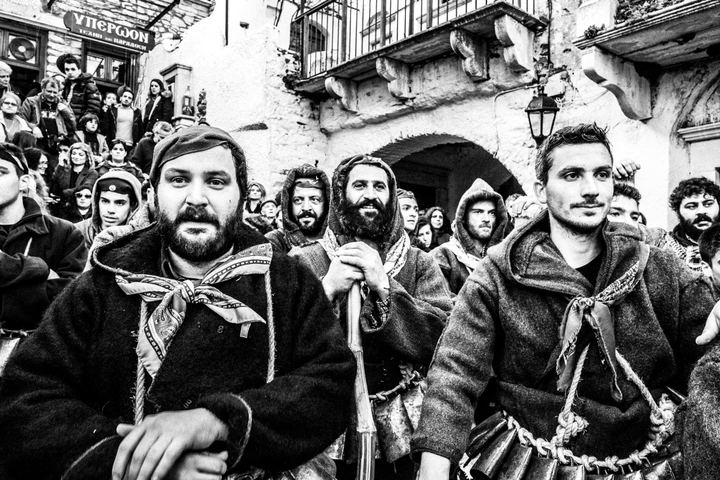
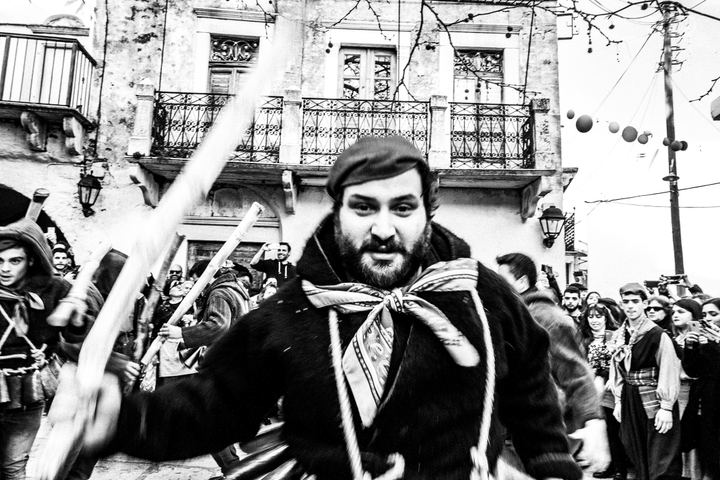
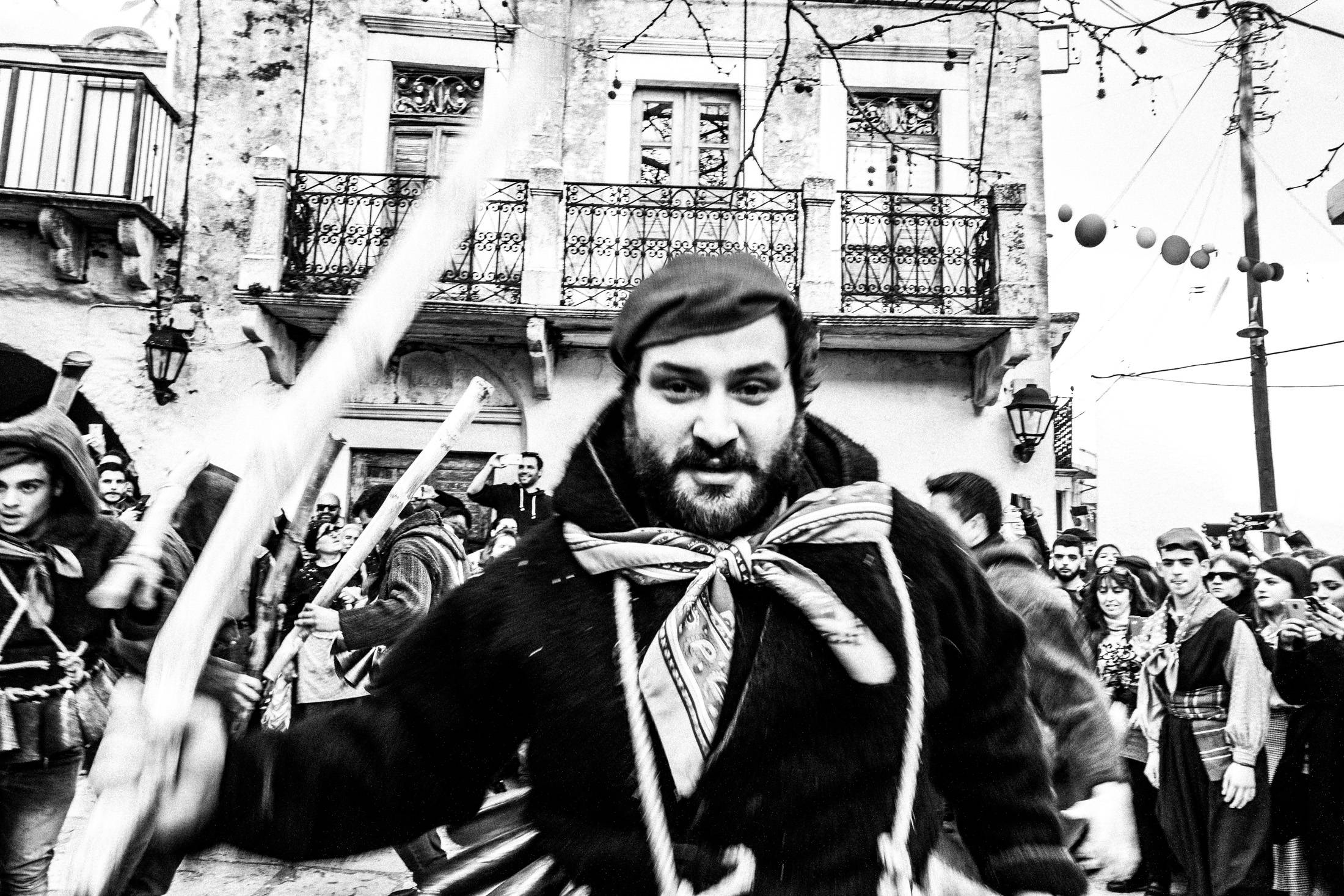
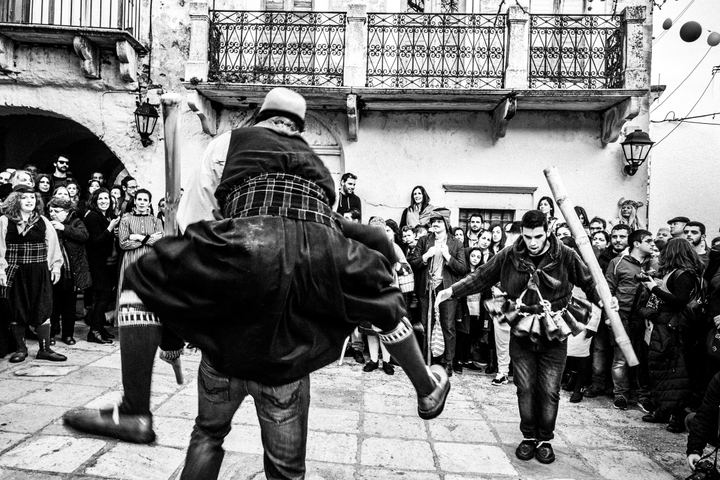
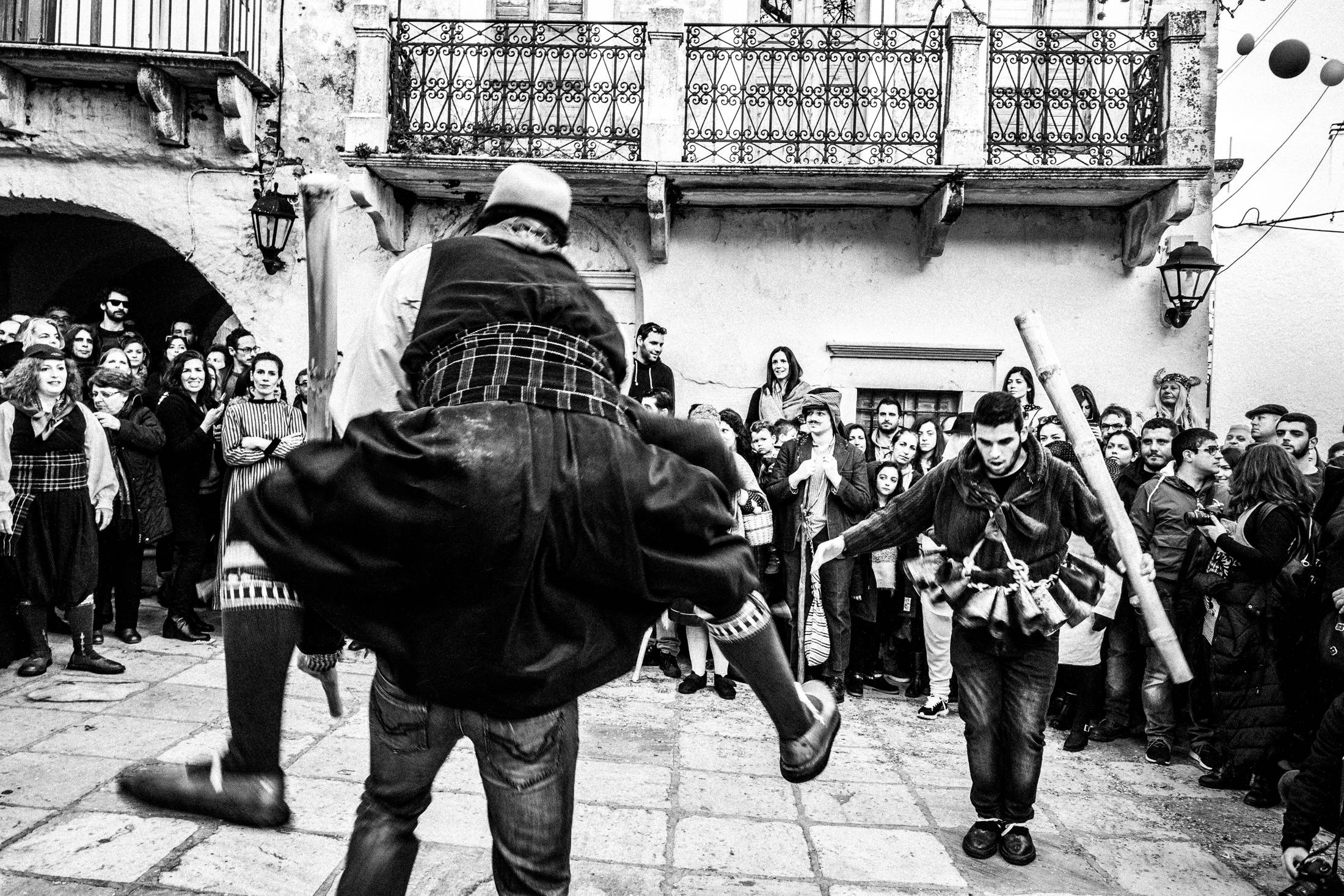
Field photographThe Koudounatoi in the crowded centre of Apeiranthos.
Collector mode
A photograph to live with. Enter a private viewing.Introduction
Bell bearers in heavy capes descend through the stone alleys of Apeiranthos, accompanied by music, masked characters and a mock wedding.
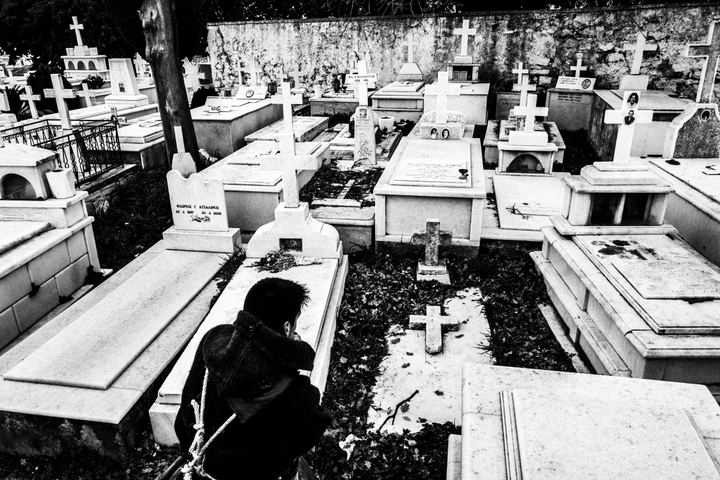
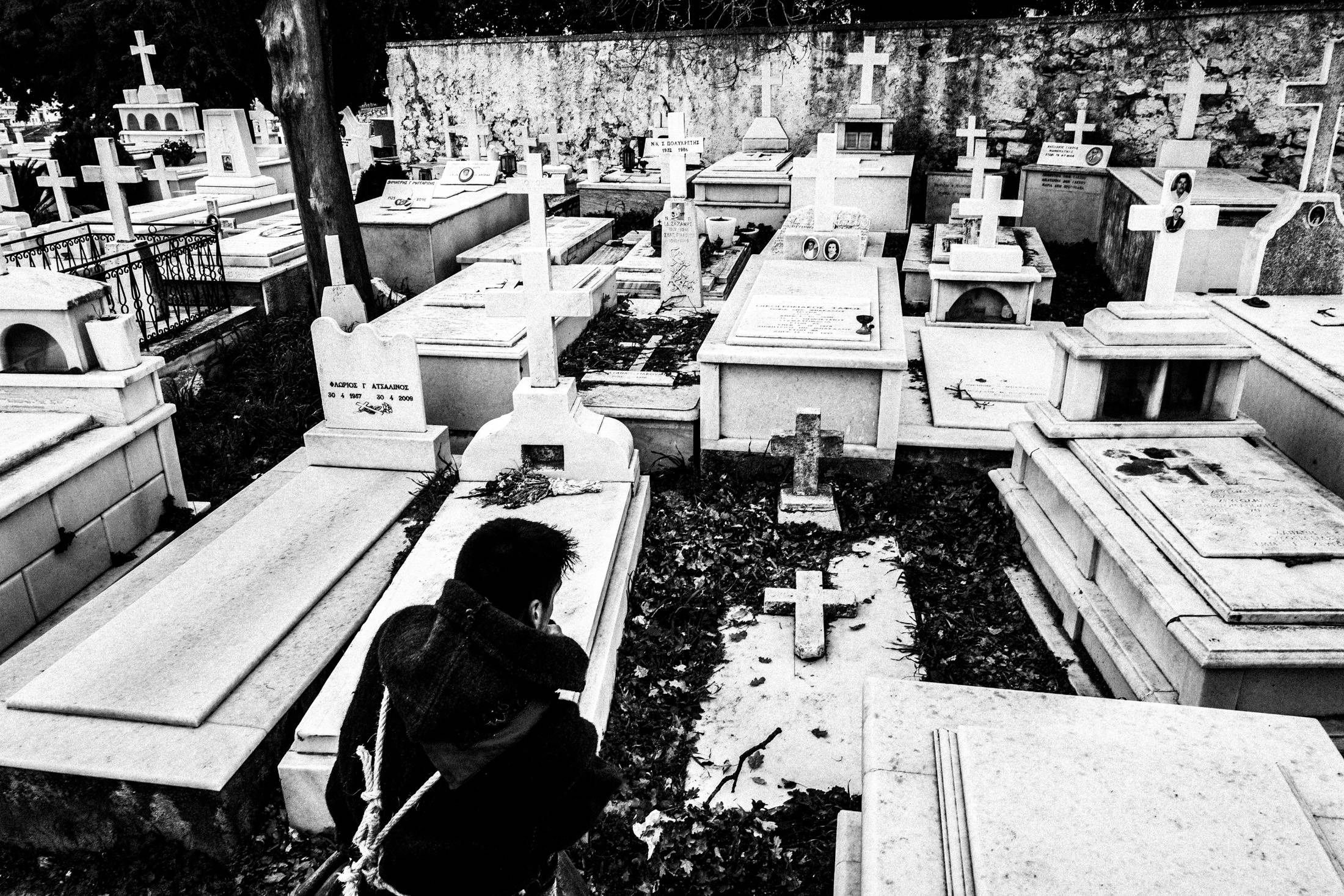
On the final Sunday of Carnival, Apeiranthos becomes the setting for one of Naxos's most powerful winter customs. Men fasten rows of pastoral bells around their waists, carry fig-tree staffs and move through the village in a noisy procession that ends with dancing and a visit to the cemetery.
Koudounatoi Carnival in Apeiranthos Village, Naxos
In the heart of eastern Naxos, a mesmerizing spectacle unfolds every year on the Sunday of Tyrophagi, drawing both locals and visitors into the age-old tradition of the Koudounatoi. Apeiranthos, the renowned mountain village, provides the perfect stage for this ancient Carnival celebration.
Discovering Apeiranthos
Nestled in the picturesque landscape of Naxos, Apeiranthos sets the backdrop for the Koudounatoi Carnival. As a curious wanderer, my journey begins with meticulous planning, aiming to unravel the essence of the custom, its origins, and the rituals that define it.
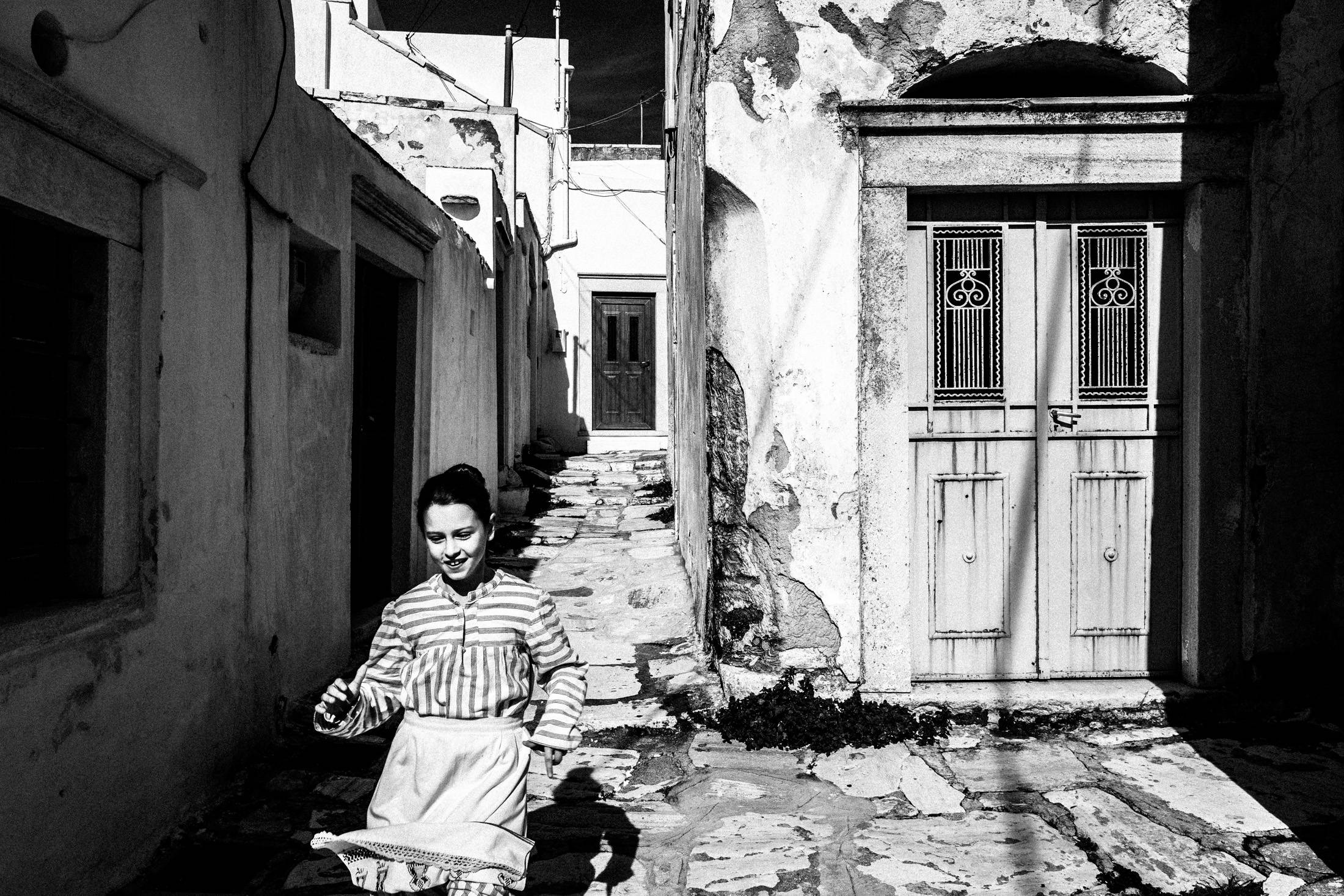
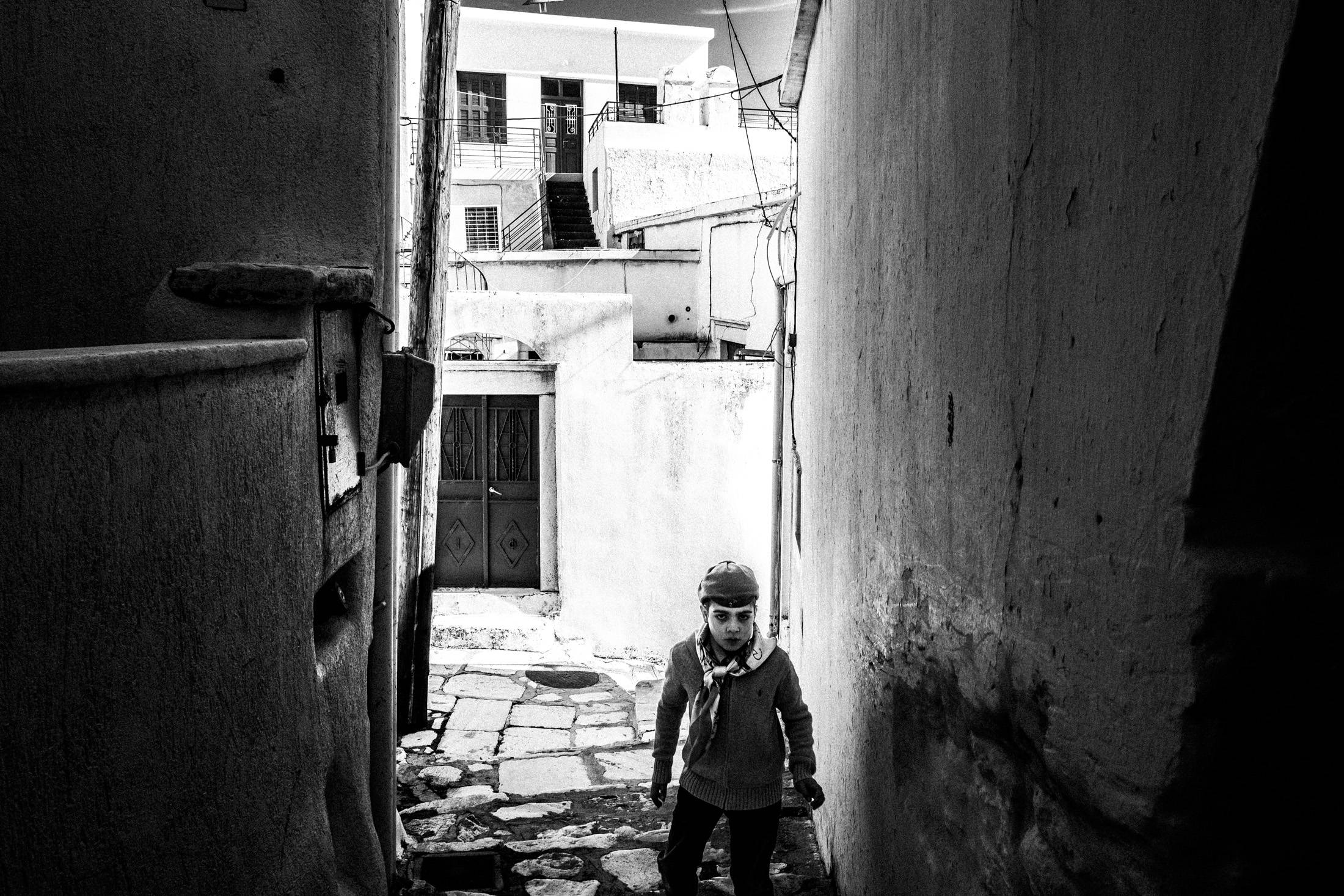
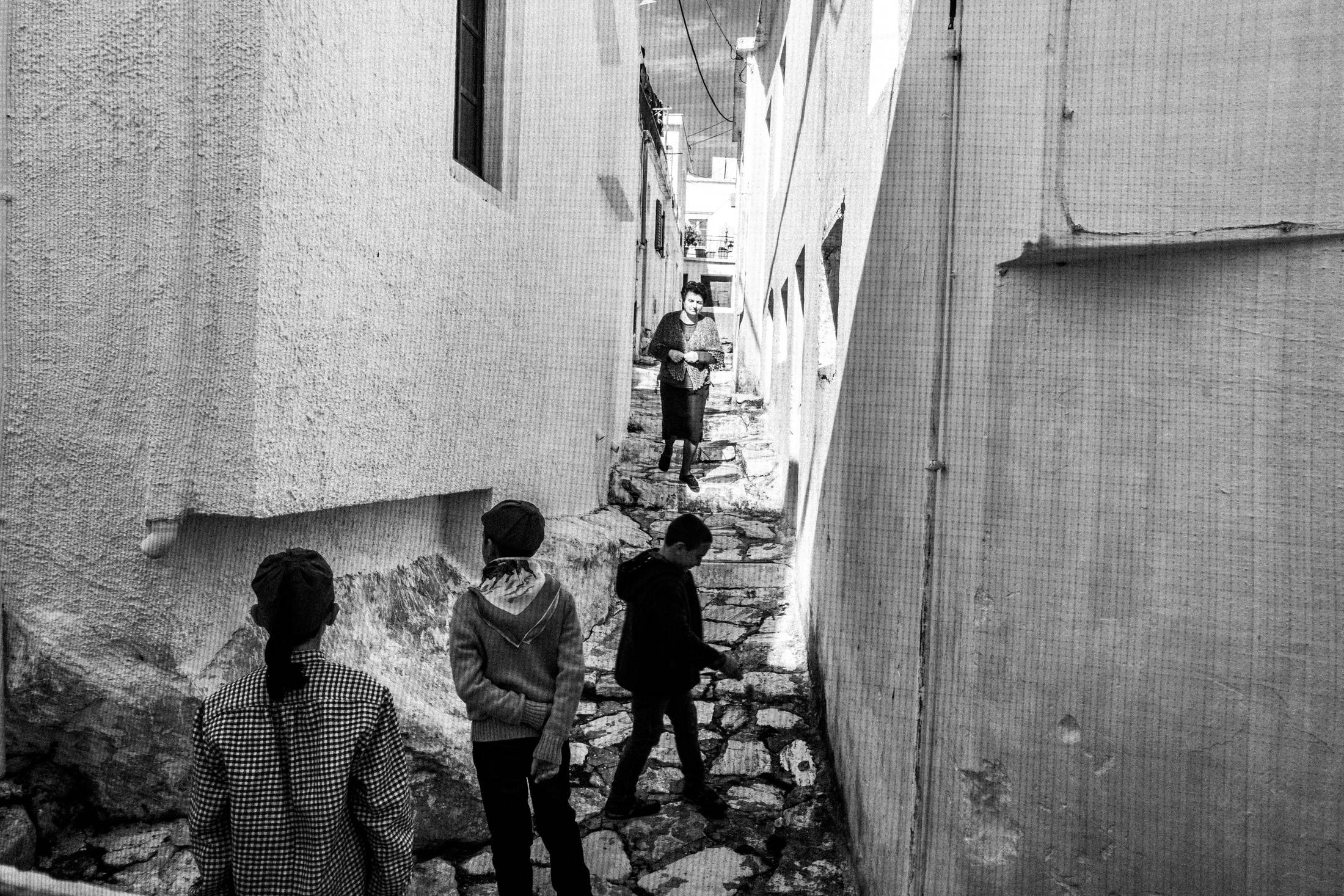
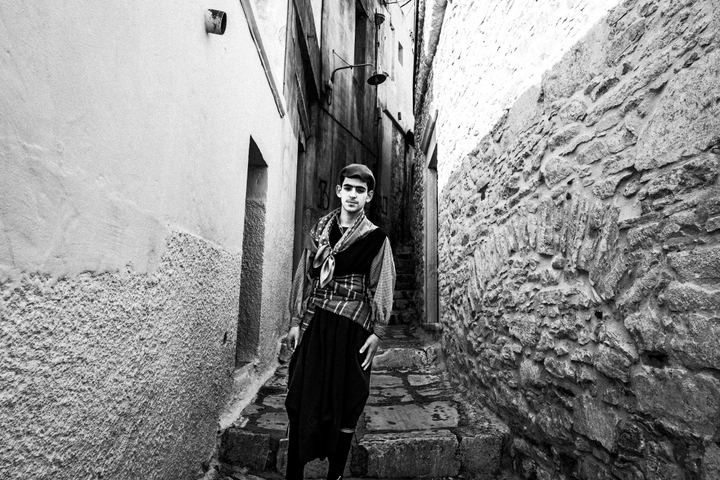
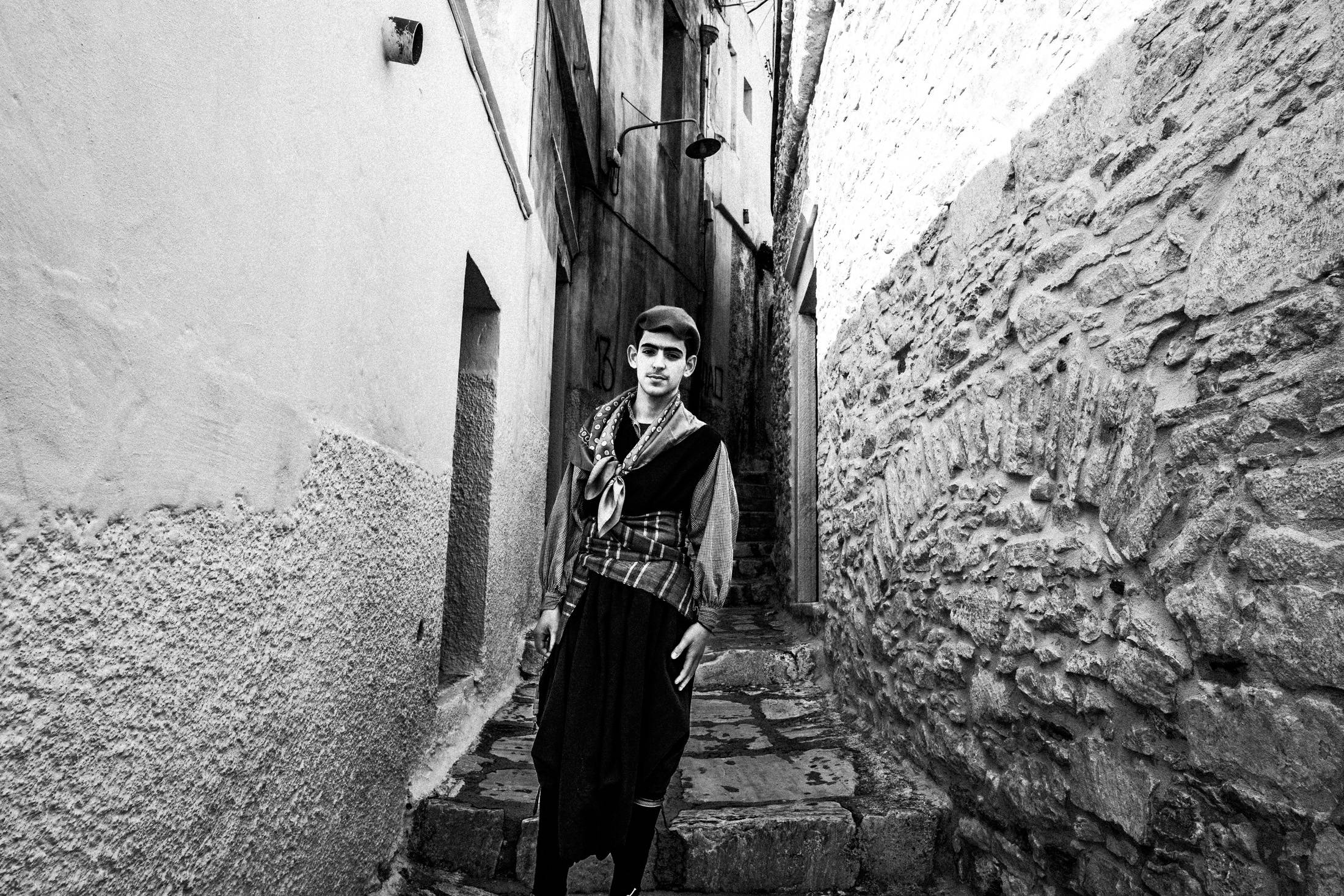
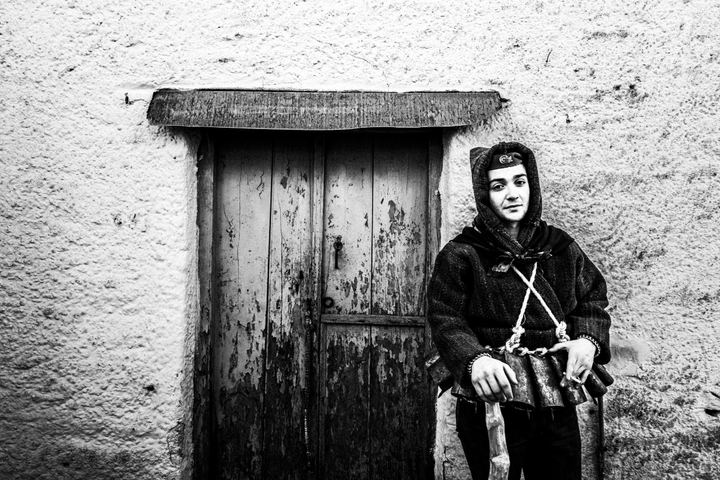
A Prelude to the Spectacle
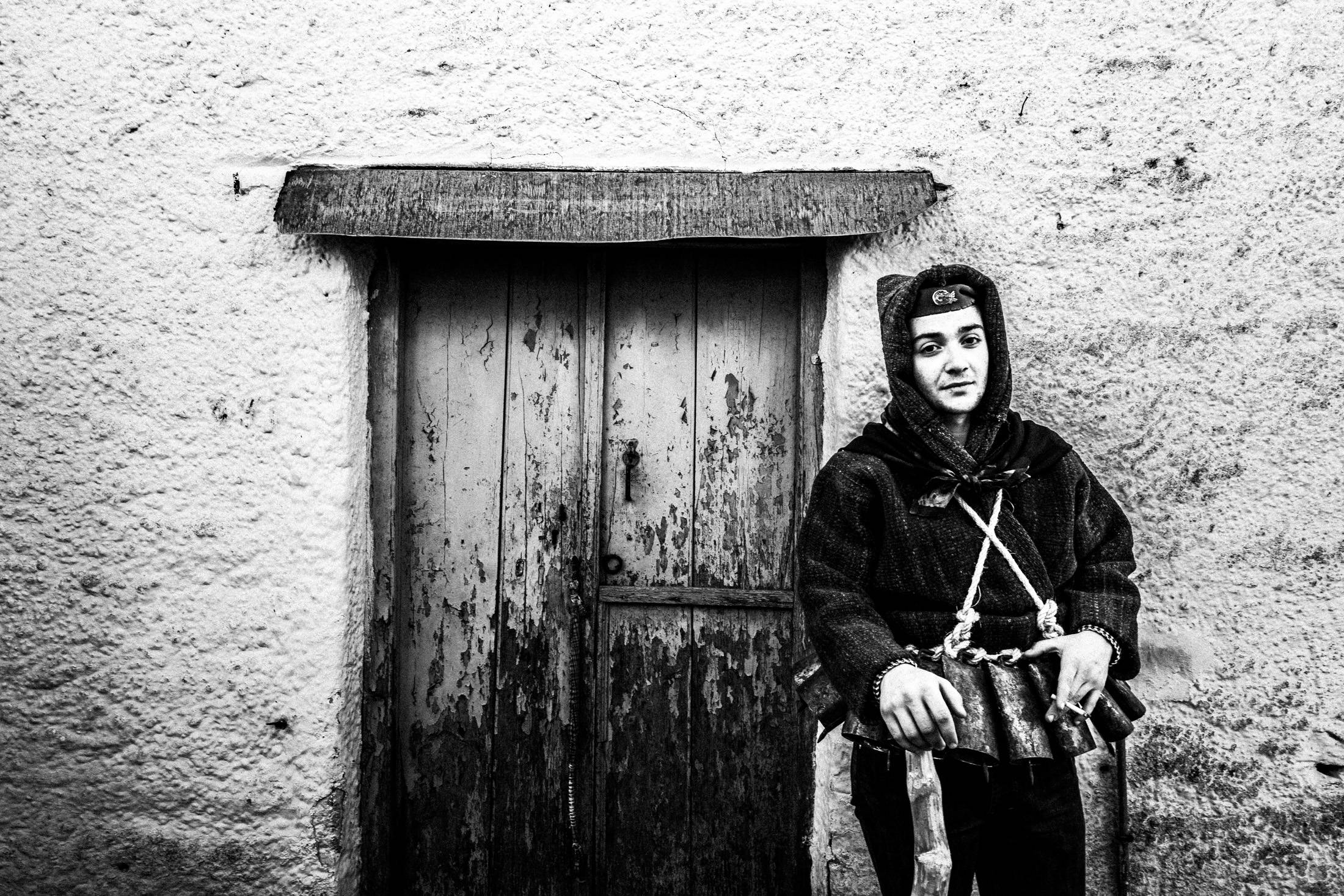
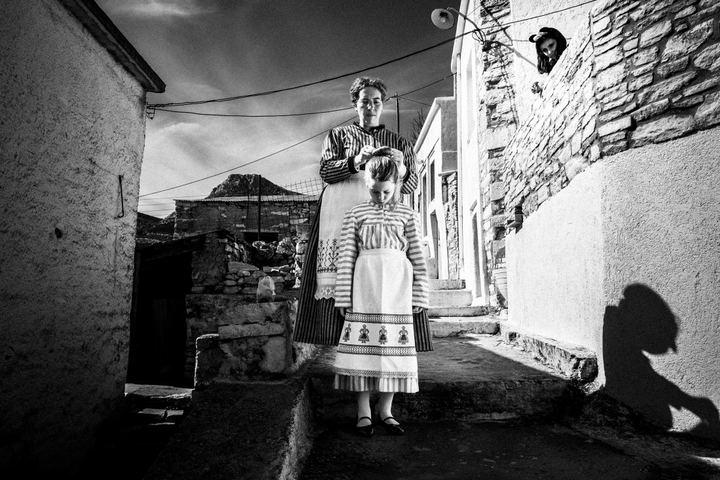
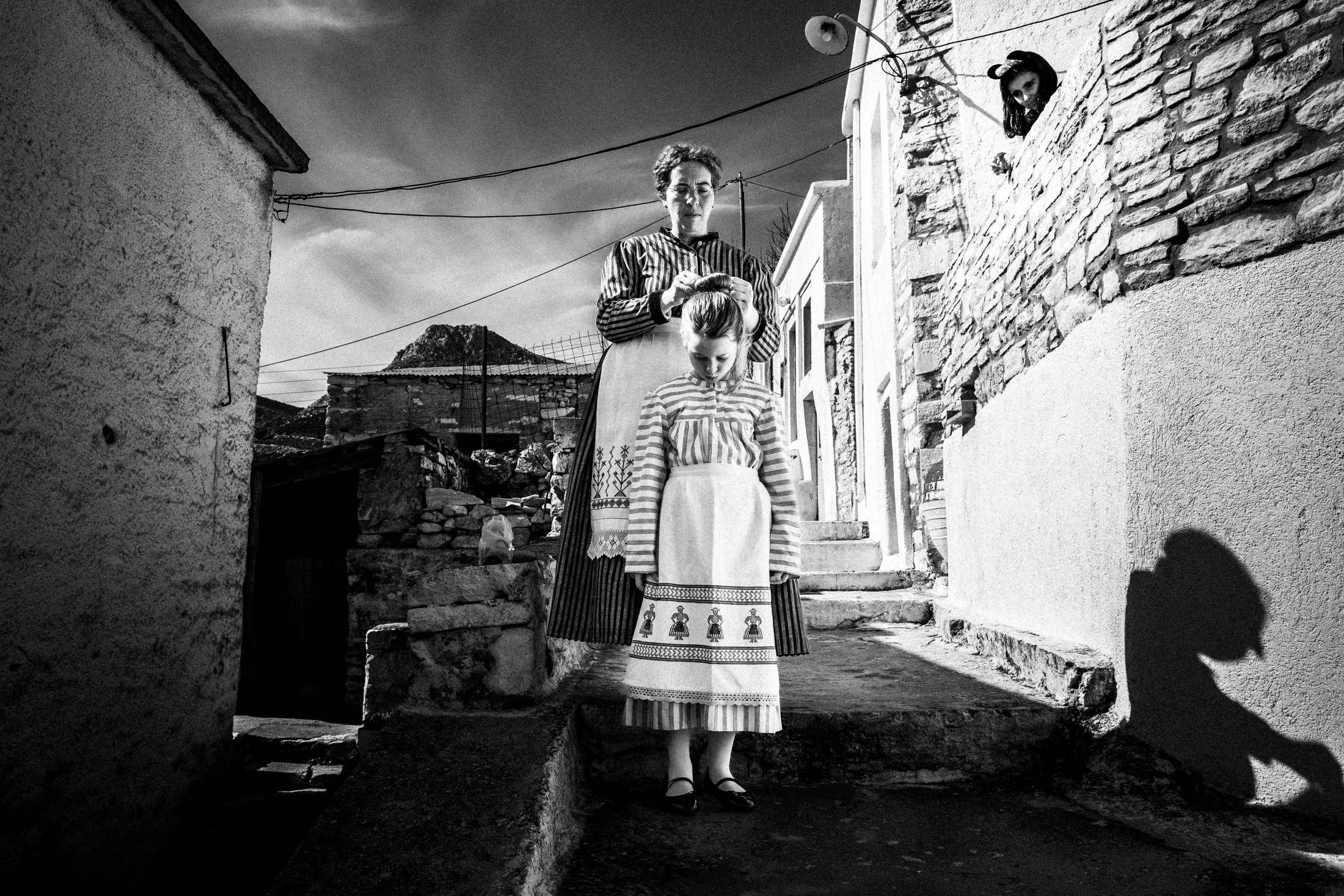
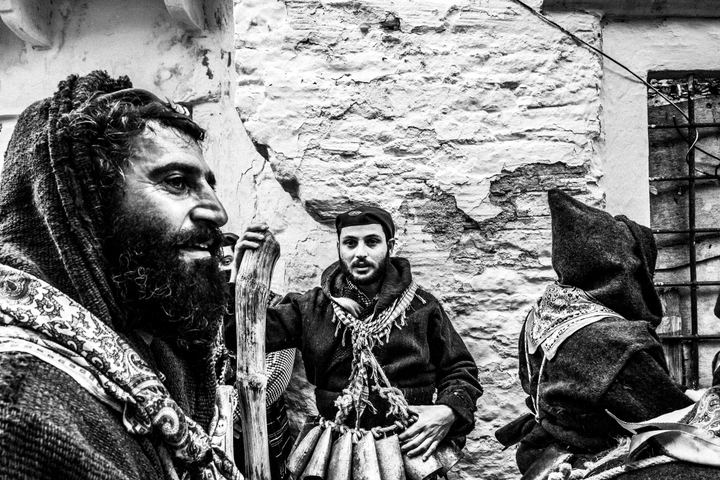
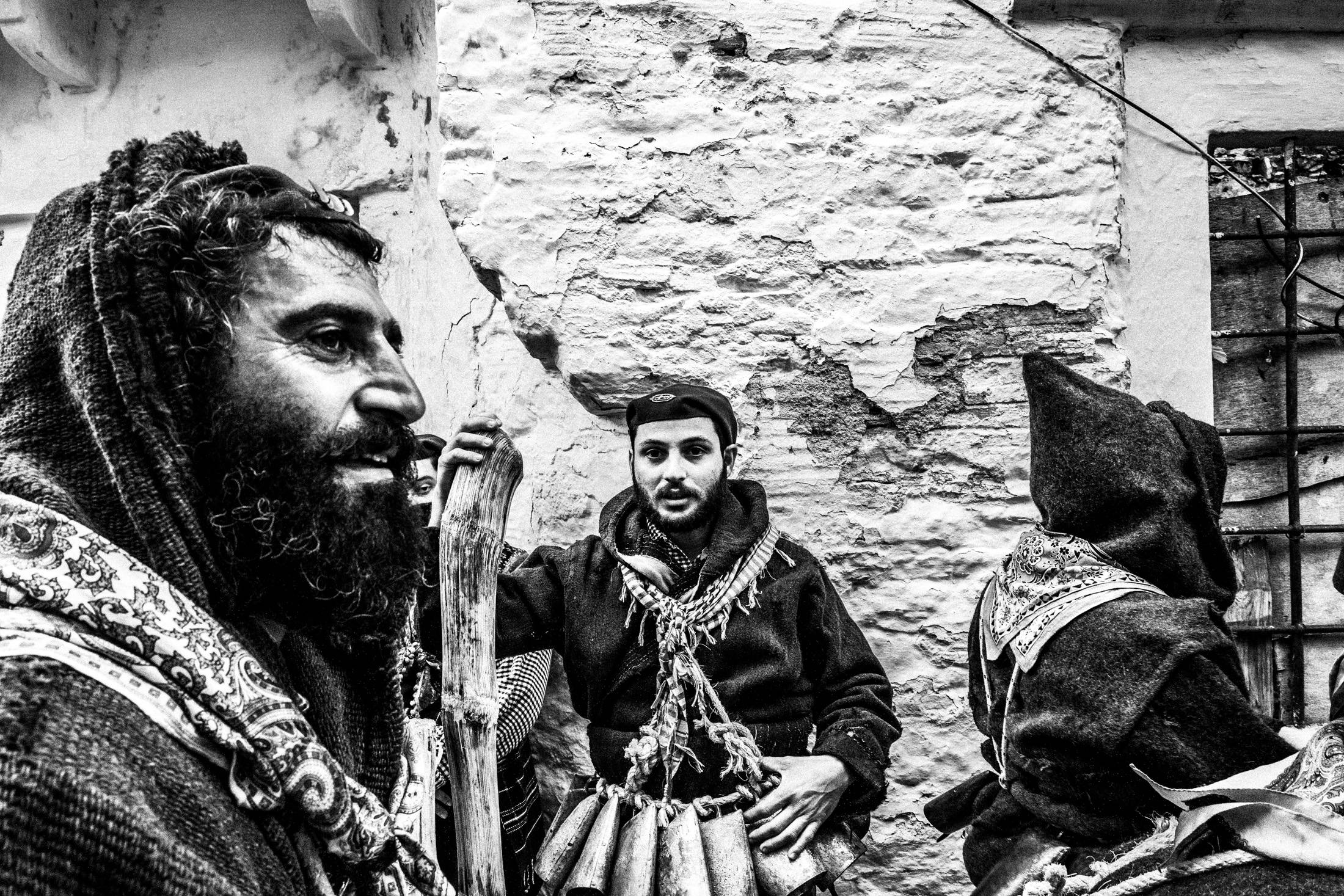
The festivities kick off at three in the afternoon, and as I explore the village, a two-story house with a small backyard becomes the heart of preparation. Here, the bell bearers and their entourage gear up for the event, offering a warm welcome to curious onlookers.
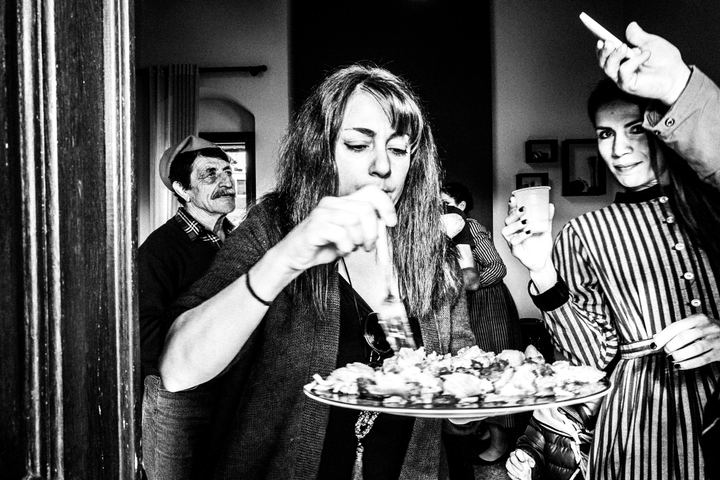
Amidst the aroma of freshly baked bread, I meet the homeowner. The hospitality extended includes local wine, cheese, olives, and casserole beef. It's a delightful introduction to the rich culture that permeates Apeiranthos.
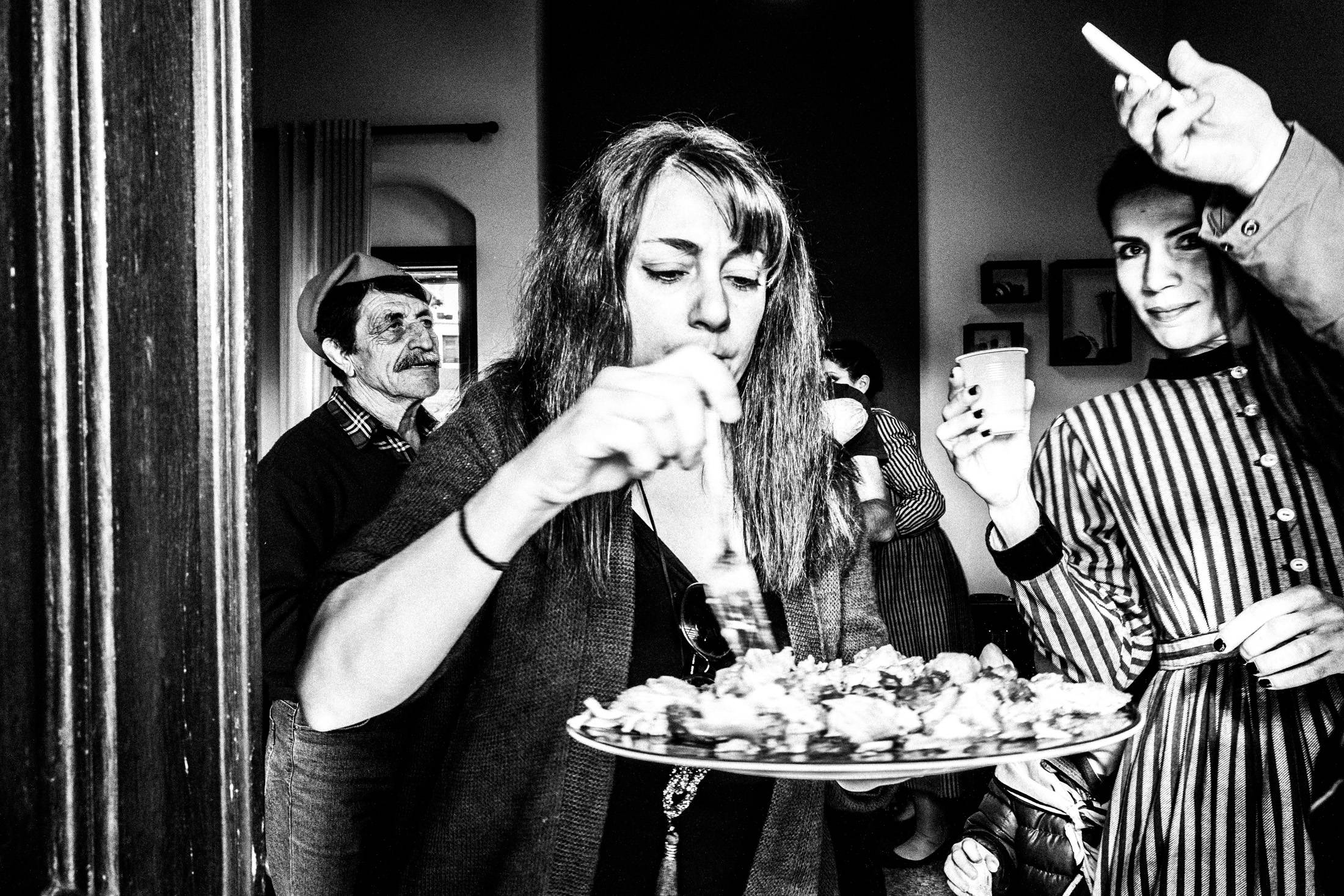
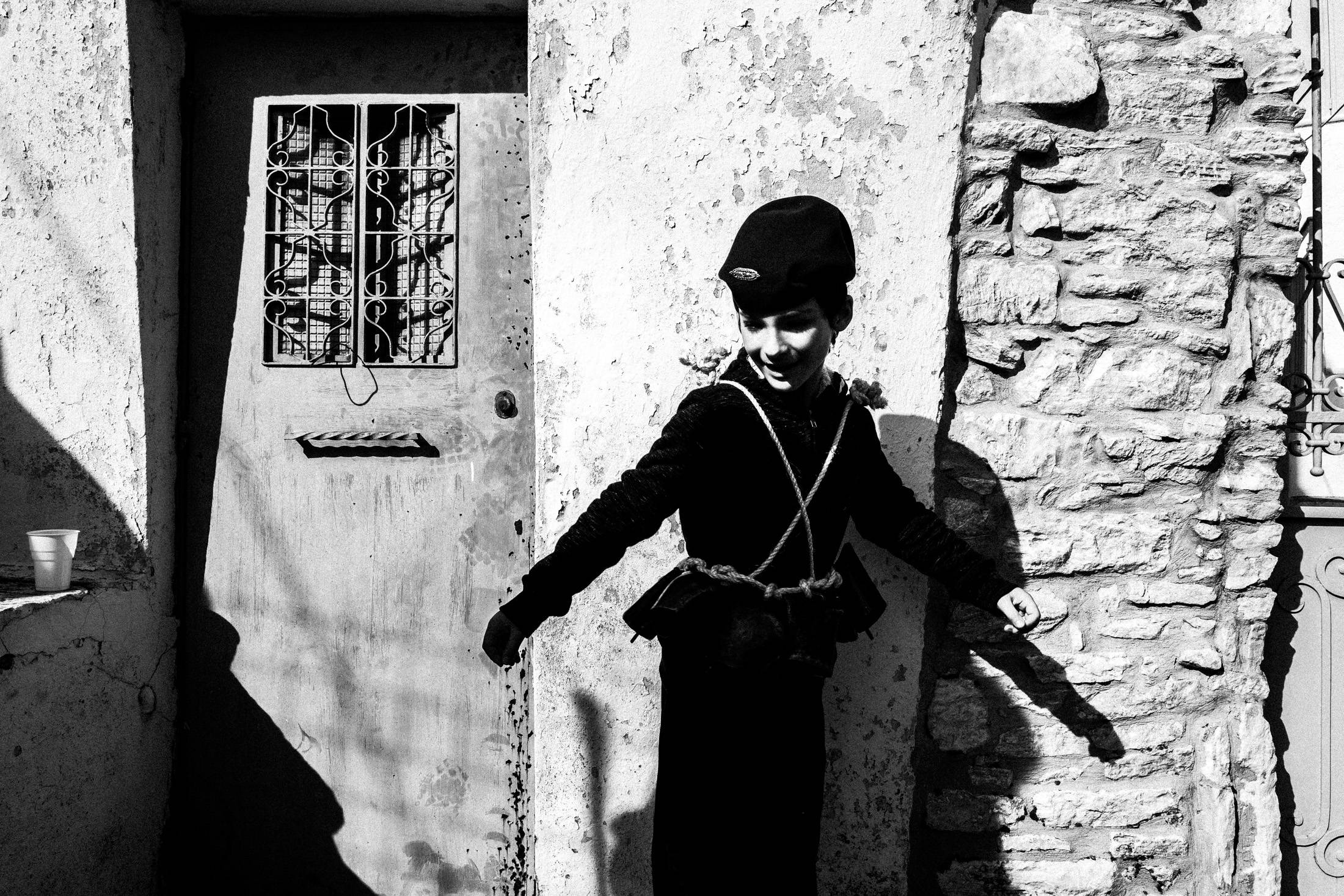
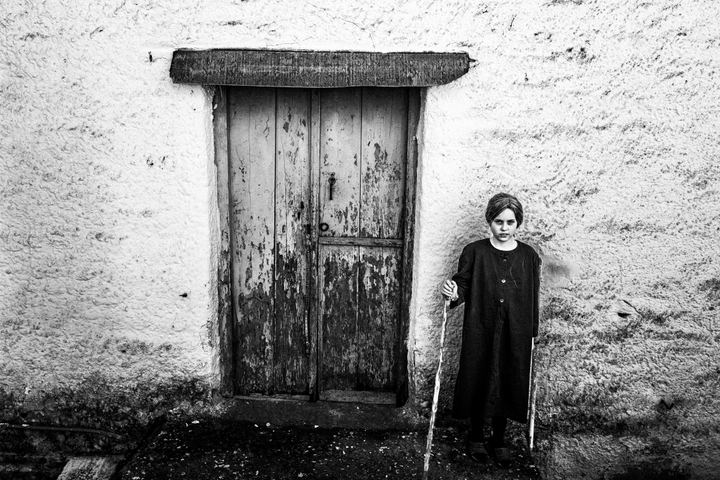
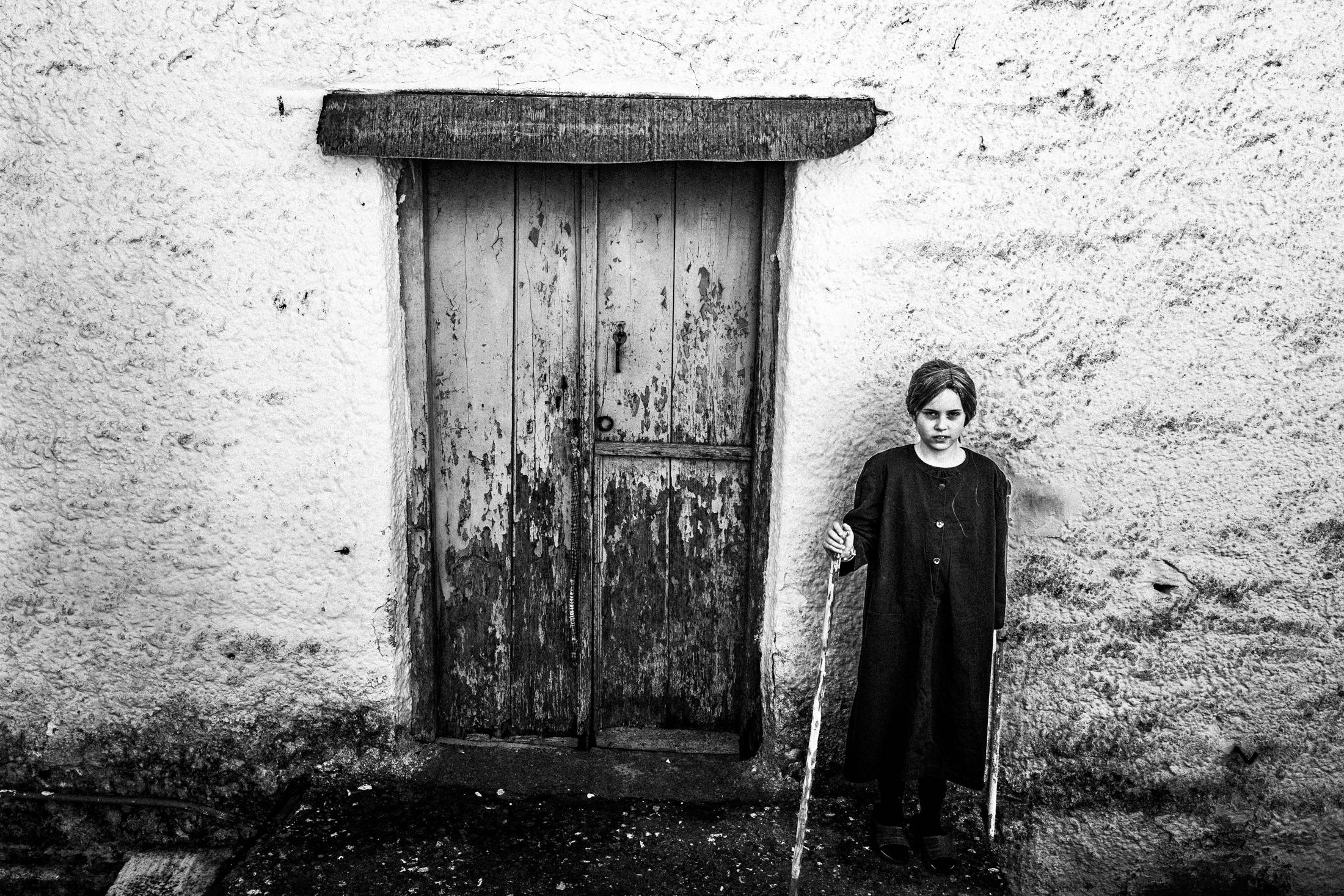
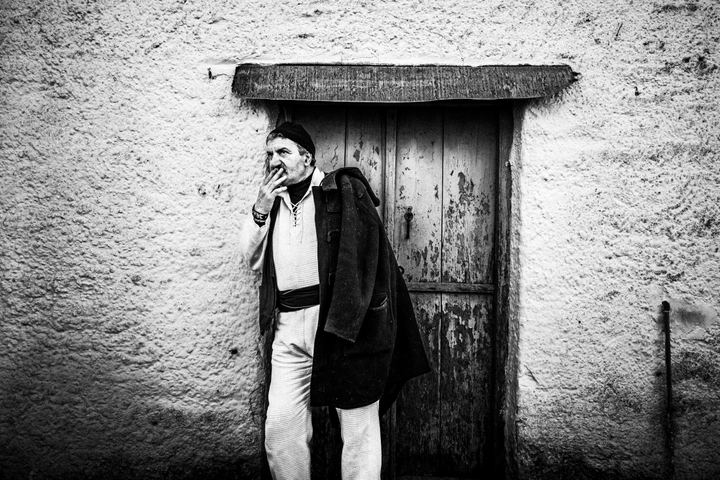
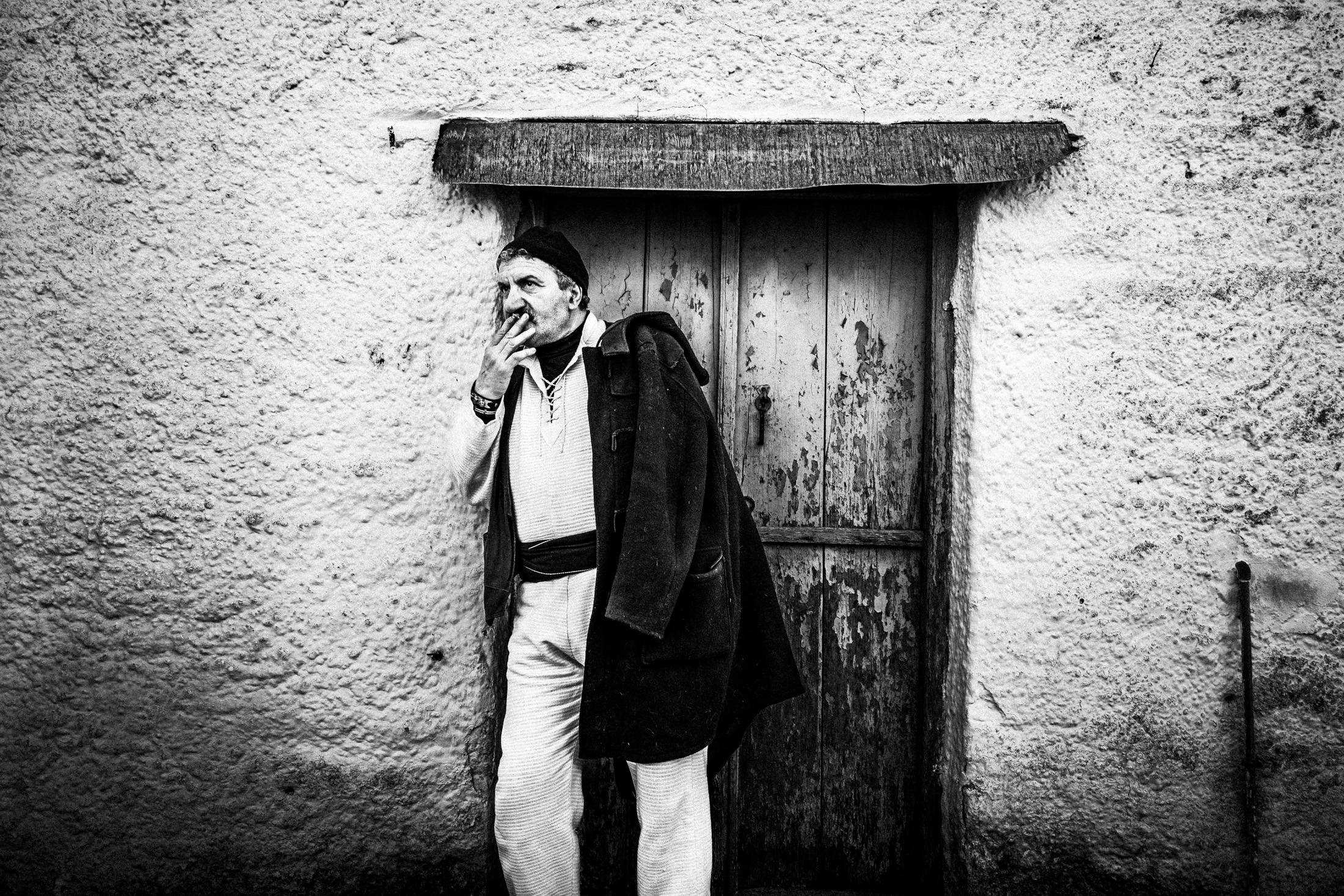
The Koudounatoi Unveiled
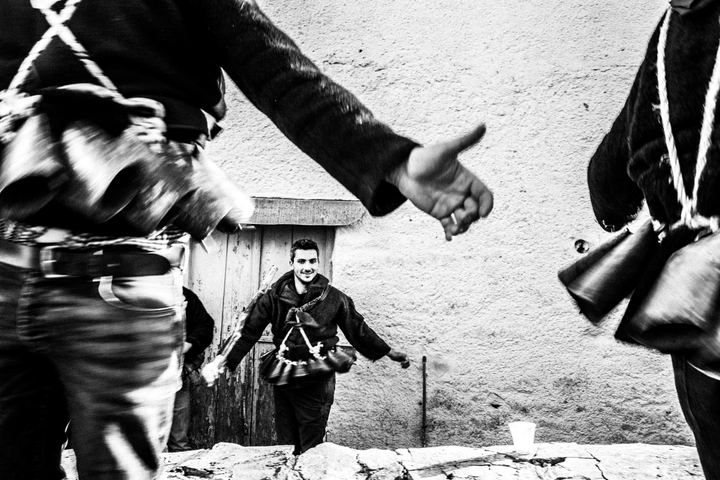
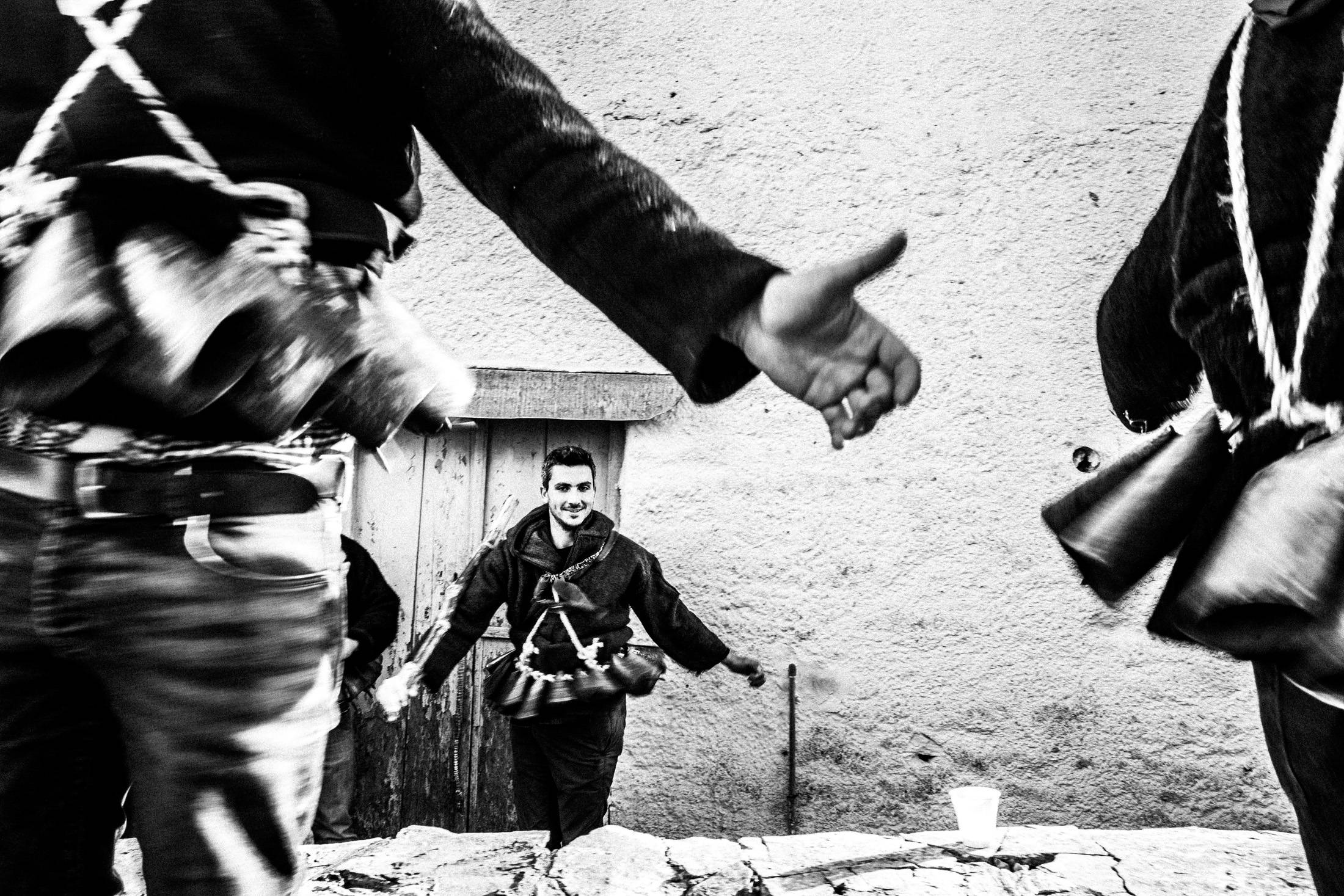
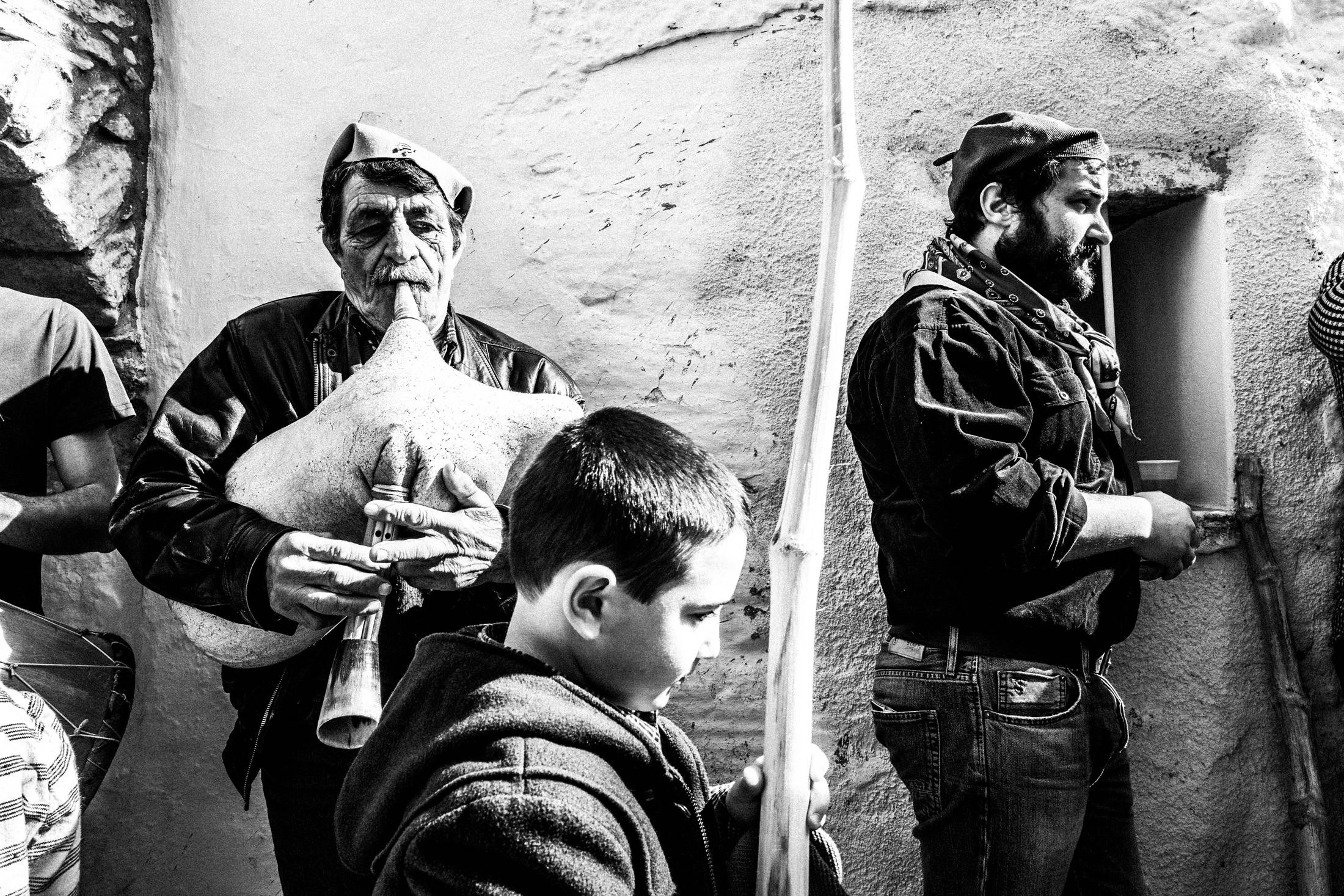
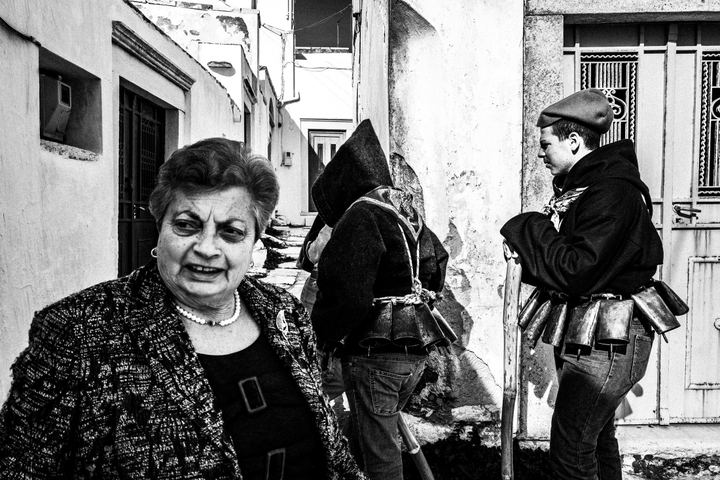
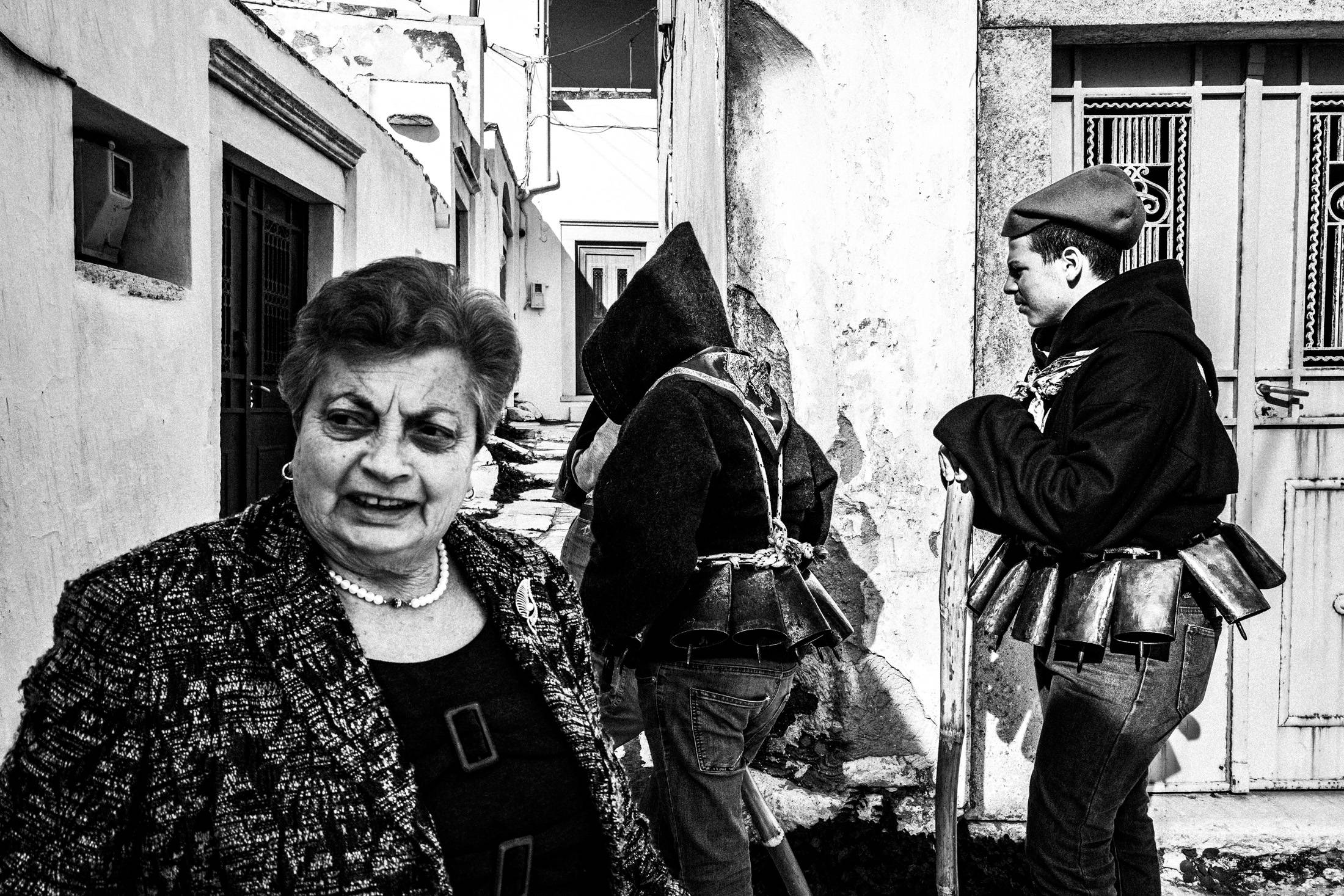
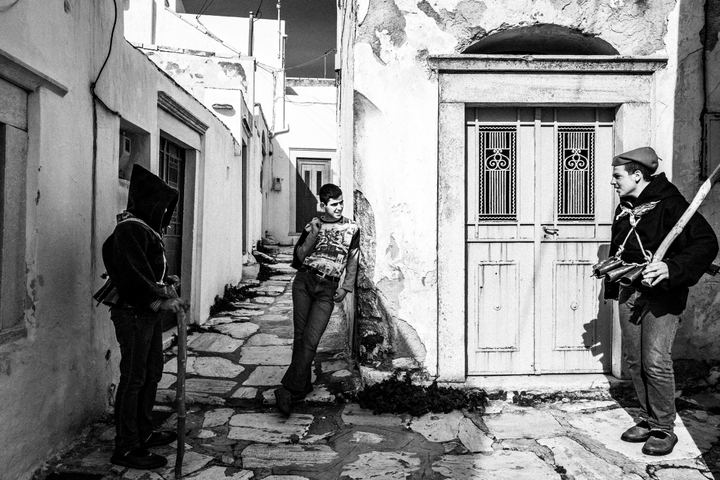
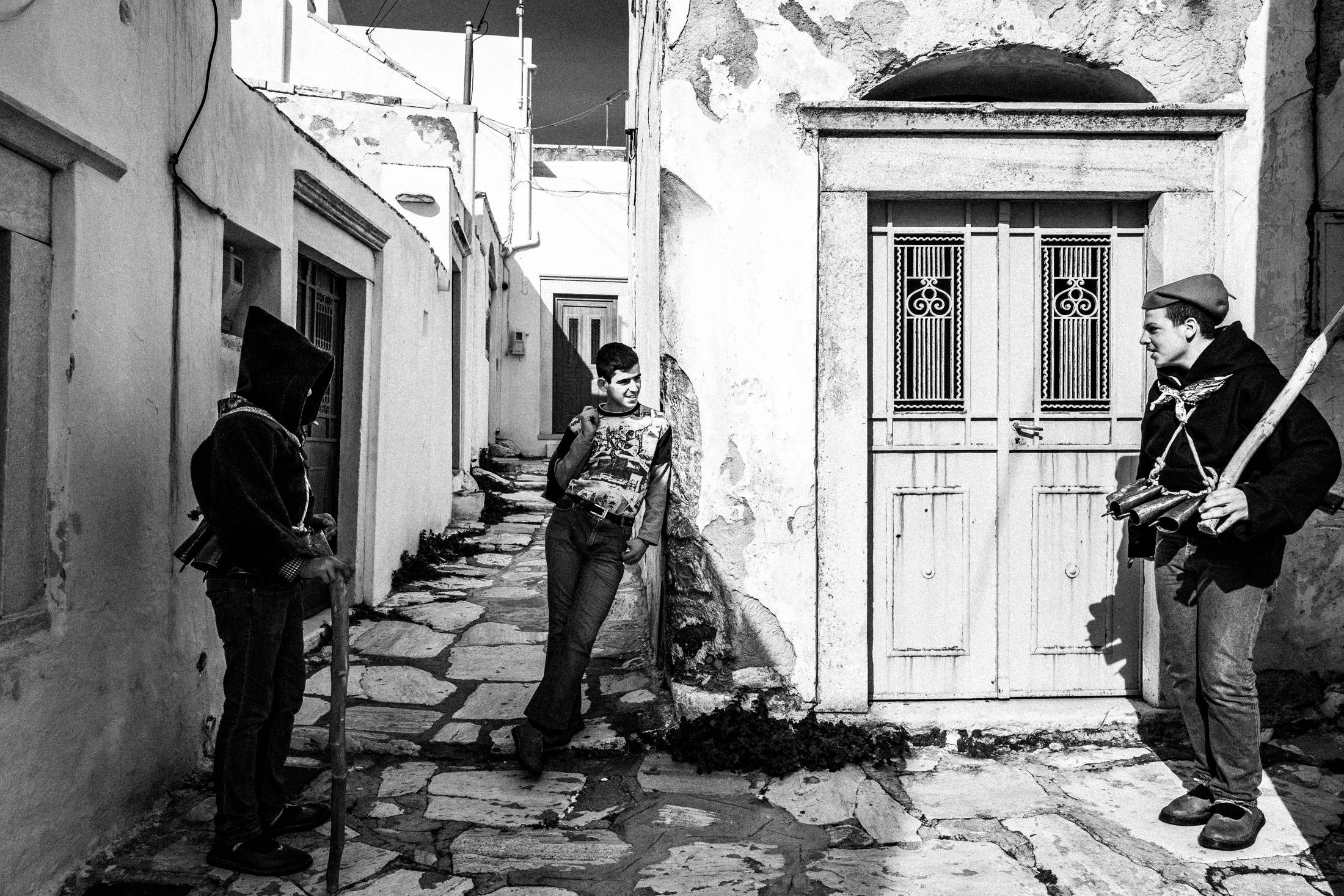
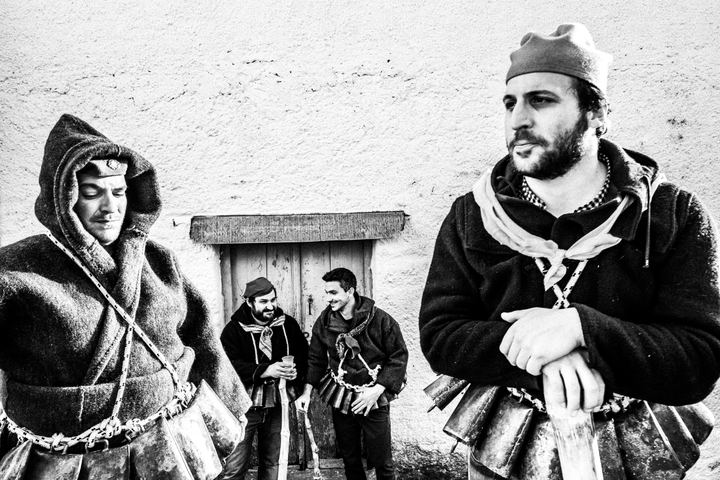
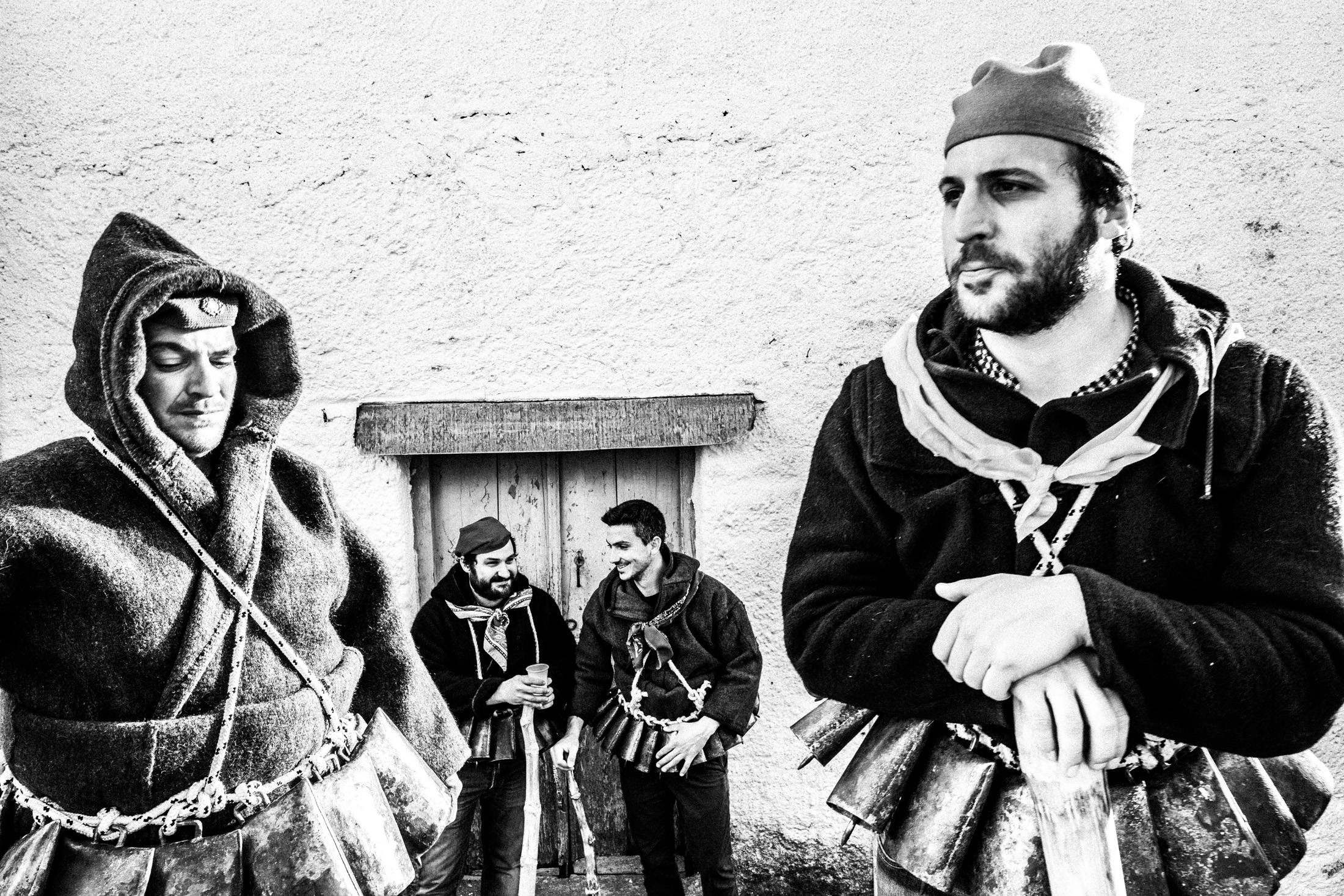
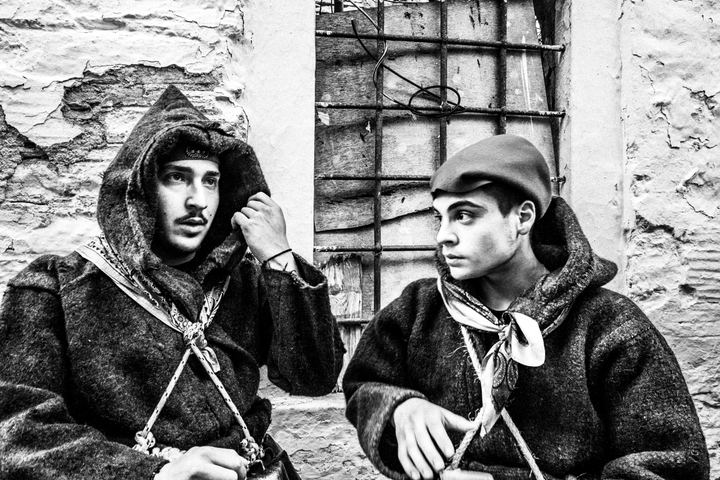
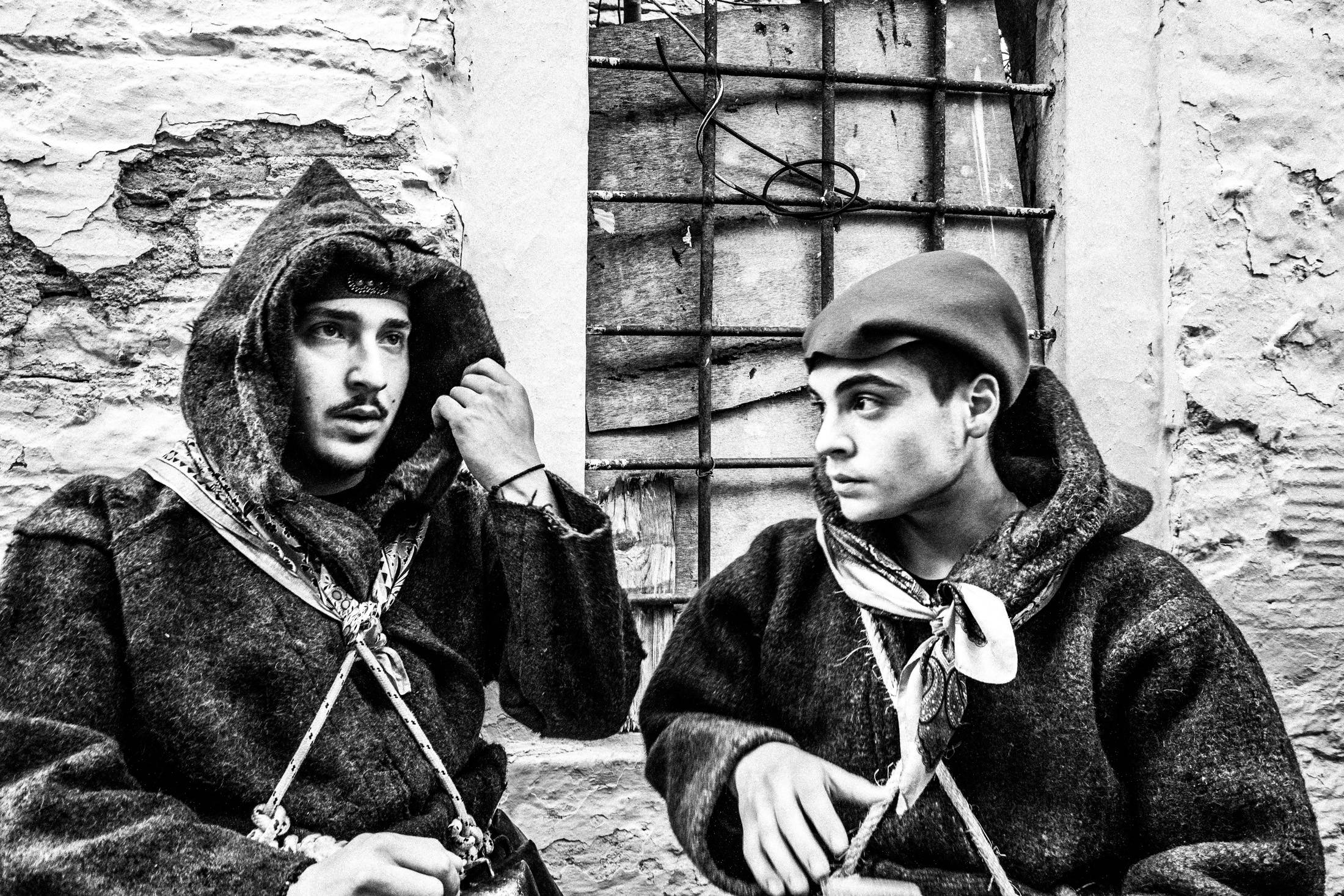
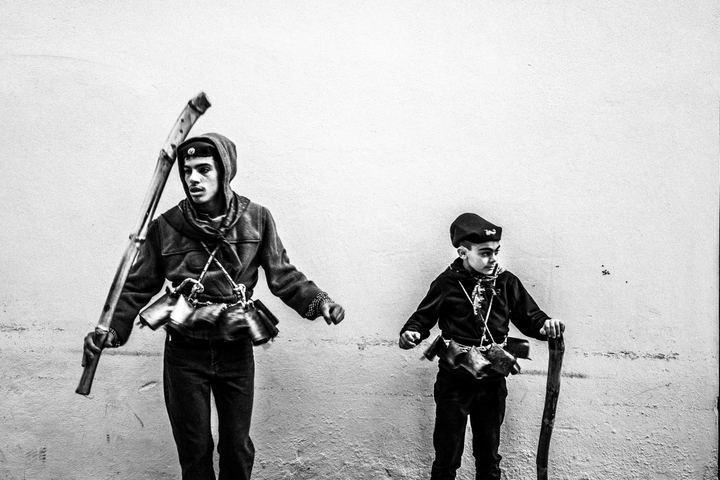
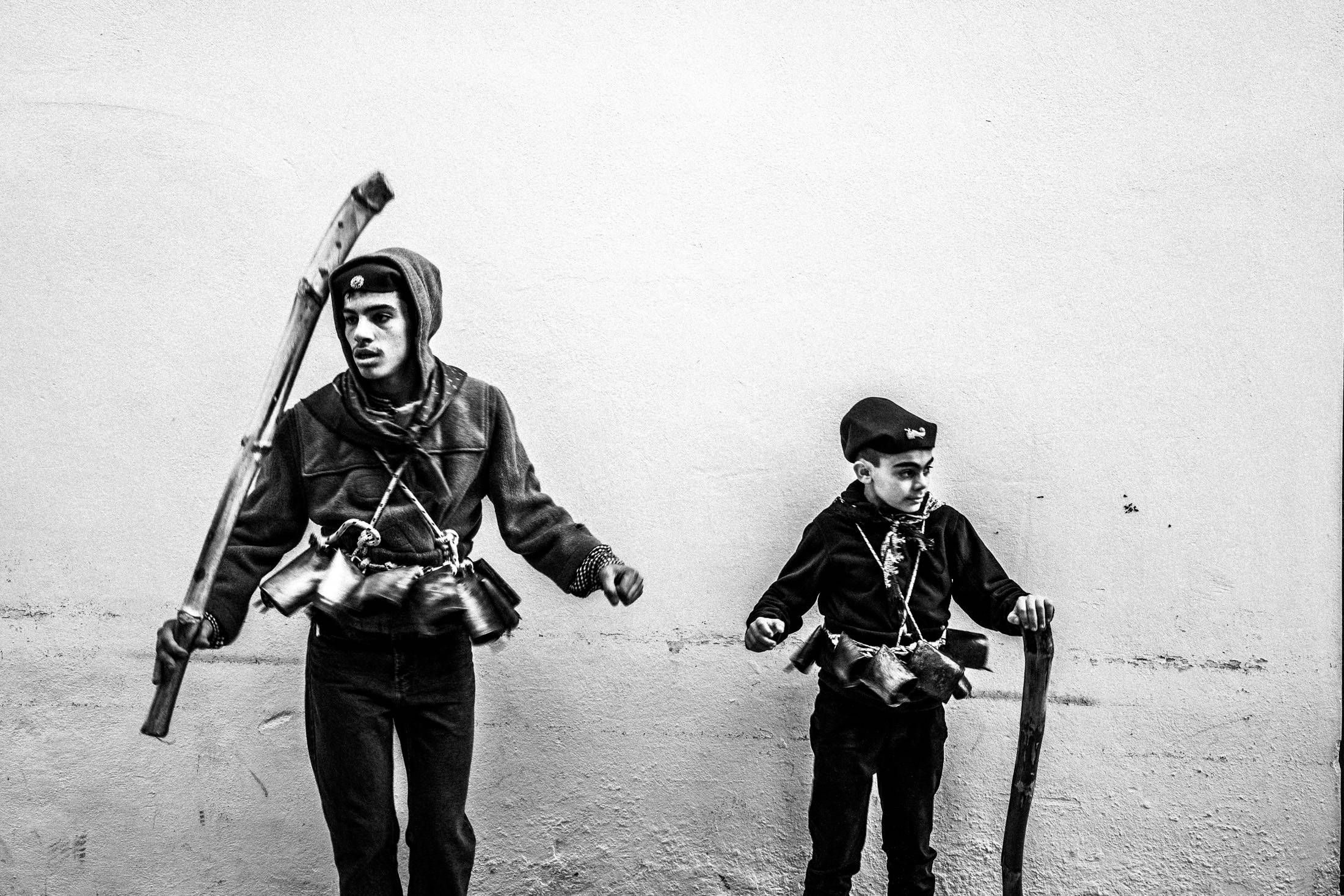
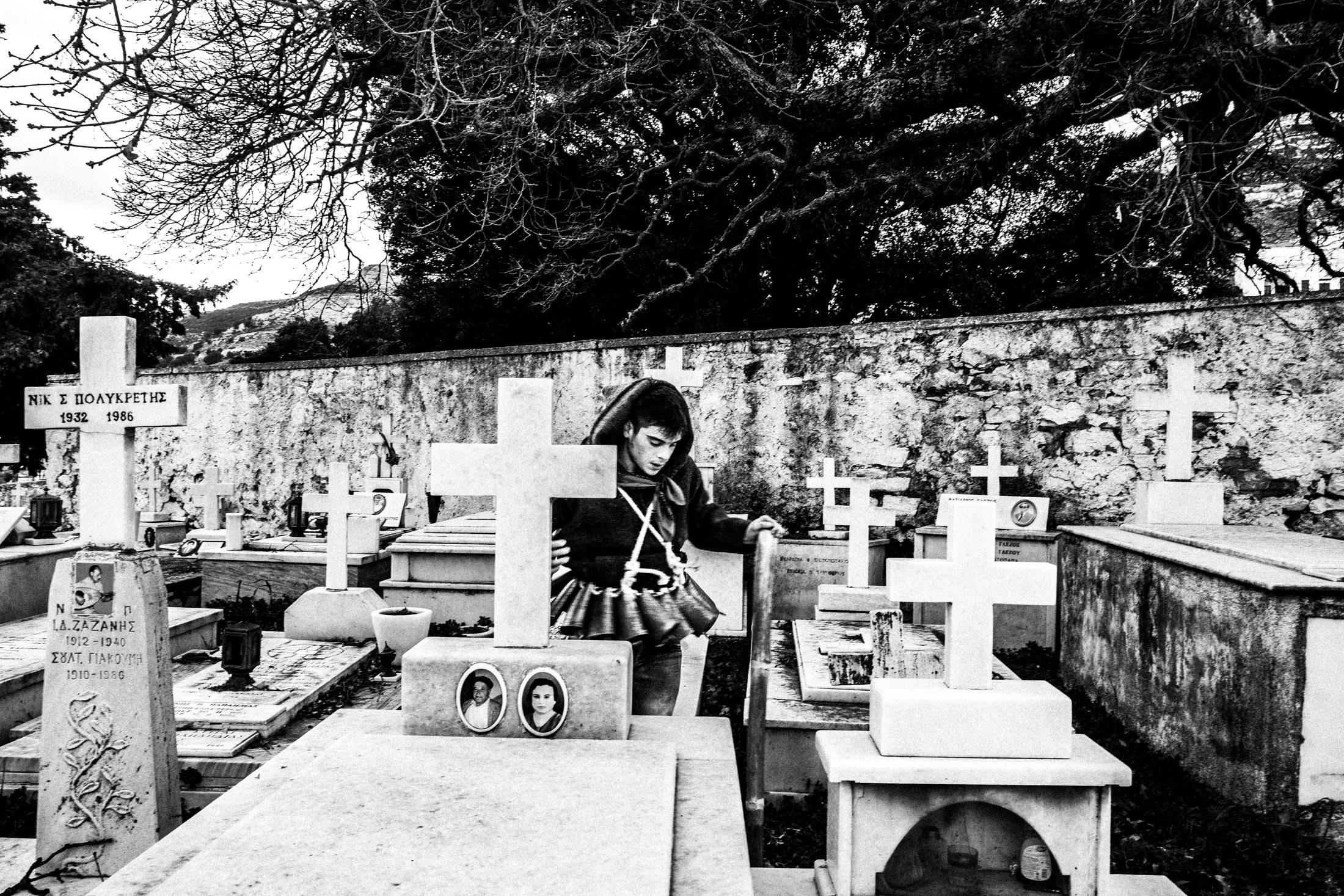
As the anticipated hour approaches, the Koudounati emerge, men adorned in the distinctive "Ampadeli" cape. Numerous bells, fastened to a rope around their waists, create a symphony of sound. In their hands, they hold the "somba," a sturdy dry branch of a fig tree symbolizing fertility and the Dionysian phallus.
Behind the Scenes of Dressing
Witnessing the meticulous process of dressing reveals a blend of jests, offerings, and skilled techniques to secure the bells snugly on their bodies. The profound love of the locals for their tradition becomes evident, and the preparation takes place at the village's highest point.
A Symphony of Characters
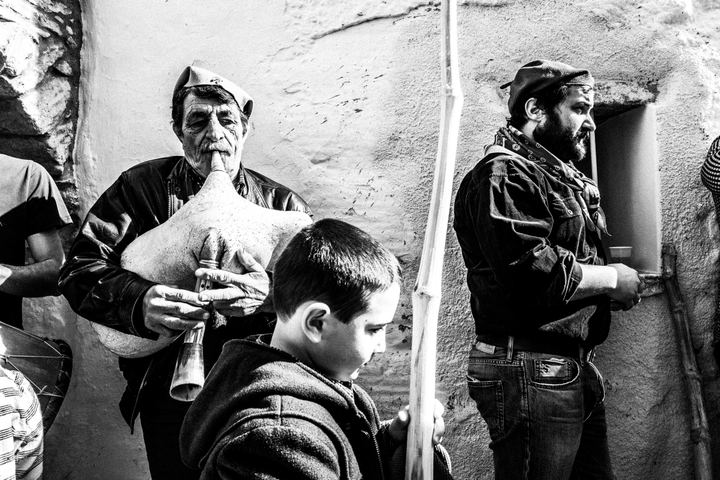
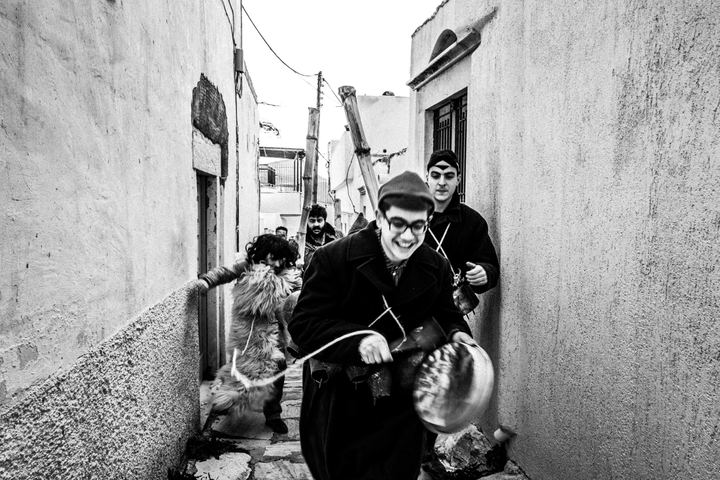
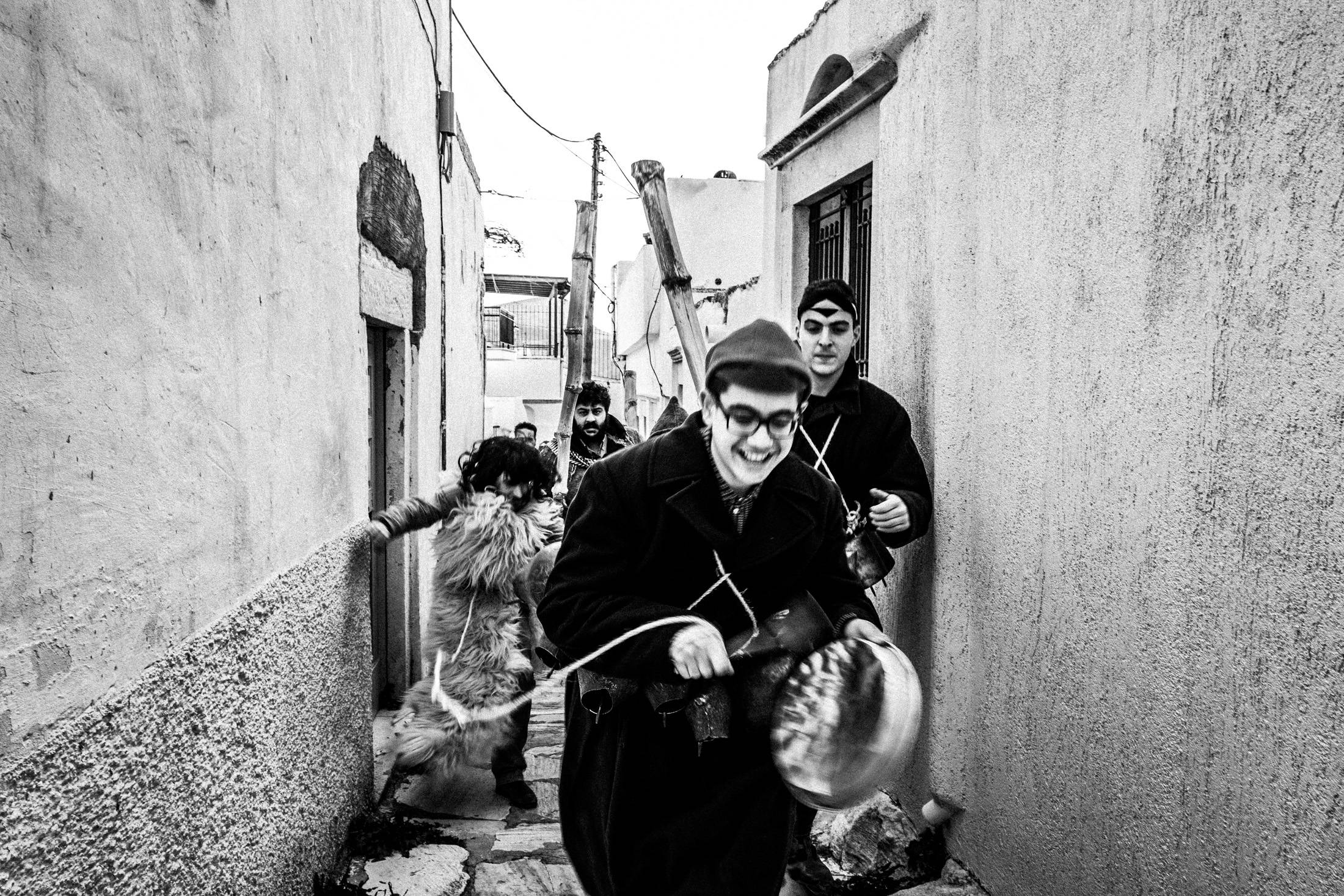
Carnival participants, including a mock bride and groom, sponsors, and a little donkey laden with dowries, gather for the grand descent towards the square. Drums, pipes, and violins accompany their noisy journey, creating a captivating atmosphere.
Ancient Legacy Shrouded in Mystery
The roots of this event are deeply embedded in the past, shrouded in darkness and magic. References to pirates, ancient Greek Dionysian origins, and semi-mad shepherds add layers of mystique, forming a tapestry of tradition that captivates the imagination.
Rhythmic Revelry
Winding through alleys, the Koudounati initiate a ritualistic dance, their bells creating a symphony to the beat of bagpipes and drums. The strenuous dance, accompanied by traditional Naxian music, is a testament to the weight of the bells.
Dance of Interruptions
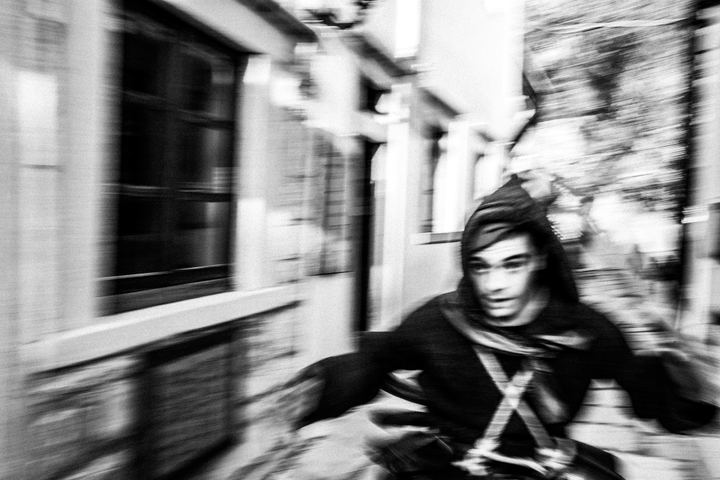
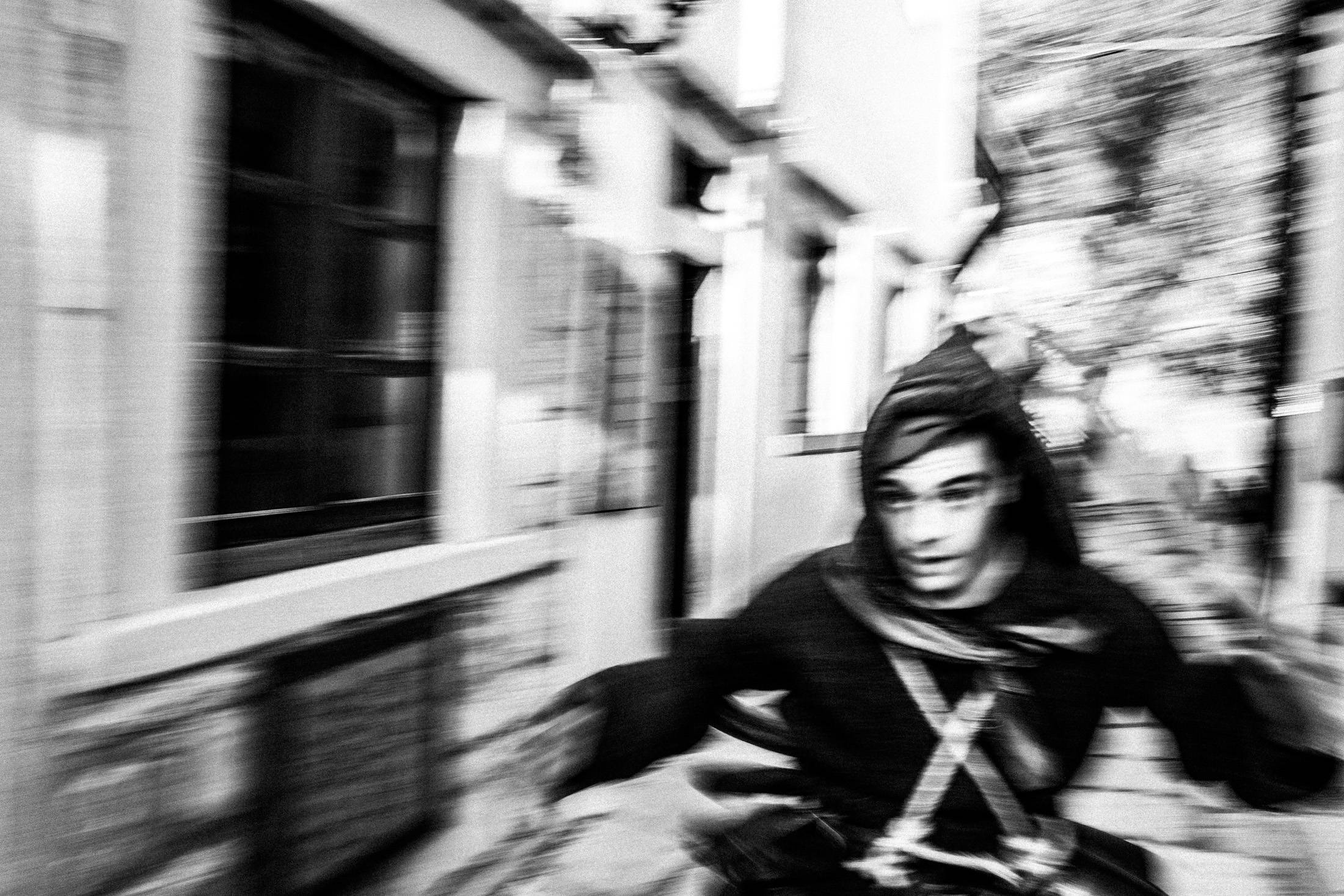
The dance is not a solo act; it intertwines with groups of grown-ups, children, and characters surrounding the mock wedding. Interruptions by the Koudounati add an unpredictable twist to the festivities, creating a dynamic spectacle in the heart of the village.
A Ritual's End
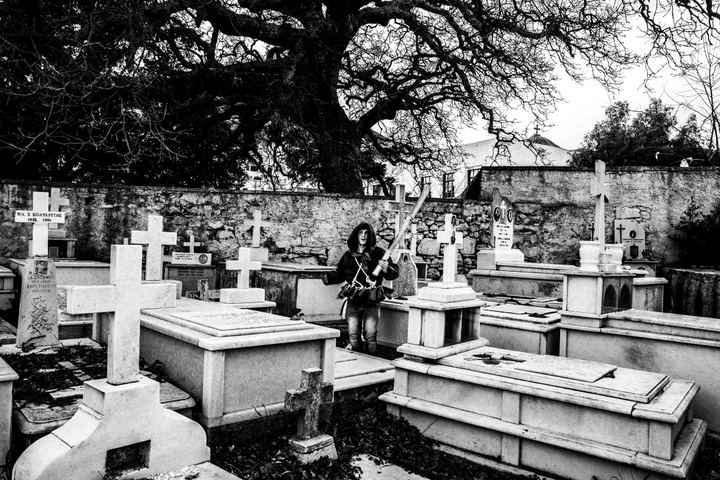
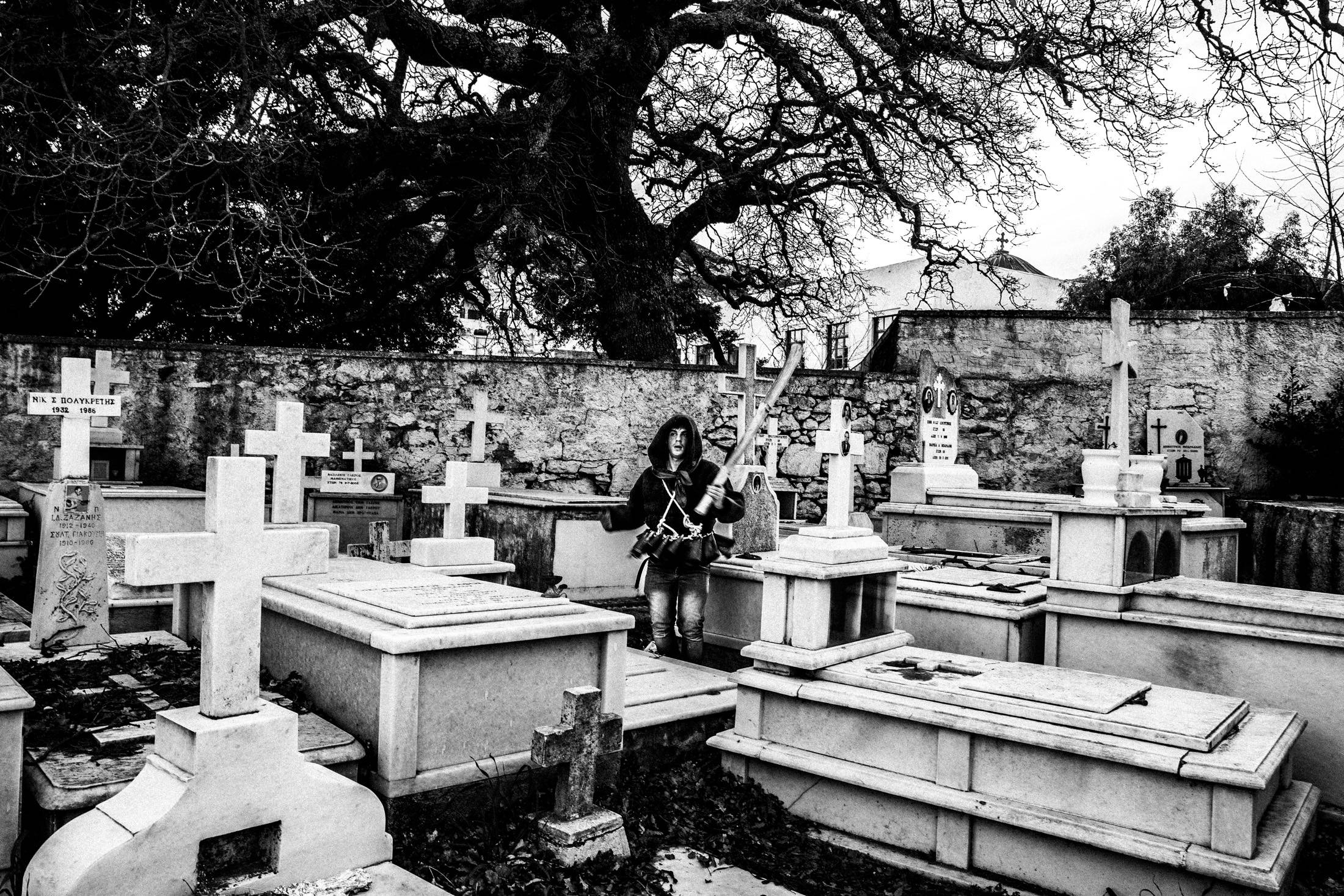
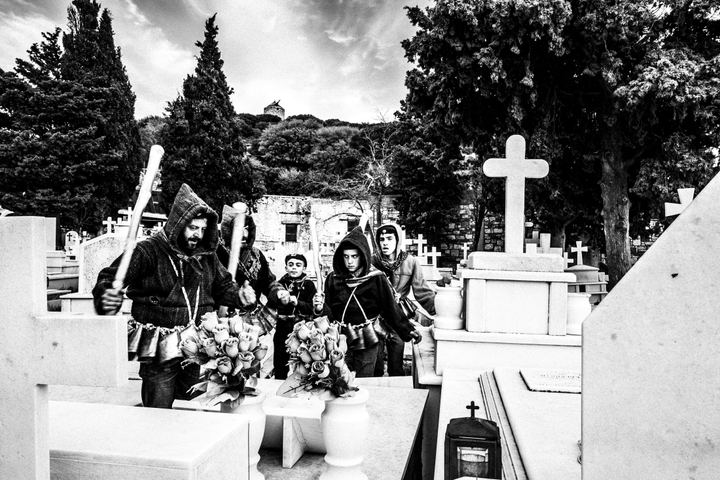
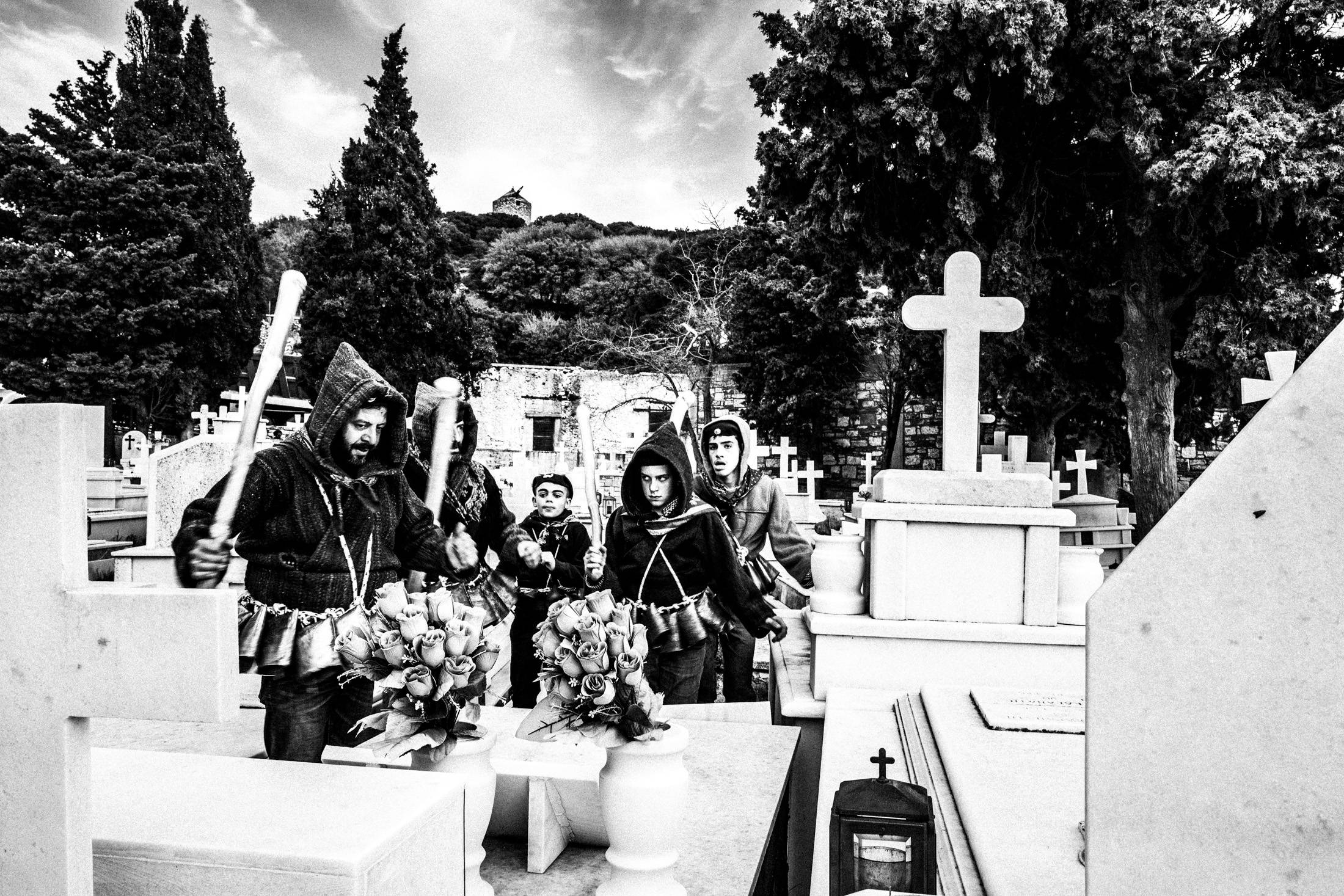
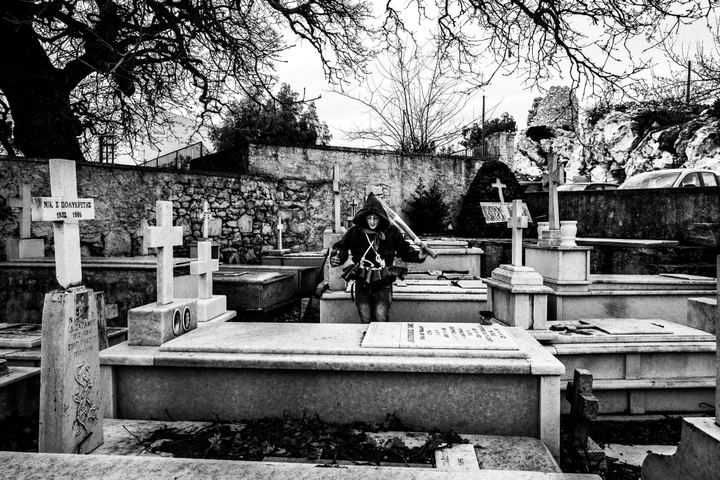
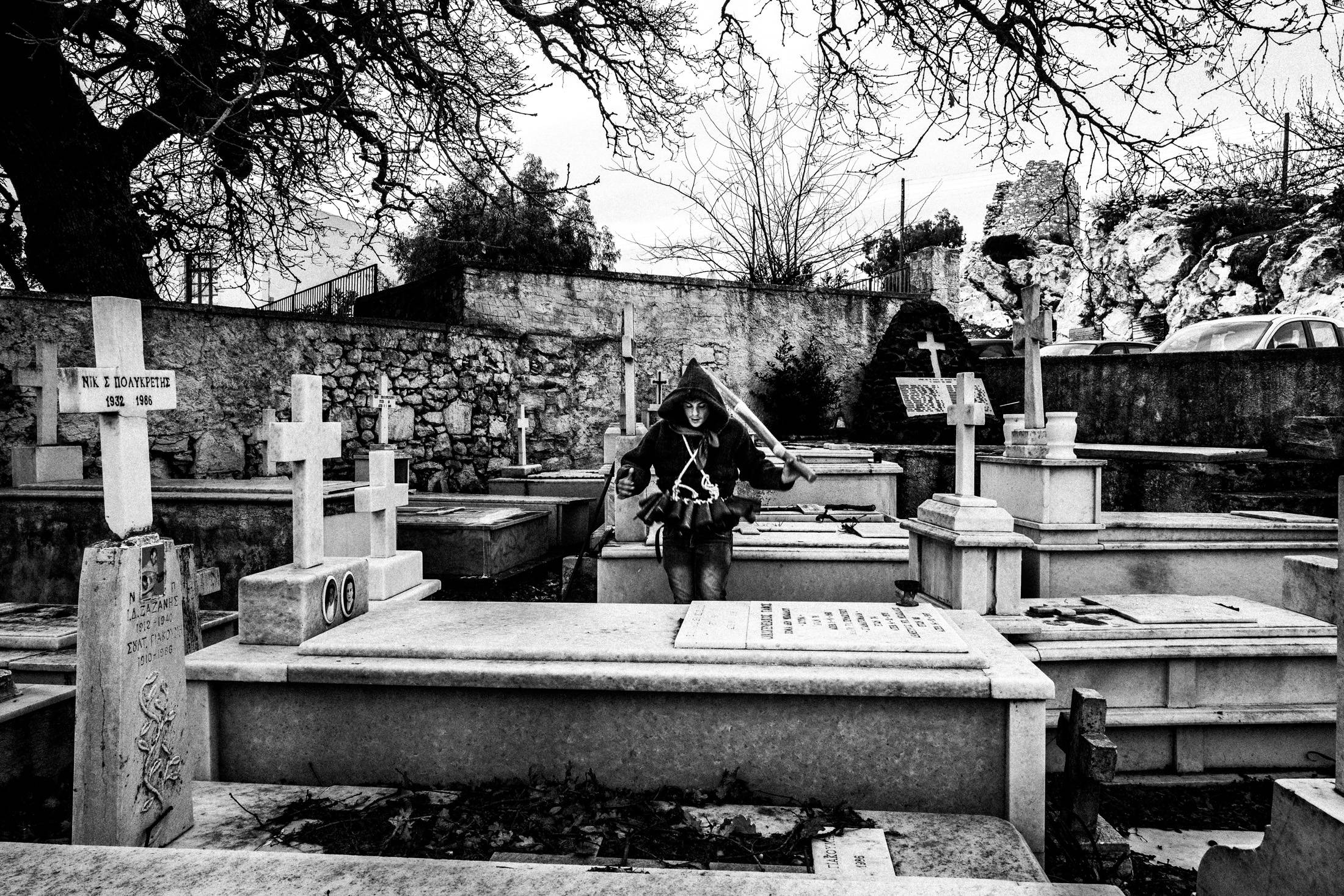
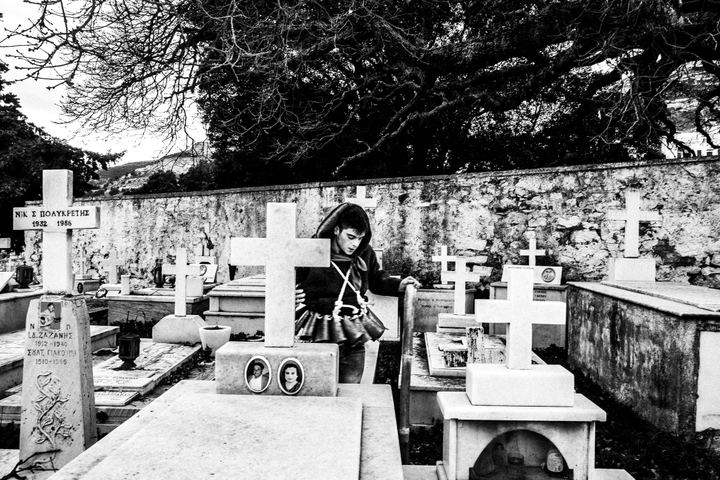
Lasting approximately a few hours, the custom transforms the central square into a bustling hub. As the energetic dance concludes, the Koudounati pay homage to the departed at the village's graveyard, marking the poignant end to the event.
Sunset and Farewells
As the sun dips below the horizon, the Koudounati disperse, concluding the Carnival tradition. The village square, once teeming with life, returns to tranquillity, echoing the ageless spirit of Apeiranthos.
Culture, held by place
Continue through Naxos.
Follow this tradition into its geographic and cultural context.