Living traditions
New Year Carnival of Klisoura
Klisoura, Kastoria
Field photographCarnival at Klisoura
Collector mode
A photograph to live with. Enter a private viewing.Introduction
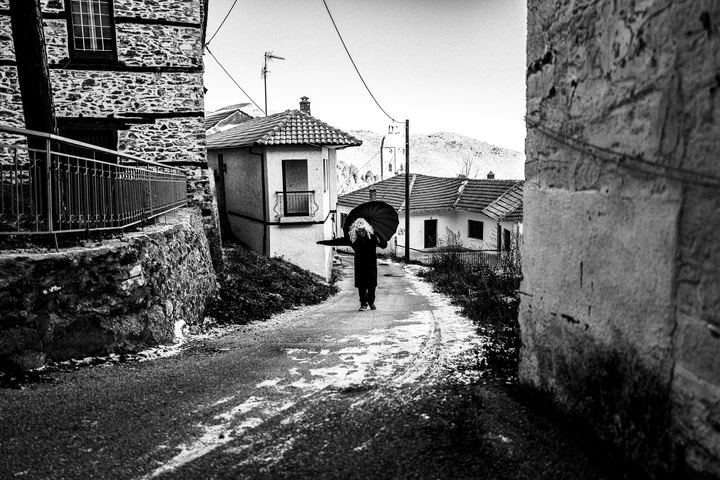
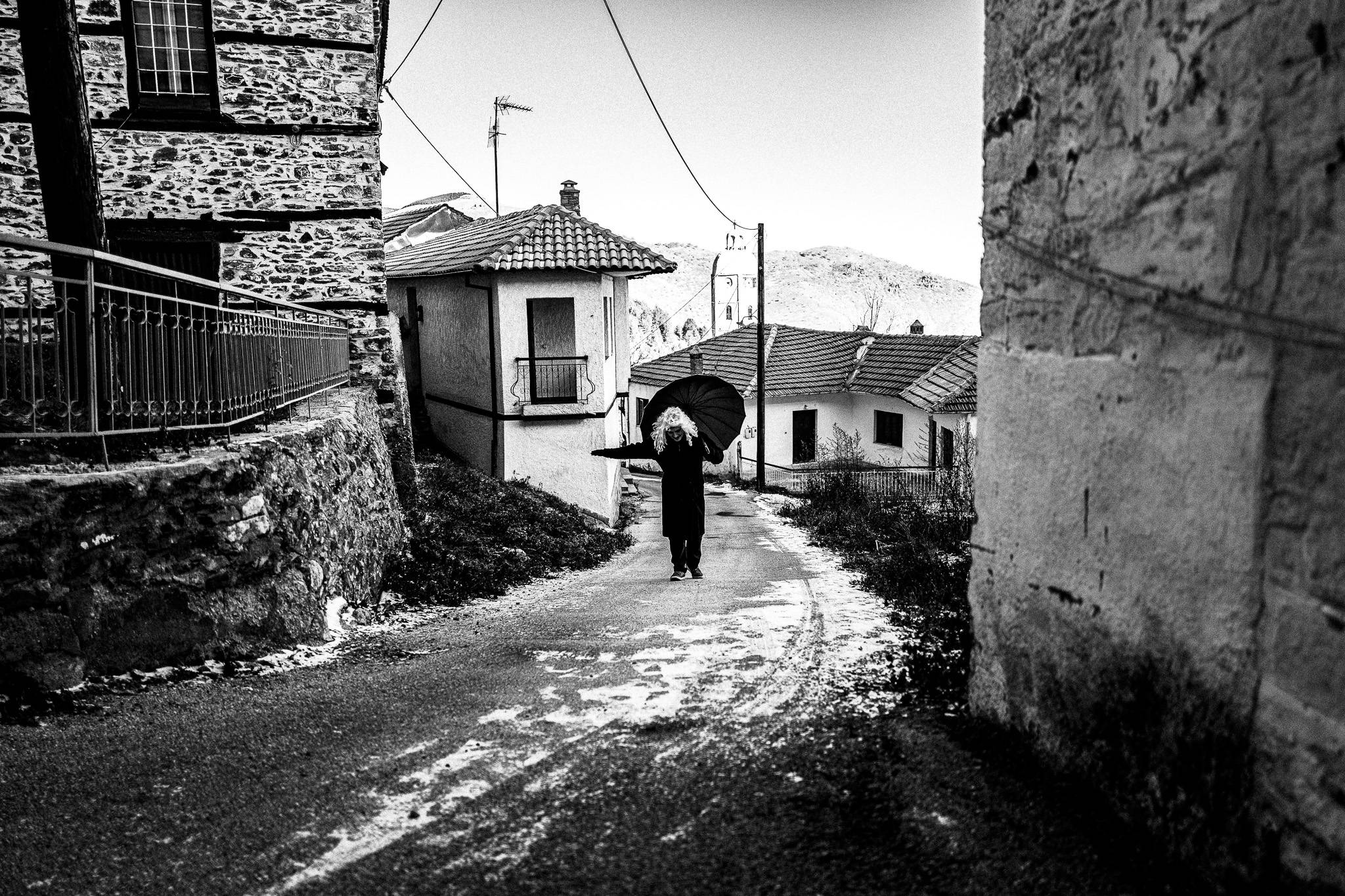
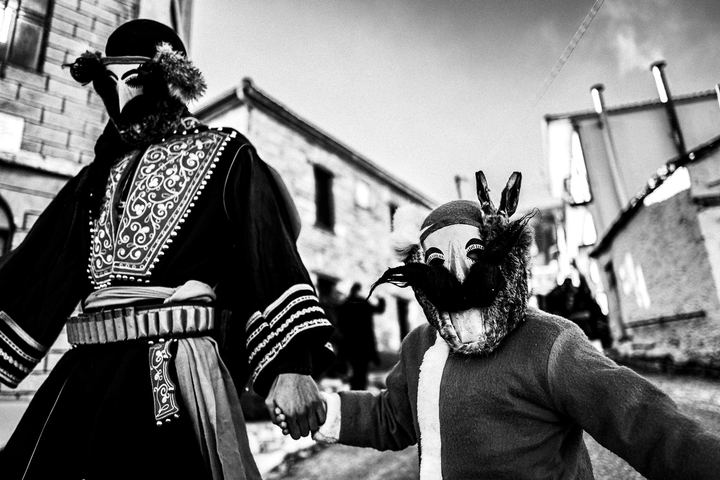
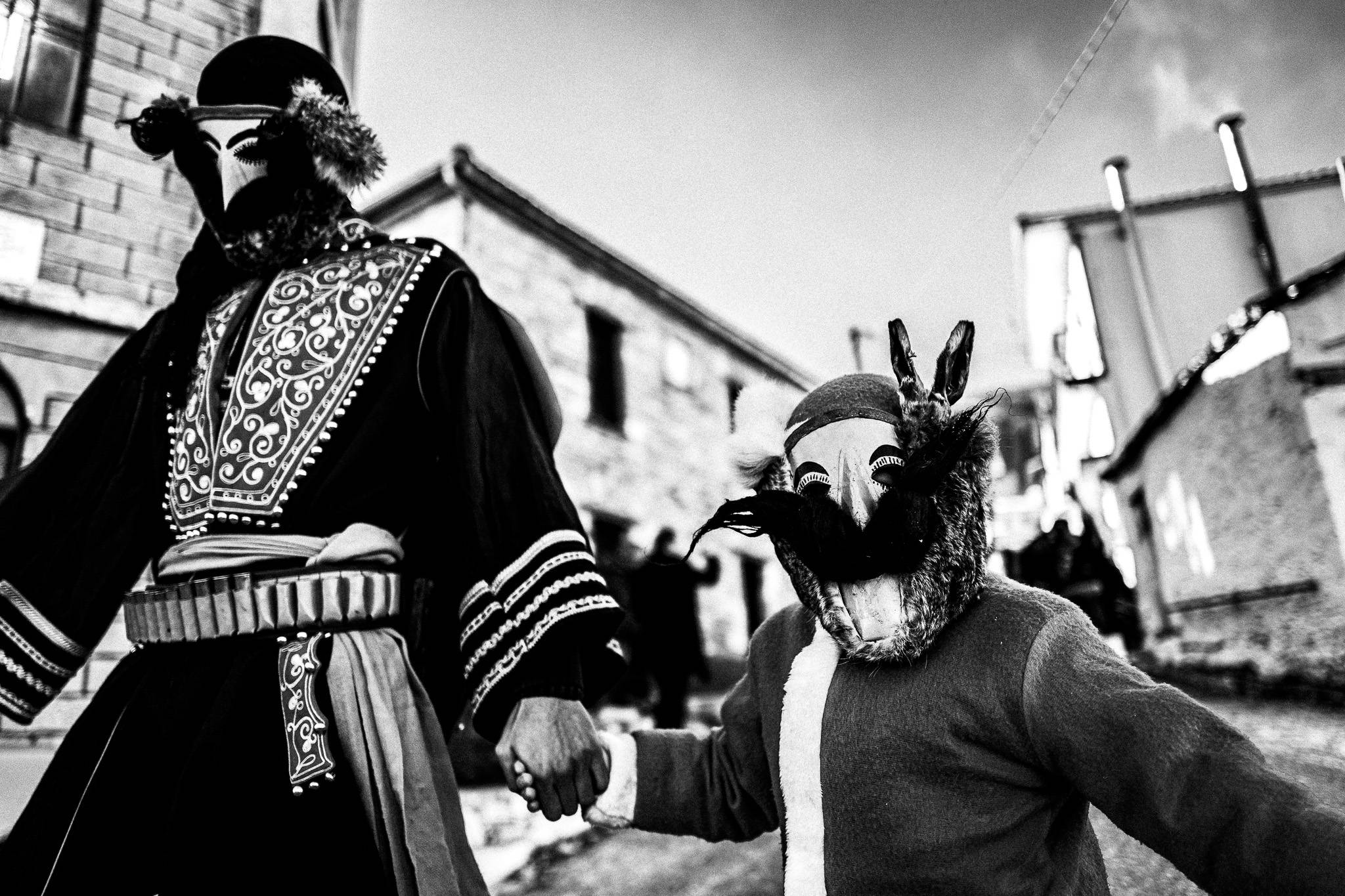
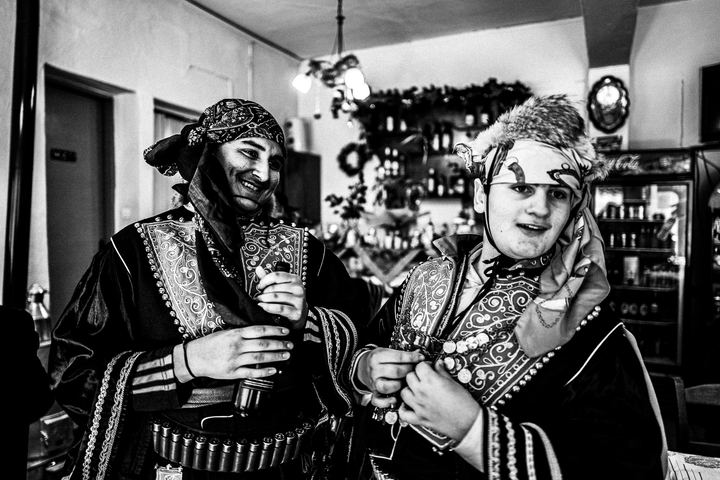
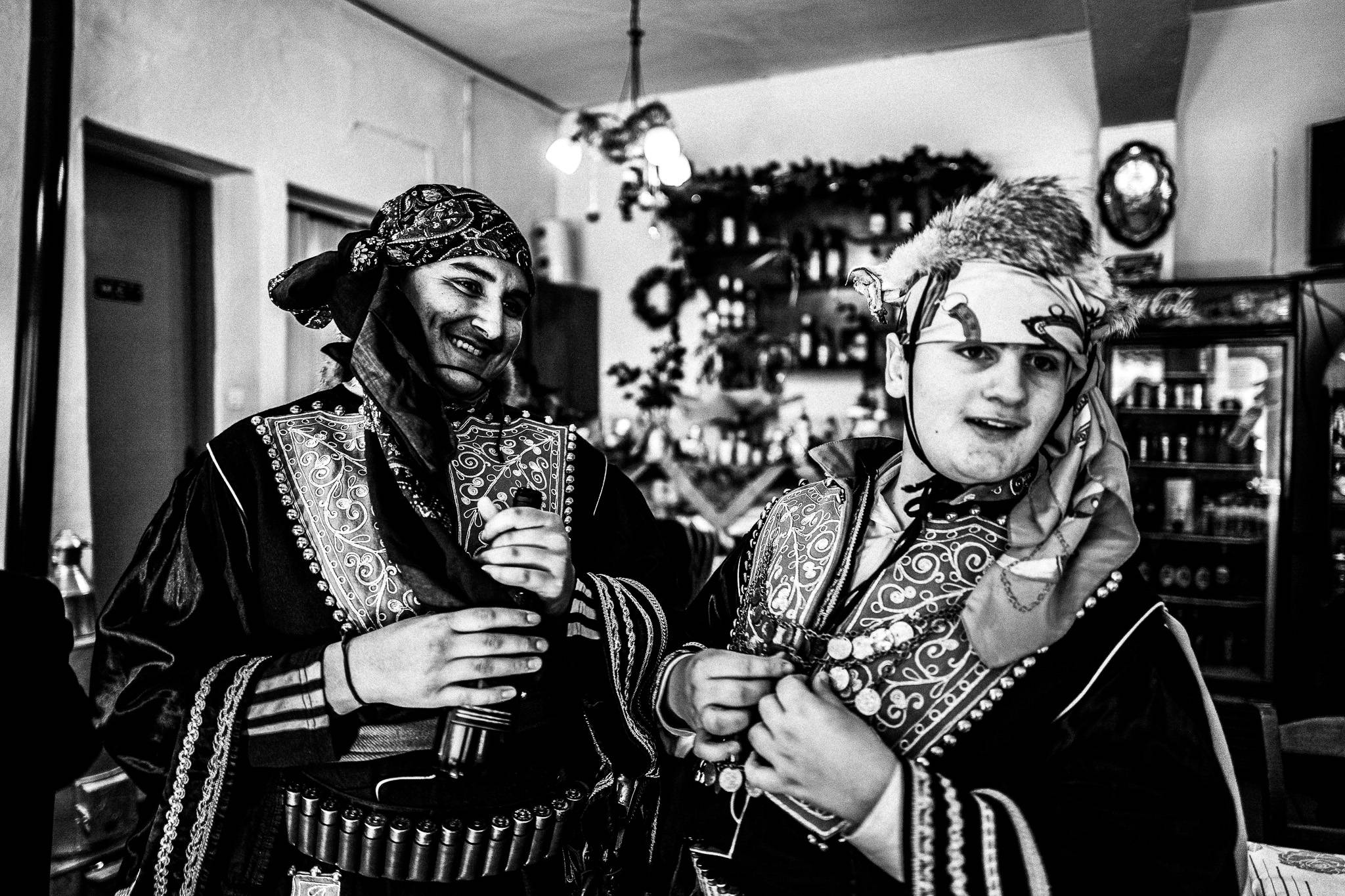
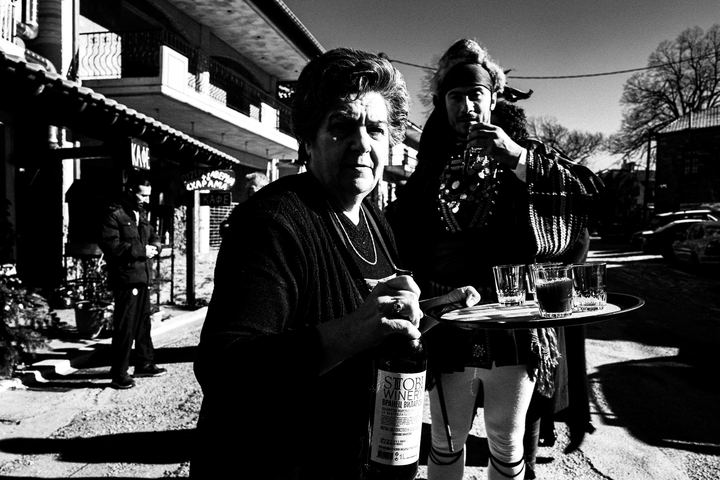
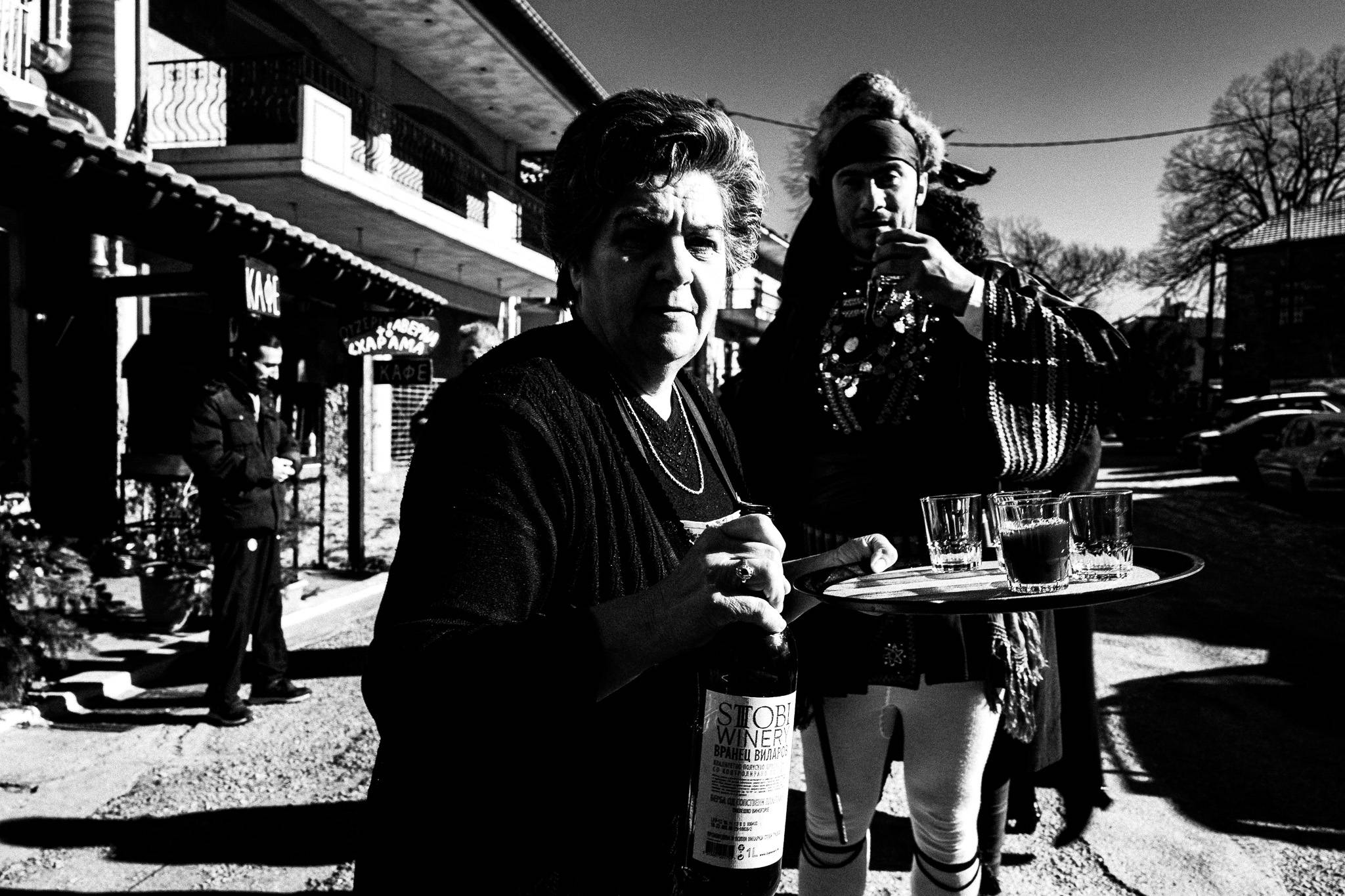
Masked dancers in local costume parade through Klisoura, performing in the square and entering cafés to draw everyone into the celebration.
A New Year carnival in the Vlach village of Klisoura, featuring masks, symbolic roles, traditional music and vigorous dancing.
New Year Carnival around Klisoura
I got to know the carnival in Klisoura after having some small talk with the owner of the hotel I was staying at Kastoria. I stayed there because I had some time between the New Year's festivities at Argos Orestikon and the Bell bearers' customs at the villages of Drama. On the first day of the Year Argkoutsaria (Carnivals in the Vlach language) are celebrated in the historic town of Klisoura.
Klisoura is a traditional Aromanian (Vlach) settlement and a former municipality in Kastoria regional unit, West Macedonia, Greece. On 5 April 1944, the German occupation forces executed 280 inhabitants as retaliation for the killing of three Nazi soldiers by ELAS guerrilla forces operating under Alexis Rosios just outside the village at the location Ntaouli.
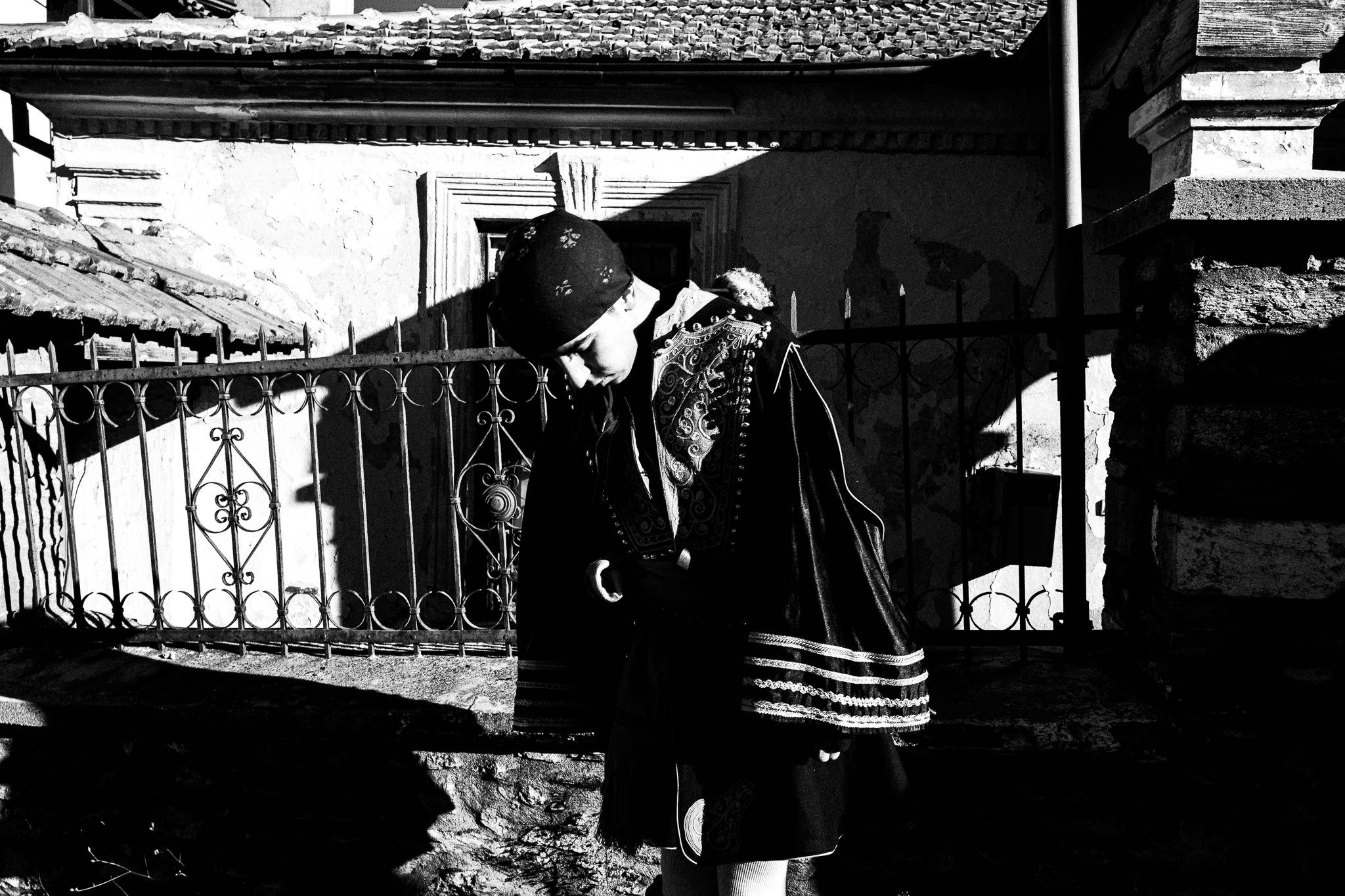
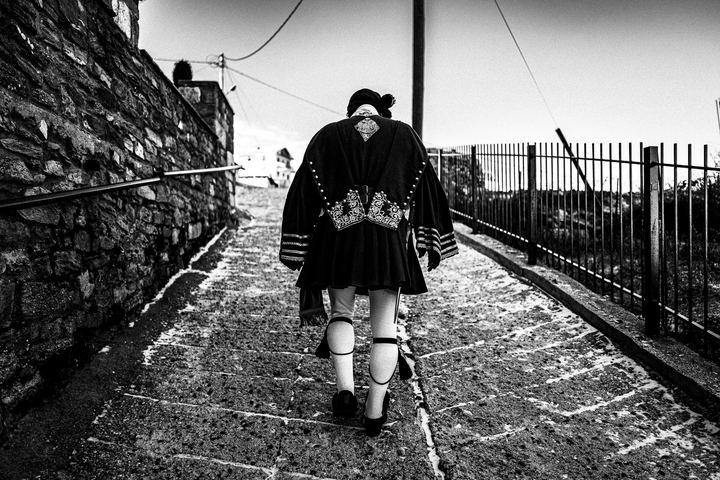
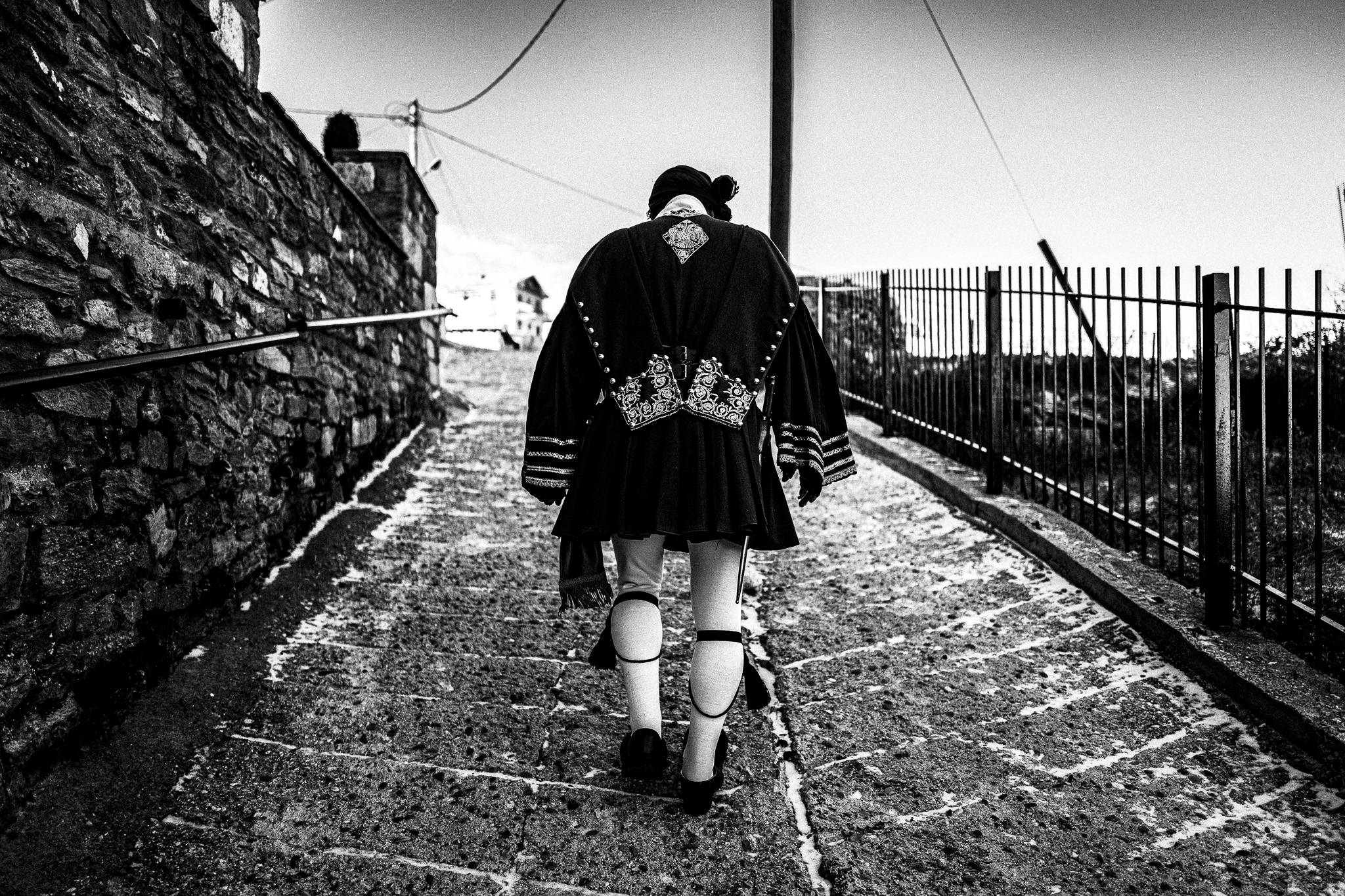
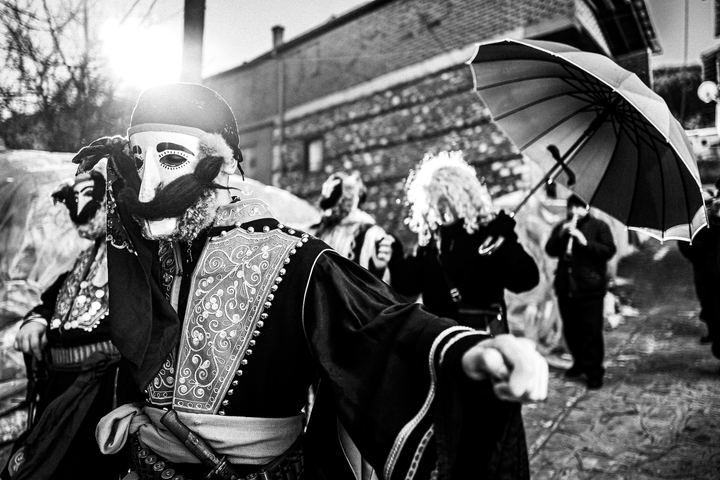
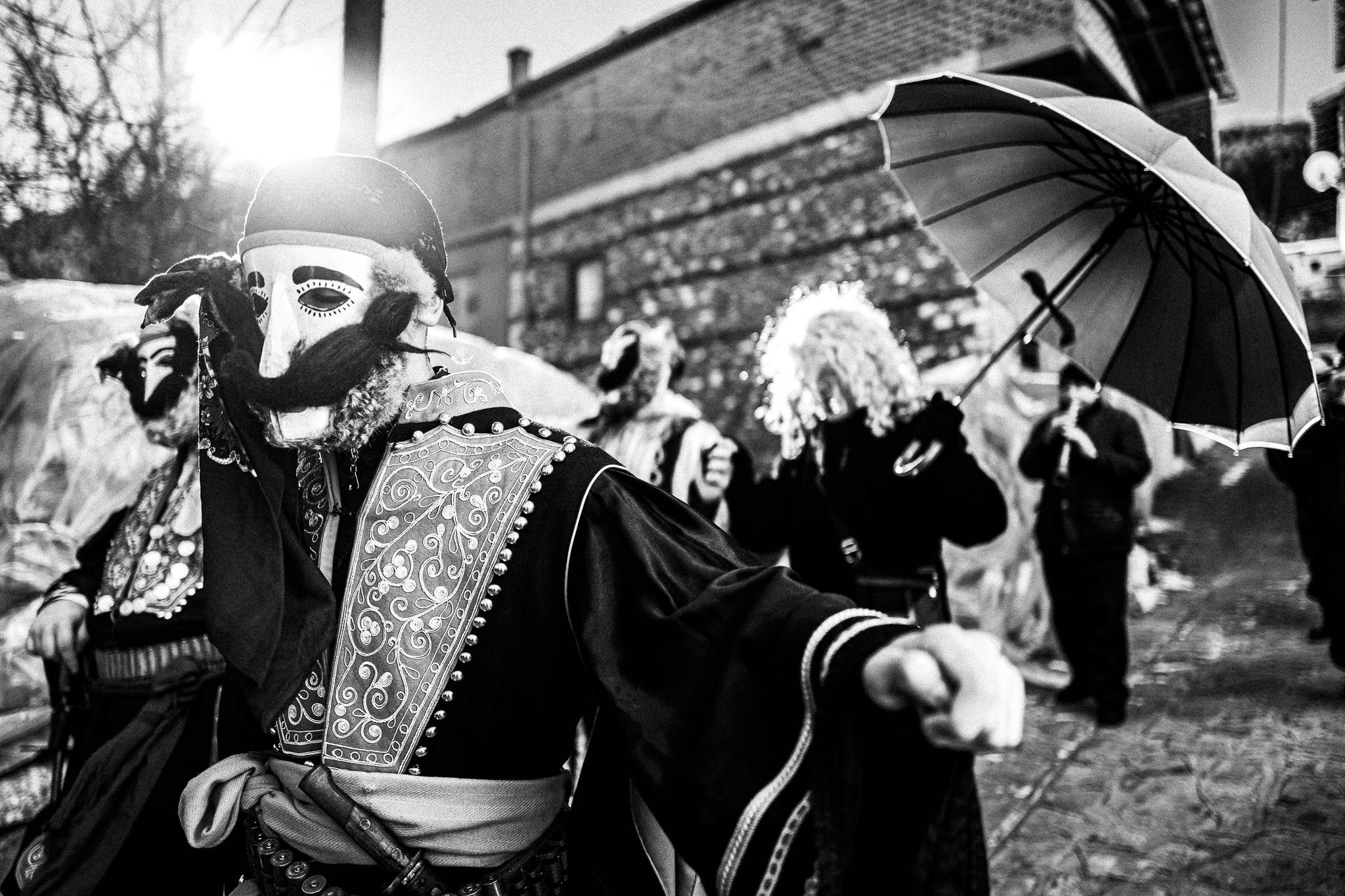
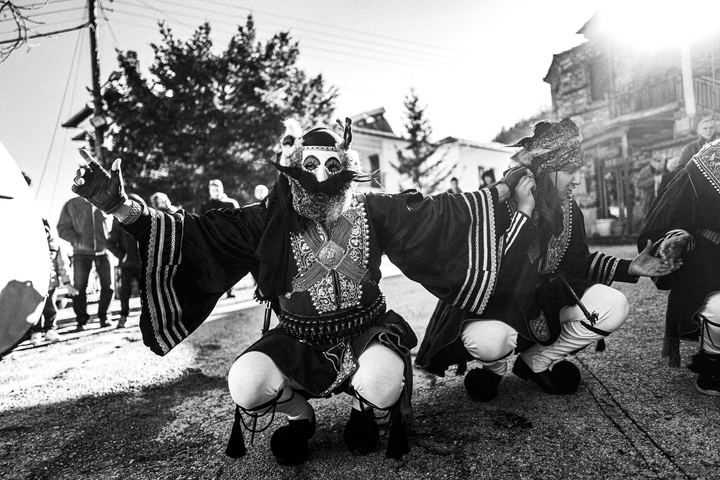
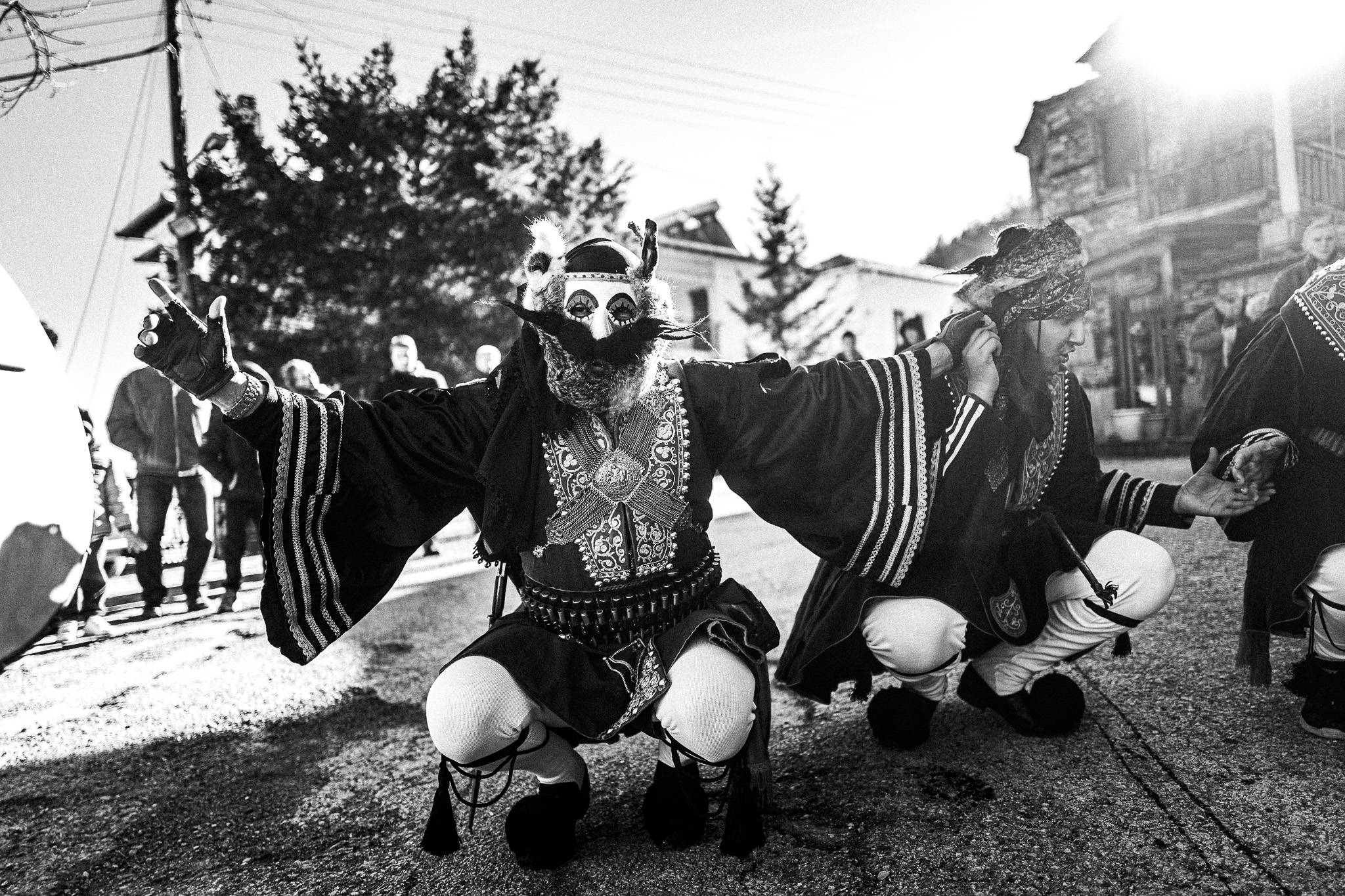
The clothing since 1904, the beginning of the Macedonian revolution, has changed to the Macedonian warrior’s one, which includes the cloak, fustanella, a stiff white kilt, worn by men in Greece, and tsarouchia, a type of shoe, which is typically known nowadays as part of the traditional uniform. Tsarouchia are typically made of several pieces of stiff leather hand-sewn together, in the moccasin fashion. They have a characteristic pointy nose, usually covered by a large woollen pompom.
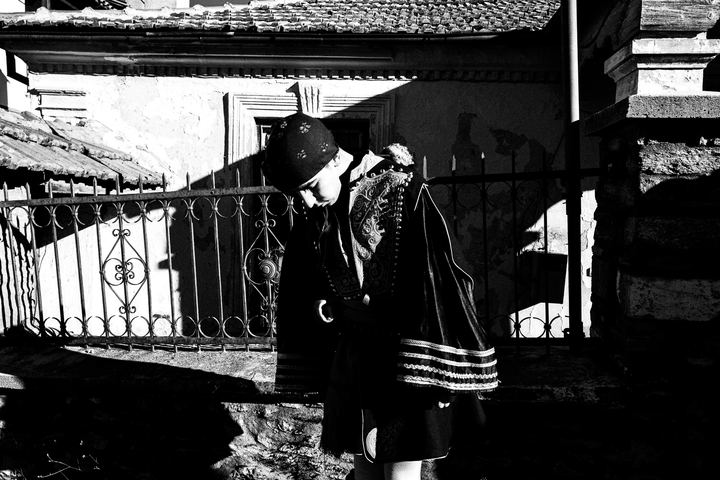
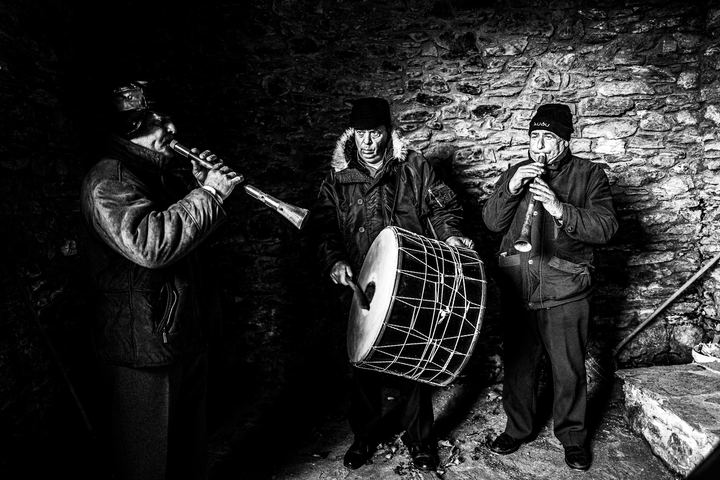
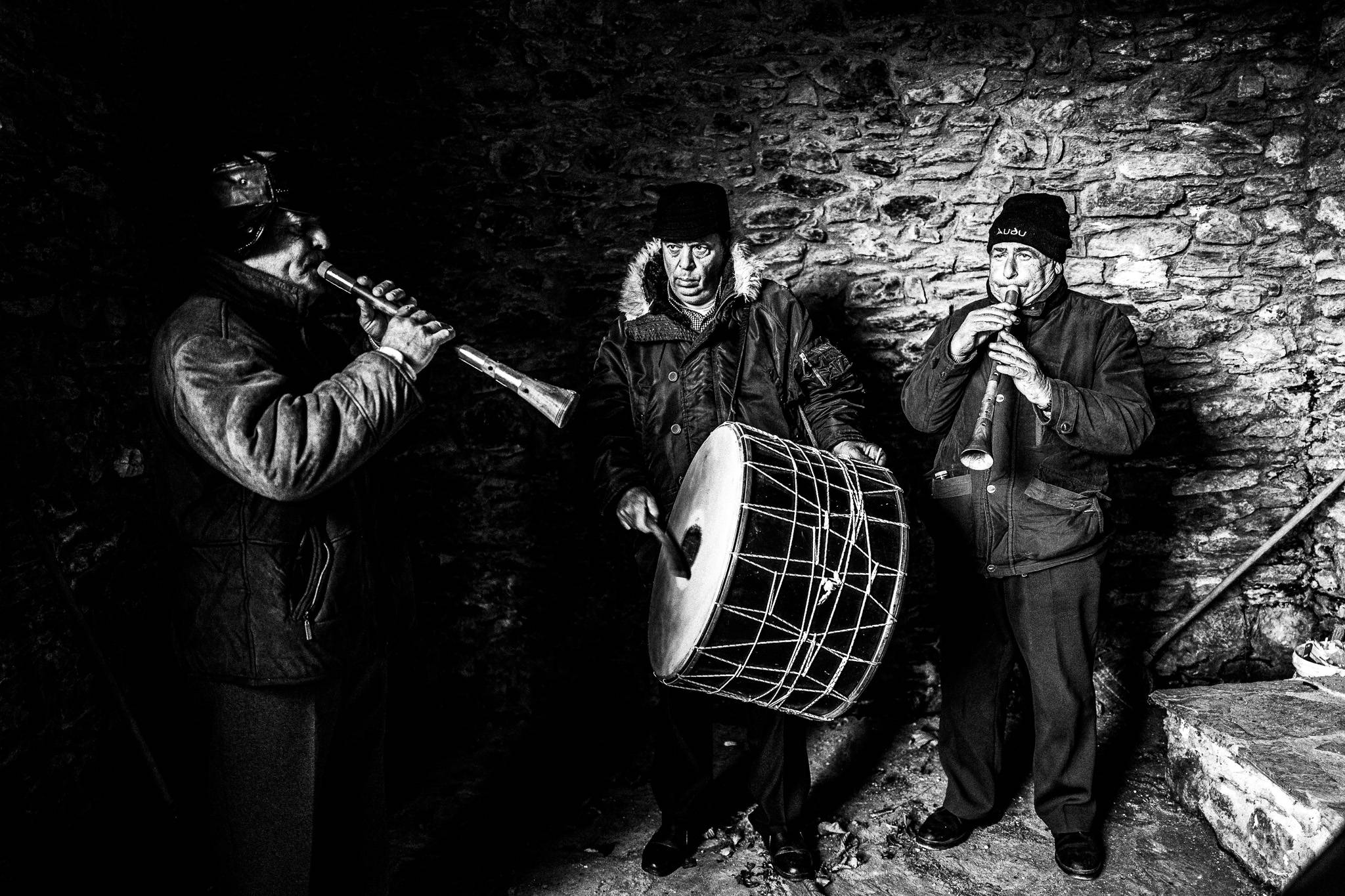
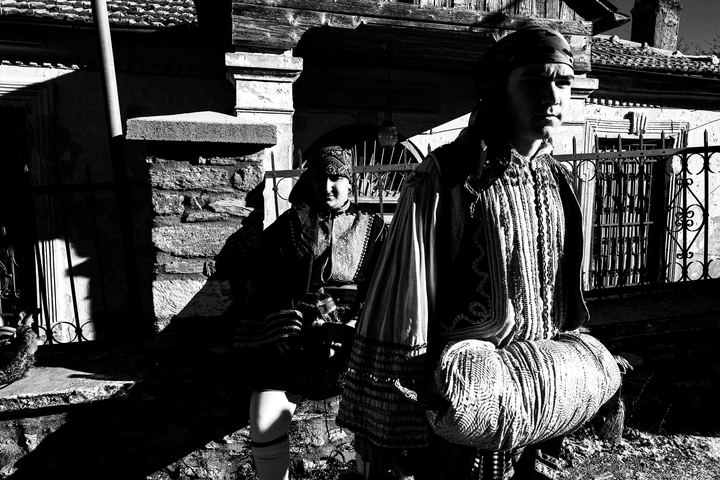
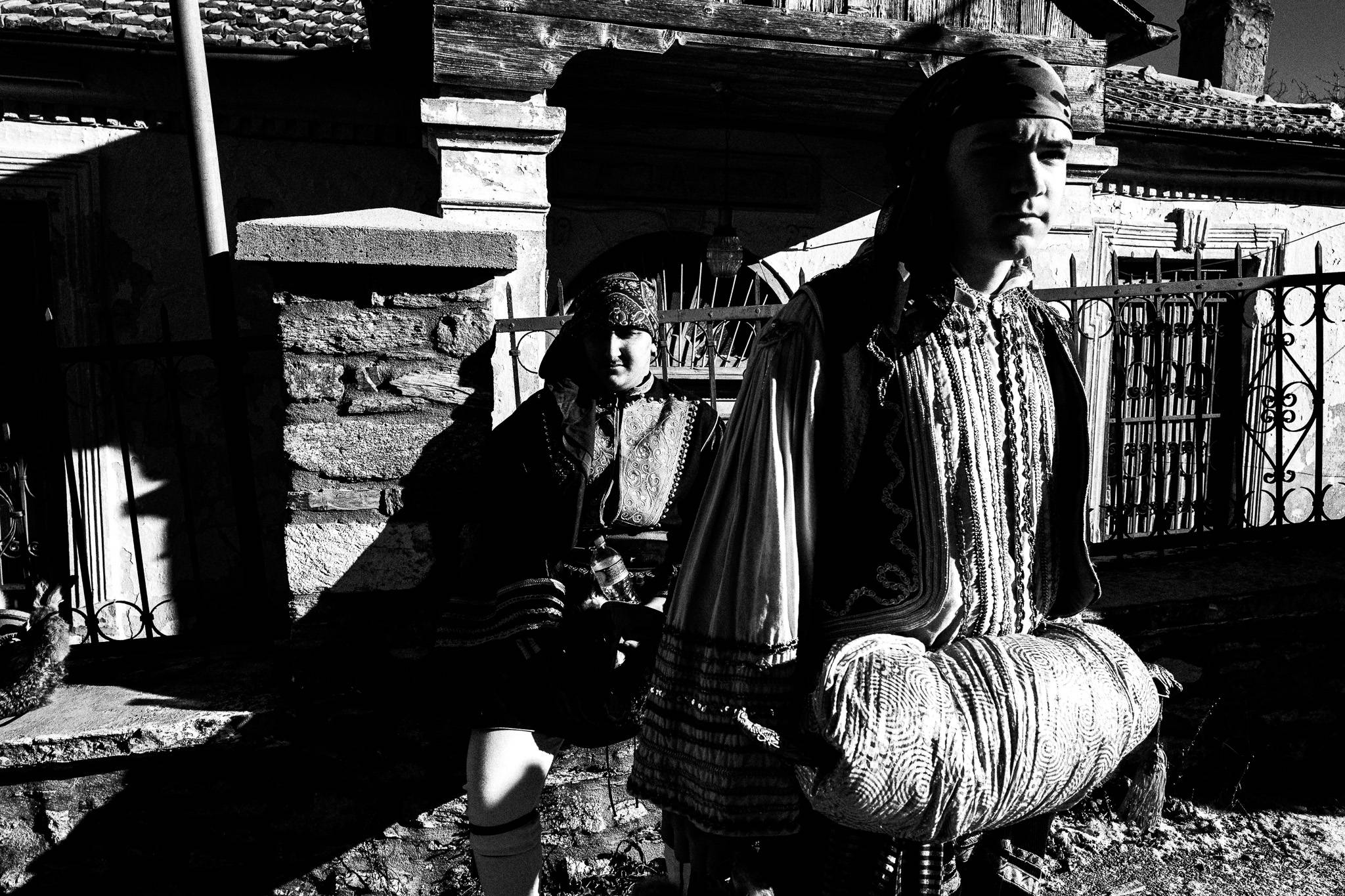
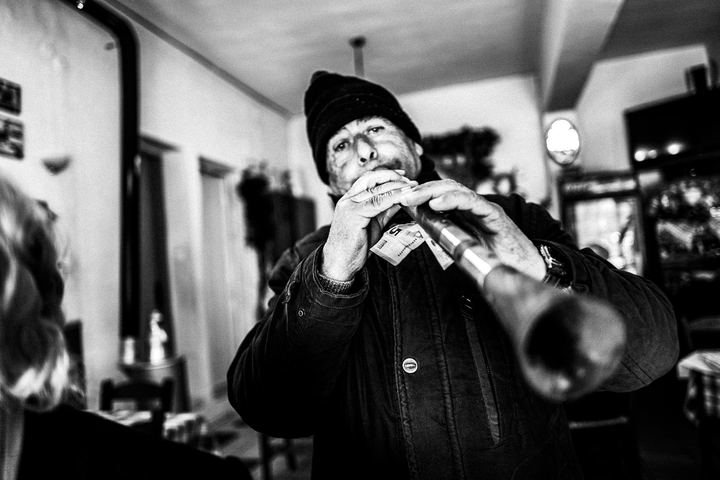
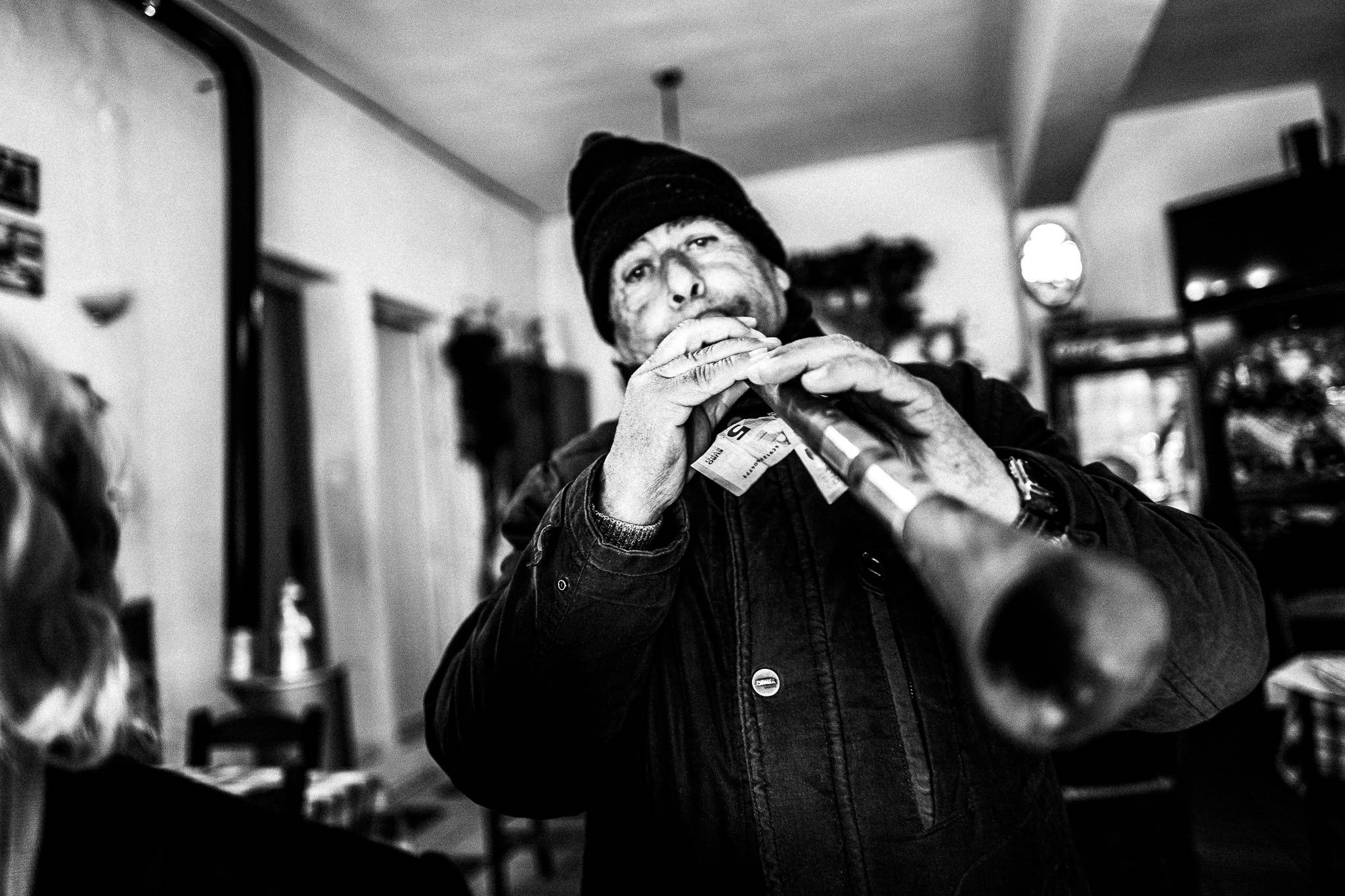
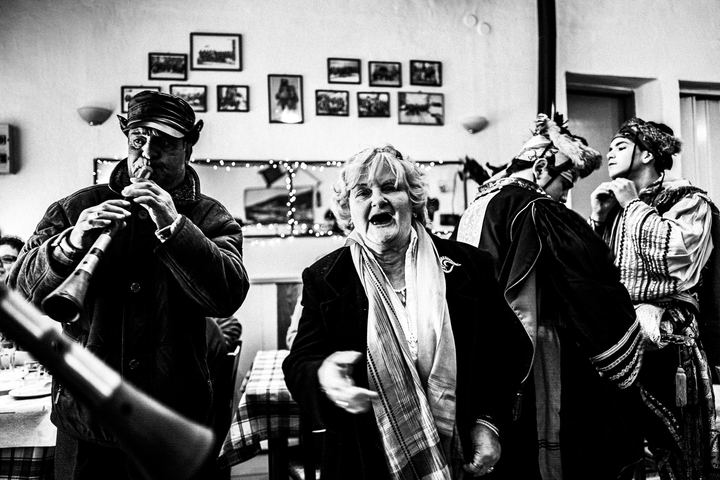
The only difference in the carnival version of the uniform is that the participants wear a mask (face) as well. They all prepare in an opening about 200 meters away from the central square and help each other wear their masks. When everyone is ready they start parading/ dancing towards the central square of the village.
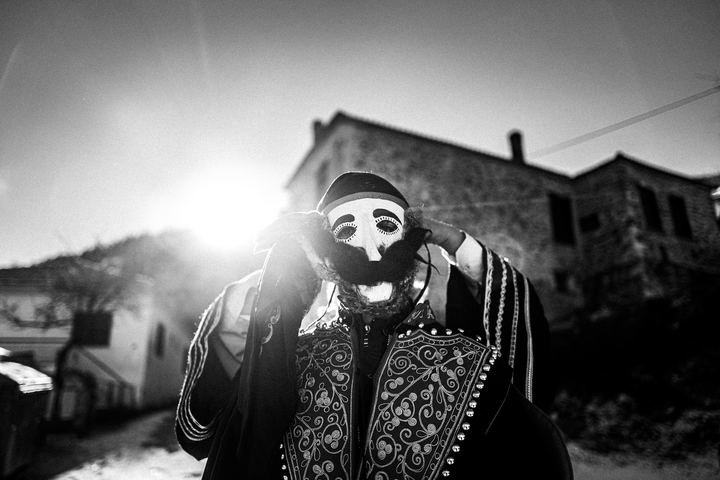
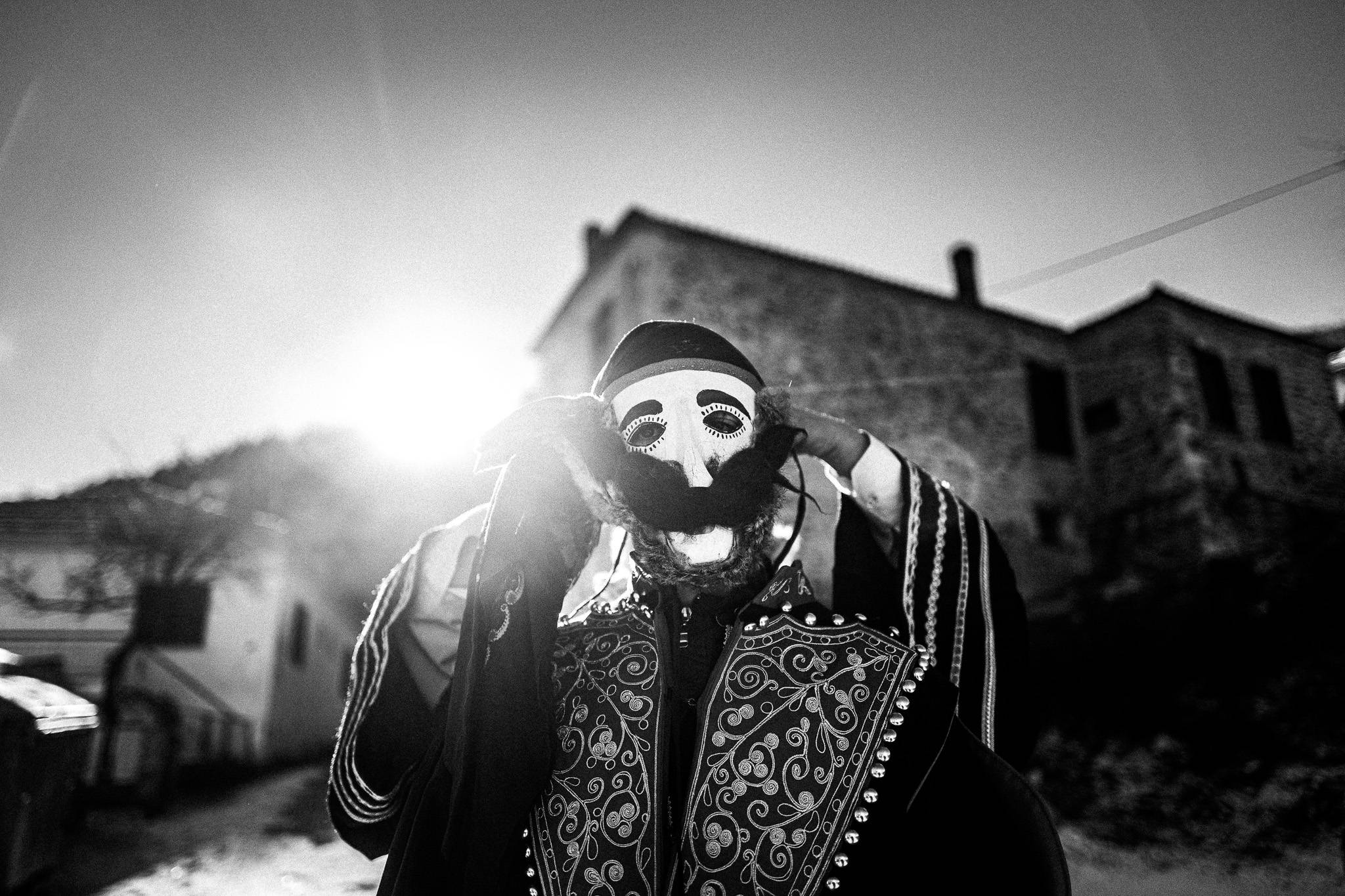
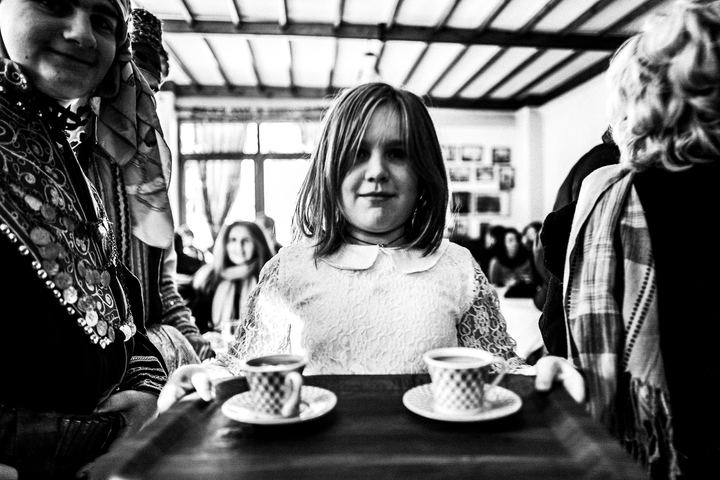
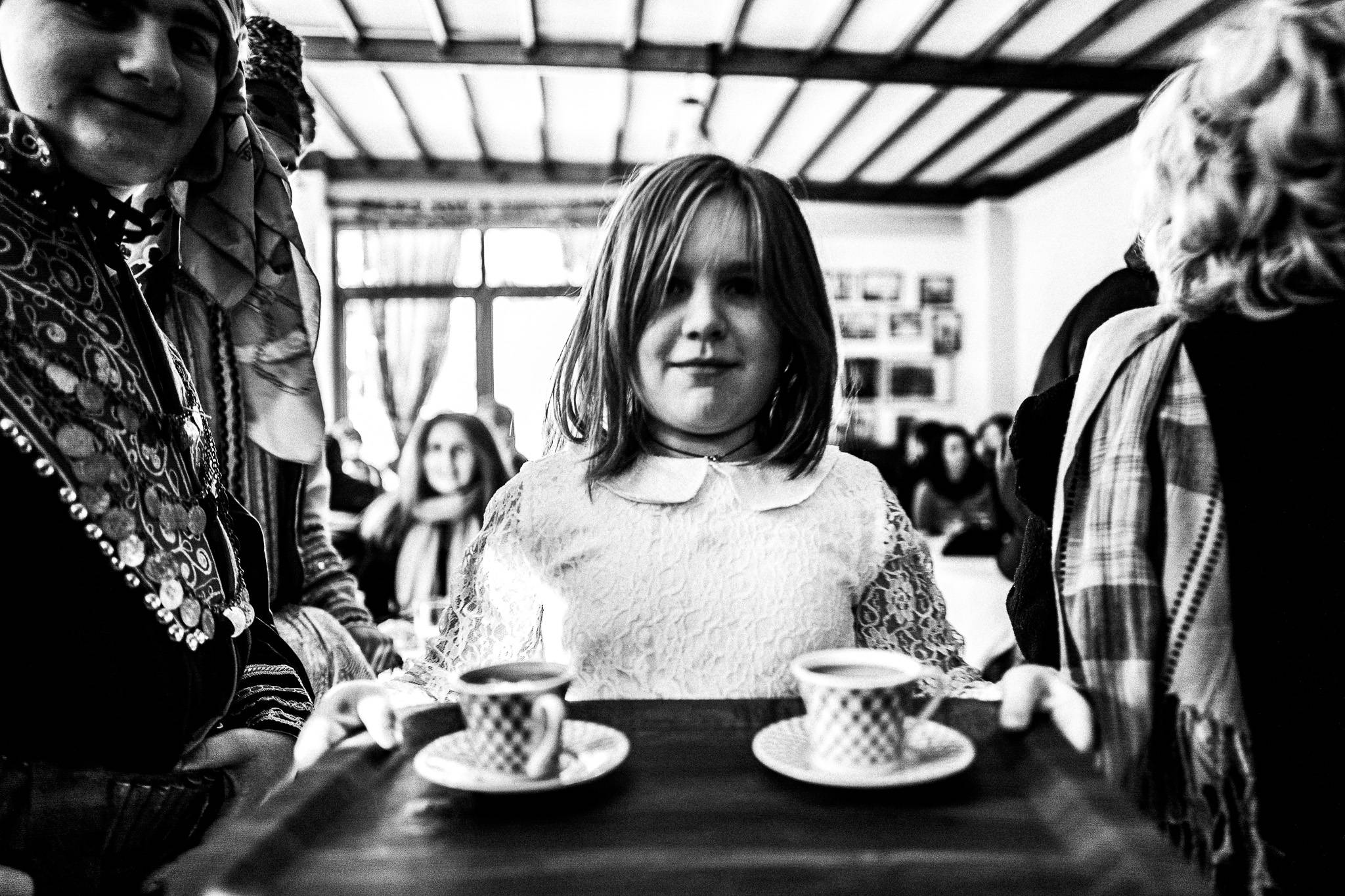
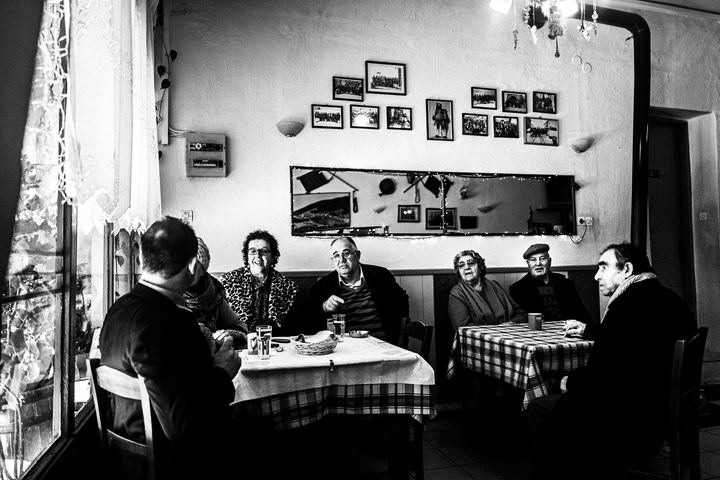
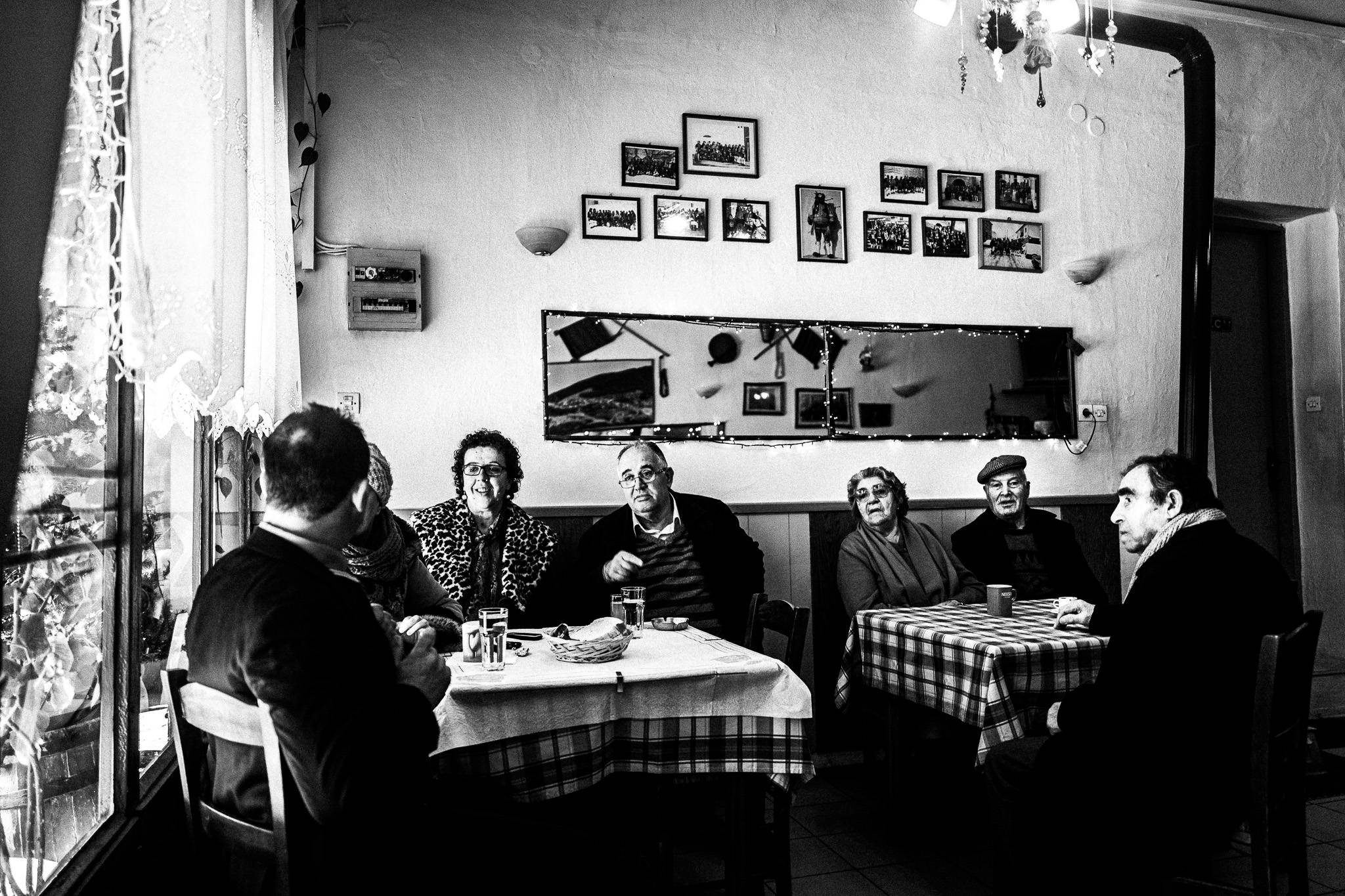
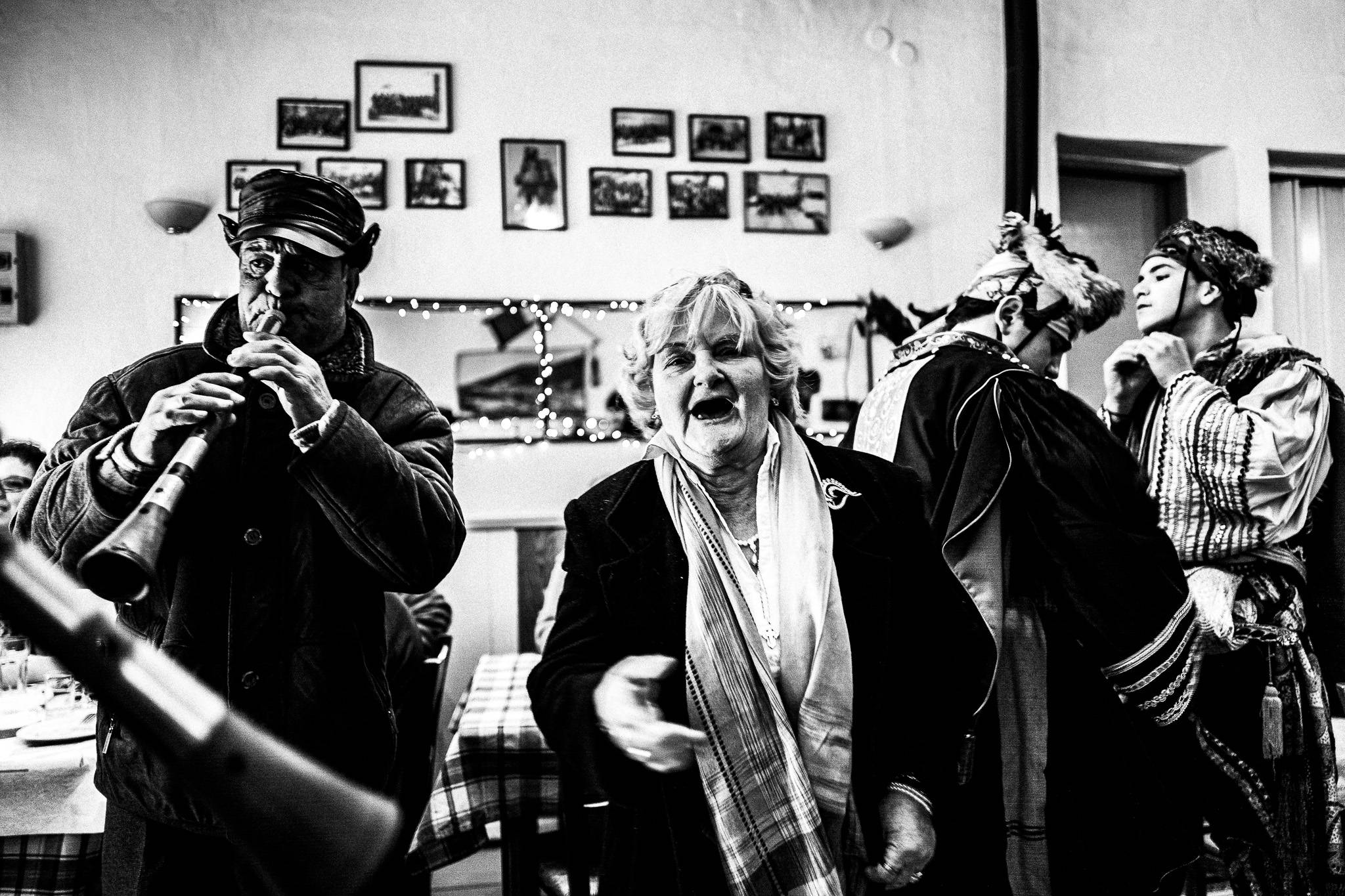
Around the square, the dancing begins. The men in uniform start to dance. There are certain roles as well, that of a bride, a Turkish tax collector and some more. They dance to traditional Vlach music and as soon as they finish at the square they start entering the surrounding cafes and tavernas making some noise and making everyone dance. While dancing everyone around is cheering and asking for certain dances to be performed by the dancing team.
Culture, held by place
Continue through Kastoria.
Follow this tradition into its geographic and cultural context.