Living traditions
Orthodox Easter in Kastellorizo
Megisti, Kastellorizo, Kastellorizo
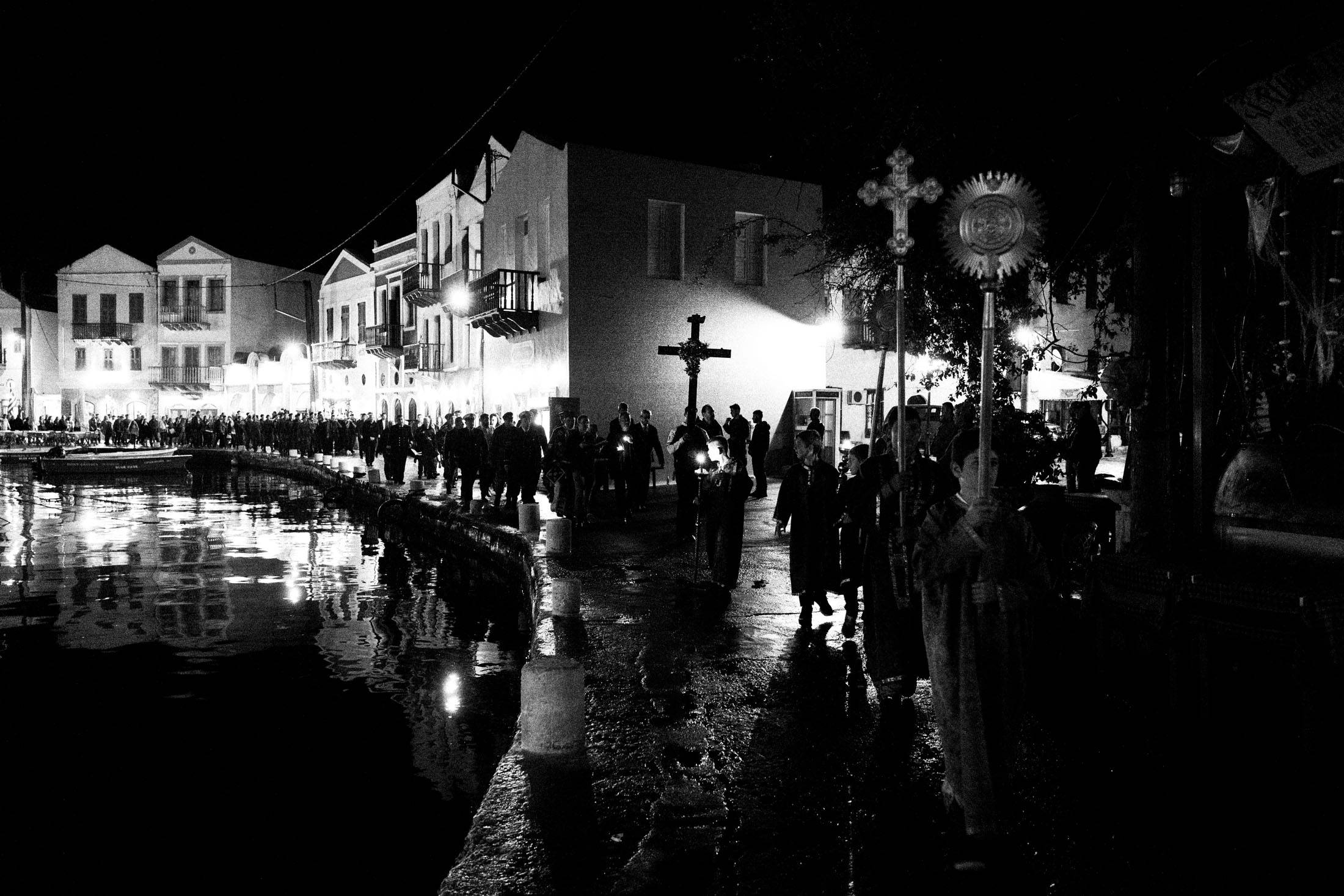
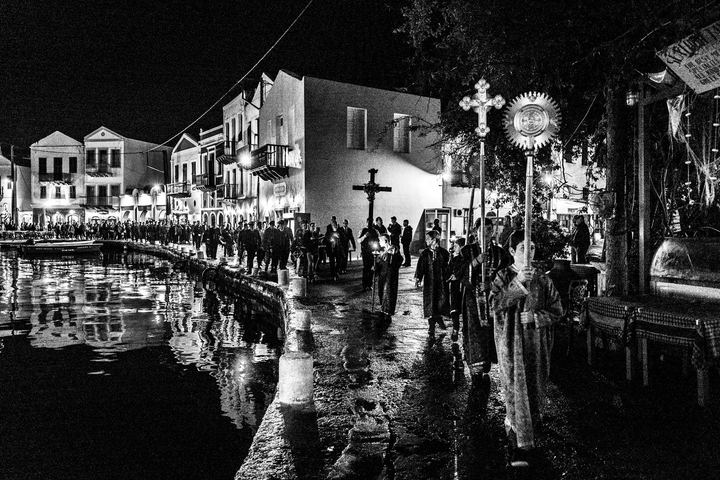
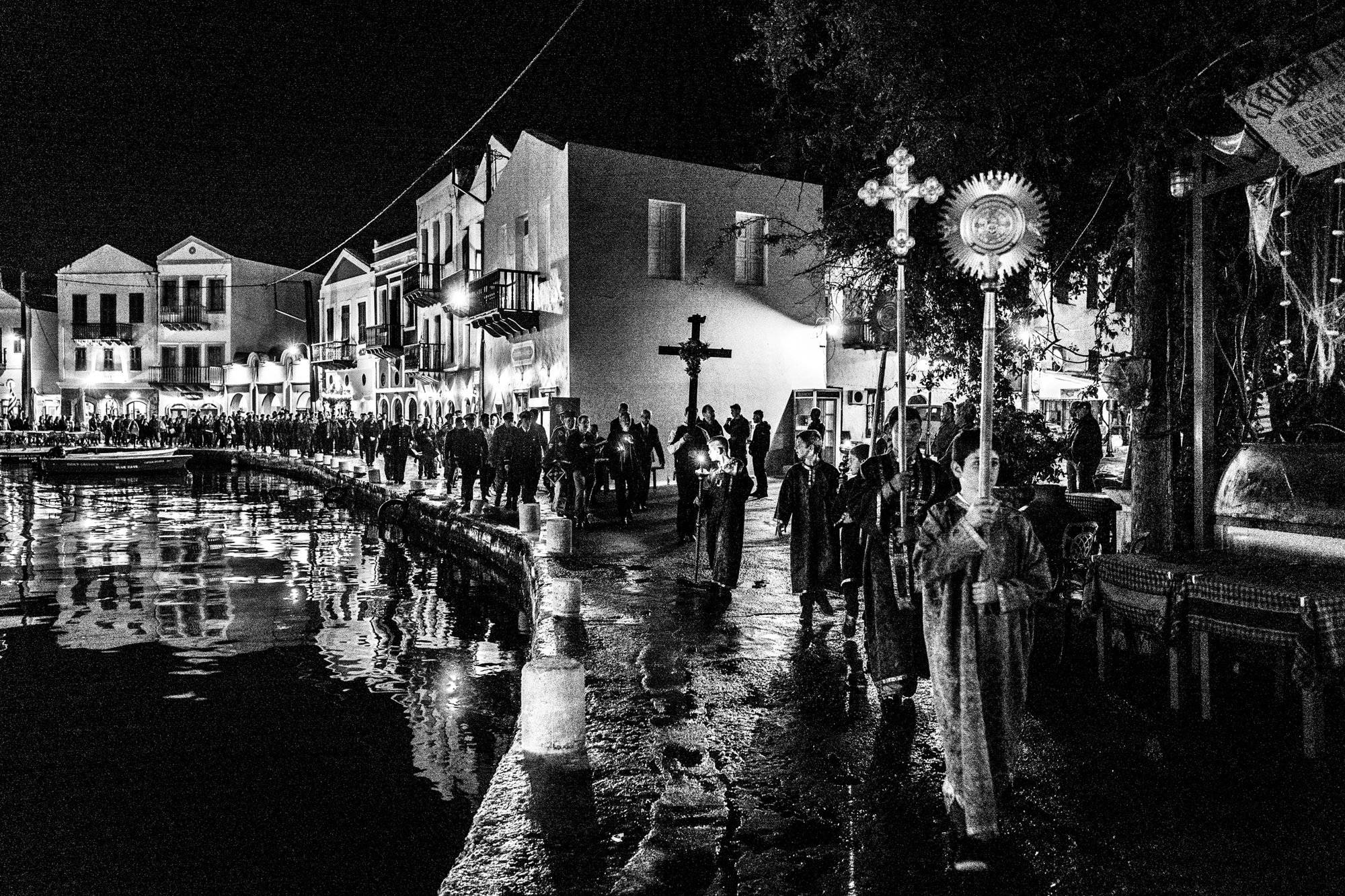
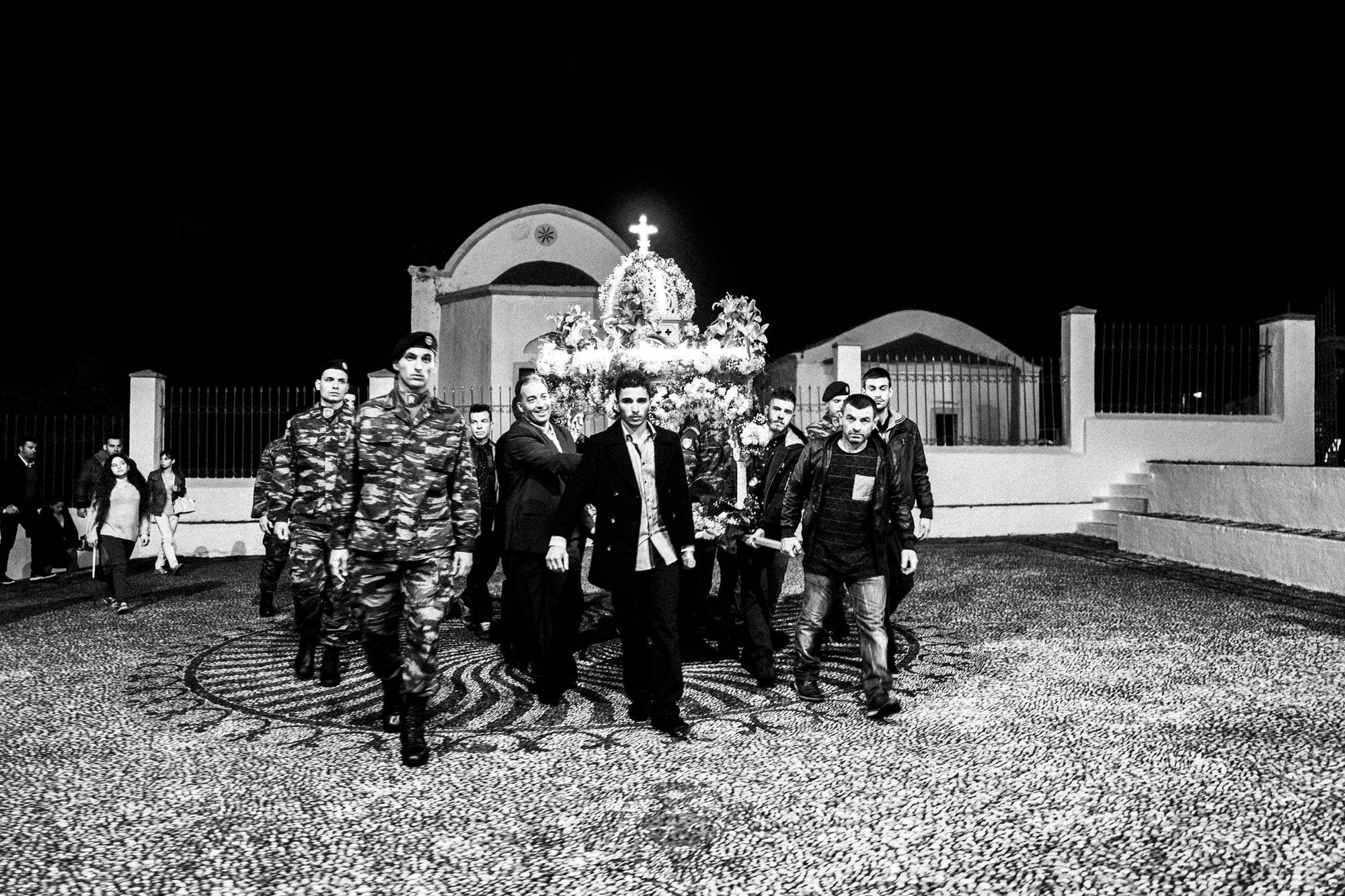
Field photographThe Good Friday procession moving along the waterfront.
Collector mode
A photograph to live with. Enter a private viewing.Introduction
From Holy Wednesday to Easter Sunday, Kastellorizo moves through blessing, the Passion, the waterfront Epitaph procession, communal hospitality and the burning of Judas.
The principal Easter cycle in Kastellorizo unfolds from Holy Wednesday through Easter Sunday. Services take place at the main church of Saints Constantine and Helen in Chorafia, while the Good Friday Epitaph moves through Megisti and along the harbour. The period concludes with Easter Sunday hospitality and the burning of the handmade Judas effigy.
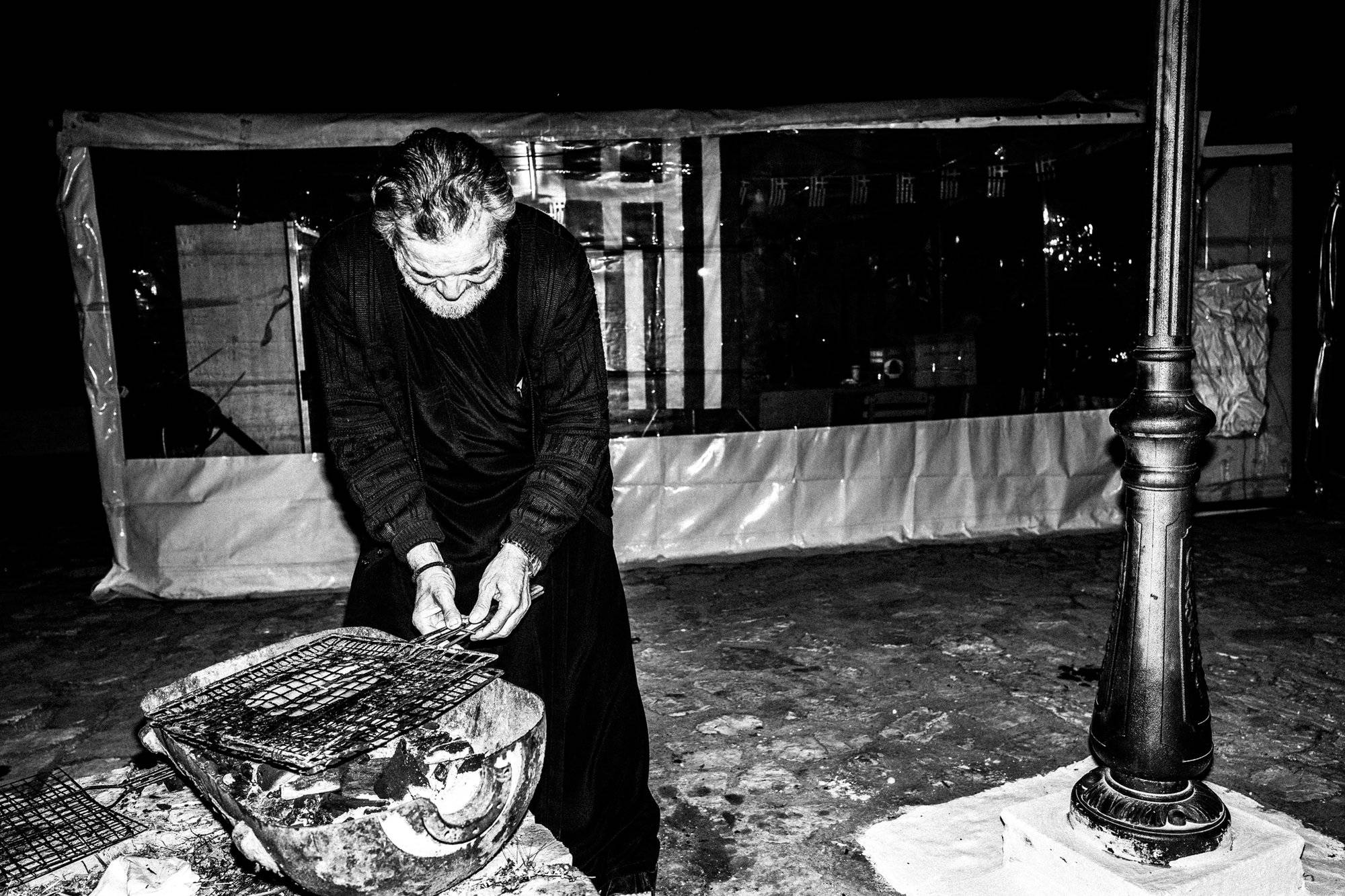
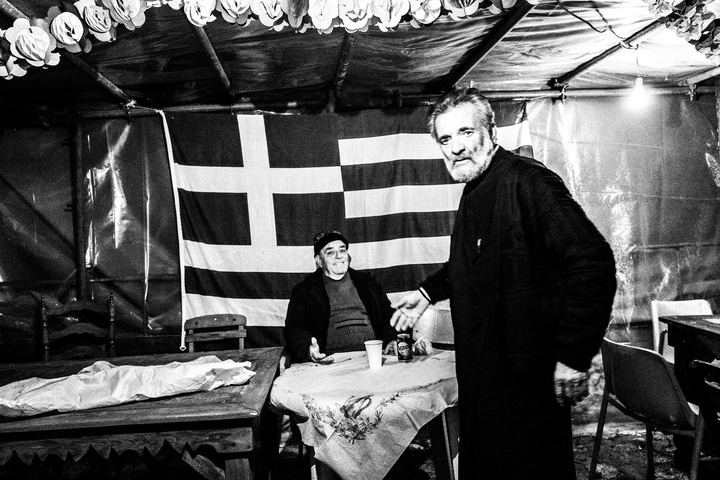
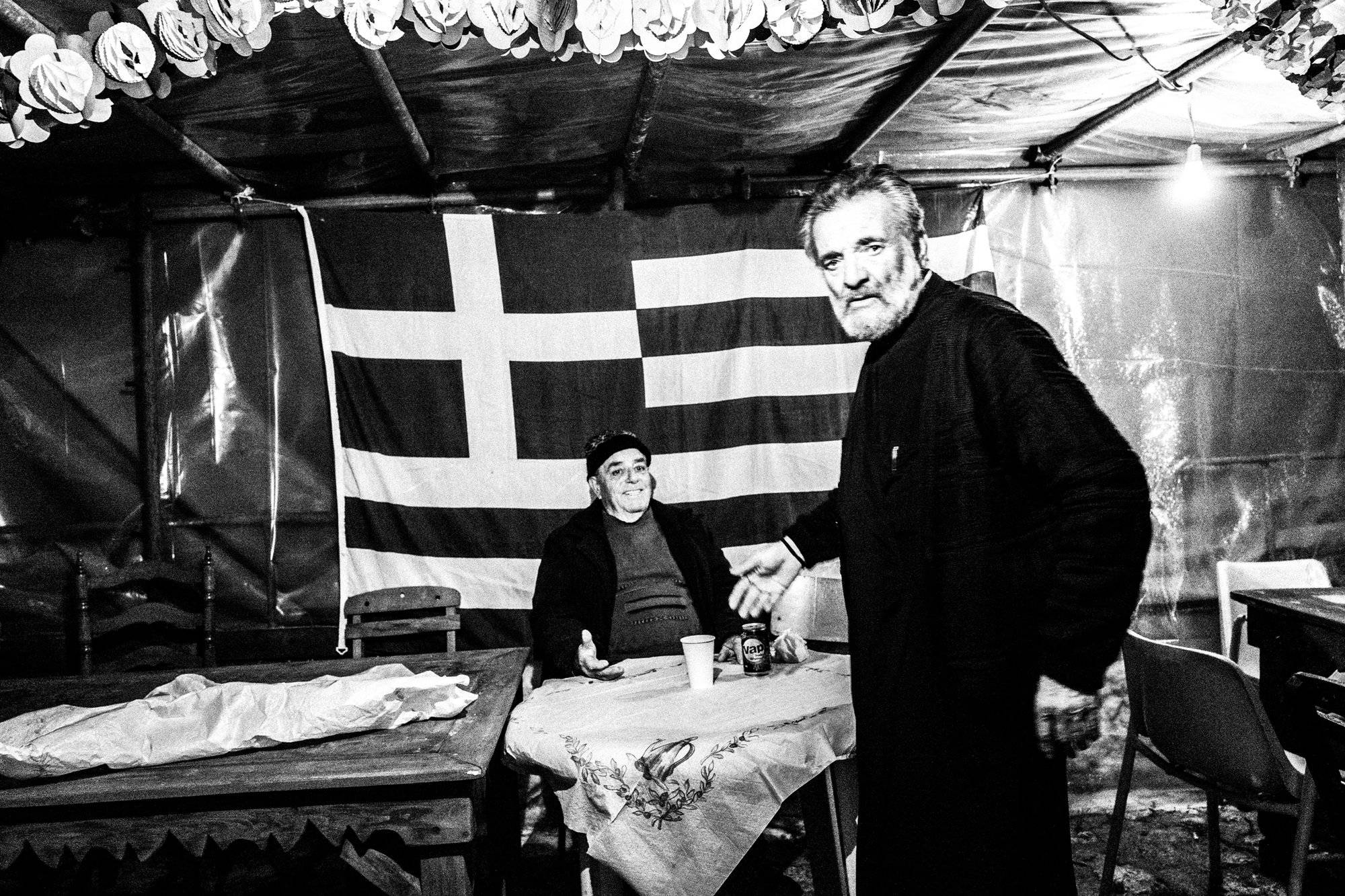
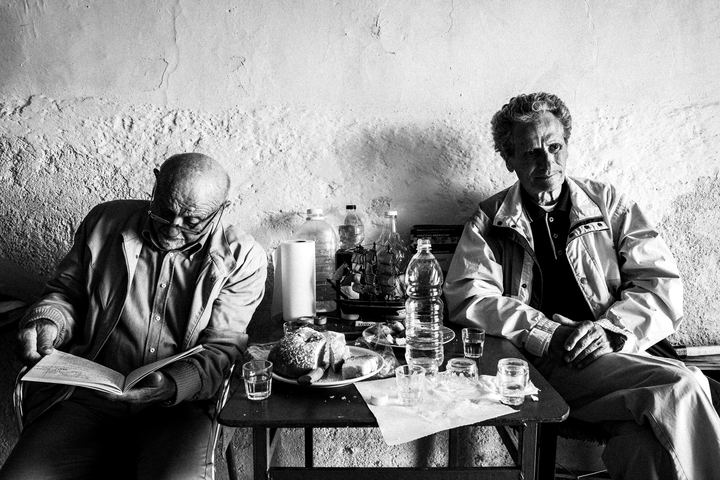
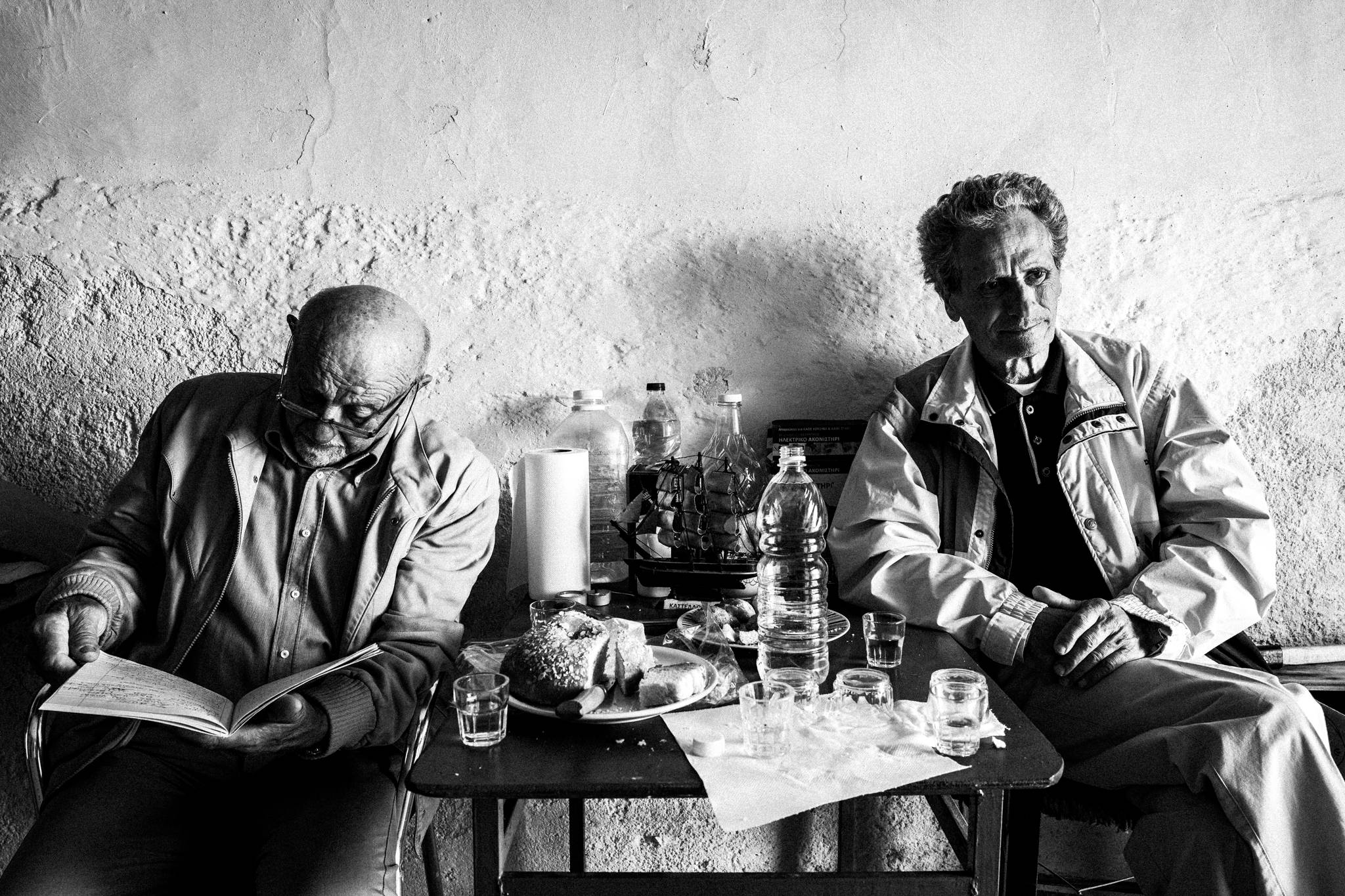
Papa-Yorgis: A Traditional Easter Oasis
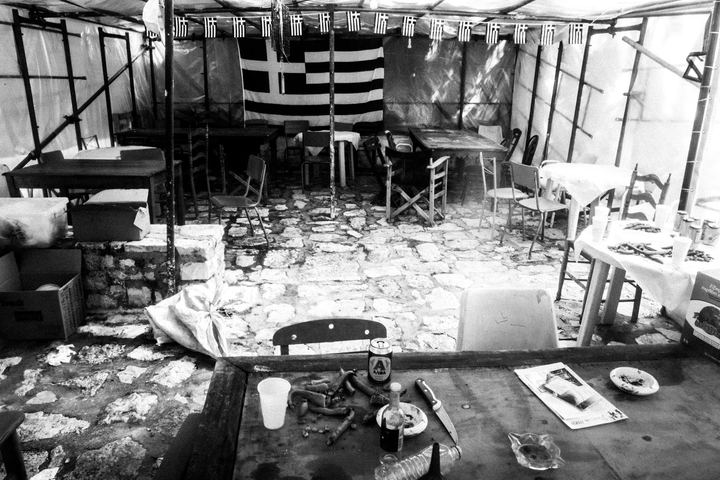
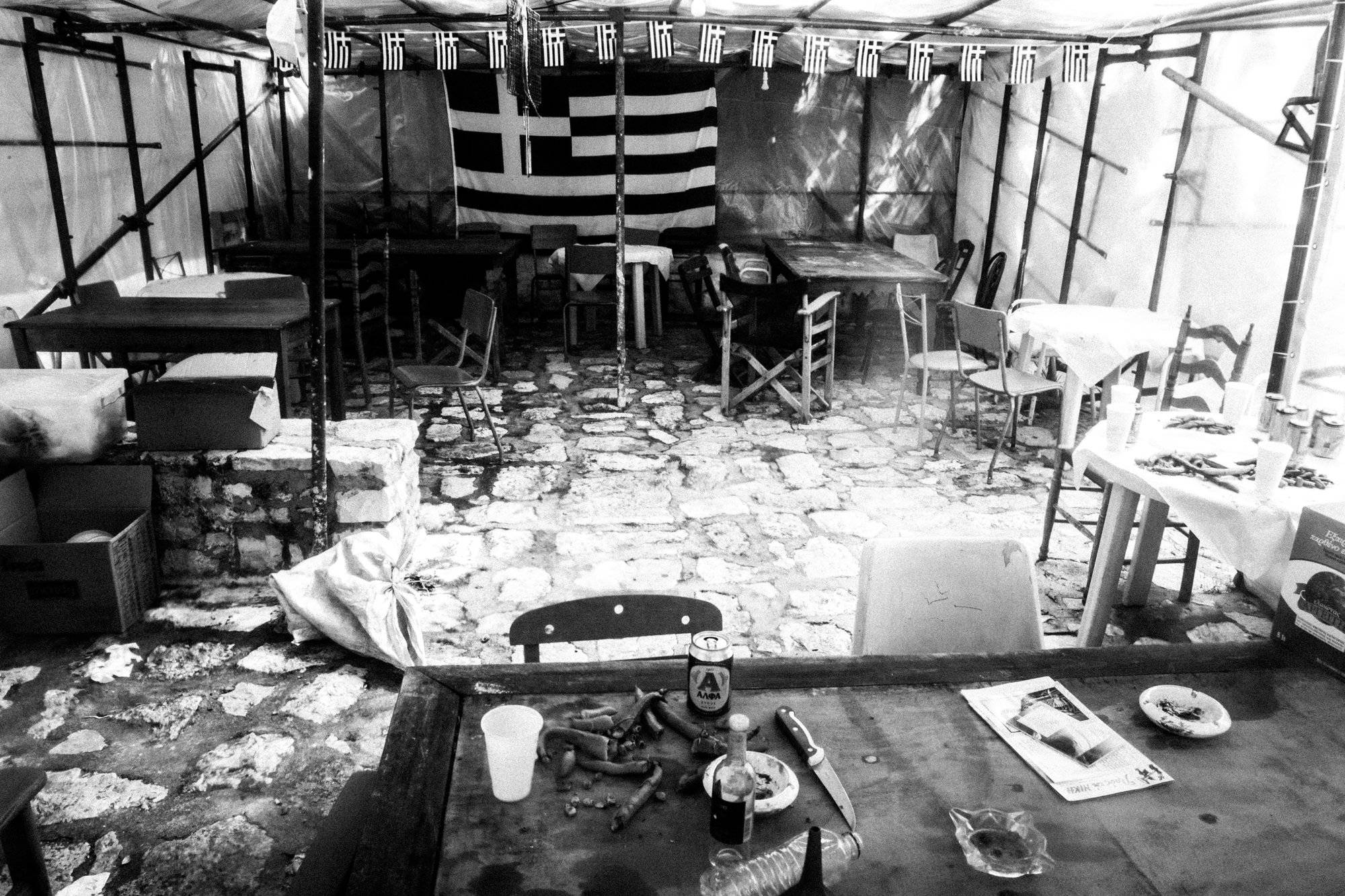
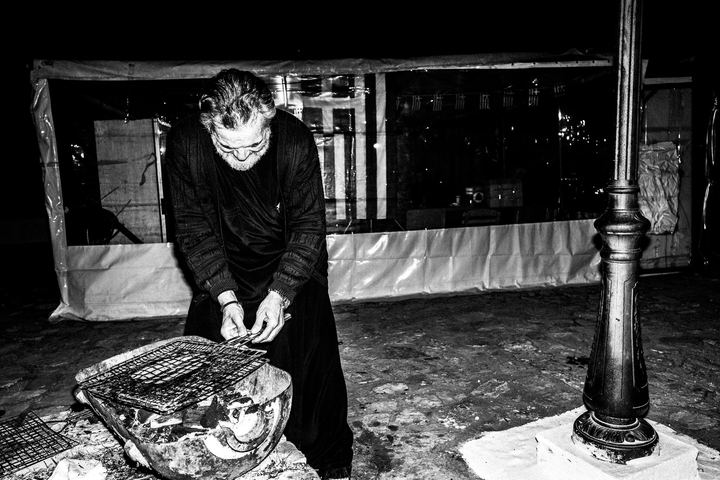
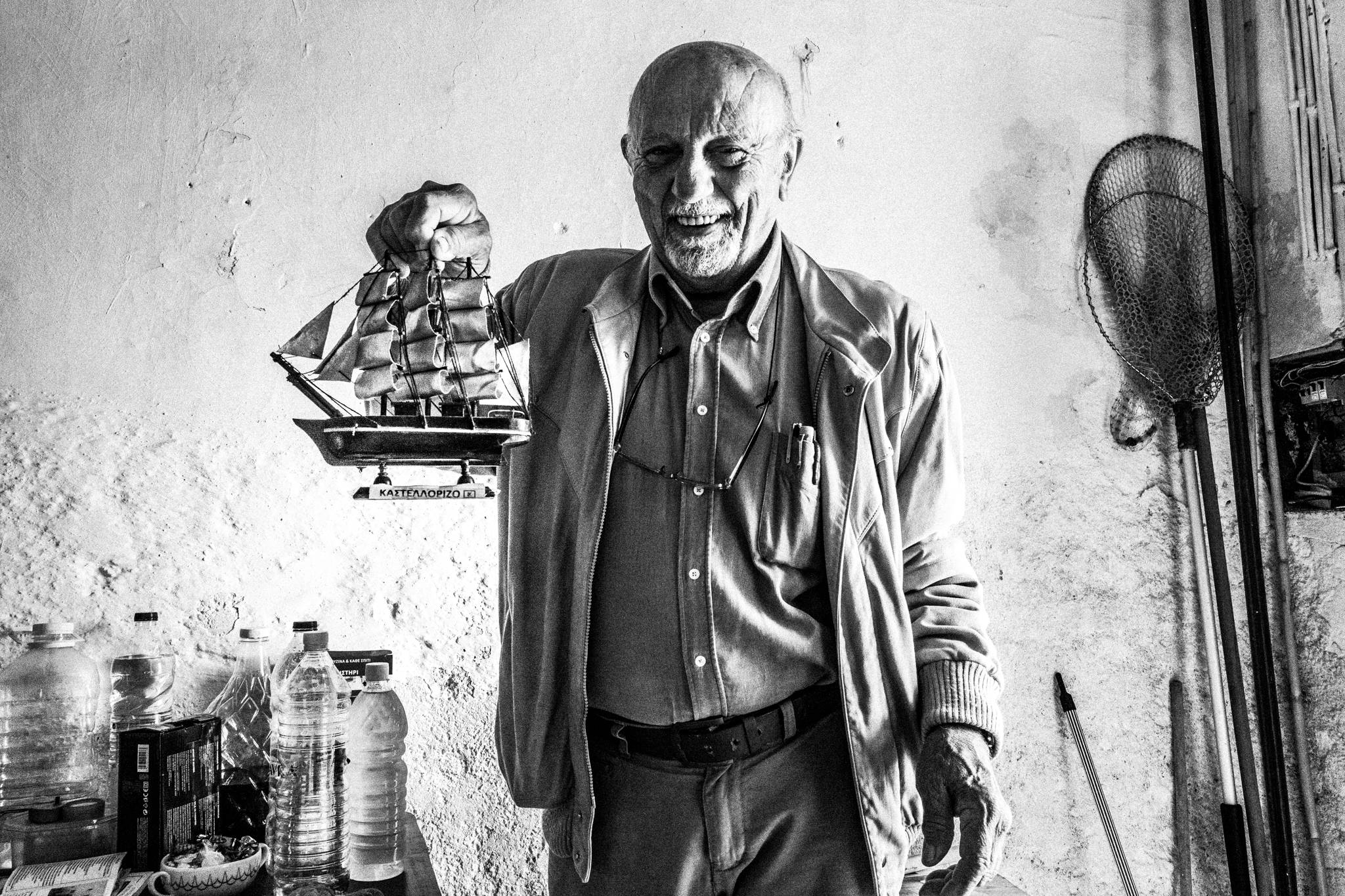
Capturing the essence of Kastellorizon's Easter festivities, Papa-Yorgis (Father George) and his shack, Paragka, stand as a symbol of tradition. Offering local dishes and drinks, this Easter tradition originated from ship workers celebrating Easter over six days. Though the shack no longer uses ship sails, its existence pays homage to the island's maritime past.
The Sacred Rites: A Glimpse into Easter on Kastellorizon
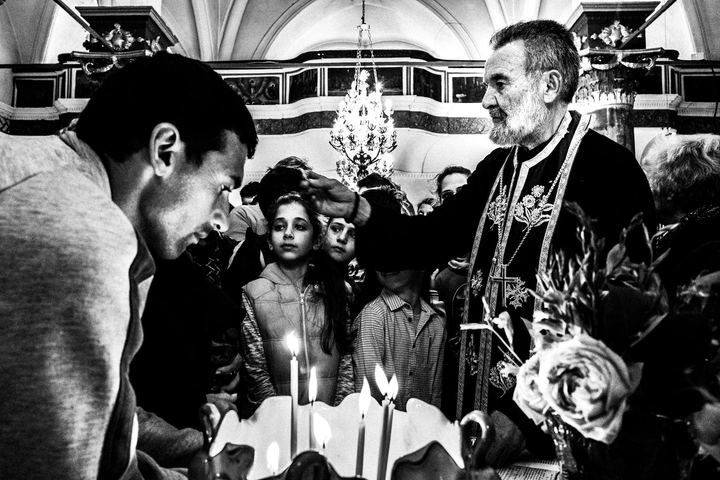
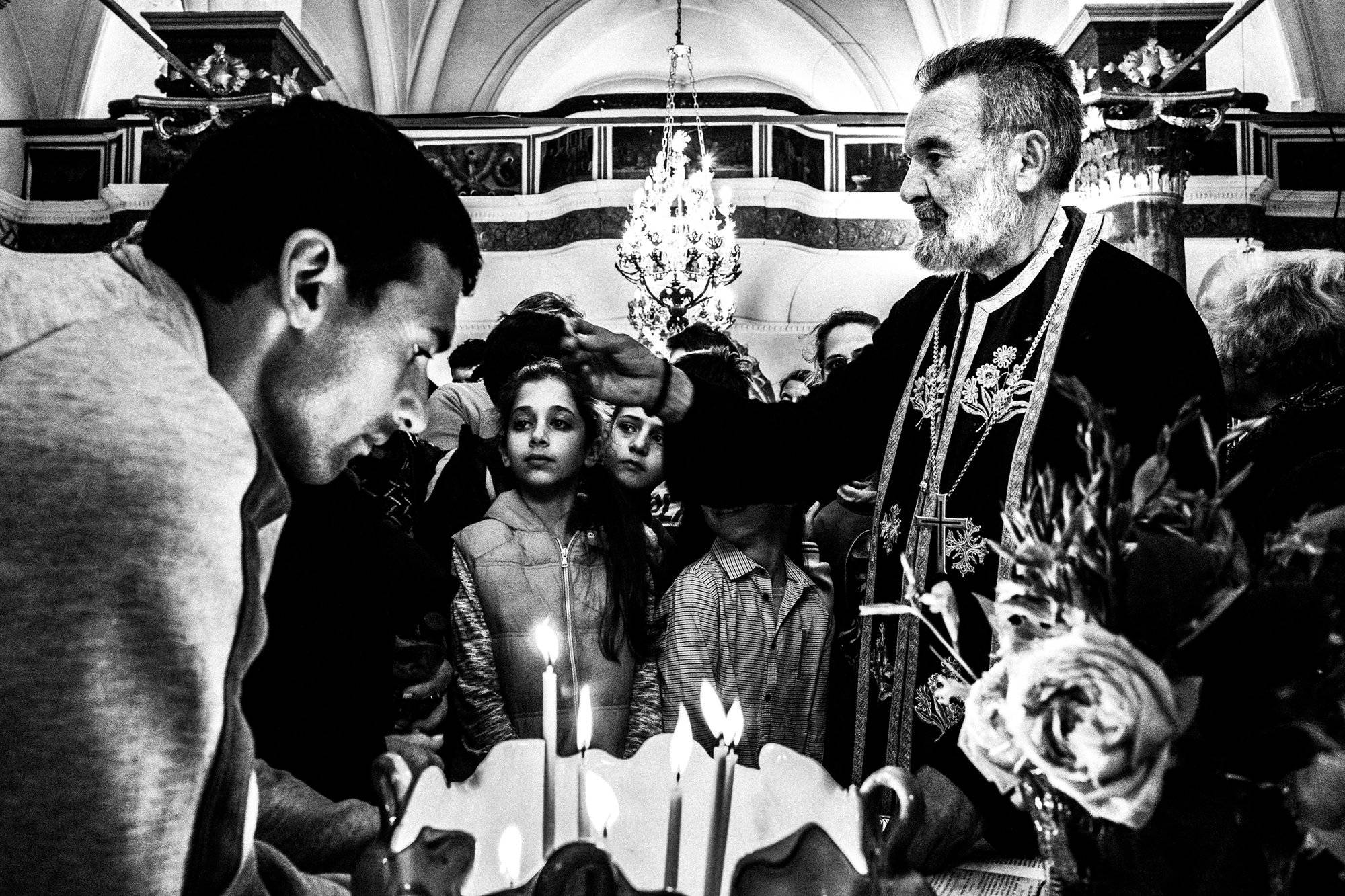
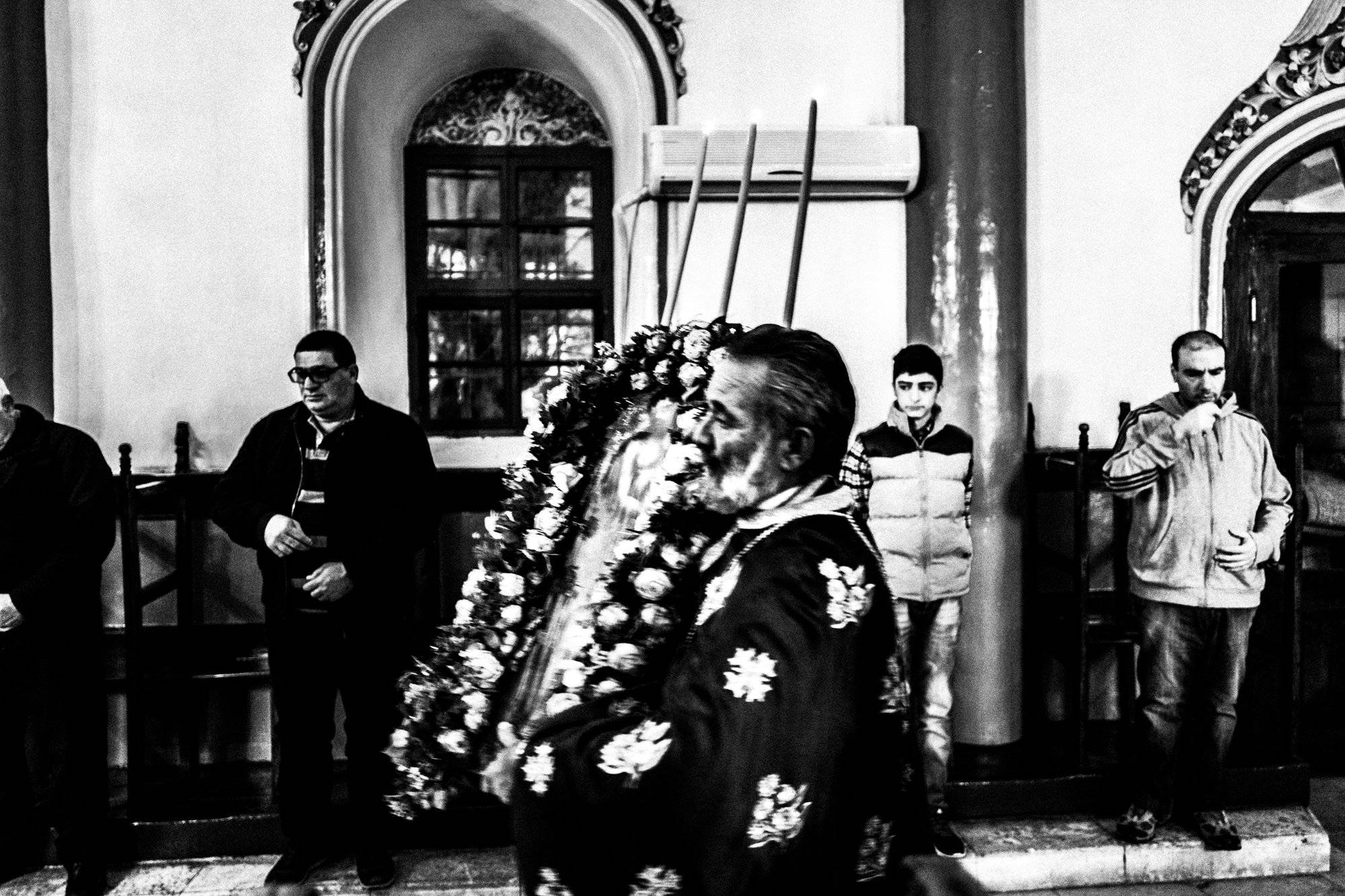
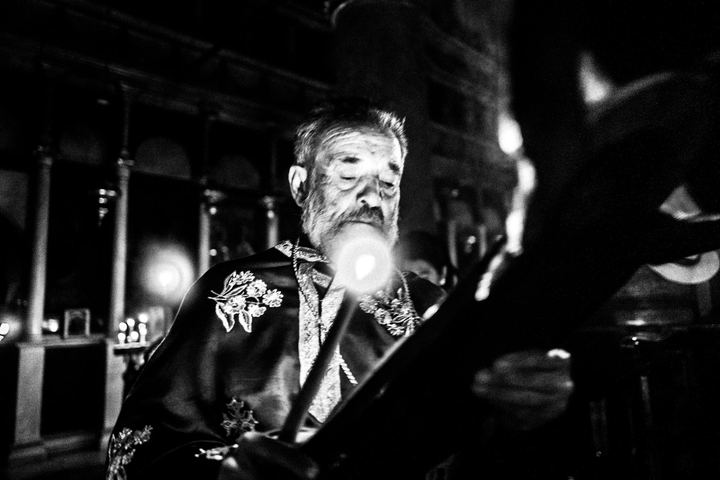
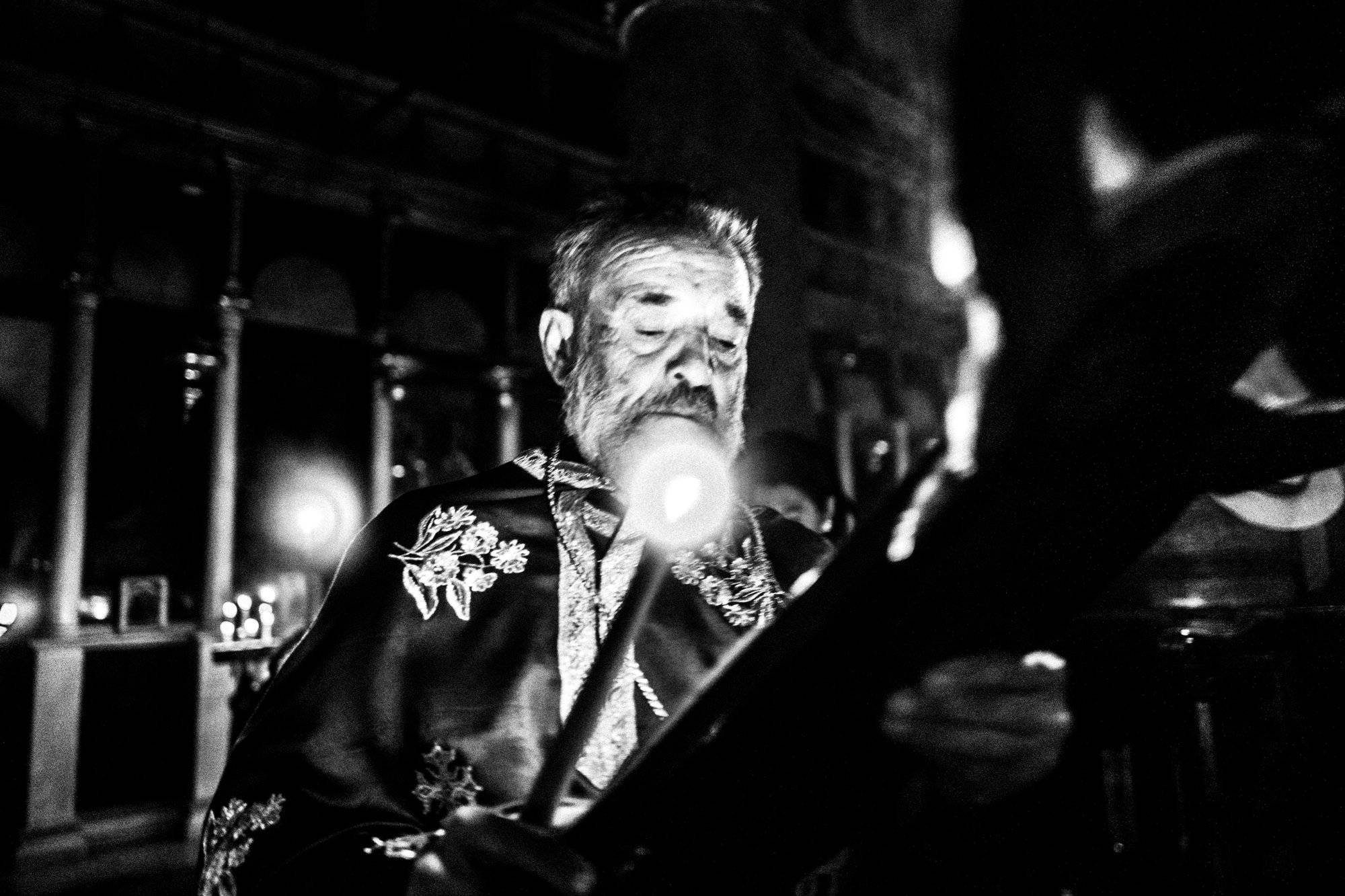
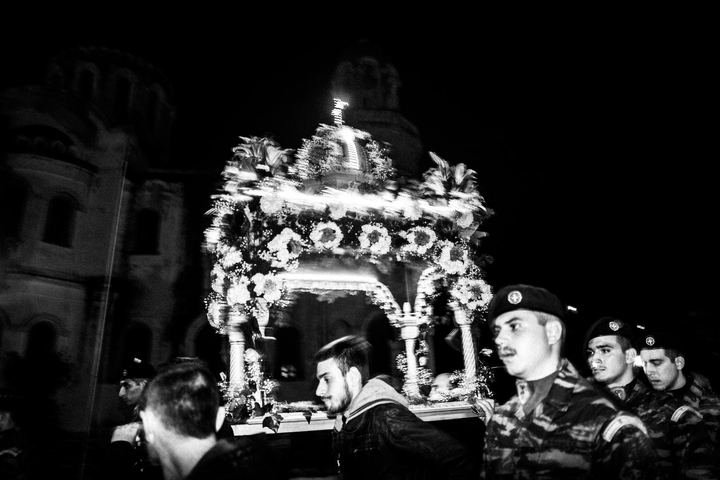
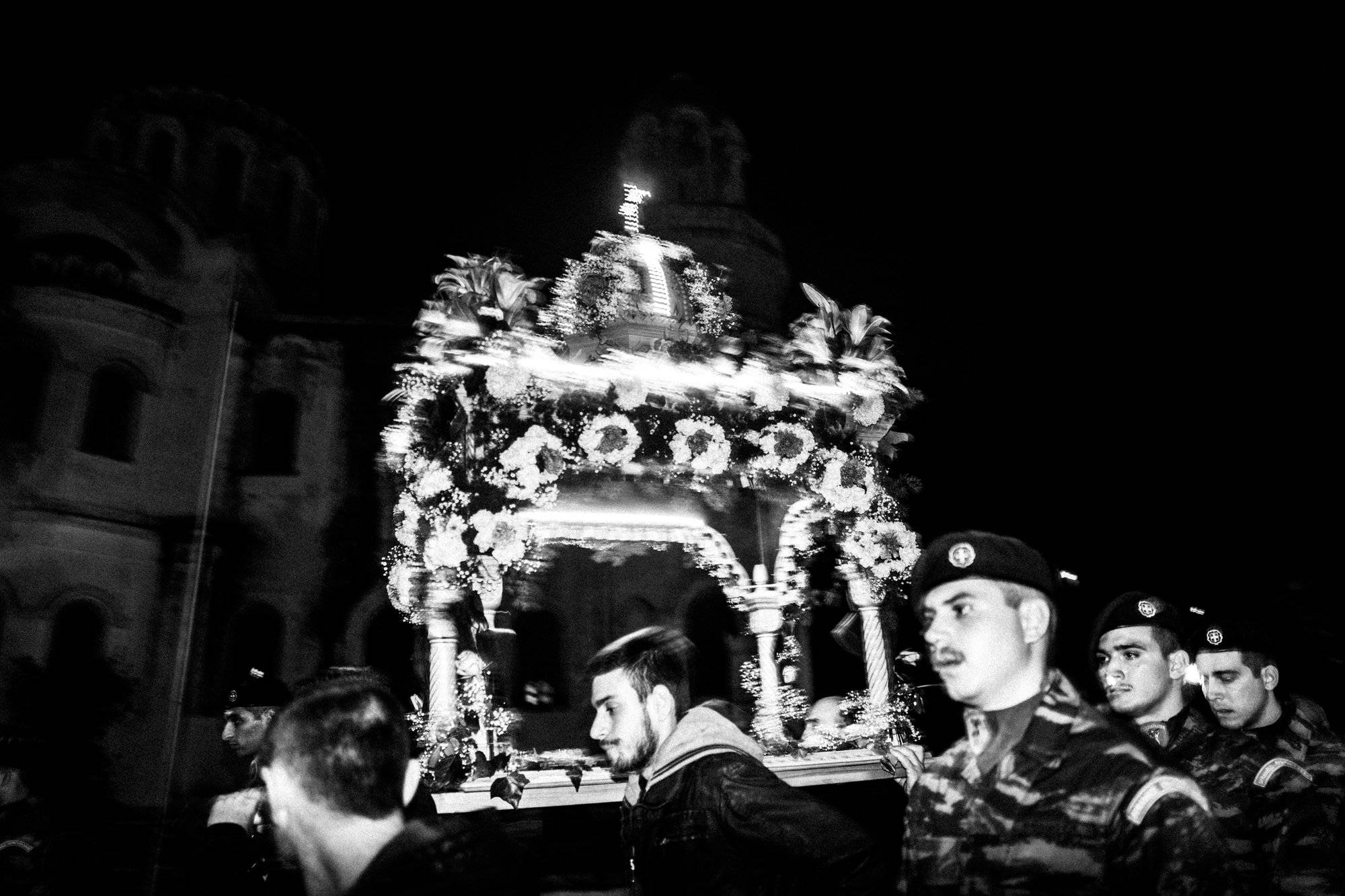
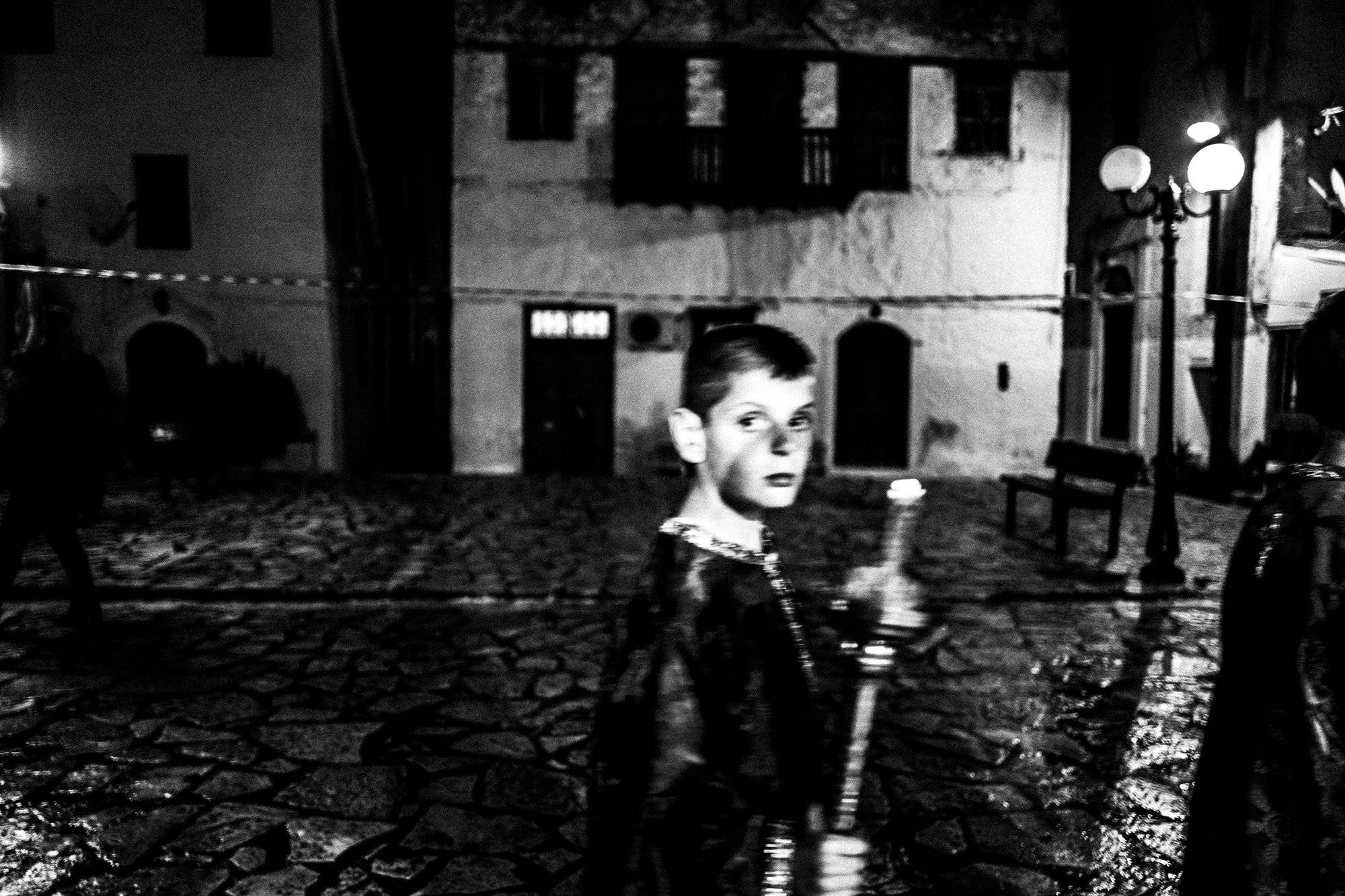
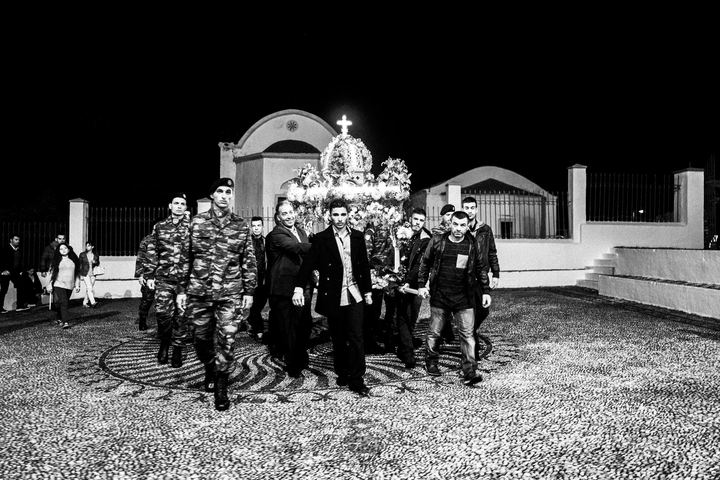
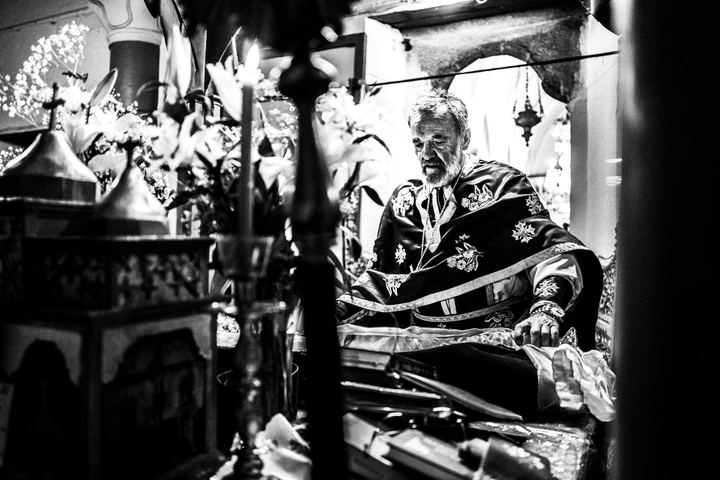
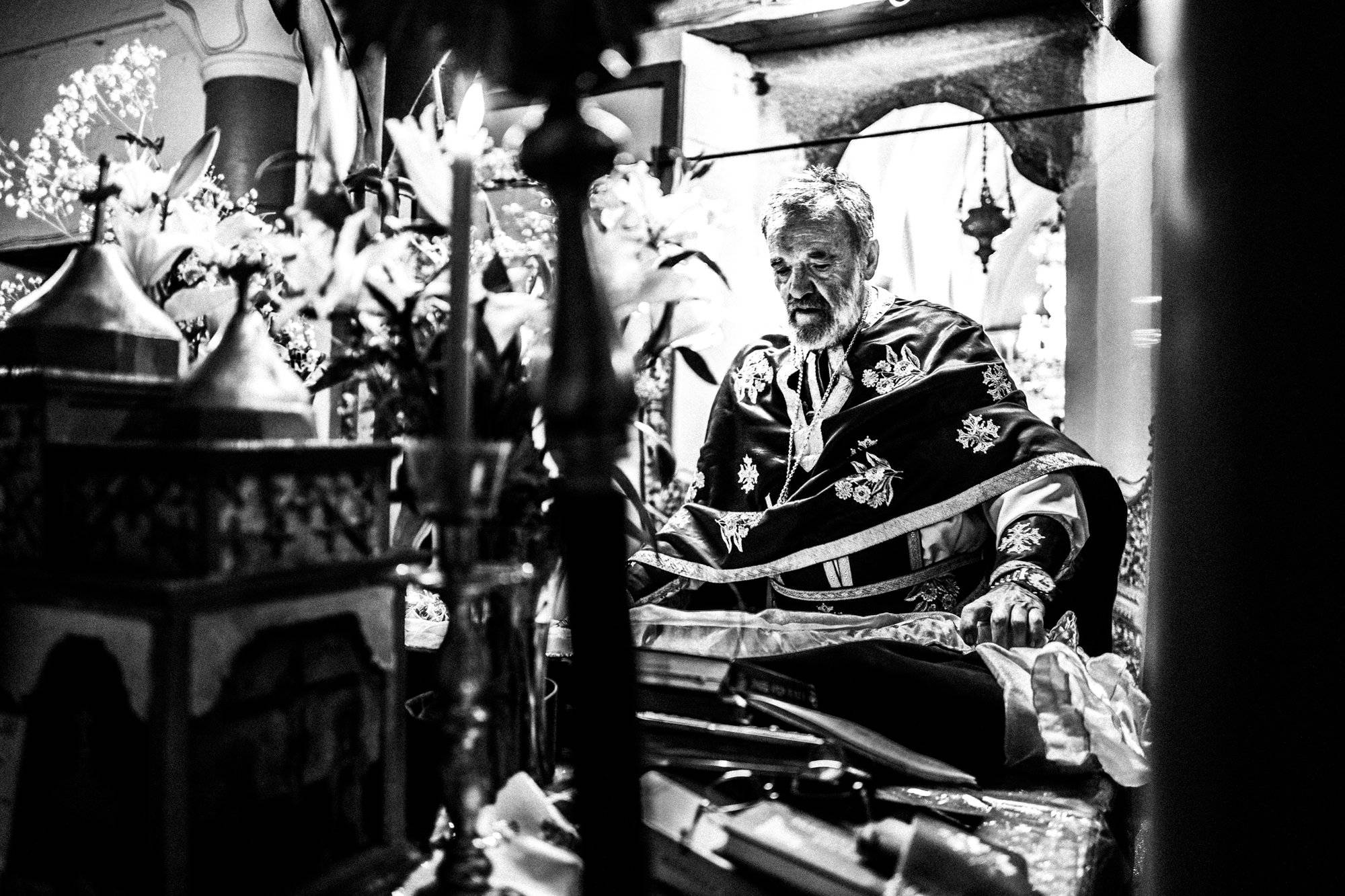
As Holy Wednesday unfolds, the Great Unction at the church marks the beginning of the Easter peak. Papayoryis blesses attendees with olive oil, setting the tone for the ensuing days of religious observations. The litany of the Epitaph on Good Friday becomes the most photogenic event, weaving through the town accompanied by the solemnity of lit candles, small children, and the army force.
Unique Traditions: Judah Mannequin and Easter Day Celebrations
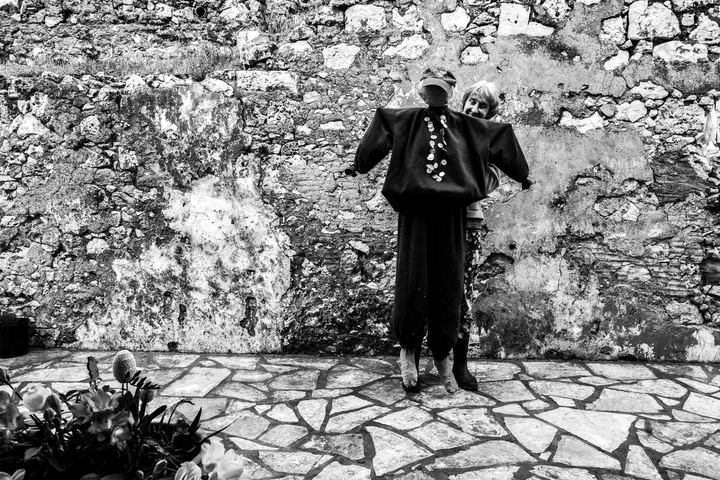
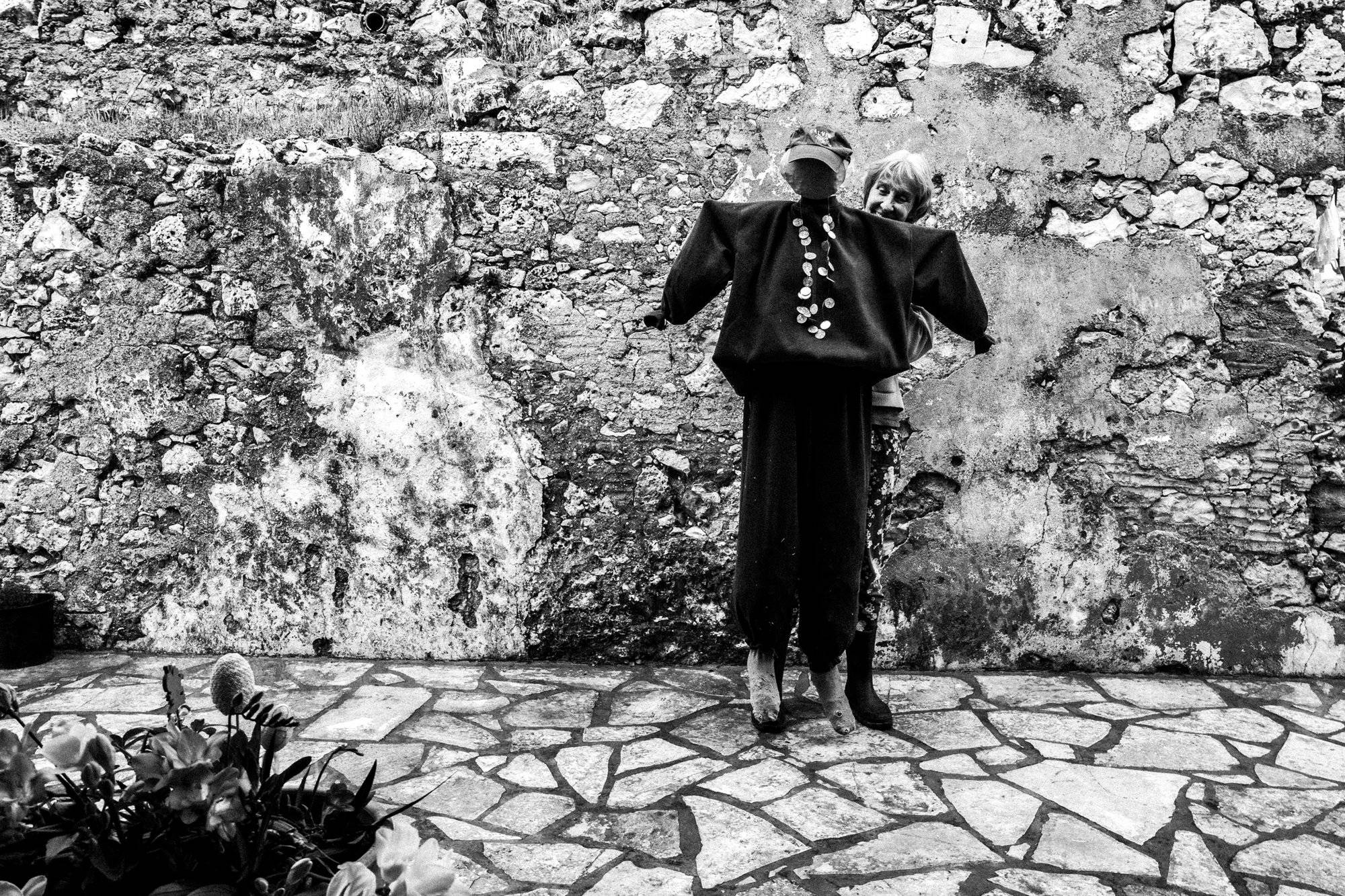
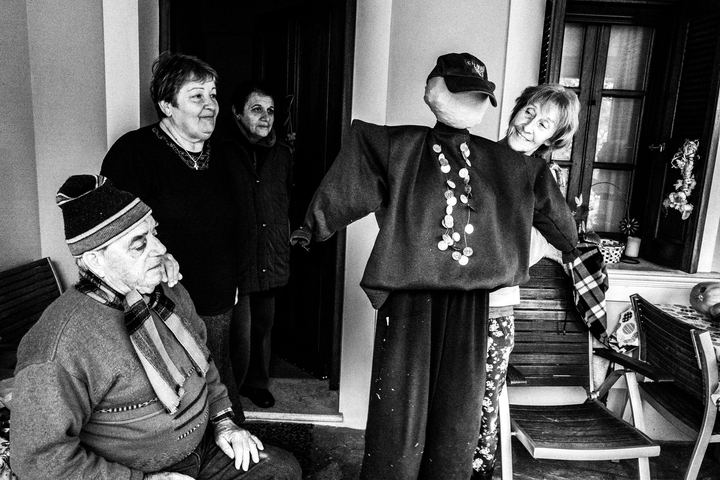
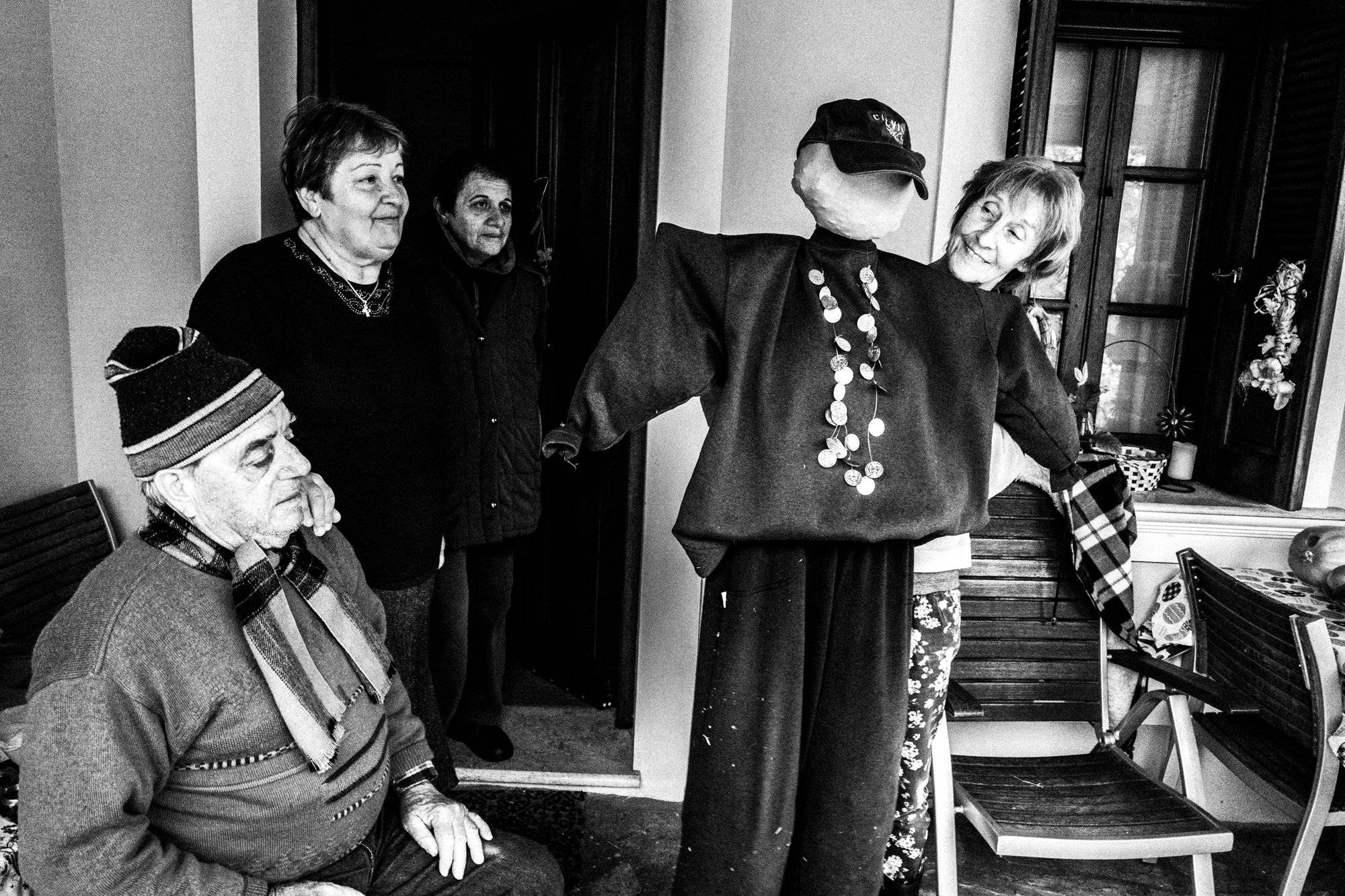
The next day I found myself at another local house where they were preparing a Judah mannequin that would get burned on Easter day. The mannequin was made by a Dutch lady who stayed many years on the island and used to keep a puppet theatre back in her hometown in the Netherlands.
Holy Thursday and Good Friday: Solemn Observances
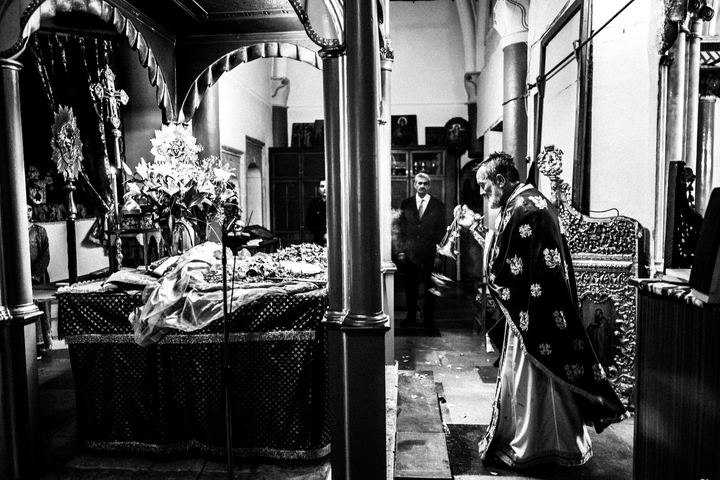
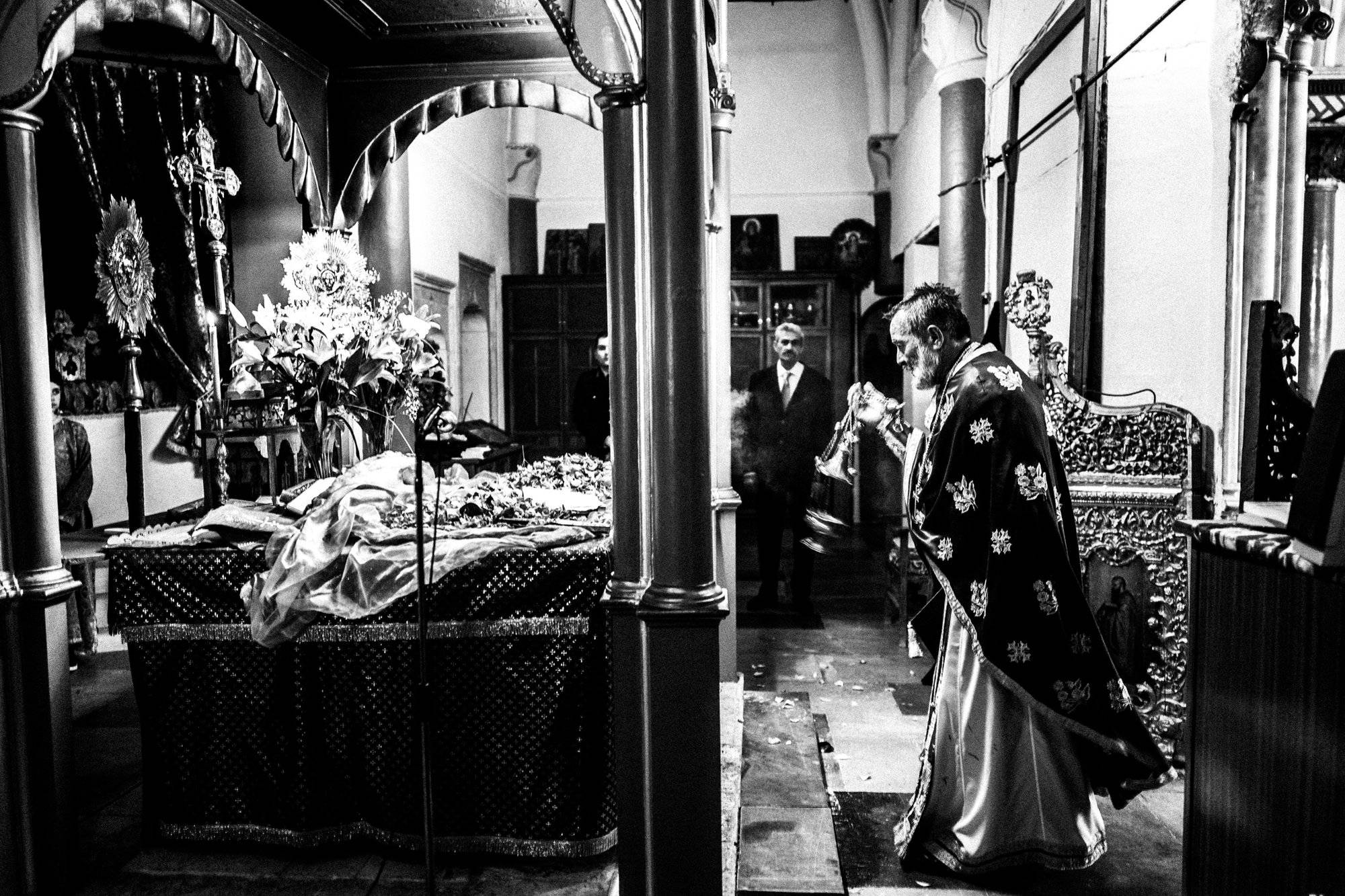
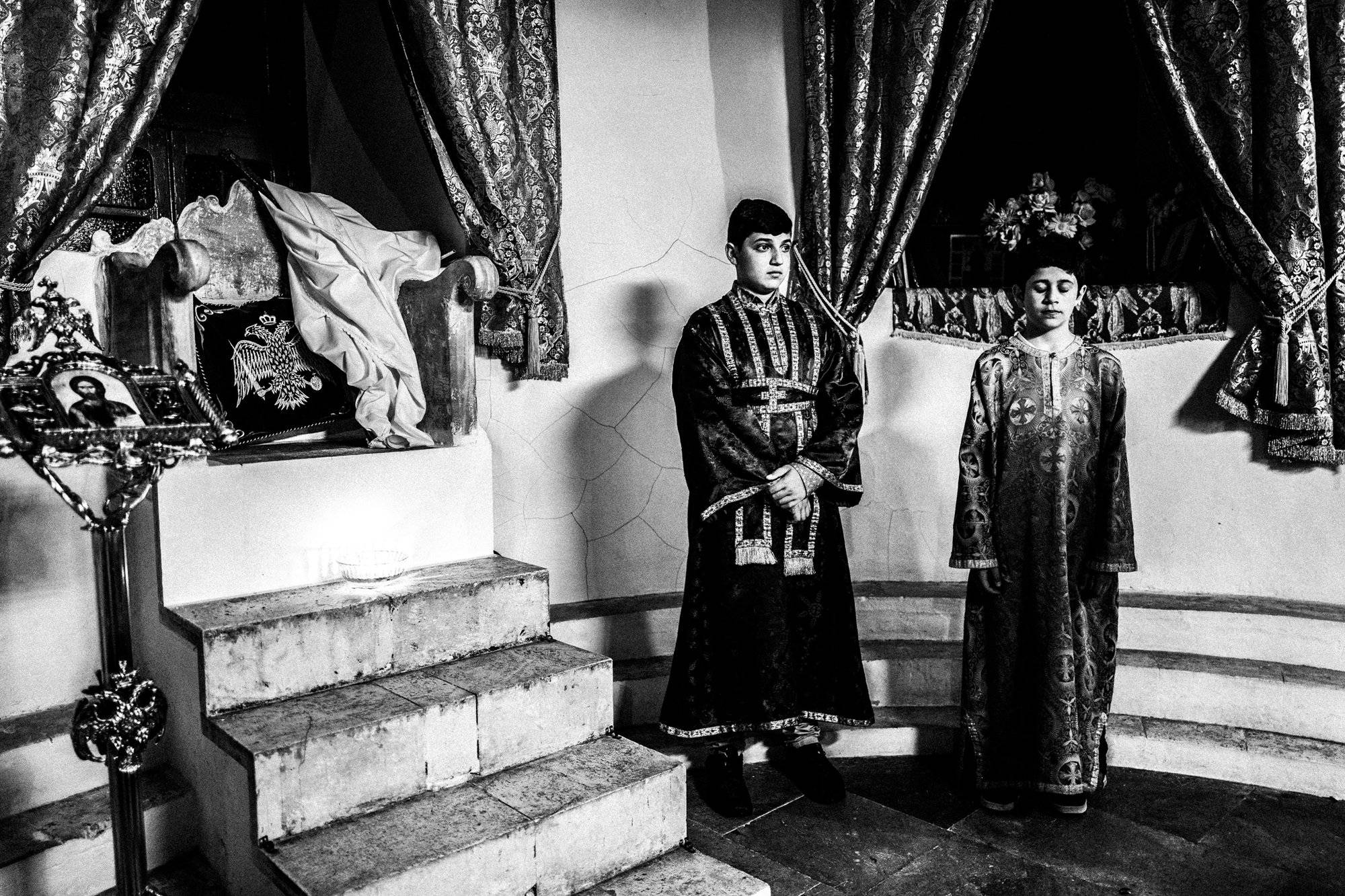
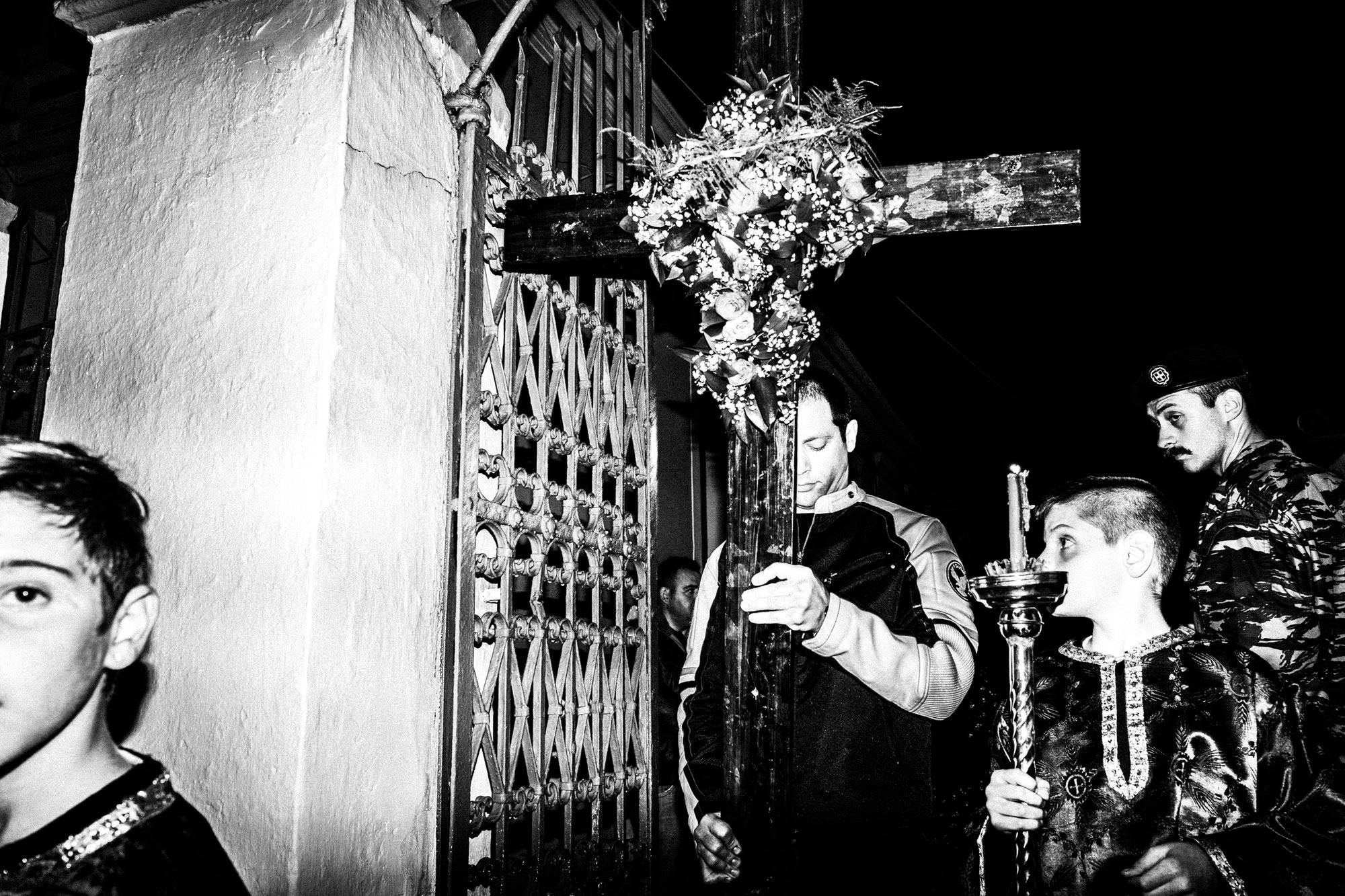
During the Evening Mass on Holy Thursday, the Gospels are being read and on the 5th the crucified comes out and a litany takes place inside the church. The Cross is then fixed at the centre of the church for everyone to worship.
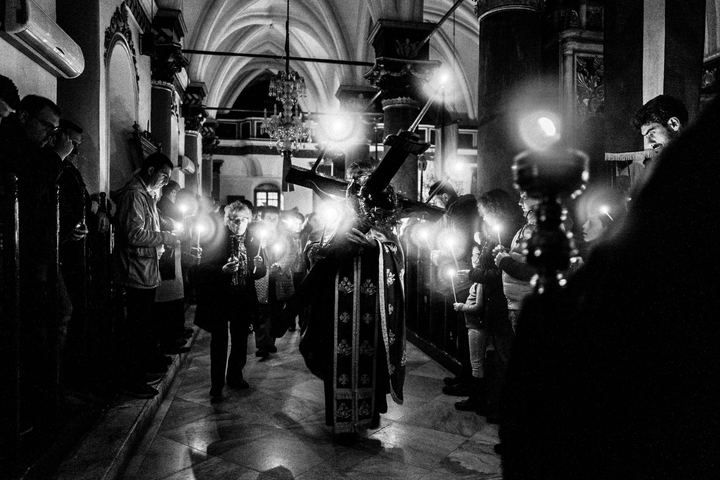
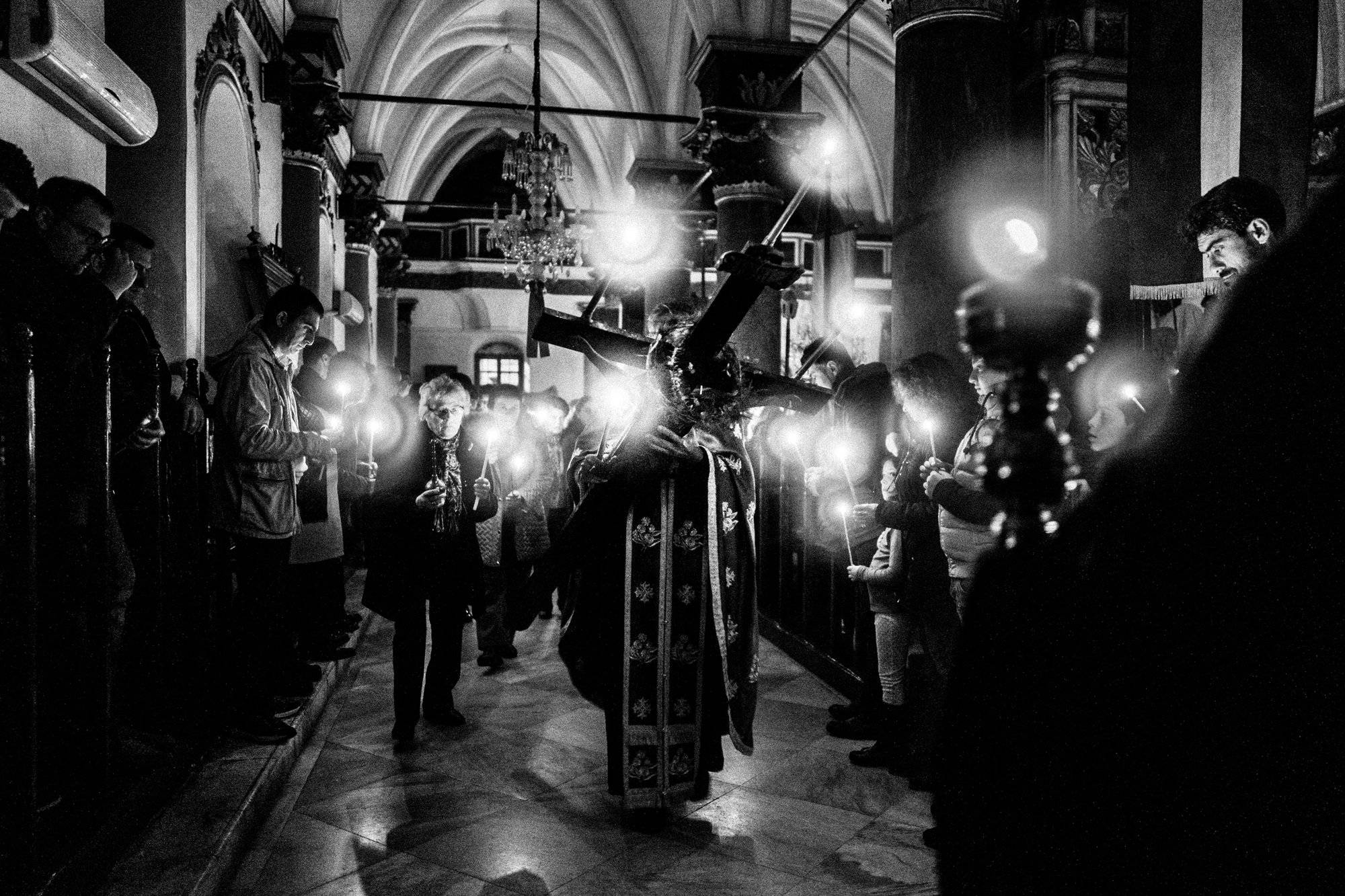
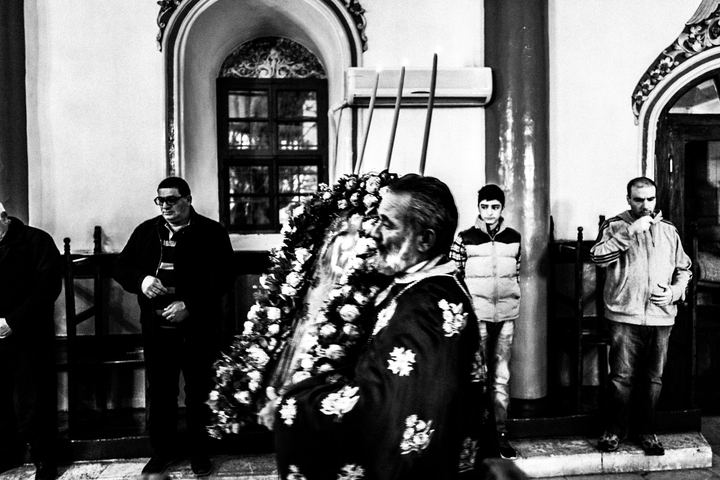
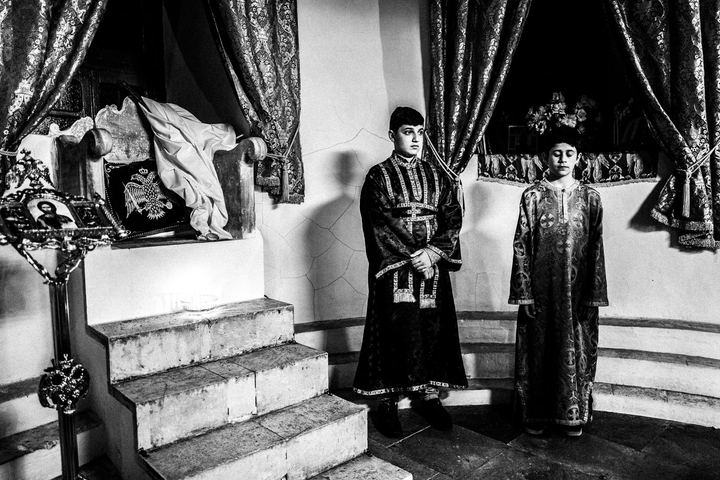
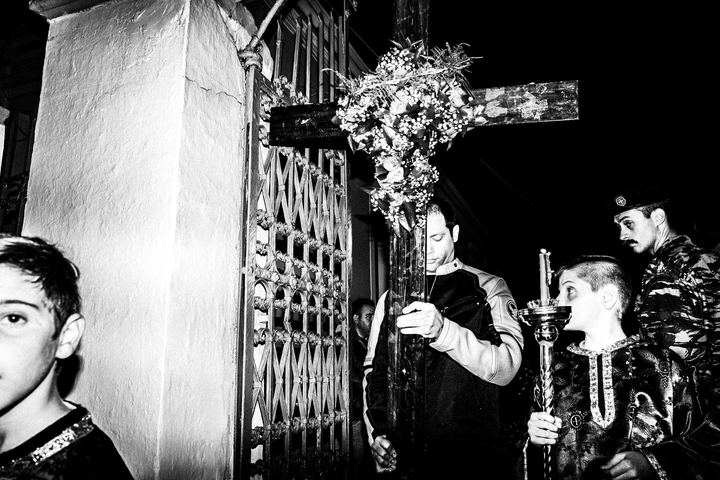
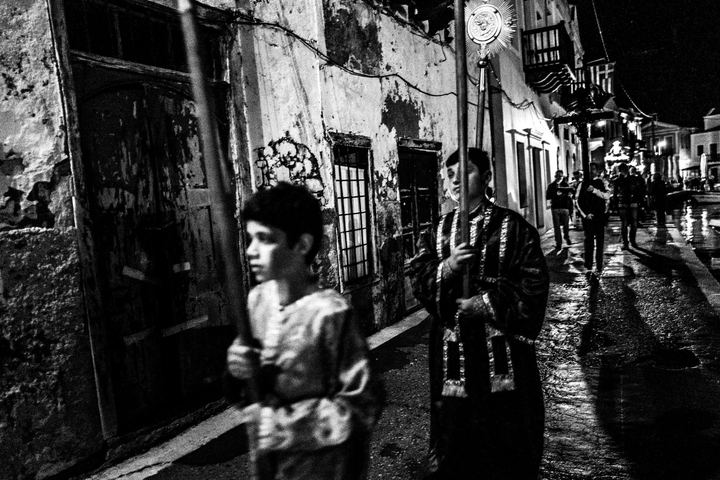
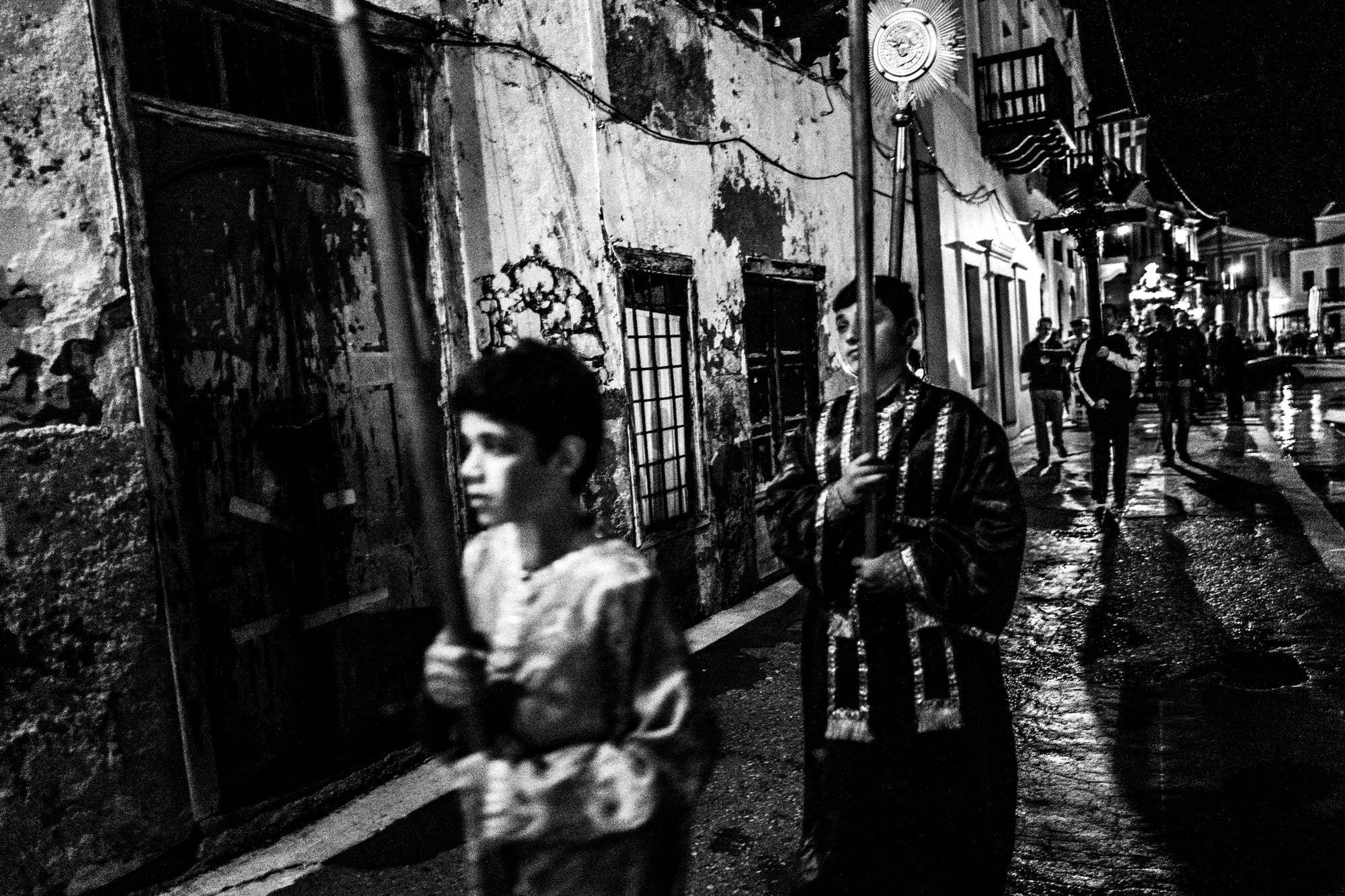
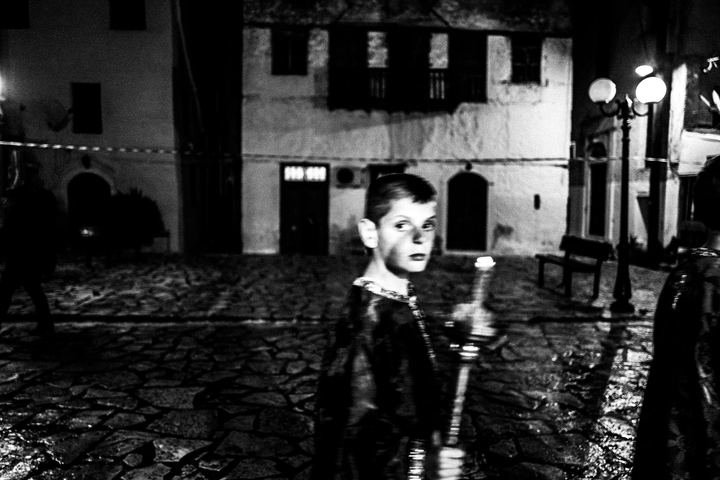
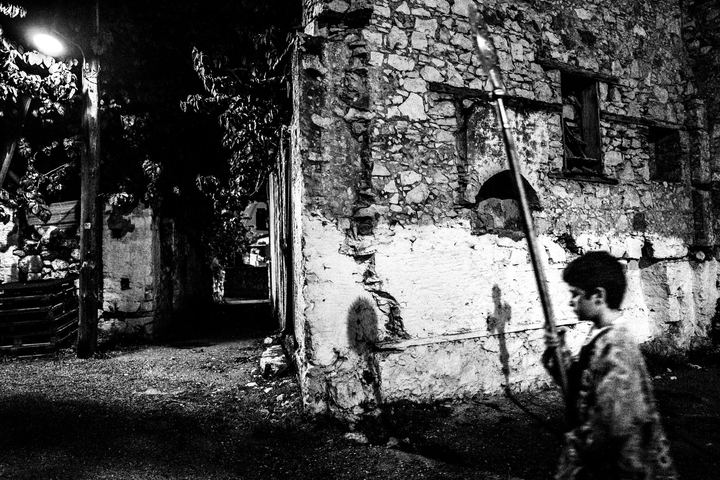
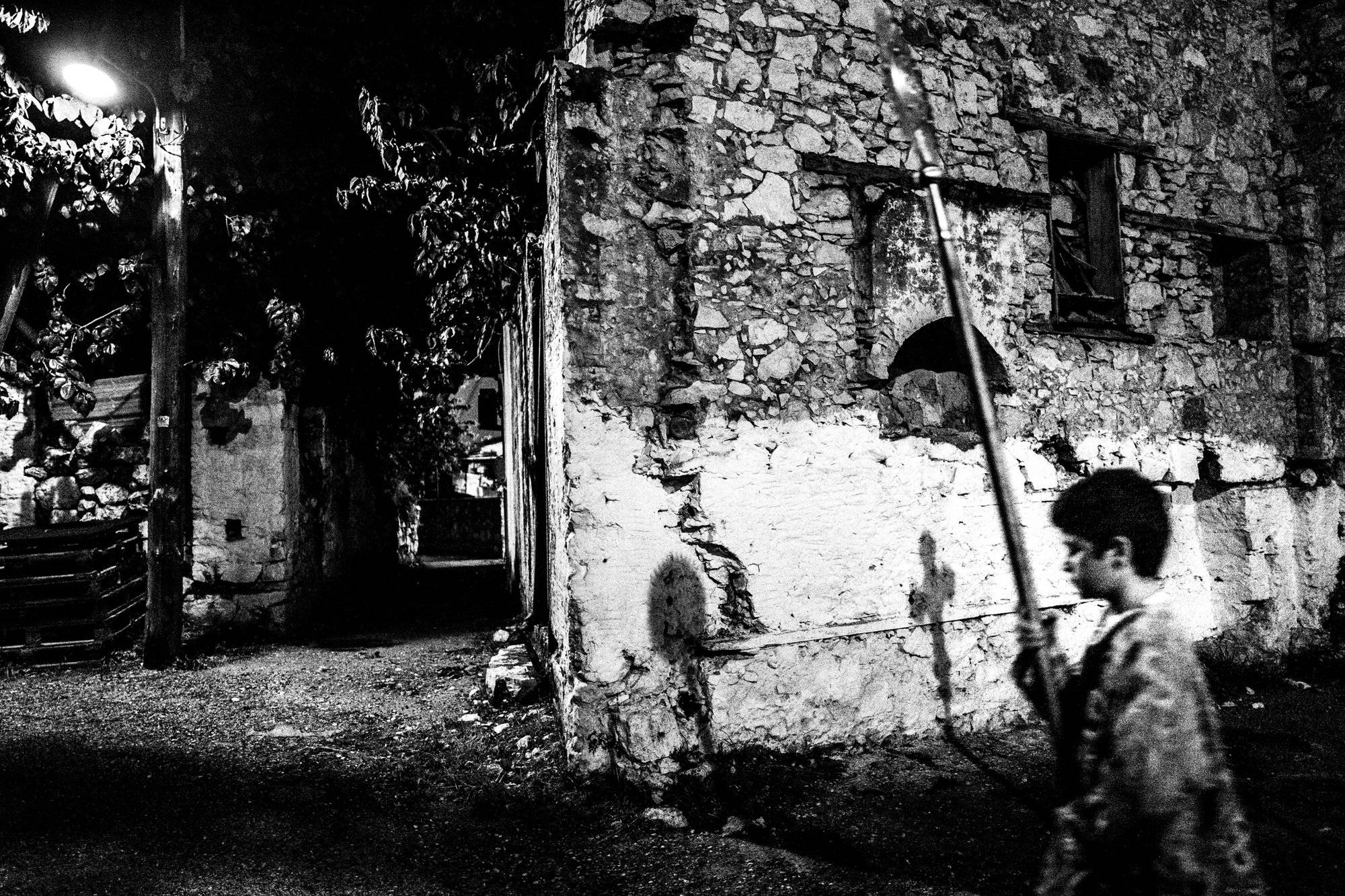
Good Friday, as in most places around Greece, the most photogenic event takes place, the procession of the Epitaphios (the tomb of Christ). The Epitaph is prepared inside the church and on Friday night, it is carried around the town and people follow along with lit candles, chanting. The Epitaph is being escorted by small children and the army force.
The procession then goes back and brings the Epitaph back to the church.
Easter Day: A Festive Finale
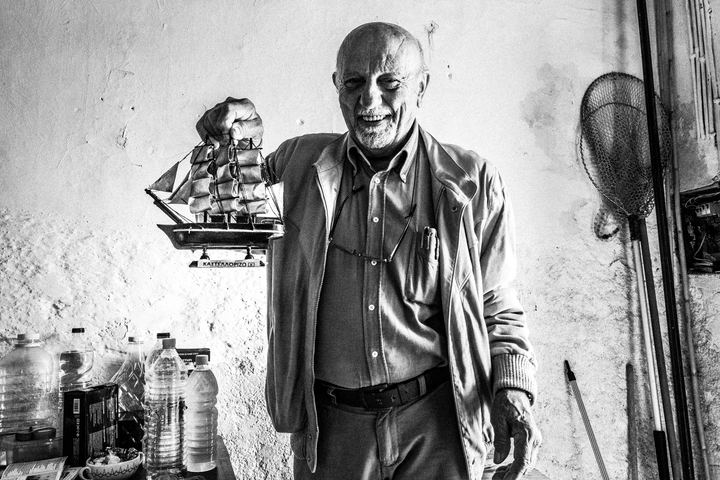
I always like spending Easter in small places with not too many people. Especially the Greek islands have very nice traditions and atmosphere during Easter. I spent Easter day with my new friend Stavros and brought to him some roast lamb from a local tavern. He kept his door open and blew up balloons to give away to all the children passing by.
Conclusion
Kastellorizon's Easter celebrations offer a blend of tradition, spirituality, and community. The island's unique charm, coupled with its Easter customs, makes it a hidden gem in the Aegean. As we delve into the intricate details of Kastellorizon's Easter festivities, the richness of its culture becomes apparent, creating an experience that lingers in the hearts of those fortunate enough to partake in its celebrations.
Culture, held by place
Continue through Kastellorizo.
Follow this tradition into its geographic and cultural context.