Living traditions
Pilgrimage of Panagia Charakiani
Panagia Charakiani, Rethymno
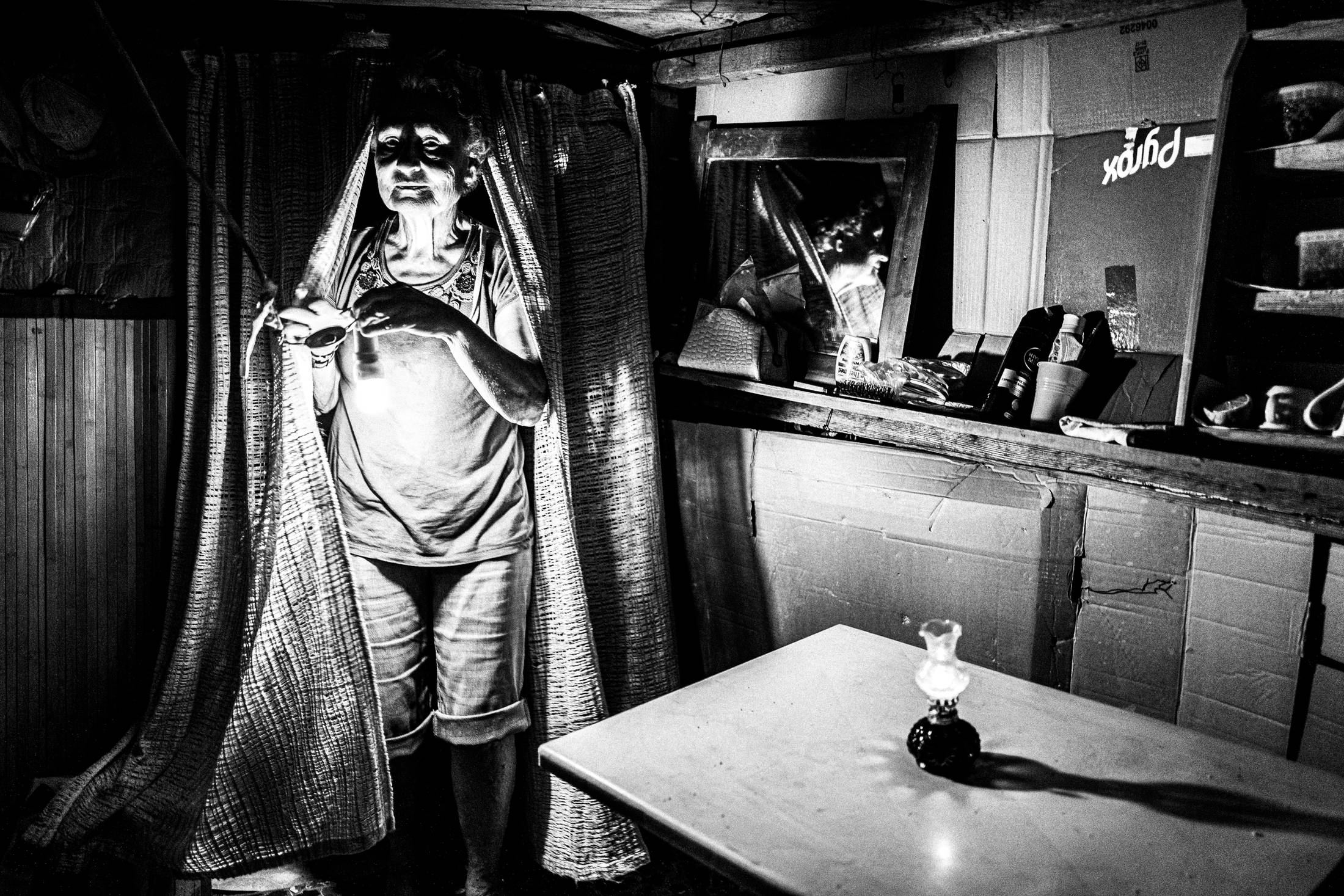
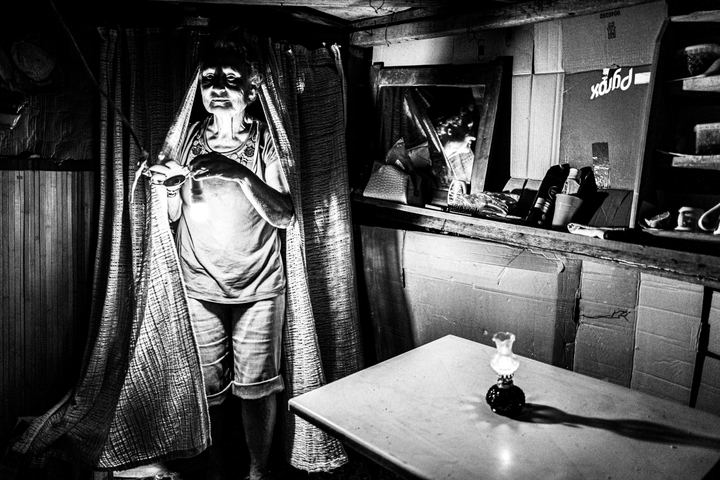
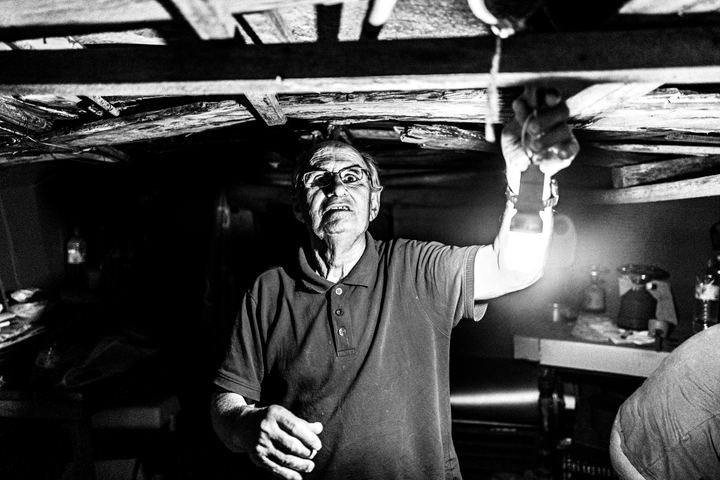
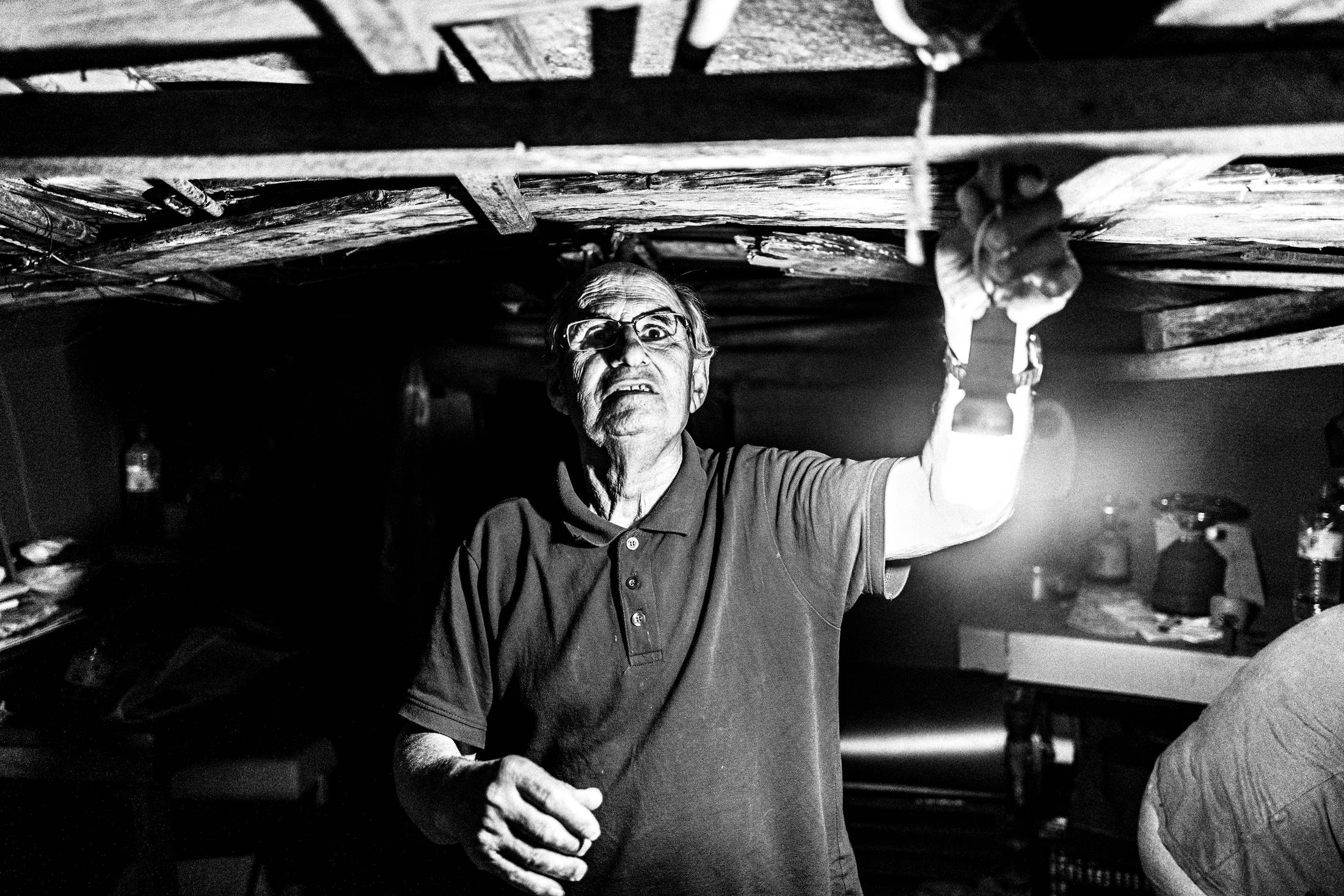
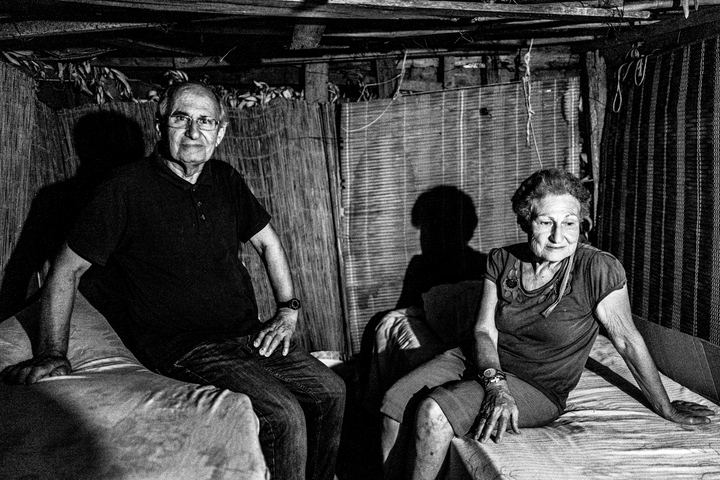
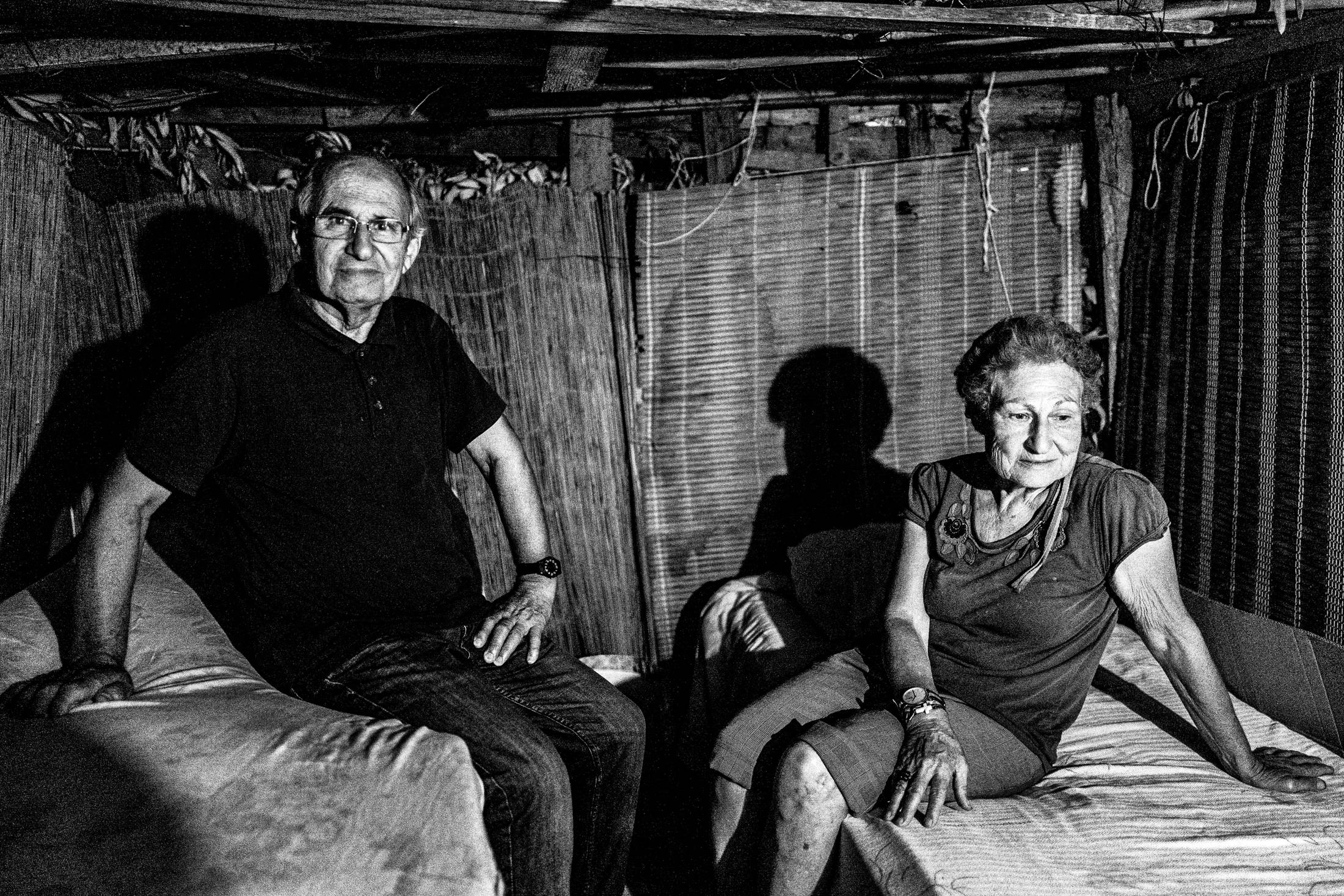
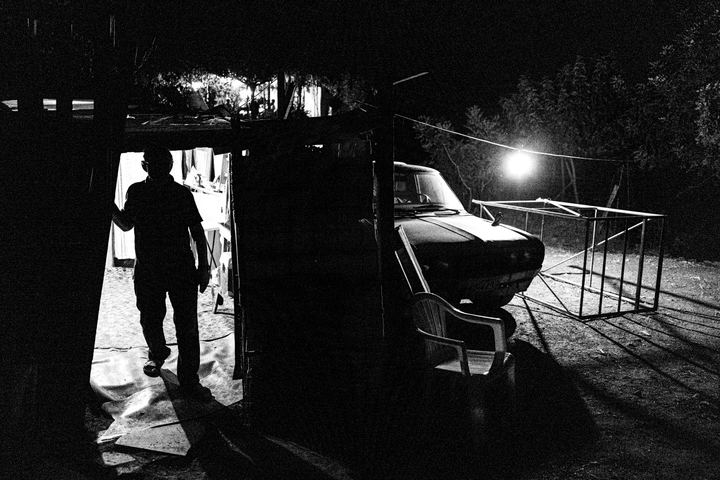
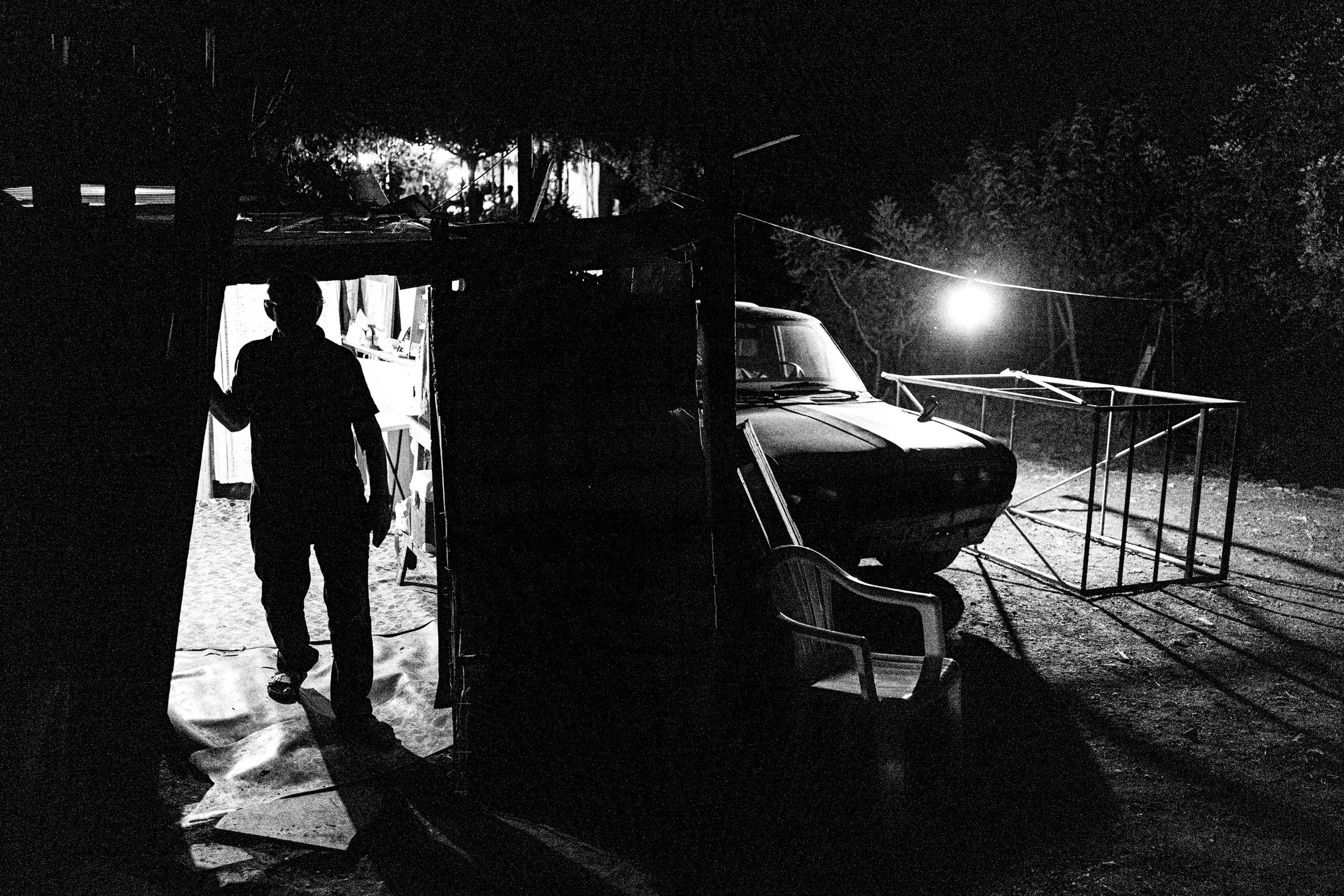
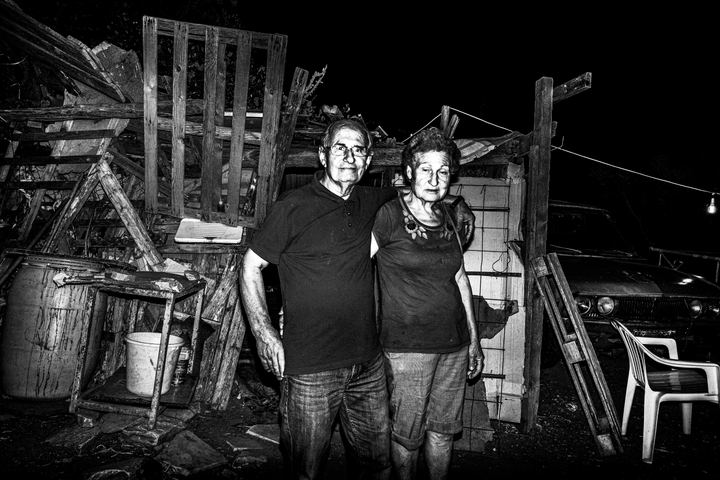
Field photographA pilgrim standing inside the simple living space.
Collector mode
A photograph to live with. Enter a private viewing.Introduction
For the first fifteen days of August, pilgrims live beside the icon of the Virgin Mary in improvised huts near Panagia Charakiani, creating a temporary community of faith and memory.
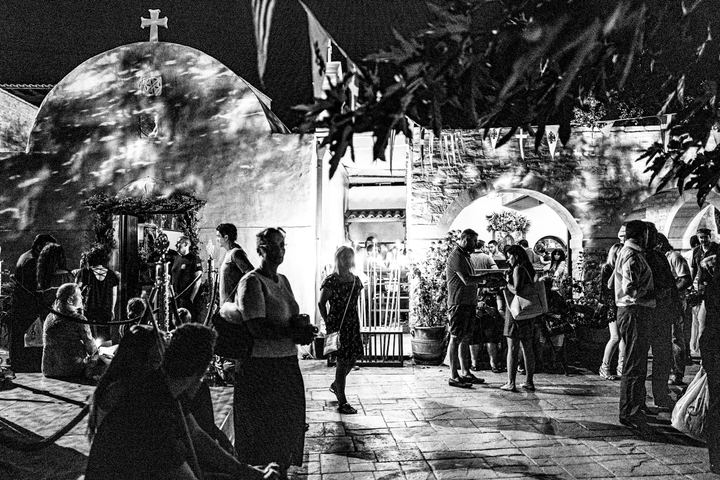
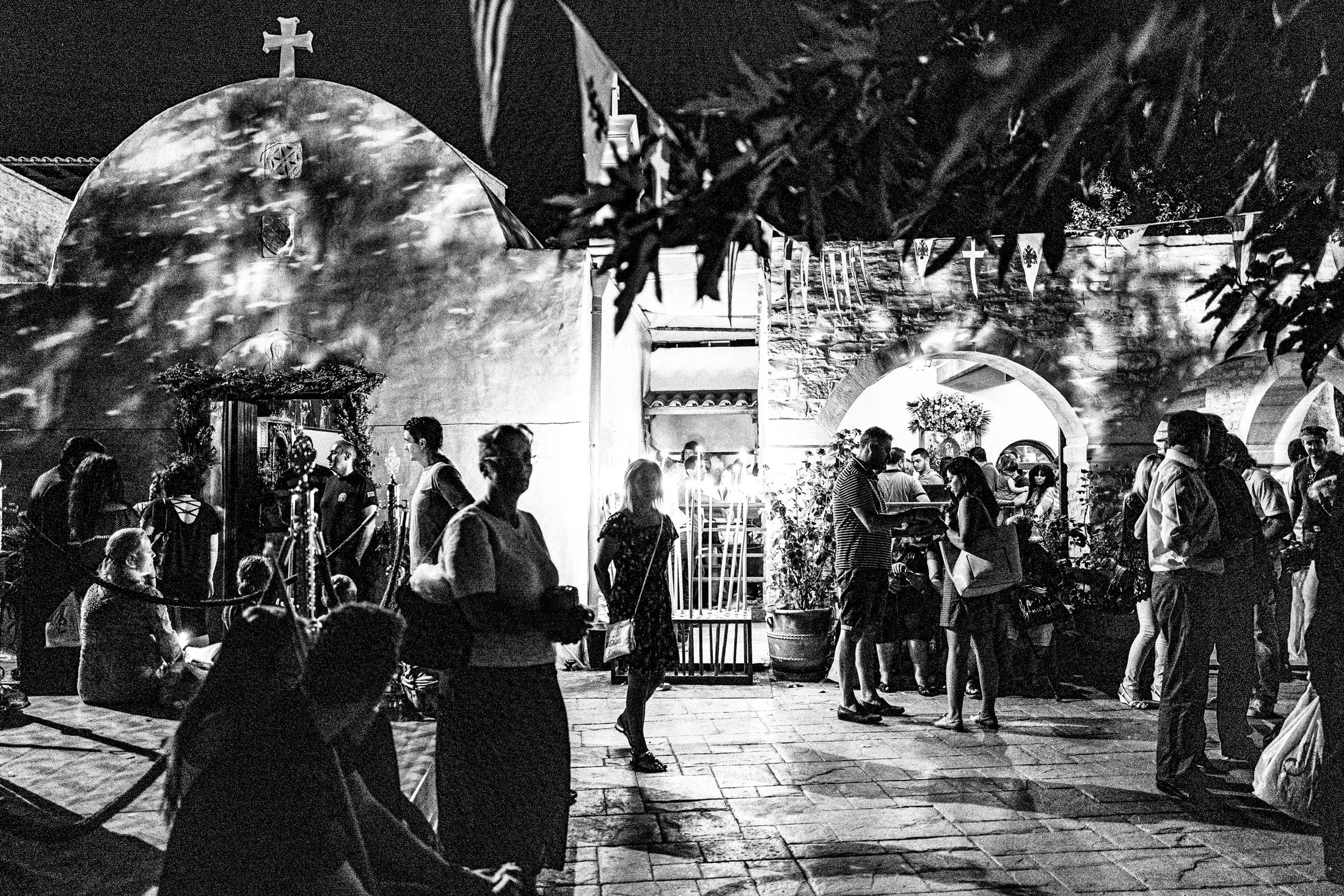
Each August, pilgrims gather at Panagia Charakiani and live for up to fifteen days in handmade huts built from reeds, fabric, nylon, discarded doors and other found materials. Their temporary settlement accompanies the sacred icon until the Feast of the Dormition on 15 August.
The Pilgrims of Panagia Charakiani: A Captivating Cretan Tradition
In the heart of Rethymnon, on the stunning island of Crete, lies a church that holds a special icon of Mary. Every year on August 15th, during the celebration of Mary's Assumption, this sacred icon is moved to the church of Charakiani, located 38km away from the city. And with it comes an intriguing tradition that has been practised for centuries.
For many locals, this annual event is a time of great spiritual significance. They come from all over Crete to pay homage to the icon and participate in the celebrations. And while the focus is on the church and the icon, the surrounding area is alive with a different kind of energy.
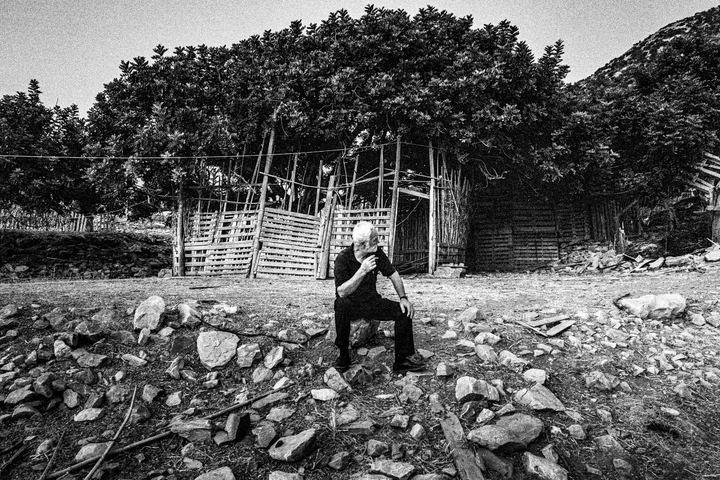
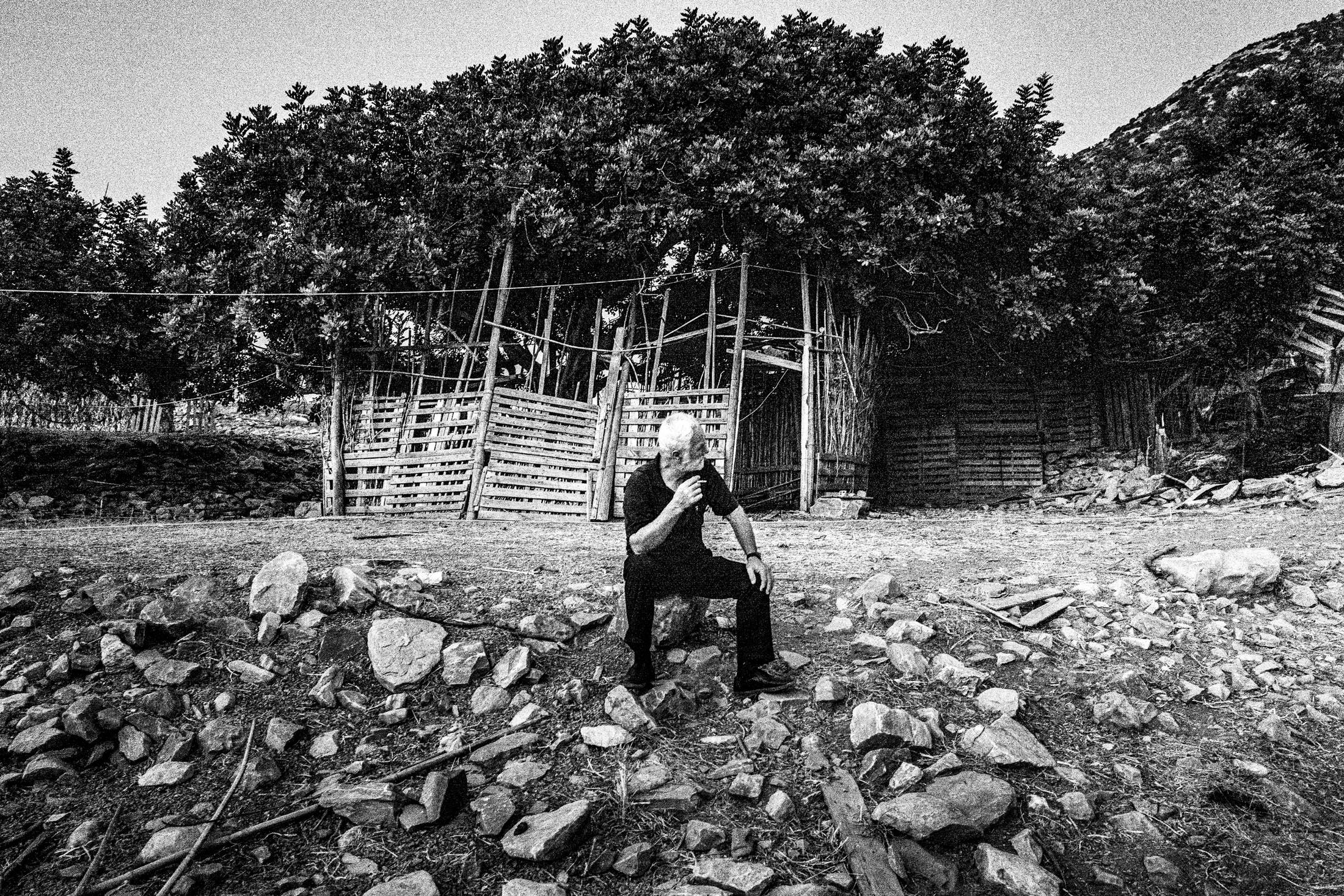
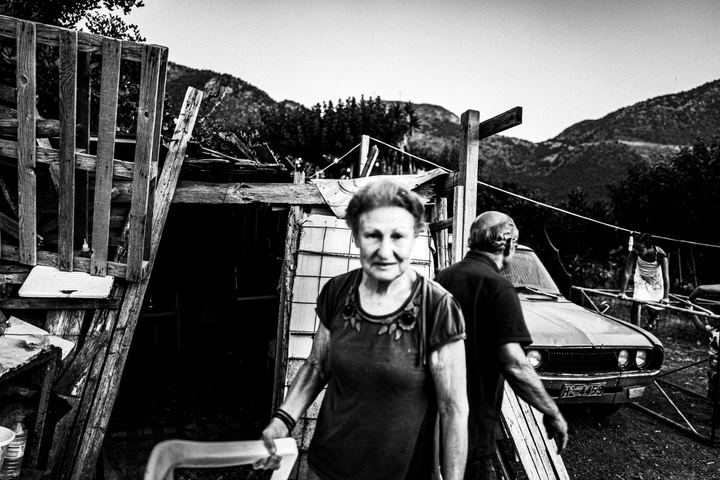
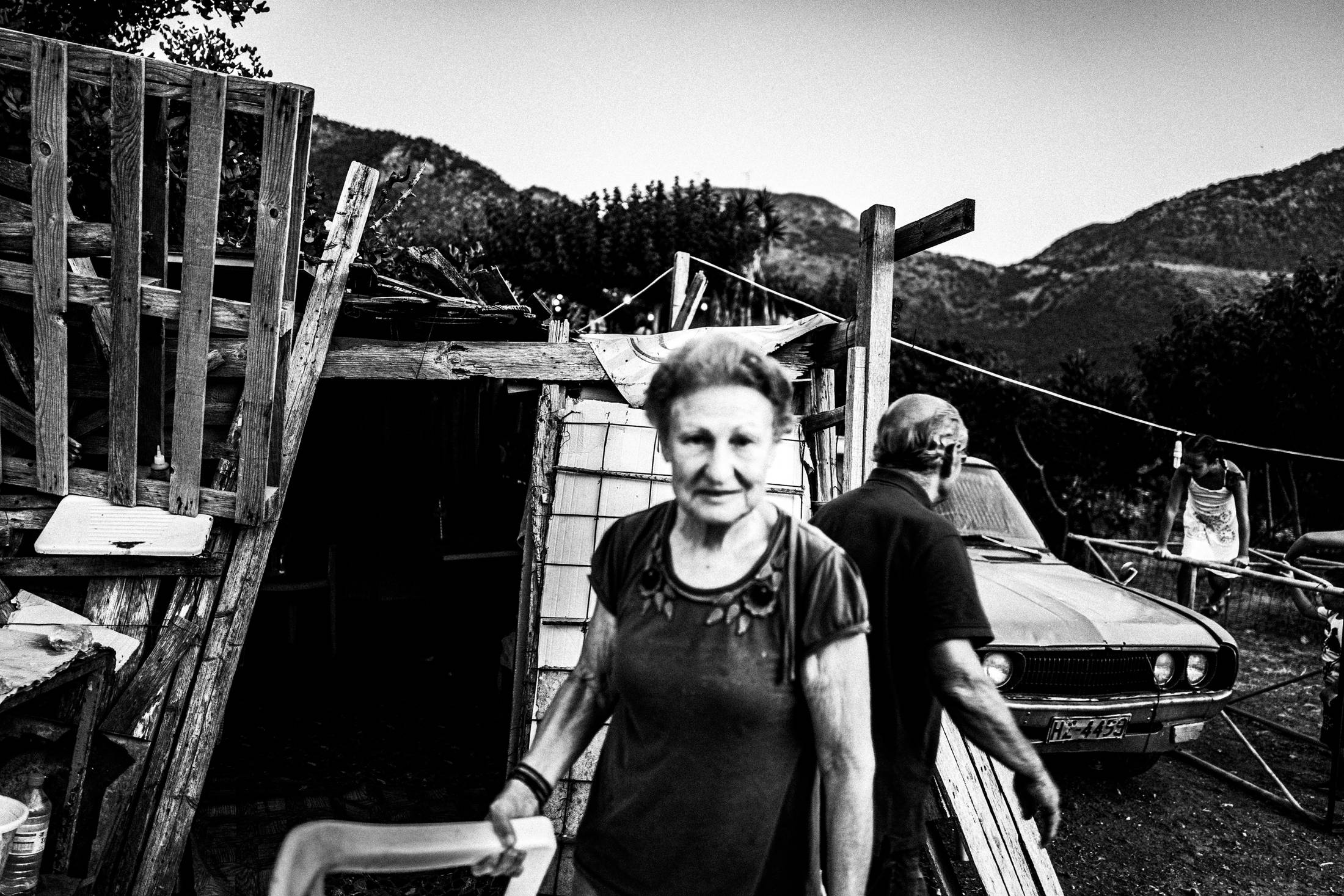
At a nearby field, pilgrims make their temporary home in self-made huts constructed from straw, nylon sheets, old irons, and doors. They live in these huts for the first 15 days of August to keep company with the icon. It's a fascinating sight to behold, and one that I had to capture.
I arrived at the church on the 14th, having heard about the customs from locals in Anogia village. I was eager to witness this unique tradition for myself, and I was not disappointed. As I walked towards the field where the pilgrims were living, I saw a sea of huts, each one more creative than the last. There were huts made from palm fronds, old umbrellas, and even car parts.
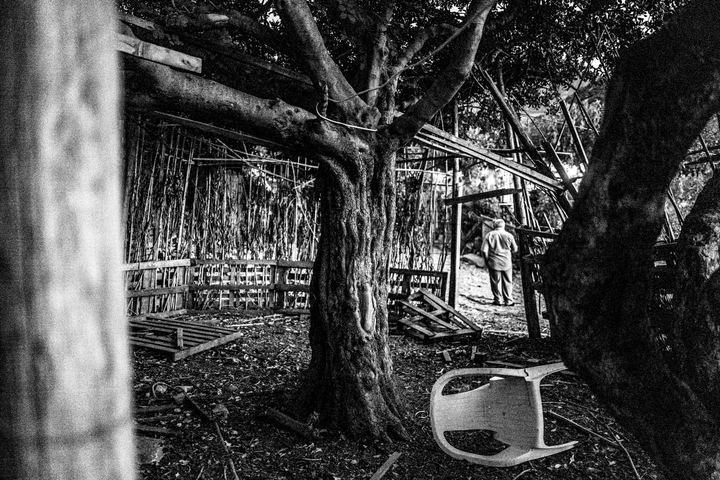
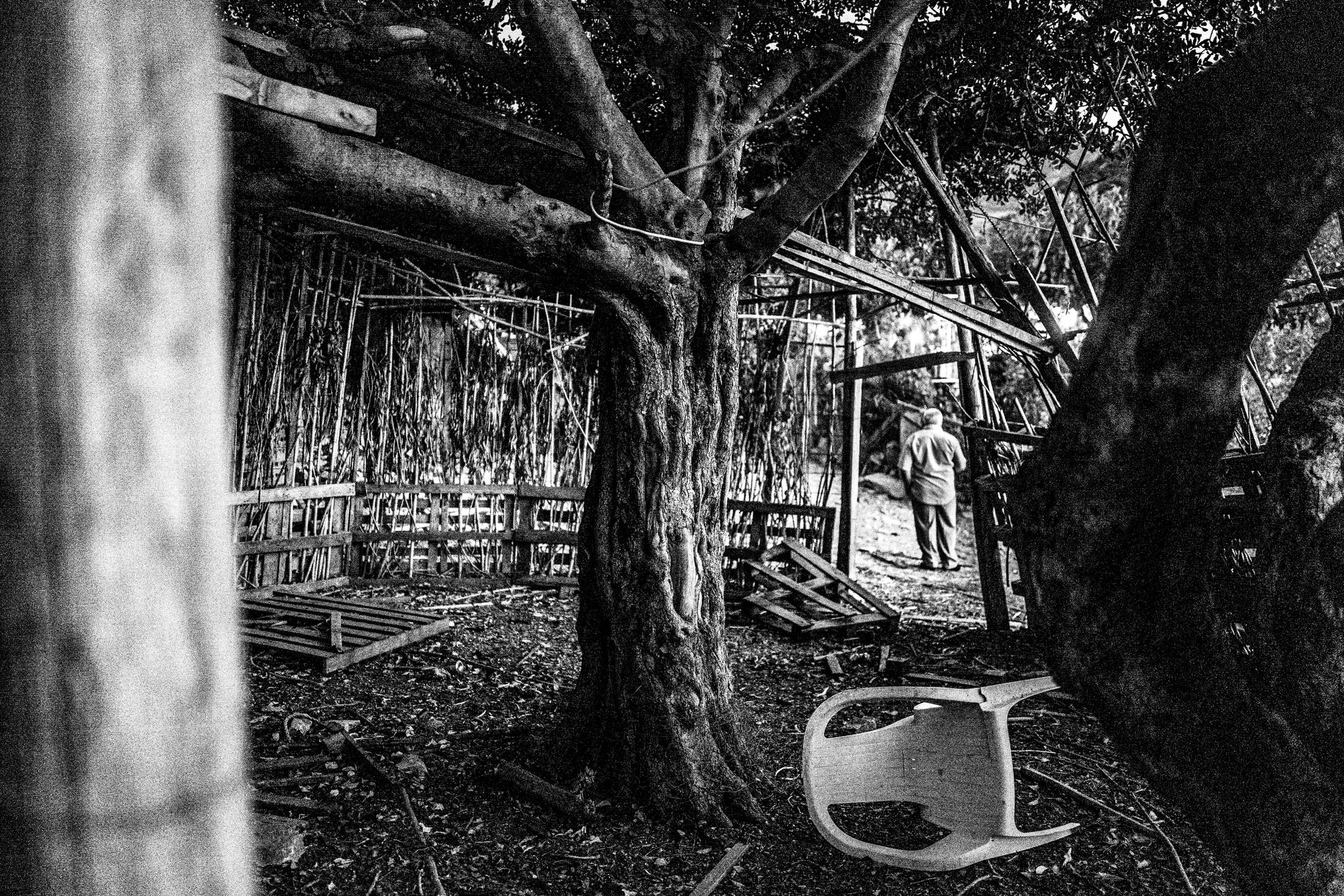
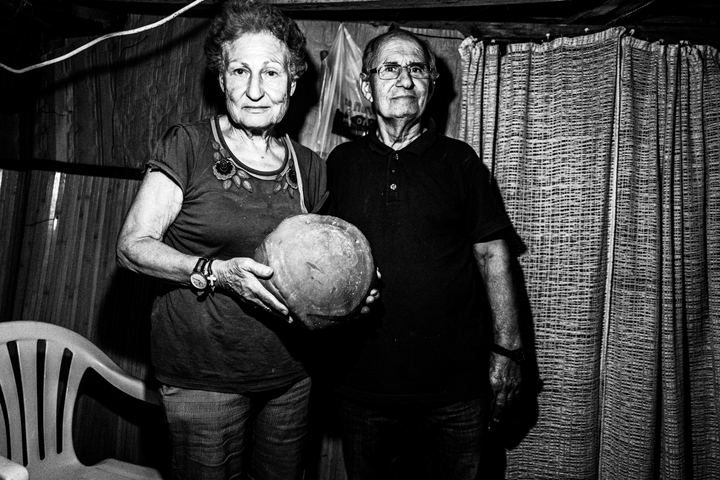
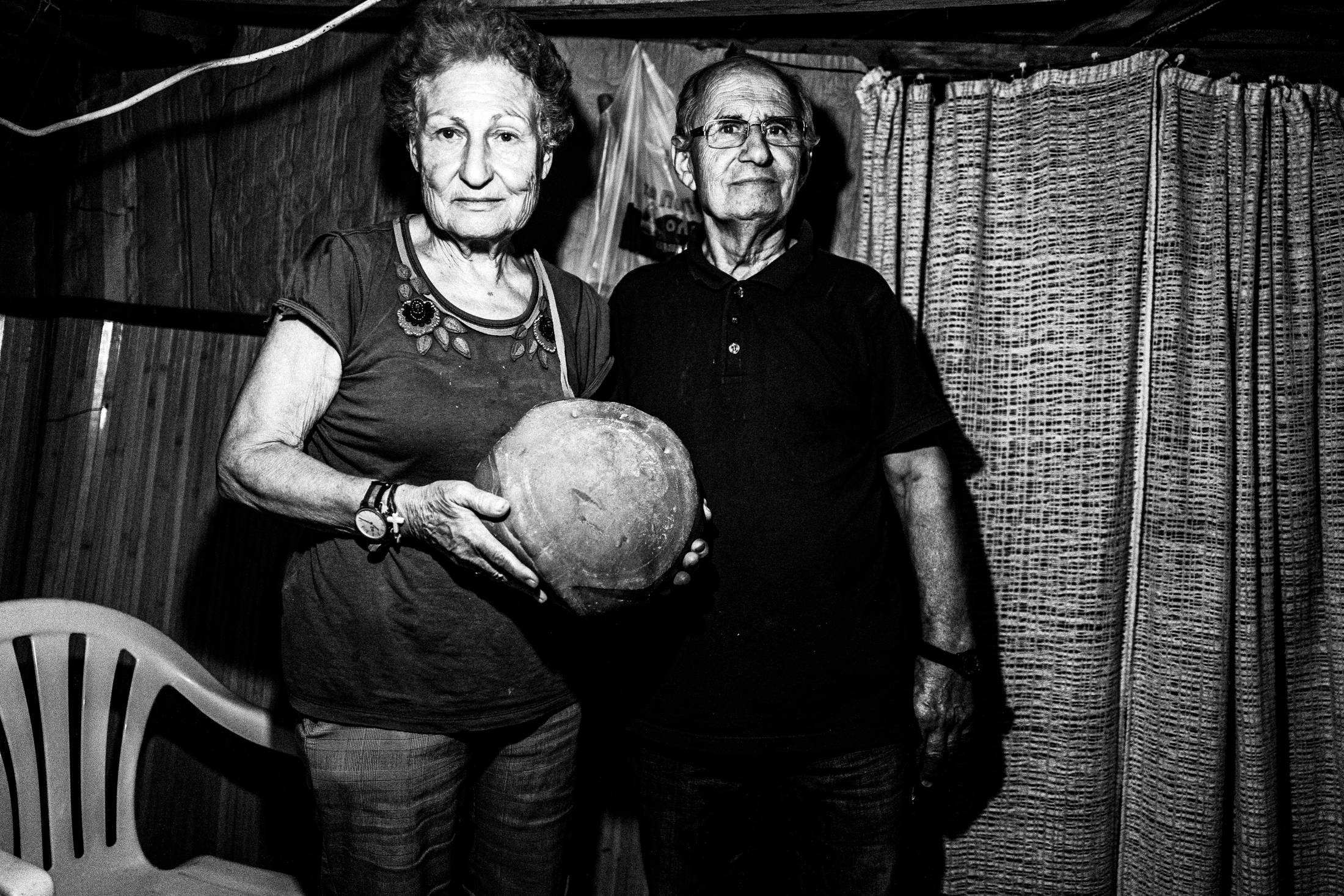
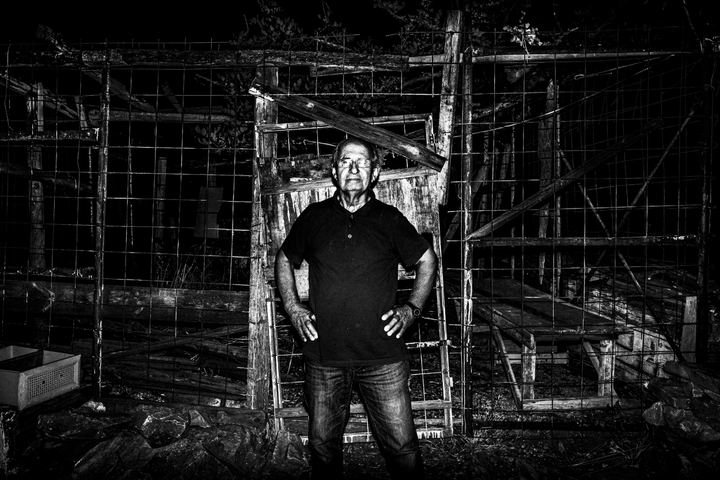
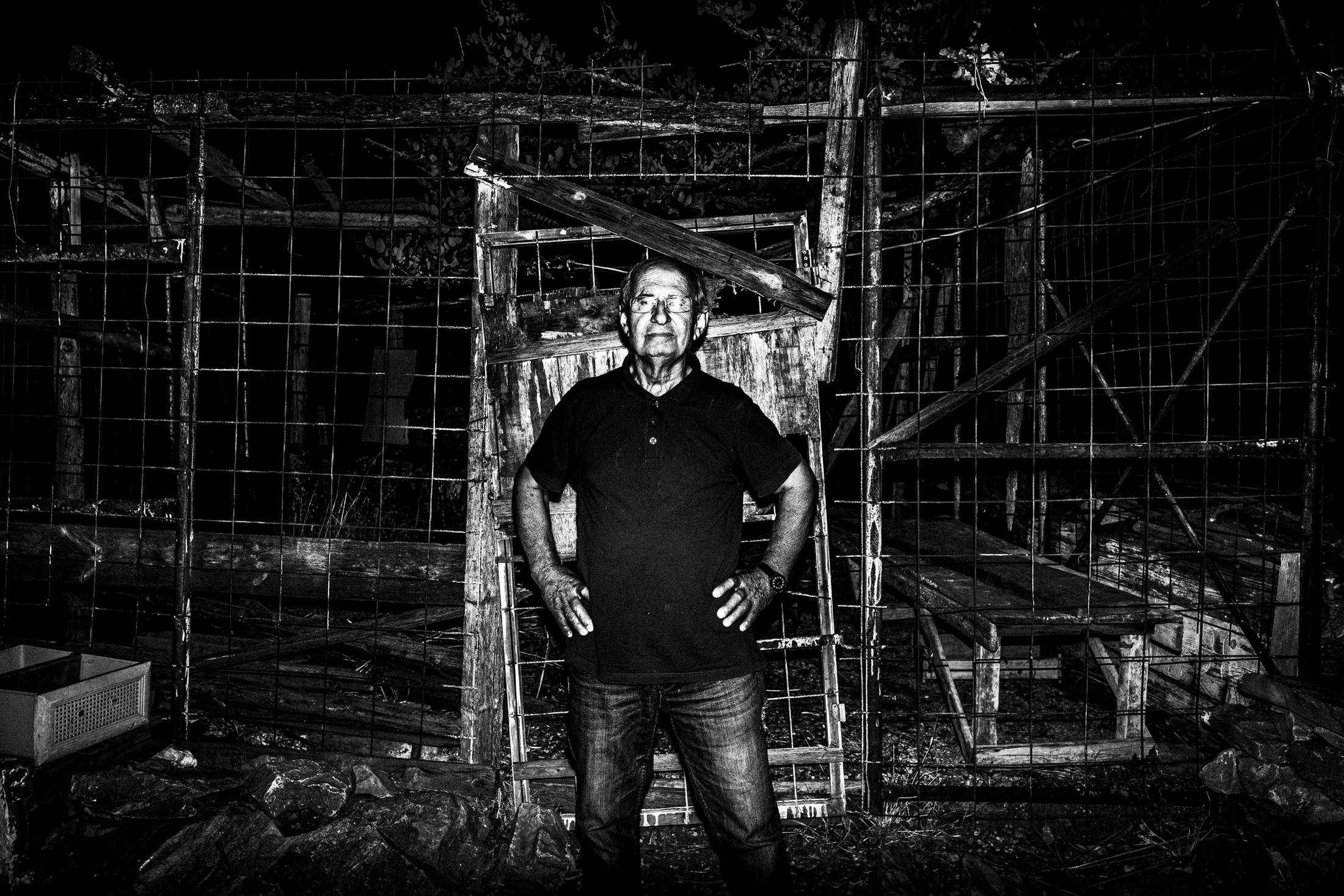
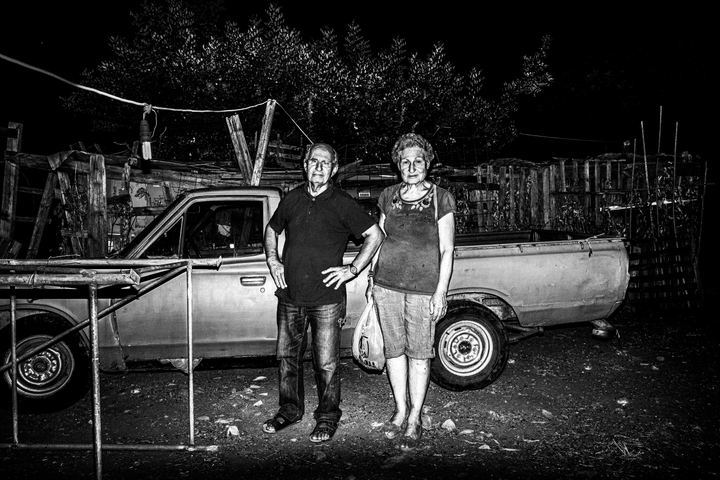
When I met the last remaining couple living in their hut, they welcomed me with Raki. The couple shared their personal stories and the history of the custom, and I was mesmerized.
The wife, a local, recalled that she first swam in the sea at this very spot. She came from a nearby mountain village where it was not typical for them to visit the sea, so all her childhood sea memories were from this place. Her husband, a Cretan Lyra player, unfortunately, did not have his instrument with him as most of the pilgrims had left. Nonetheless, they invited me inside their hut and gave me a glimpse of their simple life. The hut had everything they needed, a separate bedroom, a small kitchenette, and a table for dining. It was a perfect example of how simple things can be enough to live a fulfilling life, free from the needs that enslave us in our daily lives.
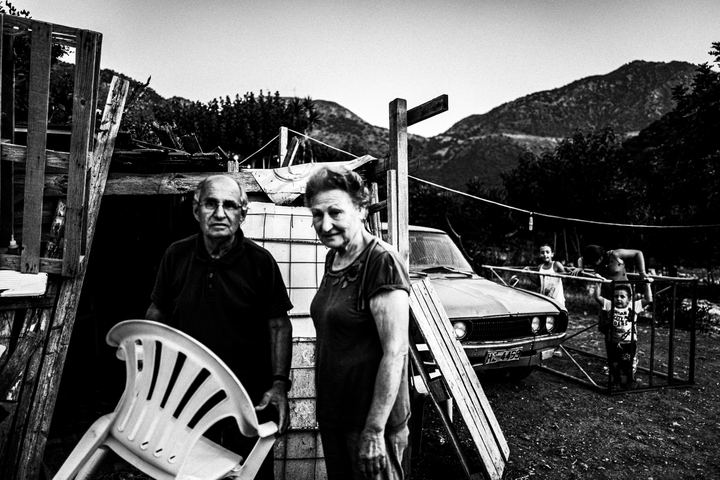
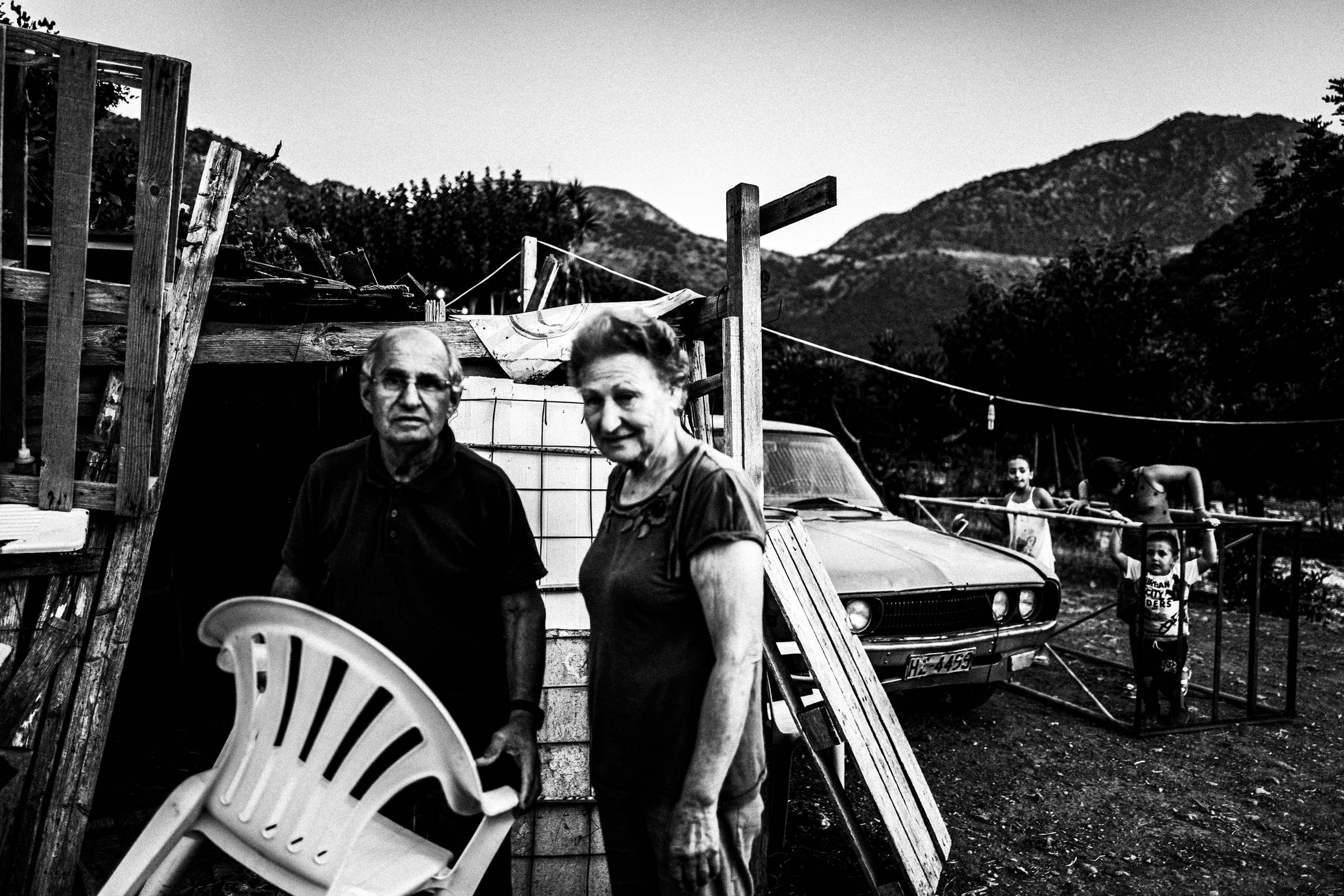
As I left the couple's hut, I couldn't help but feel inspired. I had witnessed a beautiful tradition that had been passed down through generations, and I had seen firsthand the resilience and creativity of the human spirit. The Pilgrims of Panagia Charakiani in Rethymnon is a captivating story, full of rich traditions, history, and the enduring human spirit.
Culture, held by place
Continue through Rethymno.
Follow this tradition into its geographic and cultural context.