Living traditions
Panagia Kyra Psili
Panagia Kyra Psili, Kalymnos
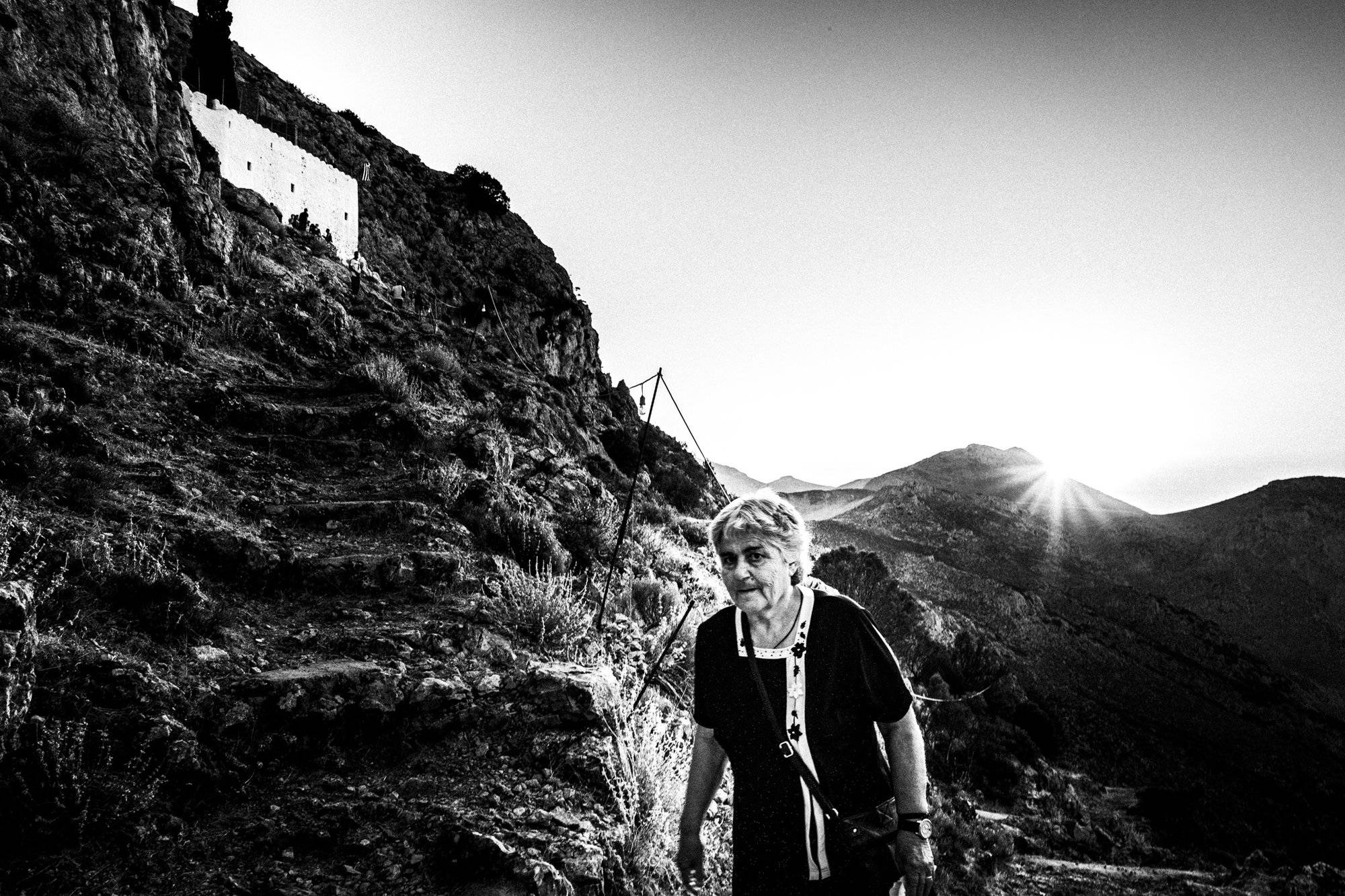
Field photographA pilgrim approaches the cliffside monastery before sunset.
Collector mode
A photograph to live with. Enter a private viewing.Introduction
A mountain pilgrimage on Kalymnos leads to a cliffside monastery, a late-night vigil and a traditional feast beneath the stars.
Every August, pilgrims climb above Vathy to the remote monastery of Panagia Kyra Psili. The service begins late on 14 August, followed by traditional music, dancing and an overnight gathering on the mountain.
The Celebration of Panagia Kyra Psili
August 14th dawned with the anticipation of a nationwide celebration in Greece—the Dormition of Mary. I find this celebration intriguingly oxymoronic. The occasion marks the memorial day of Mary, Jesus' mother, ascending to Heaven after her earthly life. It is quite common in Greece to celebrate the sad events of Christianity with music and dancing.
In the spirit of togetherness and celebration, communities across the country unite. The optimism surrounding Mary's heavenly transition justifies the festivity. Intrigued, I delved into the island's rich traditions and discovered two celebrations that captured my interest—the Monastery of Panagia Kyra Psili and the Panagia of Telendos island.
Opting for the former, I embarked on a morning journey, contemplating whether to linger on Telendos or return to Kalymnos for Kyra Psili's celebration. Telendos charmed me with its scenic beauty, morning Greek coffee, a refreshing swim, and a delightful lunch. Yet, my heart leaned towards Kyra Psili, pulling me back to Kalymnos for an enchanting experience.
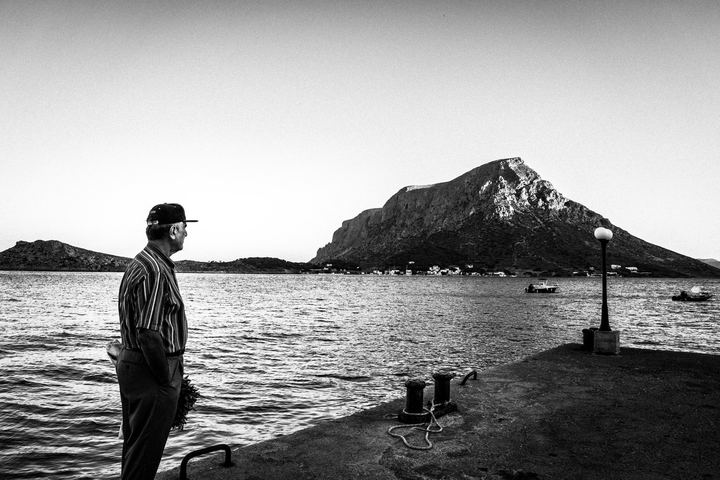
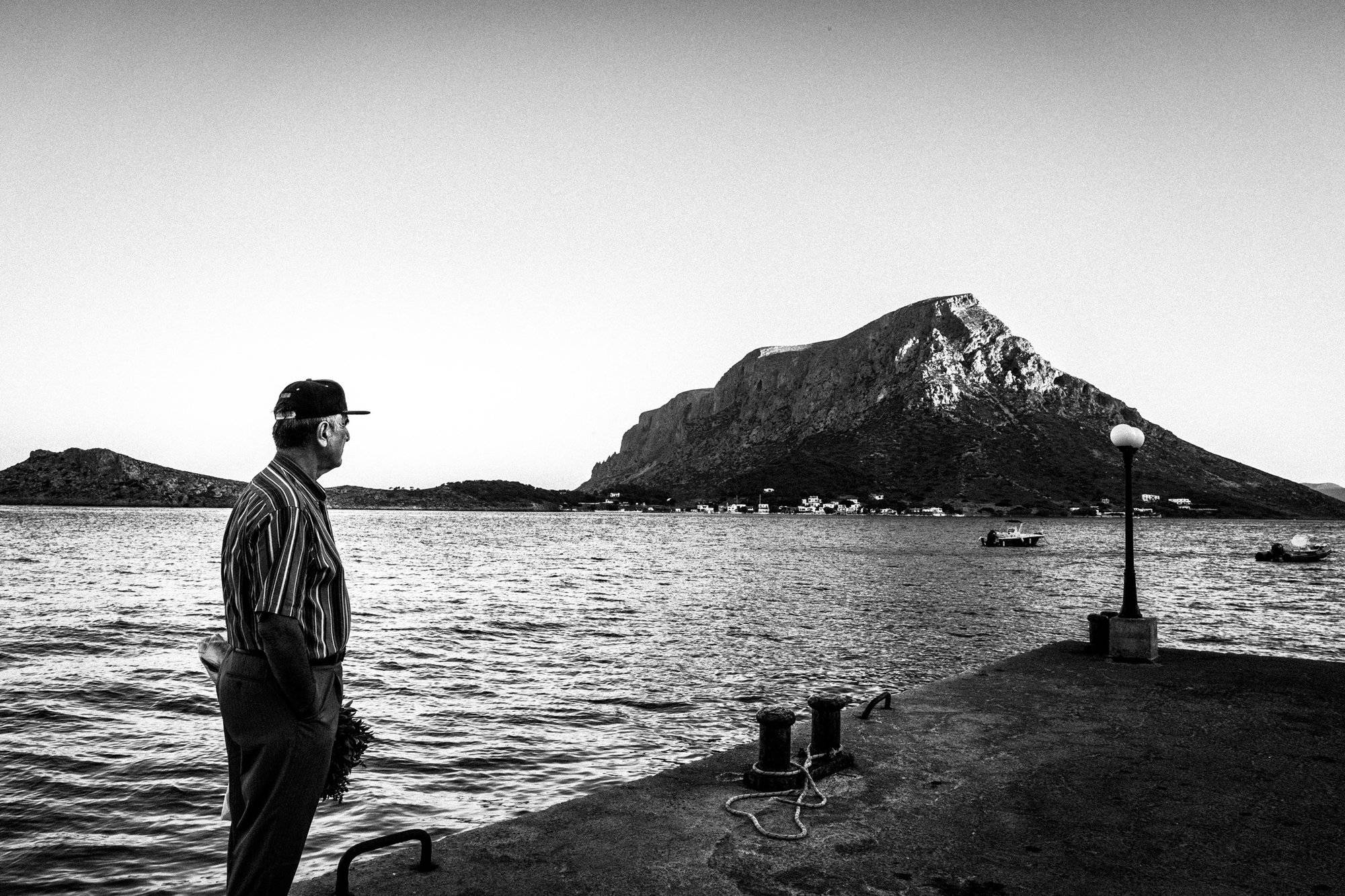
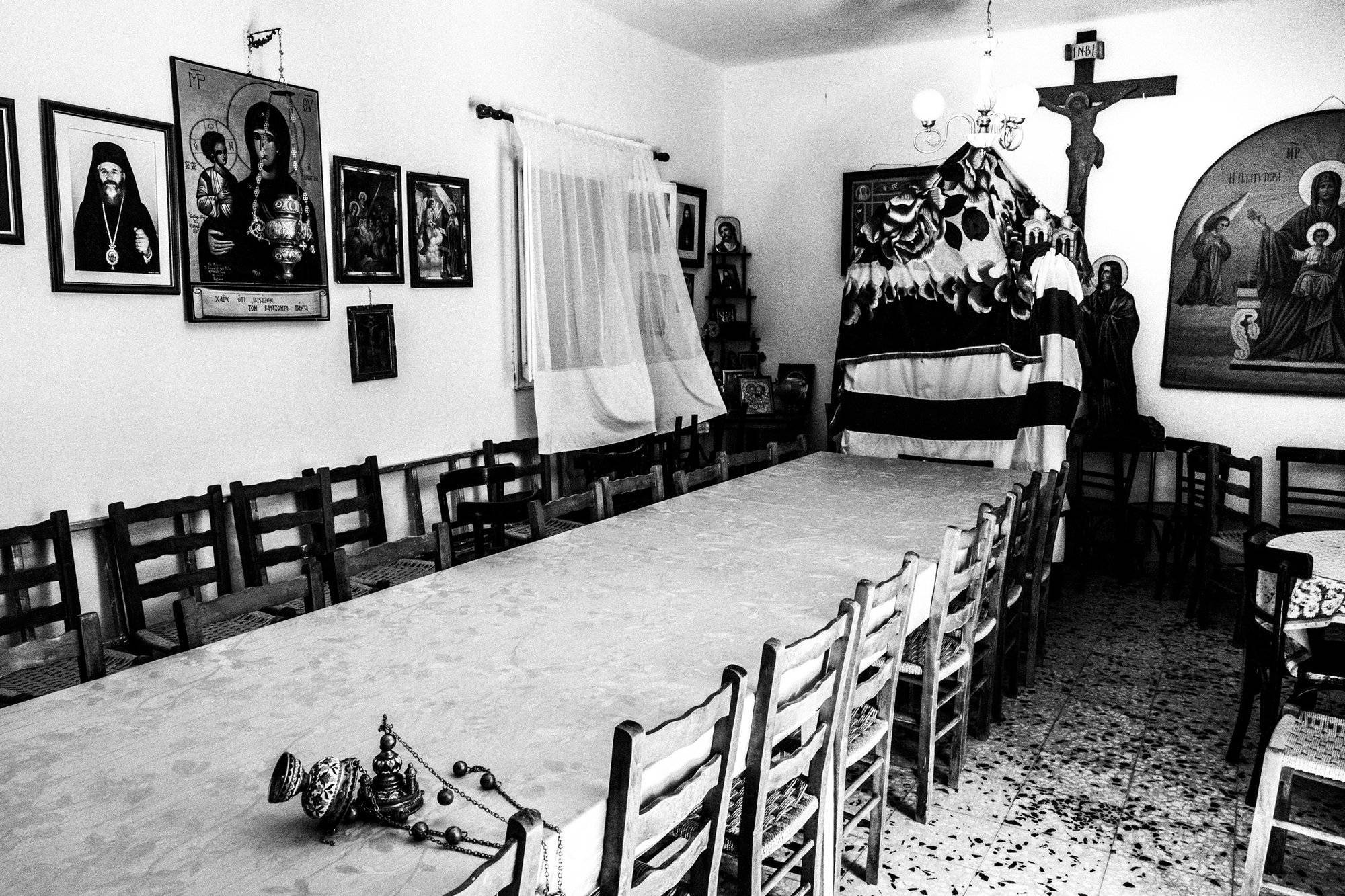
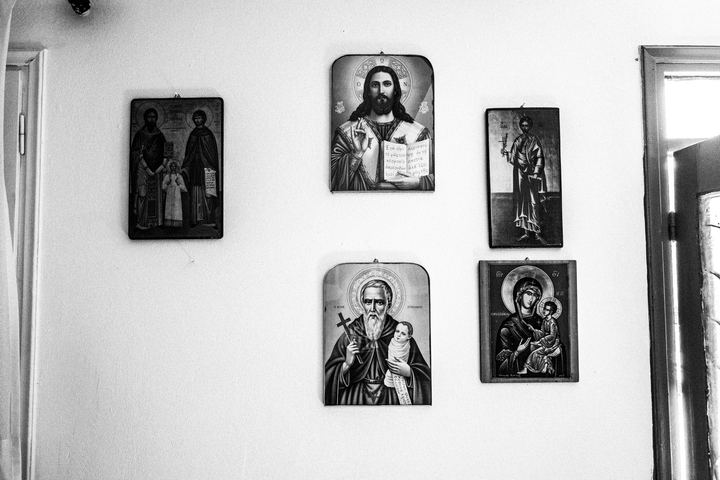
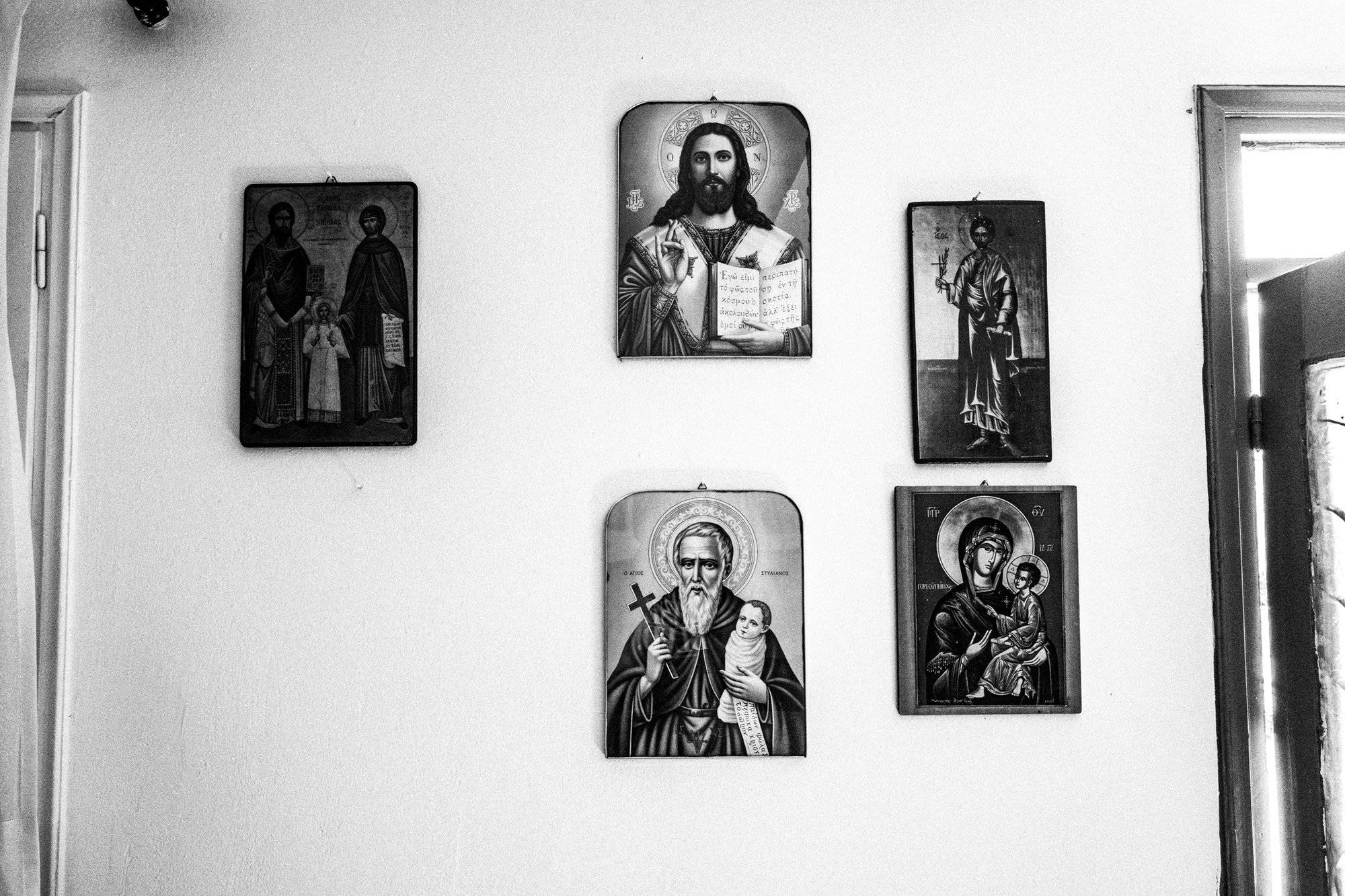
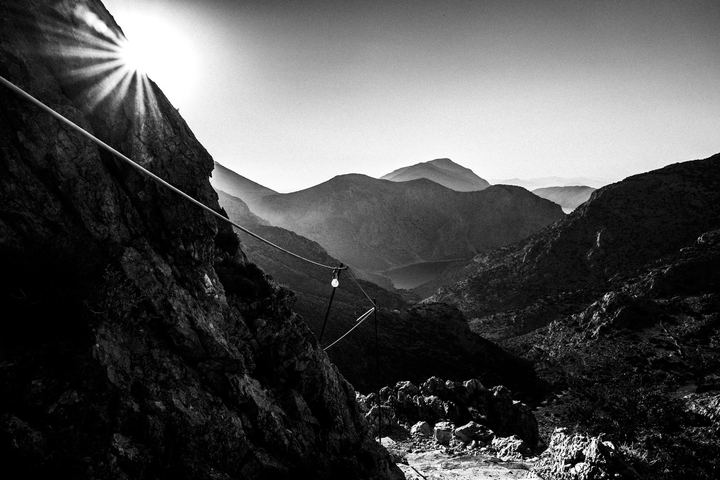
Navigating the road to the Monastery presented challenges—steep, and narrow, with a perilous cliff on one side. Yet, the journey, albeit daunting, was reminiscent of many Greek terrains. A touch of prayer along the way seemed fitting.
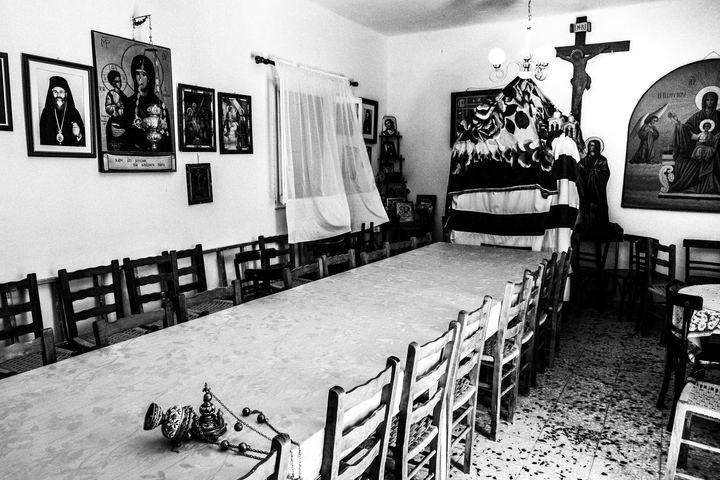
Upon reaching the path, a less-than-a-kilometer walk led to the Monastery. The uphill trek, exacerbated by the summer heat, was shared with fellow pilgrims and work donkeys. The Monastery unfolded with monastic cells, a chapel nestled in the cliff rocks, and the main church in the courtyard.
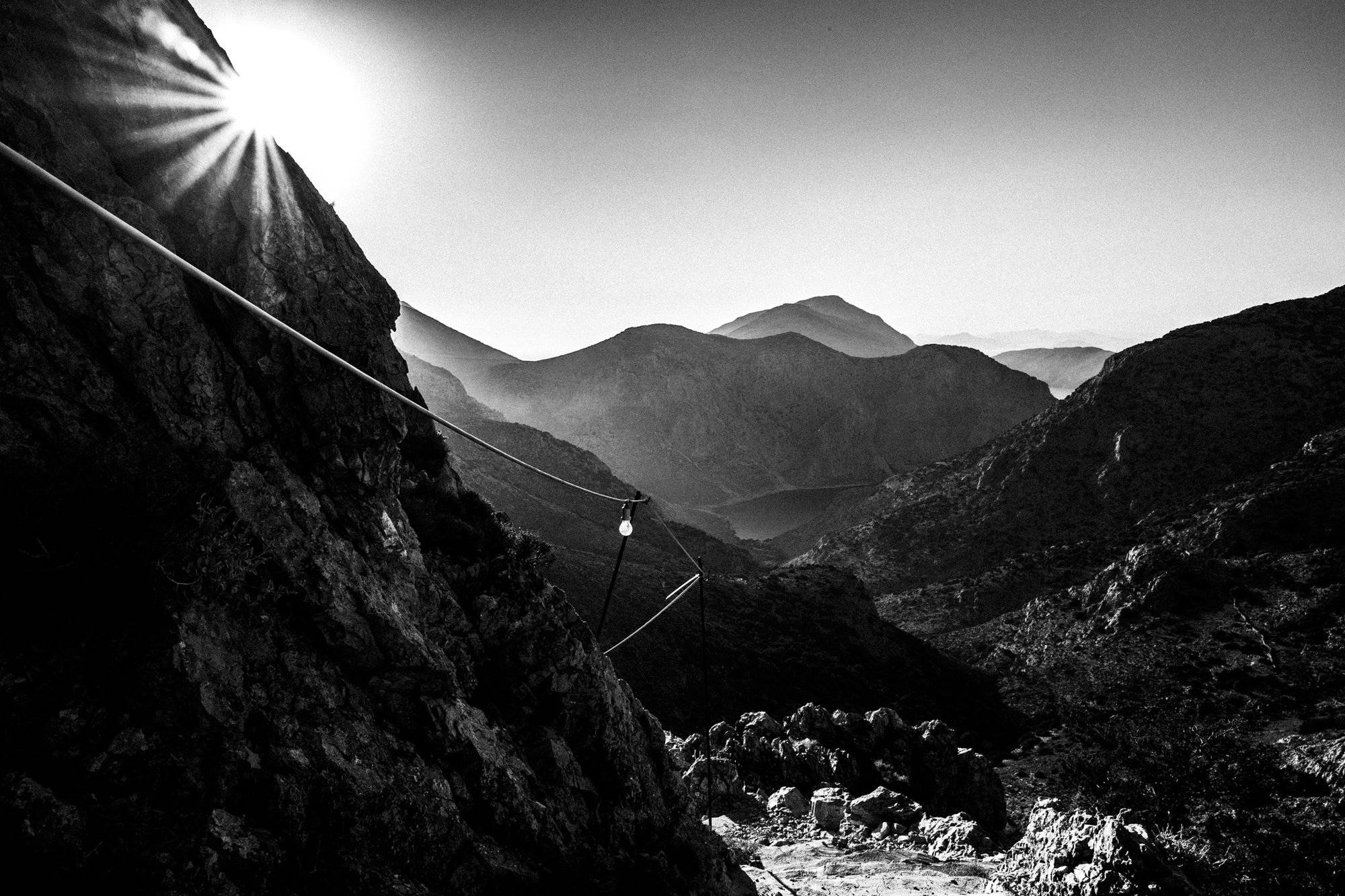
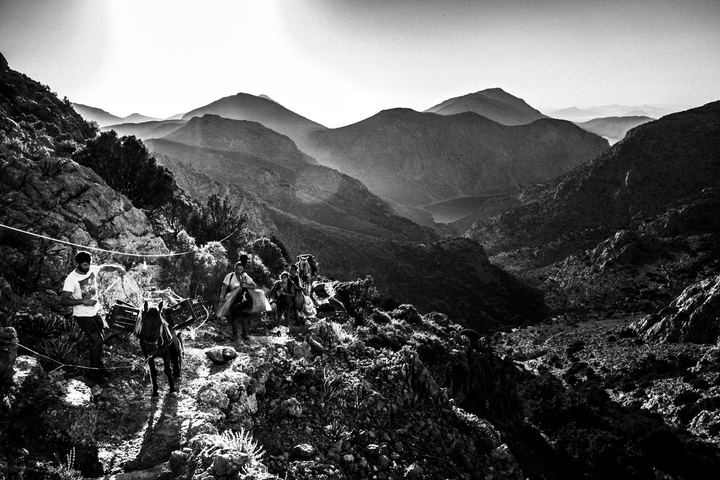
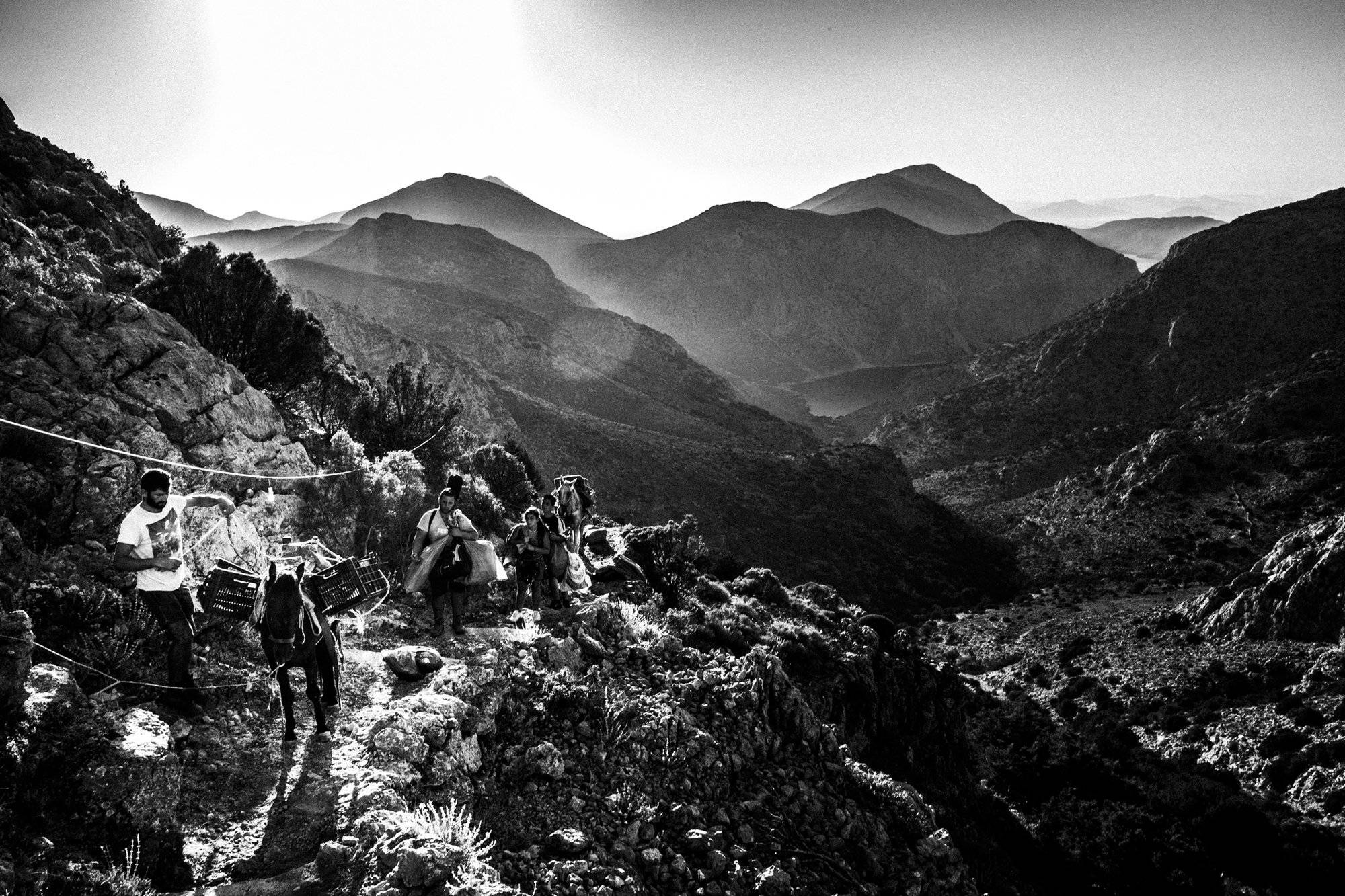
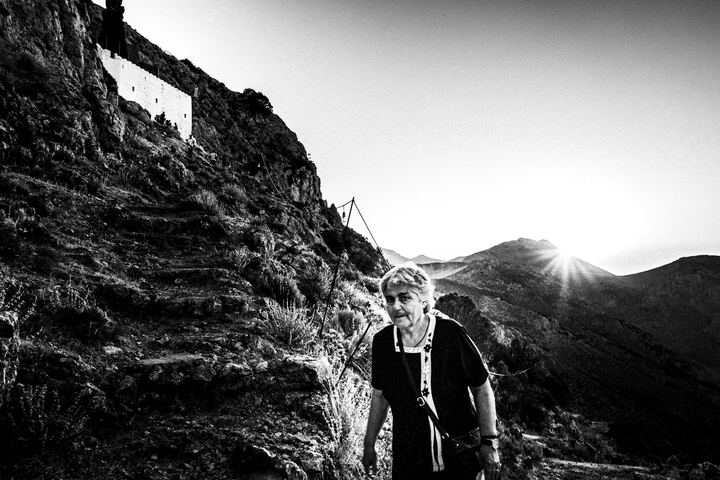
When I reached the Monastery, the priest had already been there and people had started to gather. I took some time to look around the Monastery, wandering around the monastic cells, the small chapel and the main church in the main yard.
At one point inside the cliff, there was a small and narrow cave where water was dripping at its end, creating a small pond. Pilgrims would squeeze themselves inside to go and drink some of the water as they believed that it had some miraculous properties.
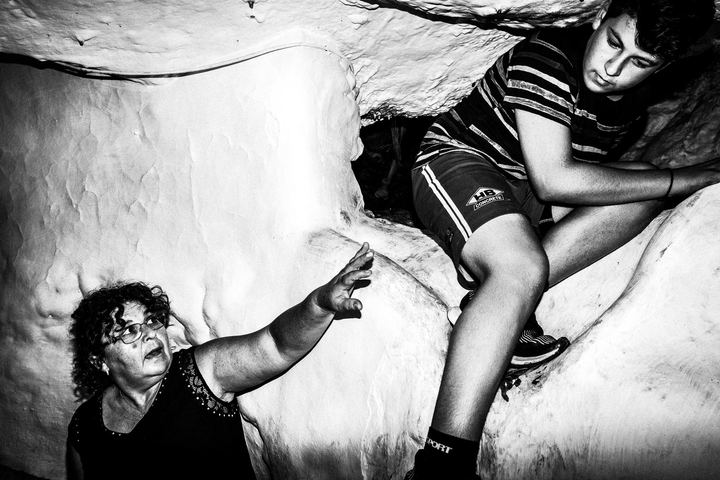
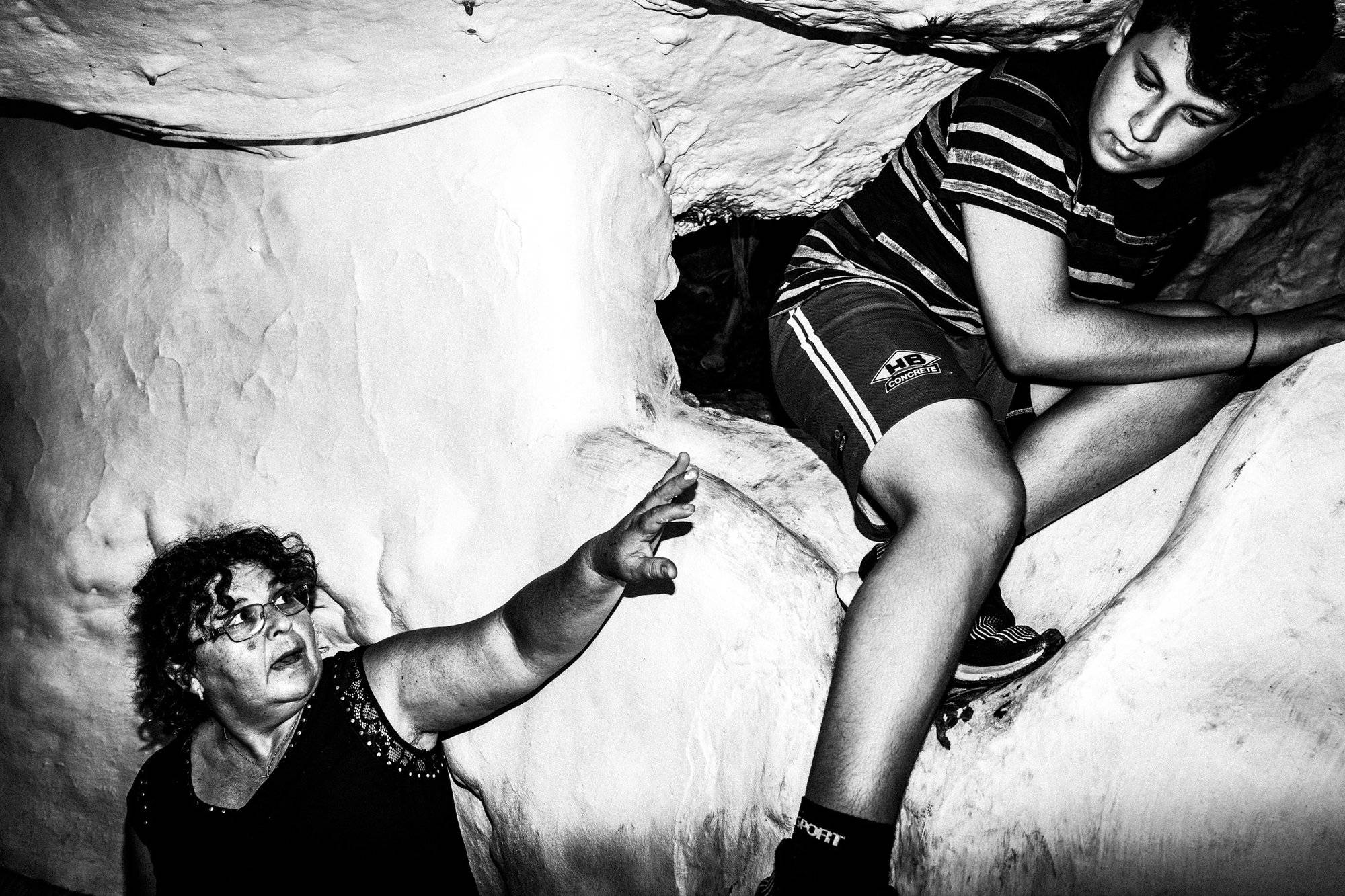
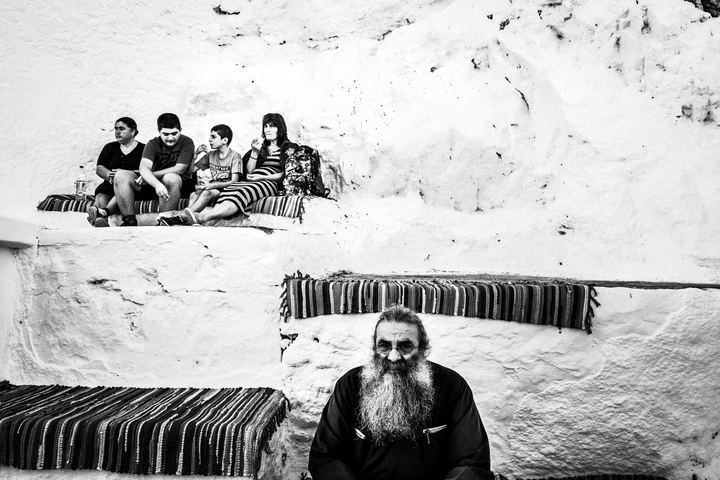
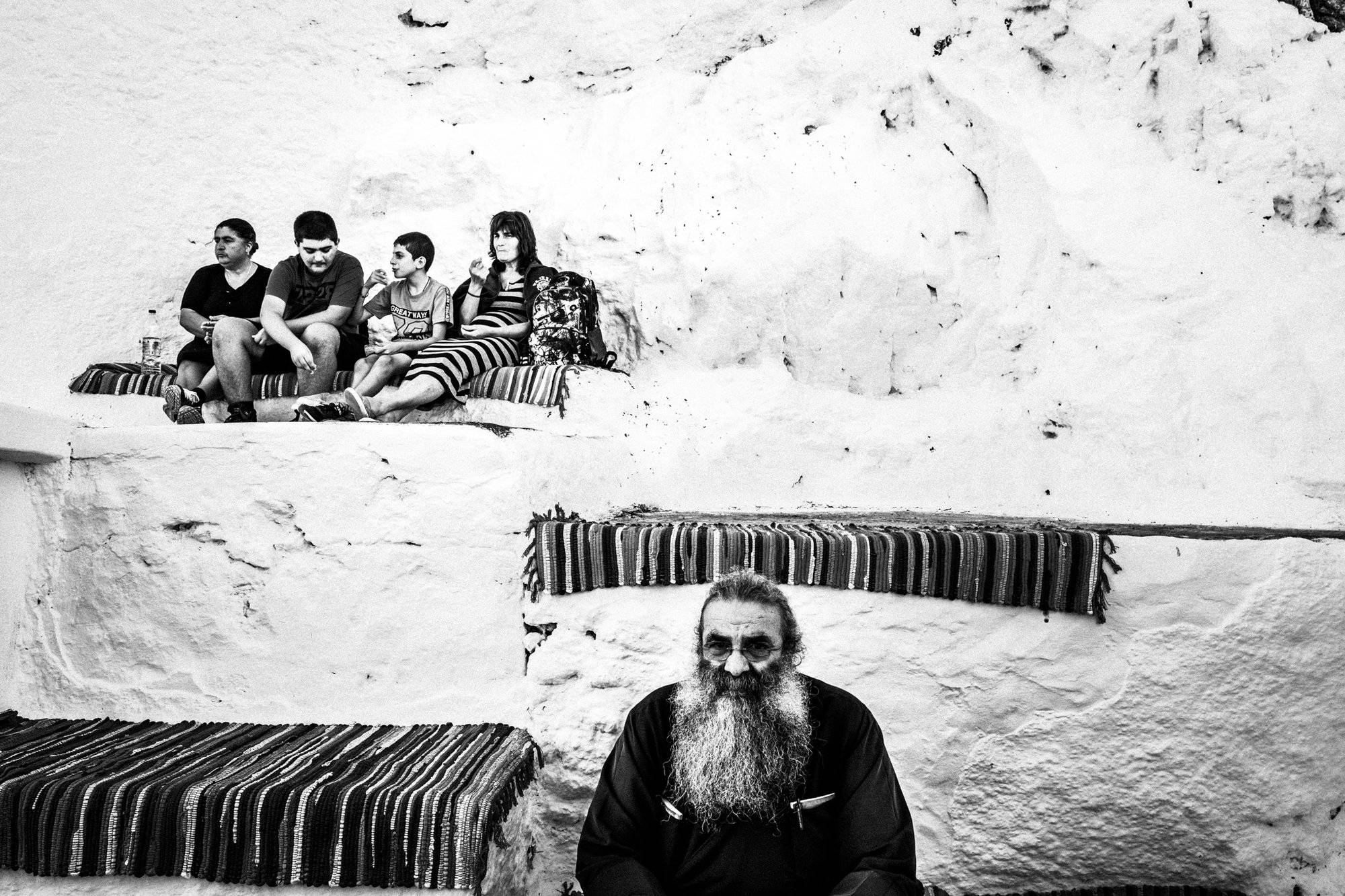
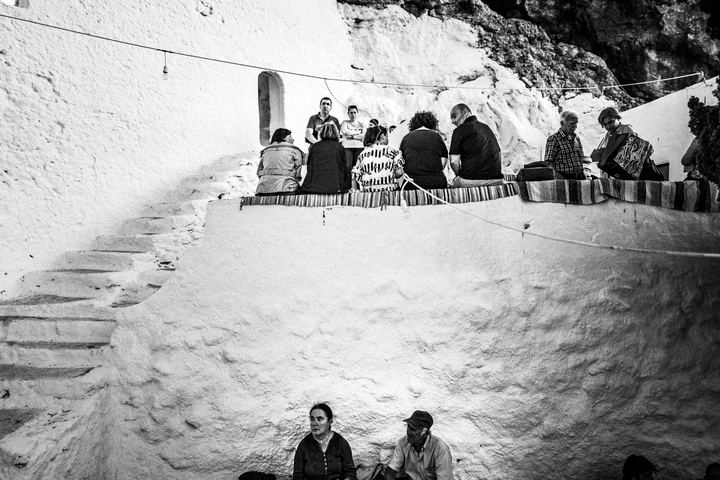
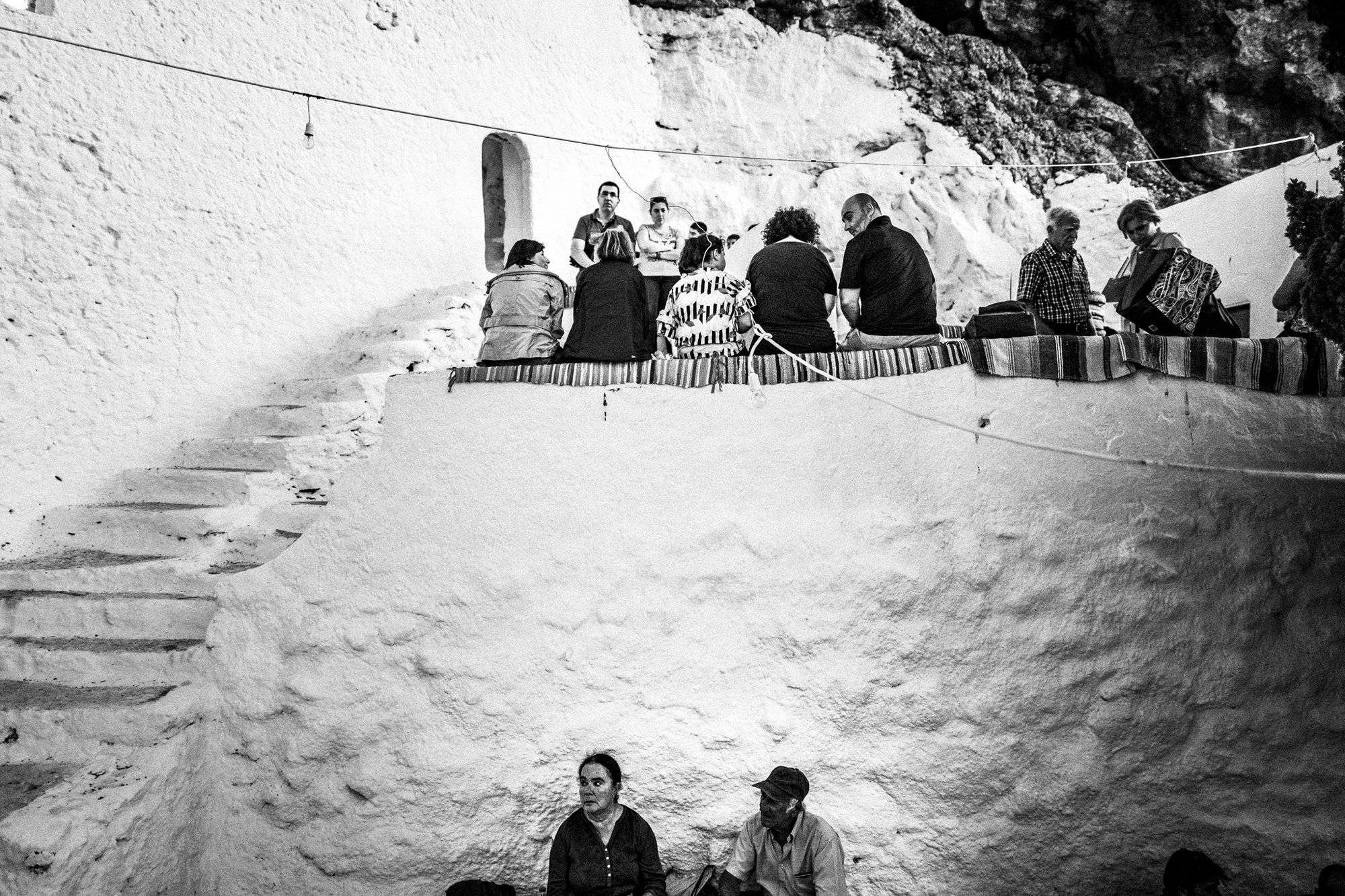
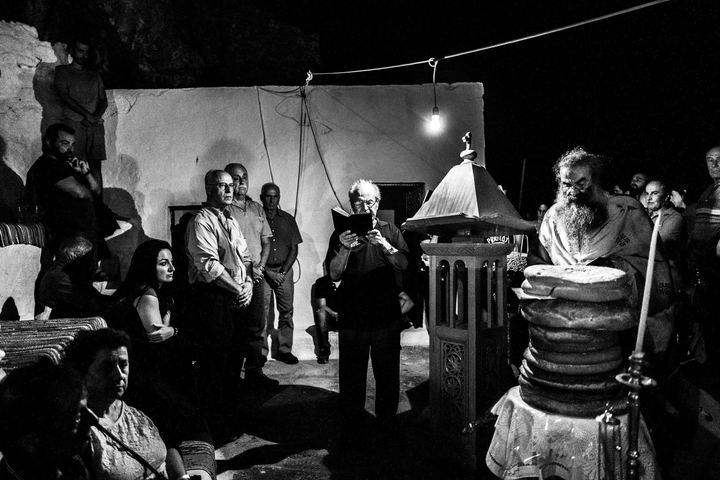
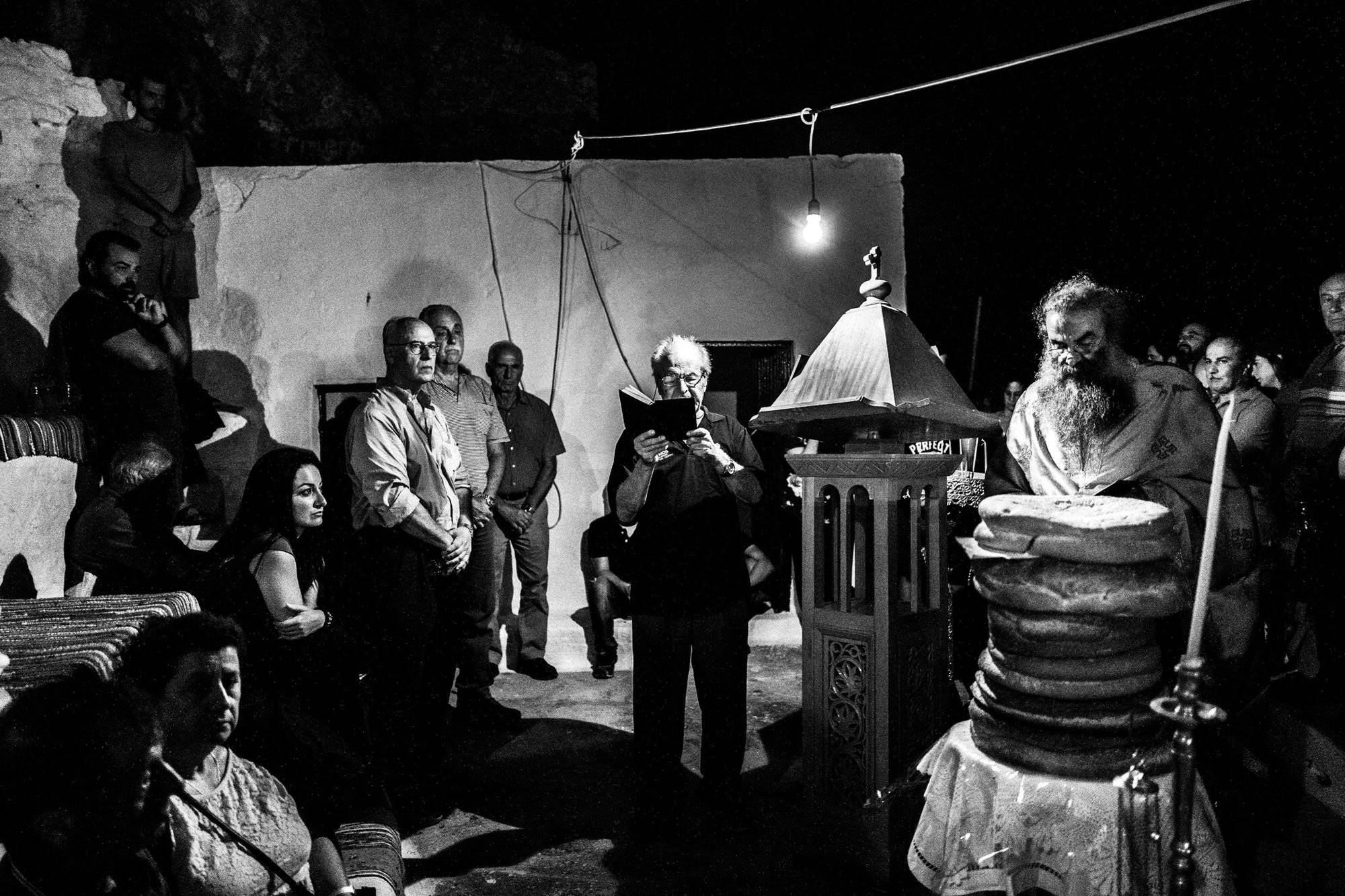
The evening Mass had started very late at night, much later than standard times around Greece. I think it was around nine to ten at night, compared to five or six when most of the evening Masses take place.
They had a long Mass and then carried out a eulogy at the small chapel inside the cliff and the two ceremonies finished at around eleven or half-past eleven as I remember.
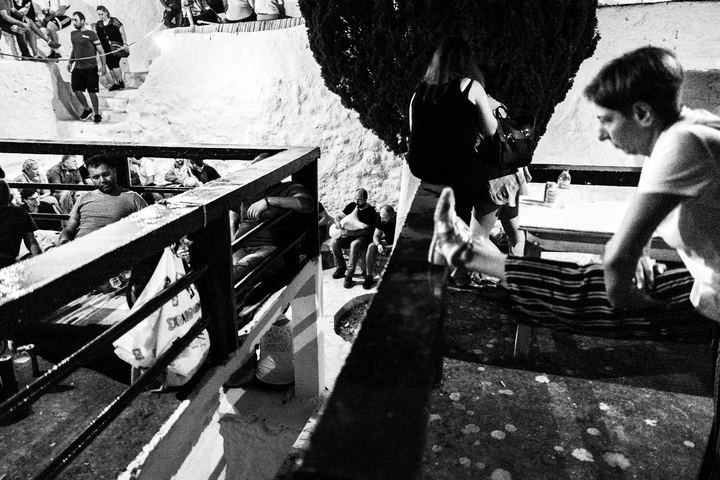
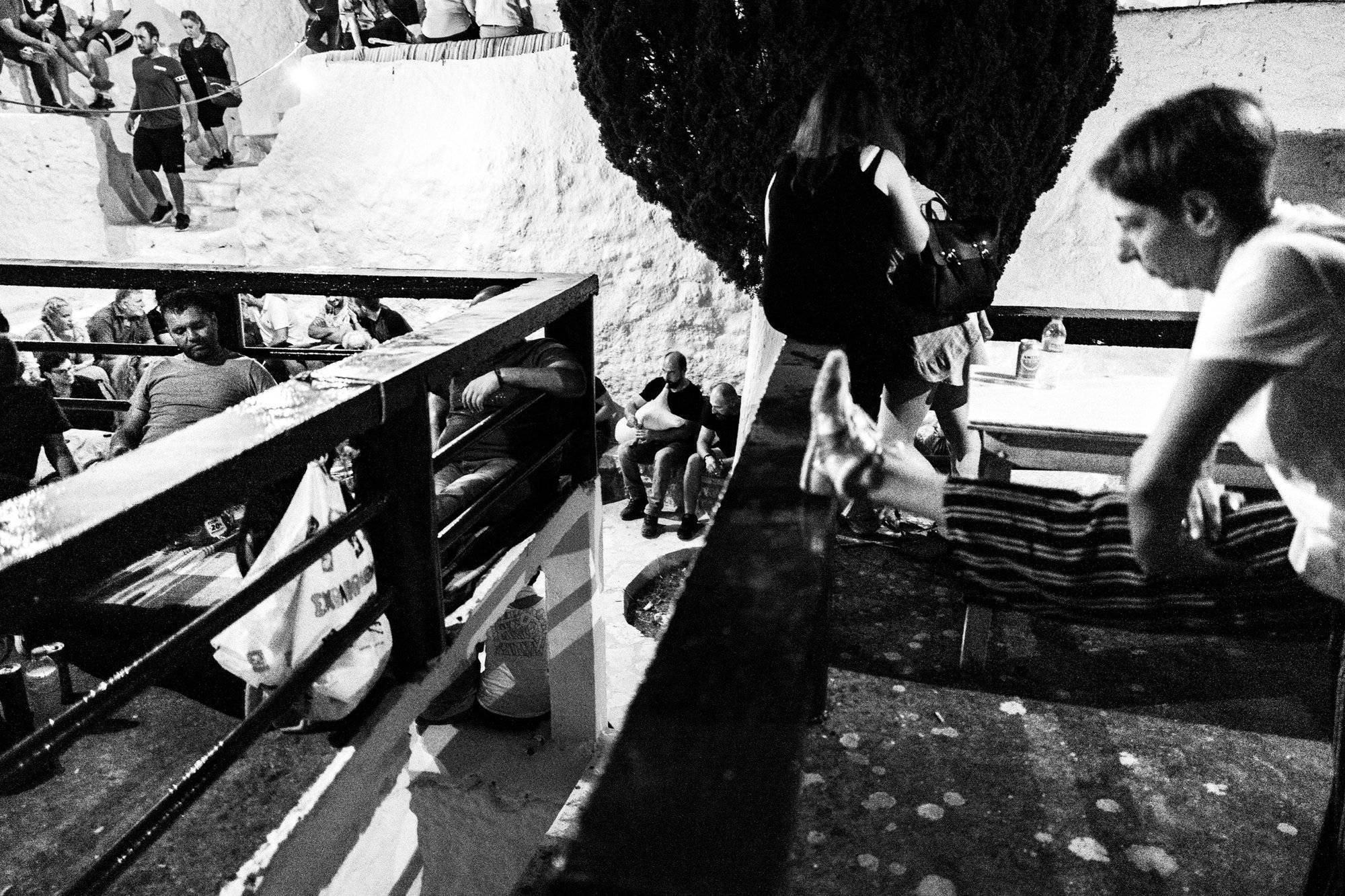
The celebration soon started with traditional instruments (bagpipe and lute) and people started dancing. Many of them had brought mattresses, blankets, and sleeping bags, either to get comfy or even to spend the night at the Monastery.
The surreal part of the celebration was that just outside the Monastery's door, there was a cart with grilled souvlaki and sausages. The cart was equipped with a small stereo speaker, playing dance music. Apart from having music that had nothing to do with tradition or the beautiful place that we were in, the Orthodox are not supposed to be having meat on this day as there is a fast. So I called this the cart of anarchy :-)
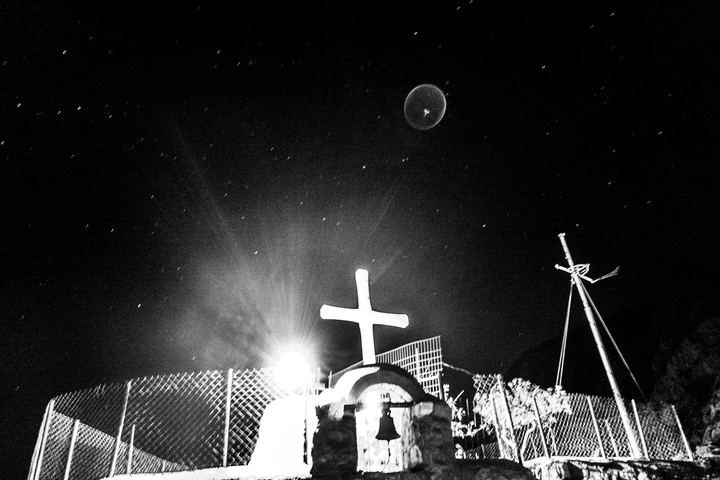
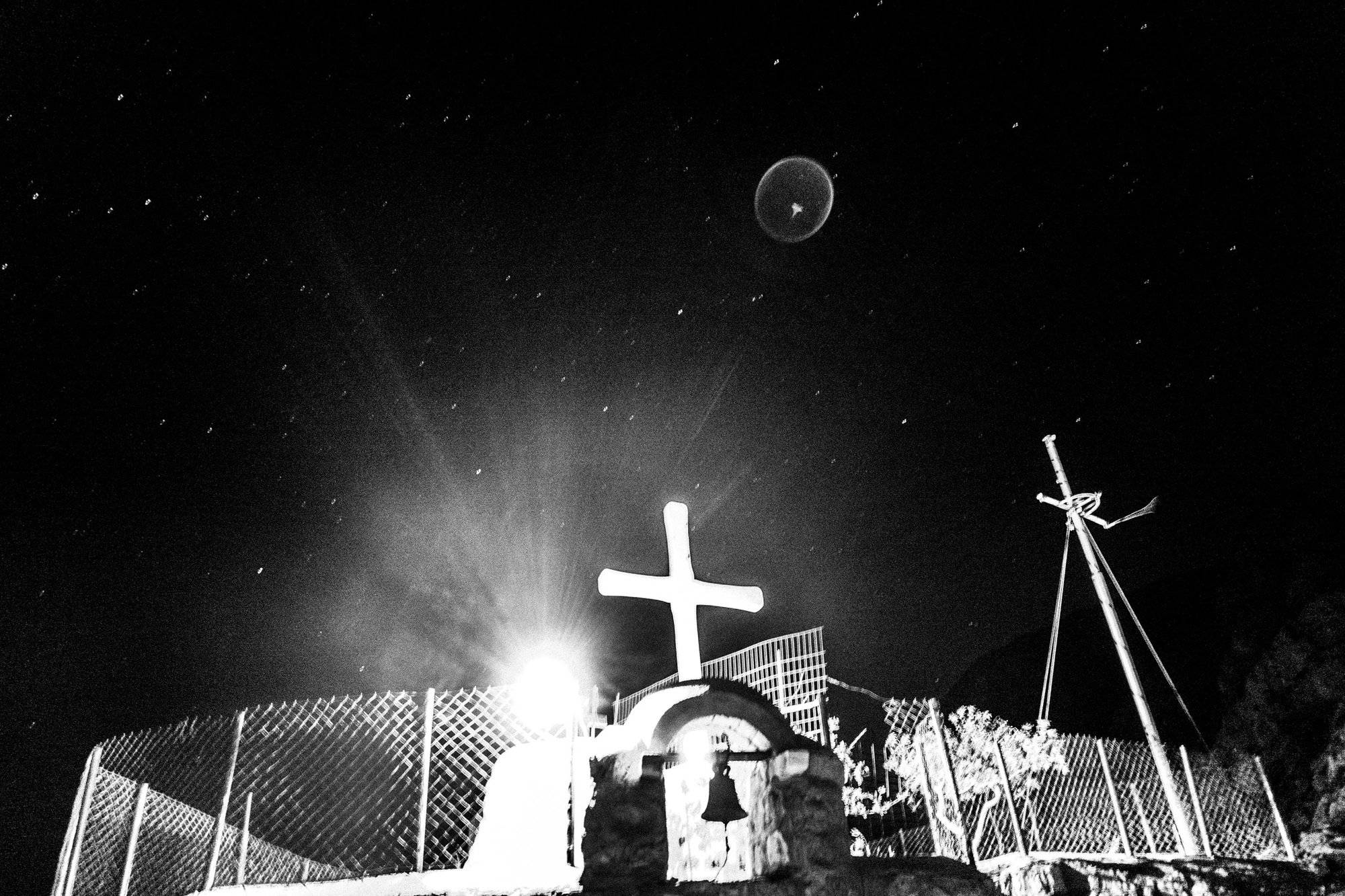
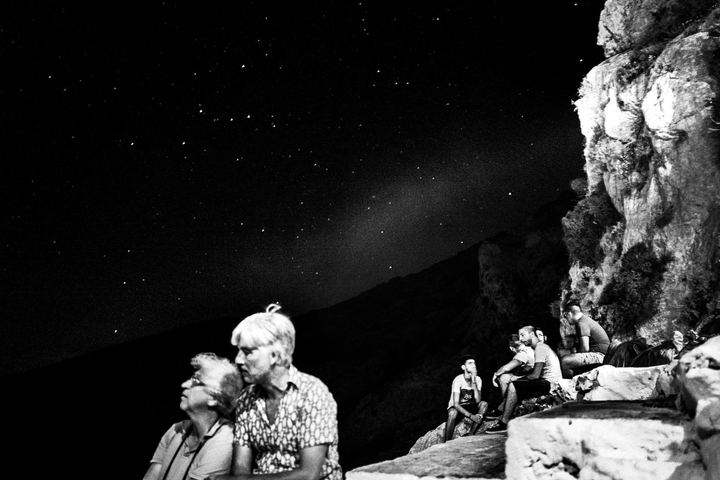
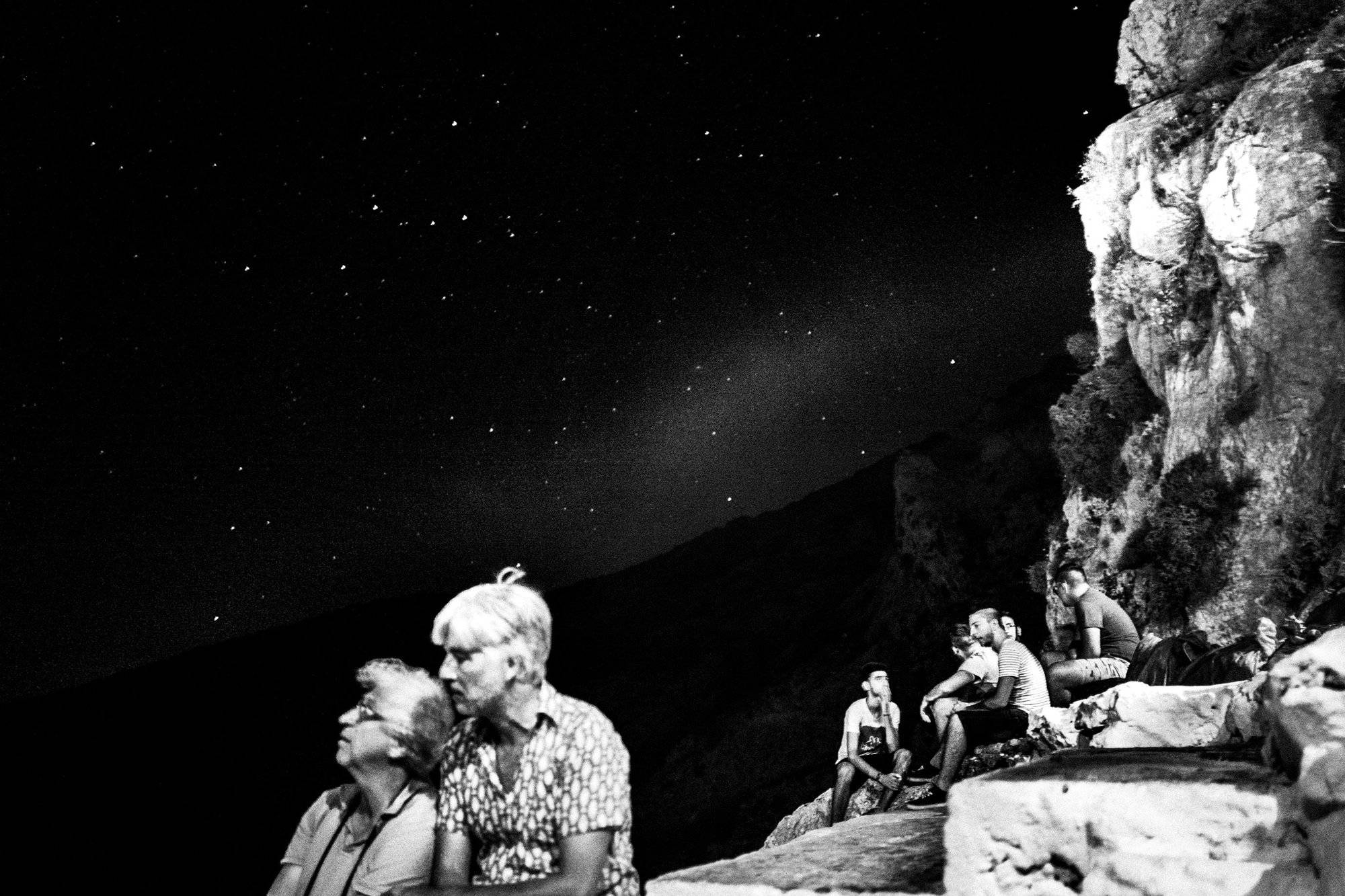
I may have sinned on that night, but having the souvlaki and a beer under the beautiful starry sky was an experience to remember.
I had spent this night in the car by a beach as I had found no place to stay until the next day. Next time I must remember to get some mosquito repellent!
Culture, held by place
Continue through Kalymnos.
Follow this tradition into its geographic and cultural context.