Living traditions
Purpuris of Issaakion
Issaakion, Evros
Field photographPurpuris of Issaakion
Collector mode
A photograph to live with. Enter a private viewing.Introduction
Masked figures, musicians and a symbolic wedding procession visit the houses of Issaakion, offering wishes for fertility and prosperity.
A revived Thracian house-visiting custom with costumed Purpuris figures, music, hospitality and communal dancing.
Purpuris at Issaakion
Didimoticho is a city in Greece near the Greek-Turkish borders. I am always intrigued by places that at least sound remote. It is a rather long trip to get there if you are travelling by car. It takes three and a half hours to reach there from Thessaloniki. I found shelter in a guest house, owned by the local municipality which is a renovated old mansion in the city. This was nice and cosy. It could probably sleep over twenty people, but I had it all to myself. The custom would take place on 27 December in the nearby village of Isaakio. Each year the date changes, but is always around the 27th. That was only two kilometres away from the city so it was very convenient. Luckily, I went to a tavern to have lunch in Didimoticho and overheard two men talking about the custom. I talked to them and one of them, Apostolos, was the president of the Isaakio cultural club, the organizing party of the custom. This was very useful as I learned a lot about the custom.
It is true, that many of the Thracian traditions and customs are not widely known to the rest of Greece. This makes it very interesting for me as a photographer, as I feel I am discovering something new. It is always useful to look at something with fresh eyes, thus being able to make images of things that a local may oversee. Early in the morning, I arrived in the village and the weather was very cold. I looked for shelter and found the local cafe. At first sight, I thought it was closed but on my second round by car, I saw a couple of people inside. I stopped the car and went inside. A big wooden stove was sitting in the middle and the place had the sweet warmth of the burning wood.
I had coffee and chatted with a local, Christos, about the custom. These villages had been originally built by refugees coming from Turkey across the river Evros, following the Lausanne Treaty in 1923. They had chosen this place so they would be able to see their old houses across the river. They had brought their customs together, one of them being Purpuris.
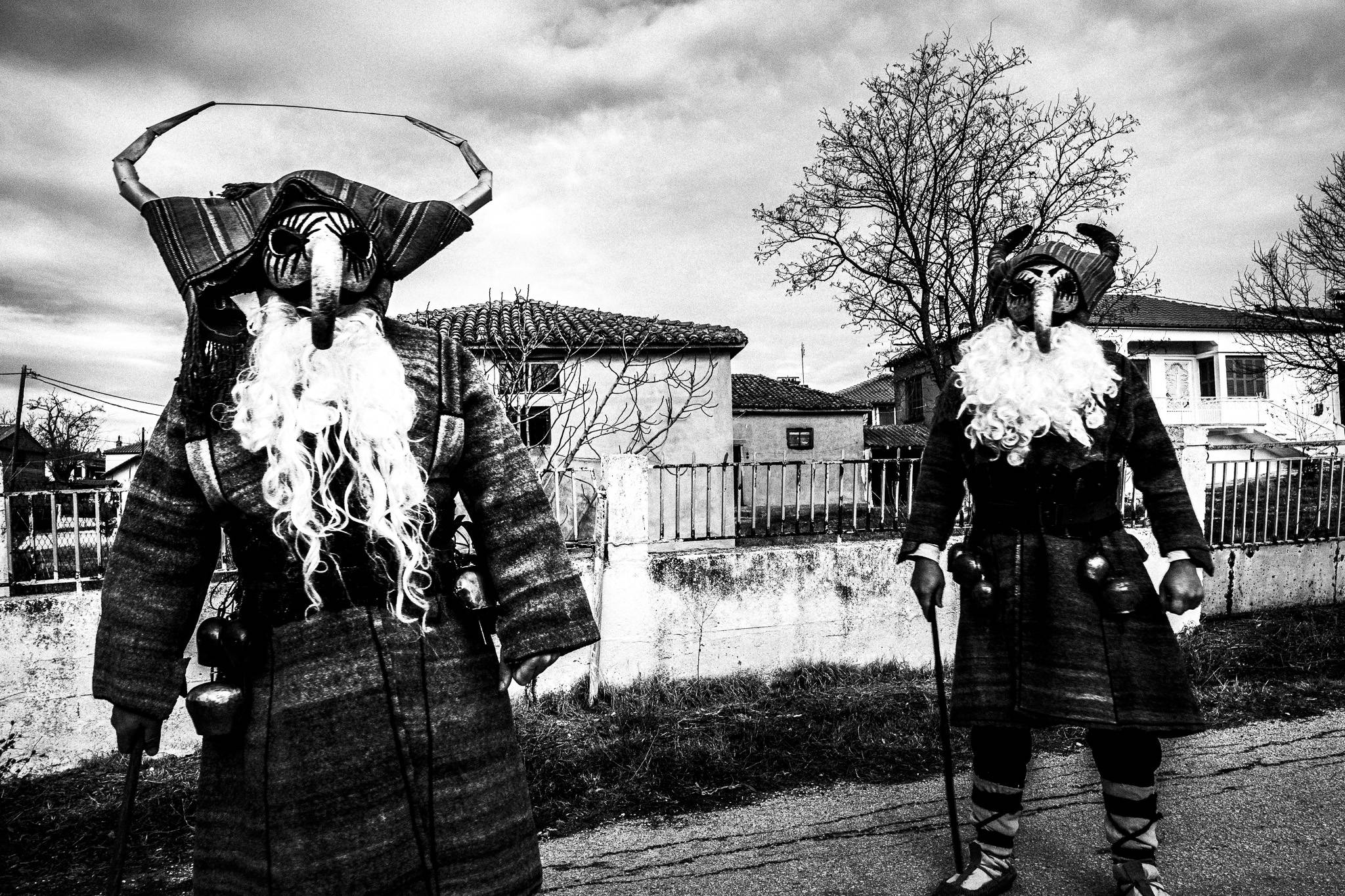
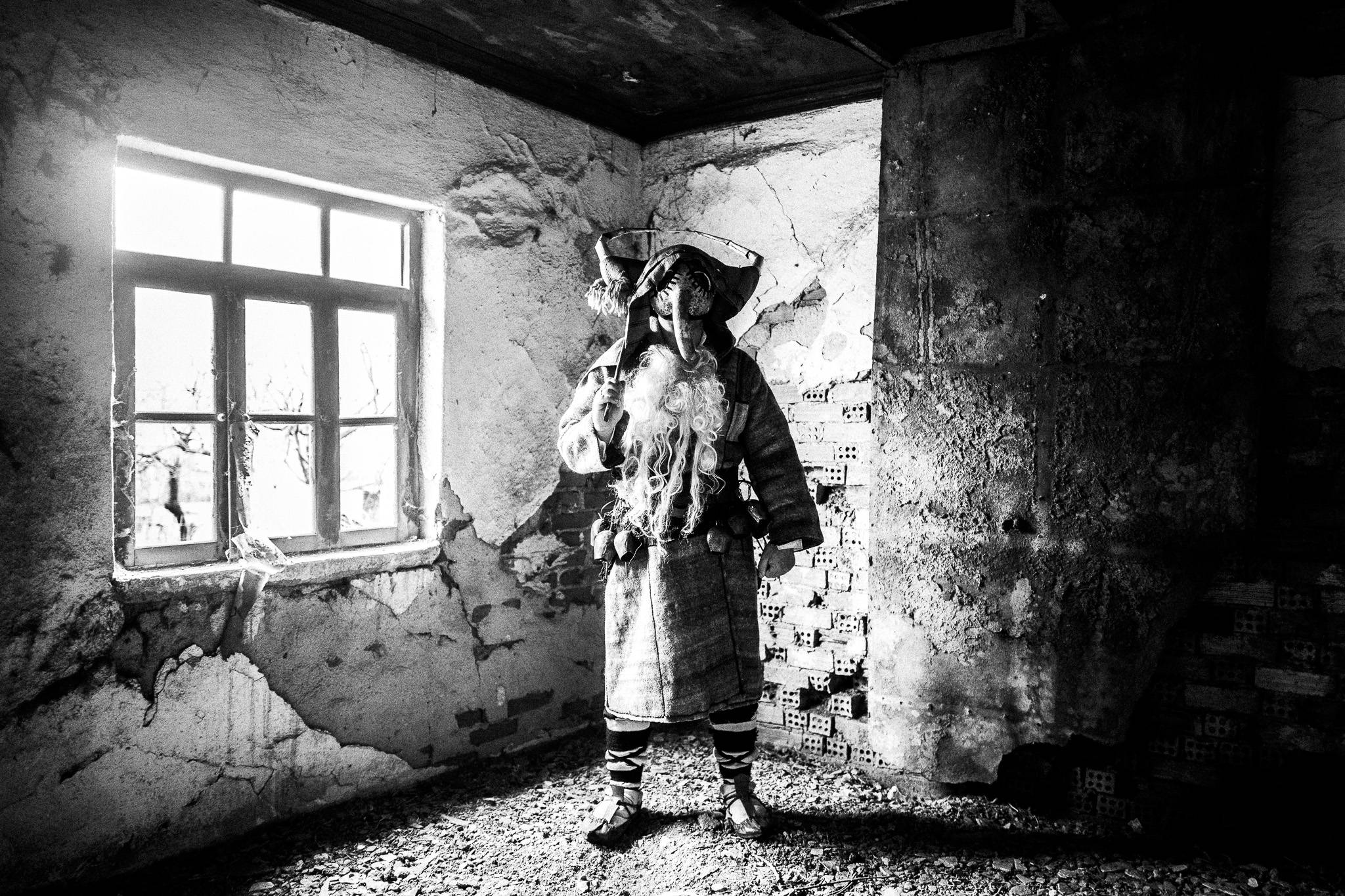
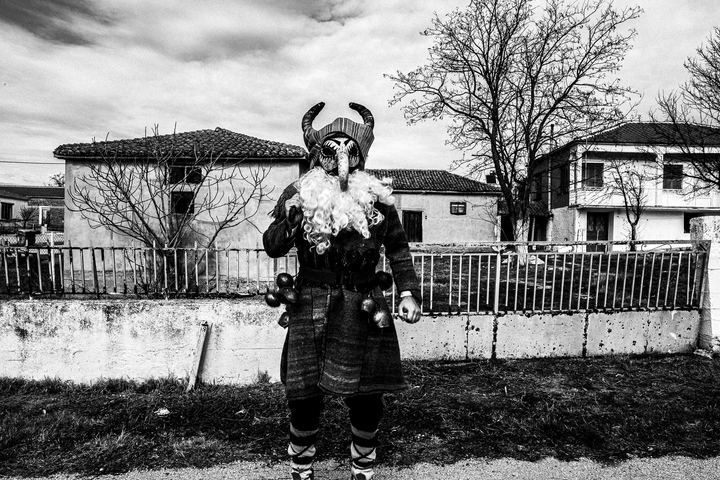
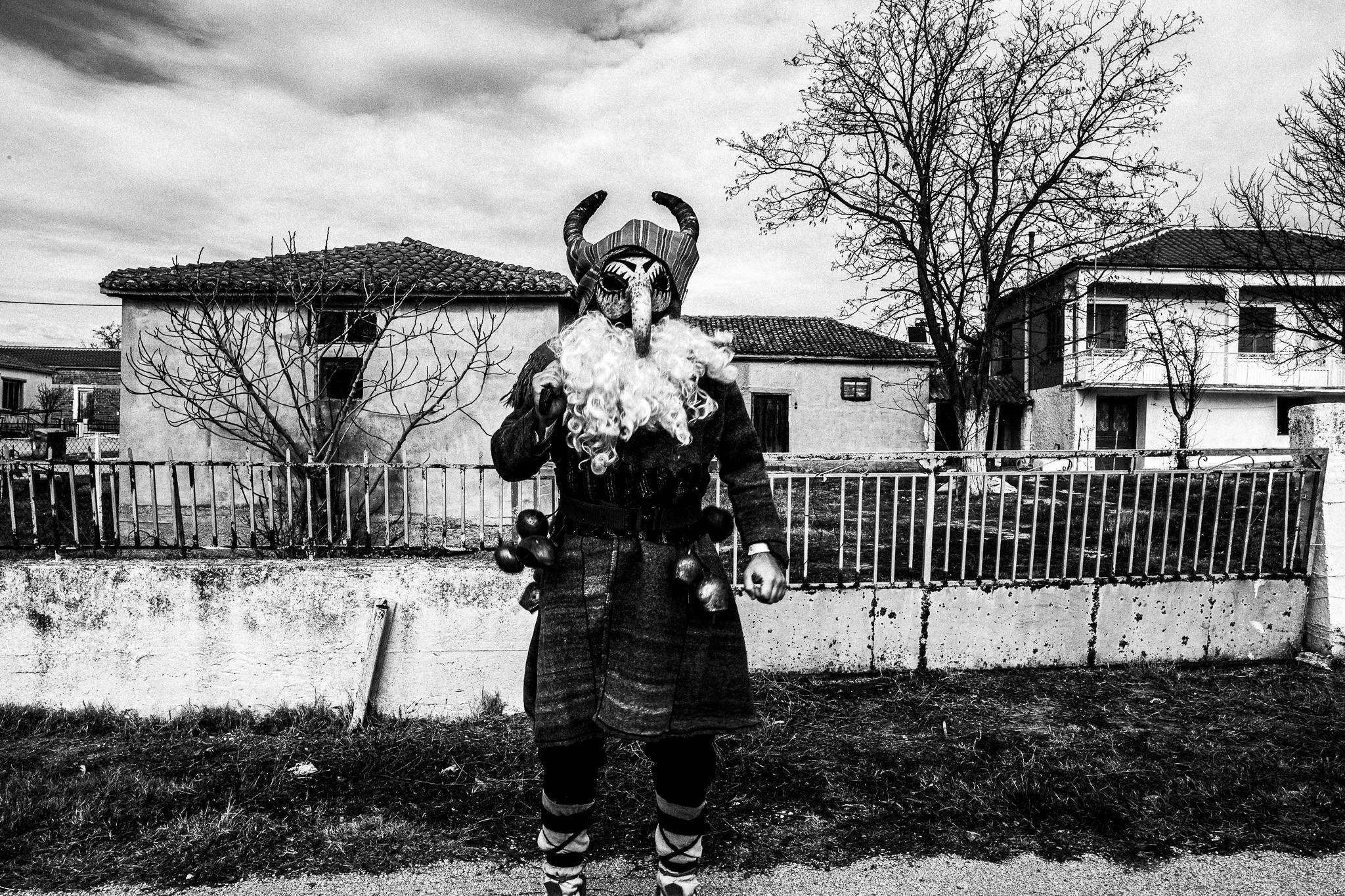
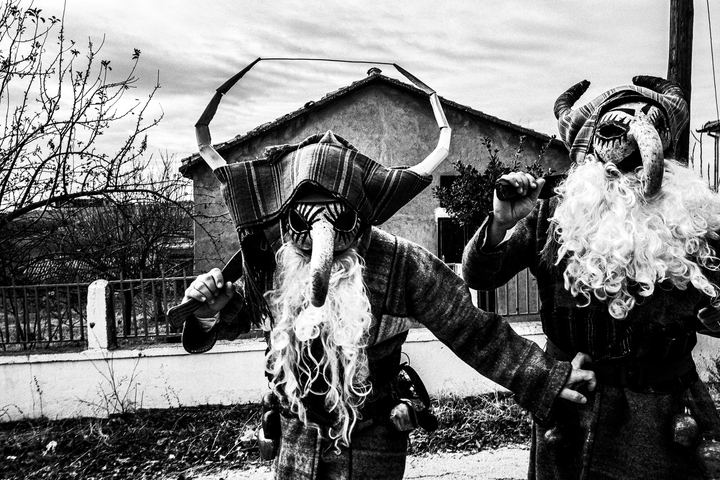
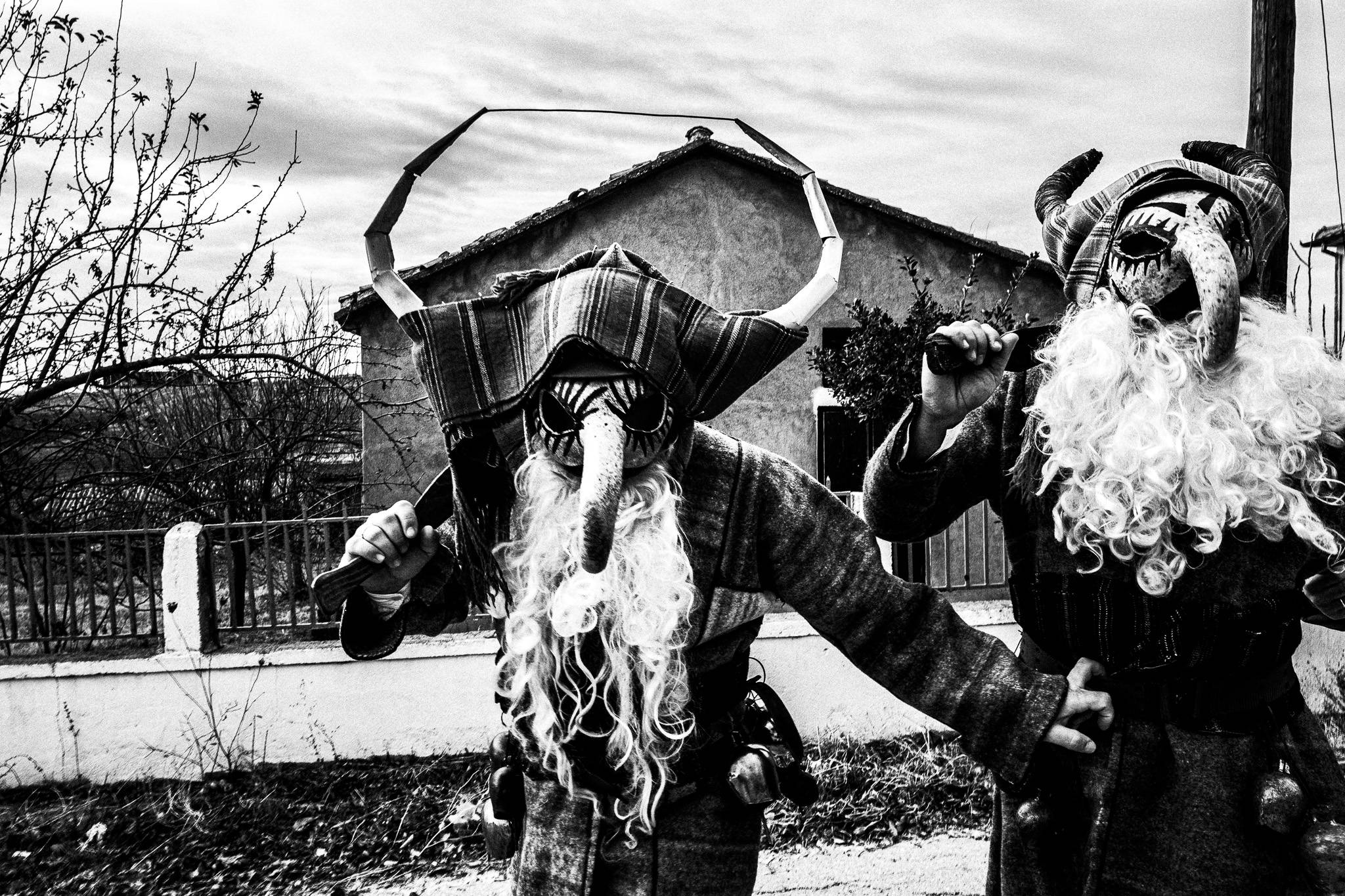
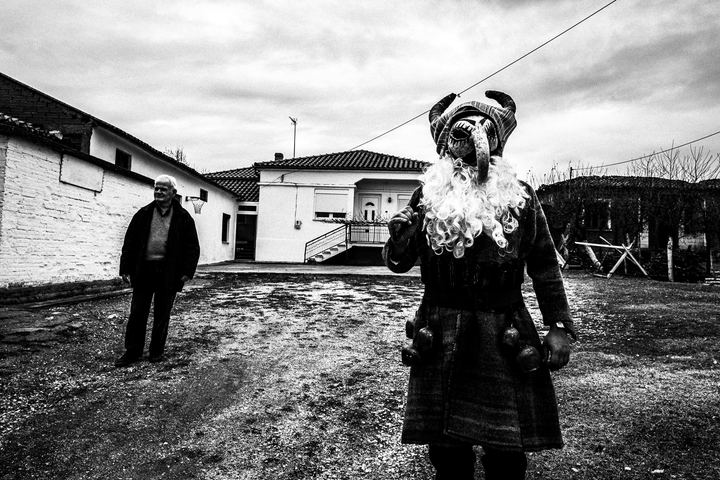
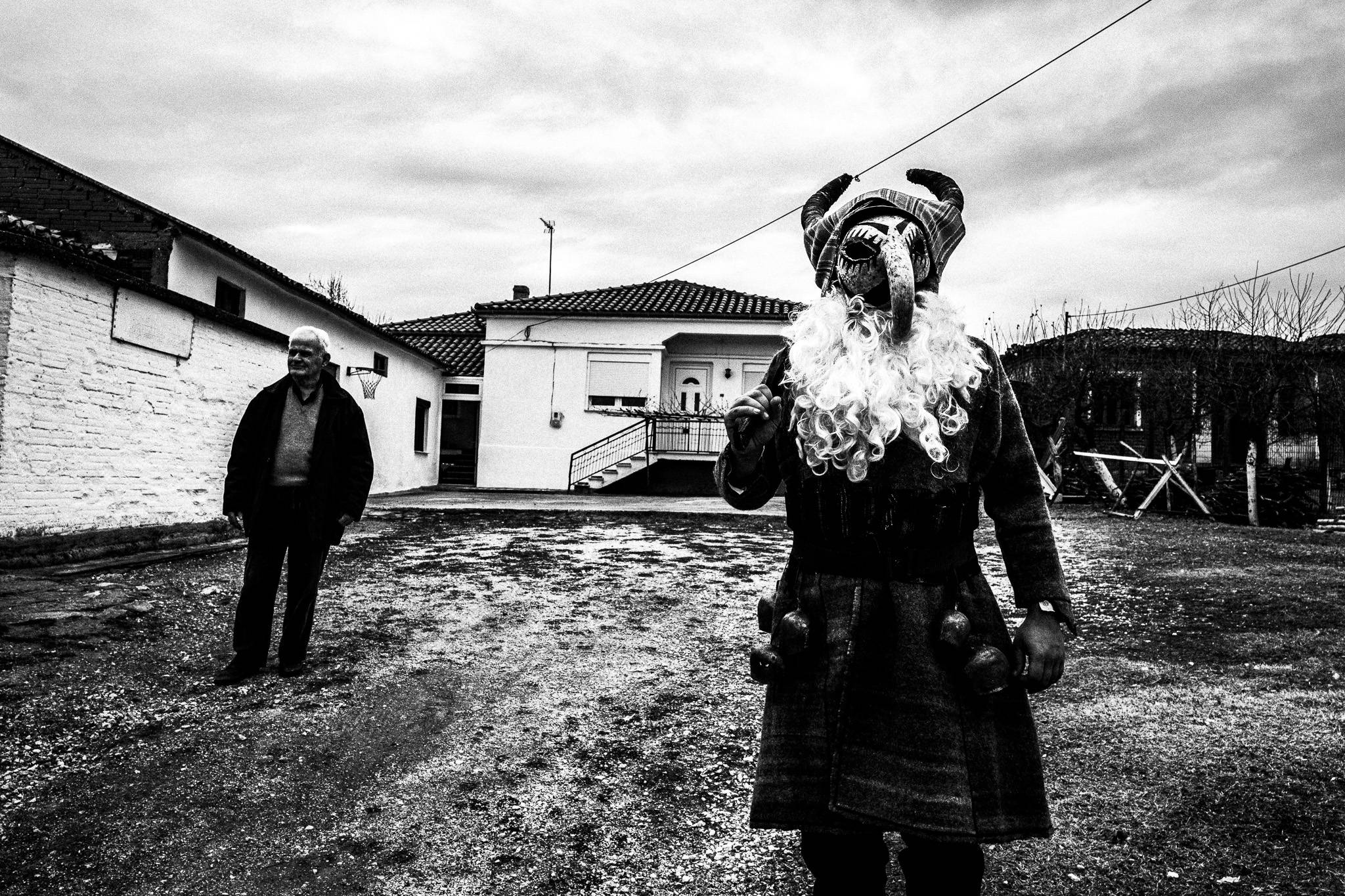
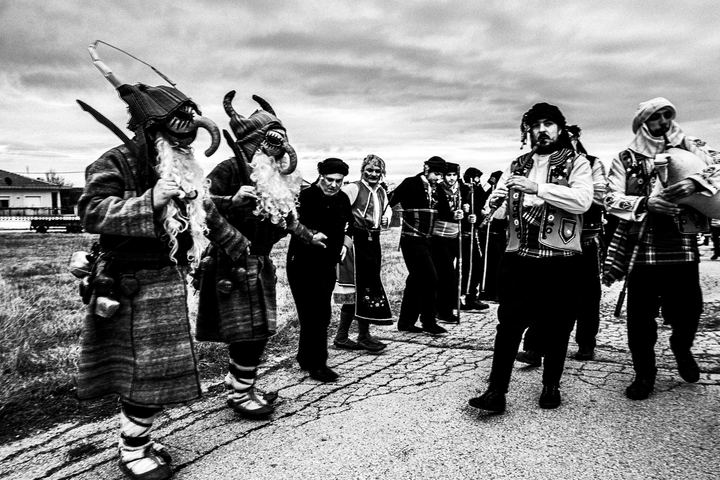
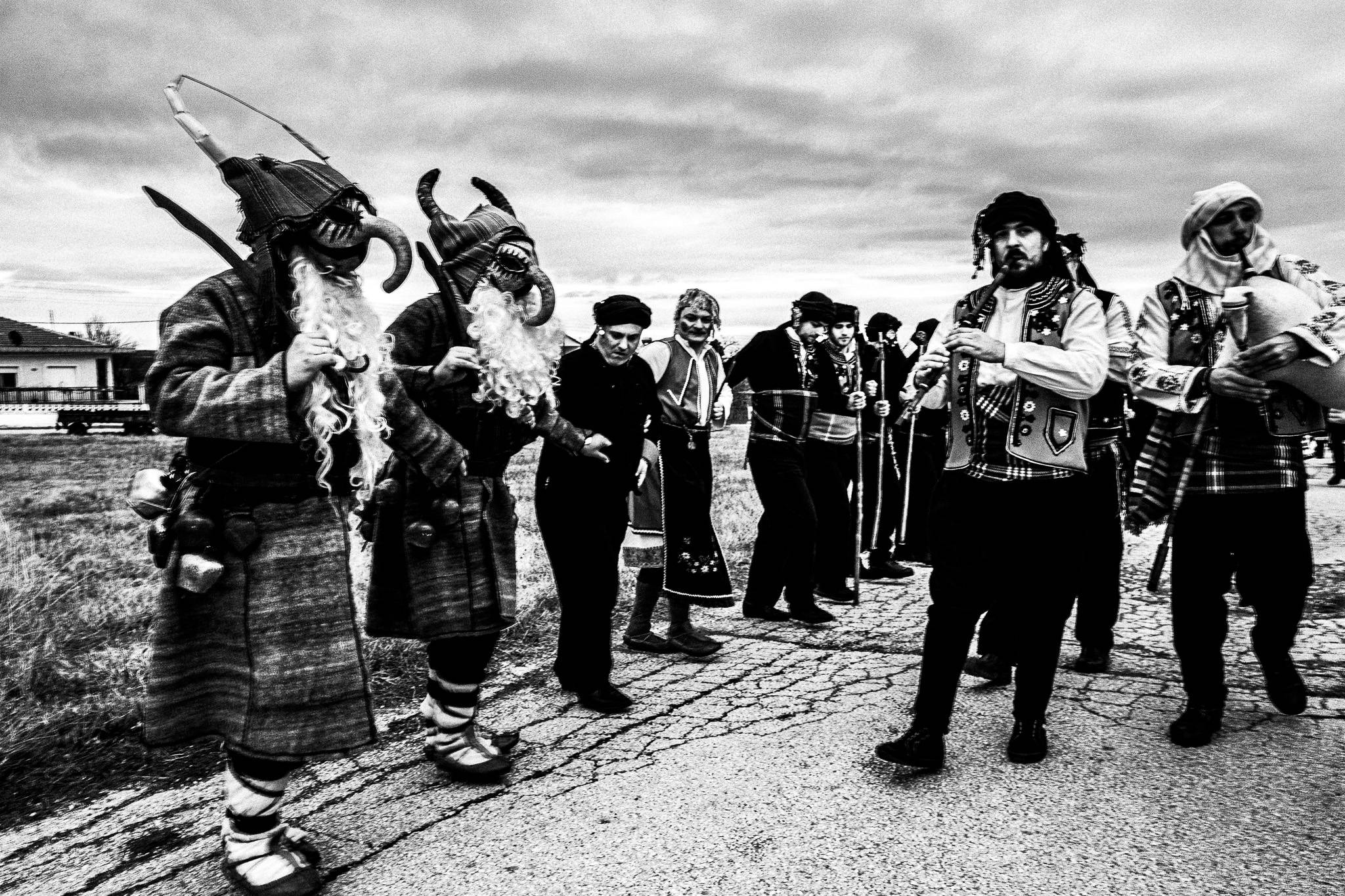
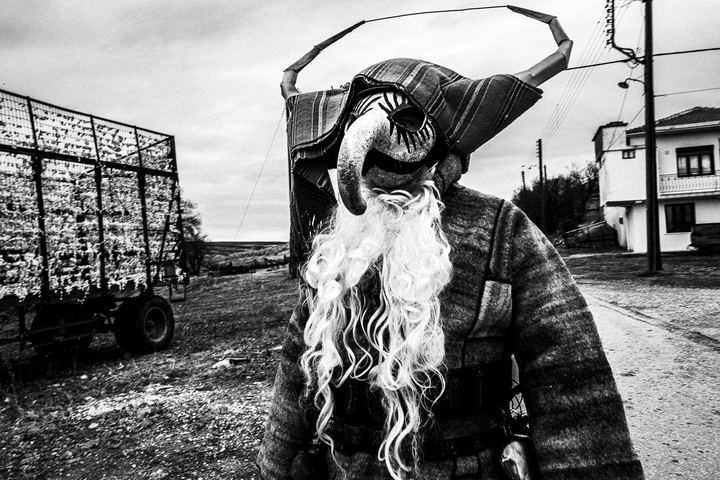
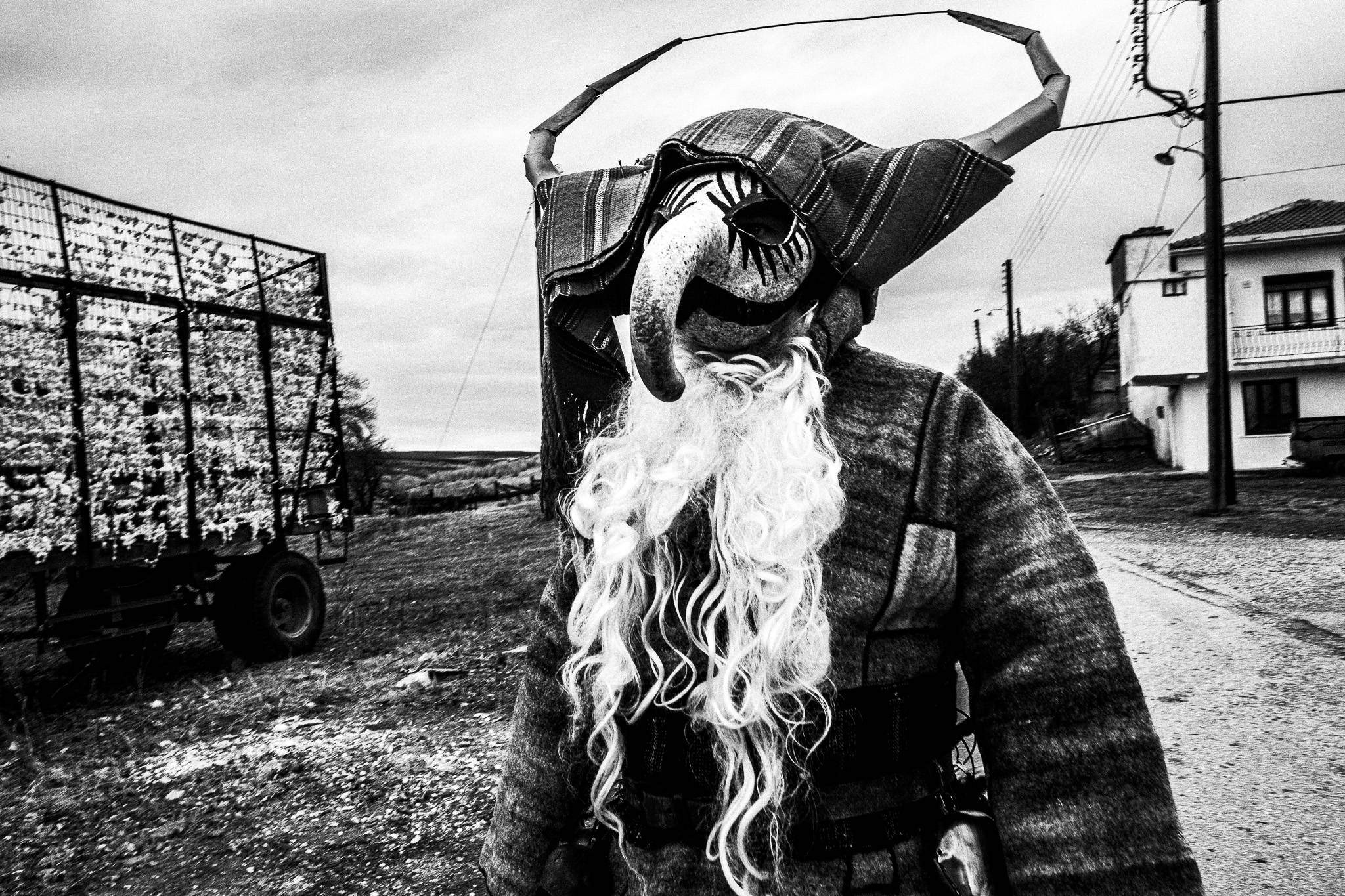
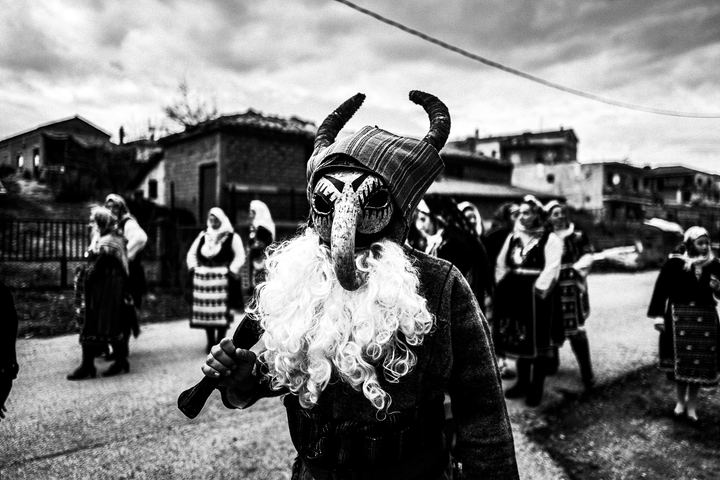
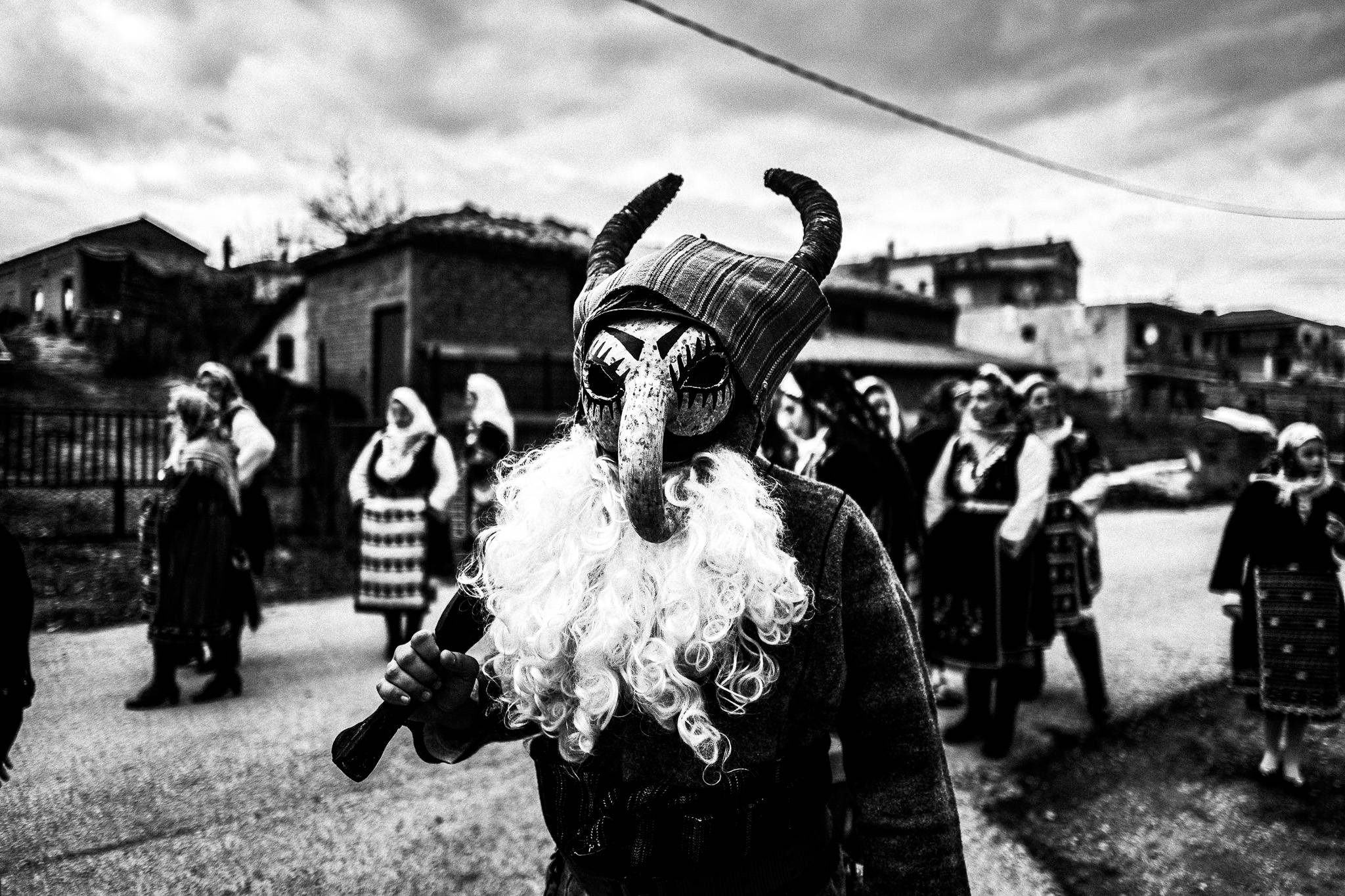
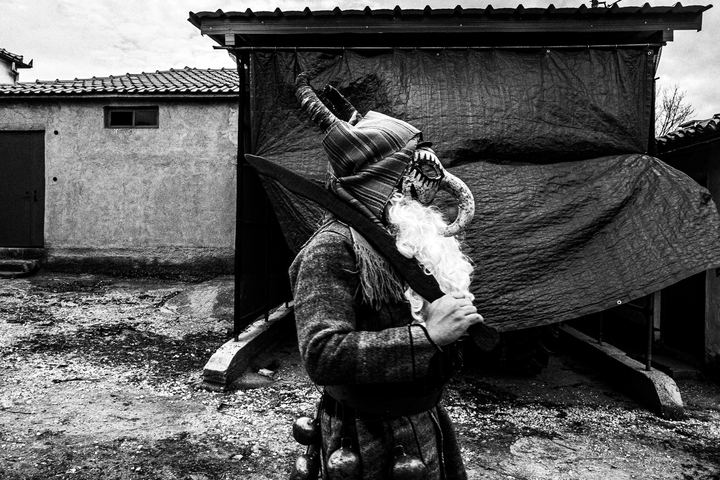
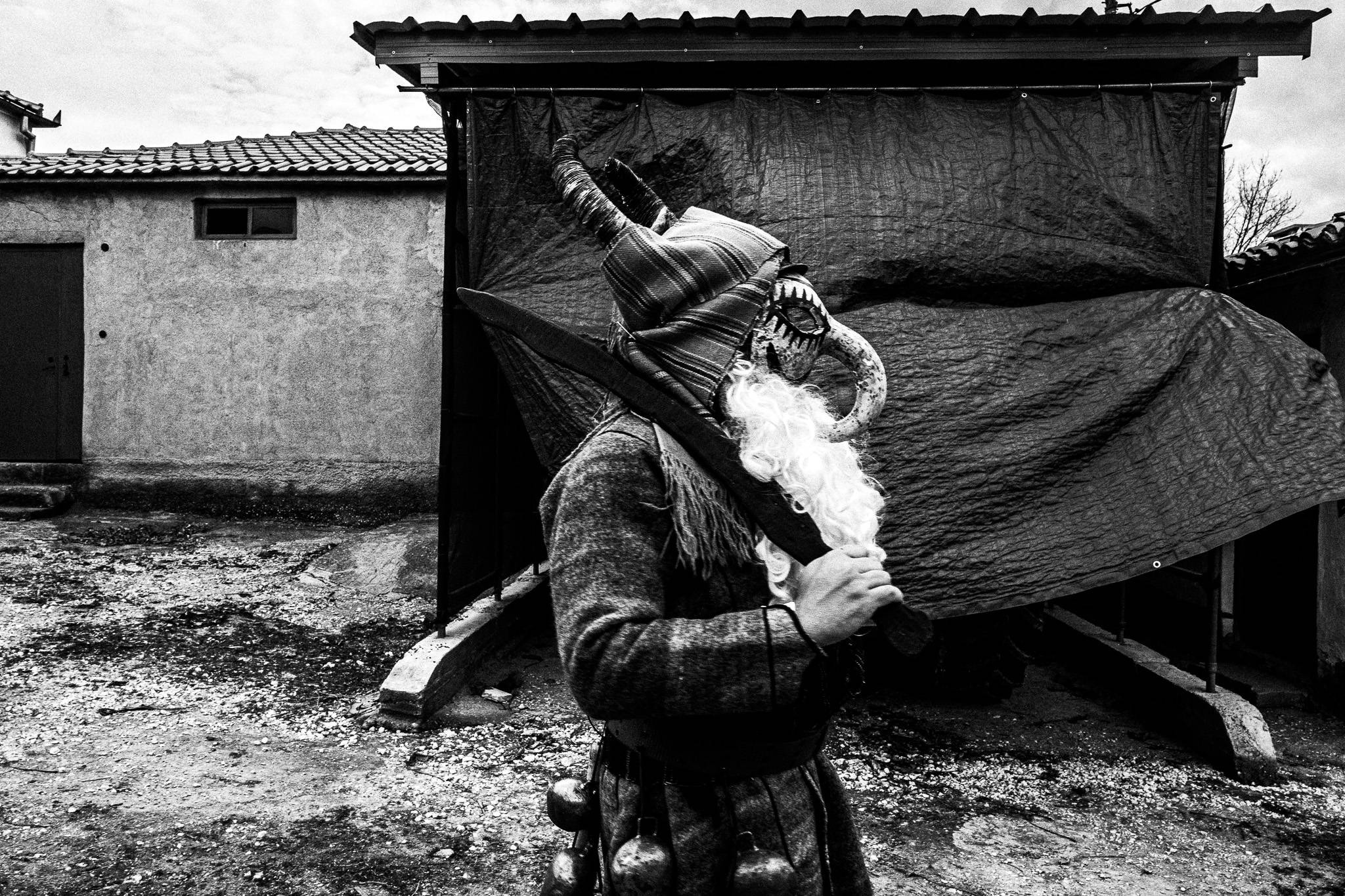
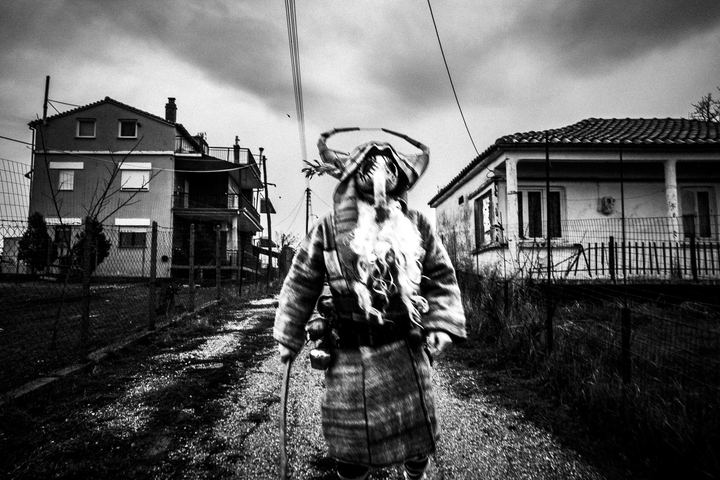
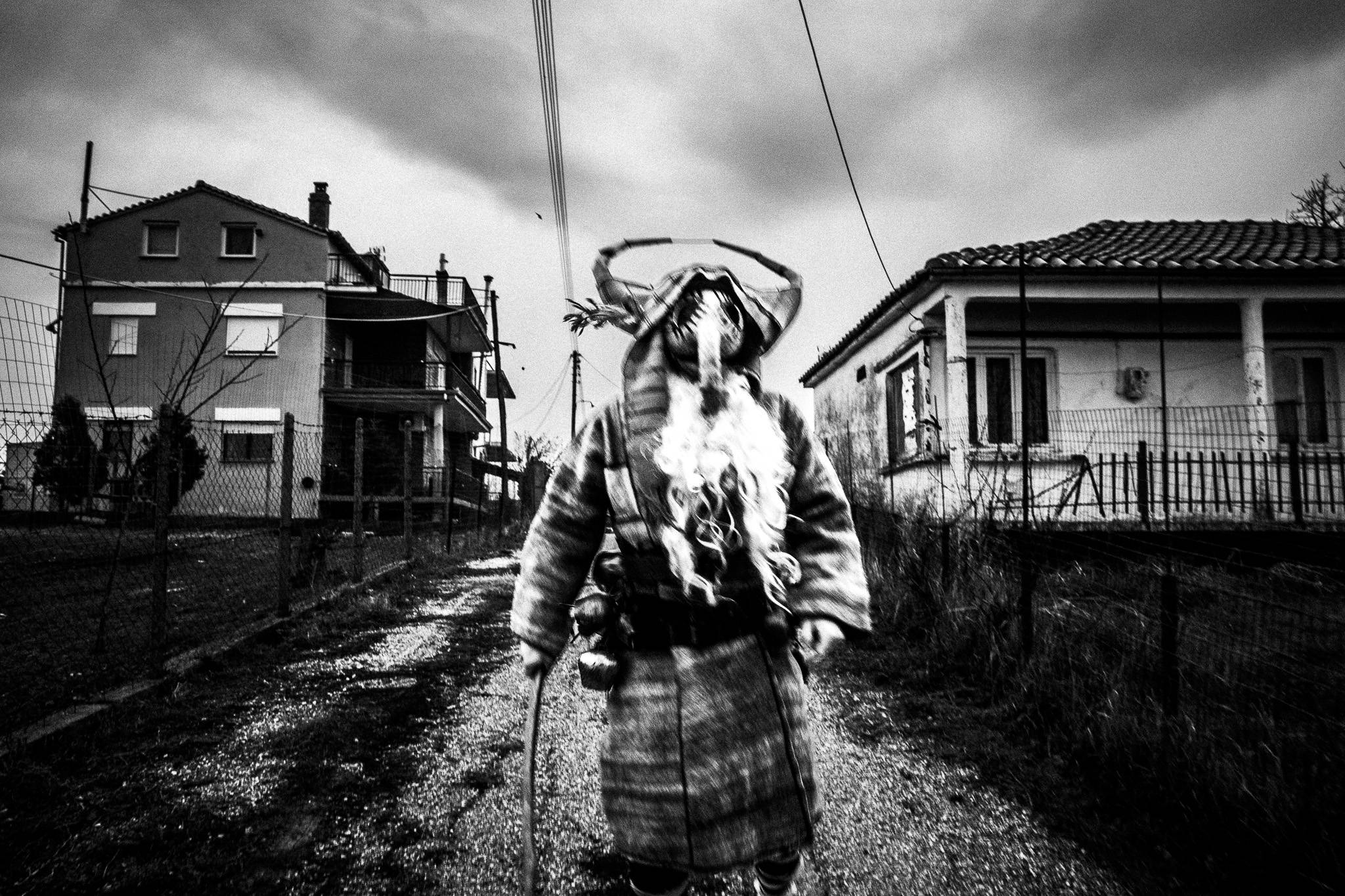
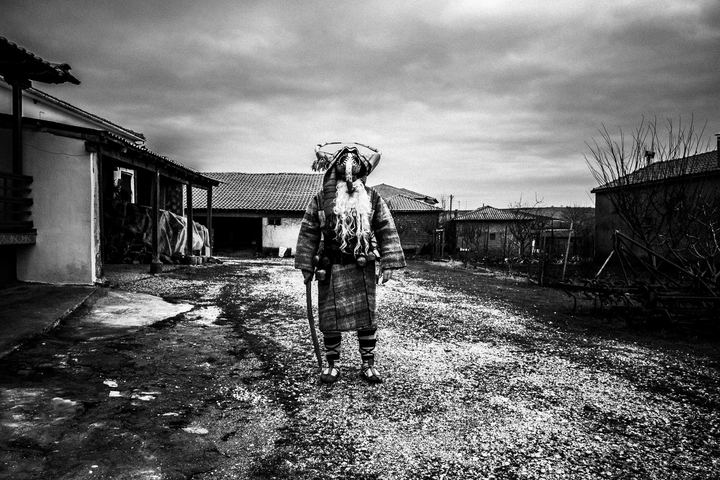
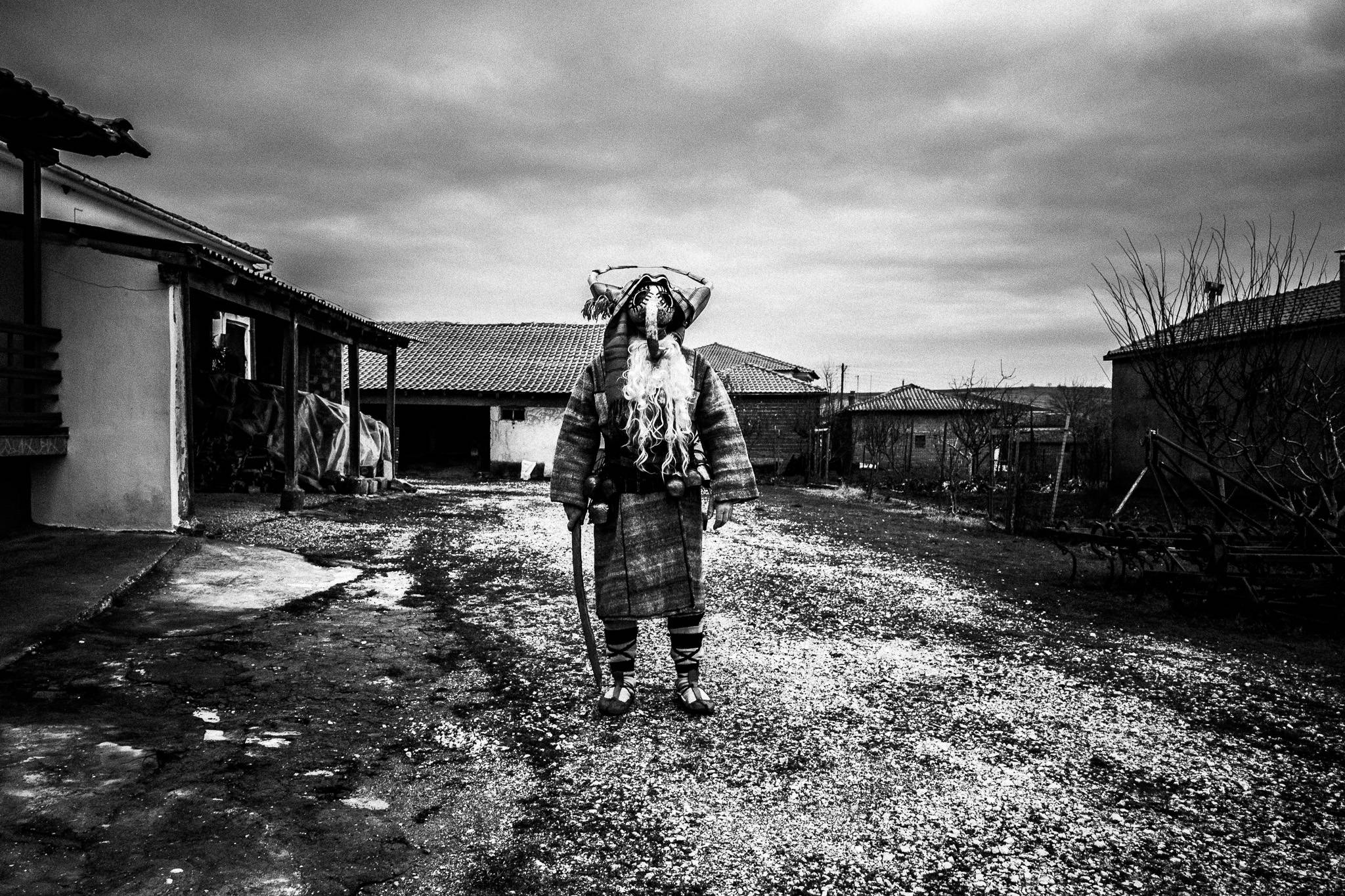
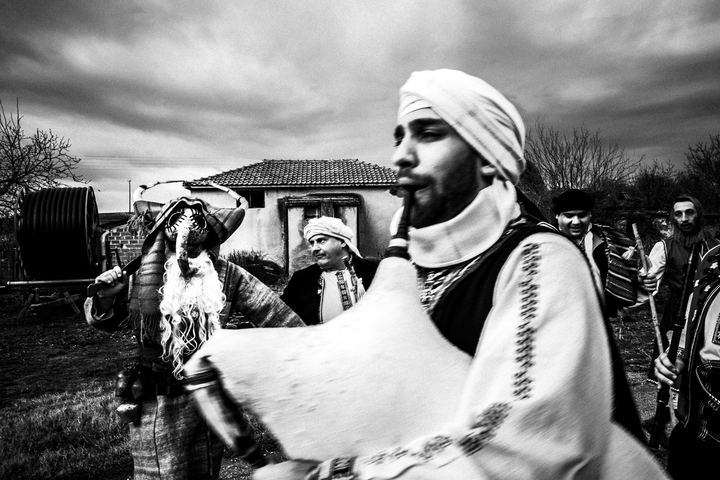
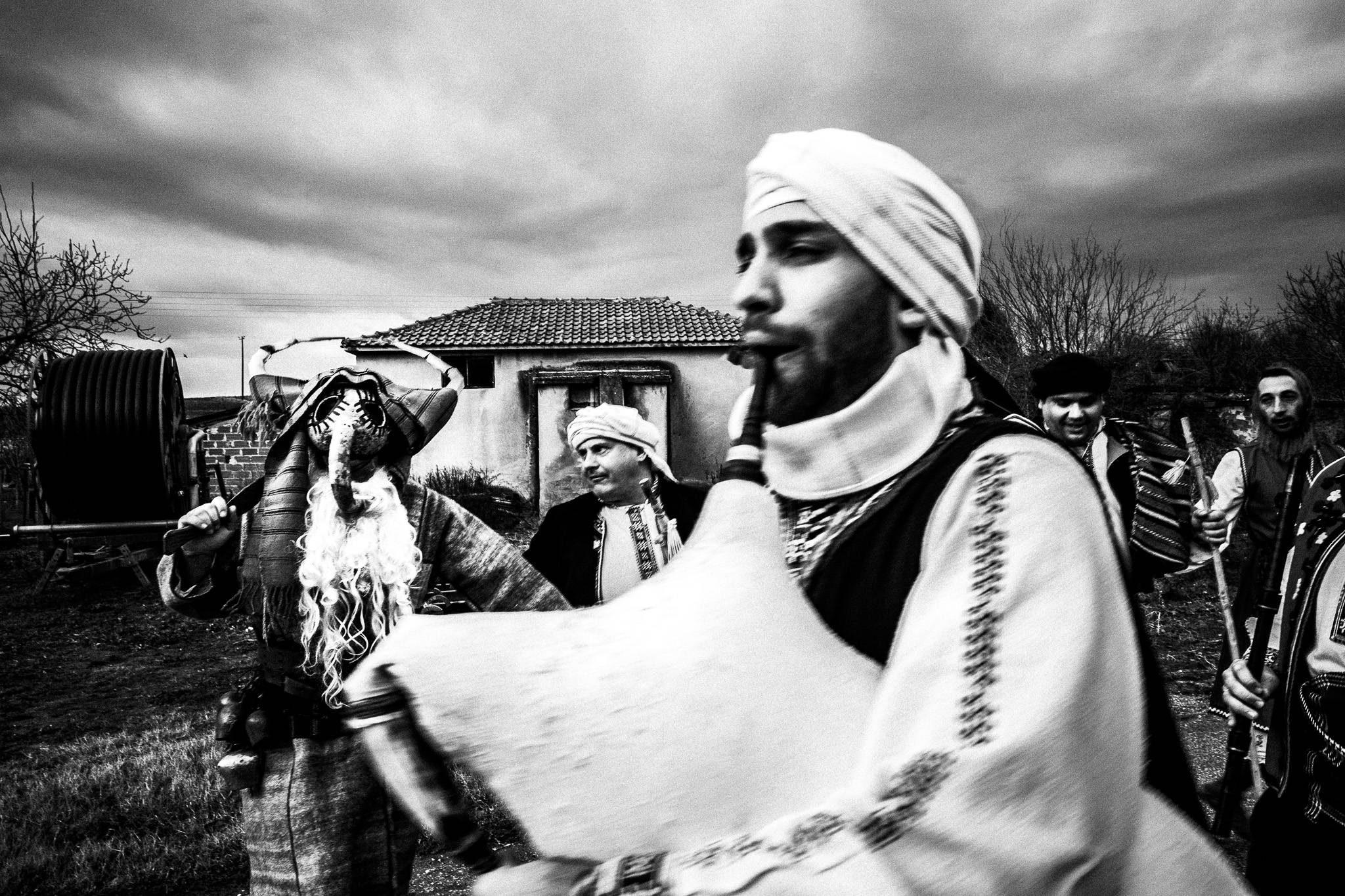
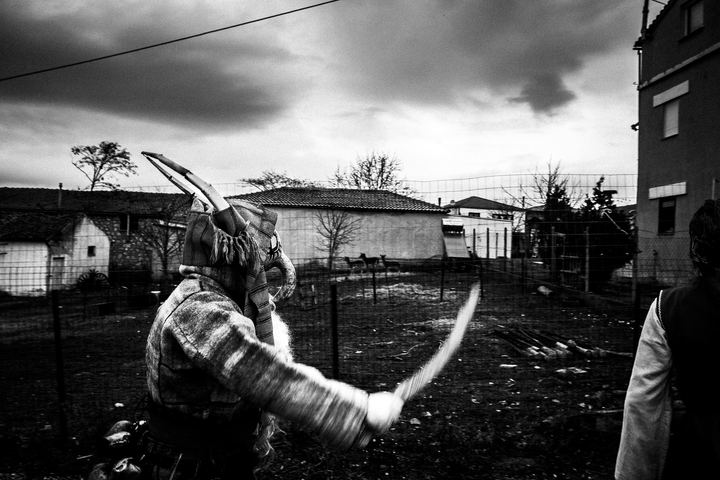
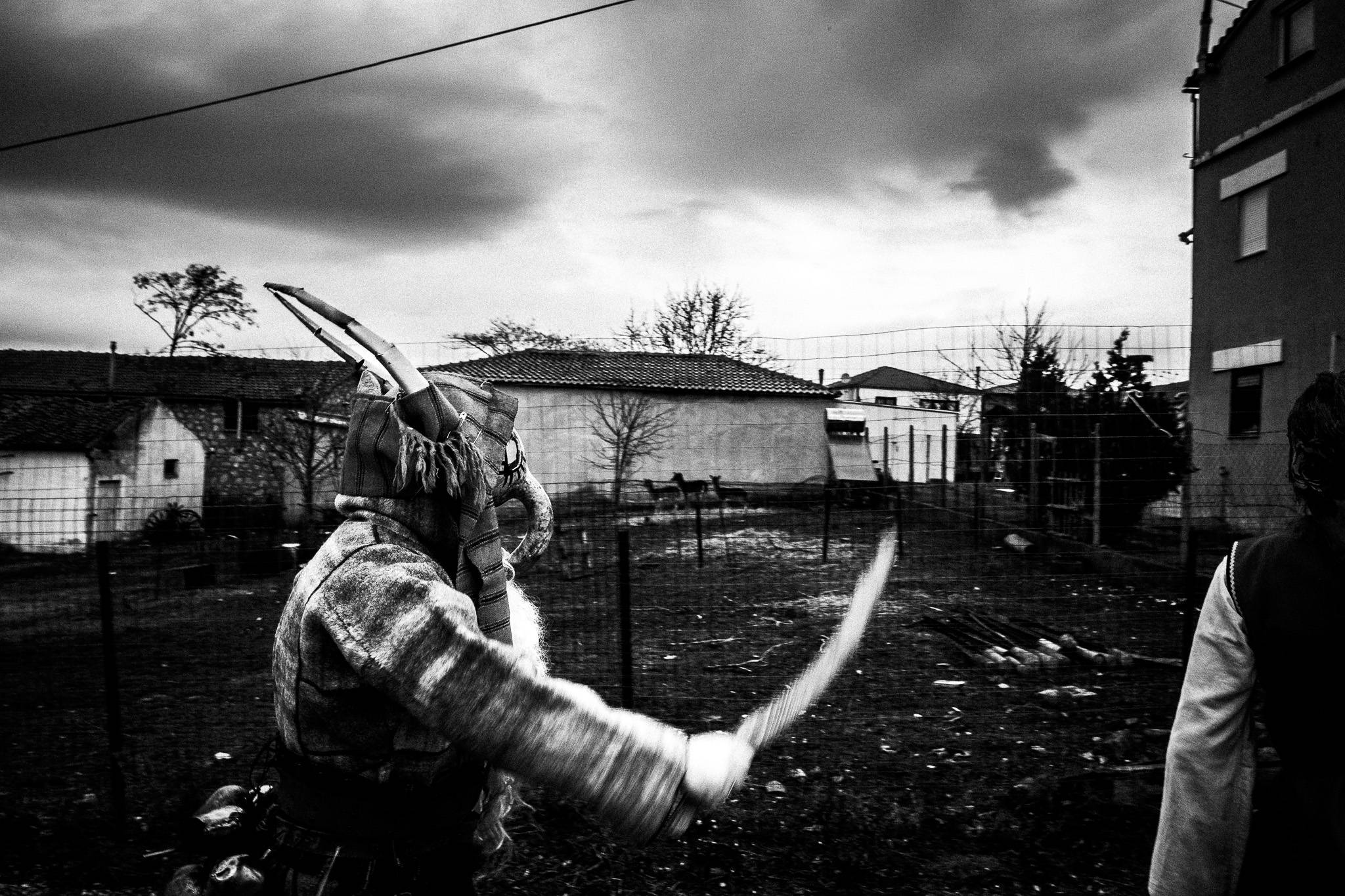
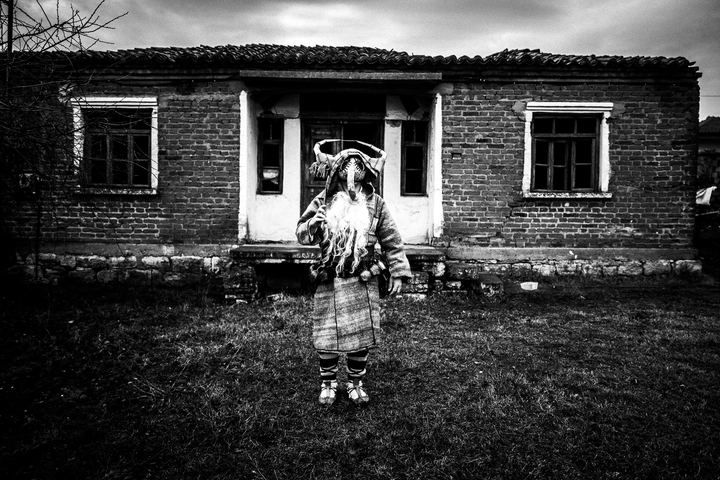
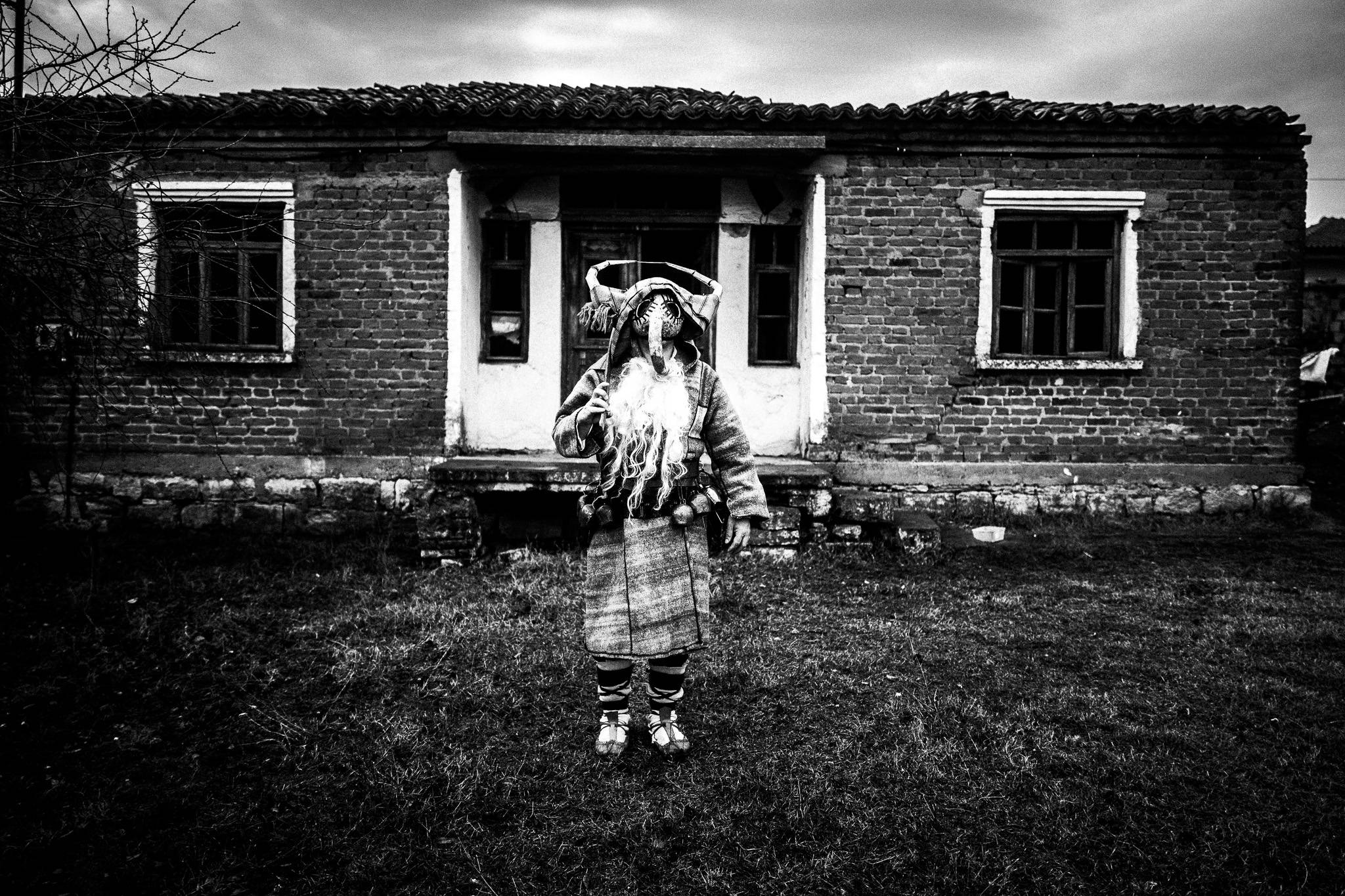
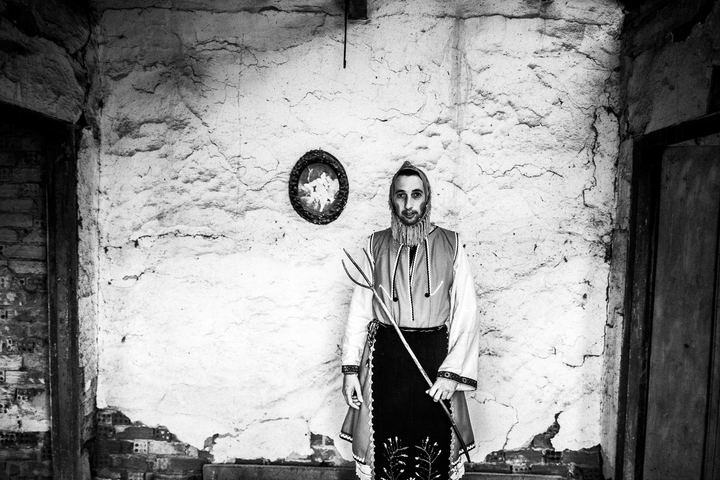
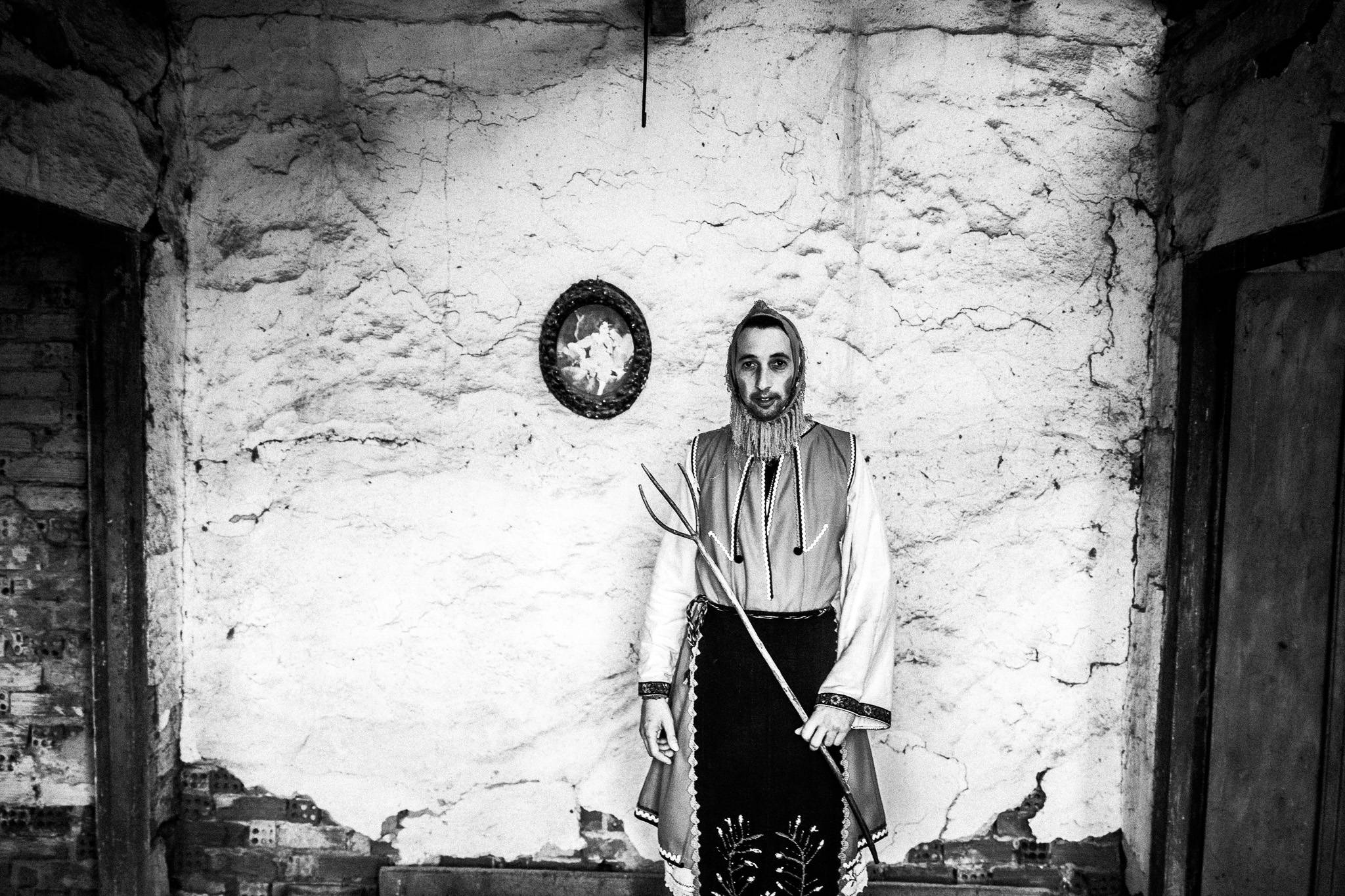
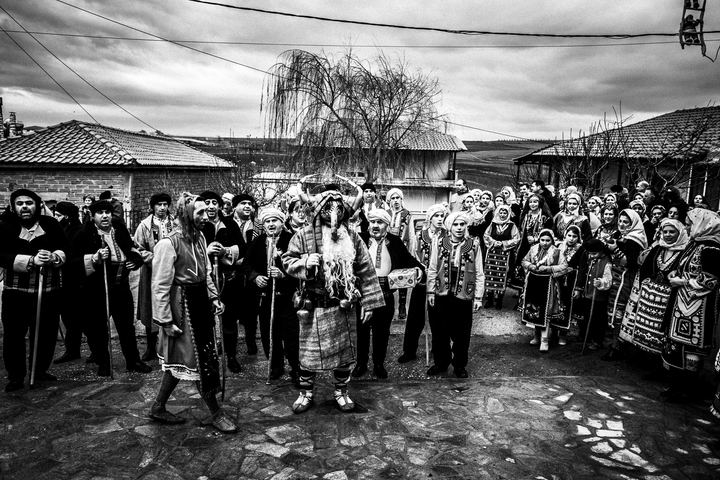
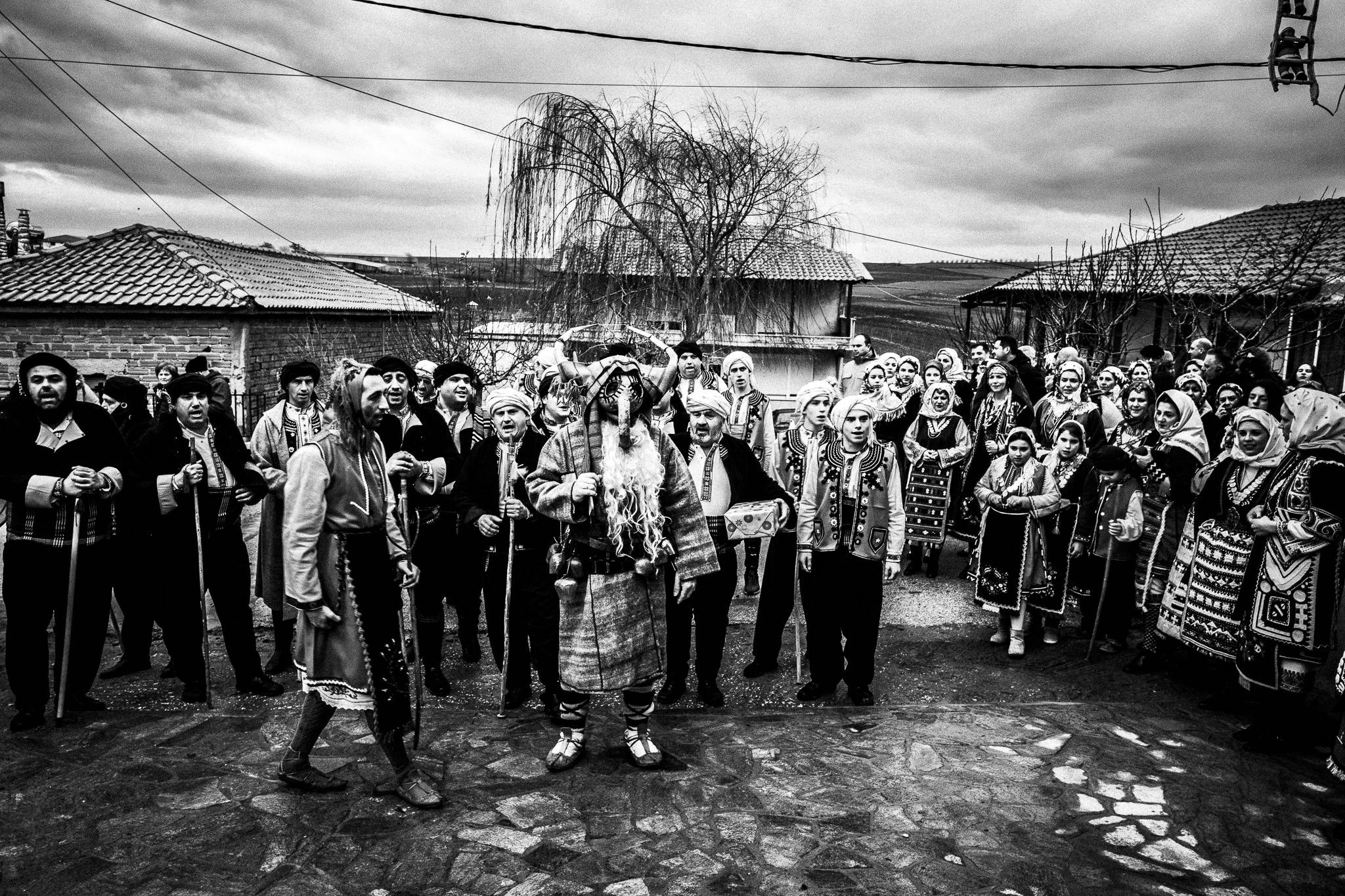
Purpuris would get dressed inside the local cultural club, whereas the dancers would dress up in Didimoticho. Purpuris has to wear a mask at all times and never show his face. This mask is made of a pumpkin and the original purpose served to guerrilla soldiers who wanted to visit their families during the fight for Independence. They would dress up like that and pretend to serve the custom, they were able to come and visit their loved ones.
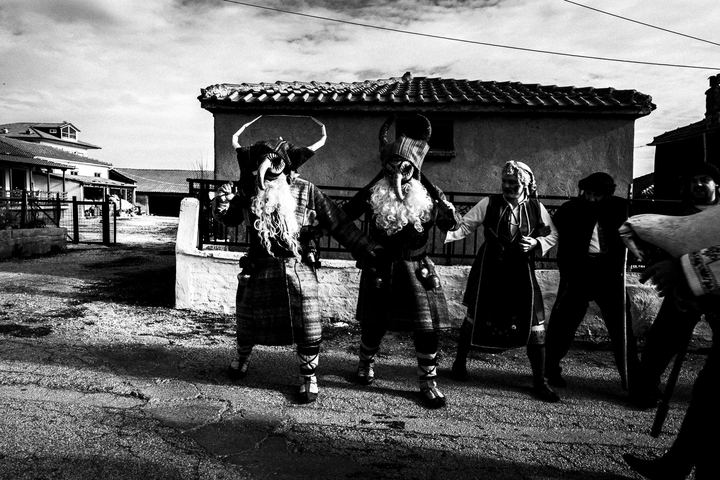
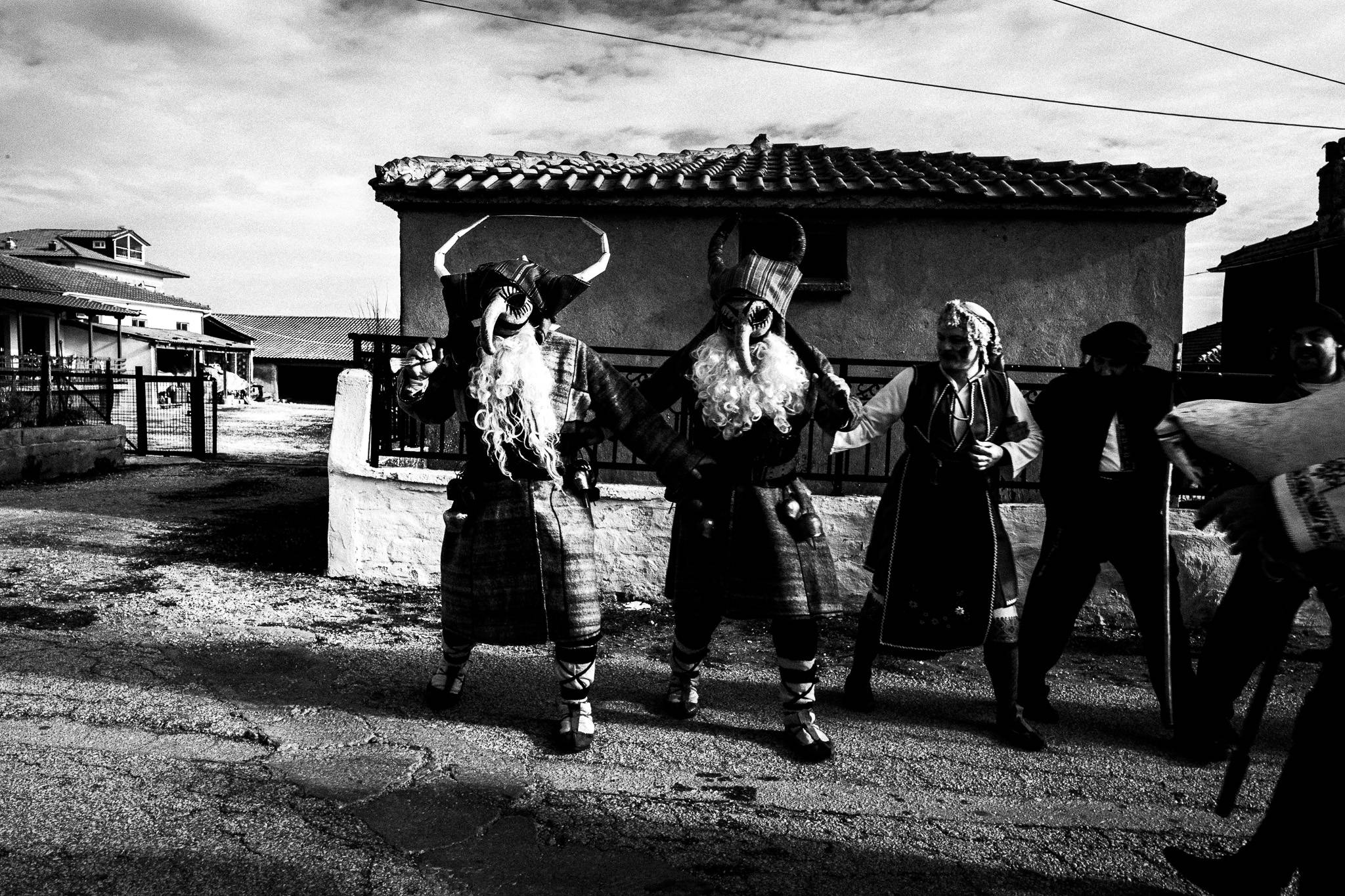
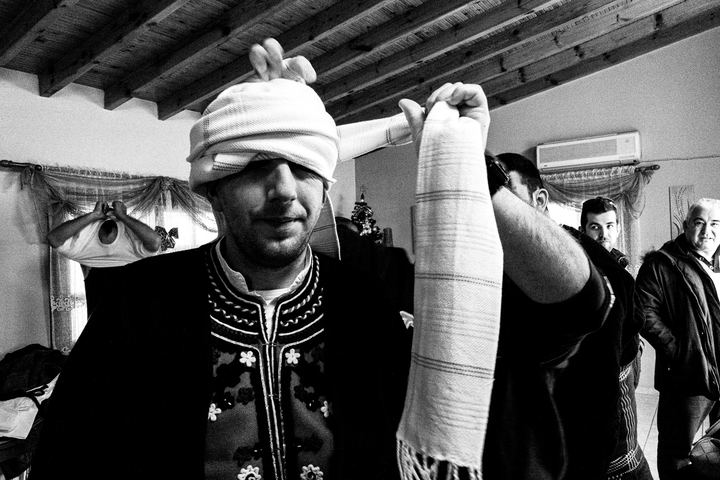
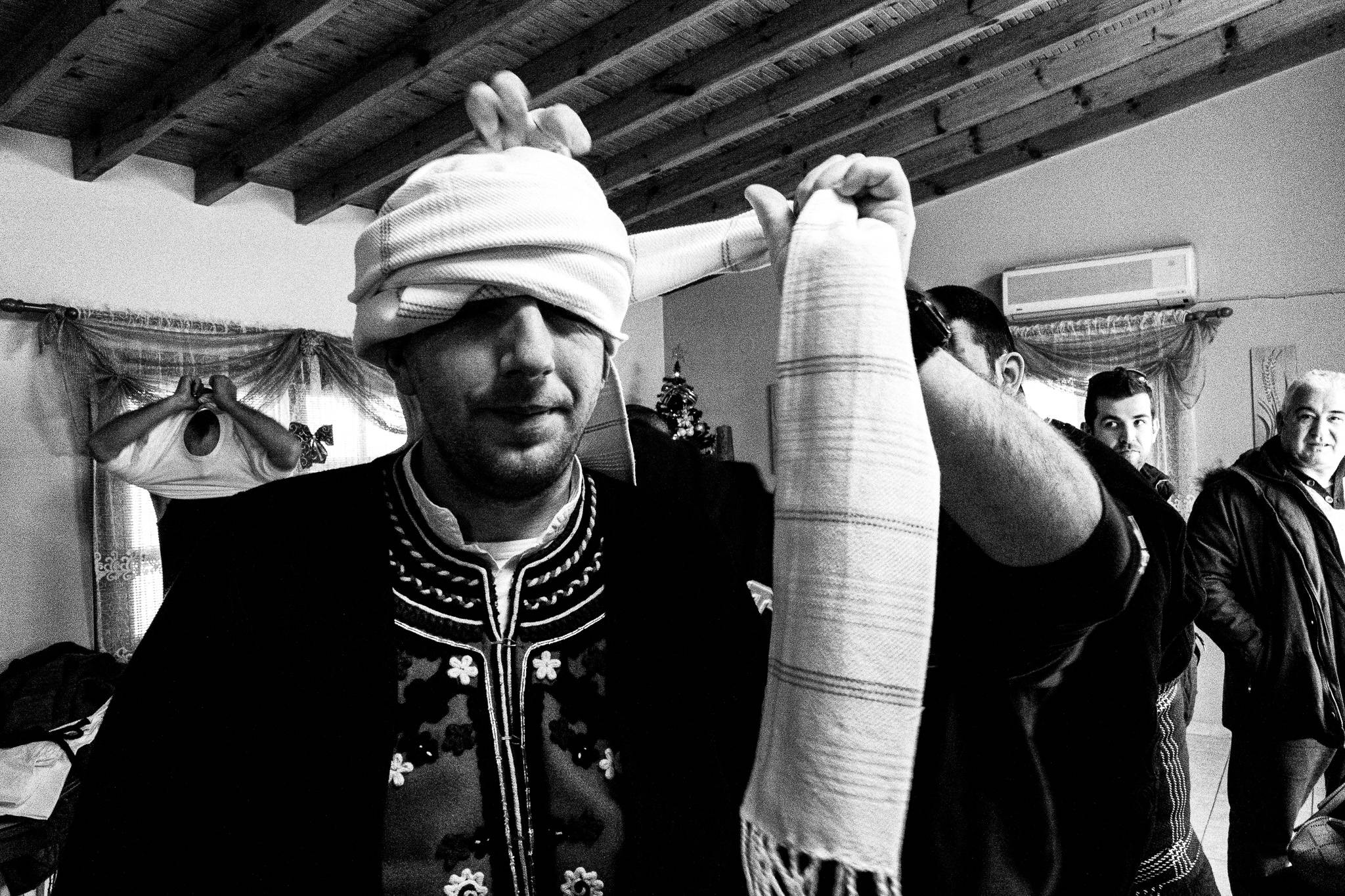
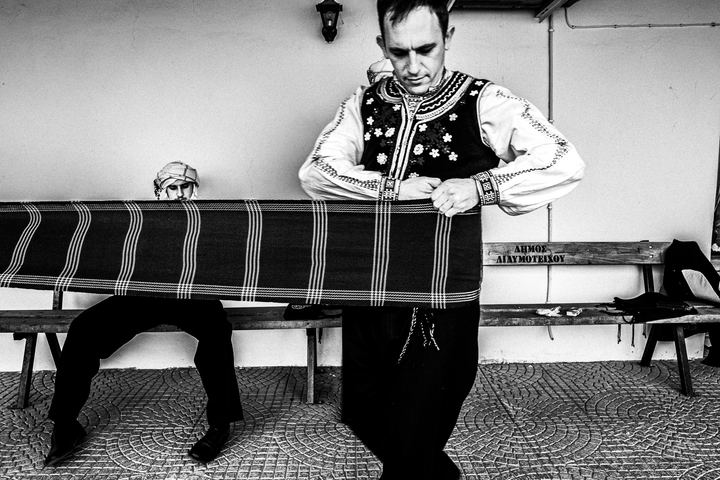
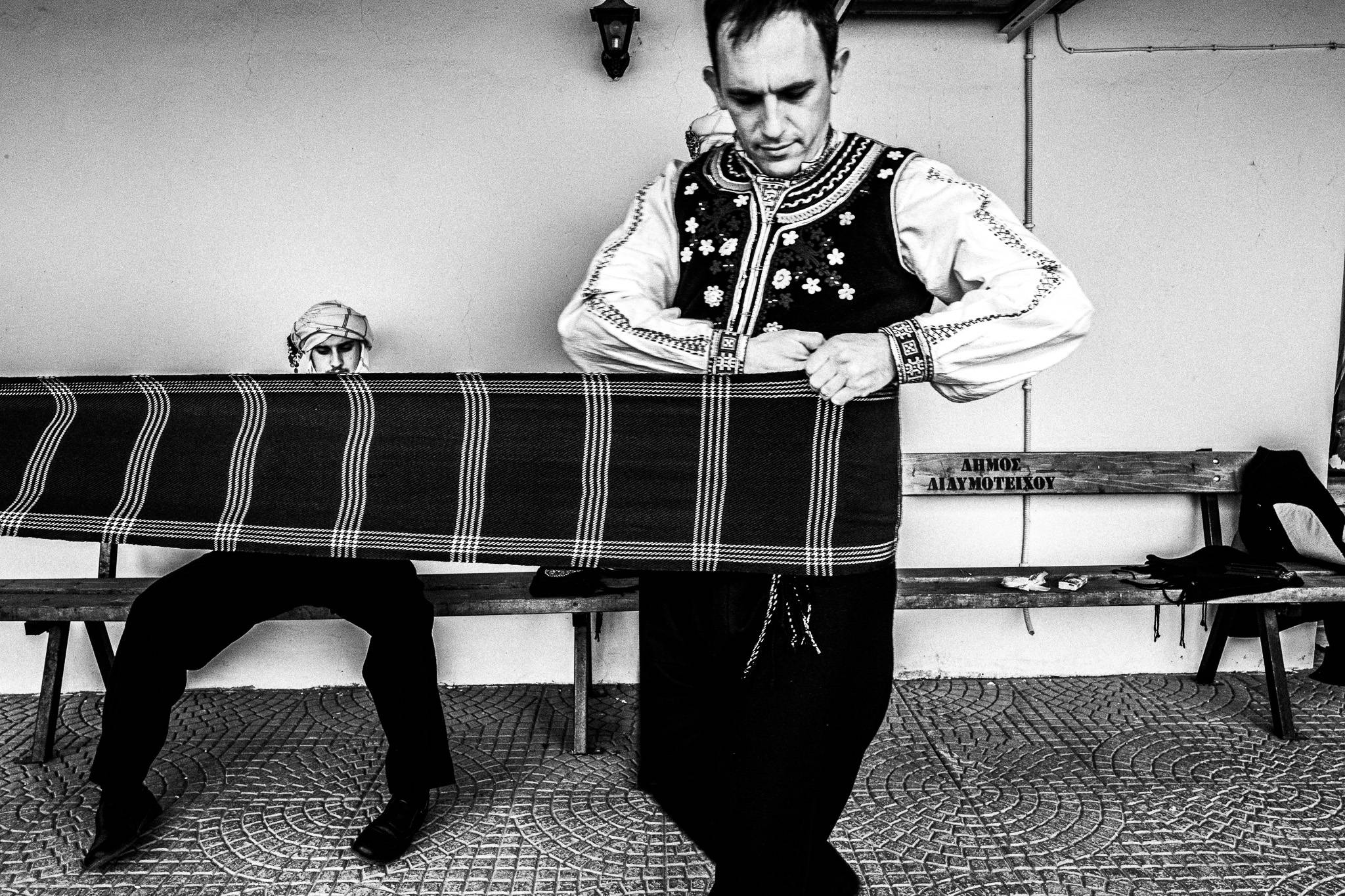
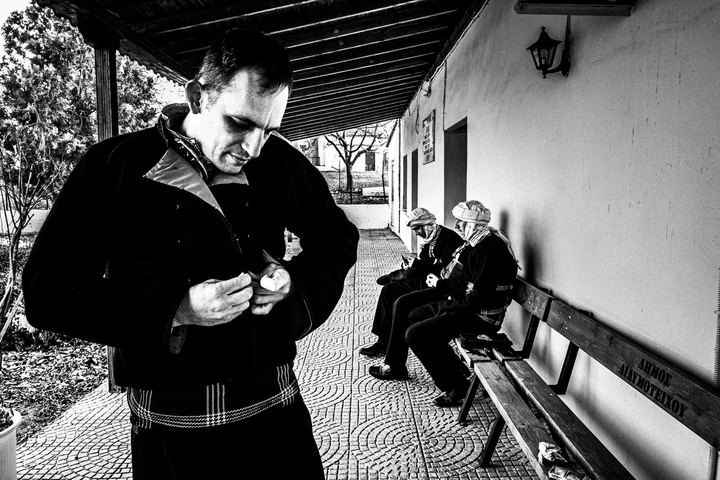
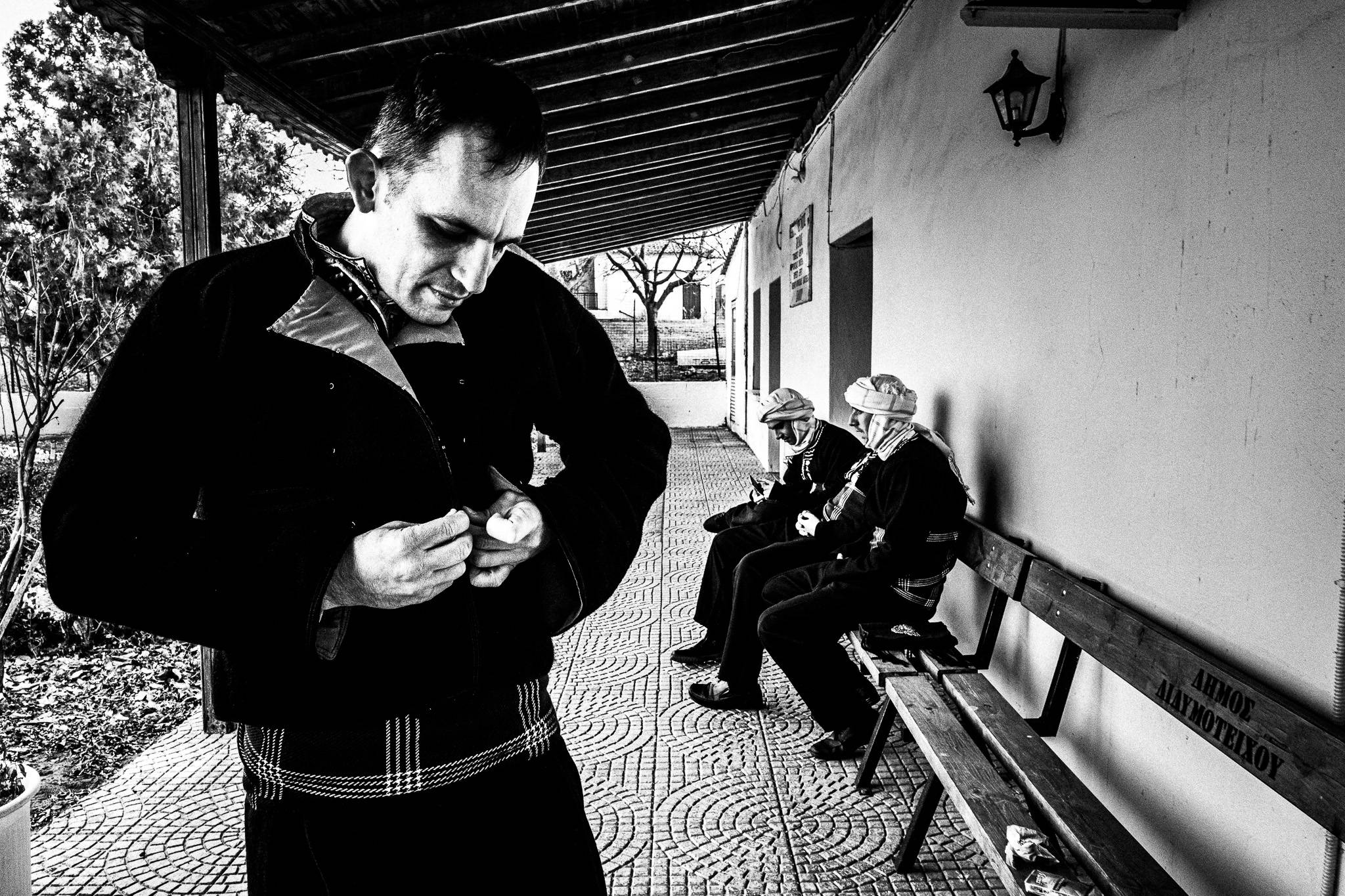
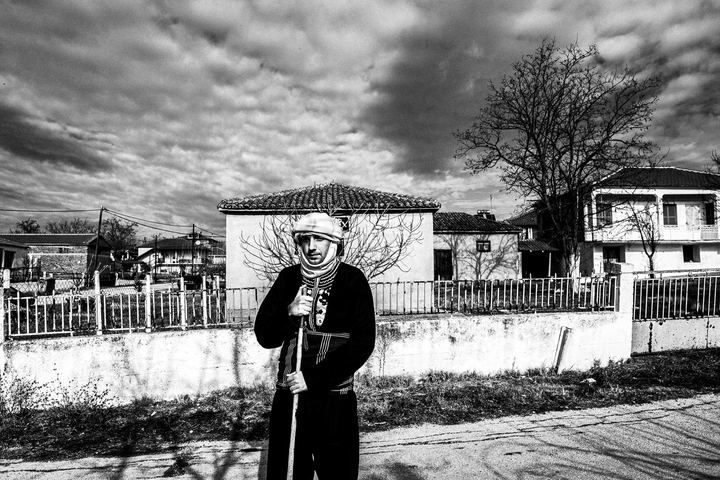
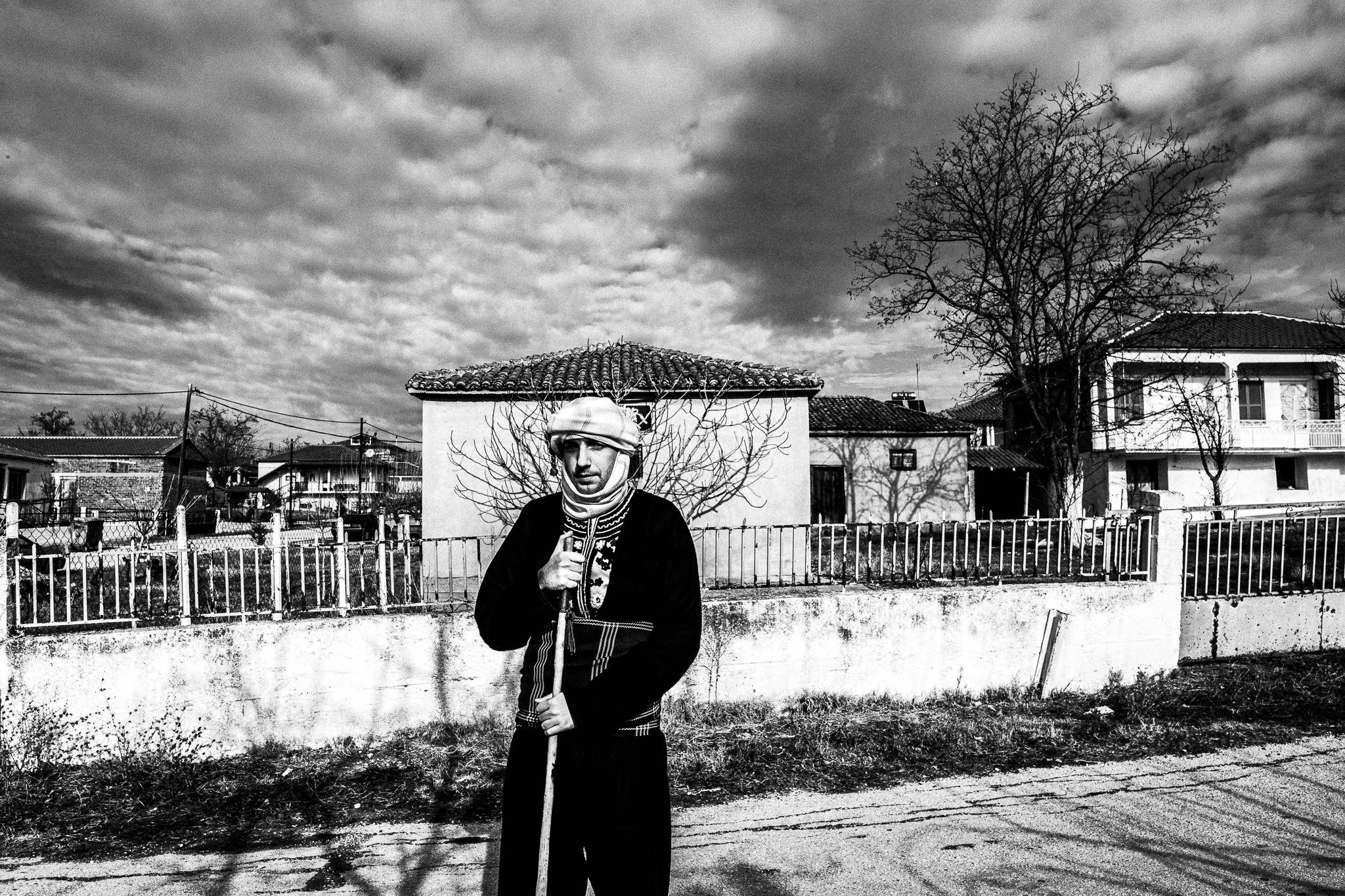
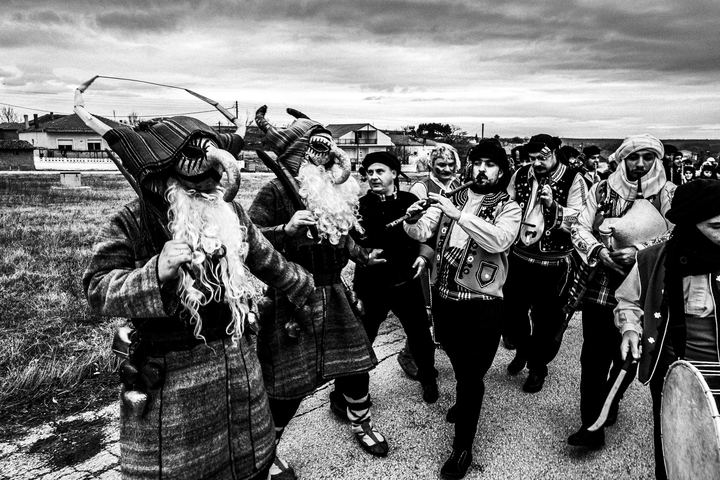
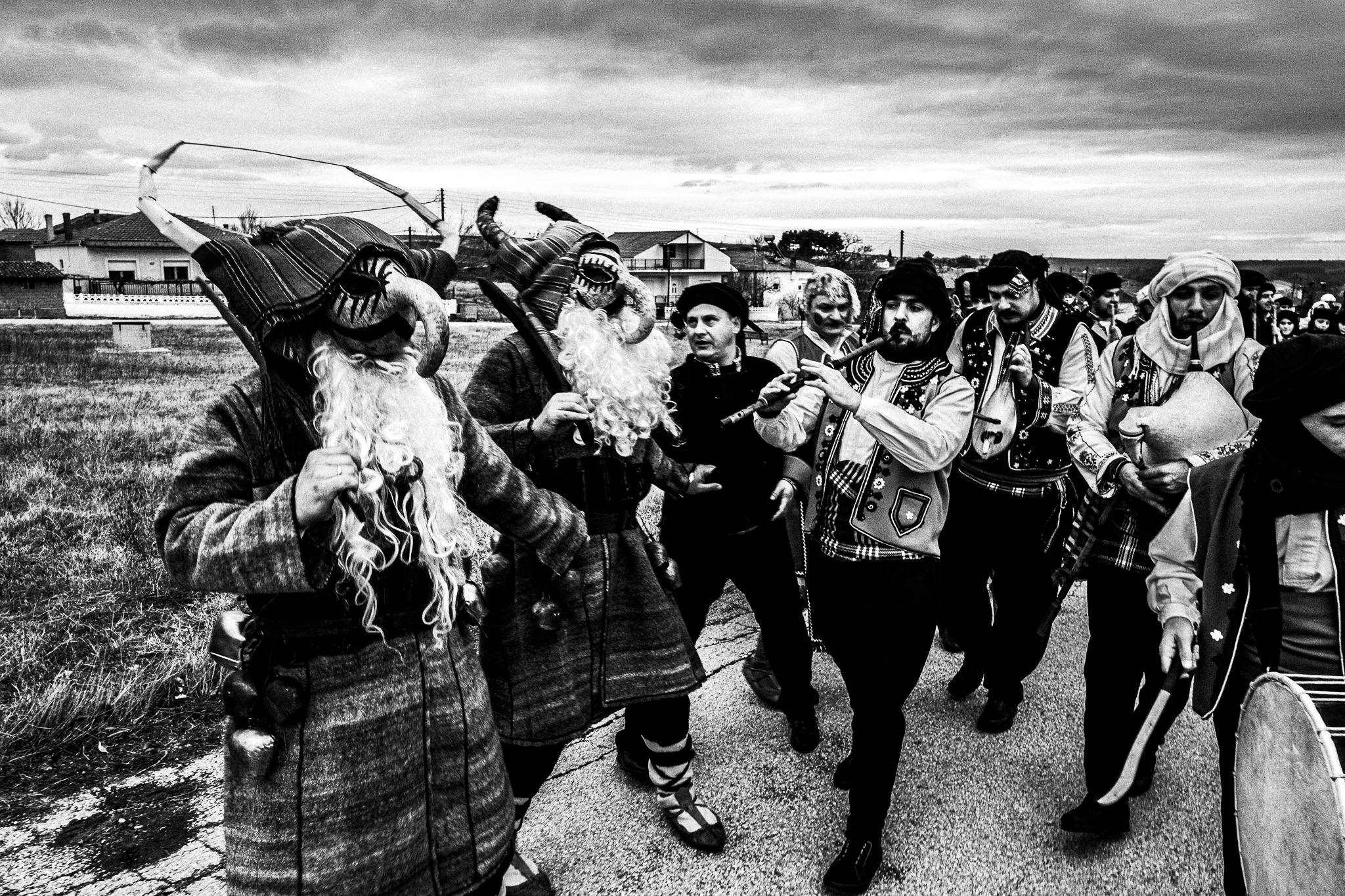
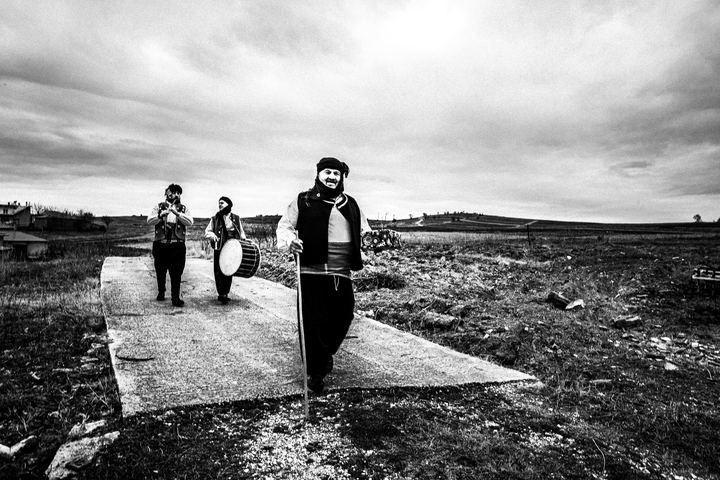
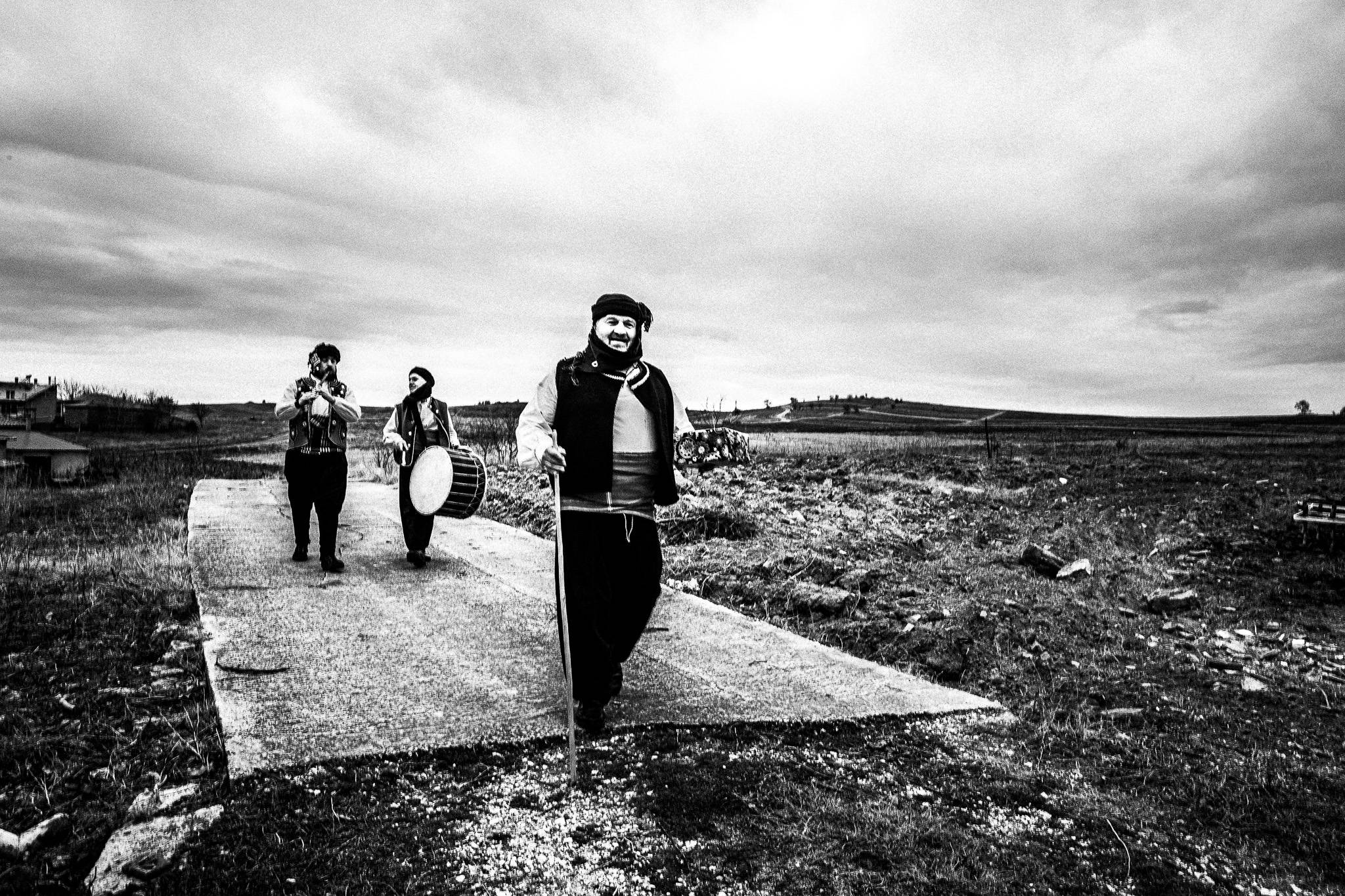
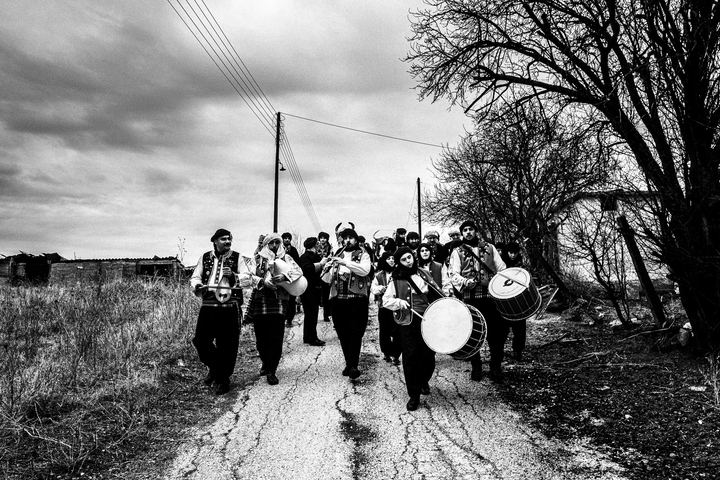
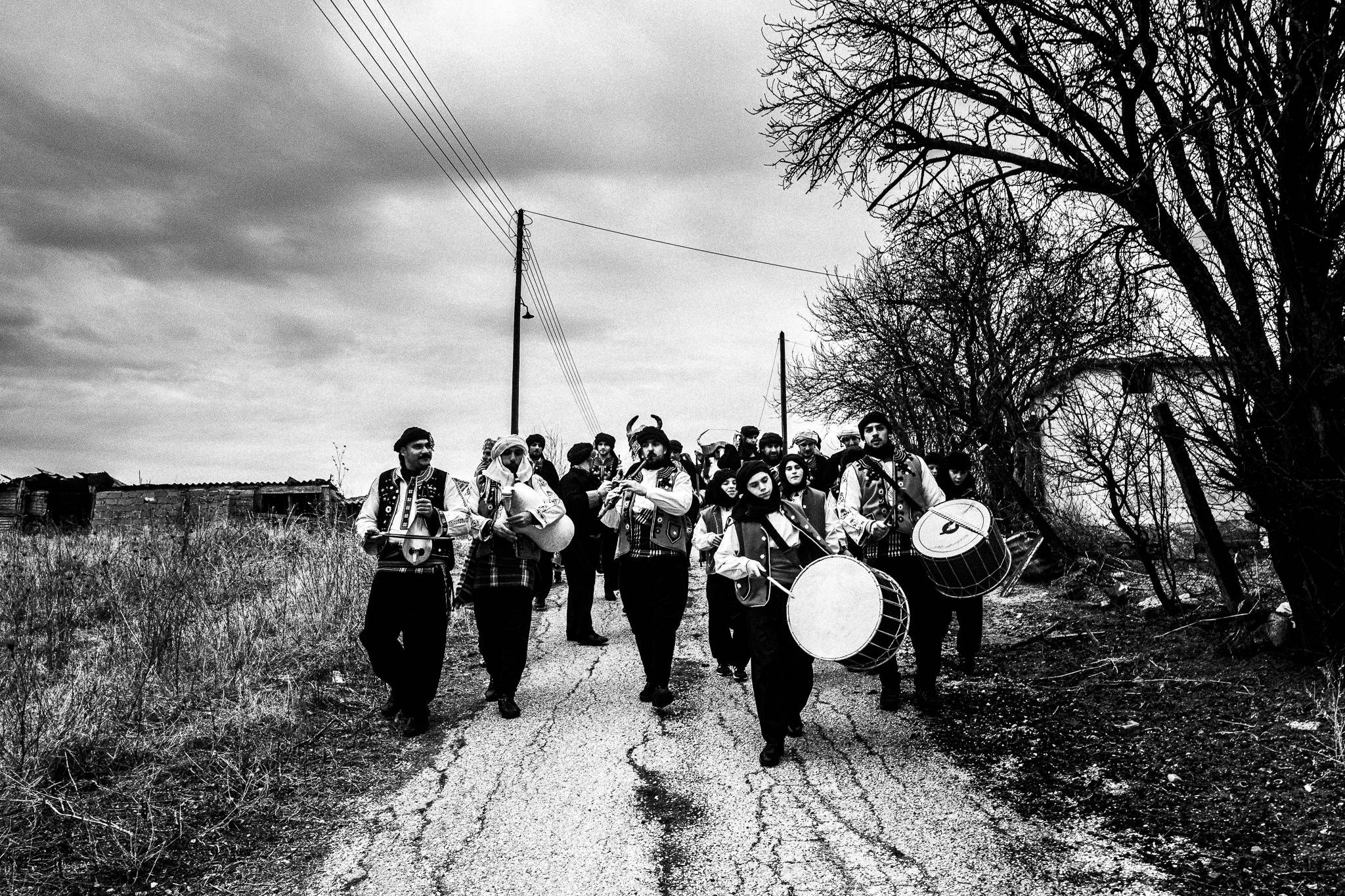
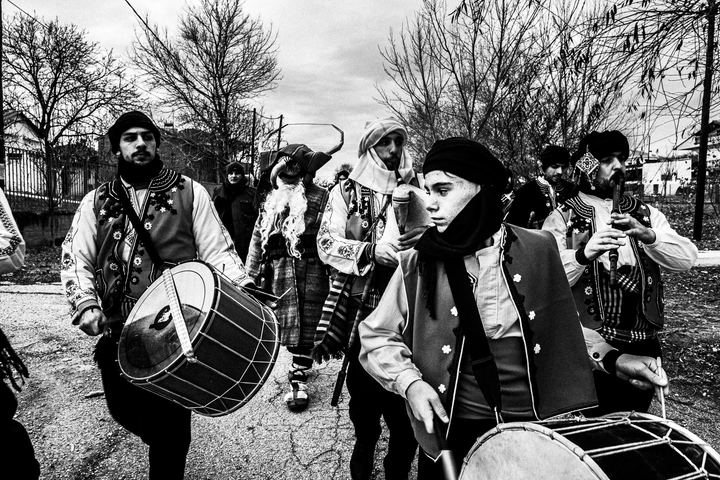
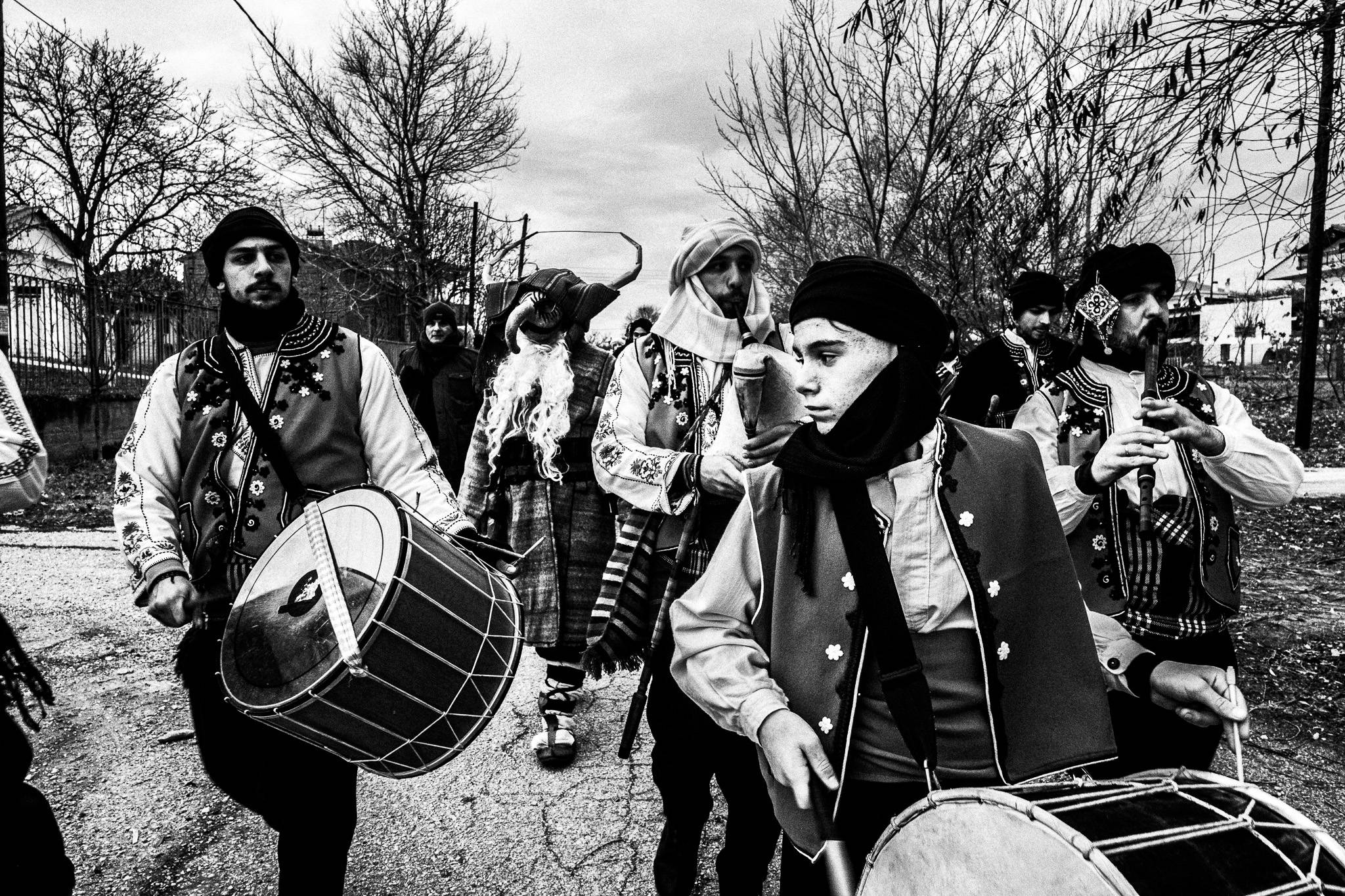
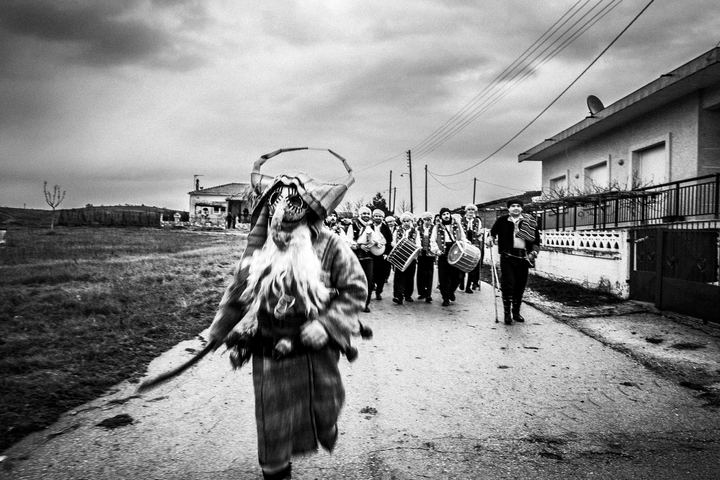
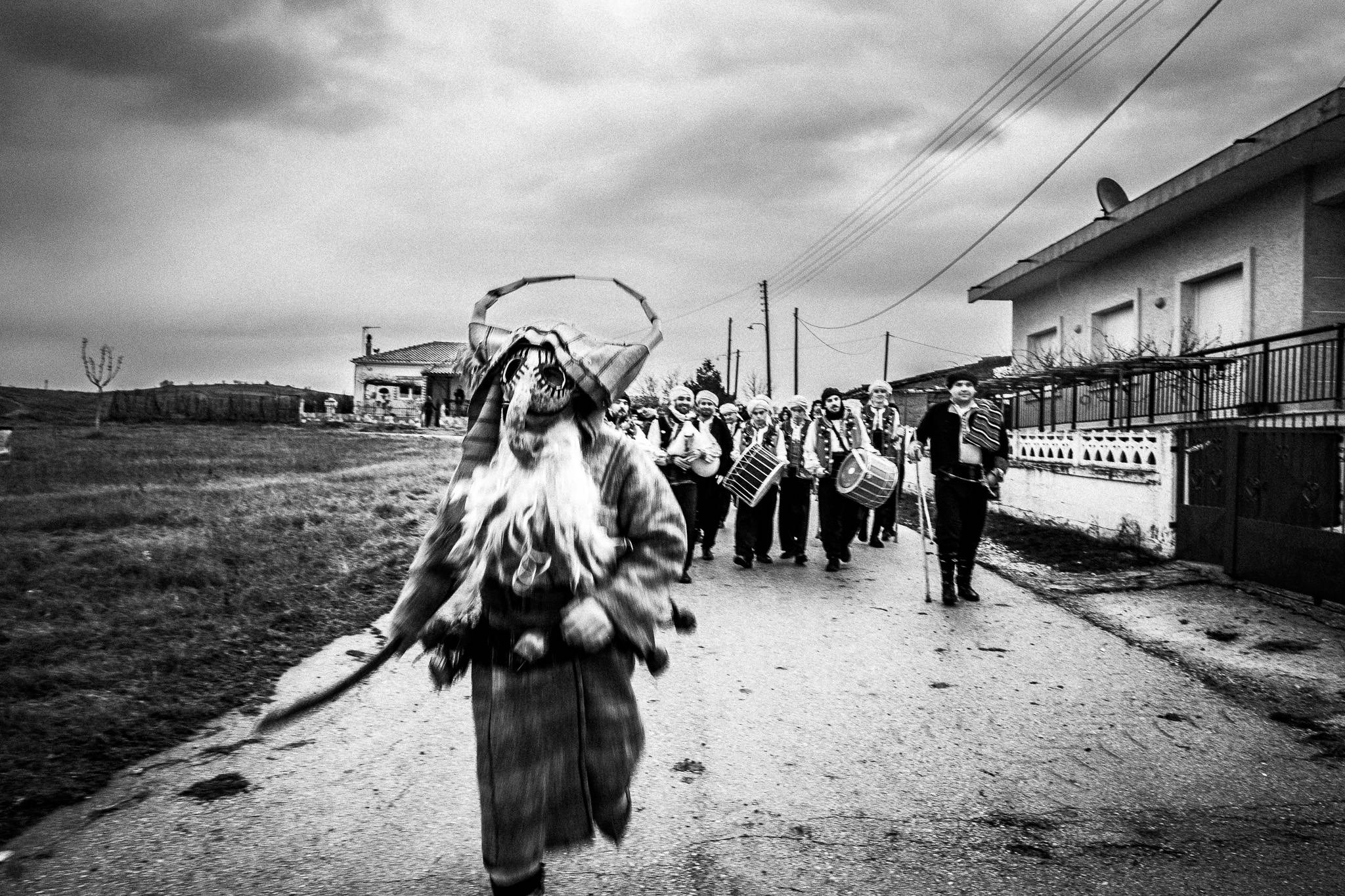
After they are all ready, the music starts and the parade will visit the church of the village to get a blessing from the local priest. Two people were dressed up as Purpuris. In the old days, they used to have five of them, because the village was formed of five different groups. Each one of them would have its own Purpuris.
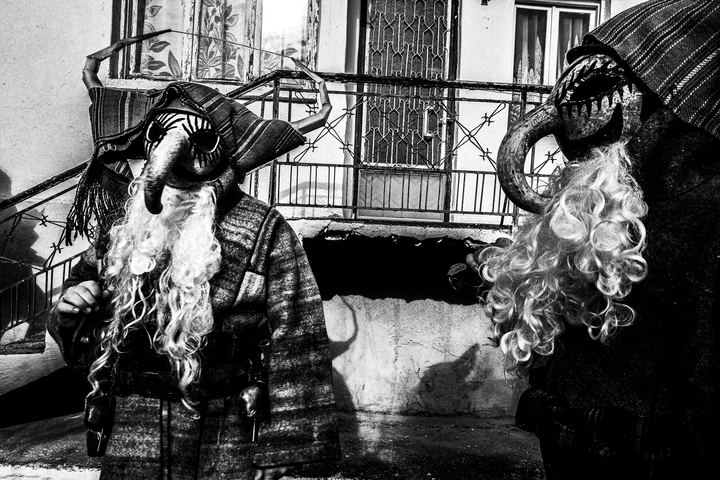
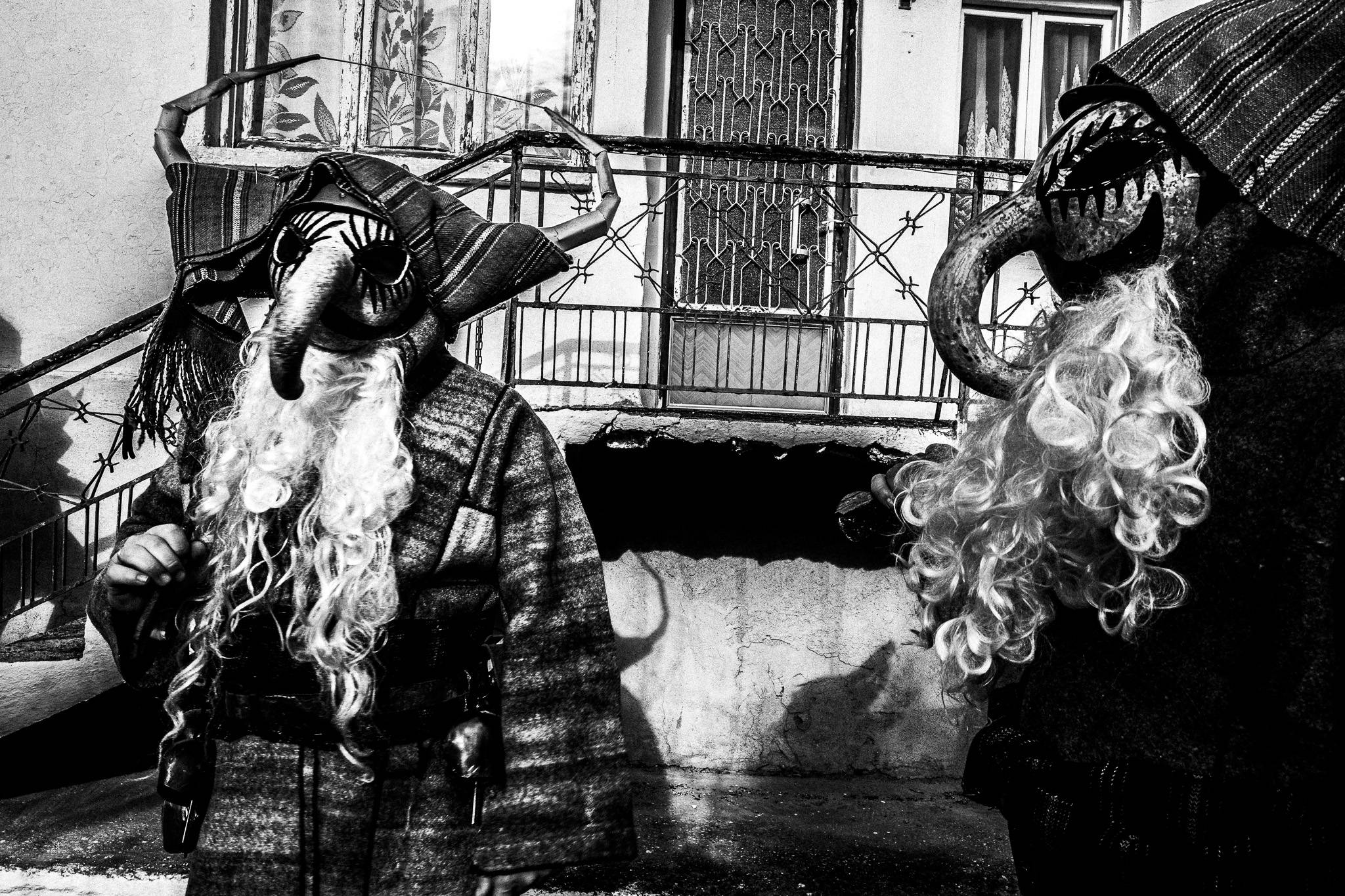
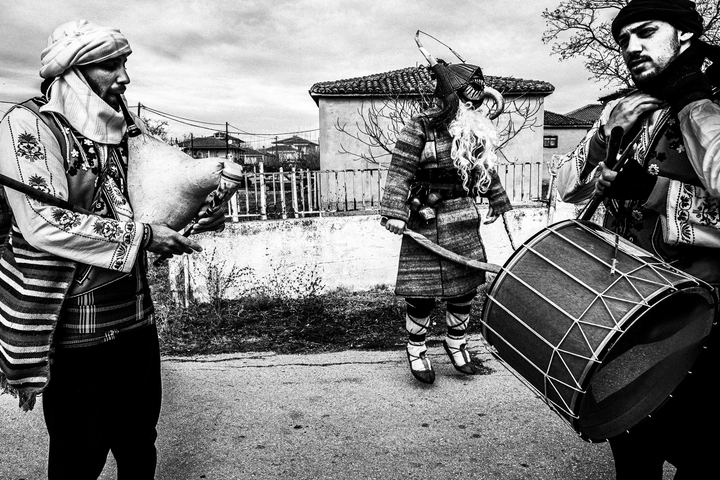
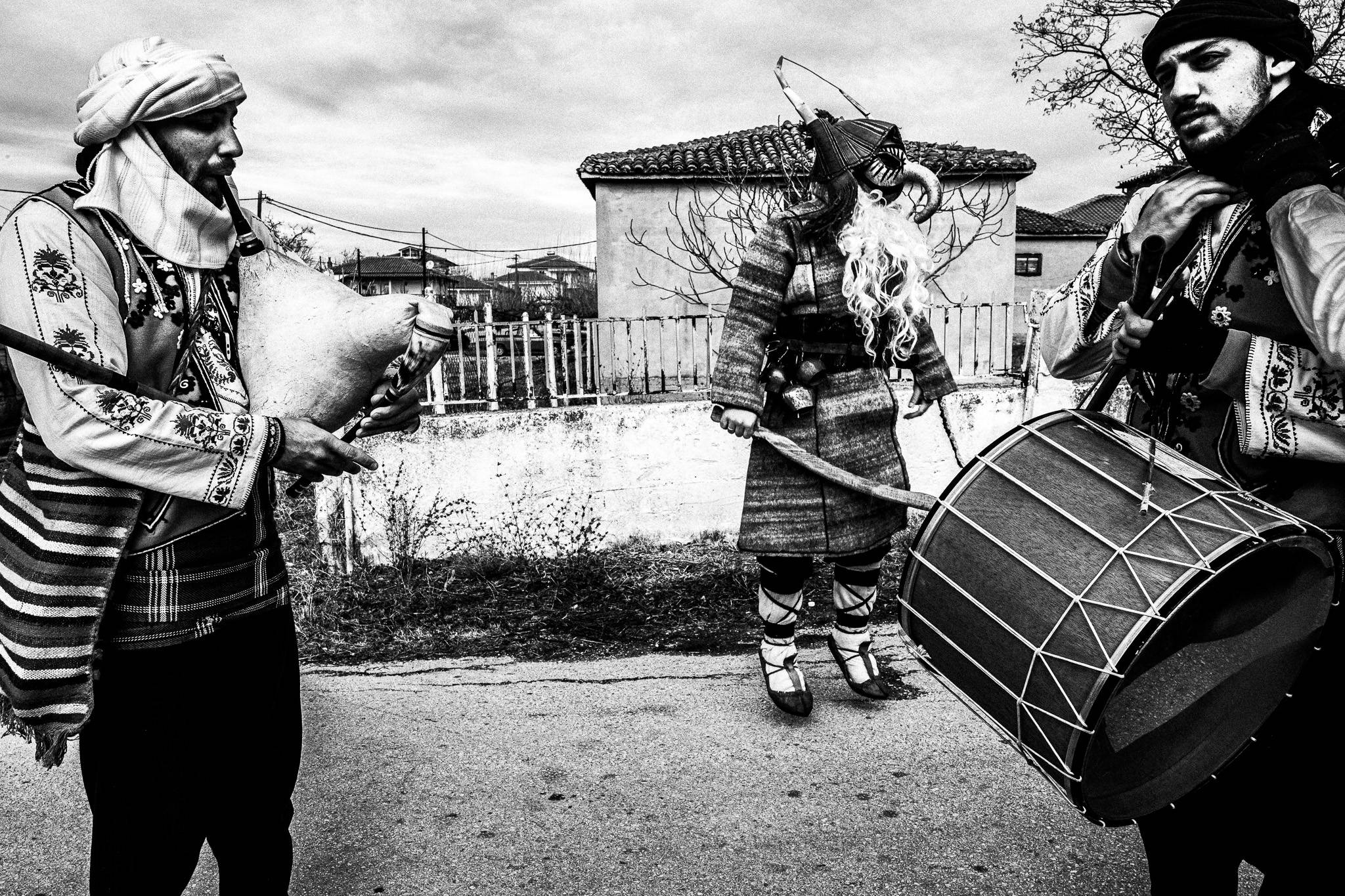
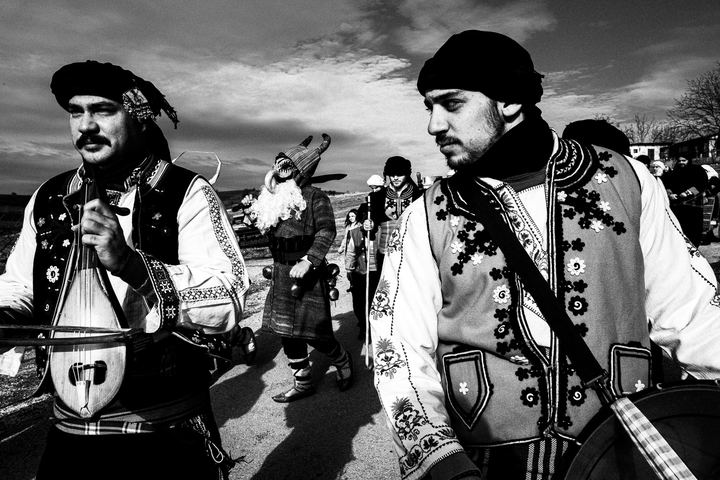
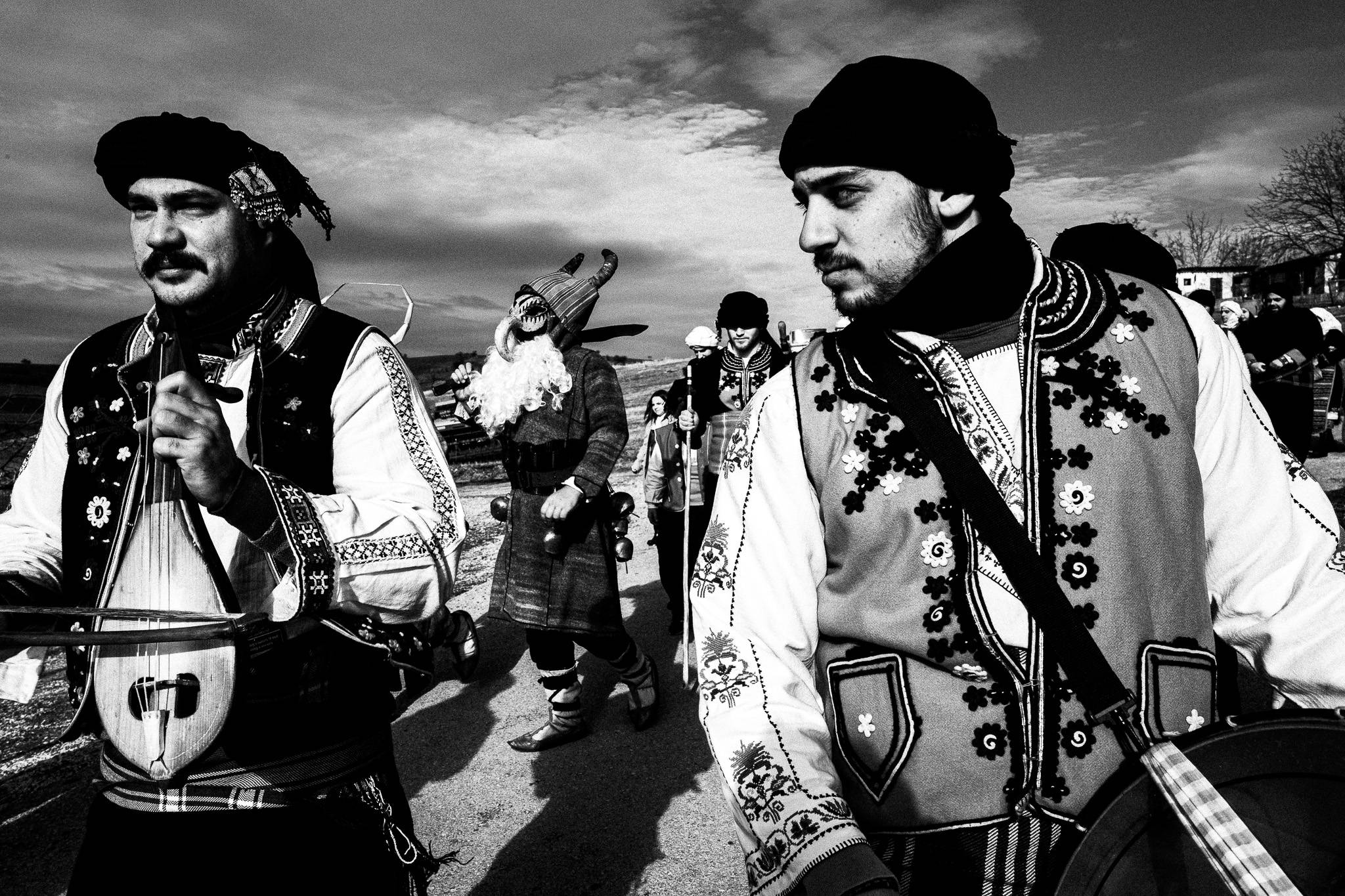
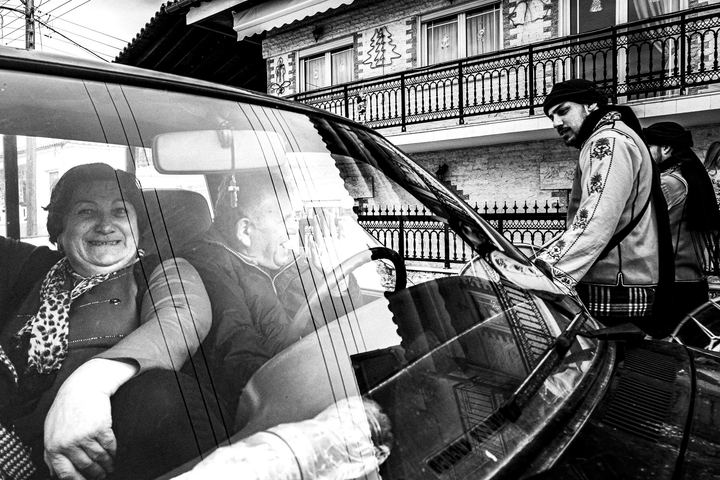
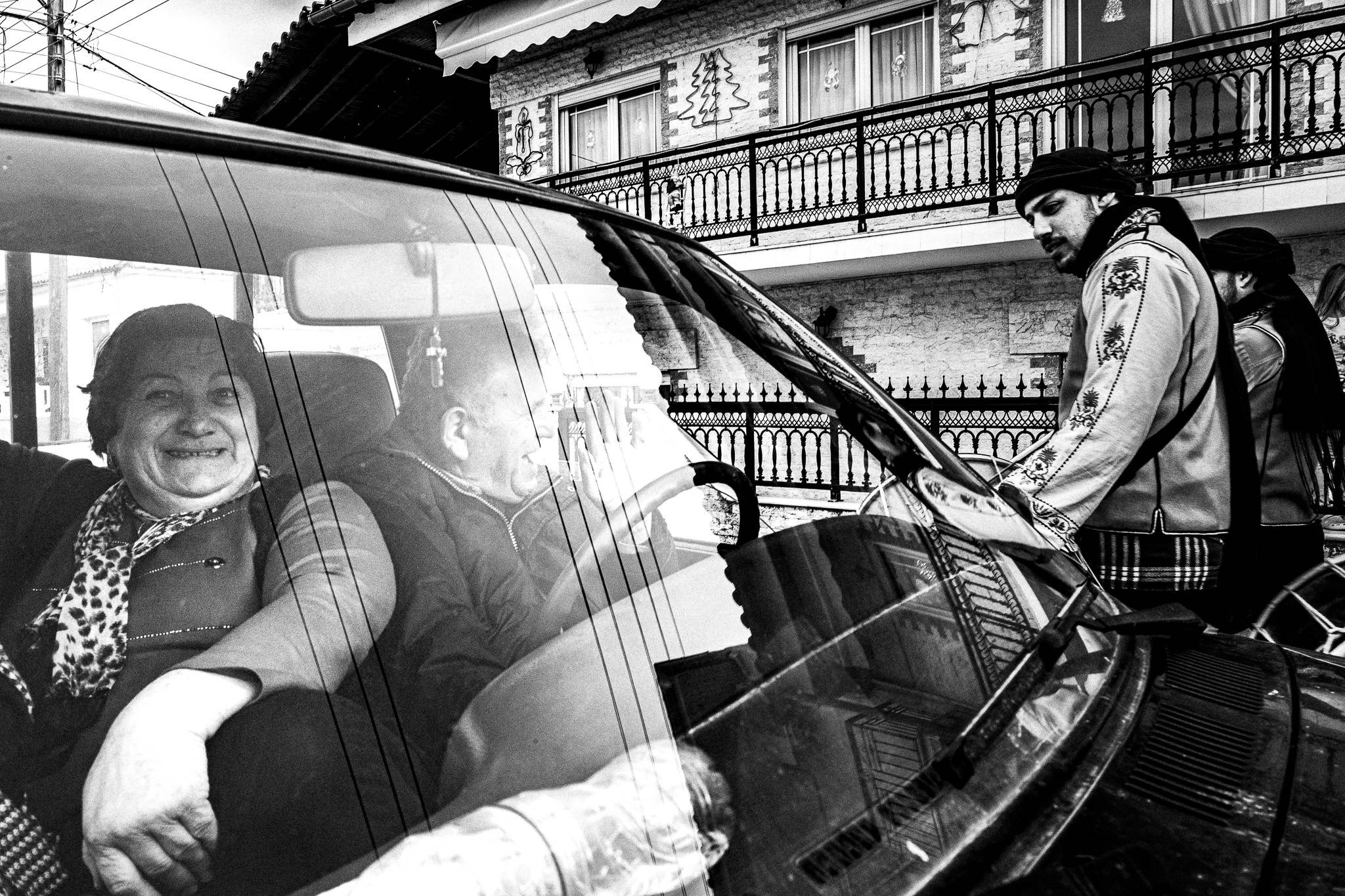
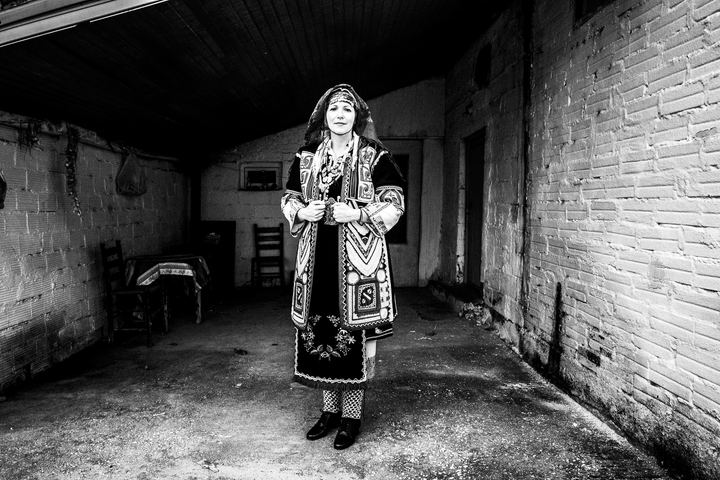
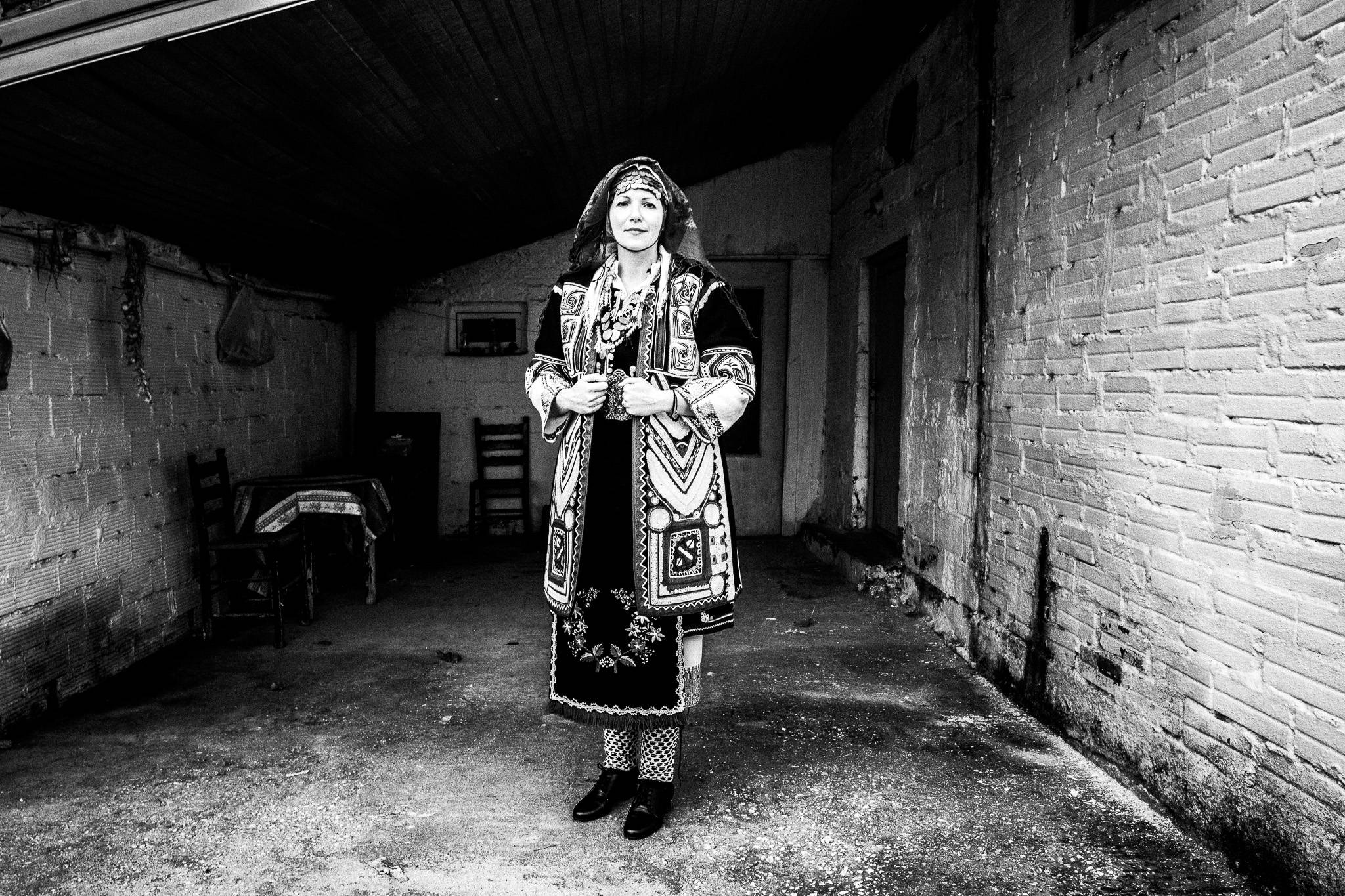
The group will be visiting the houses of the village and dancing around their yards. They will wish prosperity and fertility for the year to come and the house owner will treat them with food and drinks, usually Tsipouro (a Greek alcoholic drink made from distilled grapes).
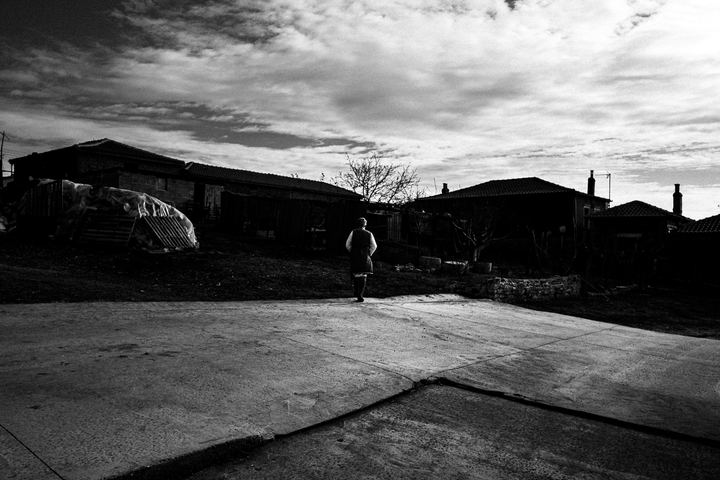
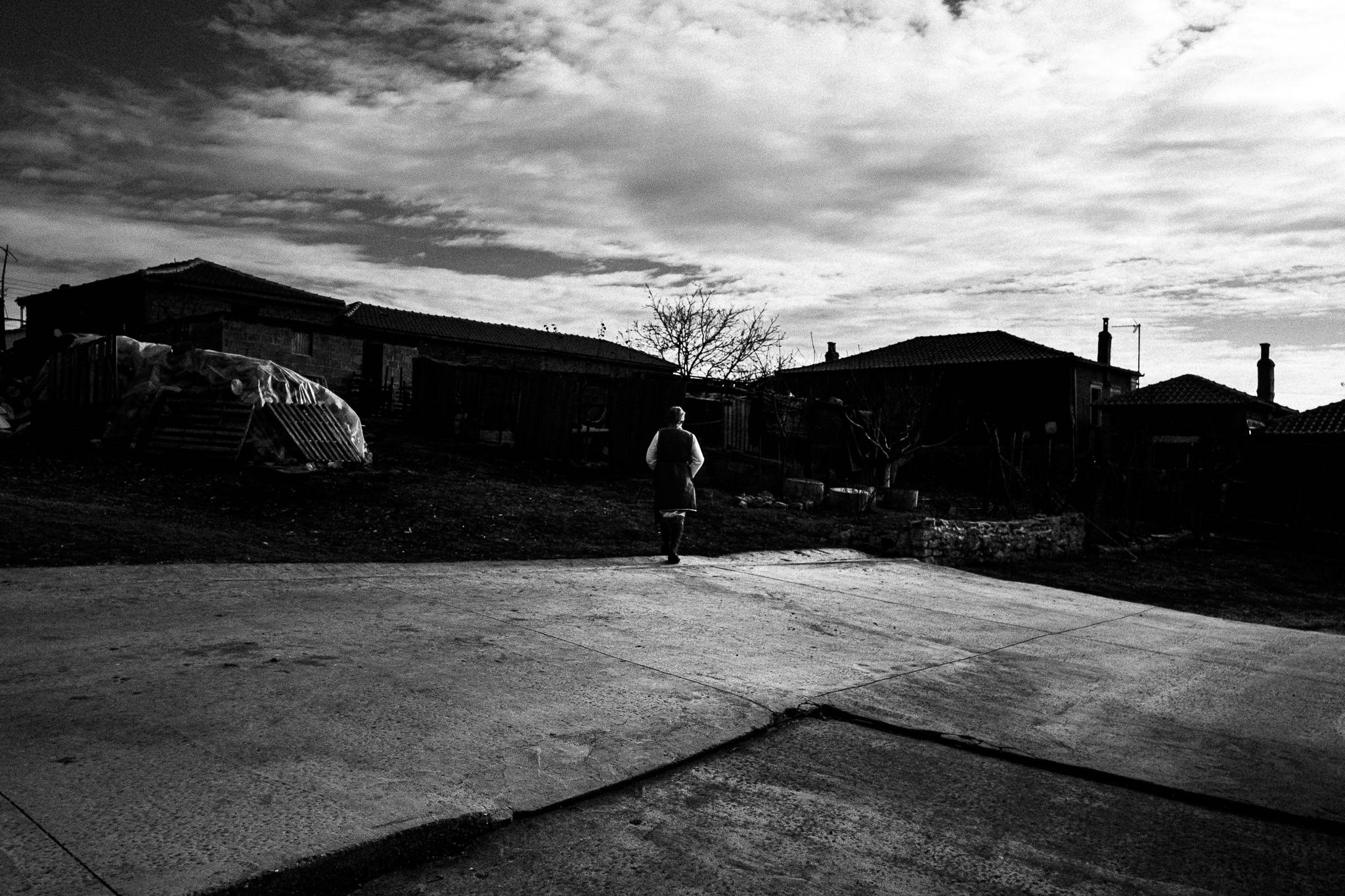
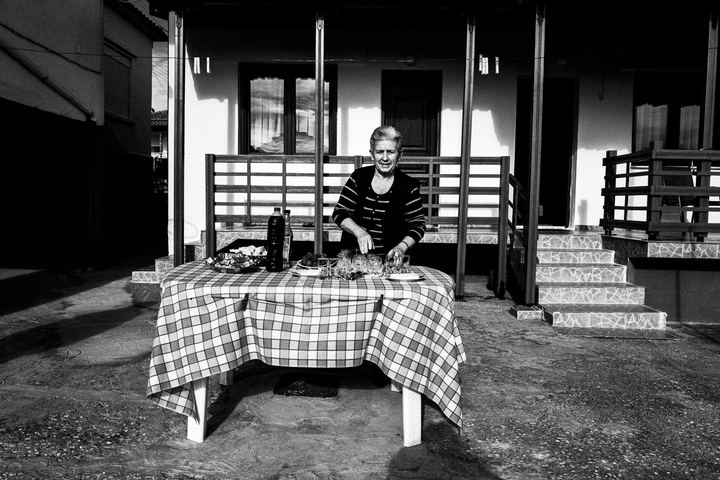
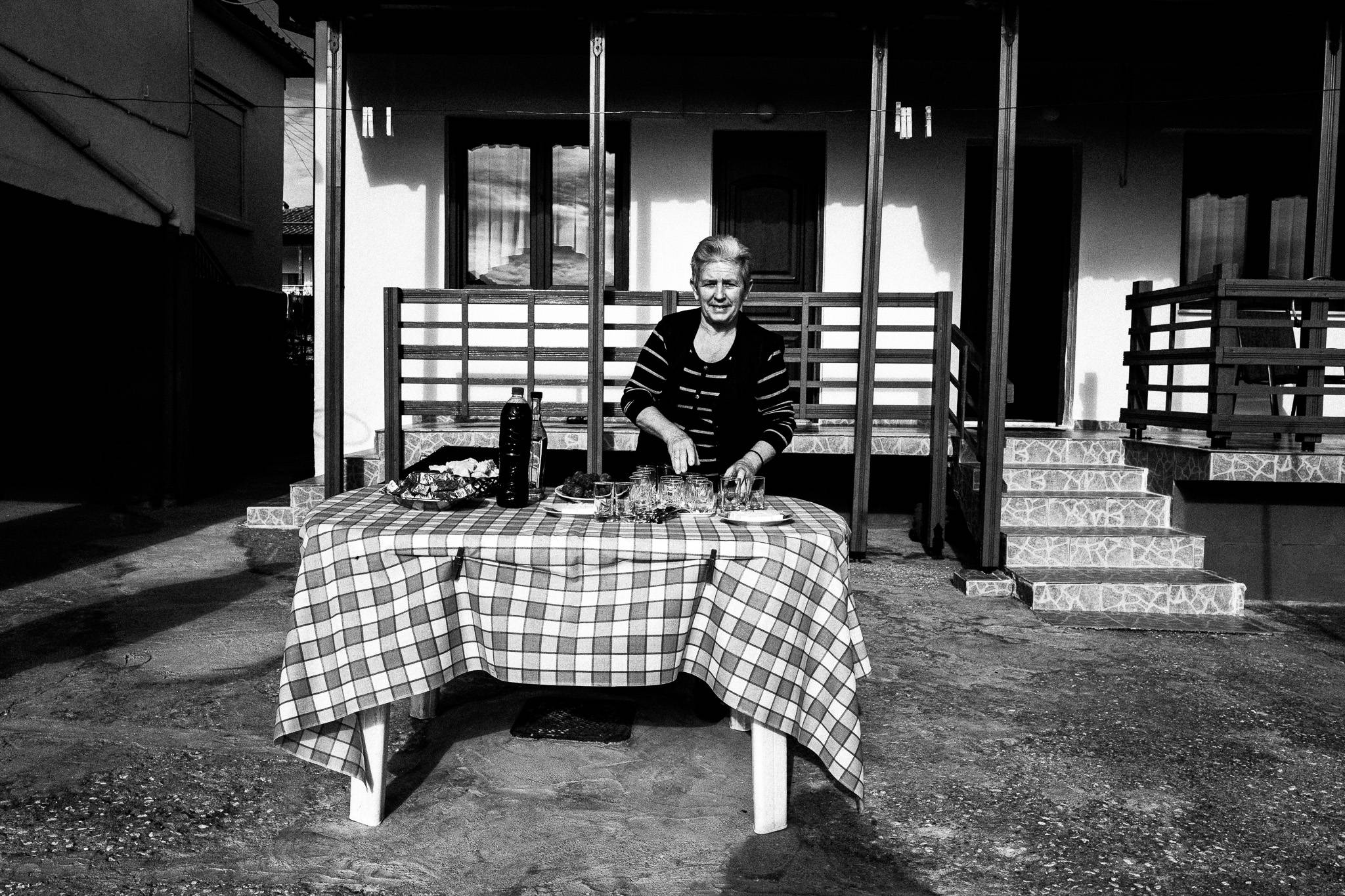
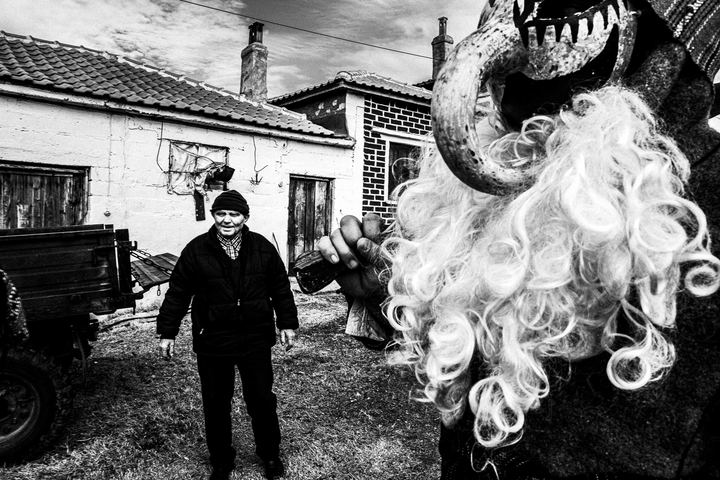
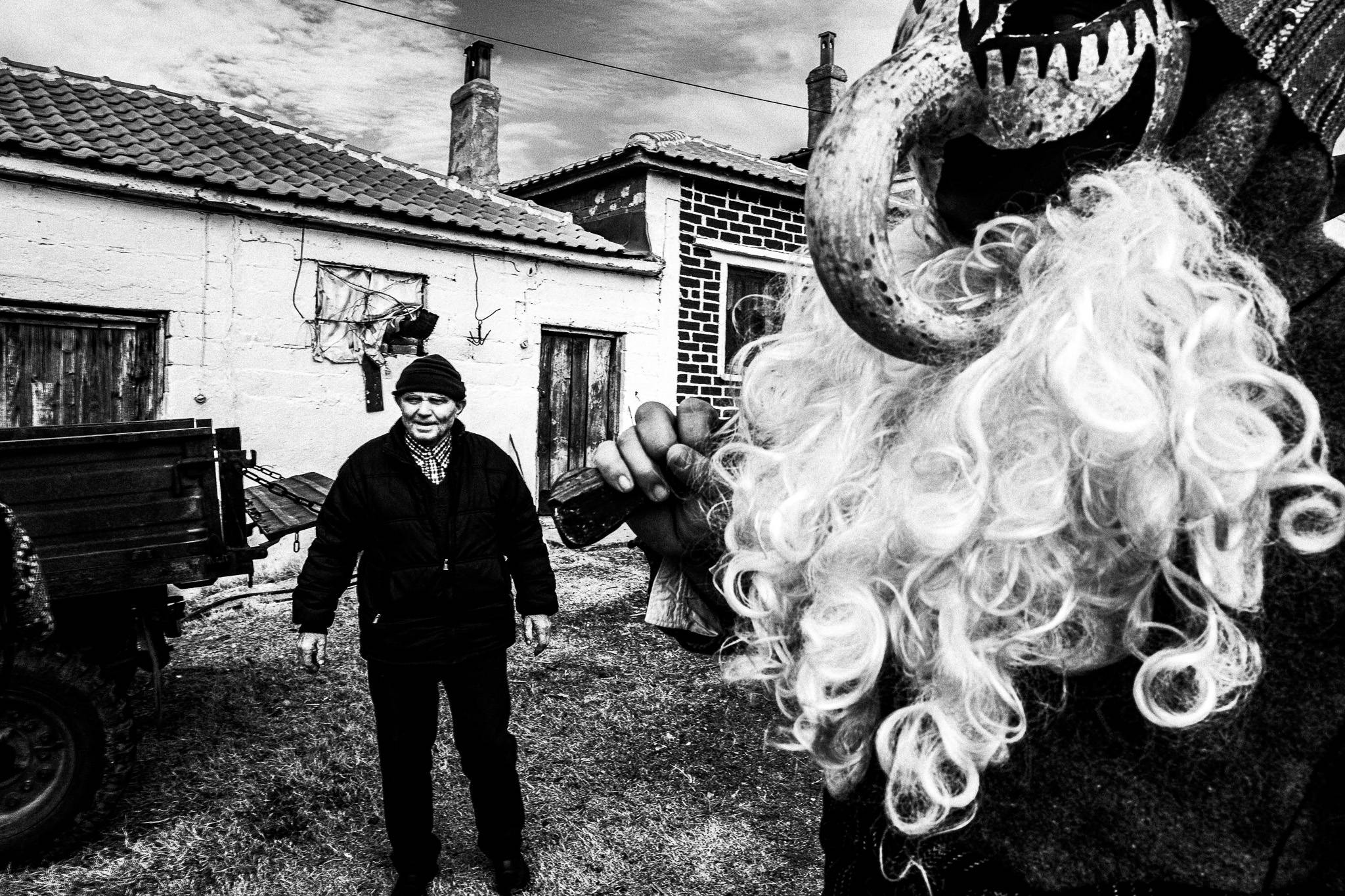
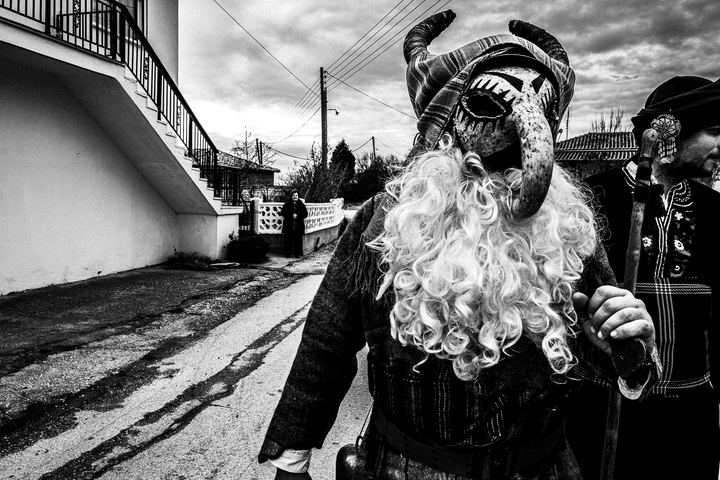
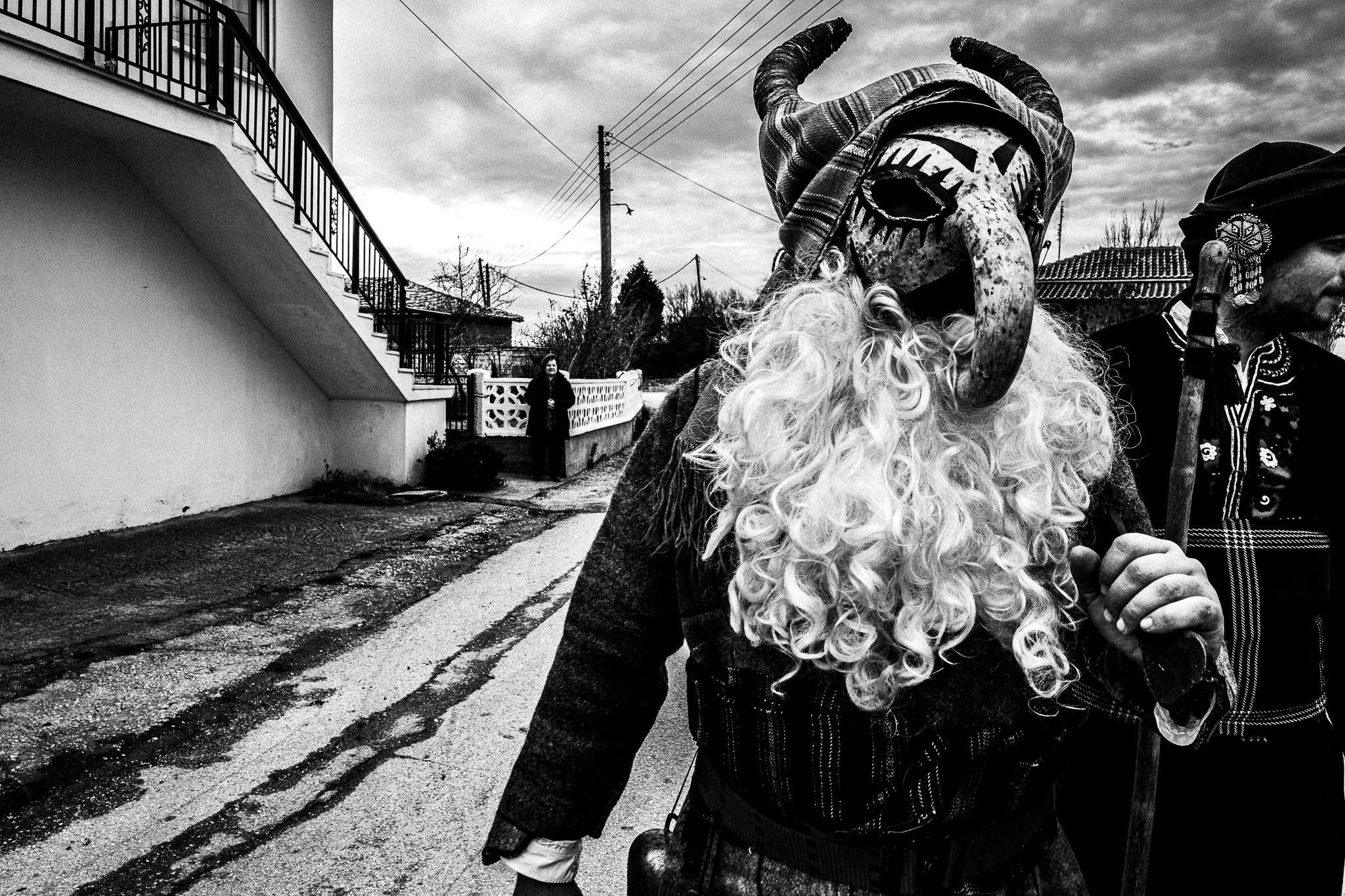
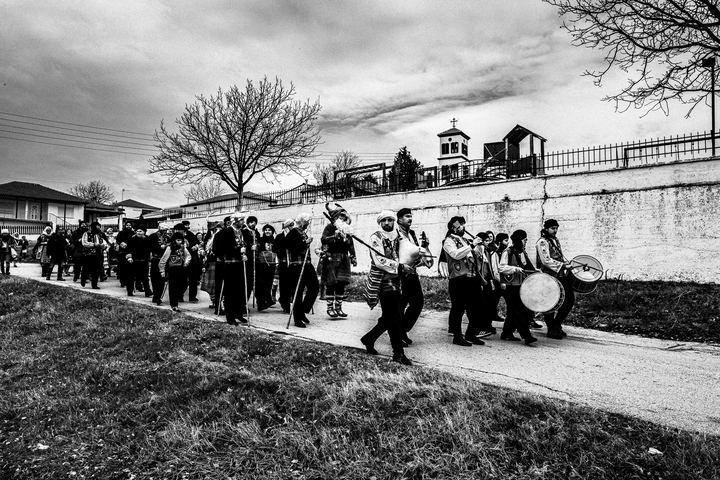
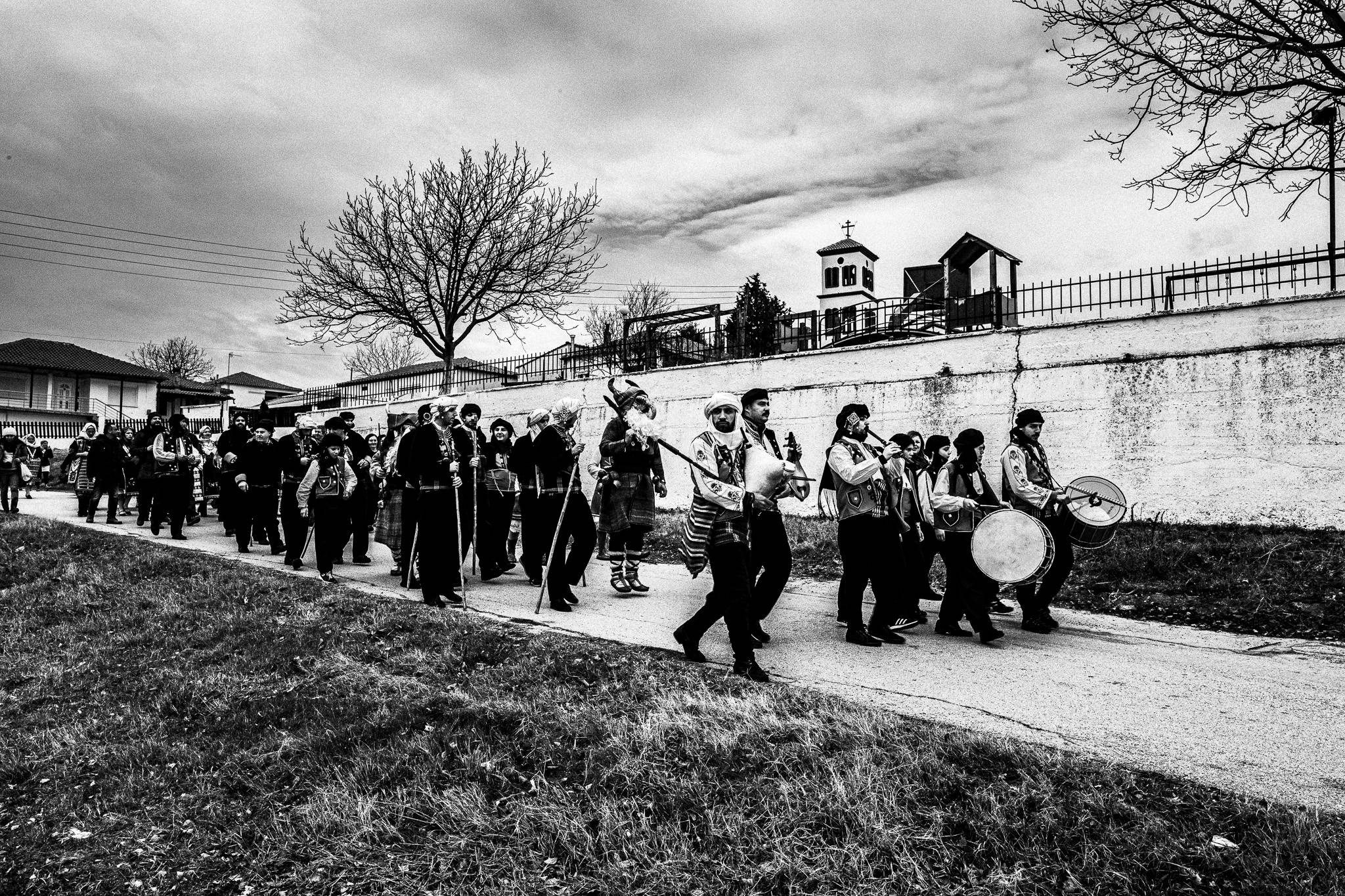
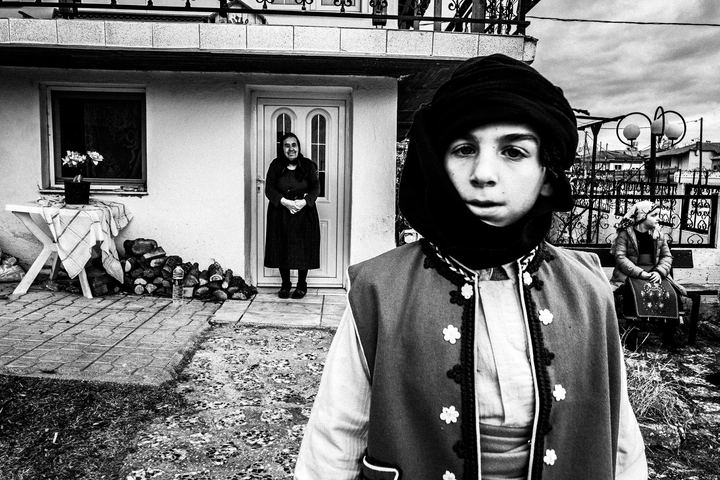
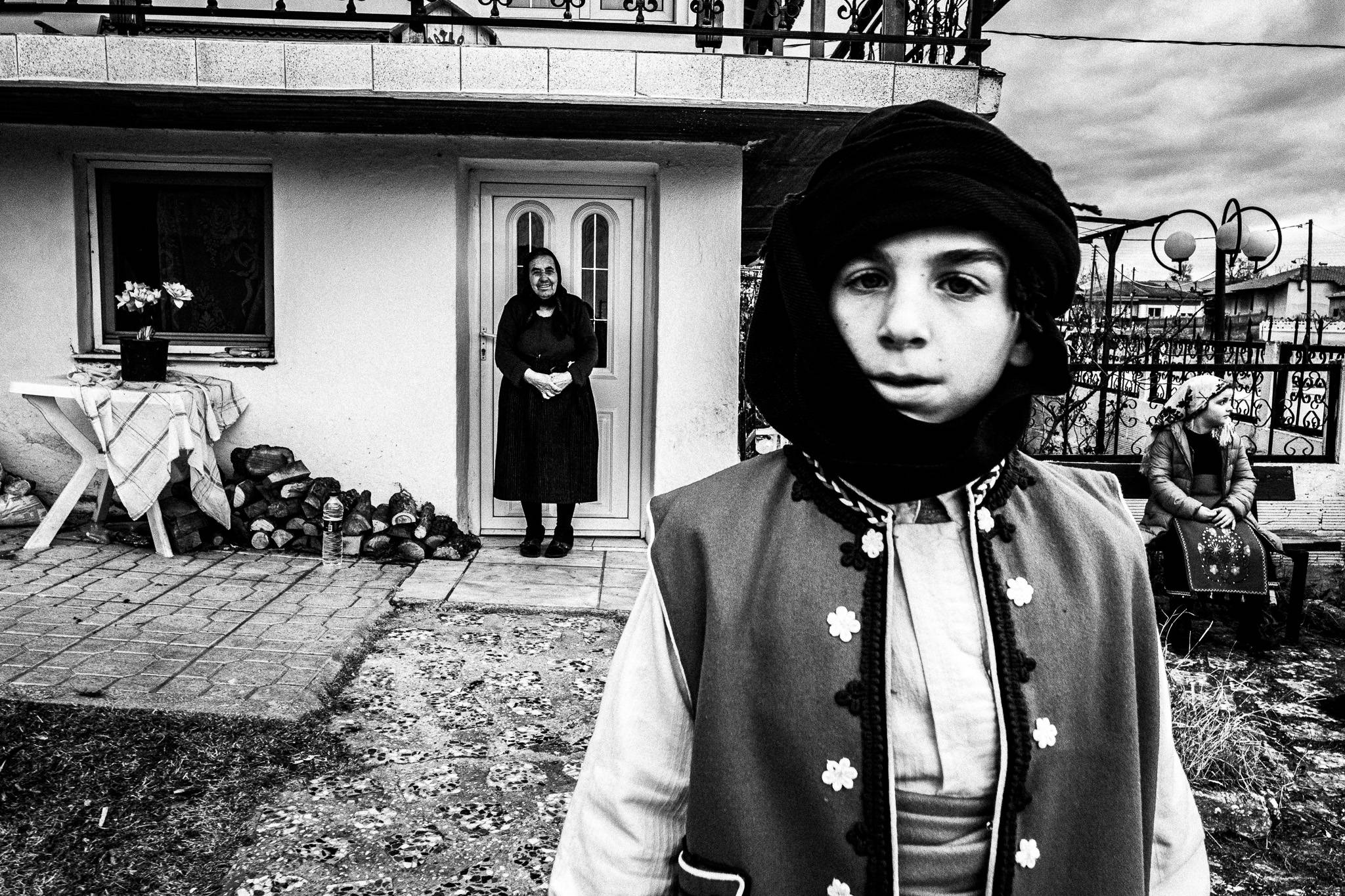
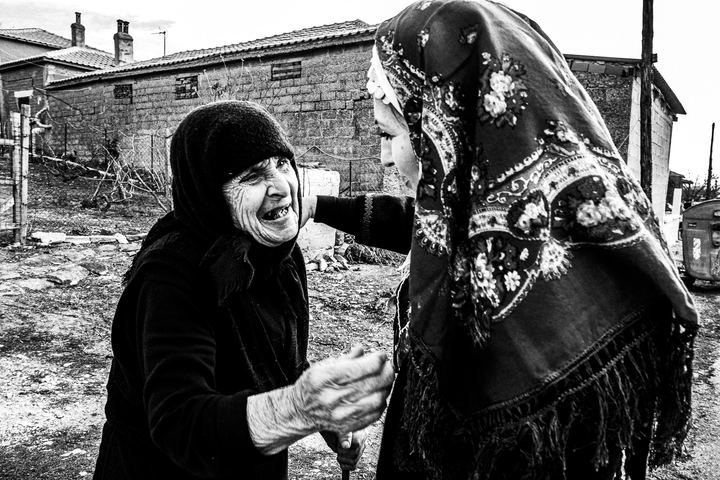
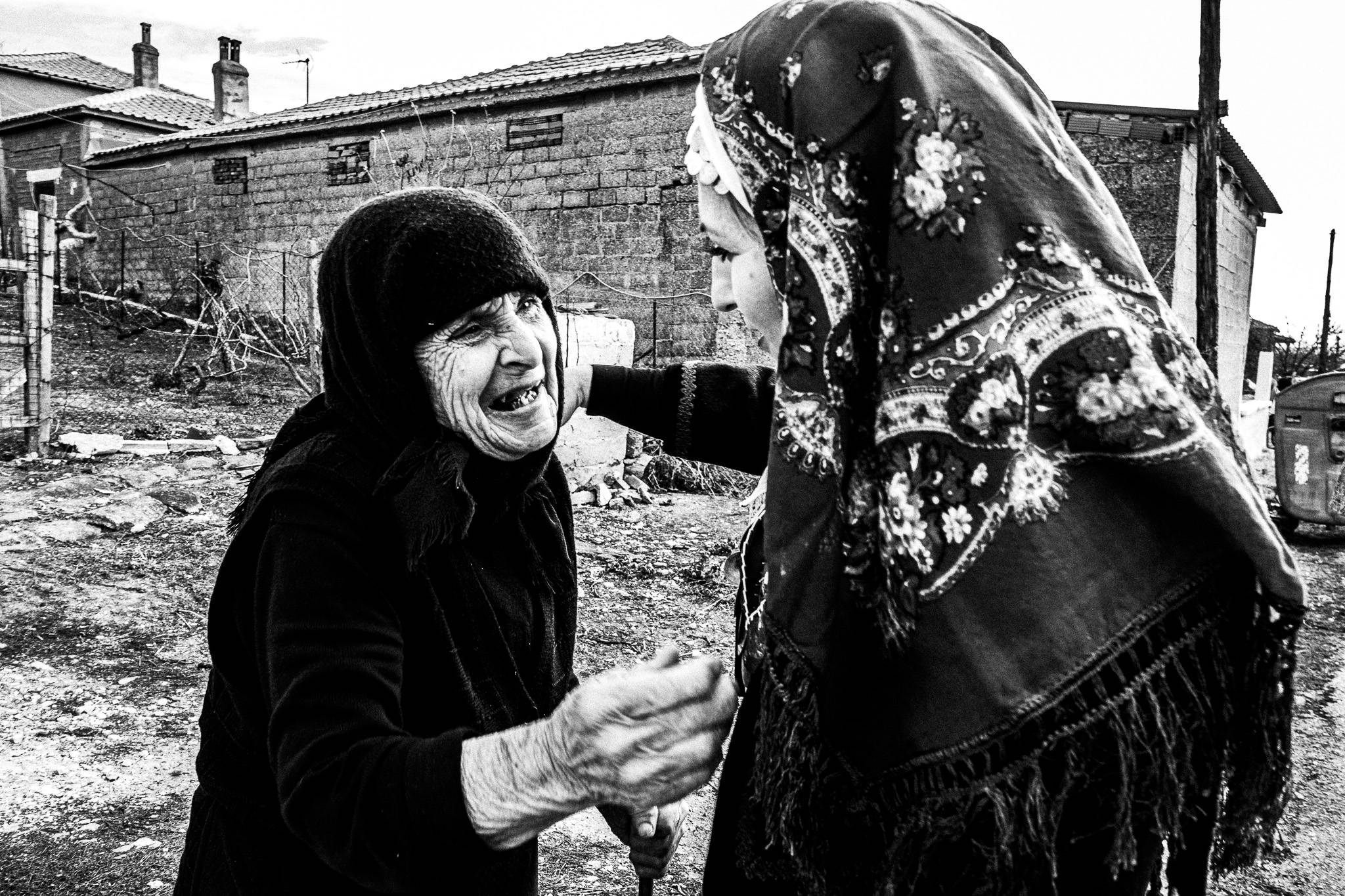
This custom had ceased for a long period and started only a few years ago again. It is interesting to see some old people's happiness and sentiment at seeing this custom being revived.
The custom will continue in the same manner and late in the afternoon, it will end with a dance in the church's square until late at night.
It was a great day and made me curious to get to know more about the customs of Evros throughout the whole year. I am sure I will be back there very soon and explore more of the local peculiarities.
Culture, held by place
Continue through Isaakio.
Follow this tradition into its geographic and cultural context.