Living traditions
Festival of Saint Fanourios on Psiloritis
Petradolakia, Psiloritis, Rethymno
Field photographVisitors gathering around the chapel.
Collector mode
A photograph to live with. Enter a private viewing.Introduction
High on Psiloritis, the family chapel of Saint Fanourios becomes the centre of an all-night gathering with prayer, music, singing and great quantities of lamb prepared for the crowd.
On 27 August, people climb to the remote chapel of Saint Fanourios at Petradolakia on Psiloritis. The celebration combines religious observance with music, singing, hospitality and the preparation of lamb for hundreds of visitors.
Anogia's Festival of St. Fanourios: A Timeless Tradition
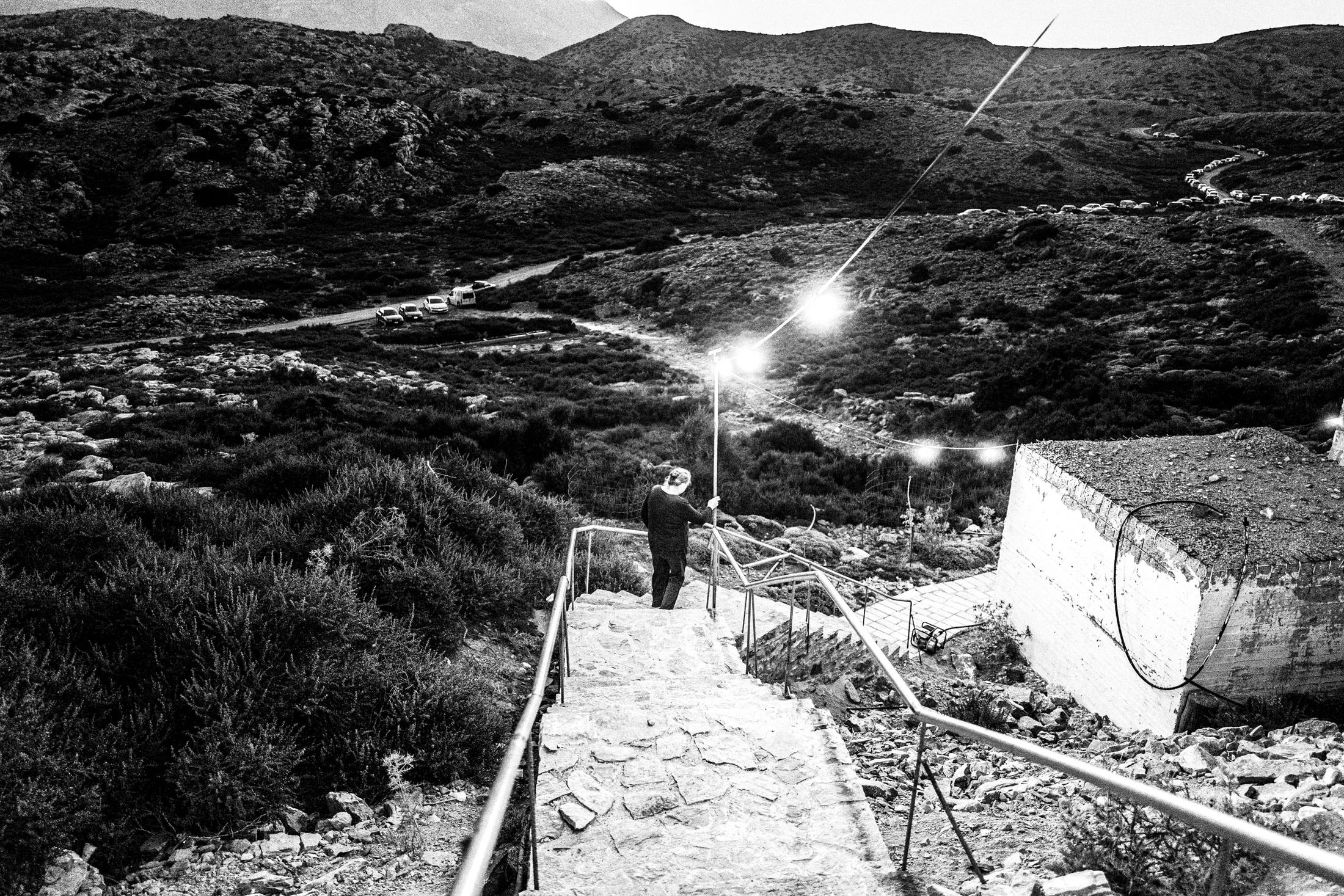
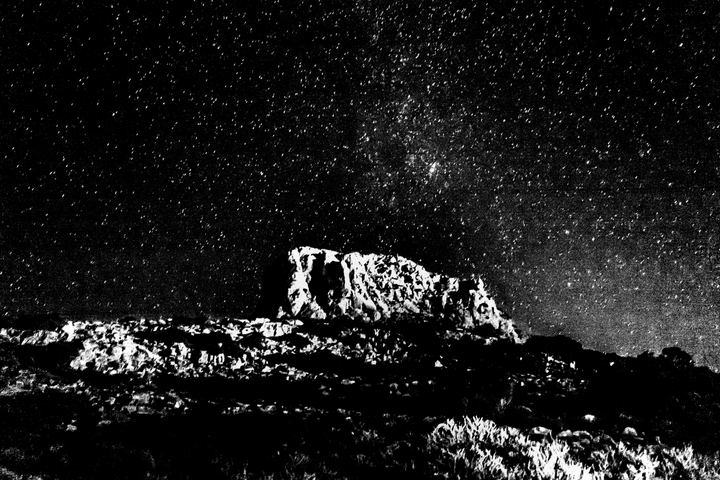
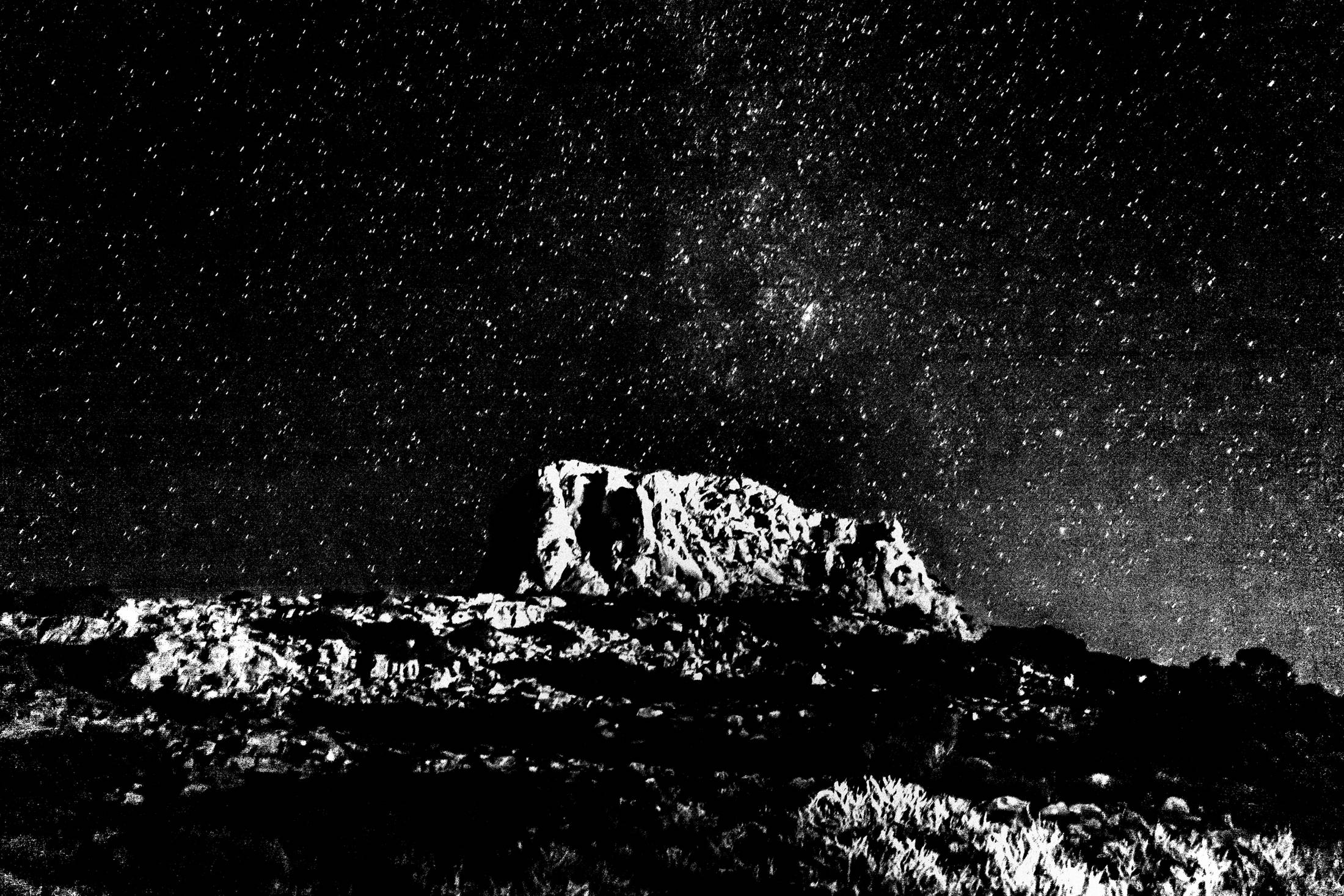
In the rugged mountains of Psiloritis, halfway between Anogia and Skinakas observatory, the Festival of St. Fanourios takes place around a small church. The celebration, held on August 27th, is a time for the community to come together and honour the patron saint of lost things, and renew their faith in the power of prayer.
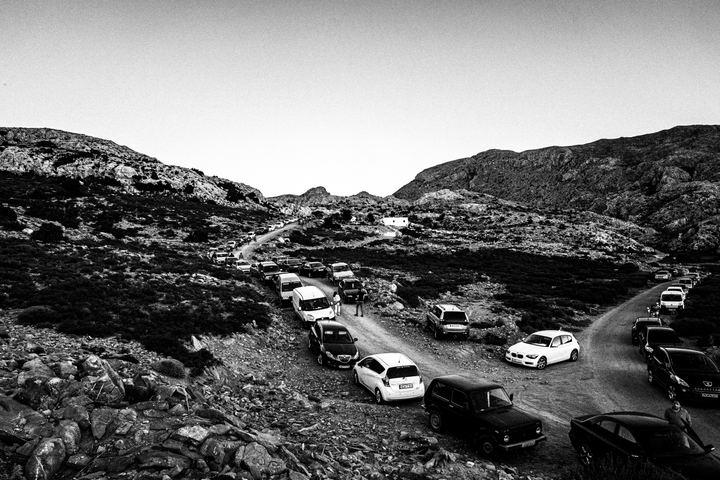
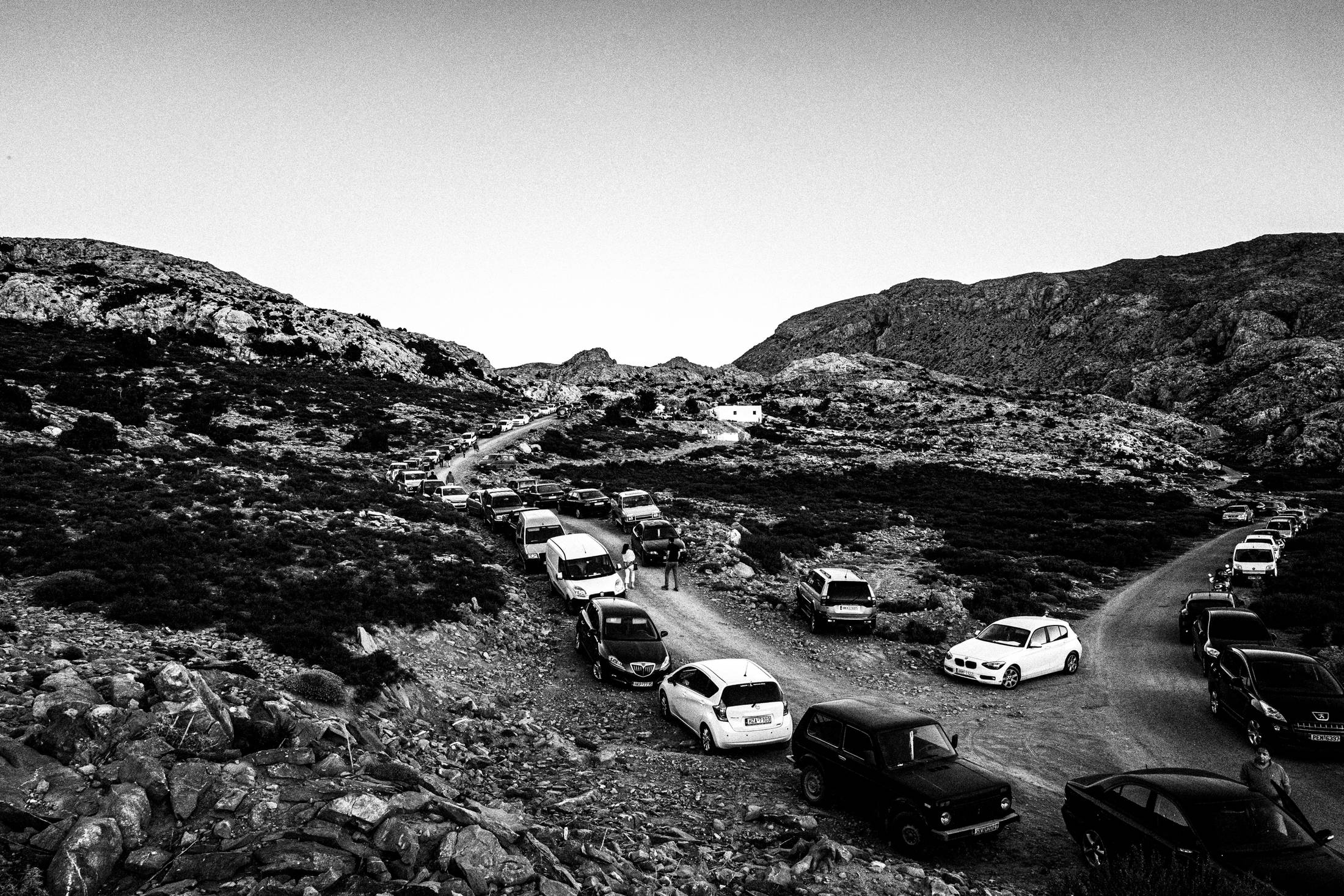
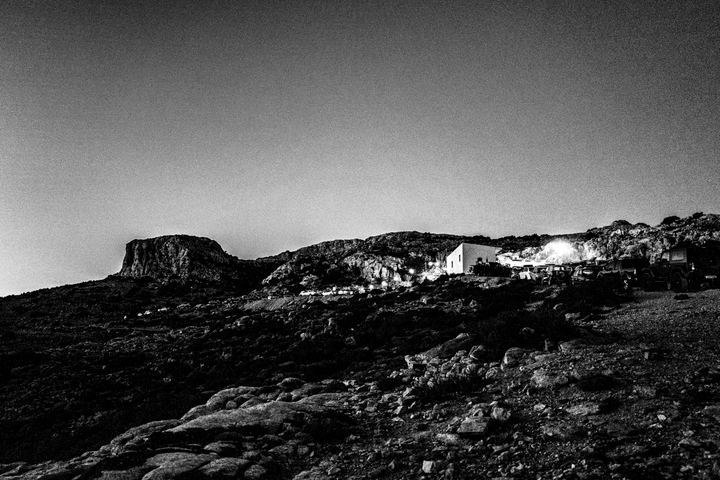
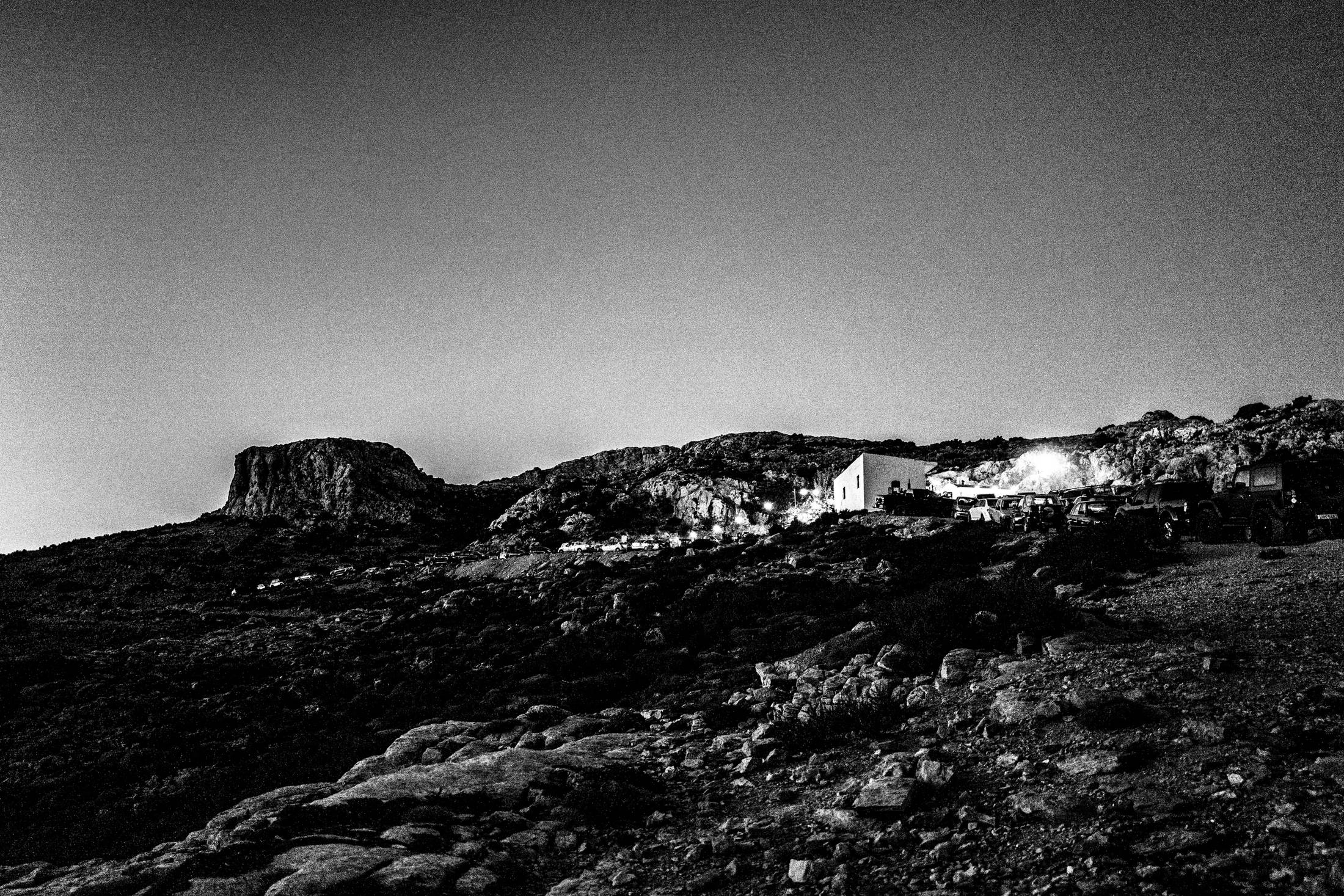
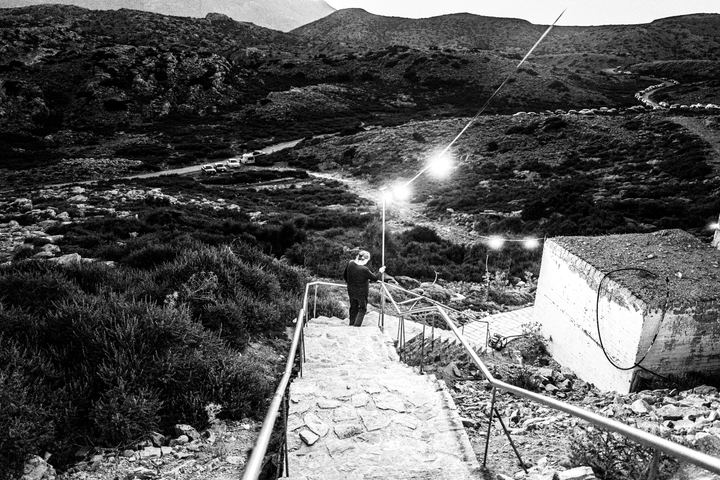
I was struck by the beauty of the mountain landscape and the sense of reverence that permeated the festival. I captured the scenes, trying to convey the timeless quality of the event.
The small church, located in a remote area, was adorned with incandescent bulb strings, creating a peaceful and contemplative atmosphere. The villagers gathered around the church, and offered their prayers to St. Fanourios, asking for his help in finding lost items or in navigating life's challenges.
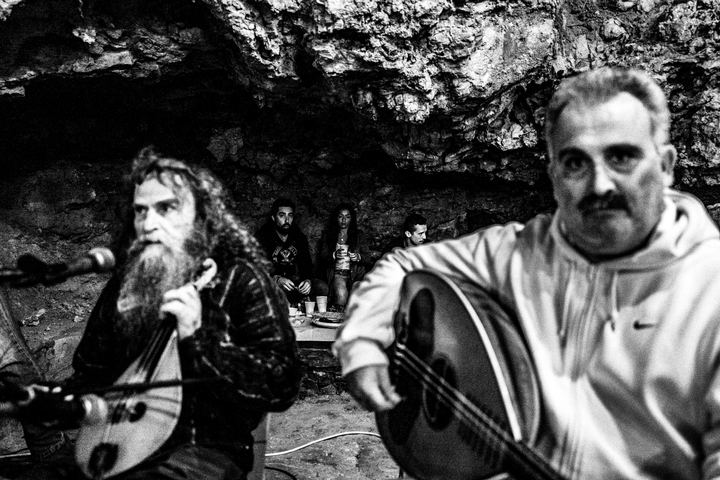
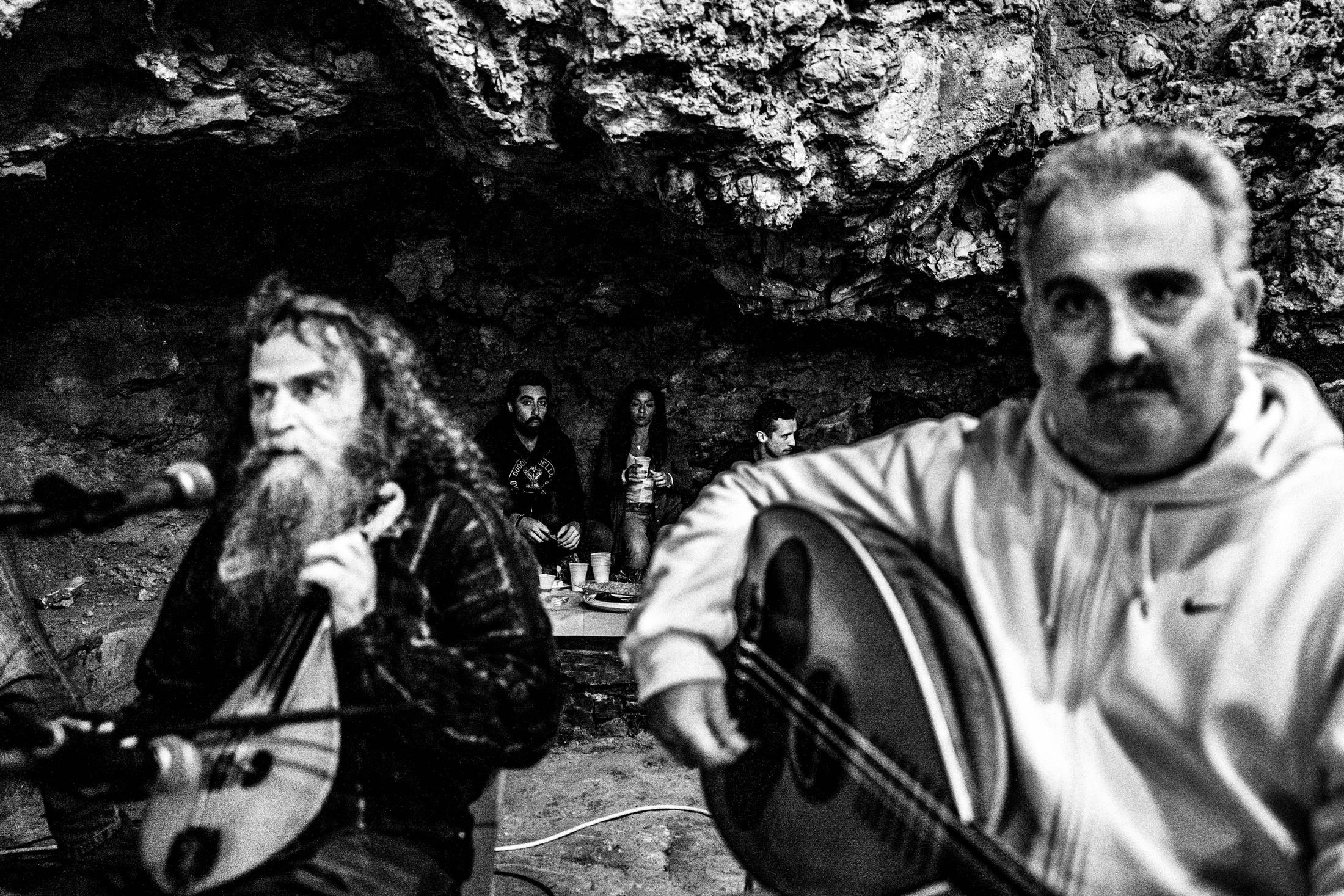
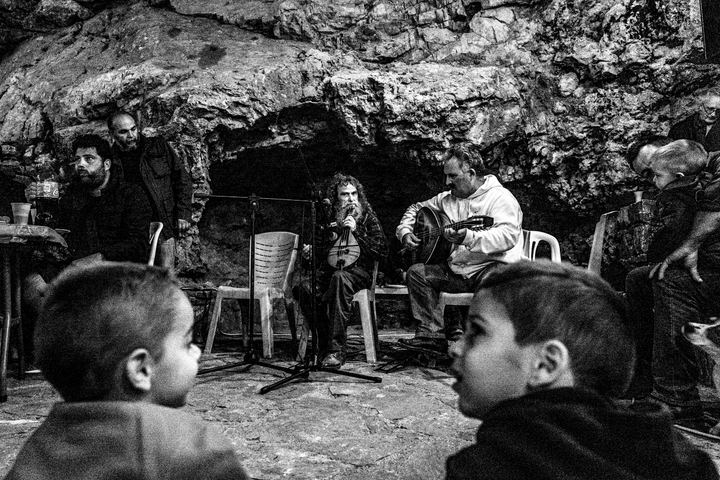
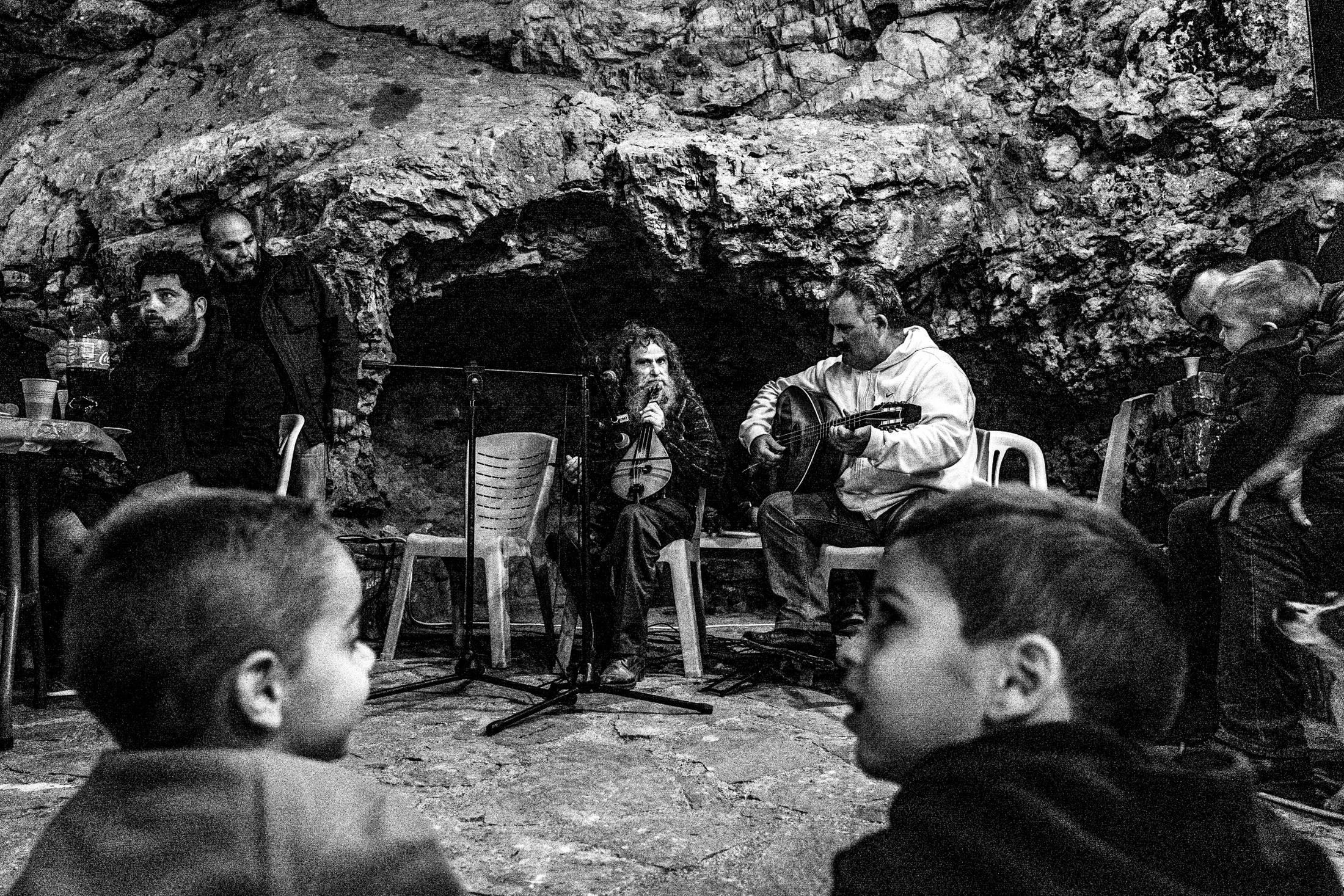
As the day wore on, the festival continued with music and singing. The music and singing continued long into the night, as the villagers celebrated their faith and connection to each other and their culture.
For me, as a photographer, the Festival of St. Fanourios was a powerful reminder of the enduring strength of faith and community and the importance of honouring the traditions of the past.
As the festival of St. Fanourios in the mountains of Anogia was in full swing, the delicious aroma of freshly roasted lamb wafted through the air. Local farmers had brought their prized livestock to the festival, ready to be slaughtered, prepared, and served to the hungry crowd. The farmers were well-versed in the process of slaughtering and skinning the animals, and they had brought plenty of lambs to feed the expected crowds.
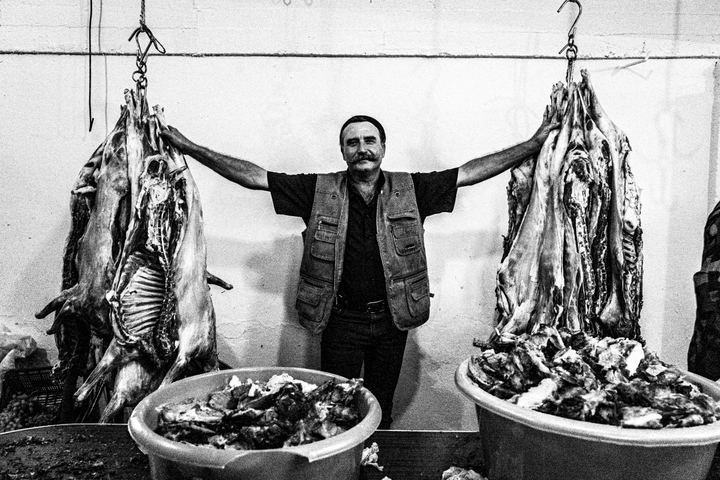
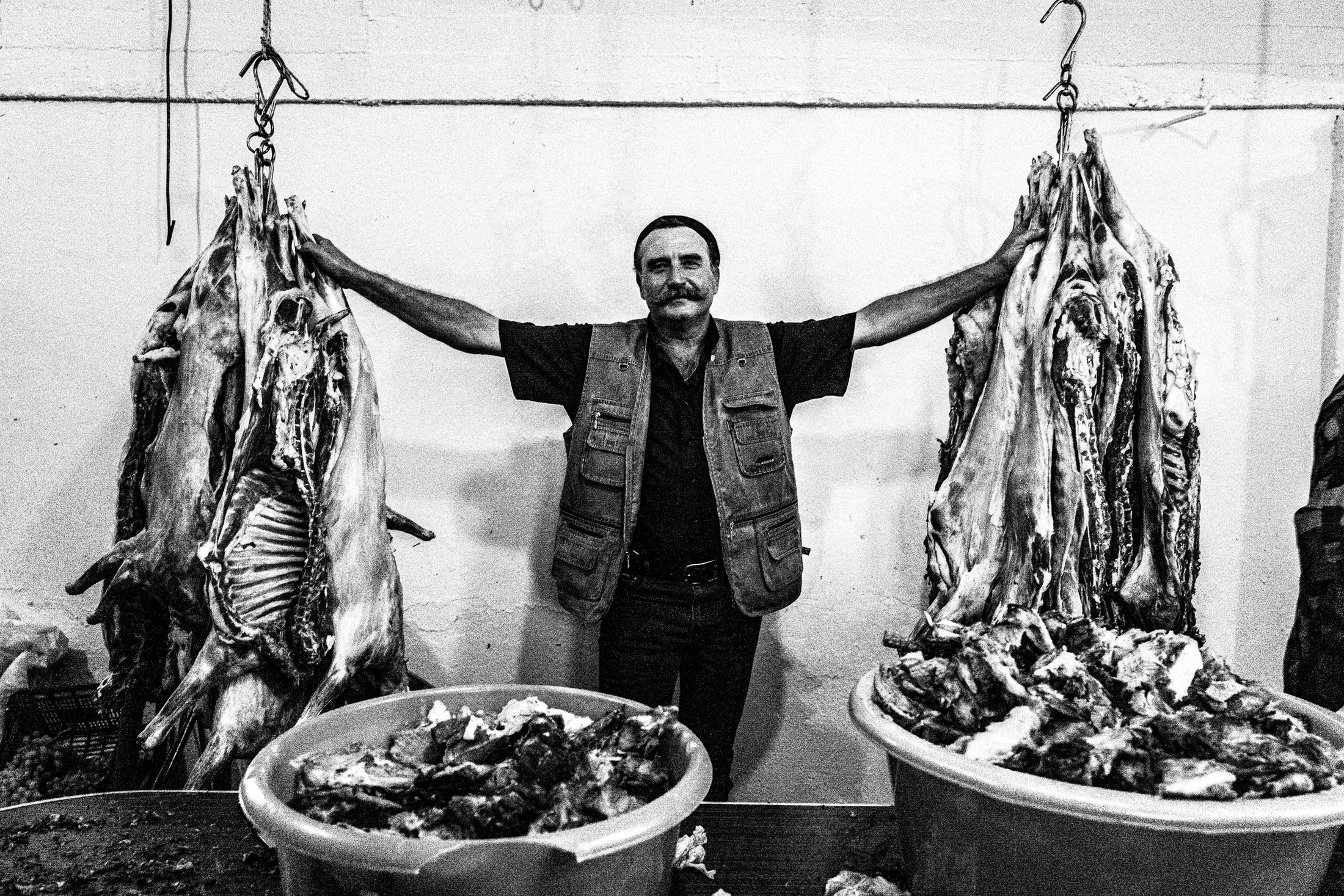
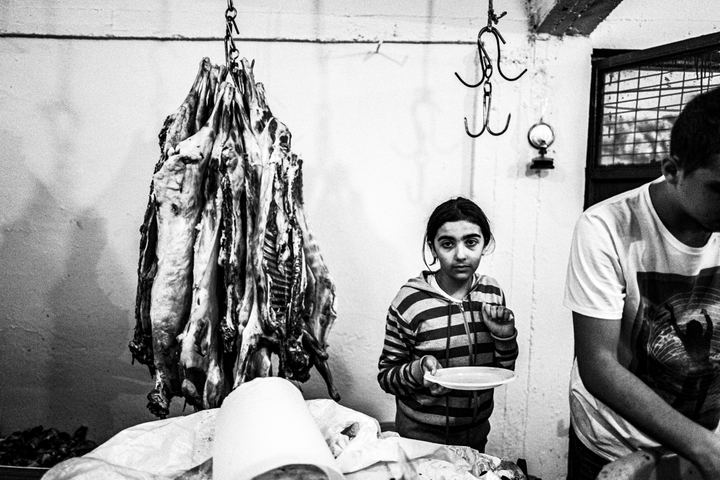
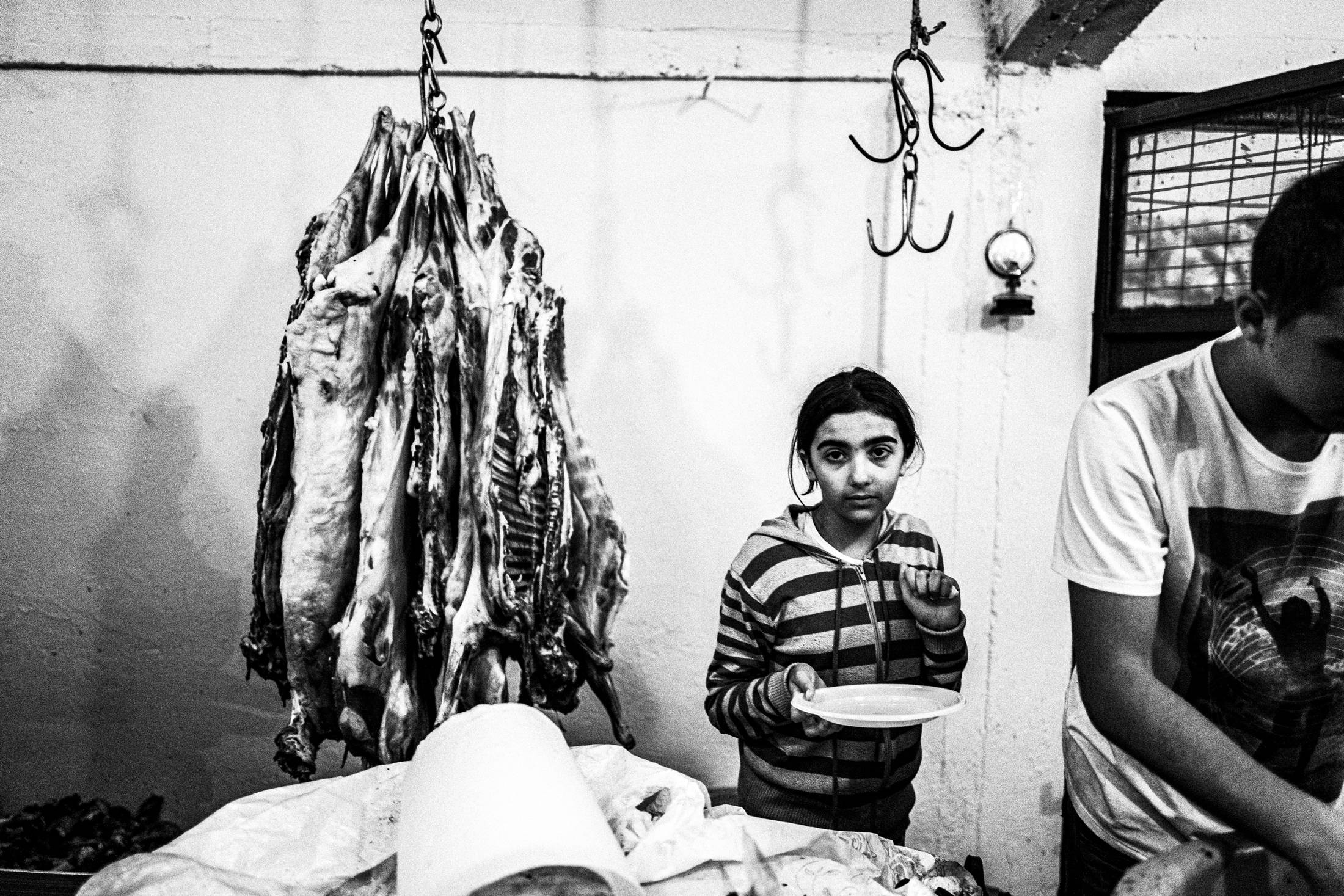
As the night wore on, the festivities continued and the food continued to flow. But as the last of the lambs were being served, something strange happened. One of the farmers pulled out a small pen, containing ten more lambs. The crowd was puzzled, wondering why the farmer had brought live lambs to the festival.
It soon became clear that the farmers had brought these lambs as a backup plan, just in case they didn't have enough meat to feed the crowds. As the children played around, they watched in amazement as the farmers skillfully slaughtered and skinned the ten extra lambs, right there in front of everyone.
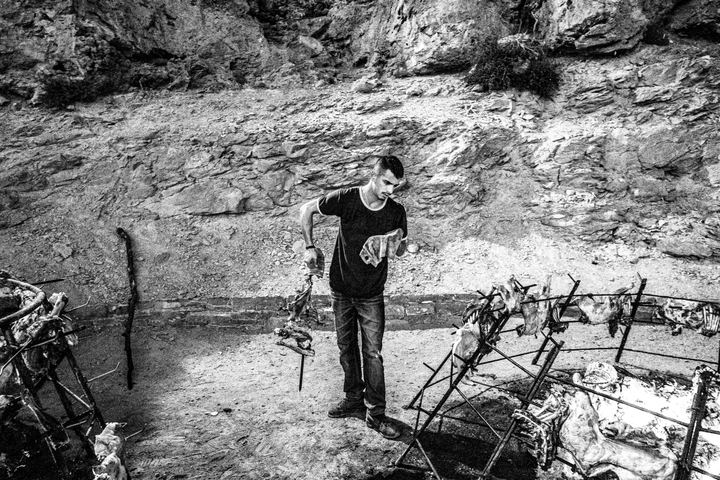
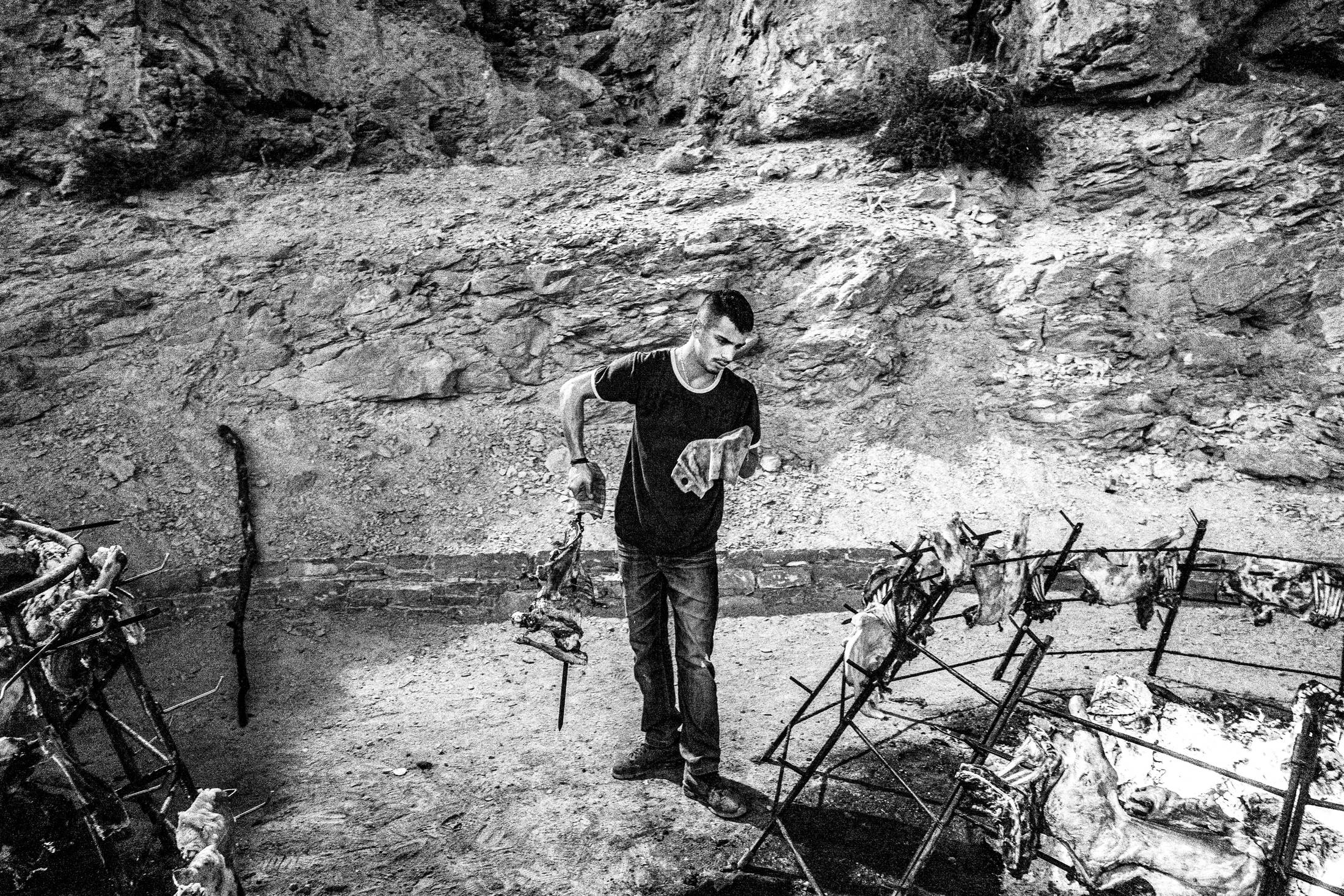
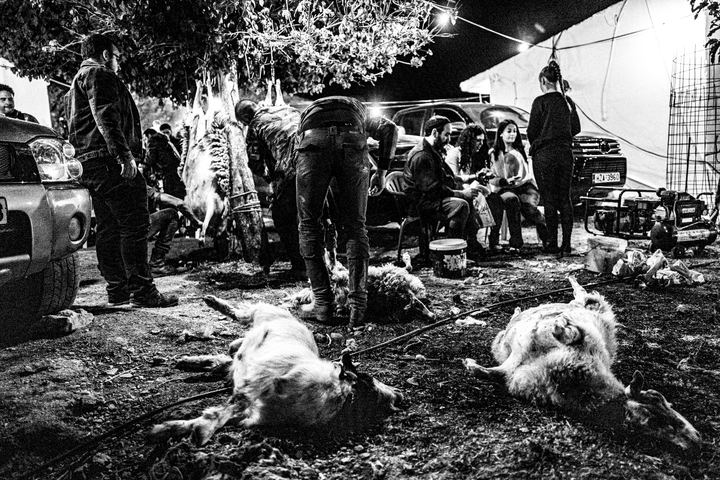
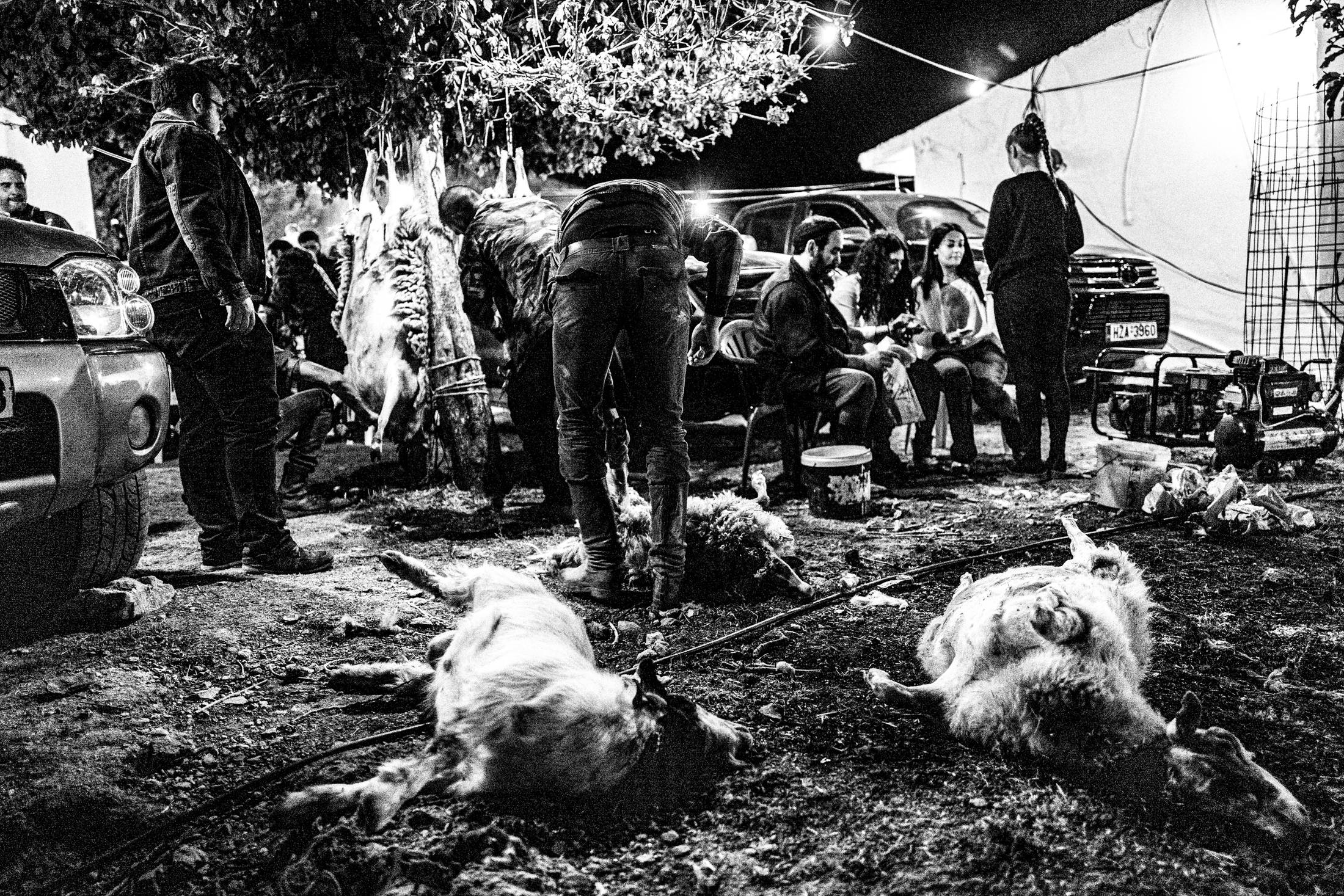
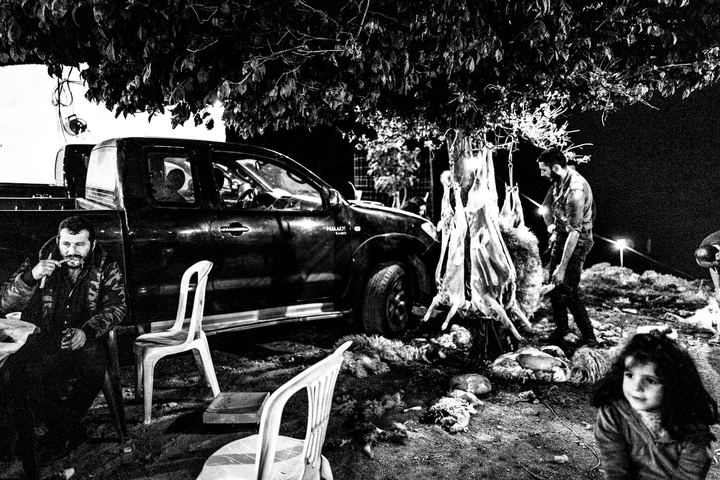
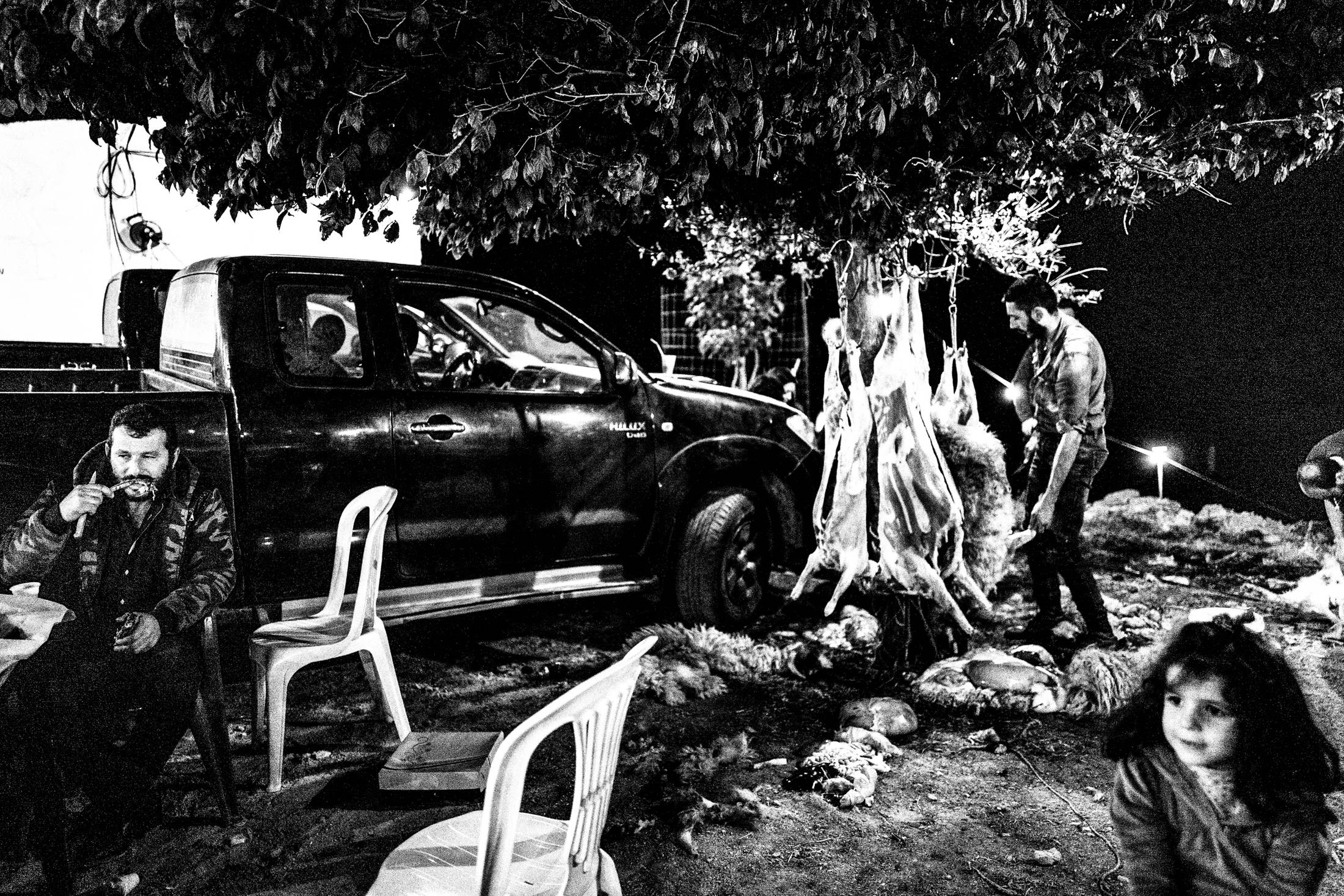
The sight was too much for some of the kids, who started crying at the gruesome scene. The adults tried to console them, explaining that this was simply a part of life in the mountains, where people relied on their skills and resources to survive. And despite the initial shock, the delicious taste of the lamb soon had everyone smiling and enjoying the festive atmosphere once again.
Culture, held by place
Continue through Anogia.
Follow this tradition into its geographic and cultural context.