Living traditions
Feast of Saint John at Vrykous
Vrykous, Karpathos
Field photographFeast of Saint John at Vrykous — photograph 6.
Collector mode
A photograph to live with. Enter a private viewing.Introduction
A two-day pilgrimage to the ancient city of Vrykous, where visitors sleep beside the ruins, worship inside a cave church and sing and dance through the night until the morning liturgy.
On 28 and 29 August, people travel on foot from Avlona or by boat from Diafani to the ancient site of Vrykous. The overnight feast is centred on the cave church of Saint John and follows the characteristic musical and ritual order of Olympos.
The feast of Saint John at the site of the ancient city of Brykous
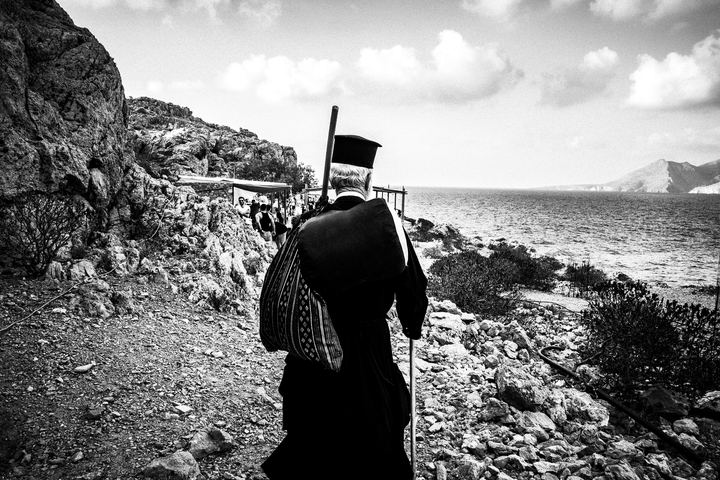
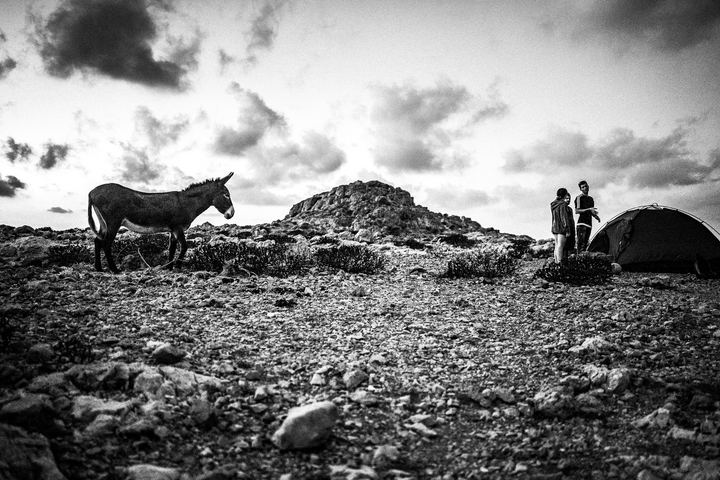
This interesting custom takes place on August 28 and 29 at the site of the ancient Karpathiot city of Brykous, which site belongs to the dimotiki enotita (an administrative term meaning ‘municipal community’) of Olympos. Reaching Brykous involves getting to the village of Avlona and taking a difficult and mountainous road from there for about ninety minutes to reach Brykous. The second half of the walk is particularly tough since it consists of a steep downward slope. Alternatively, there is the easier option of taking a boat from Diafani.
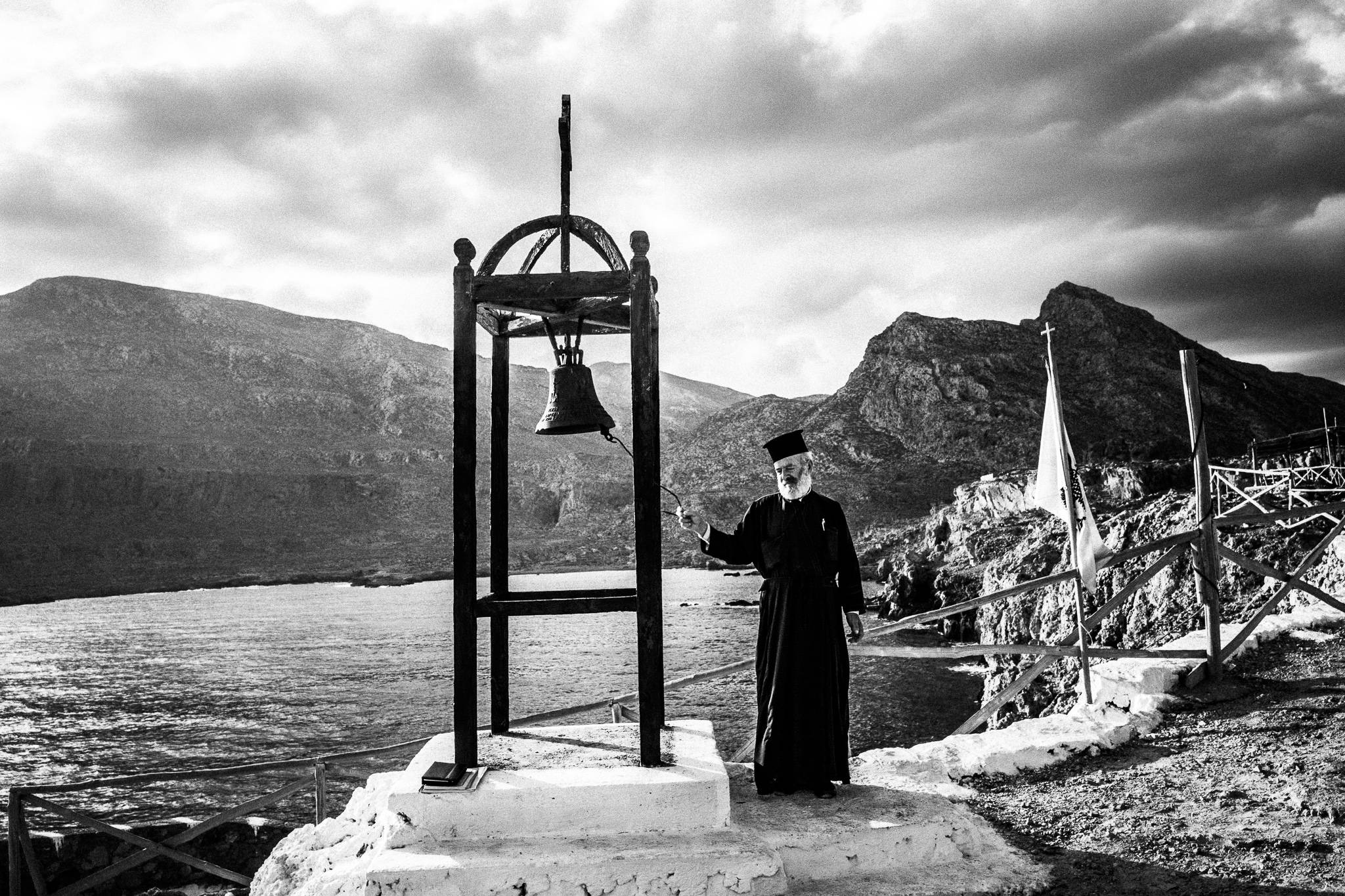
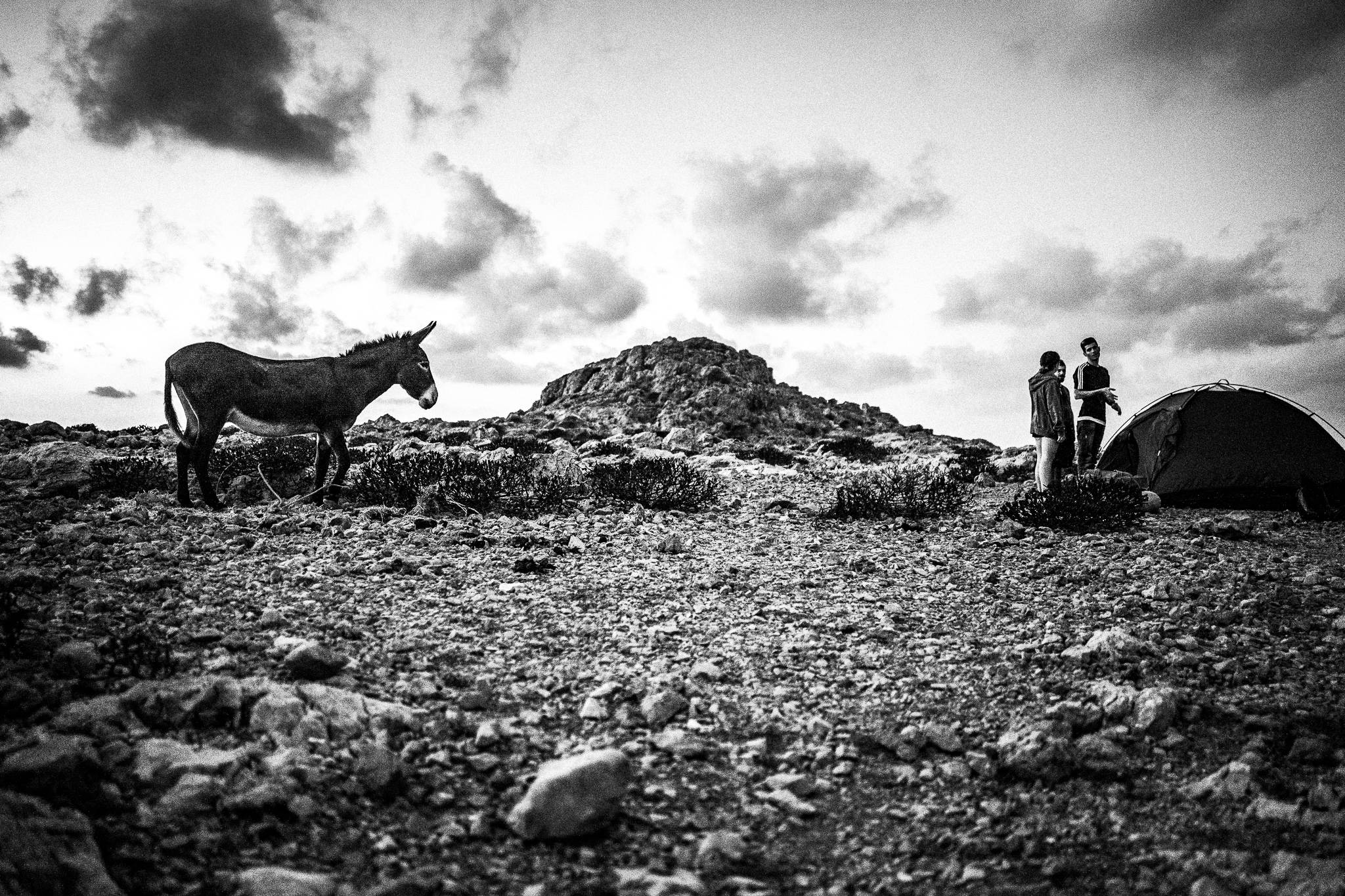
I went with Papa Yannis, as this would mean that I would miss nothing. Unrecognizable in his daily clothes, which he had donned to deal with the walk, he would put on his vestments later, which indeed he did when we arrived at the camp set up for the festival. The ancient site of Brykous, with its ruins and tombs, has a surreal look.
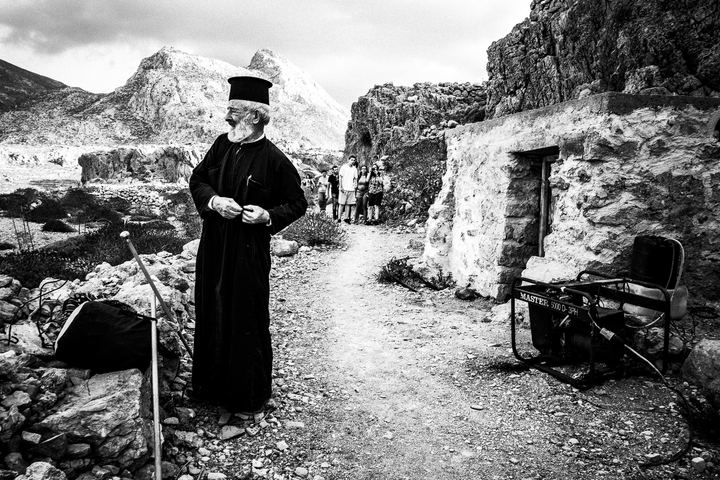
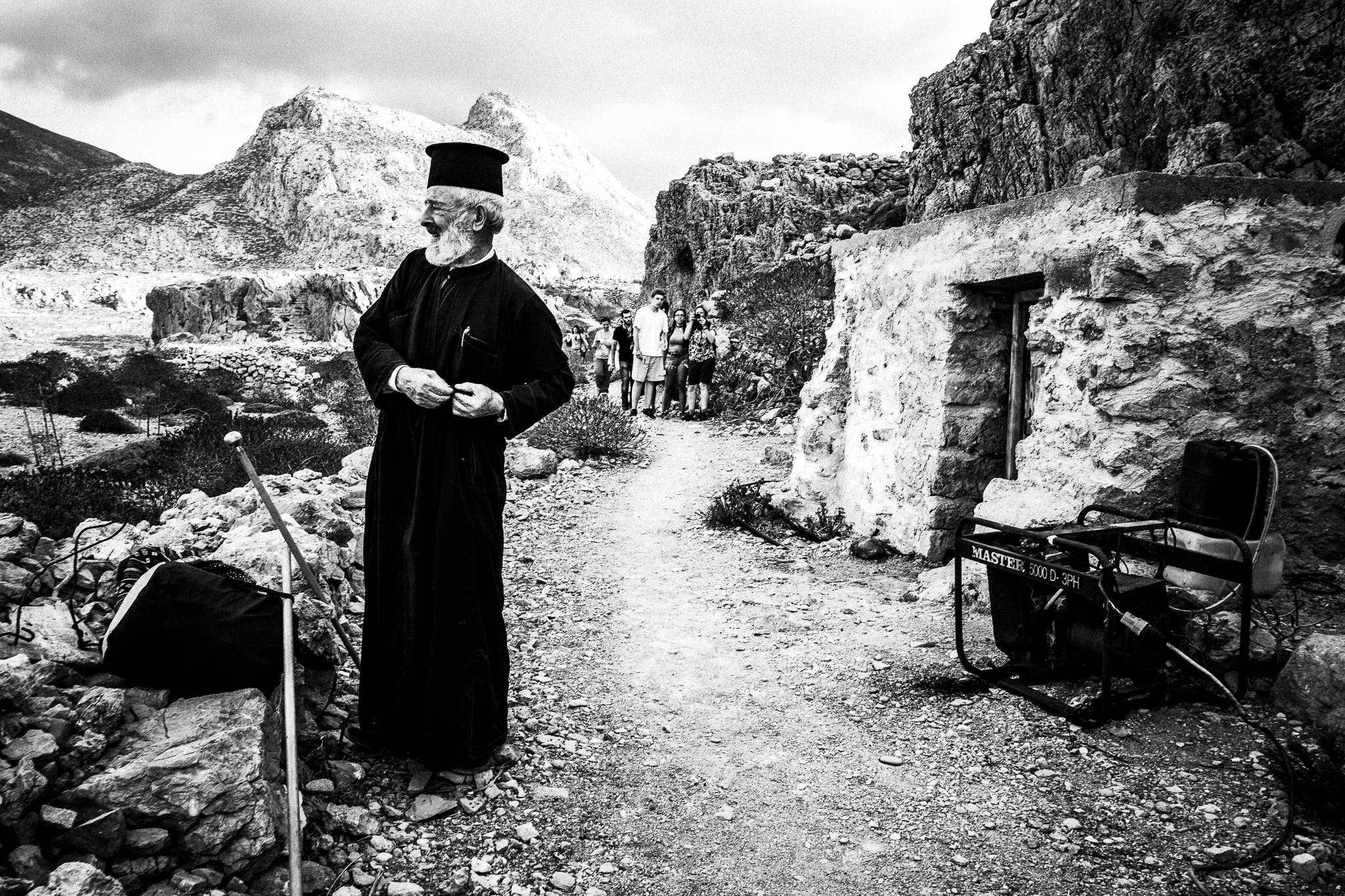
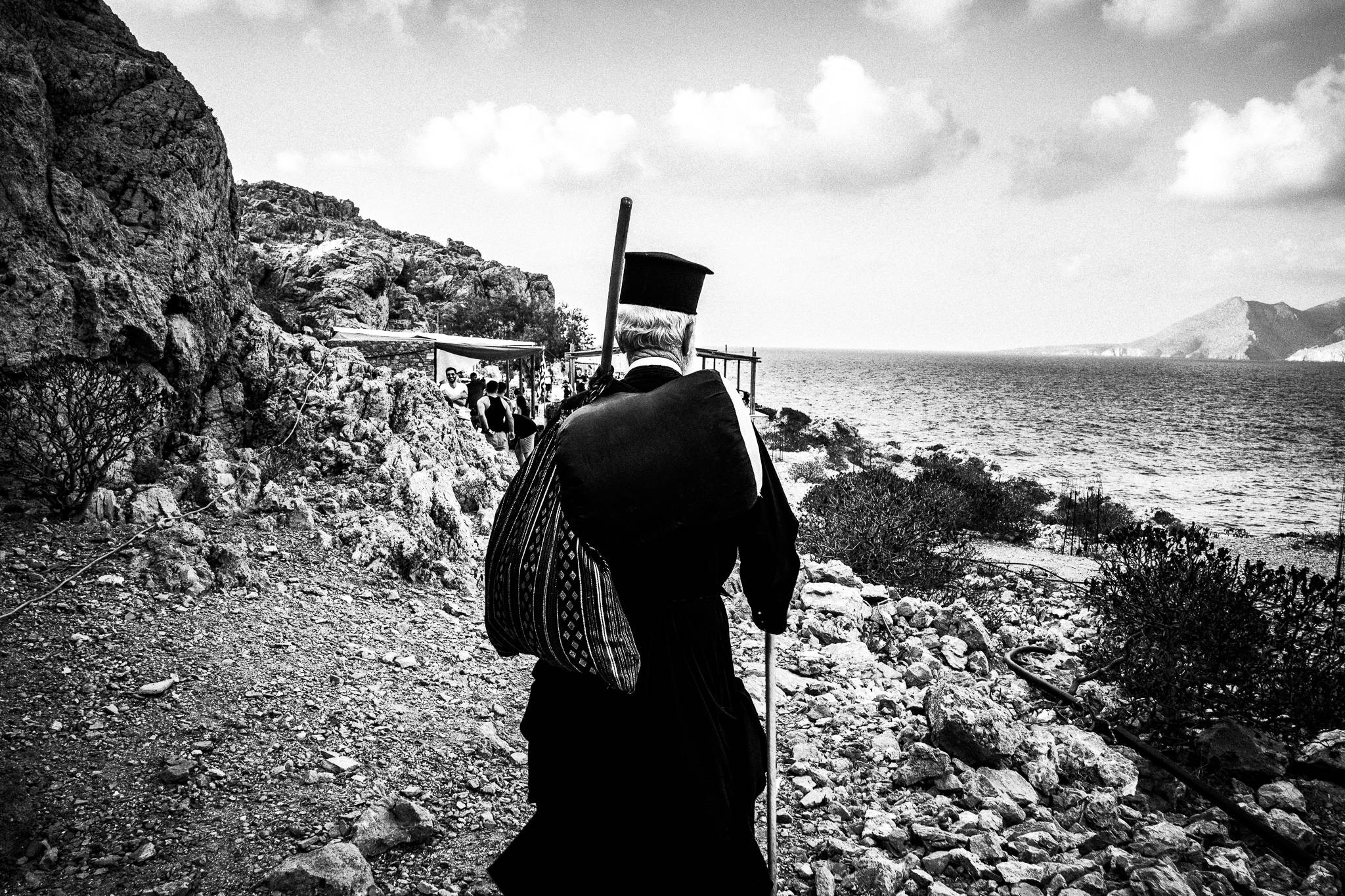
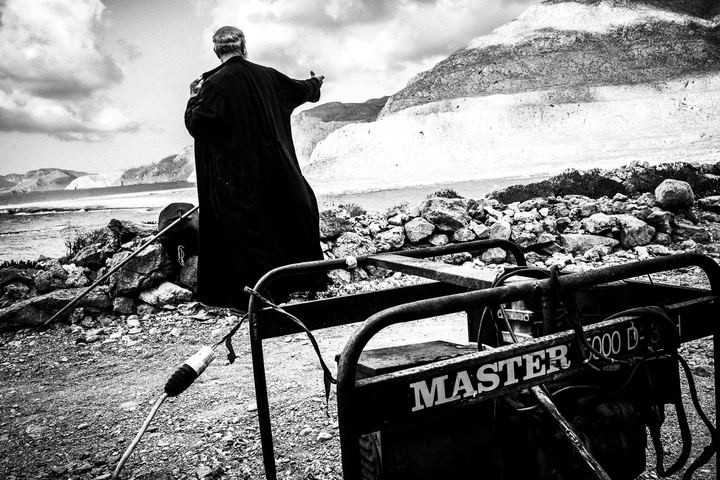
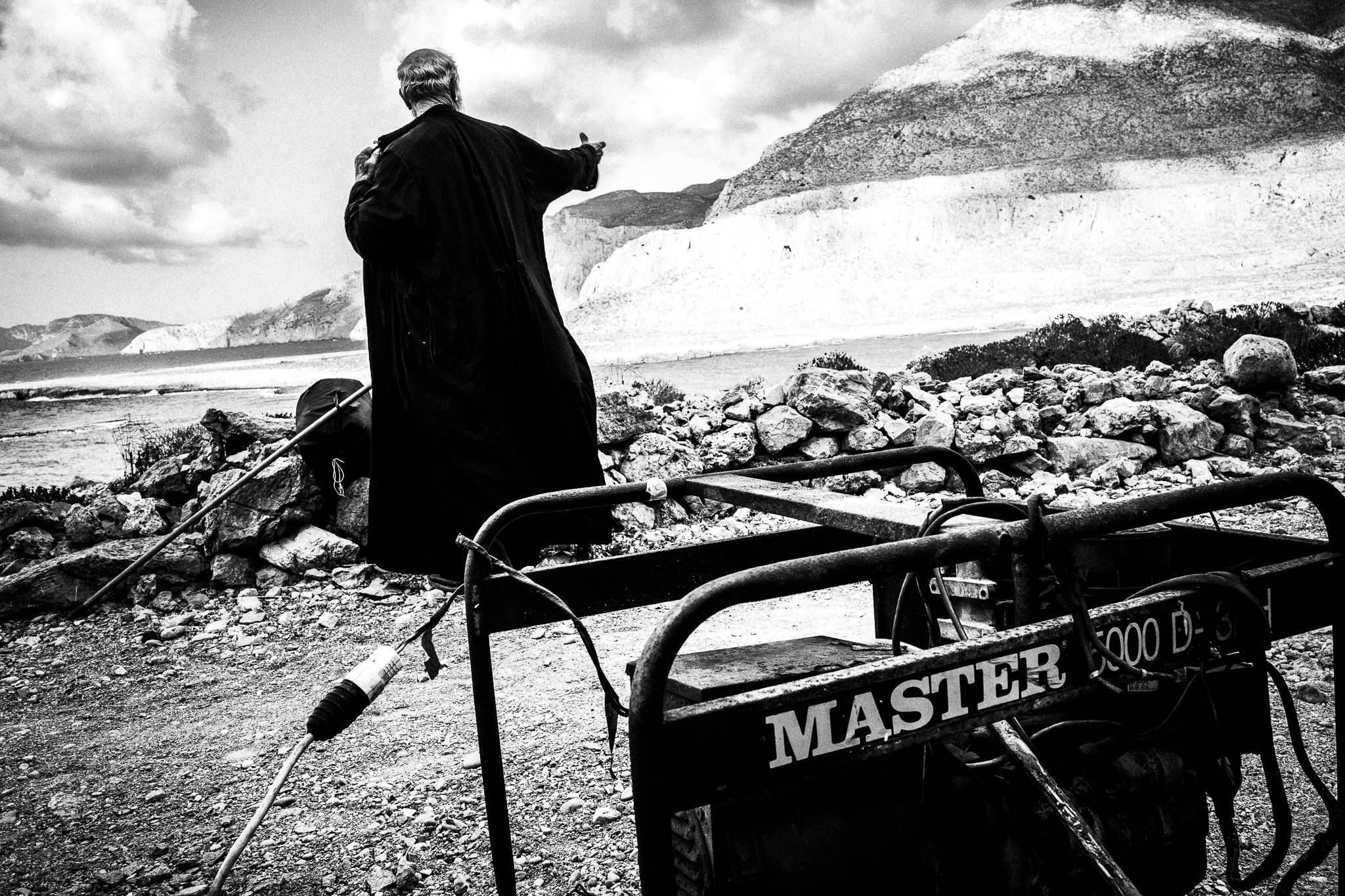
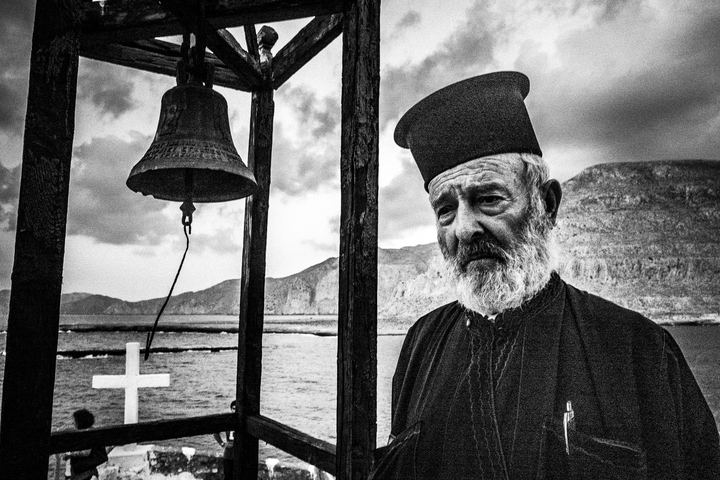
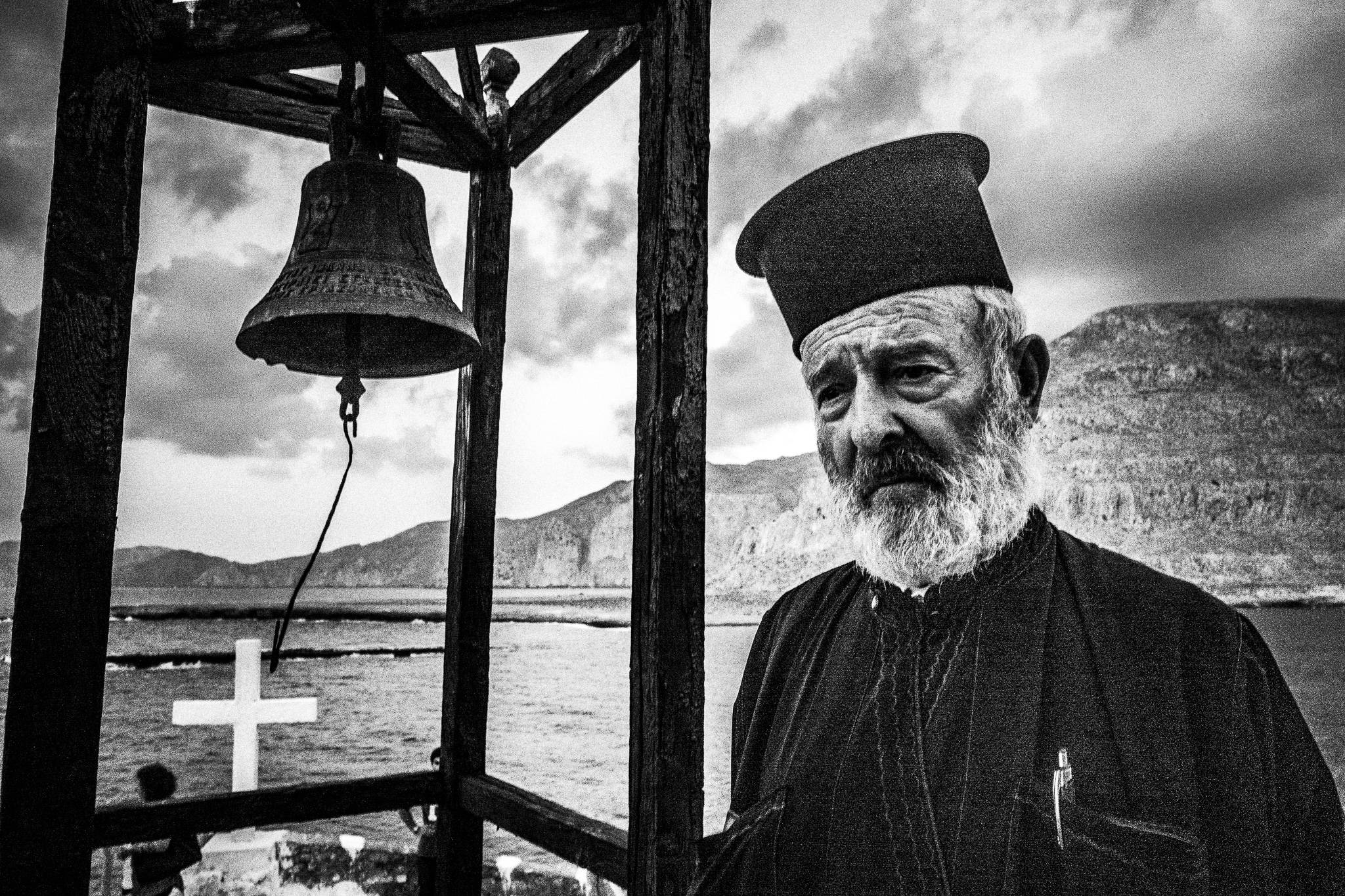
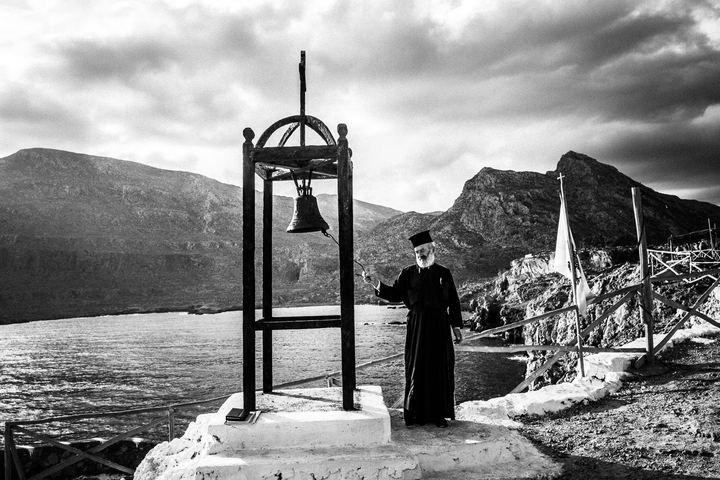
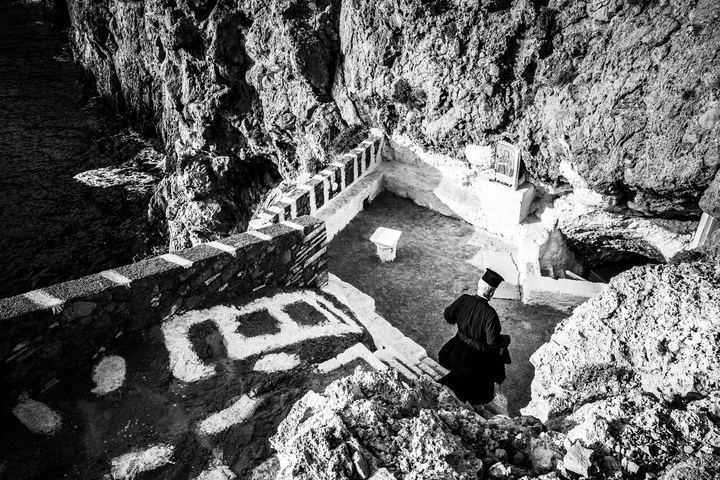
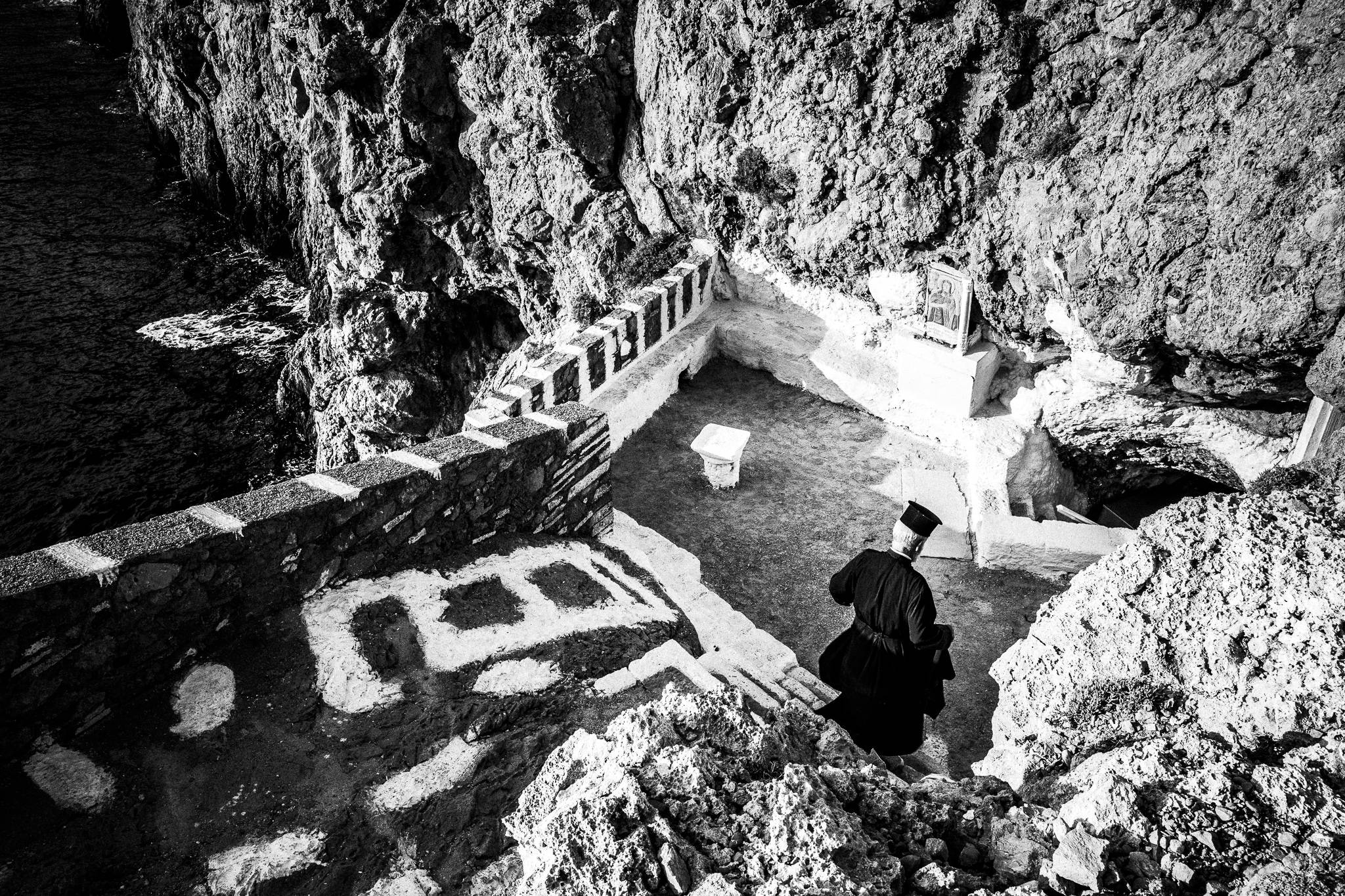
Everyone attending the festival found a spot to lay out their sleeping bag to spend the night. Since the area available was so small, it turned out to be a good idea to have made arrangements beforehand. Eventually, Papa Yiannis rang the bell of the church to signal the beginning of the evening liturgy and went down the stairs to the church to conduct the liturgy. When this was over, those present secured their portion of communion bread and then loukoumades and ouzo and moved to the tables for dinner and dancing.
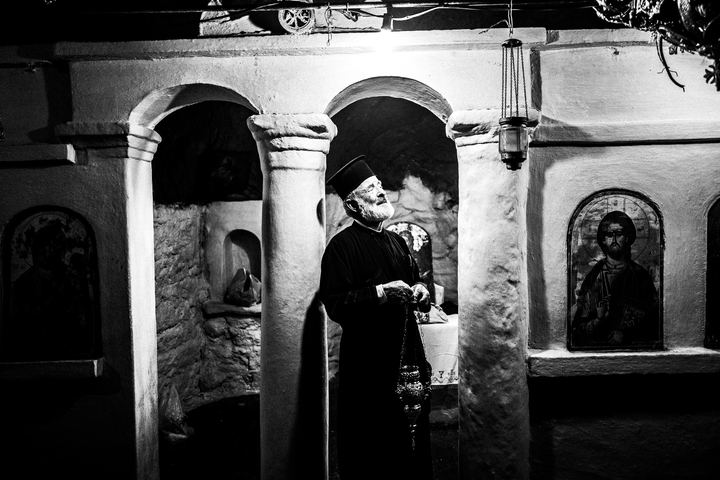
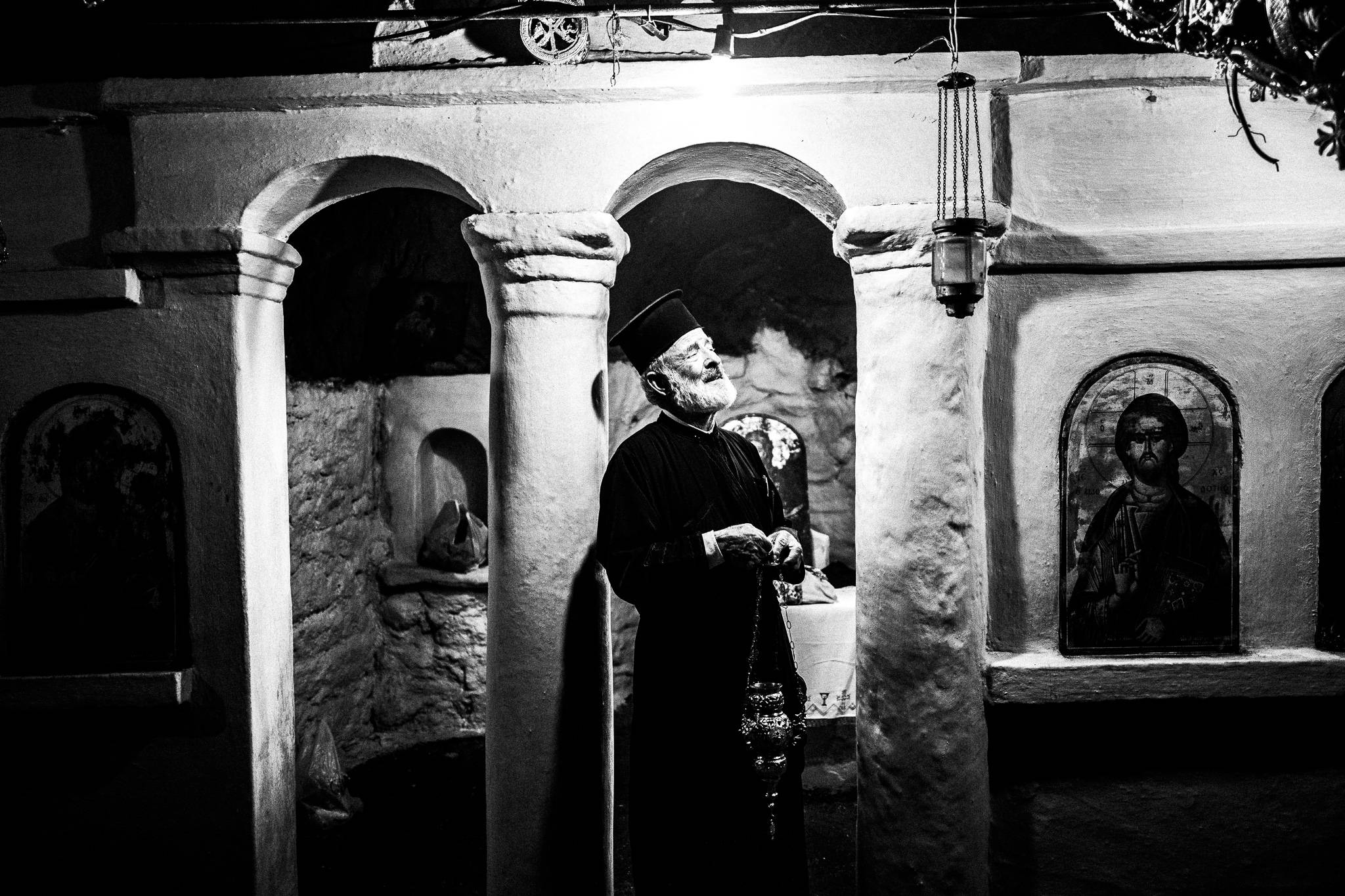
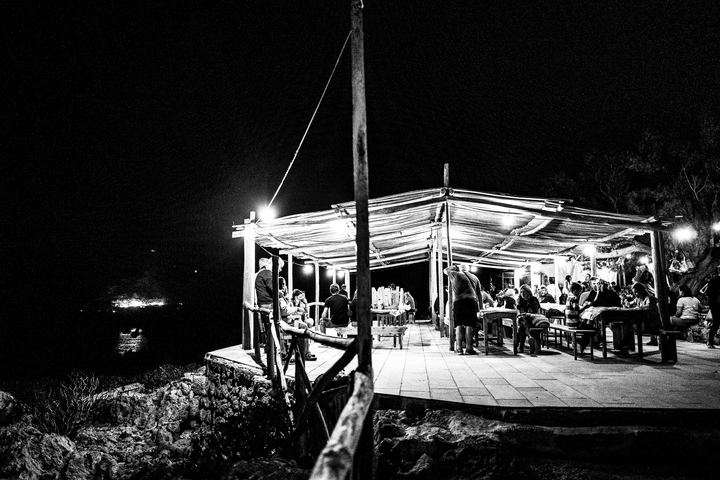
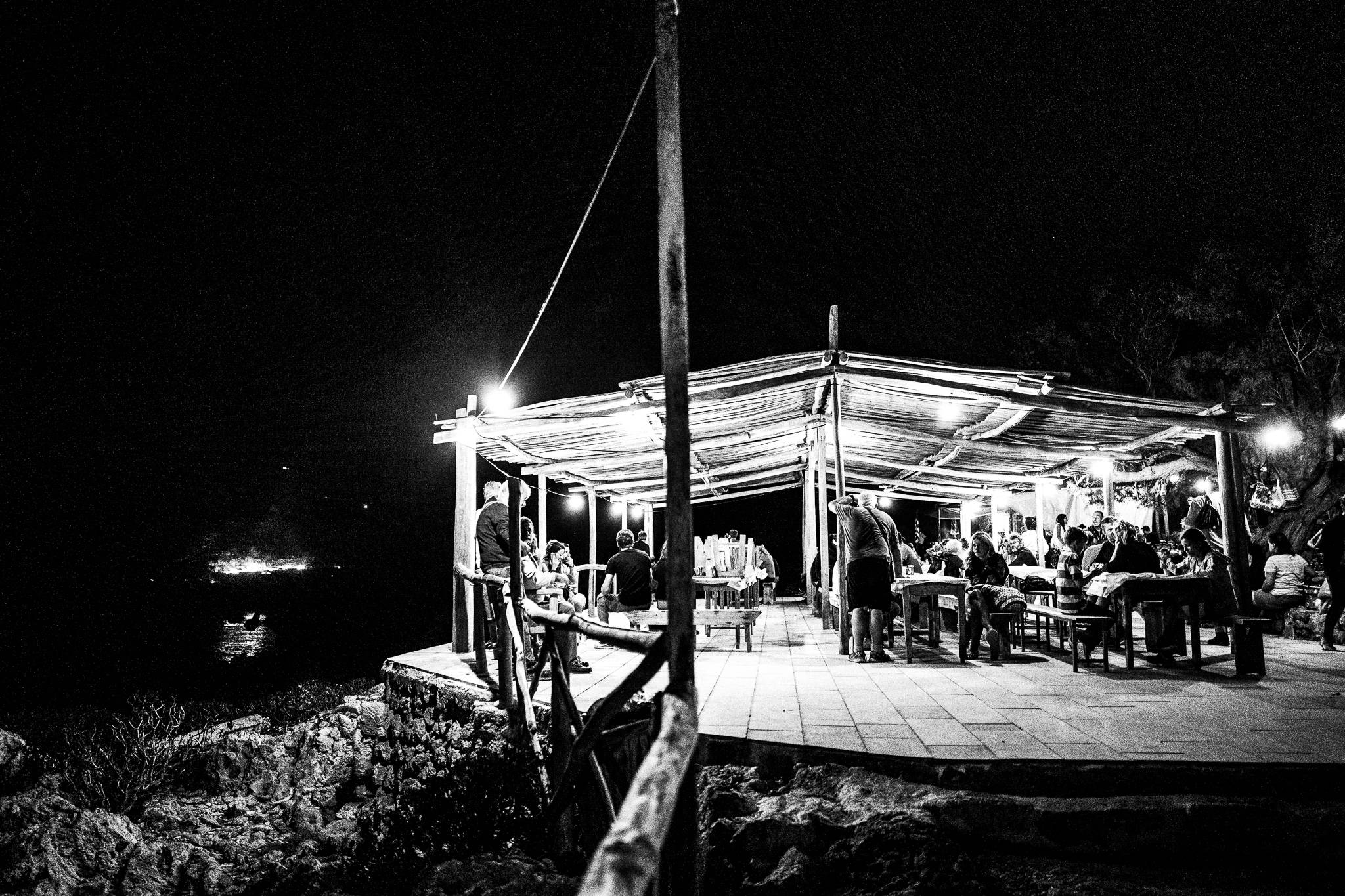
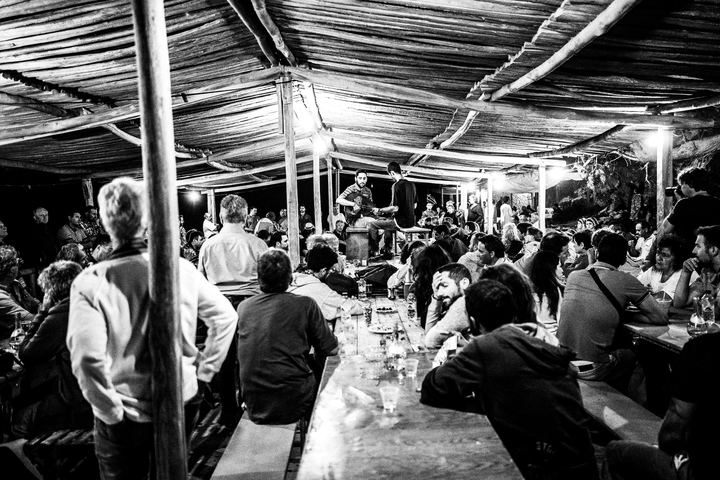
After the dinner, the singing starts. As with all customs of Olympos, the singing starts with religious chanting, moving on to songs sung at the table, which are not intended to be danced to. It then moves on to mantinades, whose emotional and nostalgic content and performance again often provoke tears. When, sometime later, the dancing begins, it starts with slow-paced pieces, which may last for some hours, before the frenetic pano choros starts, which continues until dawn. The rules as to who is to dance with whom are the same here as they are at other festivals, with men dancing with their female relatives, wives or fiancées. After each turn, the group at the end of the line moves to the front.
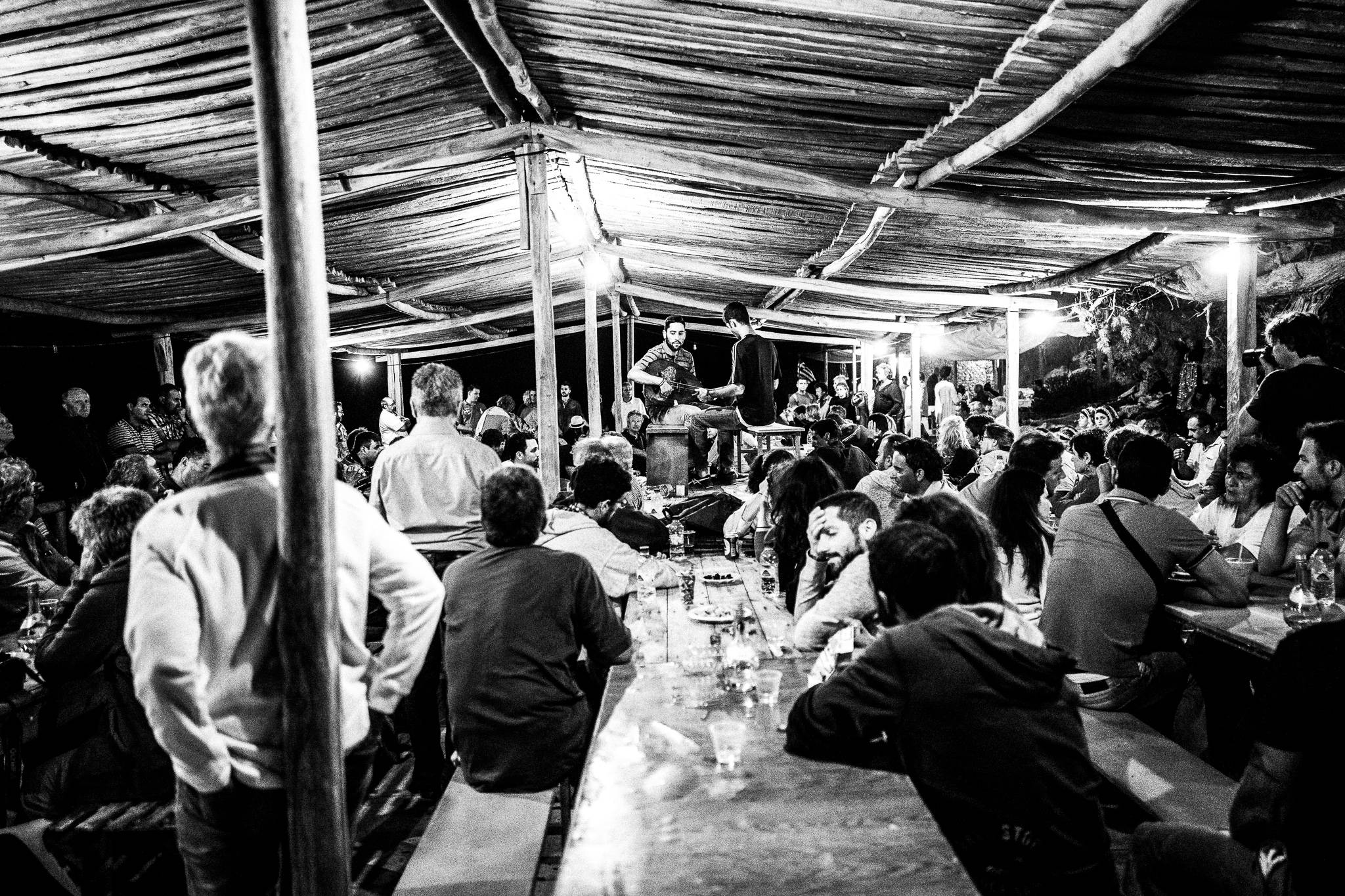
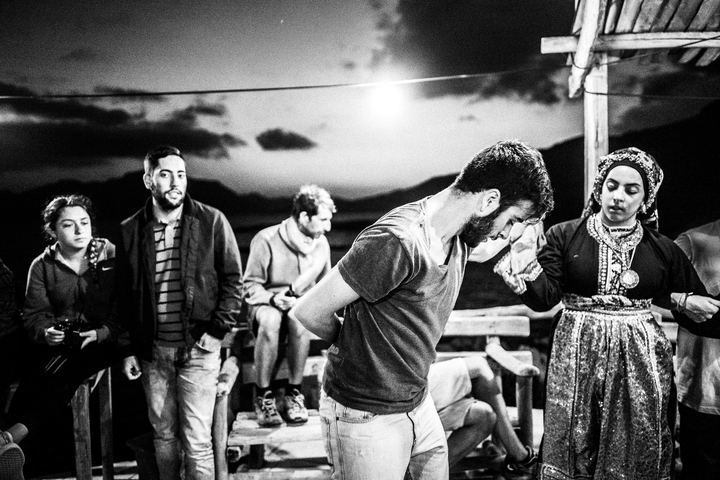
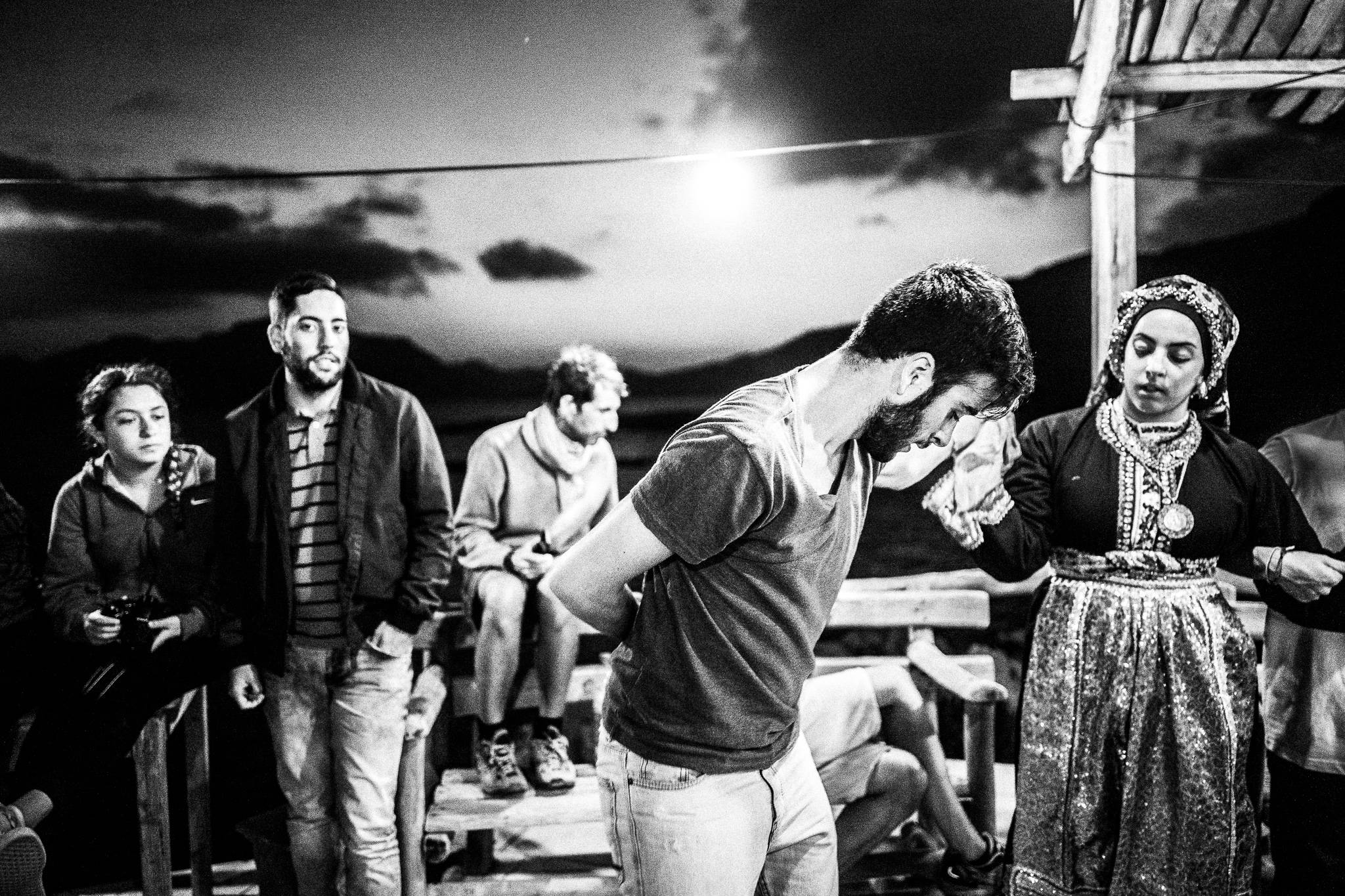
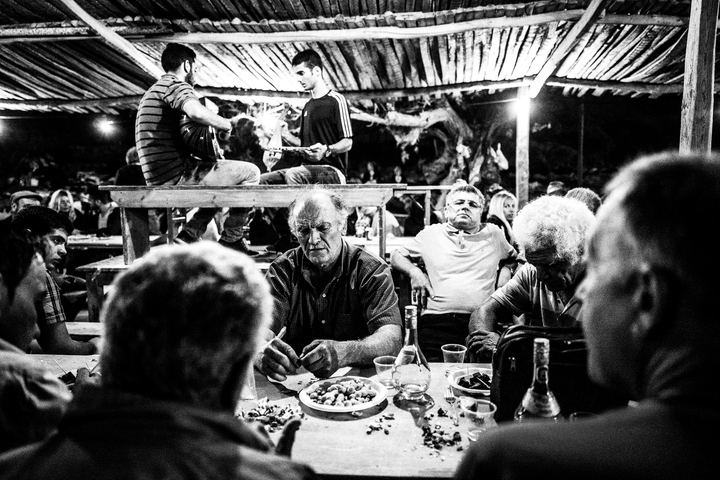
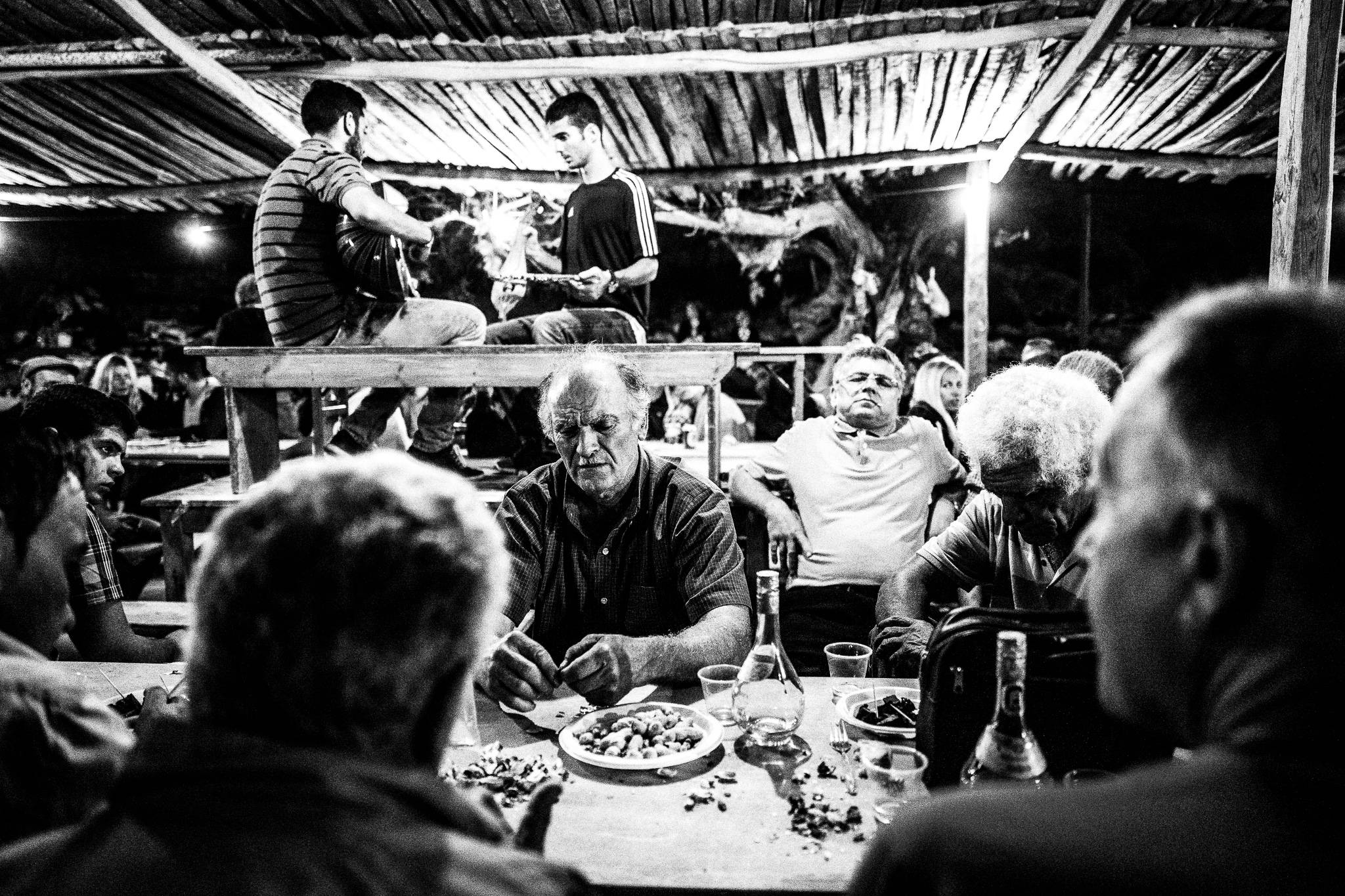
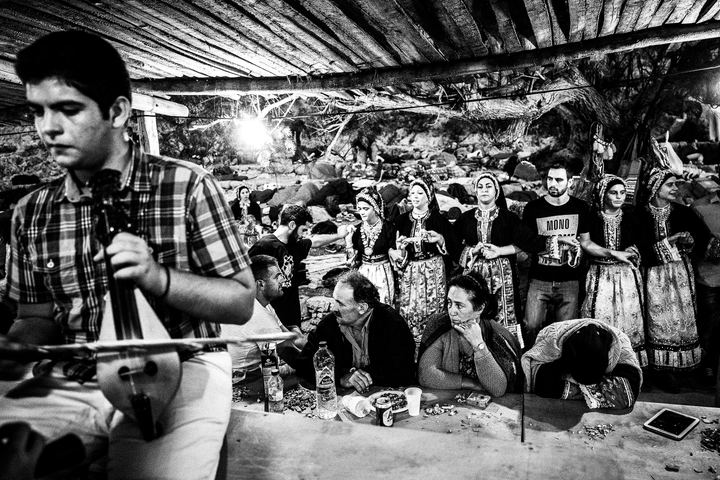
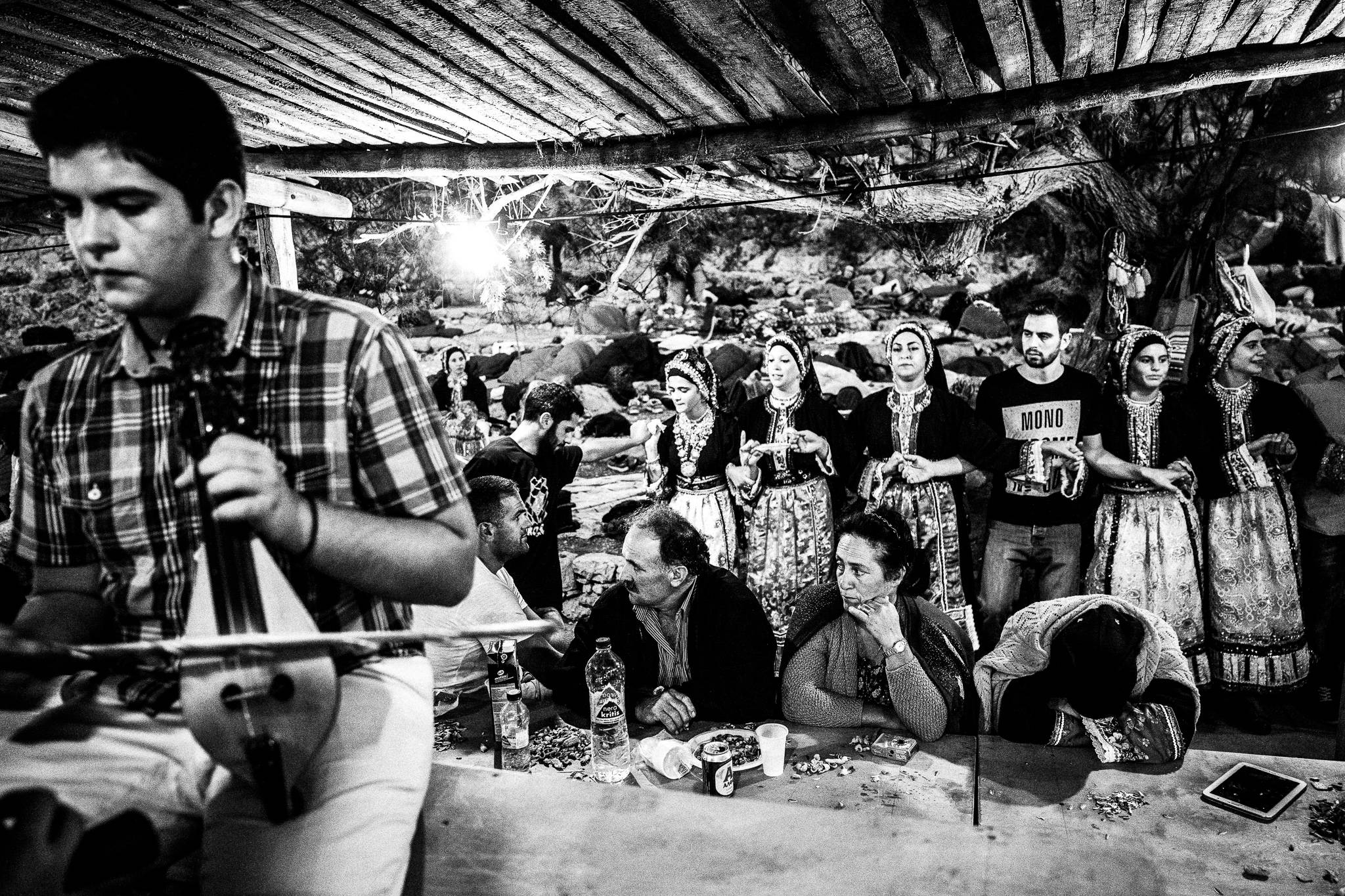
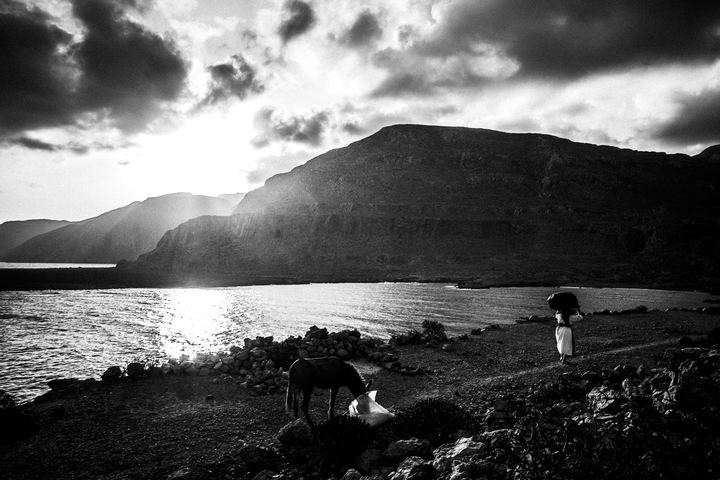
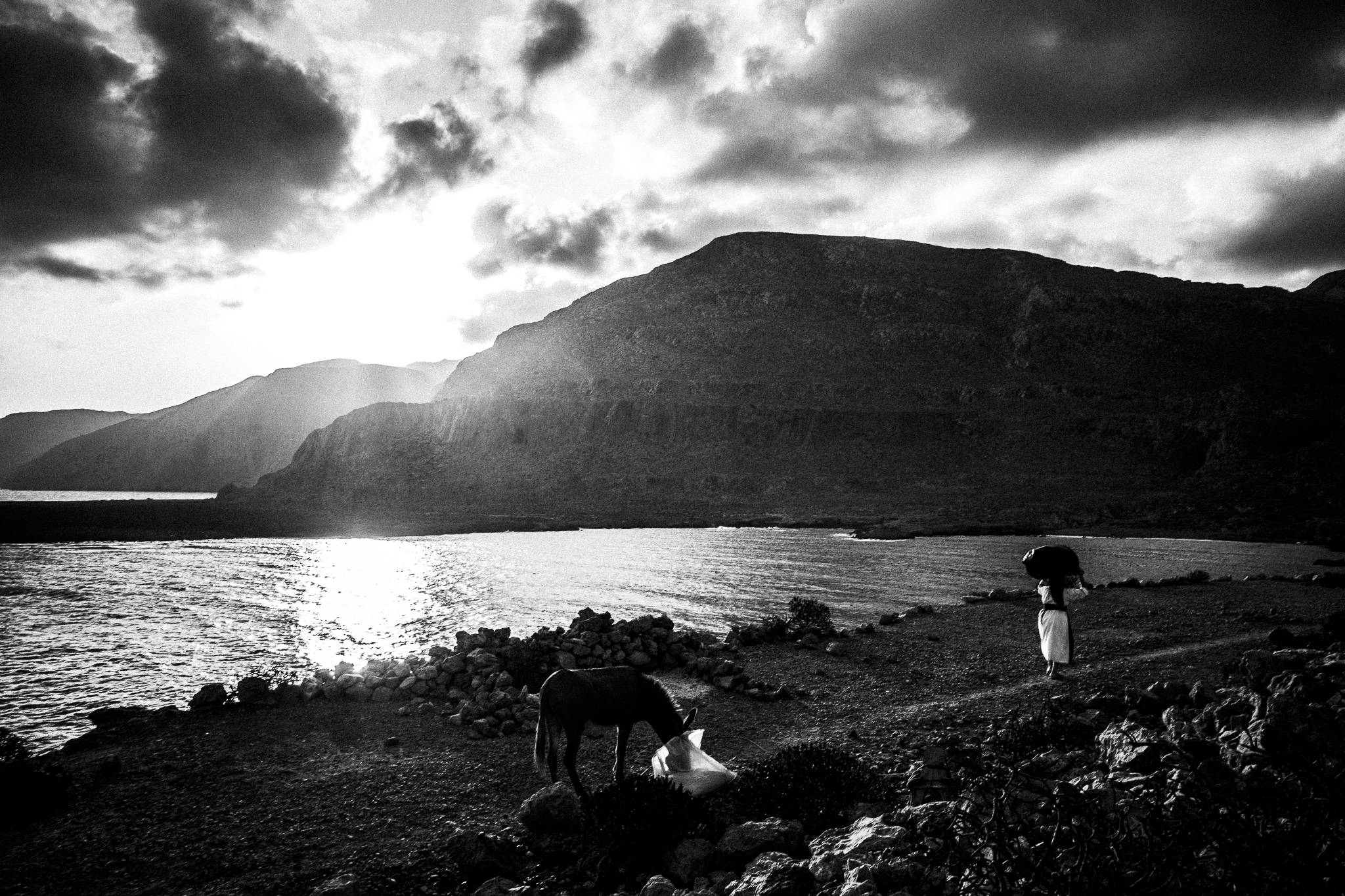
Although residents told me that in the past nobody left in the morning, these days at sunrise boats from Diafani appear and many revellers return in this fashion. Others return on foot, departing at dawn to avoid the heat of the day, and loading their donkeys, if they happen to have one, with their items. Heralded by the striking of the bell, Papa Yiannis duly performed the morning liturgy at 8.00. Since some had already departed, it was a less crowded event than the previous service.
After the service, most packed their belongings for the return home. Some stayed for lunch and to enjoy some further singing and perhaps dancing. Roast goat was served with rice or makarounes (local hand-made pasta). I decided to return in the early afternoon, perhaps not a wise decision given the burning heat, although I soaked and wrapped a white jumper that I had around my head against the sun.
Culture, held by place
Continue through Olympos.
Follow this tradition into its geographic and cultural context.