Living traditions
Feast of Saint Zacharias on Saria
Argos, Saria, Karpathos
Field photographFeast of Saint Zacharias on Saria — photograph 6.
Collector mode
A photograph to live with. Enter a private viewing.Introduction
A small overnight festival at Argos on the islet of Saria, reached by boat from Diafani and a walk through the gorge, with liturgy, goat stew, mantinades and music continuing after sunrise.
The feast of Saint Zacharias takes place on 4 and 5 September at a family-owned chapel near the abandoned settlement of Argos on Saria. Participants travel by boat, walk to the settlement and sleep outdoors before the morning service.
The festival of St. Zacharias at Argos on the islet of Saria
The islet of Saria, lying immediately to the north of Karpathos, belongs to the dimotiki enotita of Olympos and is the site of the settlement of Argos. Furthermore, the islet hosts the small-scale, but still enchanting festival of St. Zacharias.
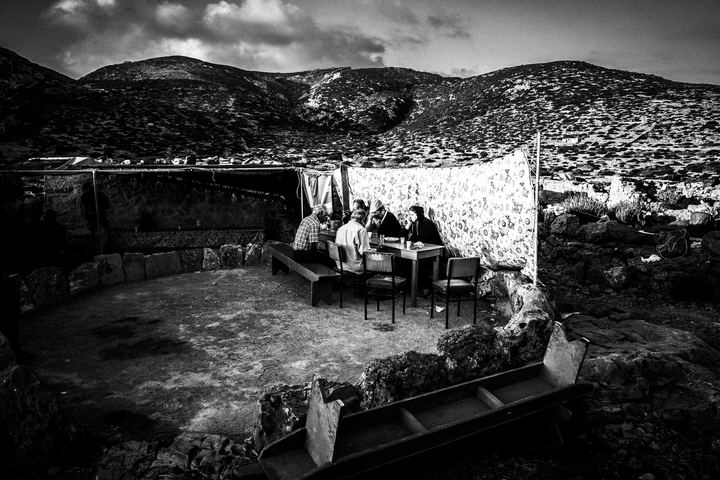
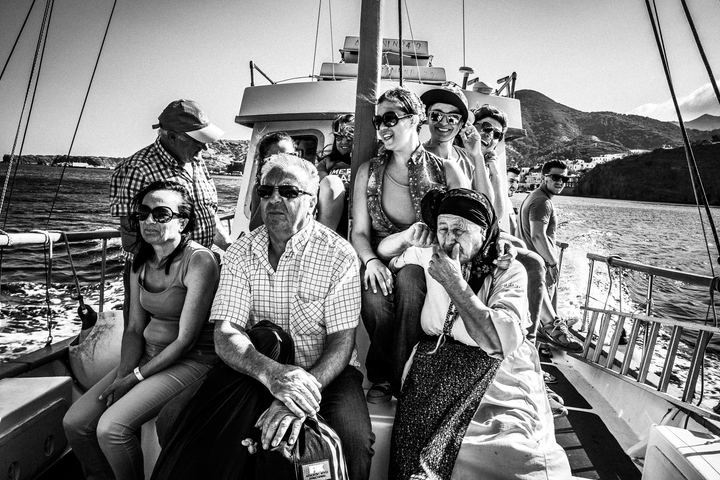
This takes place at a small, family-owned chapel dedicated to St. Zacharias, on the 5 September, the day of the saint, although the celebrations start on the preceding day. The family that owns the chapel hires a boat to take people from Diafani to Saria. The year I decided to go, there was not enough room on the boat, but fortunately, an additional craft was hired.
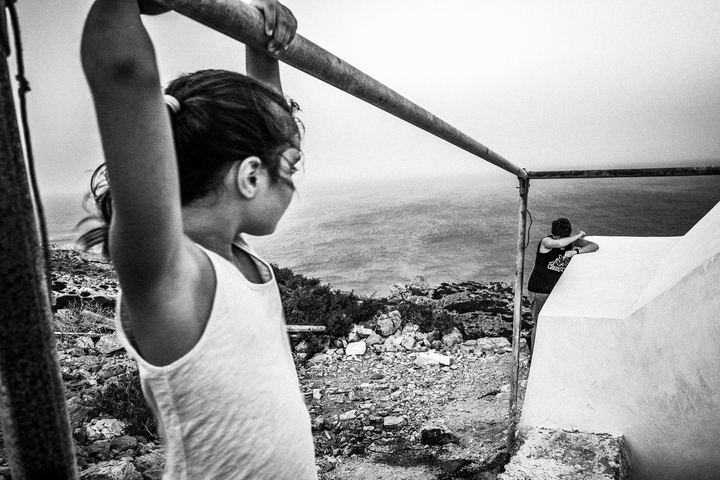
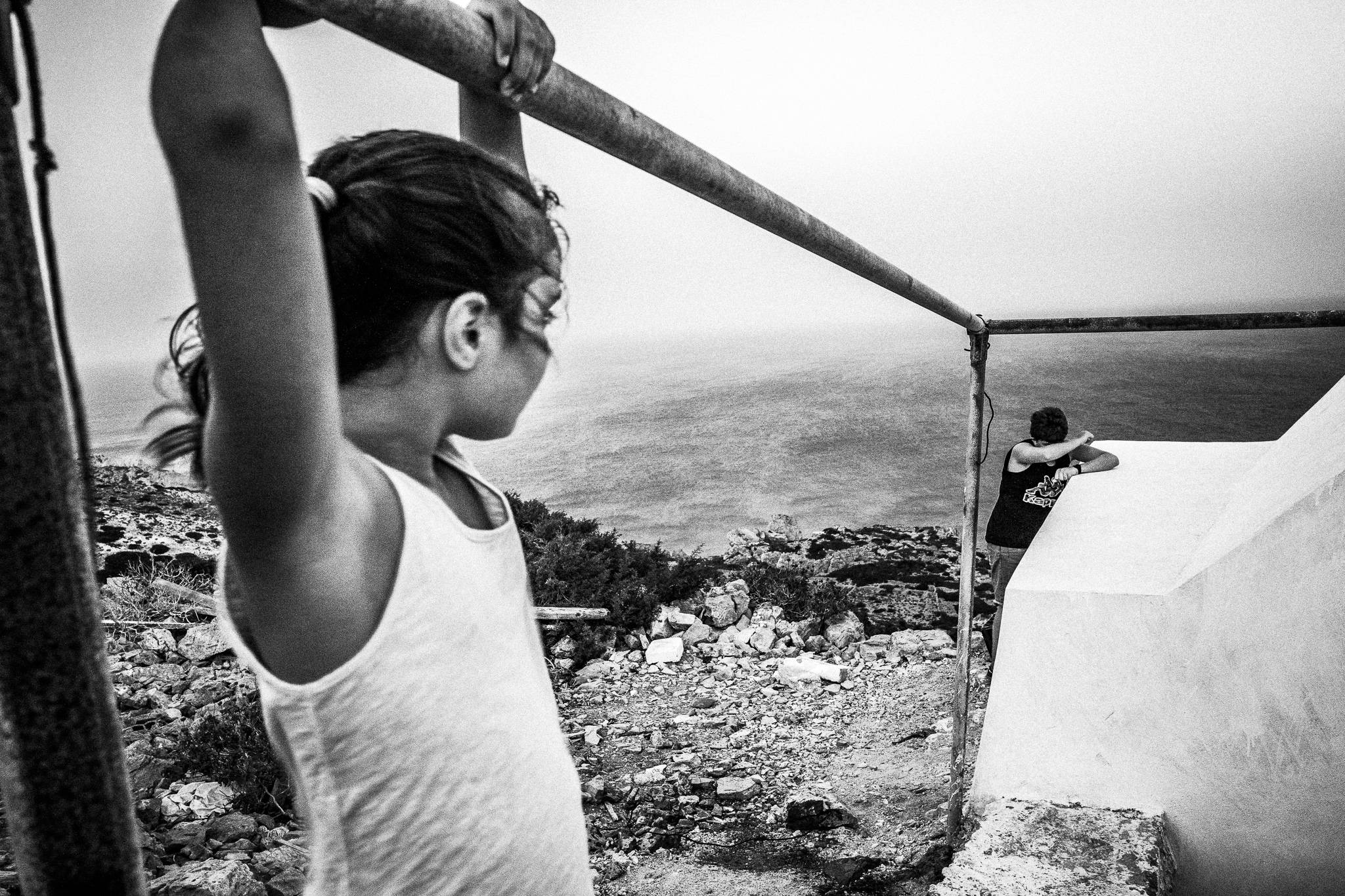
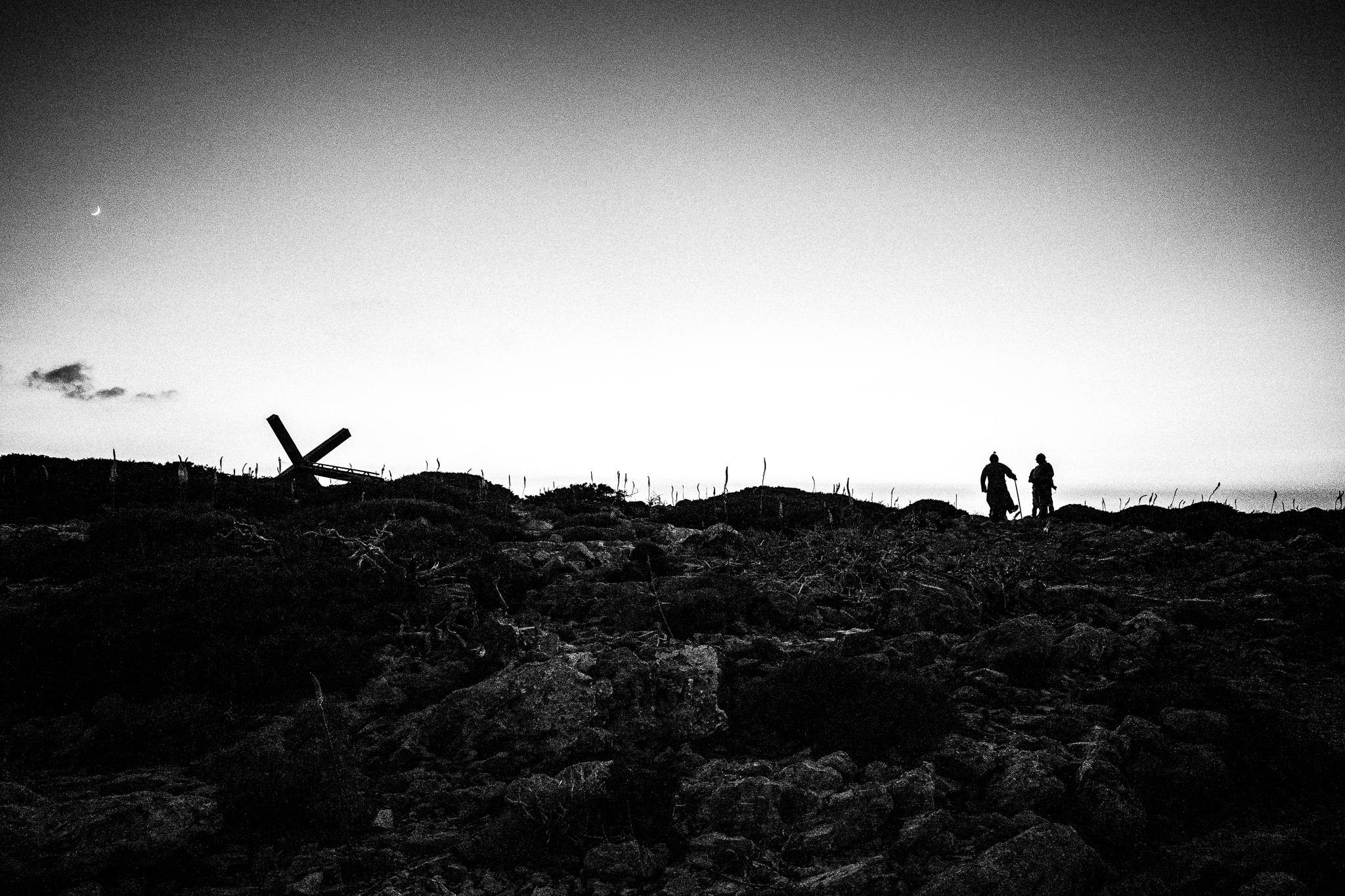
The bay where we arrived on Saria is idyllic, a perfect place for a swim. It had already attracted tourists, to enjoy the beach. By contrast, I had to walk about half an hour to reach Argos. The road, which passes through a gorge, is not too difficult, although the second half involves an uphill climb. All go on foot to the church, although donkeys are used for carrying any items or goods. I walked with Father Minas, the priest of Diafani, who was to conduct the liturgy during the festival.
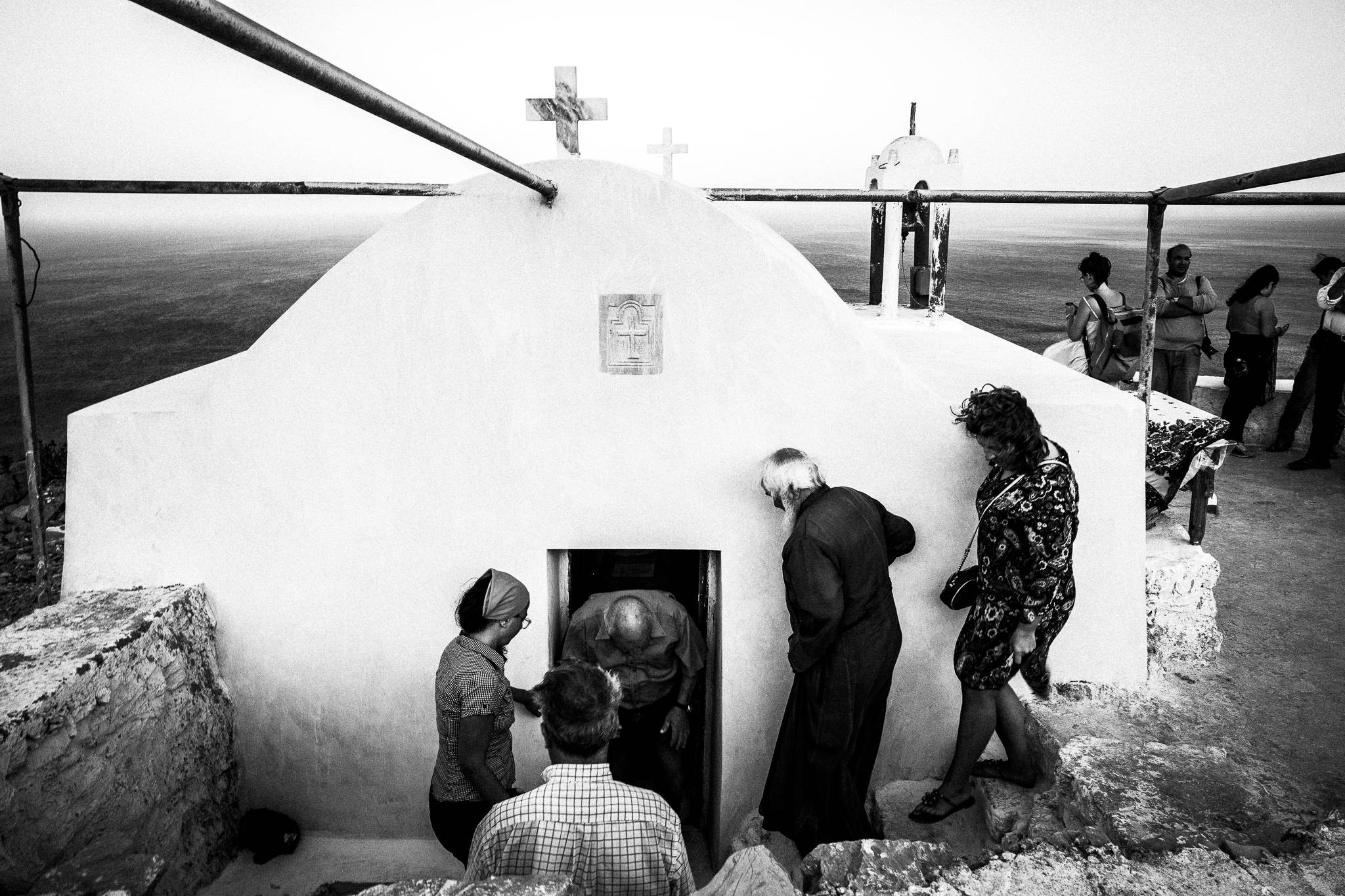
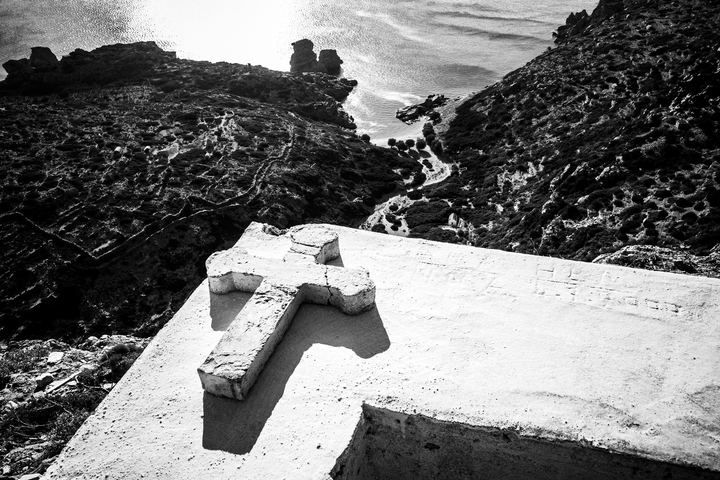
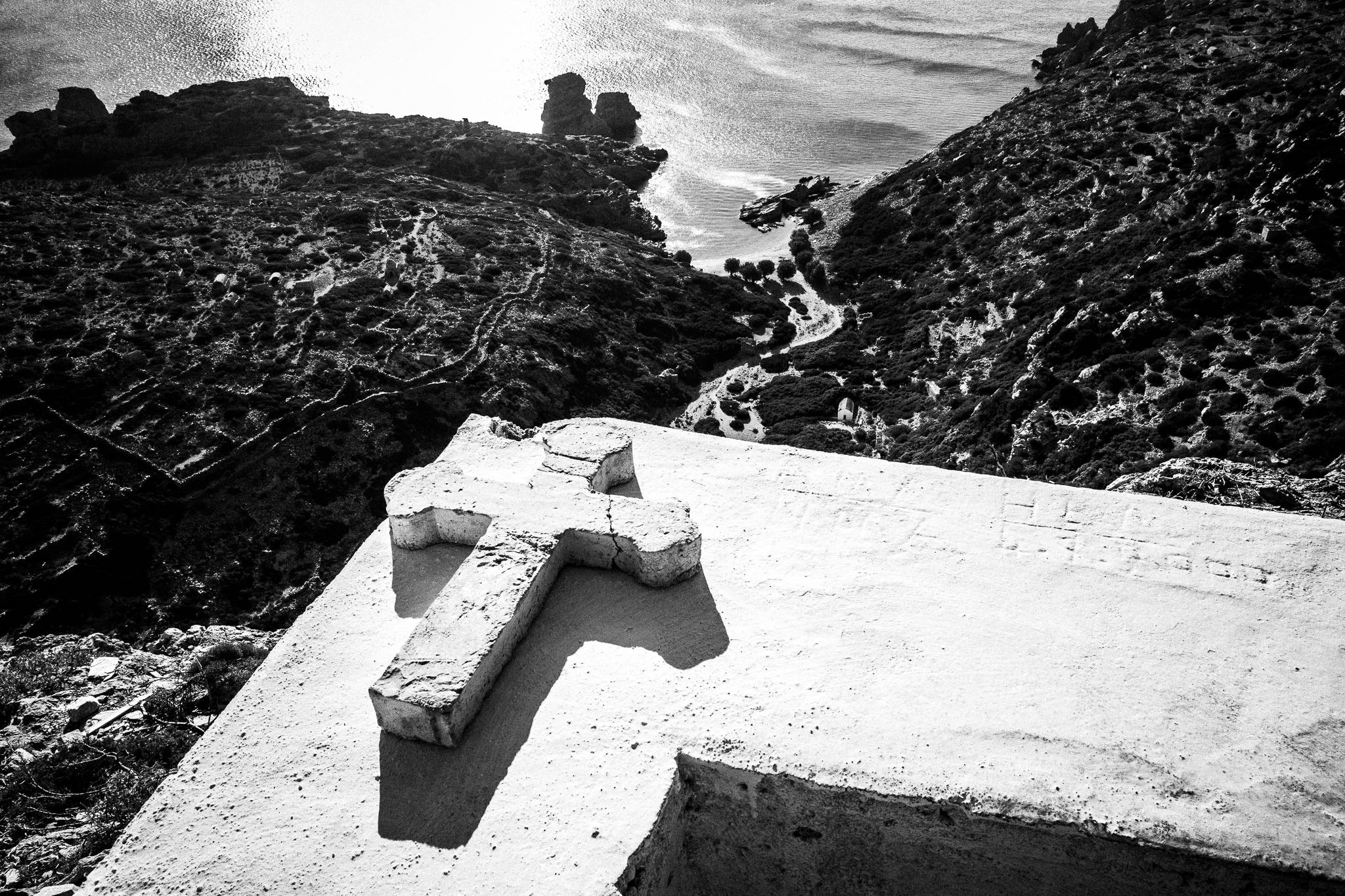
After we had reached Argos, set on top of the main hill of the island, Father Minas set off for the church, some 15 – 20 minutes away, where he was to perform the evening liturgy. The road is easier here and the church clings to the edge of a cliff, overlooking the beach where we had landed. People started to gather. The communion bread was brought, so that it could receive a blessing from the priest and then be distributed to the congregation. The liturgy finished at sunset and all made their way back to Argos, to prepare for dinner and music.
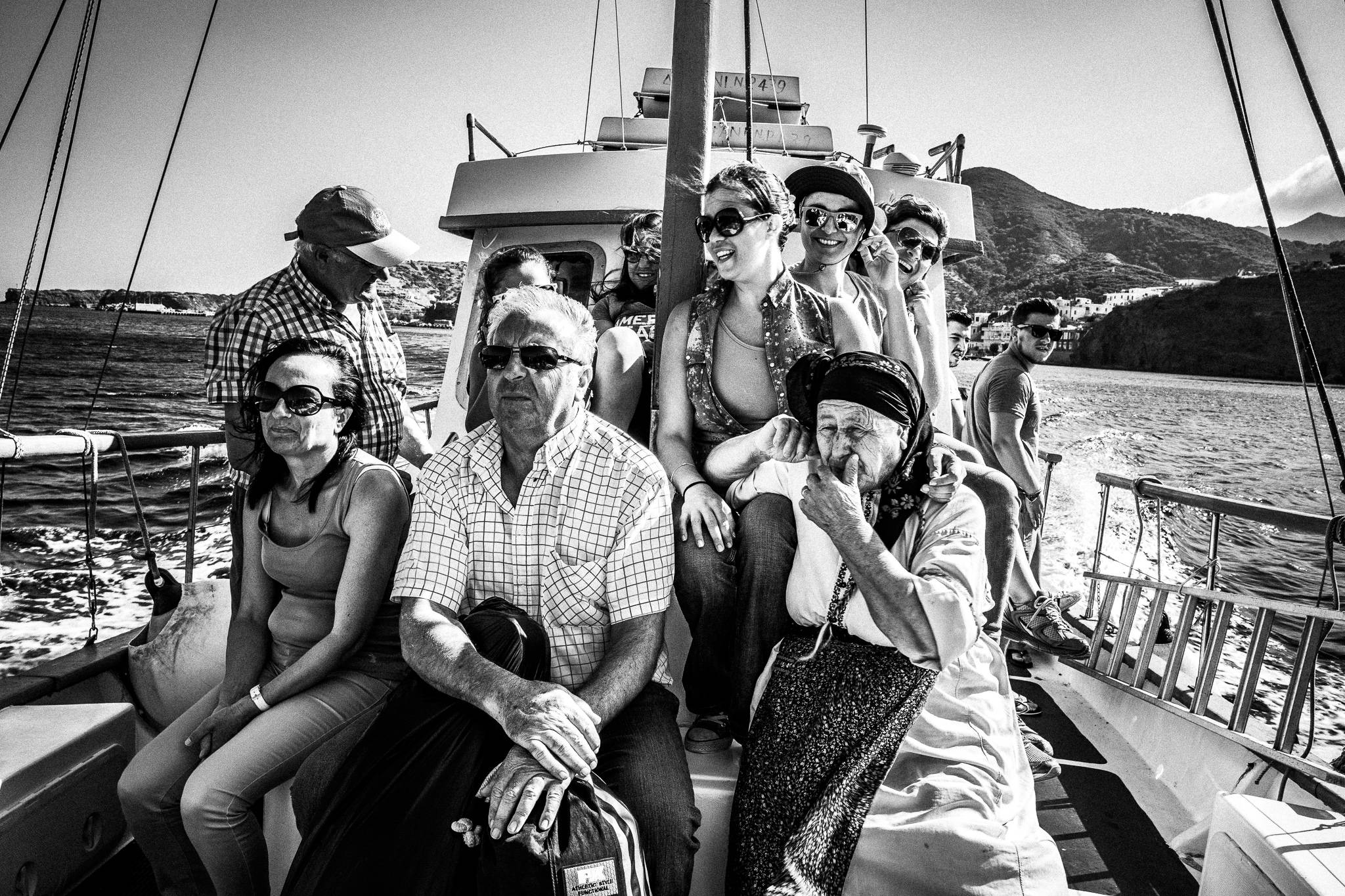
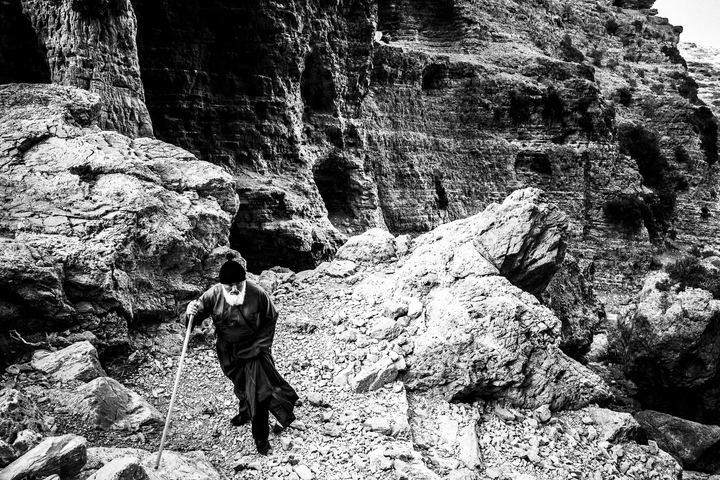
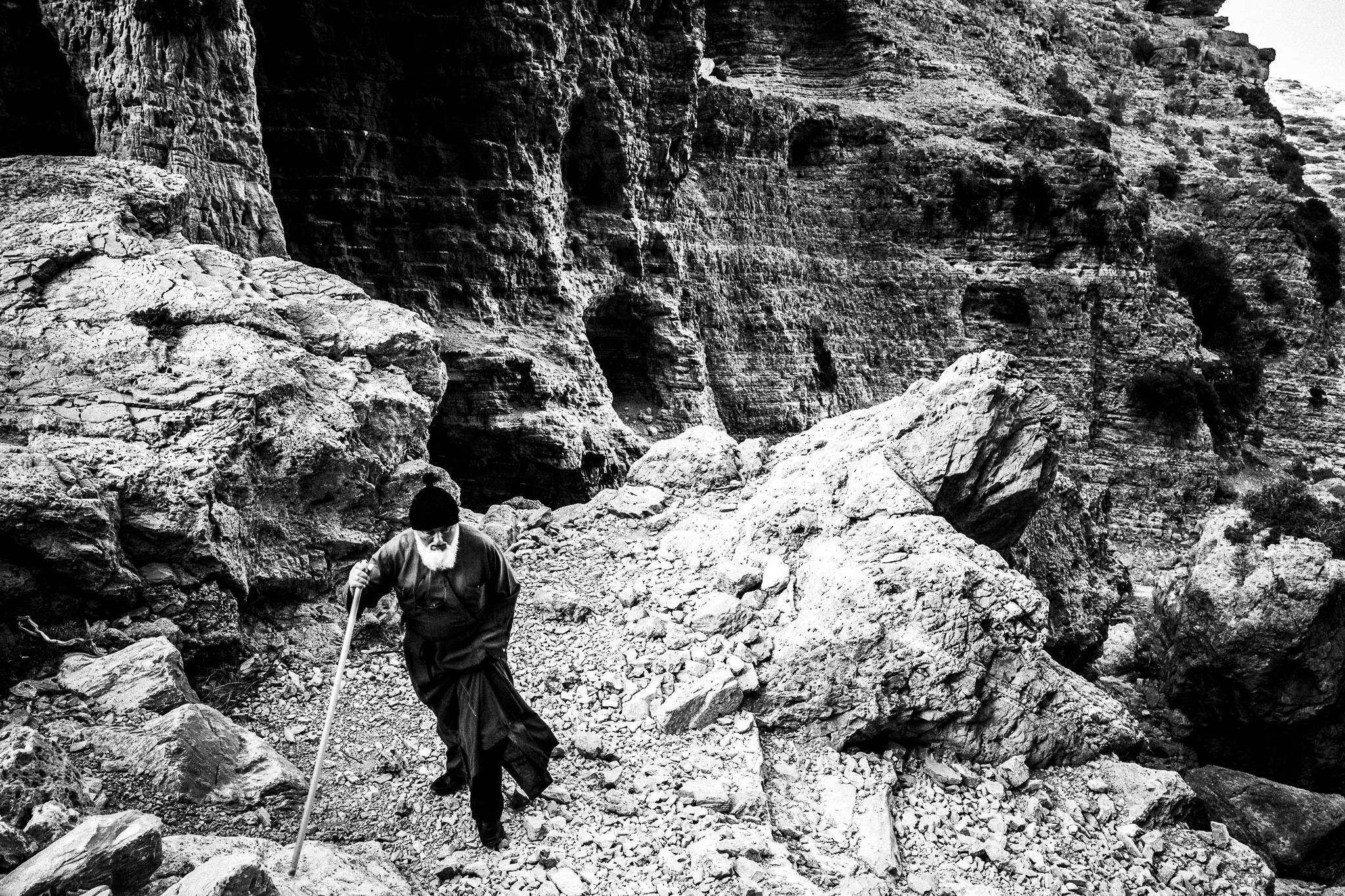
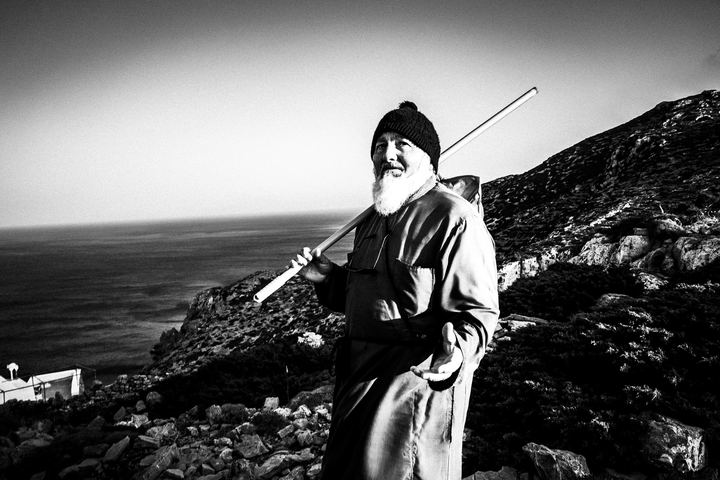
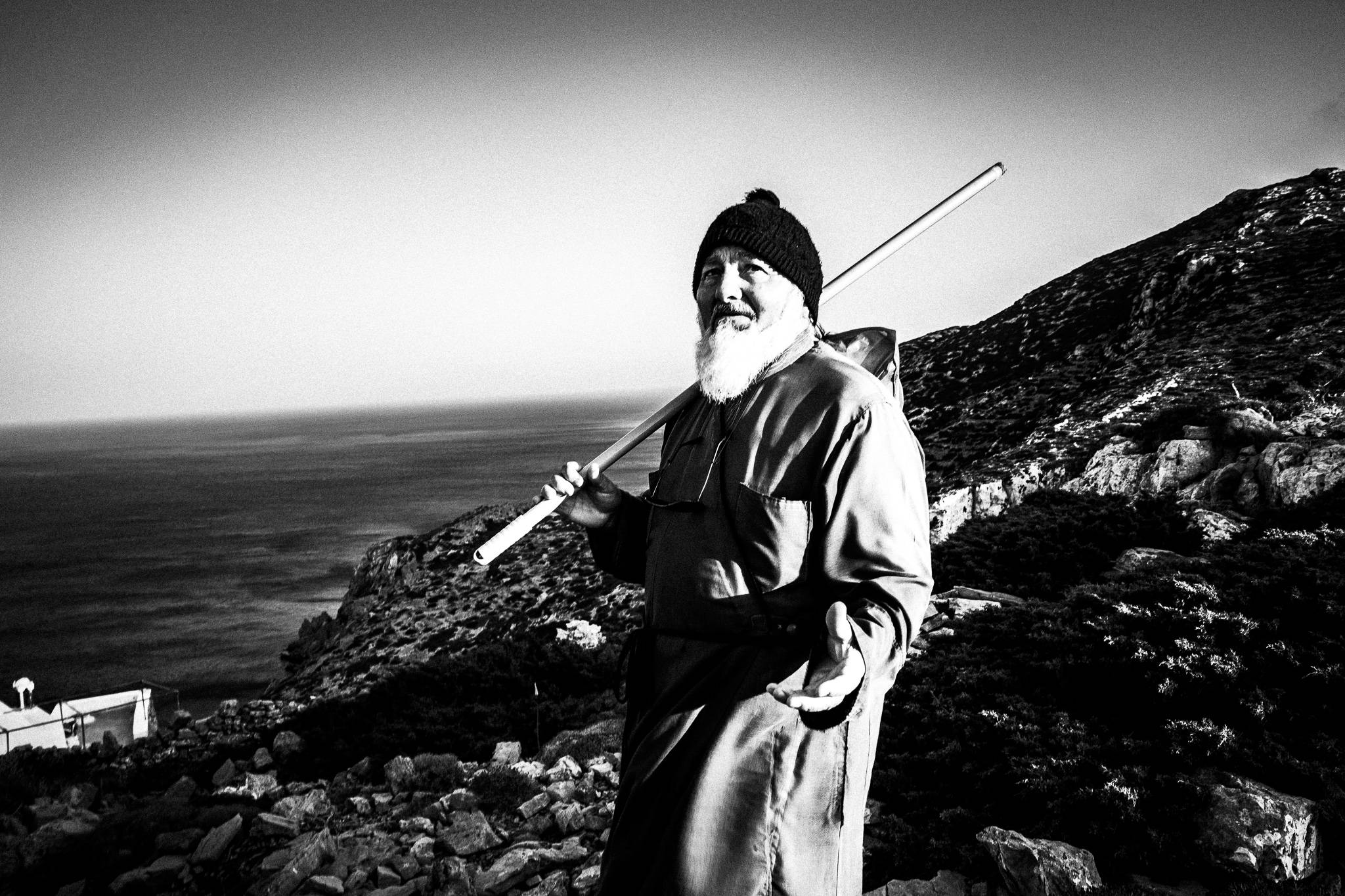
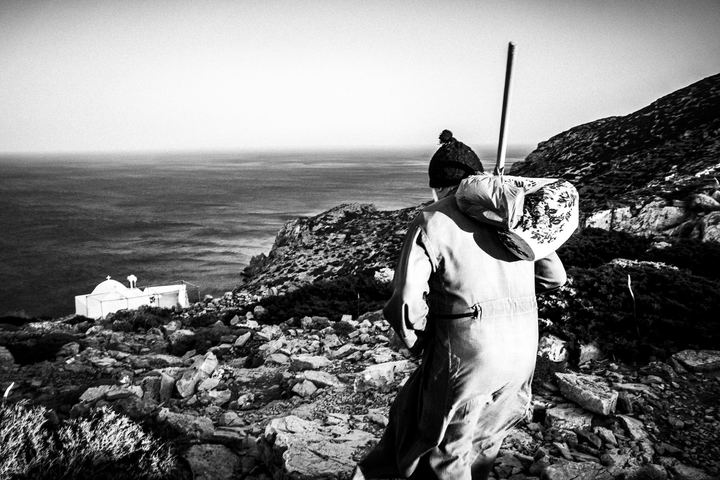
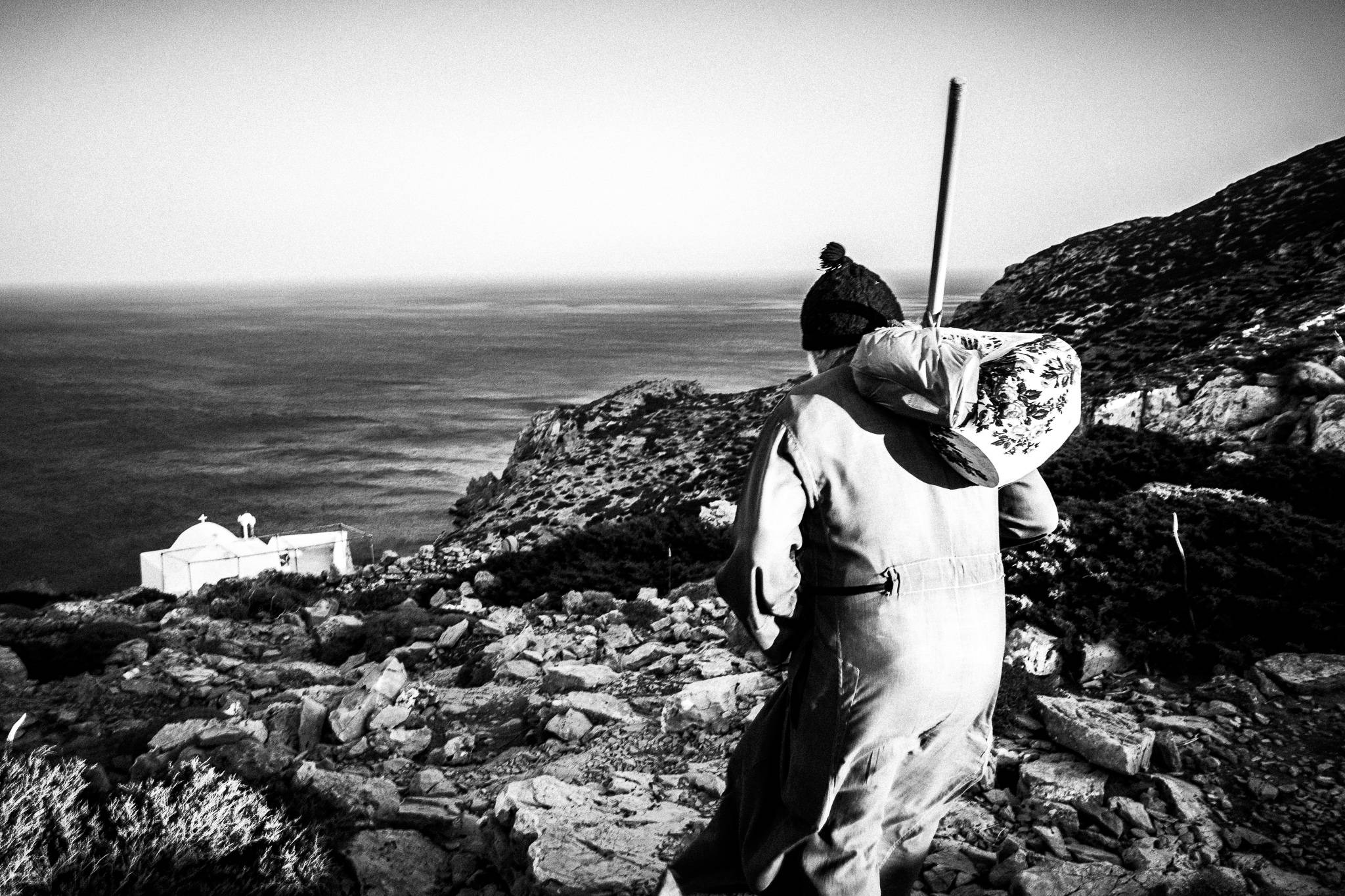
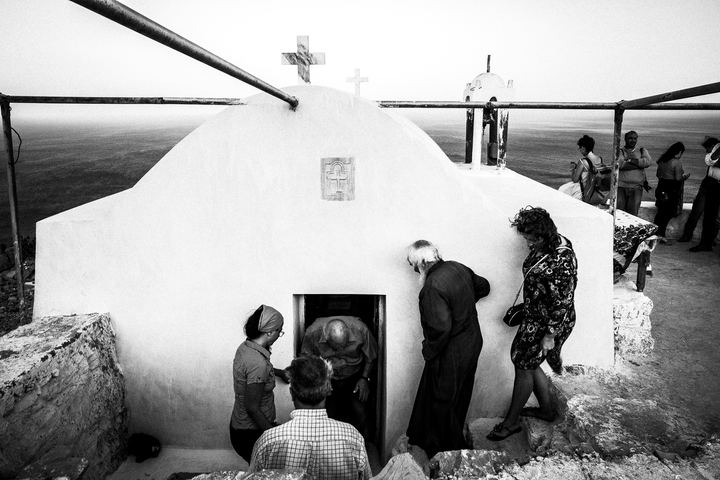
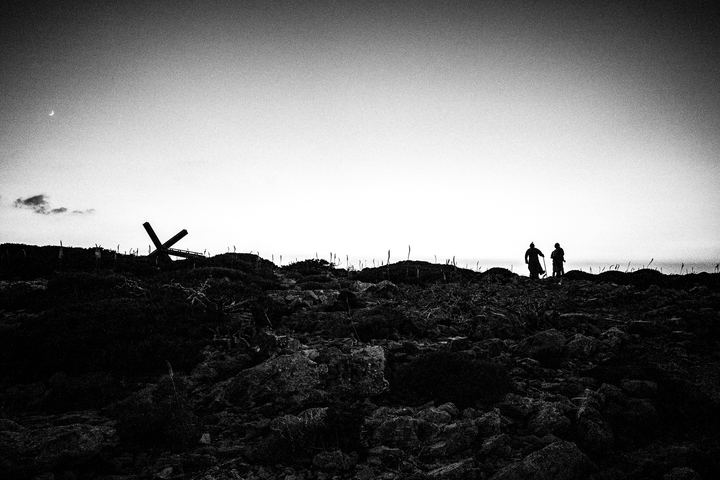
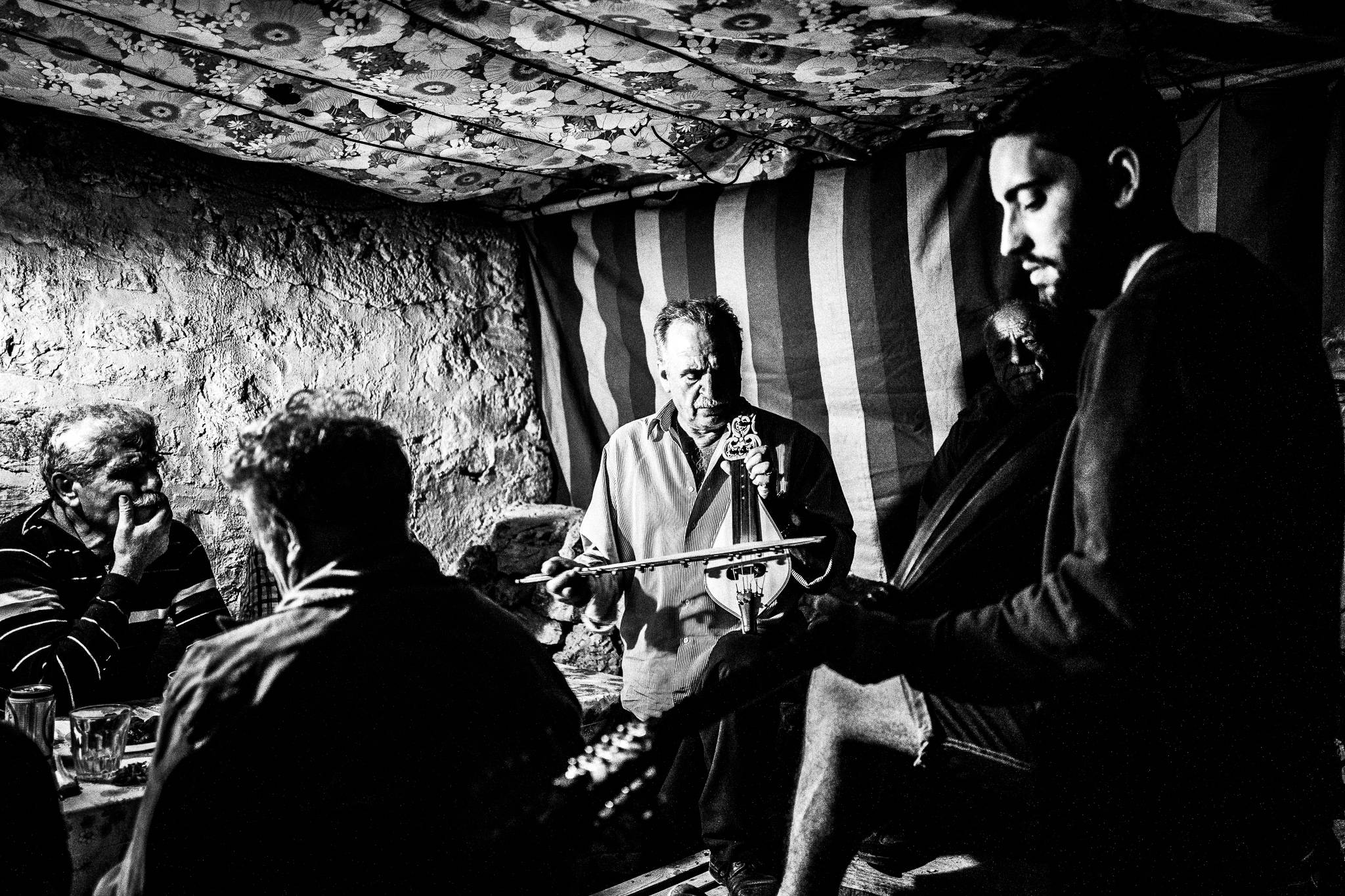
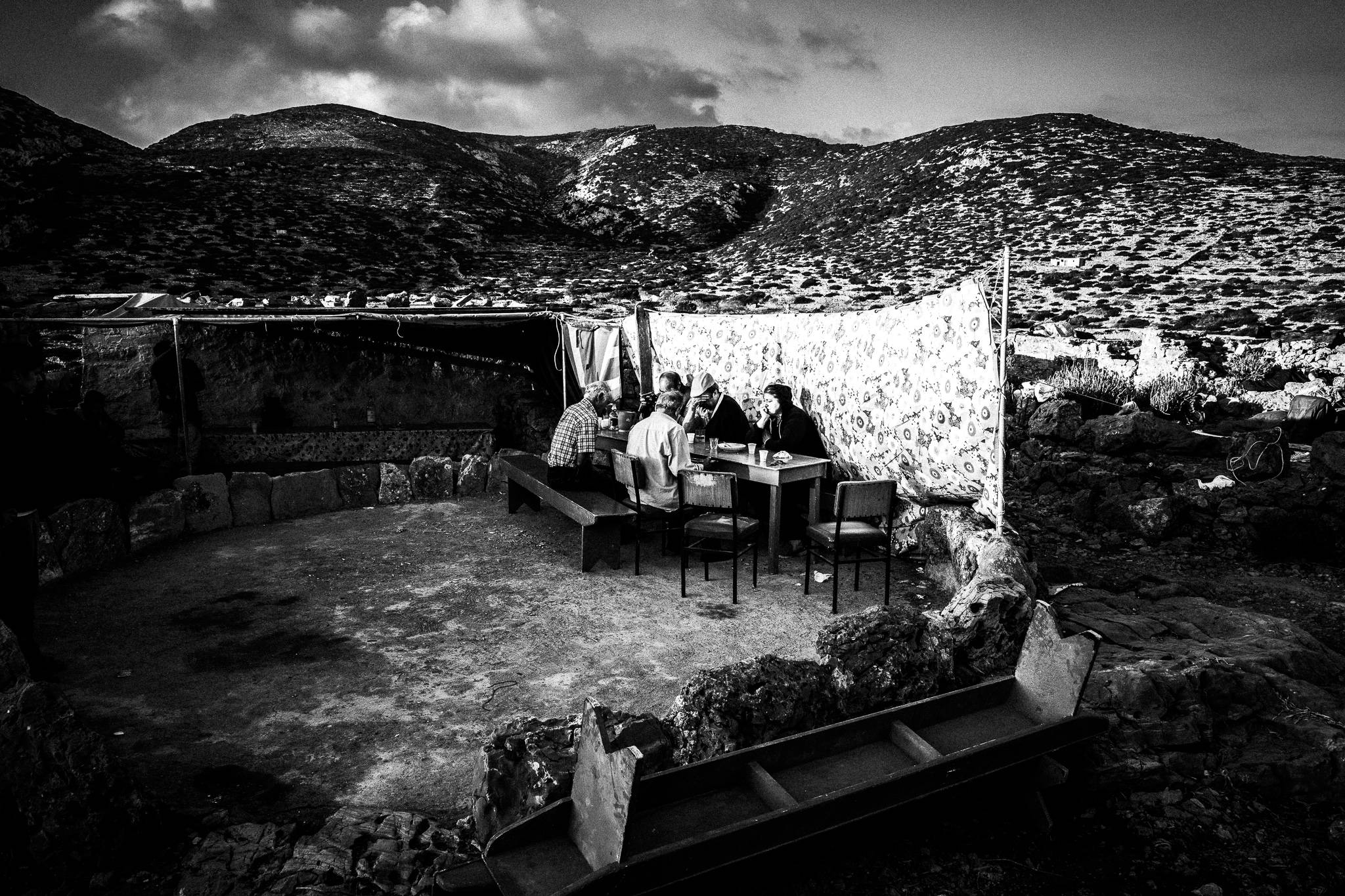
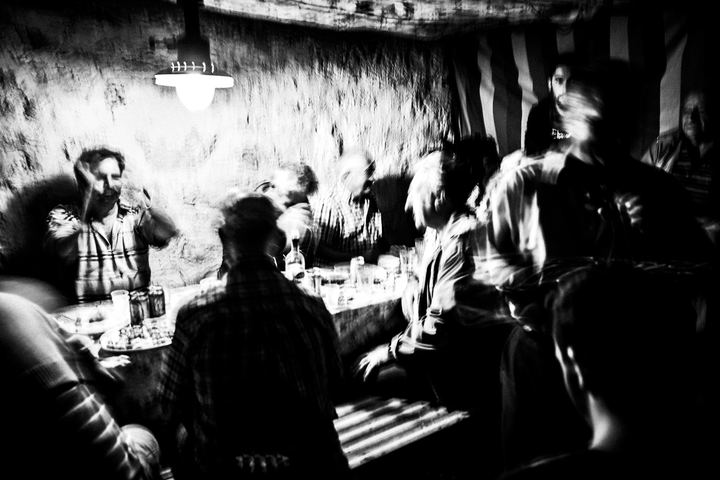
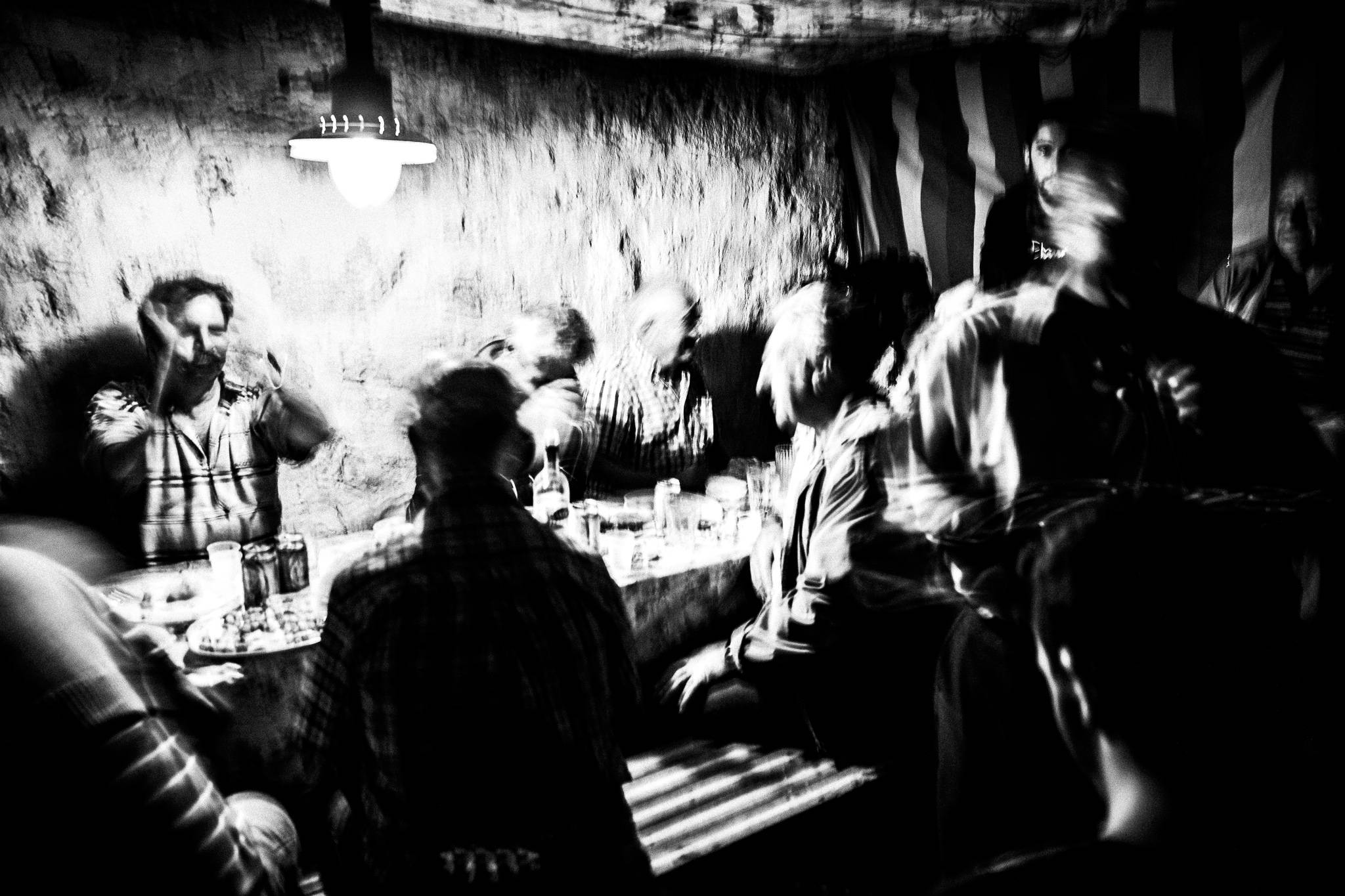
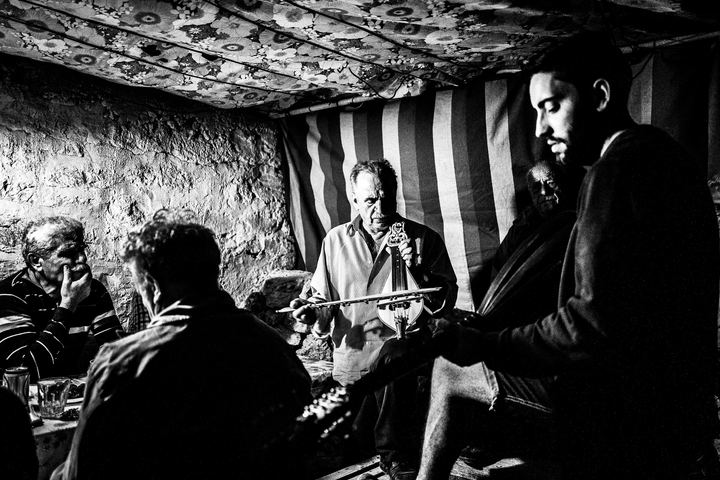
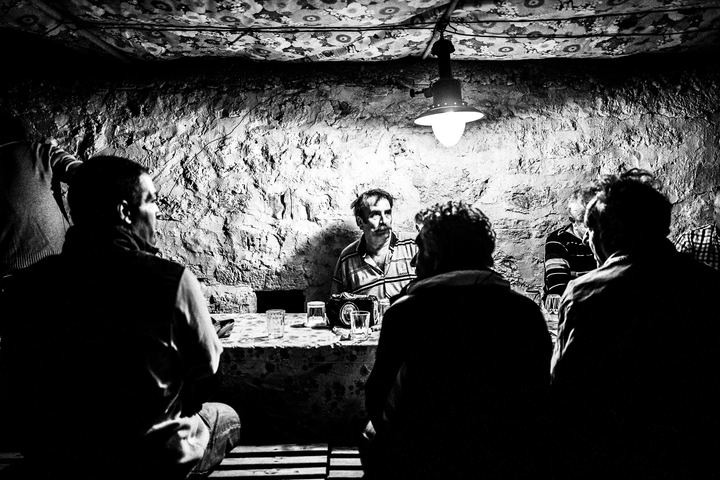
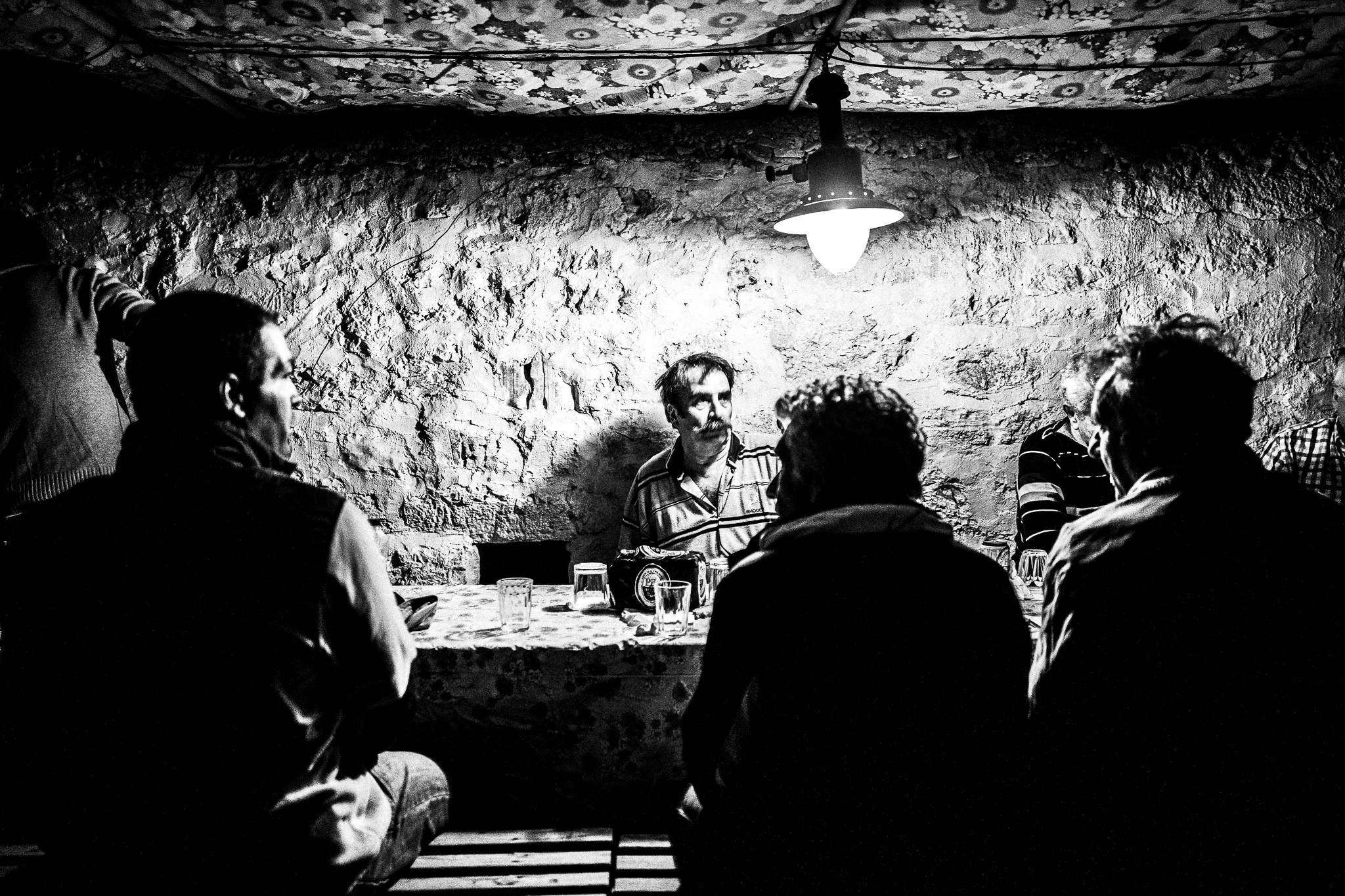
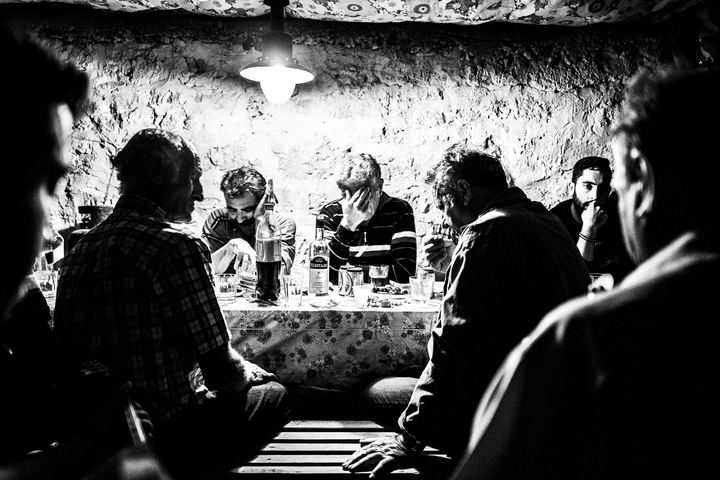
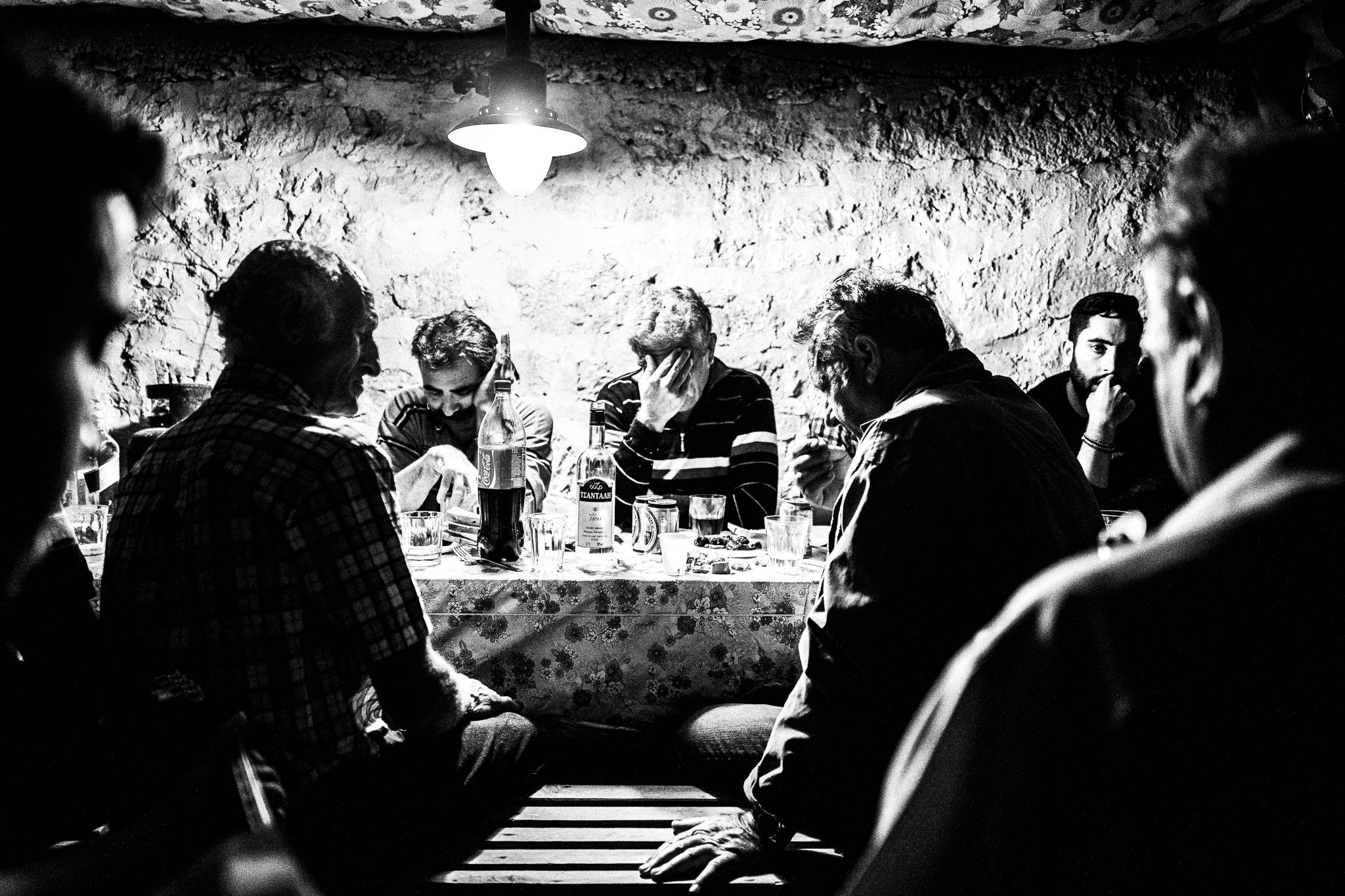
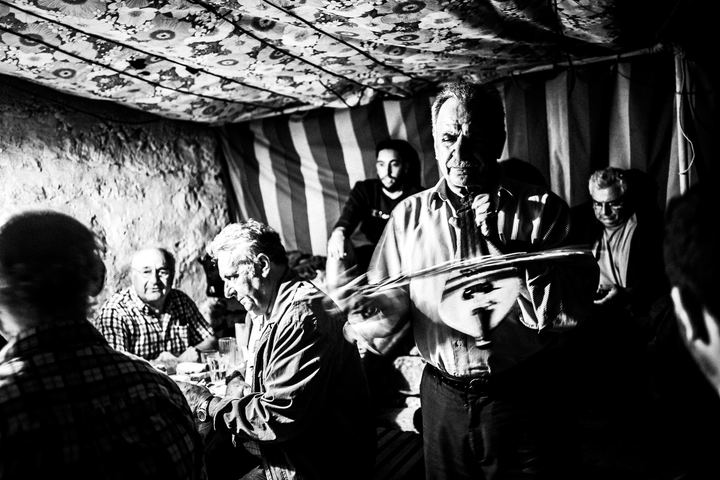
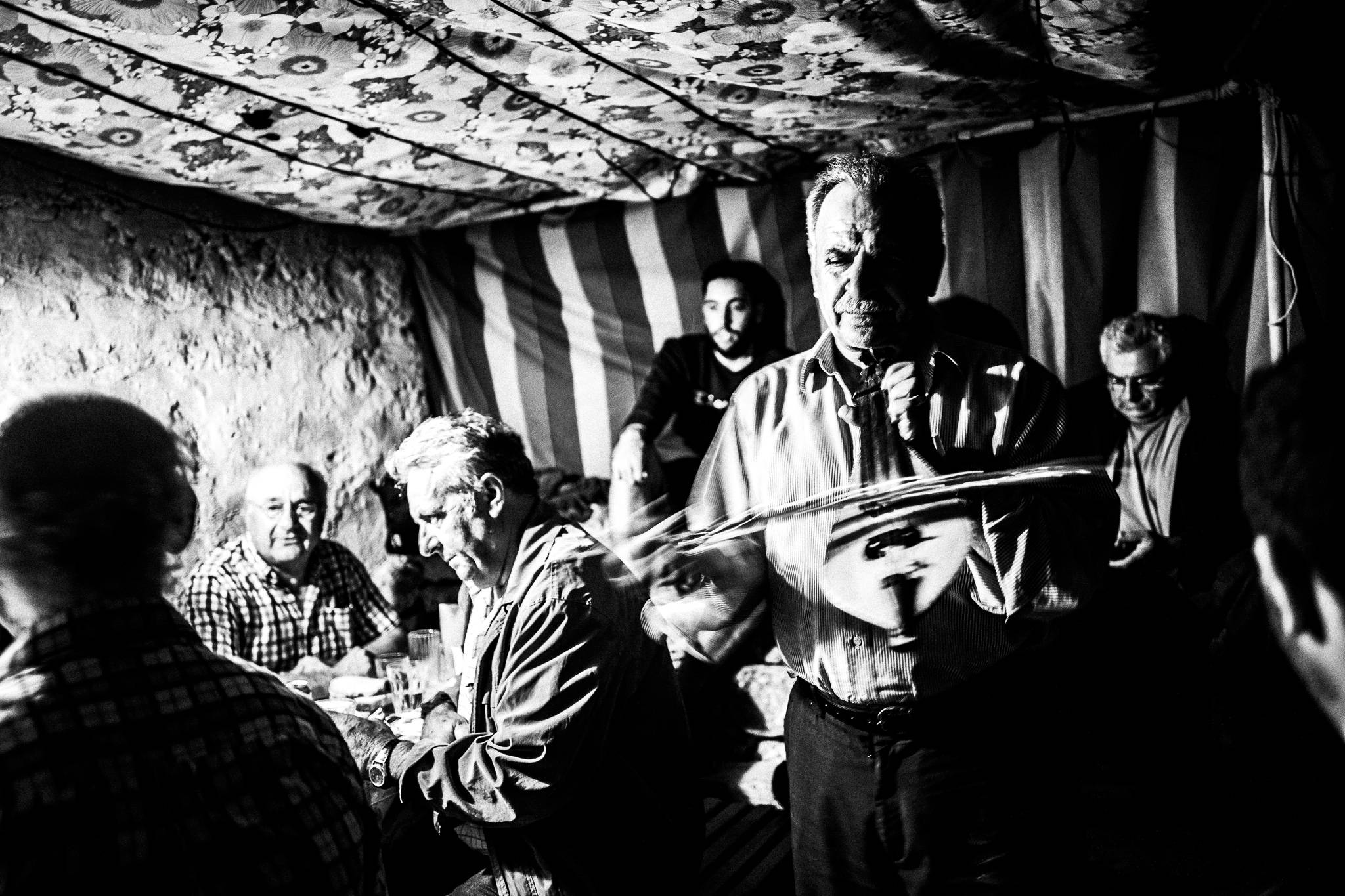
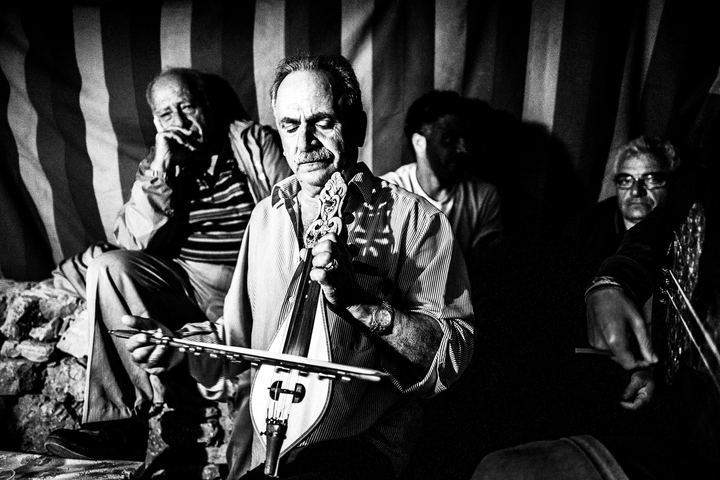
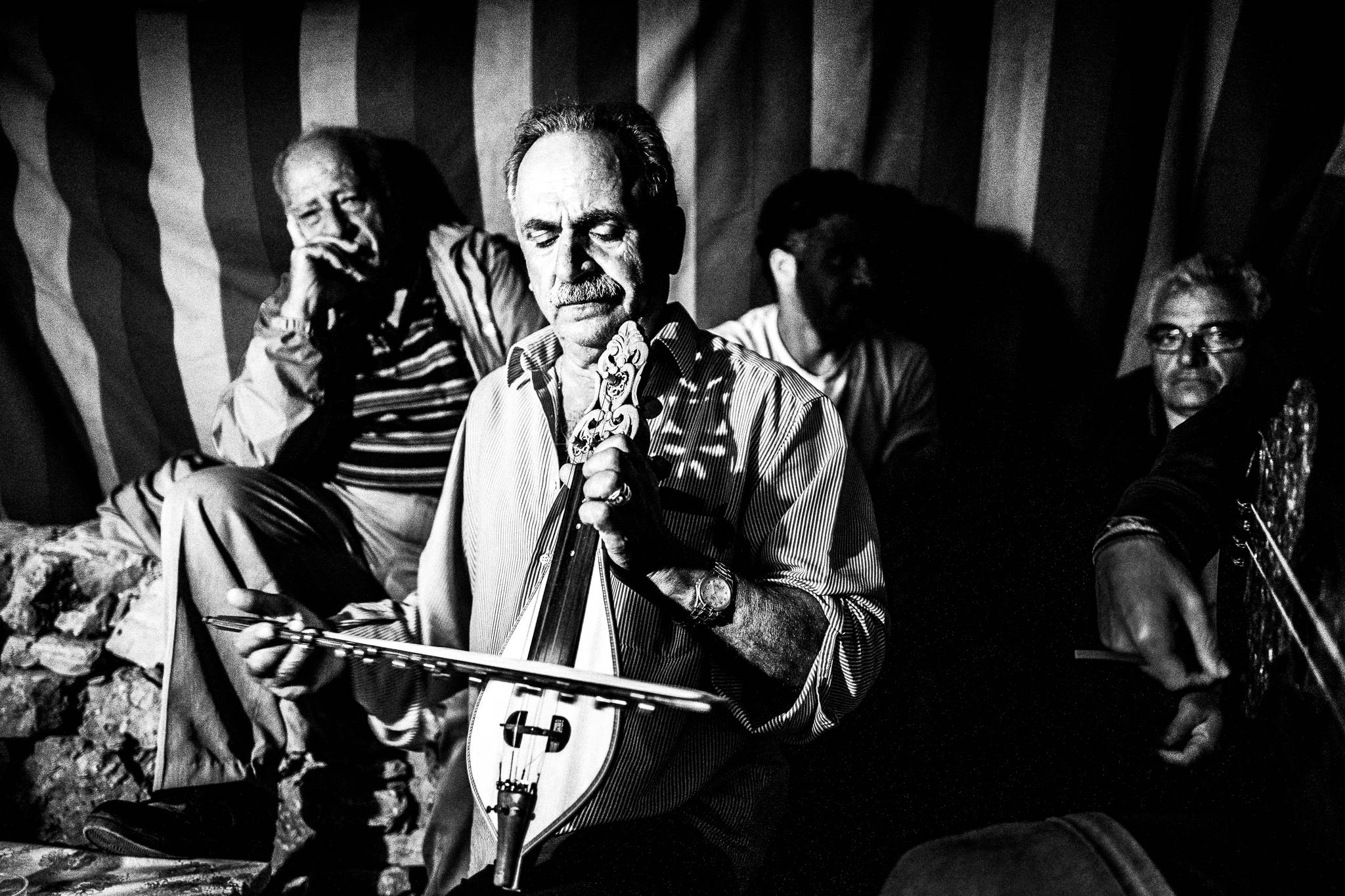
Unfortunately, the generator was out of action so we had instead to use an oil lamp. This, however, made things more romantic and made it seem as if we had been transported to the past, although things became more difficult for the cooks, as they had to use torches to see what they were doing. The cooking was done in a nearby house and the tables were set out in a small street, protected against the wind by small cloth screens. A casserole of goat meat was served and the singing started soon afterwards. Proceedings followed the usual course of celebrations on Olympos, albeit this time with more nostalgia and tears, as this time the environment was more intimate and there were fewer people. Much whisky was consumed and the mantinades this time spoke of the past of the festival of St Zacharias, when the mountains, now deserted, still thronged with people. I finally withdrew to my sleeping bag, in a nearby alley. As I lay there, I could still hear the music. The sky was dark and the moon still waxing. All was so beautiful, that sleep was difficult.
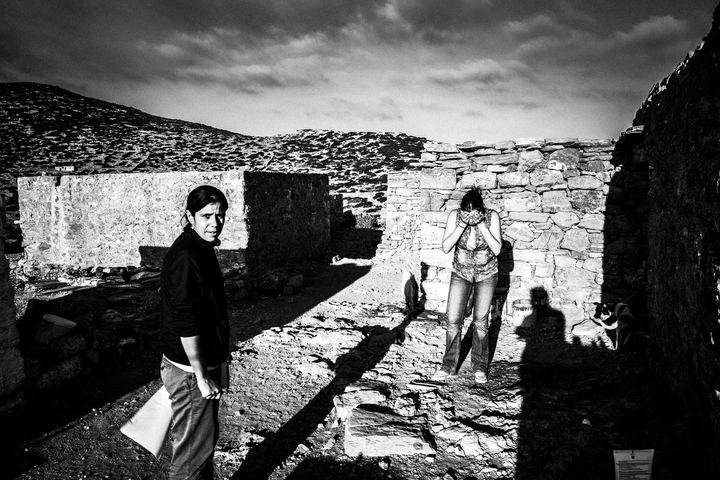
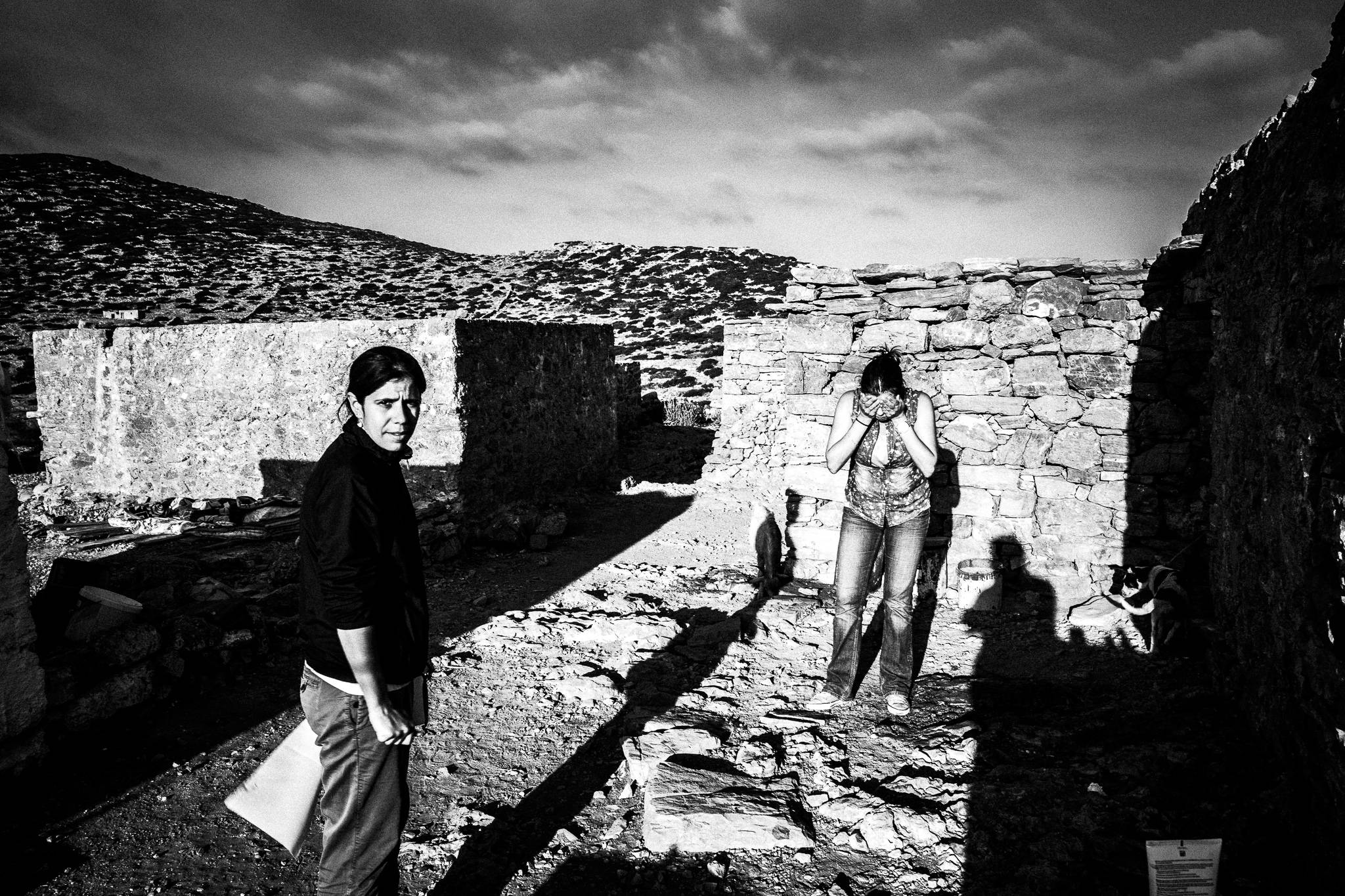
When, in the early morning, I awoke, I saw Father Minas still asleep on a low rooftop. The music still played and there were a few dancers left. I sat near the musicians, just in time for coffee, which I drank as I listened to the music and watched the dancing. Breakfast was warm goat soup. Most people were still asleep and lay dotted around. The sun rose, warm colours filled the hill and the light woke the sleepers.
Soon everyone was awake and up, washing and having their coffee. At some time between 7. 30 and 8. 00, people began to move towards the church for the morning liturgy. After the liturgy, the usual loukoumades with honey and ouzo were served. It was soon time for lunch, which consisted of more goat casserole. The music started once more, although it was now extremely hot. Half the visitors went down to the beach, to enjoy a swim before the boat came to take us back to Diafani.
Culture, held by place
Continue through Saria.
Follow this tradition into its geographic and cultural context.