Field notes · Photographic essay
Megisti and the Quiet Streets of Kastellorizo
Megisti → Kastellorizo → Dodecanese → South Aegean → Aegean
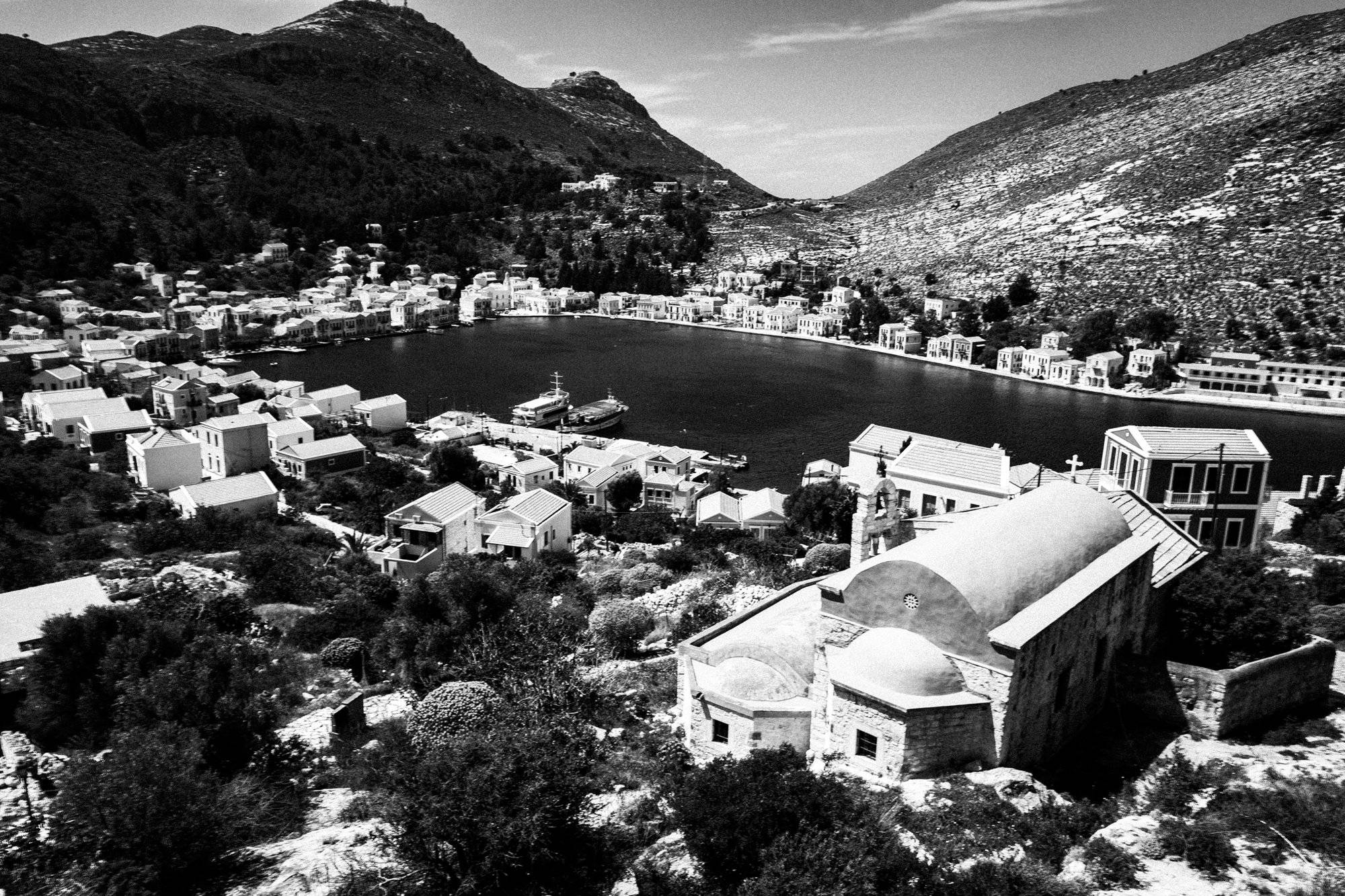
The town of Megisti and the port of Kastellorizo.
Collector mode
A photograph to live with. Enter a private viewing.Introduction
Before the Easter crowds arrived, Megisti felt almost private: an Italian-influenced harbour town of narrow streets, old churches, quiet yards and children at play.
Arriving in Kastellorizo before the busiest Easter days gave George Tatakis time to wander through Megisti almost alone. Its colourful port, narrow streets, Italian-influenced architecture and small signs of everyday life revealed the island at its quietest.
Before the island filled
I arrived early enough that the island had not yet filled for Easter. Long walks through Megisti felt calm and almost private, with very few people in the streets and the sense that, for a while, the town belonged to whoever happened to be walking through it.
Megisti is the island’s main settlement and port. Its narrow streets and houses carry a strong Italian influence, giving the town an architectural character distinct from many other Greek islands.
Everyday life between the houses
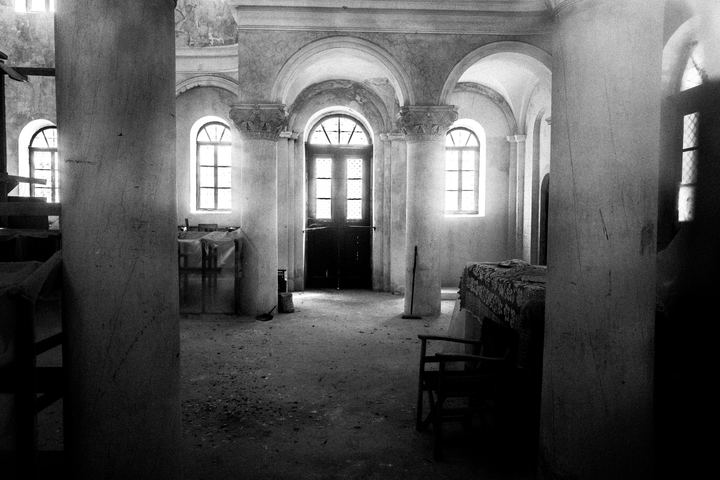
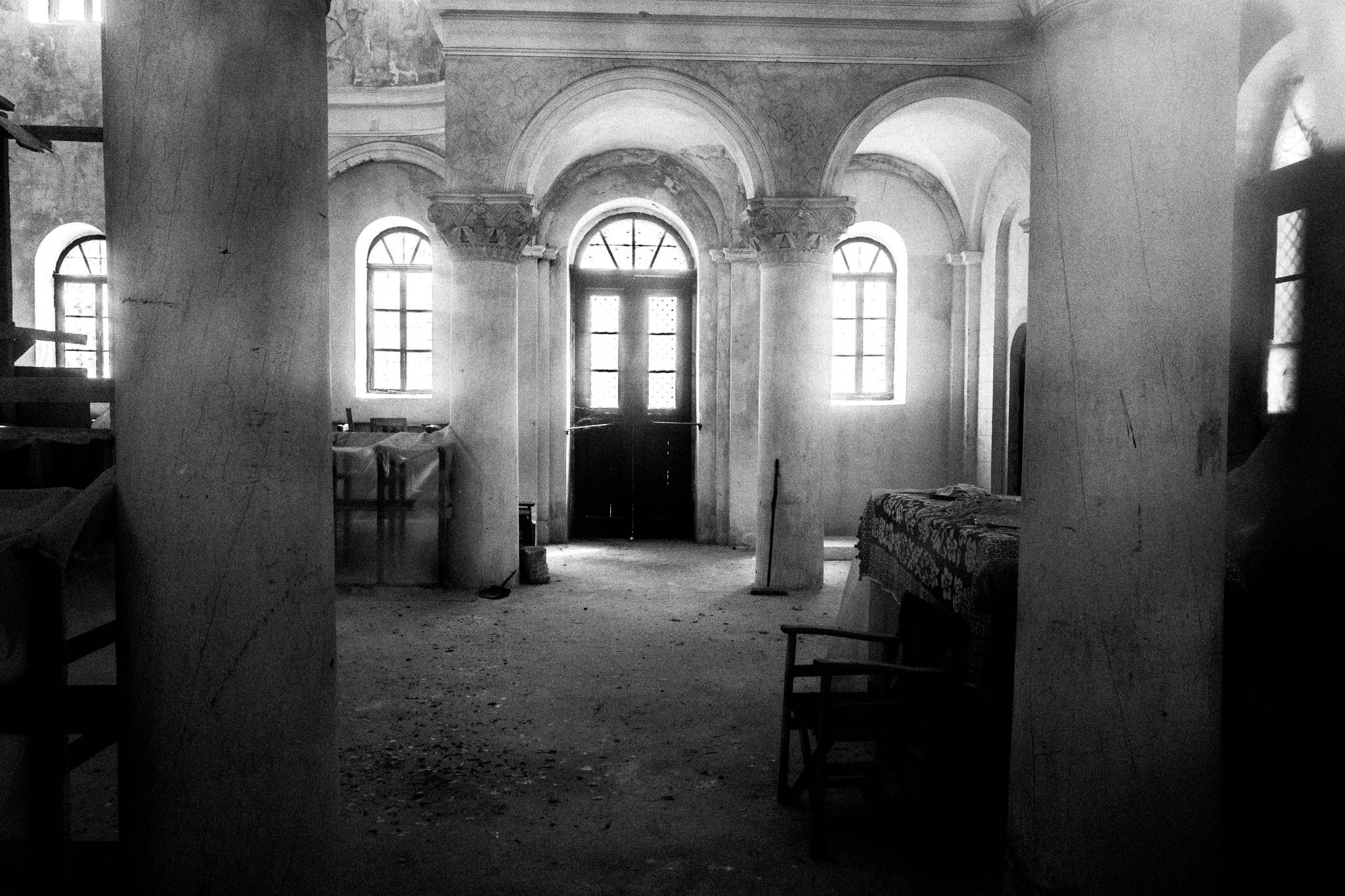
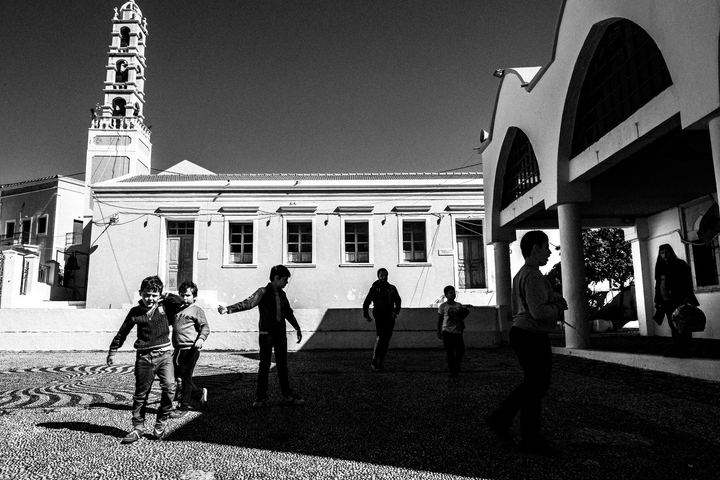
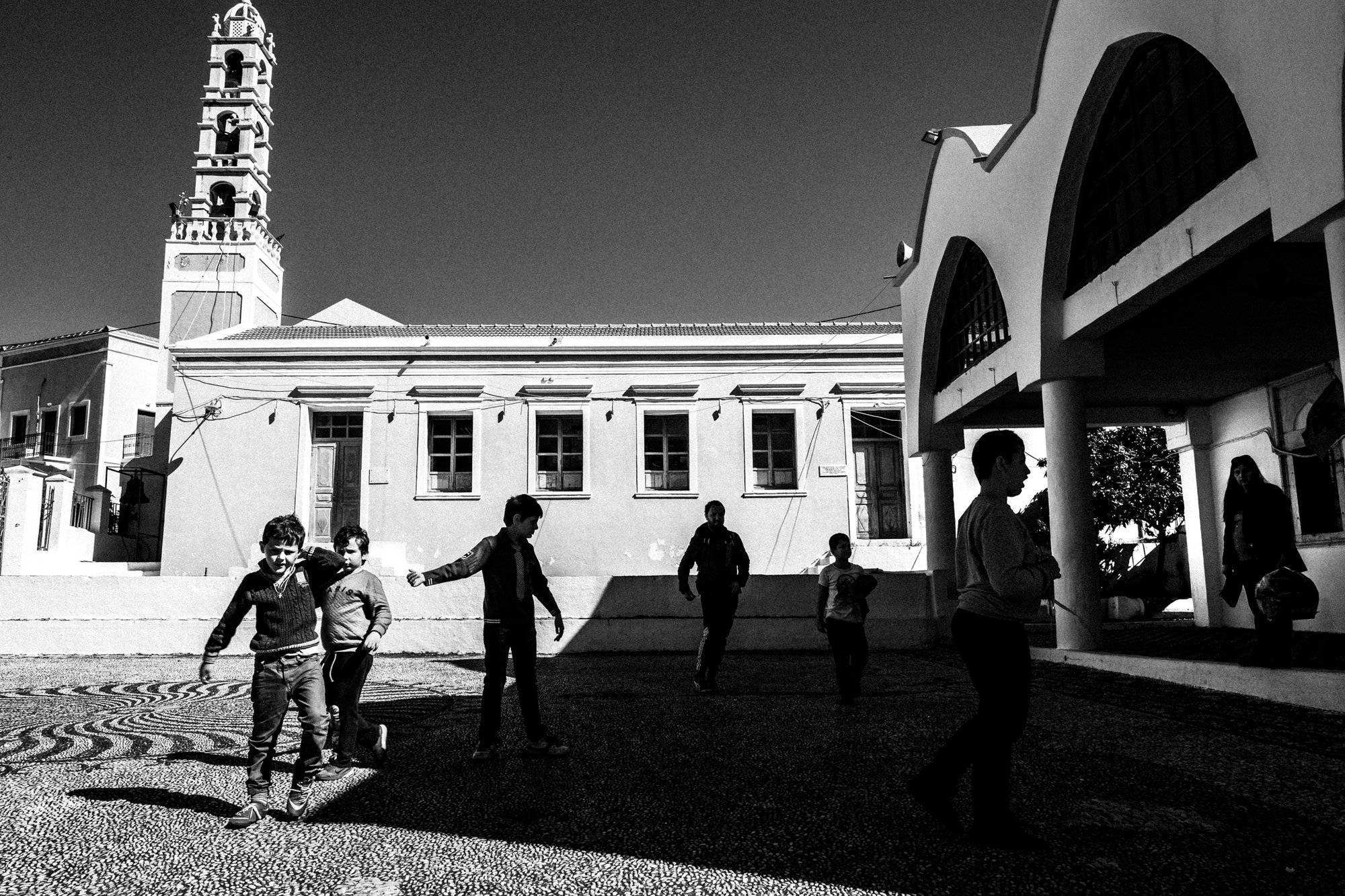
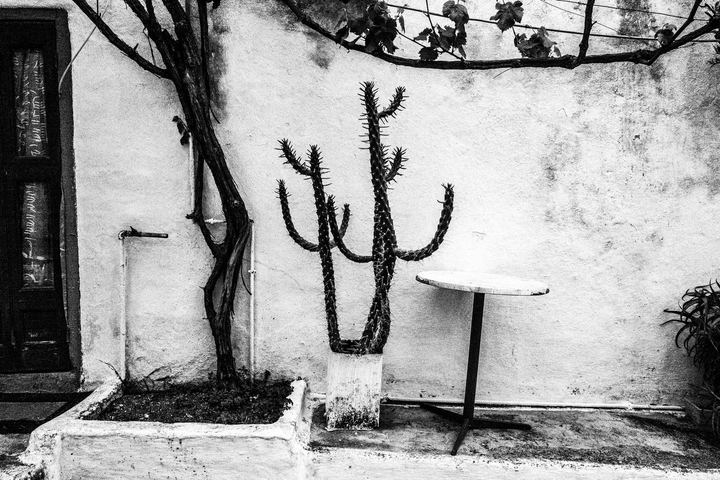
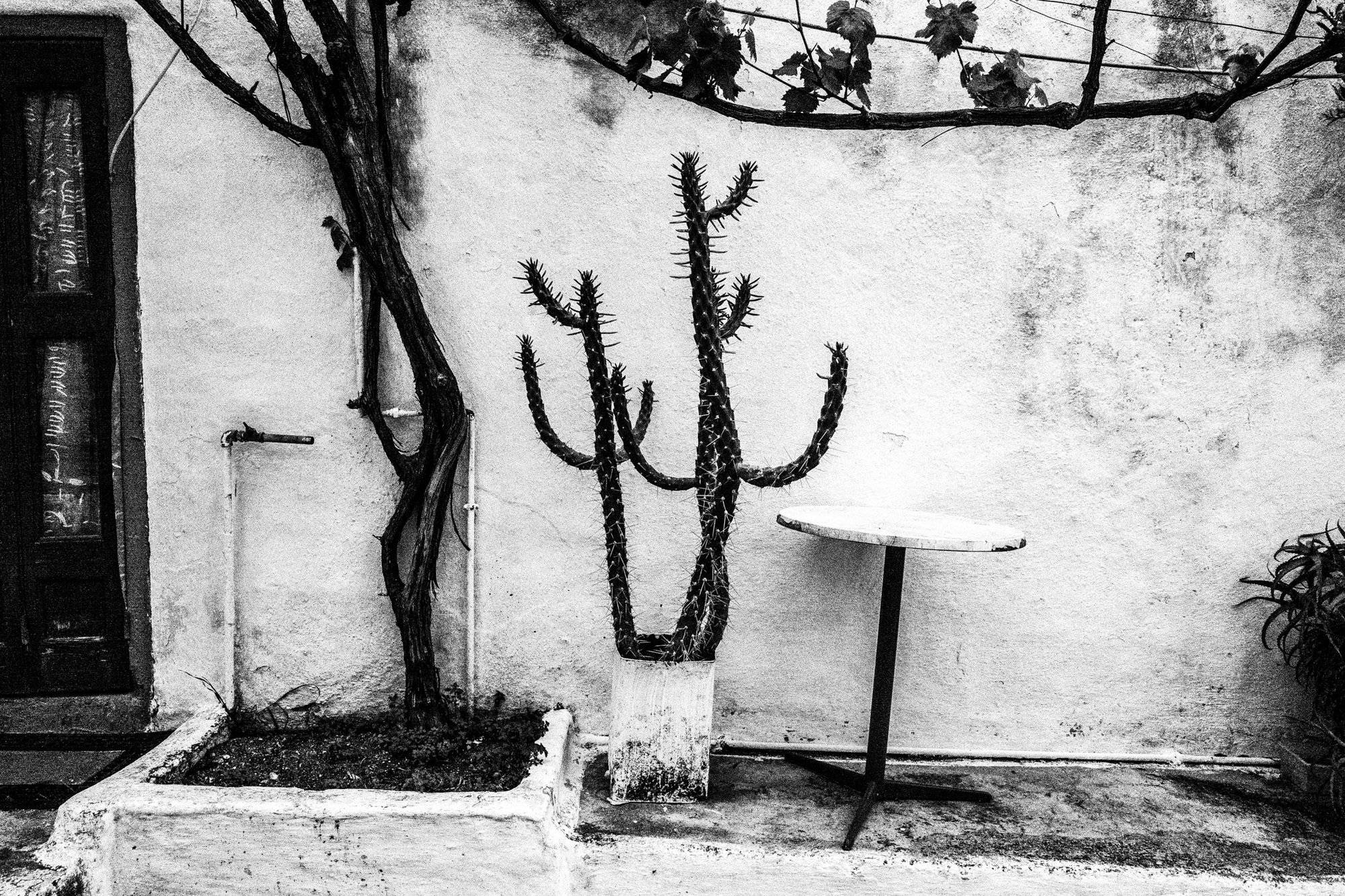
Away from the harbour view, the town revealed itself through smaller details: old churches, courtyards, children playing and the passages between houses. These quieter scenes became as important to my experience of Kastellorizo as its famous waterfront.
A story held by place
Continue through Megisti.
Follow the people, photographs and traditions of this essay into their wider geography.