Field notes · Photographic essay
The Mountains Above Anogia
Anogia → Crete
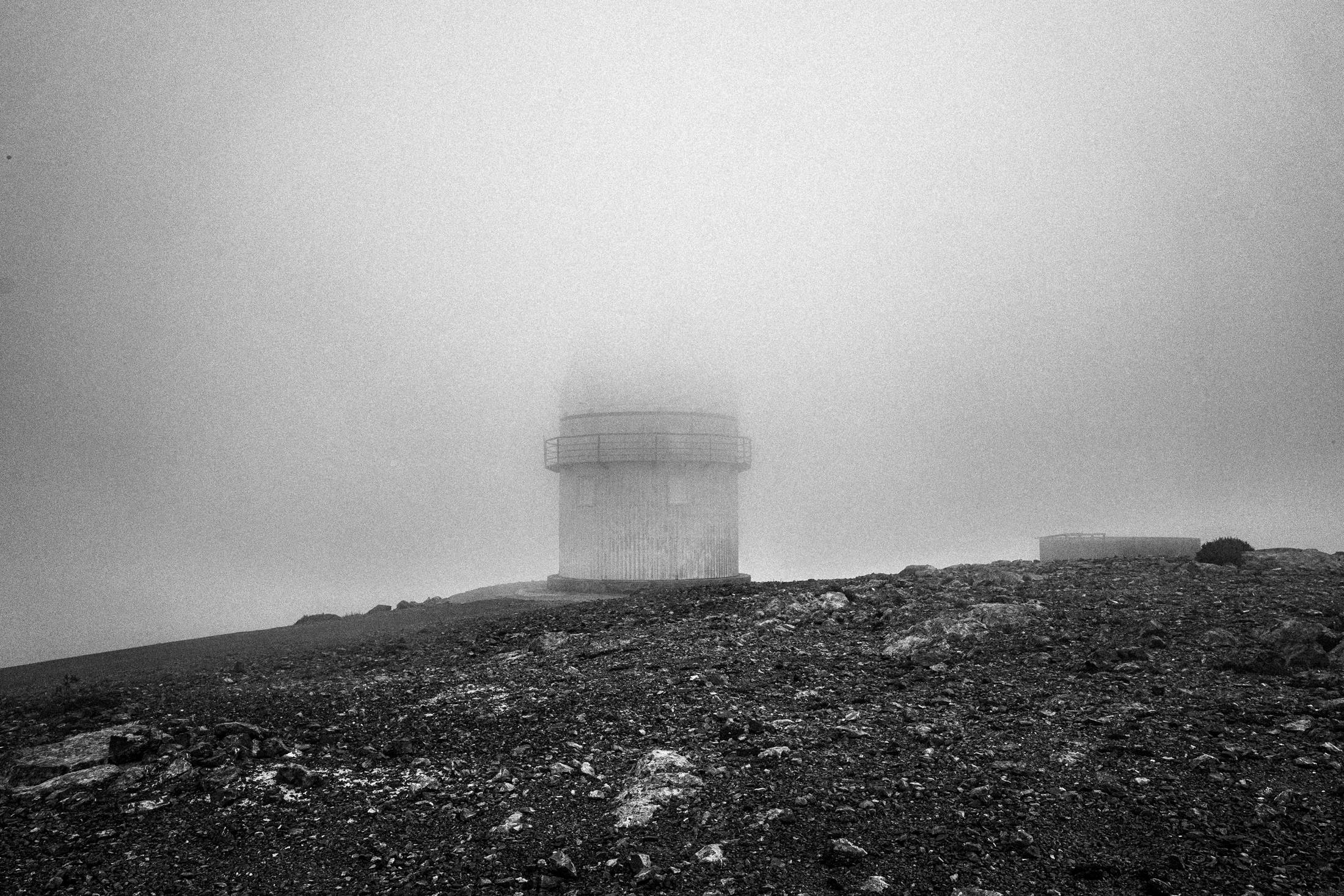
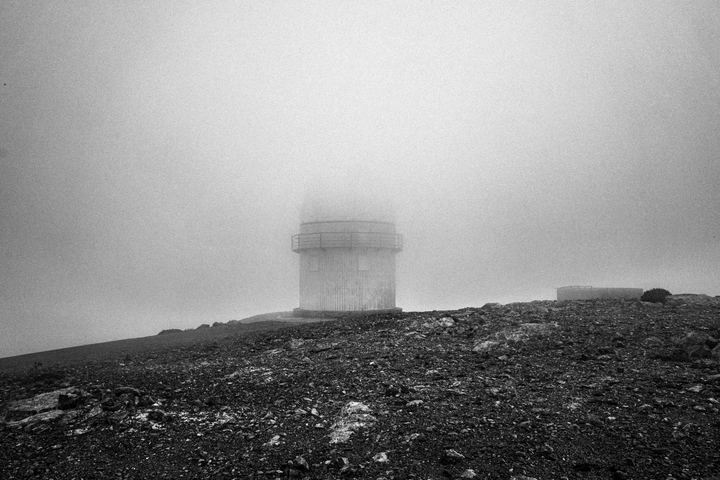
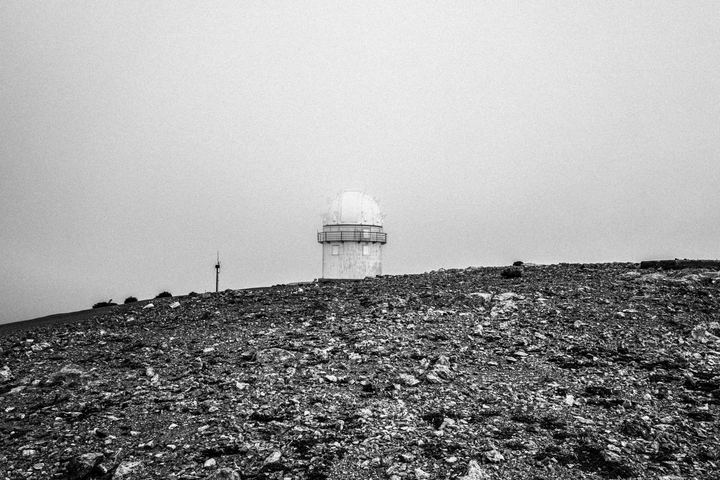
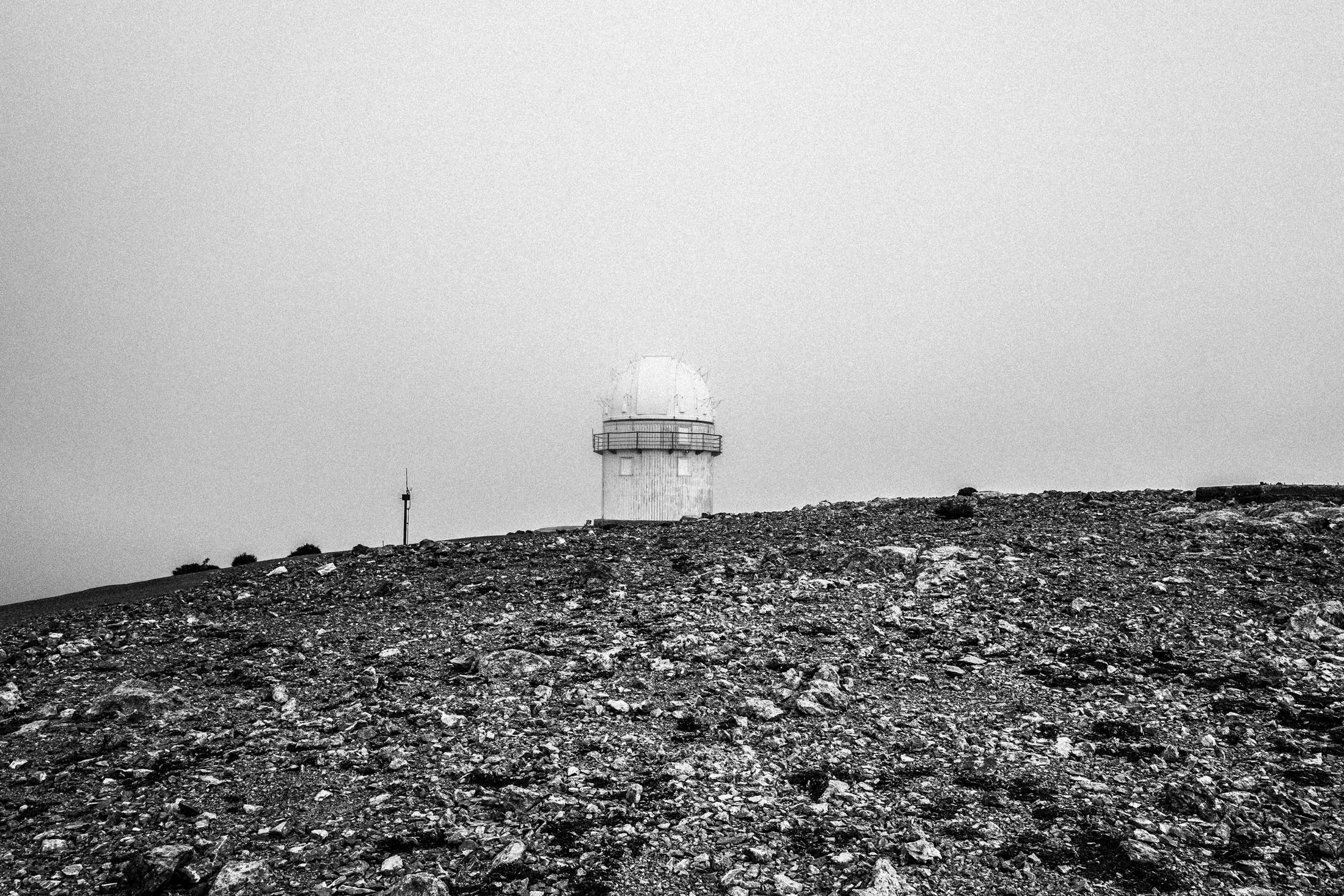
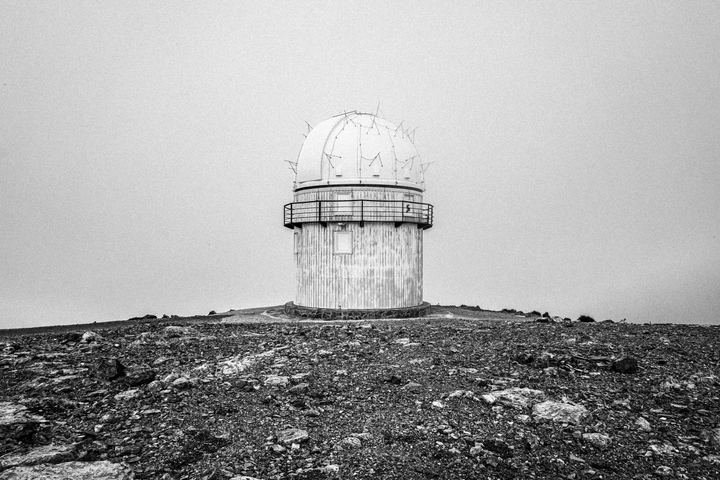
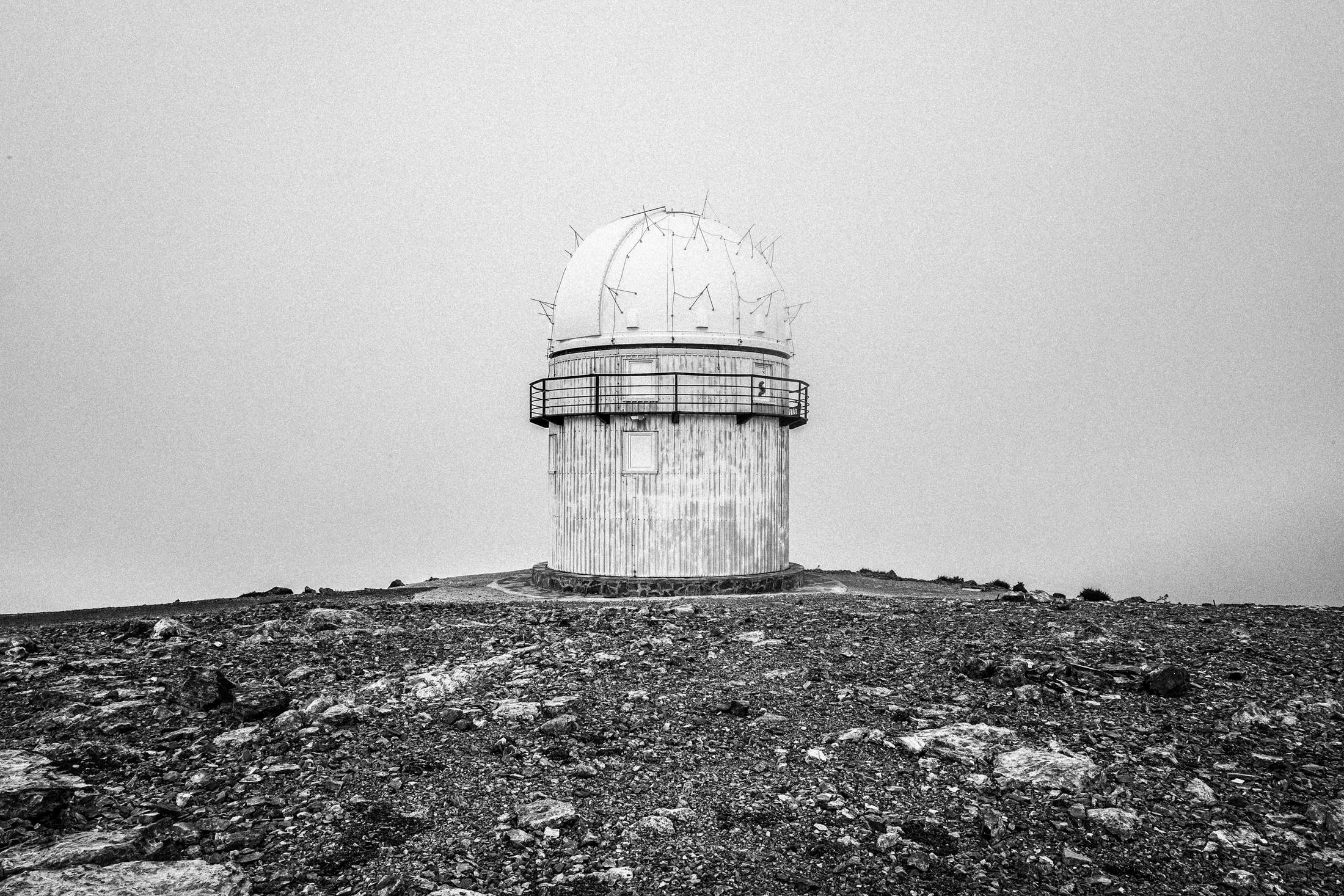
The Skinakas observatory at Psiloritis.
Collector mode
A photograph to live with. Enter a private viewing.Introduction
Above Anogia, the mountains of Psiloritis bring together myth, shepherd life, stone huts and the observatory of Skinakas.
In the mountains above Anogia, George Tatakis encountered a landscape where Cretan mythology, rural life and modern astronomy coexist. From the Cave of Zeus to the stone huts of shepherds and the Skinakas Observatory, the mountains of Psiloritis reveal a wider cultural geography around the village.
Where mythology meets altitude
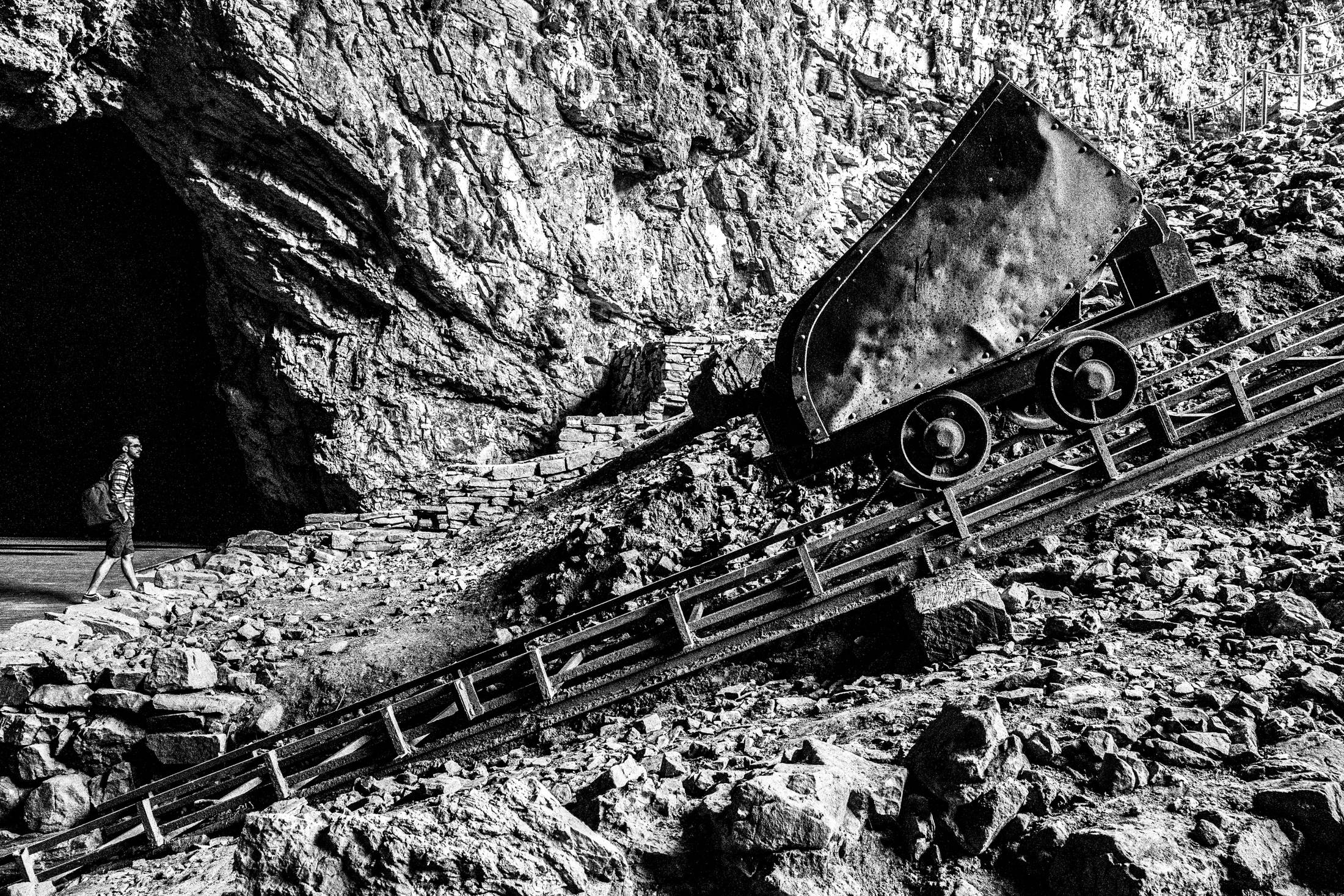
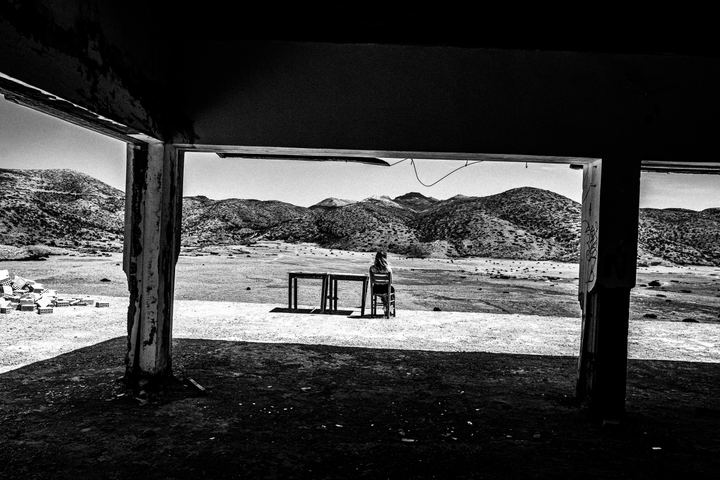
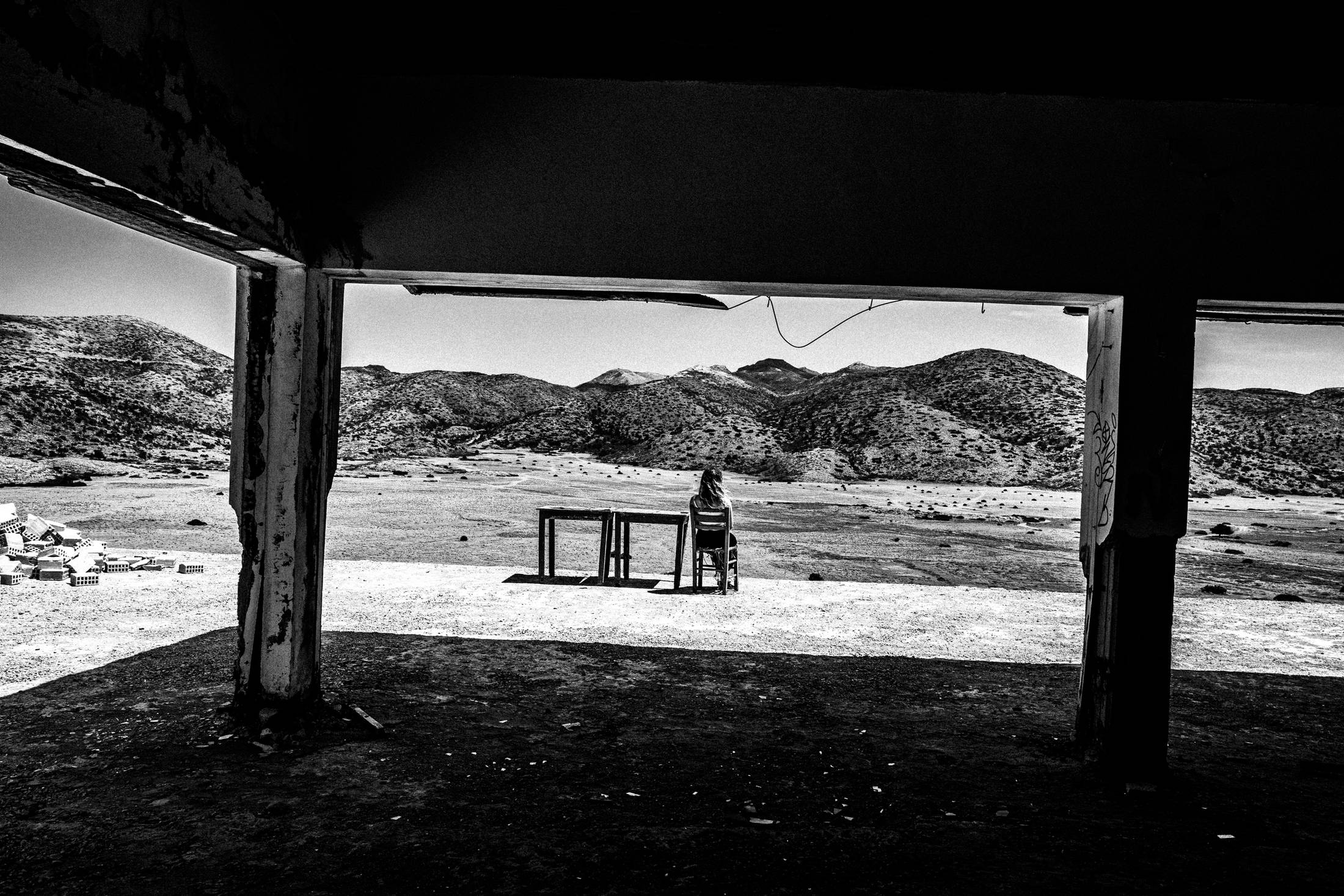
Near Anogia, the mountains of Psiloritis form a landscape that feels both rugged and symbolic. The area is tied to myth, shepherd life, stone architecture and the long history of people living with the mountain.
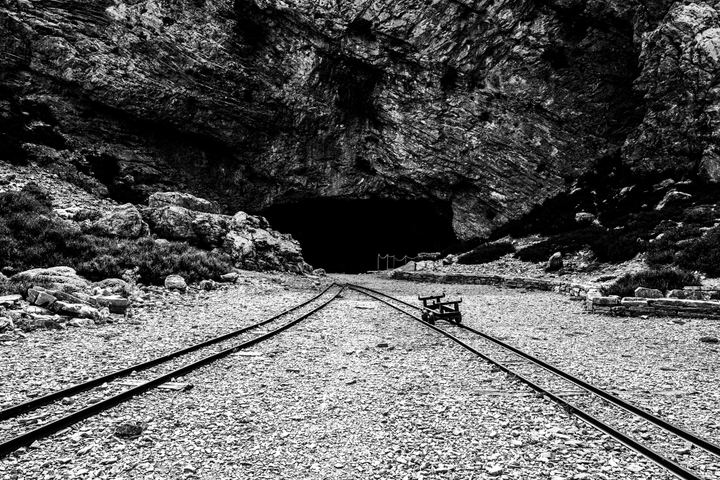
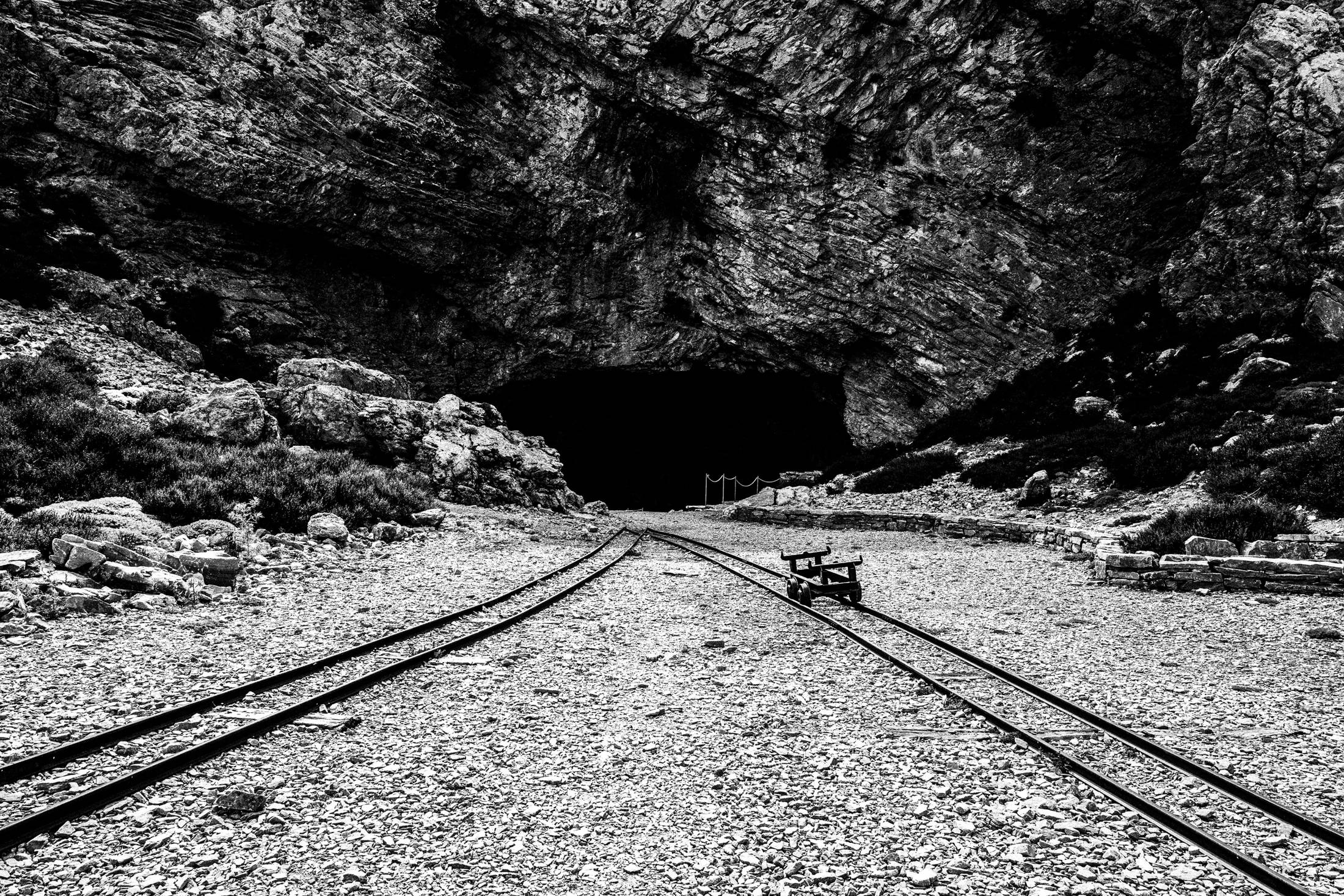
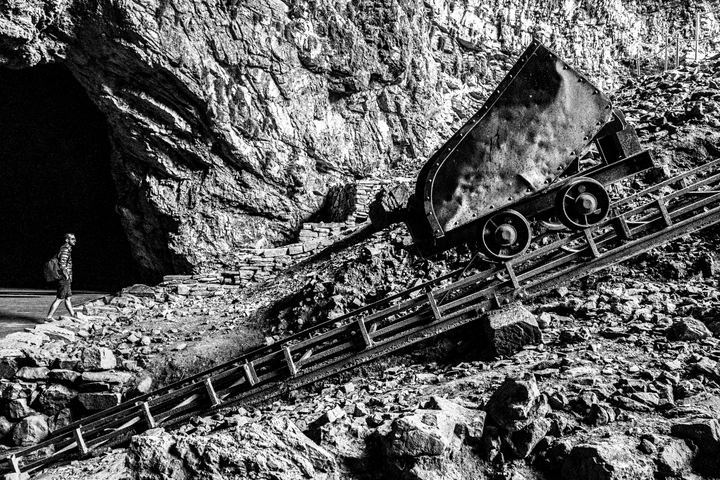
One of the most charged places in this landscape is the Cave of Zeus. According to Greek mythology, Zeus was born in a cave on Crete, and many associate this mountainous region with that origin story.
Stone huts and observatories
The mountains above Anogia are also marked by the stone huts of shepherds, known as mitata. Built from local stone, these structures have long offered shelter to shepherds and their flocks, remaining part of the rural identity of the region.
At the same time, the area is home to the Skinakas Observatory, a place dedicated to astronomy and space science. In this landscape, ancient myth and modern observation meet under the same sky.
A wider geography of Anogia
To understand Anogia, it is not enough to remain inside the village. The surrounding mountains help explain the place: its myths, its pastoral life, its isolation, its openness to the sky.
Above Anogia, the mountain holds mythology, rural memory and the modern gaze toward the stars.
A story held by place
Continue through Anogia.
Follow the people, photographs and traditions of this essay into their wider geography.